
Tabelog 100 #65
Our verdict
China Sanchi Soba Kobo Funatsu belongs to Matsue’s serious soba circuit rather than the city’s tourism-driven dining lane. Its Tabelog Soba WEST 100 selections in 2024 and 2025, modest price band, house-restaurant setting, and no-reservations format point to a local noodle shop where buckwheat, timing, and access matter more than ceremony.

Pearl is the En Primeur Club membership app — saves, bookings, and concierge access live there. Same editors, same standards.
- Address
- 117-6 Sotonakabaracho, Matsue, Shimane 690-0875, Japan
- Phone
- +81 852-22-2361
- Hours
- Mon ClosedTue–Sun 11 AM–2:30 PM
- Website
- tabelog.com
- Directions
- Get directions
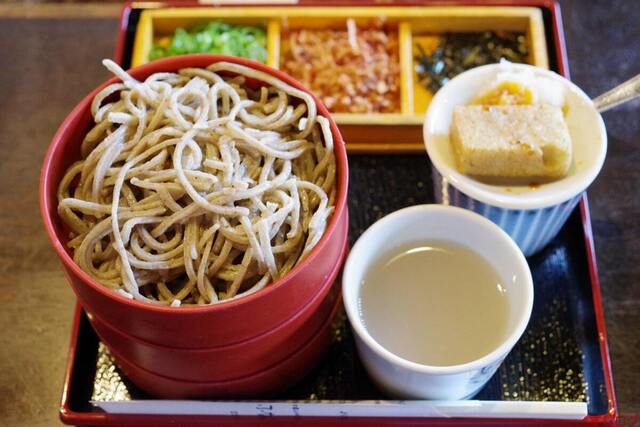
Approach this part of Sotonakabaracho and Matsue’s restaurant rhythm changes. The city’s castle-town scale gives way to a quieter residential pocket, the kind of setting where a soba shop can feel less like a destination restaurant than a working part of the neighbourhood. China Sanchi Soba Kobo Funatsu fits that register: a house-restaurant format, a compact noodle-and-fried-food category, and a reputation built around buckwheat rather than spectacle.
That matters in Matsue. The city sits in Shimane, where the San’in region’s food culture has long been shaped by inland grains, lake fish, sake, tea practice, and a slower style of eating than Japan’s larger rail-hub cities. Soba here is not a luxury performance in the Tokyo counter sense. It is a test of sourcing, milling, water, texture, and service discipline. A serious bowl has to justify itself quickly because the format is brief and prices remain accessible.
Buckwheat, not theatre, drives the Matsue soba conversation
The useful way to read this restaurant is through ingredient hierarchy. Soba is a narrow field: buckwheat quality, noodle handling, dipping broth, and frying technique leave little room for distraction. China Sanchi Soba Kobo Funatsu is listed for soba and deep-fried foods, with sake also noted, which places it in the practical Japanese lunch-shop tradition rather than the multi-course dining tier. The budget band sits at JPY 1,000 to JPY 1,999, a range that keeps the meal close to everyday local eating even as the recognition pushes it into a more selective national conversation.
The Tabelog Soba WEST 100 selection in both 2024 and 2025 is the clearest trust signal. This is not a Michelin-style luxury marker; it is more useful for noodle specialists because it sorts regional soba houses by category. Within western Japan, that recognition tells diners that the shop belongs in a competitive bracket where repetition, consistency, and local confidence count. The displayed score of 3.72 reinforces the same point: this is not a viral novelty address, but a place that has earned attention inside a specialist category.
Comparison inside Matsue sharpens the point. Teuchi Kamiyo Soba operates in the same broad price band, so the choice is not primarily about spend. It is about which style of soba lunch fits the day: one stop may suit a tighter city itinerary, another may reward a detour toward a quieter district. Mosoro and オマッジオ ダ コニシ point to a different side of Matsue dining, where the question becomes cuisine type and evening pacing rather than the discipline of buckwheat noodles.
A 40-seat house restaurant with a no-reservations rhythm
The room size matters because soba is a timing-sensitive format. With 40 seats and reservations unavailable, the experience runs on arrival strategy rather than advance planning. That is typical of respected noodle shops outside major luxury circuits: demand is managed by opening hours, queue tolerance, and the kitchen’s ability to keep turnover moving. It also changes how travellers should think about the meal. This is not the place to anchor a formal evening; it is a daytime soba stop that fits around Matsue Castle, Lake Shinji, or the onsen-side district.
Access is workable without overcomplicating the day. The nearest station is Matsue Shinjiko Onsen, and the address sits in Sotonakabaracho rather than the denser restaurant zones around the main station. Bus routes also serve the area, while parking is listed at about seven spaces in the supermarket parking lot on the north side, marked for Funatsu. Those details matter in a regional city where a good lunch can be decided by transit timing as much as appetite.
Payment is another signal of the format. Credit cards, electronic money, and QR code payments are not accepted, so cash is the sensible assumption. The shop is non-smoking, has no private rooms, and does not take private use, which keeps the experience aligned with a shared local dining room rather than a controlled hospitality suite. For travellers used to Tokyo’s reservation platforms and card-first counters, the friction is part of the category: serious regional soba often remains analog.
Where it fits in a Matsue itinerary
For a Matsue food day, this is a lunch decision with a clear editorial case. The restaurant’s value is strongest for diners who care about regional soba as a craft category, not just as a quick noodle stop. It also suits travellers building a broader city read: compare soba here with tea culture around the castle district, sake from Shimane’s inland tradition, and the lake-facing pacing that separates Matsue from heavier dining capitals.
The wider Matsue edit should stay selective. Use Our full Matsue restaurants guide to place China Sanchi Soba Kobo Funatsu among the city’s other tables, then pair the meal with lodging from Our full Matsue hotels guide if the itinerary allows a slower overnight. Drinking and regional production sit in separate lanes: Our full Matsue bars guide, Our full Matsue wineries guide, and Our full Matsue experiences guide are better used after the soba stop has set the day’s tempo.
For readers mapping Japan beyond Shimane, the contrast is useful. A soba lunch in Matsue has little in common with beef-led dining such as -Grilled beef Sukiyaki- KAMAKURA TANUKIAN 鎌倉 たぬき庵 in Kamakura, urban seafood-and-grill formats such as . 鮪と炭火焼き うお炭 秋葉原店 in Tokyo, or café-led pacing at.cafe in Osaka. It also sits far from the international casual formats represented by.know in Kumamoto and (Shoku) Vietnam in Kawasaki. Even among everyday Japanese categories, the comparison with [Curry Senmon Ten] Maruyama Kyoju. in Sapporo, [ki:] in Kyoto, #肉といえば松田 奈良本店 in Kashihara, Jōdo Saké Bar in Los Angeles, and Onigiri Time in Pasadena shows why Matsue soba should be read on its own terms: narrow craft, local cadence, and a price point that keeps the focus on the grain.
Frequently asked questions
Would China Sanchi Soba Kobo Funatsu be comfortable with kids?
The 40-seat room and lunch-only hours, Tuesday to Sunday from 11 AM to 2:30 PM, make it workable for families. The house-restaurant format in Matsue is more practical than formal, and the price range of JPY 1,000–JPY 1,999 keeps it accessible.
What is the atmosphere like at China Sanchi Soba Kobo Funatsu?
Expect a house restaurant with a relaxing space rather than a polished dining room. The setting is shaped by soba service, 40 seats, and no reservations, so the pace is defined by lunch traffic and turnover.
What price level is China Sanchi Soba Kobo Funatsu?
Pricing at China Sanchi Soba Kobo Funatsu is listed as JPY 1,000 - JPY 1,999 JPY 1,000 - JPY 1,999 View spending breakdown.
What are the opening hours for China Sanchi Soba Kobo Funatsu?
Hours at China Sanchi Soba Kobo Funatsu: Mon: Closed; Tue: 11 AM–2:30 PM; Wed: 11 AM–2:30 PM; Thu: 11 AM–2:30 PM; Fri: 11 AM–2:30 PM; Sat: 11 AM–2:30 PM; Sun: 11 AM–2:30 PM.
Where do I go for China Sanchi Soba Kobo Funatsu?
China Sanchi Soba Kobo Funatsu is located in Matsue.
A Quick Peer Check
Comparable venues by cuisine and price in the same metro.
| Venue | Cuisine | Price | Awards | Notes |
|---|---|---|---|---|
| China Sanchi Soba Kobo FunatsuThis venue — the venue you are viewing | Japanese Soba | $1–10 | Tabelog 100 #65 | Not listed |
| KARLY tonomachi | Japanese Spice Curry | $10–20 | Not listed | Tonomachi |
| Teuchi Kamiyo Soba | Traditional handmade soba (Izumo-style) | $10–20 | Tabelog 100 #80 | Matsue Shinjiko Onsen area |
| オマッジオ ダ コニシ | Modern Italian with Local Shimane Ingredients | $50–100 | Not listed | Higashi Asahi-cho |
| Nonokura (手打式超多加水麺 ののくら) | Handmade Ultra-High Hydration Ramen | Not listed | Not listed | Kameari |
| すし築地日本海 長野駅前店 | Authentic Edomae Sushi & Izakaya | $30–50 | Not listed | Nagano Station (Zenkokuji-guchi) |
Recognition history
Dated appearances from independent guides and award organizations, with the underlying list record or original source where available.
Tabelog 100 #65 · No. 65
Tabelog · Tabelog 100 - Soba - WEST - 2025
Continue exploring
More in Matsue
Restaurants in Matsue
Browse all →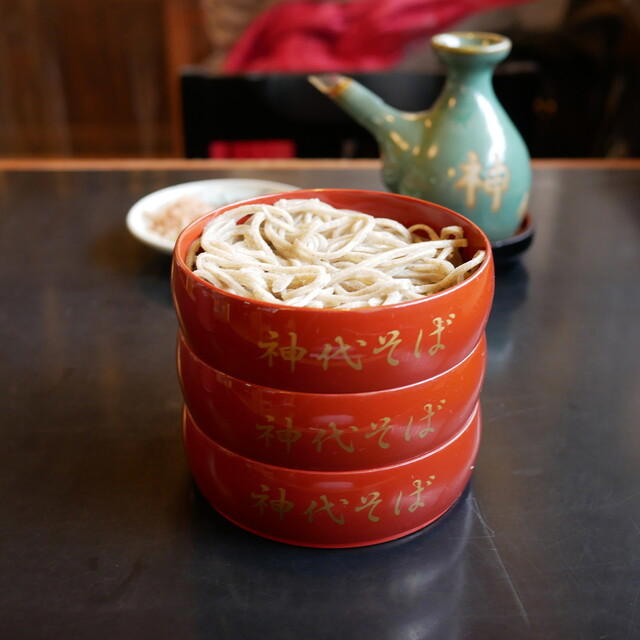

Details
- Classic
- Cozy
- Solo
- Casual Hangout
- Group Dining
- Standalone
- Sake Program
- A La Carte
- Sake
Current opening hours
- Monday
- Closed
- Tuesday
- 11 AM–2:30 PM
- Wednesday
- 11 AM–2:30 PM
- Thursday
- 11 AM–2:30 PM
- Friday
- 11 AM–2:30 PM
- Saturday
- 11 AM–2:30 PM
- Sunday
- 11 AM–2:30 PM
Hours can change for holidays and private events. Last verified .
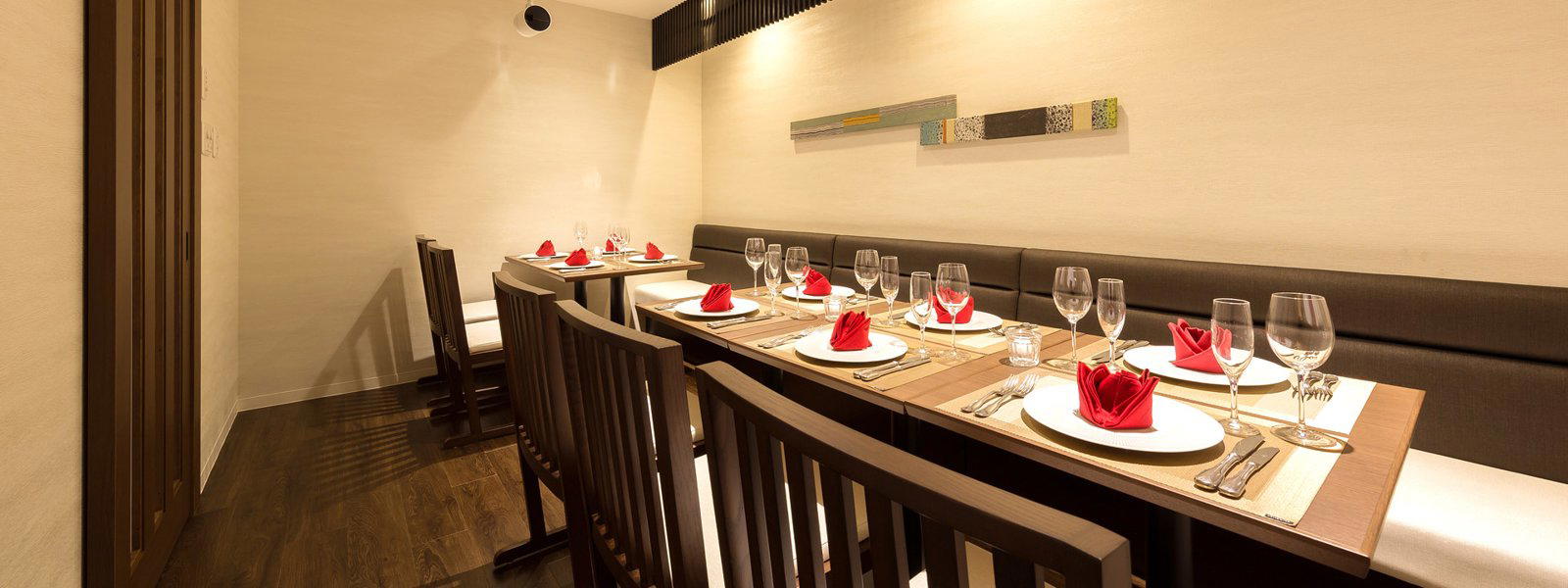
Simple, relaxed, and house-like, with a quiet daytime soba-shop atmosphere rather than a formal dining room.