
Preferred Hotels Member
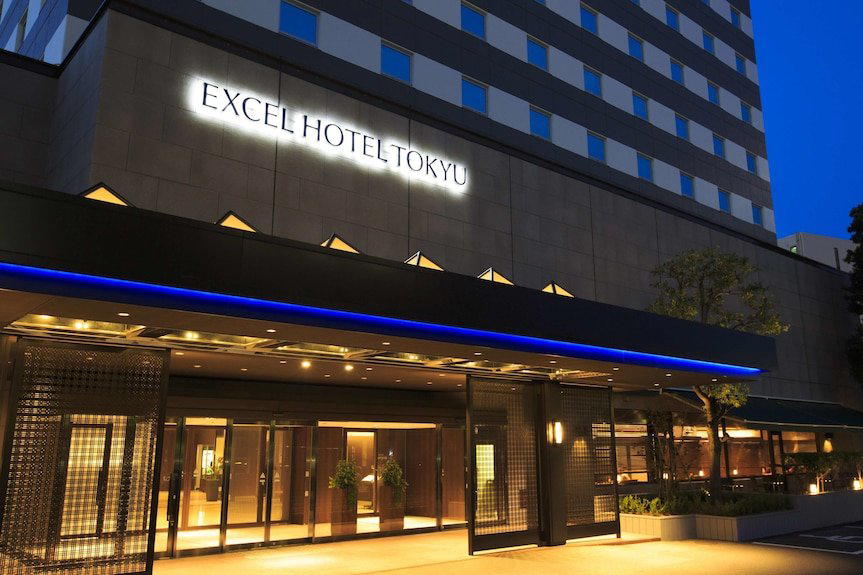
A 163-room city-centre property in Matsue, the Shimane prefectural capital that holds one of Japan's original feudal castles. The Excel Hotel Tokyu format positions it within a well-established business-and-leisure tier that values consistent service and central access over resort-style immersion. For travellers arriving to explore the castle district and Shinji-ko lake, the address makes practical sense.

Pearl is the En Primeur Club membership app — saves, bookings, and concierge access live there. Same editors, same standards.
- Address
- 590 Asahimachi, Matsue, Shimane 690-0003
- Phone
- +81 852-27-0109
- Website
- tokyuhotels.co.jp
- Directions
- Get directions
Matsue's Accommodation Register and Where This Property Sits
Matsue occupies a specific position in Japan's travel geography: the Shimane prefectural capital, home to Matsue Castle (one of twelve original feudal castles surviving in Japan), and bordered on the west by Lake Shinji-ko, one of the country's largest brackish lakes. The city draws visitors interested in samurai-era architecture, Lafcadio Hearn's literary legacy, and a regional cuisine built around the lake's seven prized fish species. Yet Matsue sits well outside the Kyoto-Osaka-Tokyo corridor that concentrates most international hotel investment, which means its accommodation register looks different from those cities — it runs toward mid-scale business hotels and a handful of traditional ryokan rather than the design-led boutique properties that now define premium travel in western Honshu and Kyushu.
Within that register, the Matsue Excel Hotel Tokyu functions as a full-service city hotel of 163 rooms, placed at the upper end of the business hotel category rather than in the resort or ryokan tier. The Excel Hotel Tokyu brand operates as part of the broader Tokyu Hotels portfolio, a group with substantial coverage across Japanese regional cities. That affiliation tells you something about the operational standard: consistent staffing protocols, reliable facilities, and a service model calibrated for both corporate and leisure guests moving through Shimane on a structured itinerary. For travellers who have stayed at Tokyu-affiliated properties elsewhere in Japan, the framework will feel familiar.
This is a materially different proposition from the small-key ryokan model that defines Shimane's more atmospheric accommodation options, or from the landmark properties in adjacent regions — Sekitei in Hatsukaichi-shi or Nishimuraya Honkan in Kinosaki-cho, for instance, sit in a different category entirely, built around kaiseki dining programmes and intimate room counts. The Excel Hotel Tokyu trades those qualities for scale, central positioning, and the logistical reliability that a 163-room full-service property can offer.
The Physical Address and What It Means for Movement
The property sits at 590 Asahimachi, placing it in central Matsue within walkable distance of the castle district and the Horikawa canal system that rings the castle grounds. In a city of this scale, Matsue is compact by Japanese prefectural capital standards, central location has more practical value than it would in Osaka or Tokyo, where the metro system makes peripheral hotels workable. Here, the address determines whether you walk to Matsue Castle in fifteen minutes or whether you need to coordinate transportation. A central base means the castle, the Lafcadio Hearn Memorial Museum, and the Shinji-ko lakefront are all accessible without a vehicle.
Arriving by rail, Matsue Station is the primary entry point for visitors coming from Okayama via the Yakumo limited express or from Yonago. The Asahimachi address keeps the property within the walkable core of the city rather than requiring an onward taxi journey. For travellers building a San-in Coast itinerary, pairing Matsue with Izumo Taisha, one of Japan's most significant Shinto shrines located roughly 30 kilometres west, the central Matsue base functions as a practical hub. See our full Matsue restaurants guide for how to orient a broader stay around the city's dining and cultural calendar.
Design Register: What 163 Rooms Signals
The 163-room count situates this property at a scale that falls between the intimacy of a boutique ryokan and the anonymous volume of a large conference hotel. In Japan's business hotel category, properties in this size range typically operate with a design vocabulary that prioritises efficiency and spatial clarity: rooms that use every square metre purposefully, common areas that are functional without being elaborate, and a consistent material palette across floors. The Excel Hotel Tokyu brand has historically applied a cleaner, more considered finish than base-tier business hotels, better lighting, more deliberate furniture selection, but the design emphasis remains on comfort and functionality rather than architectural statement.
This is a direct contrast with the architectural ambition you find at the upper end of Japan's hotel market. Properties like Benesse House in Naoshima, designed by Tadao Ando and structured around the island's contemporary art museums, or Zaborin in Kutchan with its landscape-first site planning, operate in a register where architecture and environment are the primary product. The Excel Hotel Tokyu does not compete in that space. Its design logic is about making a regional city base work well rather than making an architectural argument. For travellers whose primary interest is Matsue's history, castle architecture, and the San-in Coast rather than the hotel itself, that calibration is probably appropriate.
For reference on what a more design-invested stay looks like in Japan's comparable market, Azumi Setoda in Onomichi or ENOWA Yufu in Yufu illustrate the direction that architecturally-led regional properties have taken in western Japan. These properties frame the surrounding environment as part of the guest experience through considered material choices and spatial relationships with landscape. The Matsue Excel Hotel Tokyu takes a different position, it supports access to Matsue's external attractions rather than competing with them as a destination in its own right.
Regional Context: Shimane and the San-in Coast
Shimane Prefecture receives a fraction of the international visitors who pass through Kyoto or Hiroshima, partly because it sits off the Shinkansen network and requires a more deliberate routing decision. The San-in Coast, the Sea of Japan shoreline running through Tottori and Shimane, is a different Japan from the well-documented Golden Route, and Matsue sits at its cultural centre. The castle dates to 1611 and is the only original surviving castle in the San-in region. Shinji-ko's shijimi clams, pike conger, and whitebait have shaped a regional cuisine that functions on its own terms rather than as a derivative of Kyoto kaiseki traditions. Getting to this part of Japan takes planning, and a property that handles the logistics competently has value for that reason alone.
Those who use Matsue as a gateway to broader San-in travel might compare the region's character with the western Honshu properties in our network. Bettei Otozure in Nagato and Araya Totoan in Kaga give a sense of how the Sea of Japan coast's ryokan tradition operates at the high end. Beniya Kofuyuden in Awara offers another reference point for coastal Honshu hospitality. The Matsue Excel Hotel Tokyu does not position itself in this ryokan tradition, it is a city hotel, not a hot-spring retreat, but understanding that tradition helps calibrate what the property is and is not offering.
Planning a Stay
The 163-room property at 590 Asahimachi, Matsue, Shimane 690-0003 is suited to travellers with a clear agenda for the city and the wider San-in region. Those prioritising intimate service, onsen facilities, or kaiseki programmes should look at the ryokan options in Matsue's wider accommodation register or consider properties further along the coast. Those who need a reliable central base with the operational consistency of an established hotel group, and who plan to spend the majority of their time exploring the castle district, the Horikawa boat canal, Izumo Taisha, and the lake, will find the property's positioning makes practical sense. Spring and autumn are the primary seasons for Matsue visits, with the castle grounds particularly well visited during cherry blossom. Summer brings the Shinji-ko Fireworks Festival, when accommodation fills well in advance across the city.
For broader trip context within Japan's premium accommodation market, the EP Club network covers properties from Bvlgari Hotel Tokyo and HOTEL THE MITSUI KYOTO at the capital-city end, through regional properties like Amanemu in Mie, Gora Kadan in Hakone, and Asaba in Izu, down to the more niche coastal and island properties like Halekulani Okinawa and Jusandi in Ishigaki. The Matsue Excel Hotel Tokyu occupies a different tier from most of those, which is worth stating plainly. It is a competent, centrally located city hotel in one of Japan's most historically significant and least over-visited prefectural capitals.
A Quick Peer Check
Comparable venues nearby, for context on price, style, and recognition.
| Venue | Cuisine | Price | Awards | Notes |
|---|---|---|---|---|
| Matsue Excel Hotel TokyuThis venue — the venue you are viewing | Modern business hotel in convenient station location | Not listed | Preferred Hotels Member | Not listed |
| Tsuruko | Traditional Japanese ryokan with contemporary hospitality standards | $200–300 | 1 Michelin Key | Downtown Kanazawa |
| Sheraton Kagoshima | Modern fusion of traditional Japanese craftsmanship and Western design | Not listed | Michelin Selected | Koraicho |
| Hilton Hiroshima | Contemporary urban hotel with skyline views | Not listed | World Luxury Hotel Awards WLHA Regional Winner | Naka |
| 界 津軽 | Modern Japanese ryokan with Tsugaru cultural integration | Not listed | 4-Star | 大鰐温泉 |
| Ryugon (ryugon) | Sustainable heritage ryokan combining traditional Edo-period farmhouse architecture with contemporary luxury design and environmental consciousness. | Not listed | 4-Star | Minamiuonuma (Muikamachi area) |
Recognition history
Dated appearances from independent guides and award organizations, with the underlying list record or original source where available.
Preferred Hotels Member
Preferred Hotels
Continue exploring
More in Matsue
Hotels in Matsue
Browse all →
Details
- Modern
- Quiet
- Business Trip
- Group Retreat
- Weekend Escape
- Historic Building
- Wi Fi
- Restaurant
- Parking
- Elevator
- 24 Hour Front Desk
- Meeting Rooms
- Laundry Service
- Luggage Storage
- Air Conditioning
- Street Scene
- Wheelchair Accessible
- Accessible Parking
- Elevator
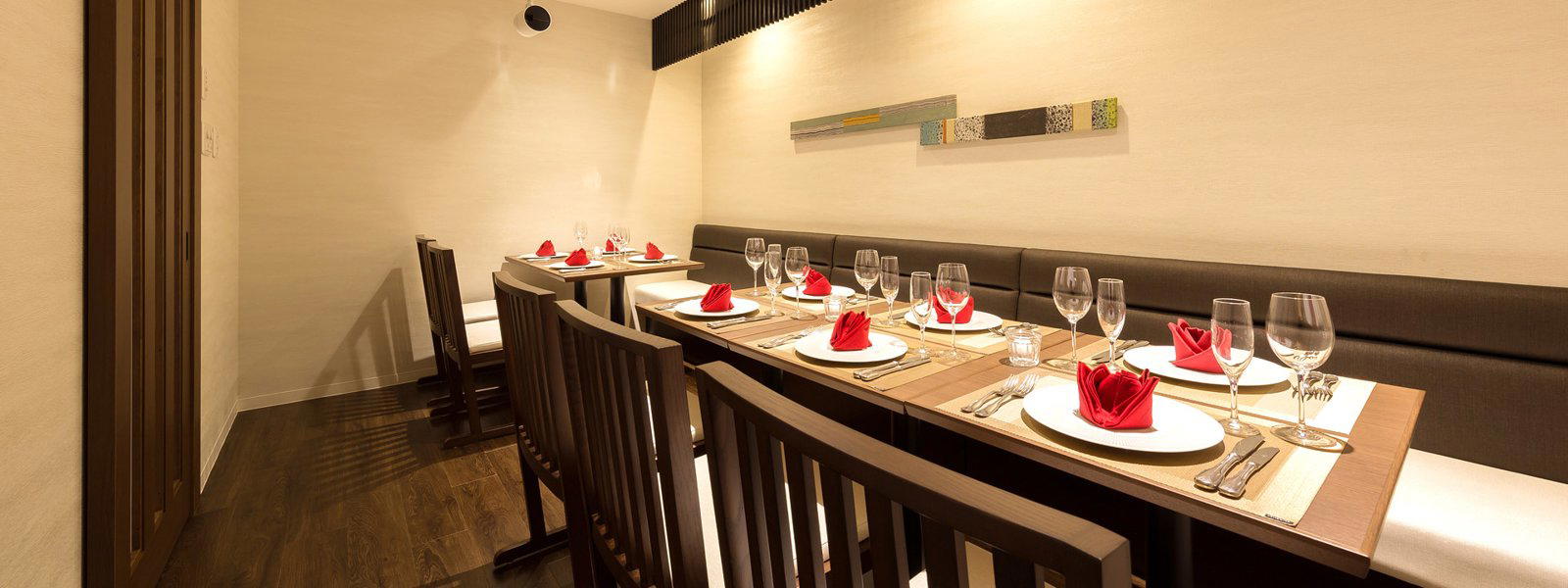
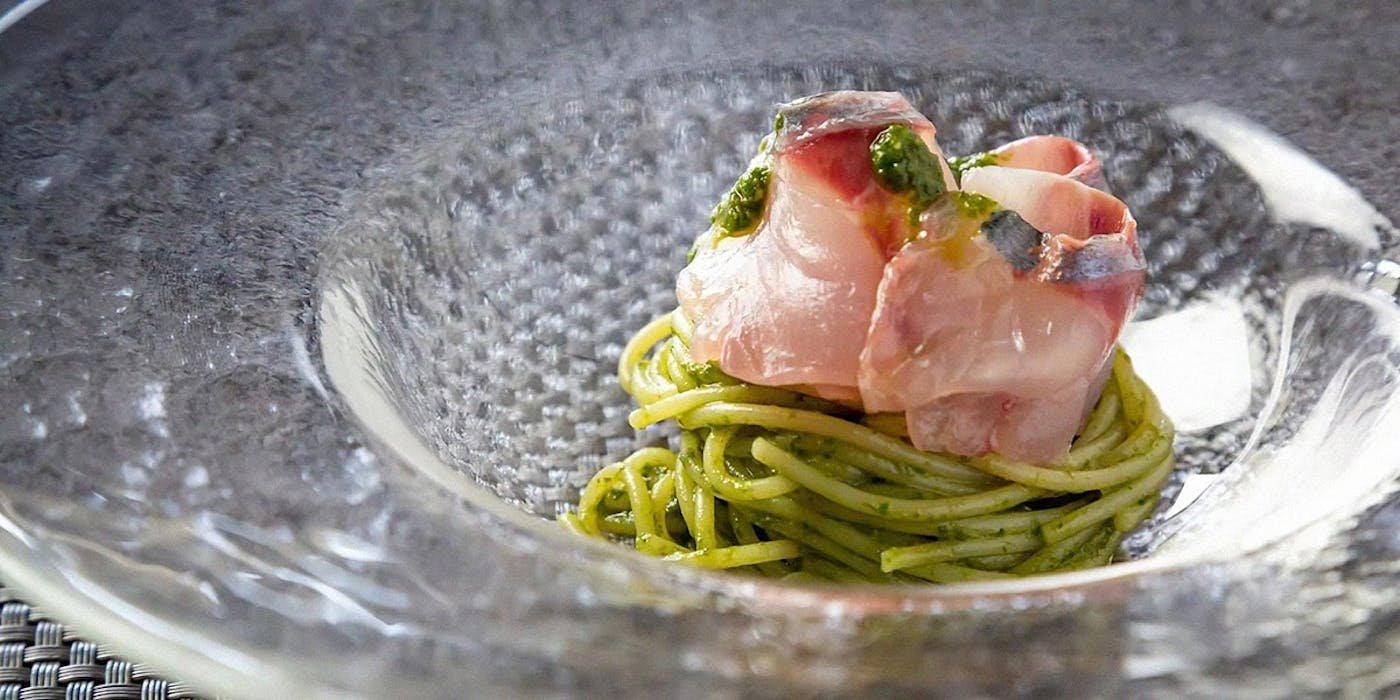
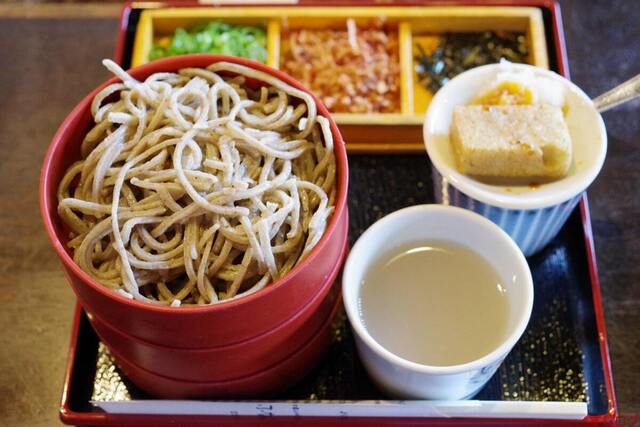
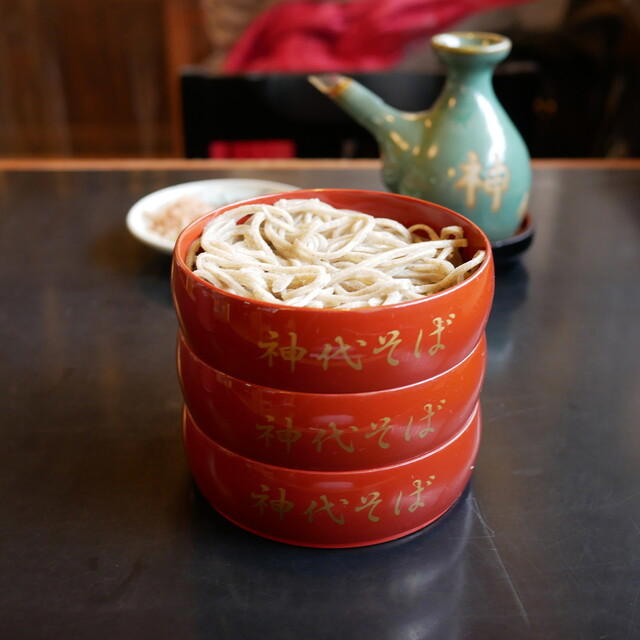
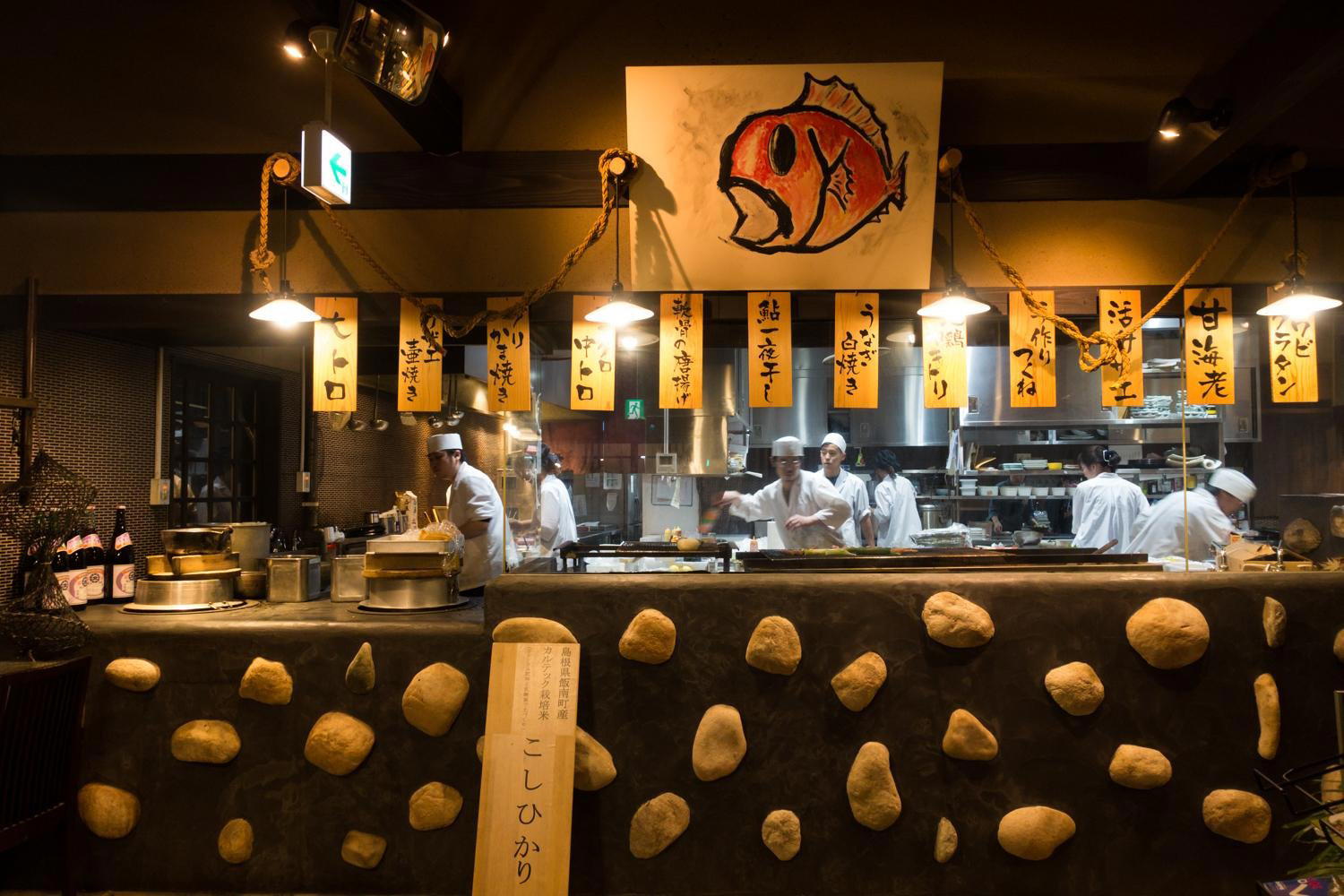
A practical, well-kept business-hotel atmosphere with modern, non-smoking rooms and a calm, orderly feel; the restaurant and public areas are positioned for comfortable everyday stays rather than resort-style leisure.