Our verdict
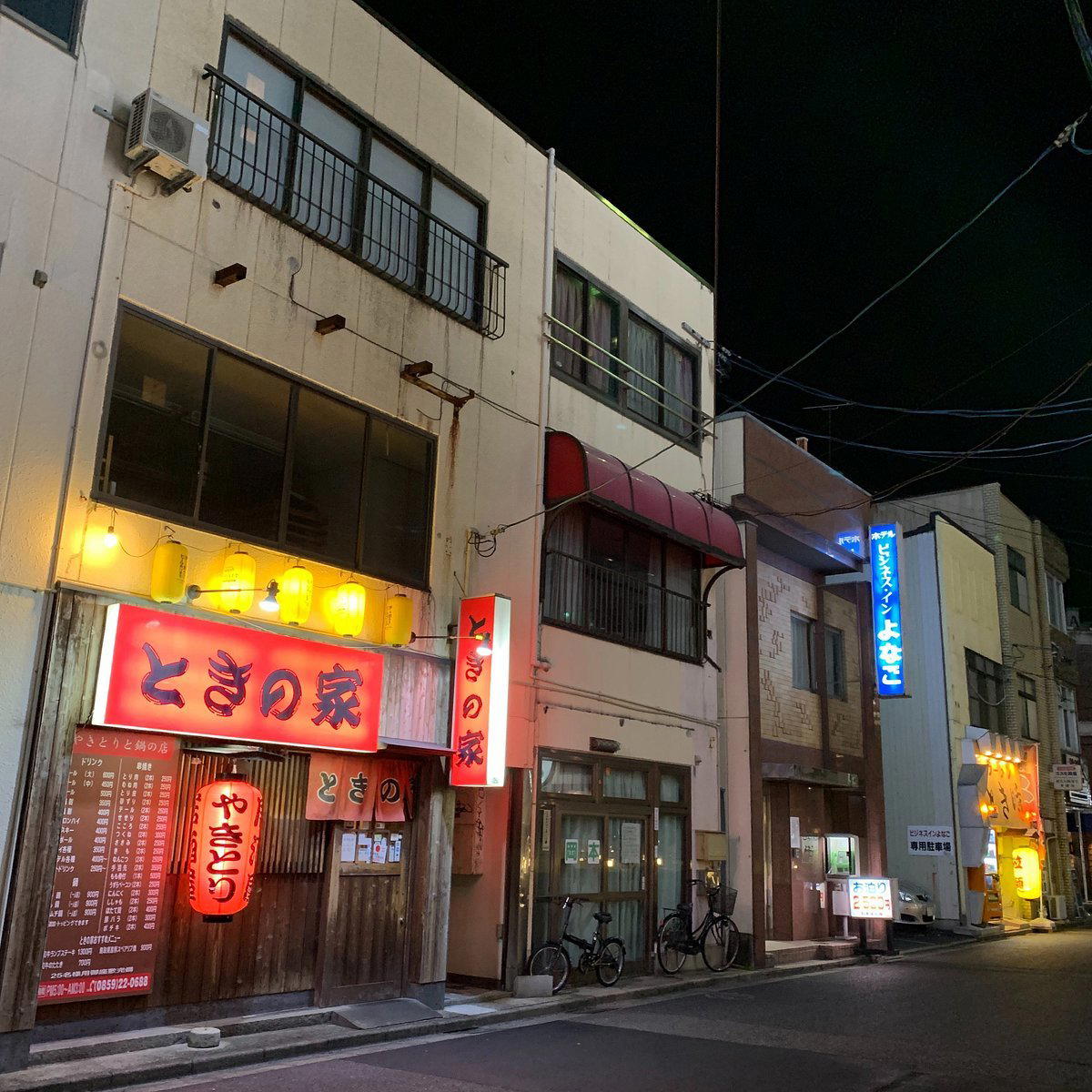
In Yonago, a city where the San'in coast shapes what lands on the plate, Tokyo食堂 operates in a dining tradition that prizes proximity between source and table. The address in Nishifukubara places it within reach of Tottori Prefecture's coastal and agricultural hinterland, a geography that defines what regional Japanese cooking looks like at its most grounded. See our full Yonago restaurants guide for broader context.

Pearl is the En Primeur Club membership app — saves, bookings, and concierge access live there. Same editors, same standards.
- Address
- 4 Chome-9-28 Nishifukubara, Yonago, Tottori 683-0805, Japan
- Phone
- +81859343456
- Directions
- Get directions
Where San'in Ingredients Set the Terms
Tottori Prefecture sits on a stretch of the San'in coast that remains among the least industrially fished in western Japan. Crab, in particular Matsuba-gani (the local snow crab designation), arrives at Tottori ports from November through March and commands a premium that rivals Hokkaido's prized catches. The agricultural flatlands south of Yonago, backed by the Chugoku Mountains, produce rice and vegetables under conditions that generate meaningful differentiation from mass-supply chains. In a city of Yonago's scale, restaurants that take this geography seriously operate in a different register from those working off standardised wholesale sourcing. Tokyo食堂, addressed at 4 Chome-9-28 Nishifukubara, sits in a neighbourhood that connects the city's residential core to those supply lines. That address is not incidental — it places the kitchen within the practical orbit of Yonago's local market infrastructure.
Across Japan, the question of ingredient provenance has moved from background assumption to front-of-house conversation. At the highest tier, counters like Harutaka in Tokyo and Gion Sasaki in Kyoto build entire menus around seasonal availability tied to named producers and fishing cooperatives. That model, once confined to major cities, has filtered into regional Japan with increasing seriousness. Yonago is well-positioned for this kind of sourcing-led cooking: the Sea of Japan is minutes from the city limits, and the prefecture's agricultural output is locally consumed at a rate that larger cities cannot replicate. For our full Yonago restaurants guide, this pattern of coastal-to-table cooking is one of the defining threads.
The Regional Kitchen in Context
Japan's provincial dining scene has developed its own internal hierarchy. At one end sit kaiseki houses that translate Kyoto's formal structure into local seasonal produce — operations like 湖畔荘 in Takashima or 北海道山之 in Sapporo interpret regional terrain through established Japanese culinary frameworks. At the other end, western Japan's coastal towns have long supported more informal eating formats that make fewer claims to ceremony but apply equal discipline to sourcing. San'in cooking, the cooking of the coast between Tottori and Shimane, tends toward the latter. Its reference points are fishermen's markets, seasonal shellfish, and mountain vegetables rather than the choreographed kaiseki progression. Venues like 一本木 石川割烹 in Nanao demonstrate how coastal Japan's more intimate restaurant formats carry serious culinary intent without formal kaiseki structure.
Innovative Japanese restaurants in major cities, HAJIME in Osaka or Goh in Fukuoka, operate at a price point and with a critical apparatus that simply does not exist in Yonago. What Yonago offers instead is access to ingredients that those restaurants would purchase at high cost through intermediaries. The crab, the Sea of Japan fish, the mountain vegetables, in Tottori these are local facts, not imported prestige. That inversion of the usual capital-to-region relationship is worth understanding before reading any Yonago restaurant through a metropolitan lens.
A Neighbourhood Built for Eating Without Performance
The Nishifukubara district in western Yonago is a residential and light-commercial zone, removed from the entertainment blocks closer to Yonago Station. Restaurants in this kind of neighbourhood typically serve a local clientele rather than a tourist circuit, a structural difference that shapes sourcing, pricing, and format in ways that city-centre venues cannot replicate. There is no incentive to stage the experience for visitors unfamiliar with the region. The cooking either speaks to people who already know what Tottori's seasonal calendar looks like, or it fails on its own terms.
Comparable neighbourhood dynamics operate in other regional cities. Bistro Ange in Toyohashi and Birdland in Sakai both demonstrate how serious cooking in Japan's secondary cities operates through local loyalty rather than destination dining traffic. The same pattern applies in Yonago, where the audience for a well-sourced meal is drawn from the city itself and from the broader San'in region rather than from Osaka or Tokyo weekend travel. That is not a limitation, it is a different contract between kitchen and diner, one that international visitors can enter but should understand before arriving with urban expectations.
How Tokyo食堂 Fits the Picture
Within Yonago's restaurant offer, 東京食堂 operates as part of a broader local scene that the city's geography and supply chains make possible. Yonago is small enough that a kitchen paying attention to Tottori's fishing calendar and agricultural seasons can do so without the logistical overhead that complicates ingredient sourcing in larger cities. The name itself, Tokyo食堂, literally Tokyo canteen or dining hall, signals a format that is approachable rather than formal, positioned in the register of daily eating rather than occasion dining. That positioning is consistent with how serious regional Japanese cooking often presents: without the apparatus of ceremony, but with clarity about where the food comes from and why that matters.
For visitors connecting Yonago to a broader Japan itinerary, the city sits on the JR San'in Line between Matsue and Tottori City, with access from Osaka via the Super Hakuto limited express in roughly two and a half hours. Yonago Airport adds direct access from Tokyo Haneda. Those logistics matter because San'in is not a natural stop on Japan's standard tourist circuit, and finding restaurants that reflect the region's specific seasonal character requires some forward planning. For comparison, the kind of ingredient-led cooking that requires a dedicated visit is also the premise at akordu in Nara and at internationally recognised addresses like Le Bernardin in New York City or Atomix in New York City, though the register and the reference ingredients differ considerably from what San'in's coast produces.
This is standard practice for smaller regional venues in Japan that do not maintain English-language digital presences.
Planning a Visit
Reaching Nishifukubara from Yonago Station takes roughly ten minutes by taxi. The neighbourhood has limited foot traffic from international tourists, which means that arrangements may require Japanese-language communication or assistance from hotel concierge services familiar with the area. The seasonal window that makes Tottori's coastal sourcing most compelling runs from late autumn through early spring, when Matsuba-gani is available and the Sea of Japan fishing calendar is at its most active. Venues like Cafe Naoshima Konichiwa in Naoshima and bodai in Nachikatsuura illustrate the broader pattern of coastal Japan's smaller restaurant offers that reward visitors who time their arrivals to the local fishing and agricultural calendar rather than to peak tourist seasons. In Yonago, that timing is the single most consequential decision a visitor can make.
Frequently asked questions
Can I bring kids to 東京食堂?
Nothing in the available record for 東京食堂 suggests it operates as a formal or counter-only space that would exclude children. The Nishifukubara address places it in a residential and light-commercial district of Yonago, where neighbourhood restaurants typically accommodate family groups.
Is 東京食堂 formal or casual?
The Nishifukubara setting, a residential zone removed from Yonago's entertainment blocks, points toward a casual neighbourhood format rather than a formal dining room. Relaxed clothing consistent with a local dining environment should be appropriate.
What's the best thing to order at 東京食堂?
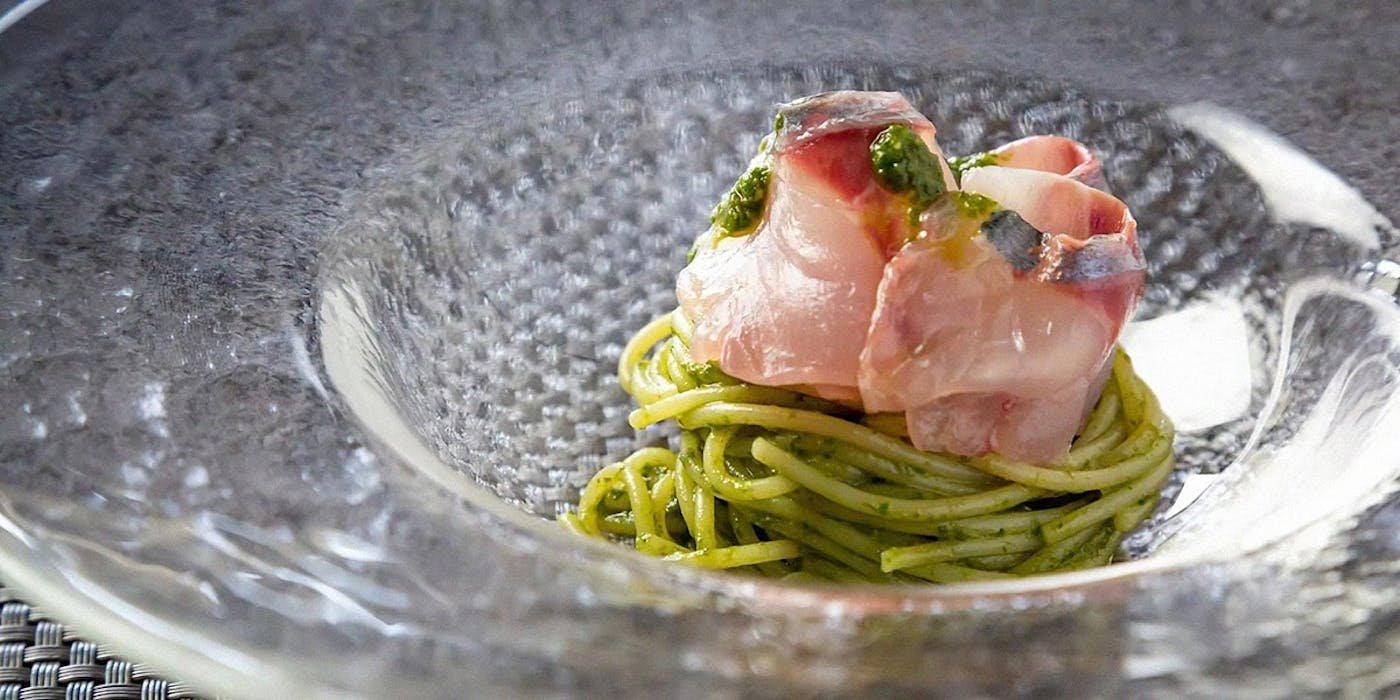
What the venue's location does suggest is proximity to Tottori Prefecture's San'in coast supply chains, which make seasonal crab, notably Matsuba, and locally sourced seafood the most regionally grounded choices at restaurants in this part of Yonago. Checking current offerings on arrival will give the clearest picture.
Is 東京食堂 in Yonago worth the trip from outside Tottori Prefecture?
Yonago sits within the San'in coastal corridor, one of western Japan's least industrially fished stretches, which gives local restaurants access to produce that is difficult to source elsewhere. Nishifukubara itself draws little international tourist traffic, meaning 東京食堂 operates within a scene shaped by local demand rather than visitor expectations. For travellers already routing through Tottori, it represents a grounded entry point into San'in regional cooking.
Side-by-Side Snapshot
| Venue | Cuisine | Price | Awards | Notes |
|---|---|---|---|---|
| Tokyoé£å This venue — the venue you are viewing | Traditional Japanese Kaiseki | $50–100 | Not listed | Not listed |
| HAJIME | Avant-Garde Japanese Fine Dining | $300–500 | 3 Michelin Stars · World's 50 Best #83 | French, Innovative |
| Harutaka | Edo-Style Omakase Sushi | $200–300 | 3 Michelin Stars · World's 50 Best #76 | Sushi |
| L'Effervescence | Modern French with Japanese Influences | $200–300 | 3 Michelin Stars · World's 50 Best #69 | French |
| RyuGin | Modern Kaiseki | $500+ | 3 Michelin Stars · World's 50 Best #41 | Kaiseki, Japanese |
| Crony | Modern French with Japanese Influences | $150–200 | 2 Michelin Stars · World's 50 Best #34 | Innovative, French |

Details
- Elegant
- Modern
- Intimate
- Special Occasion
- Date Night
- Open Kitchen
- Sake Program
- Local Sourcing
- Set Menu
- A La Carte
- Sake
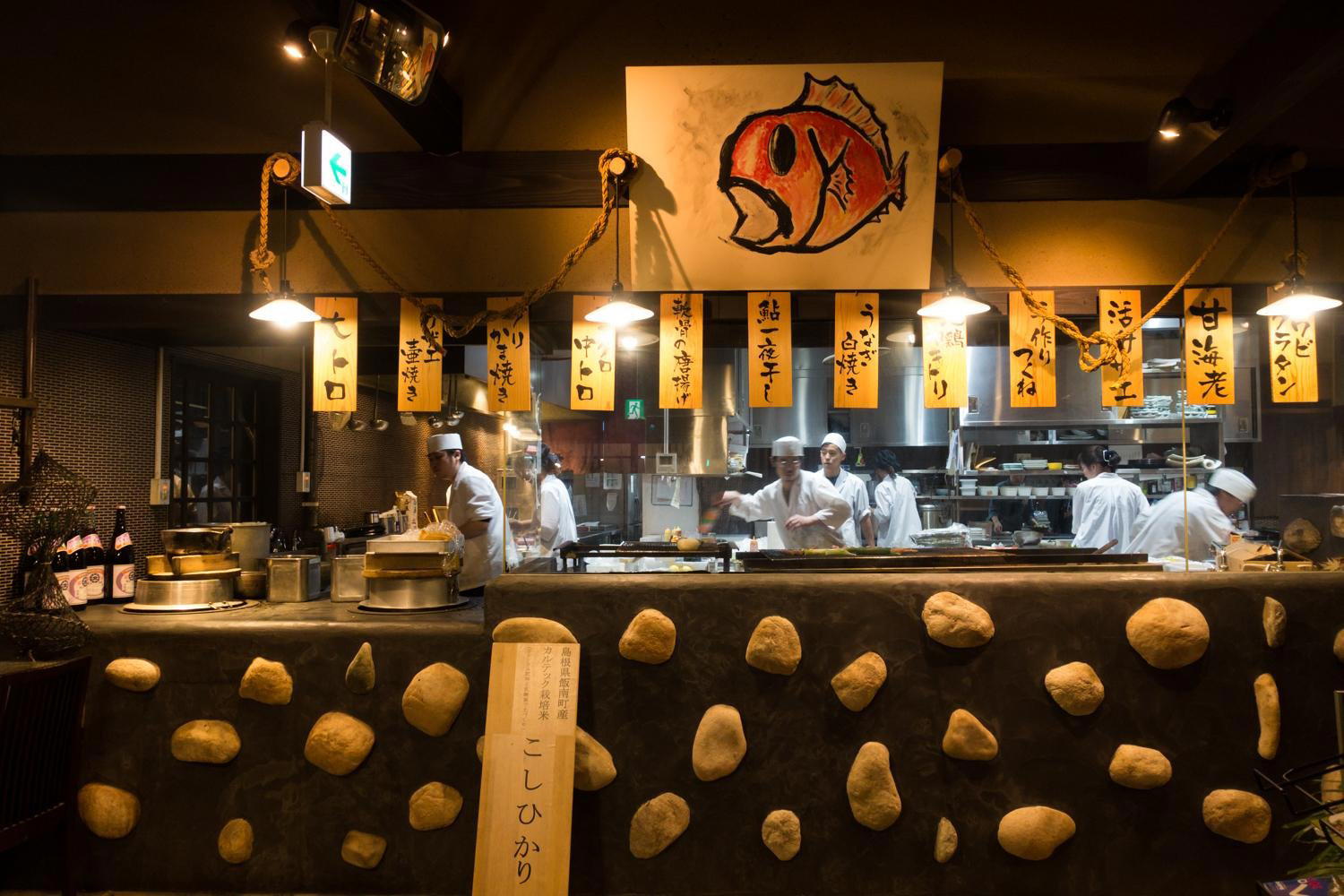
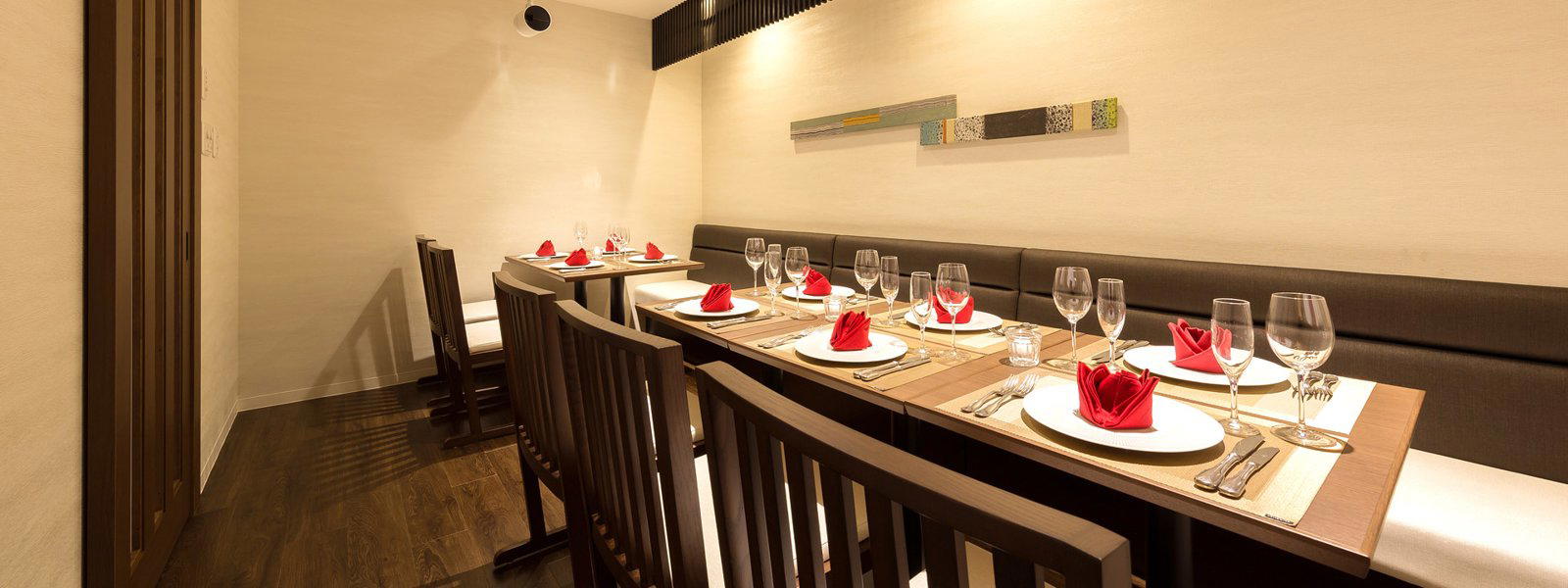
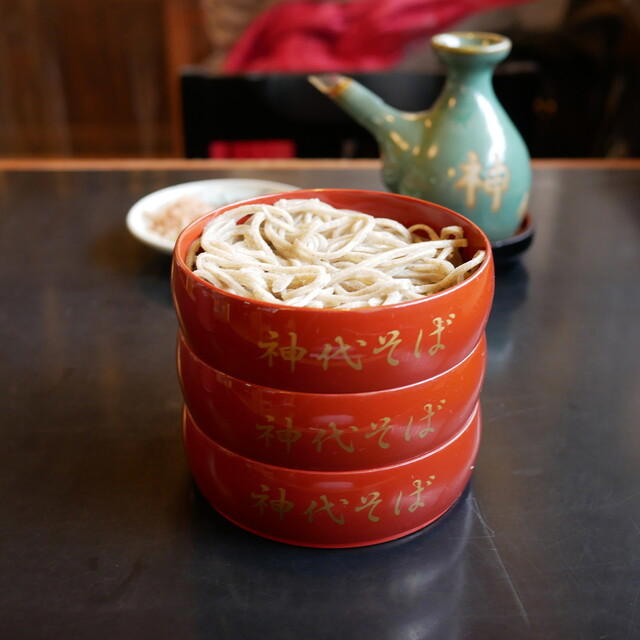
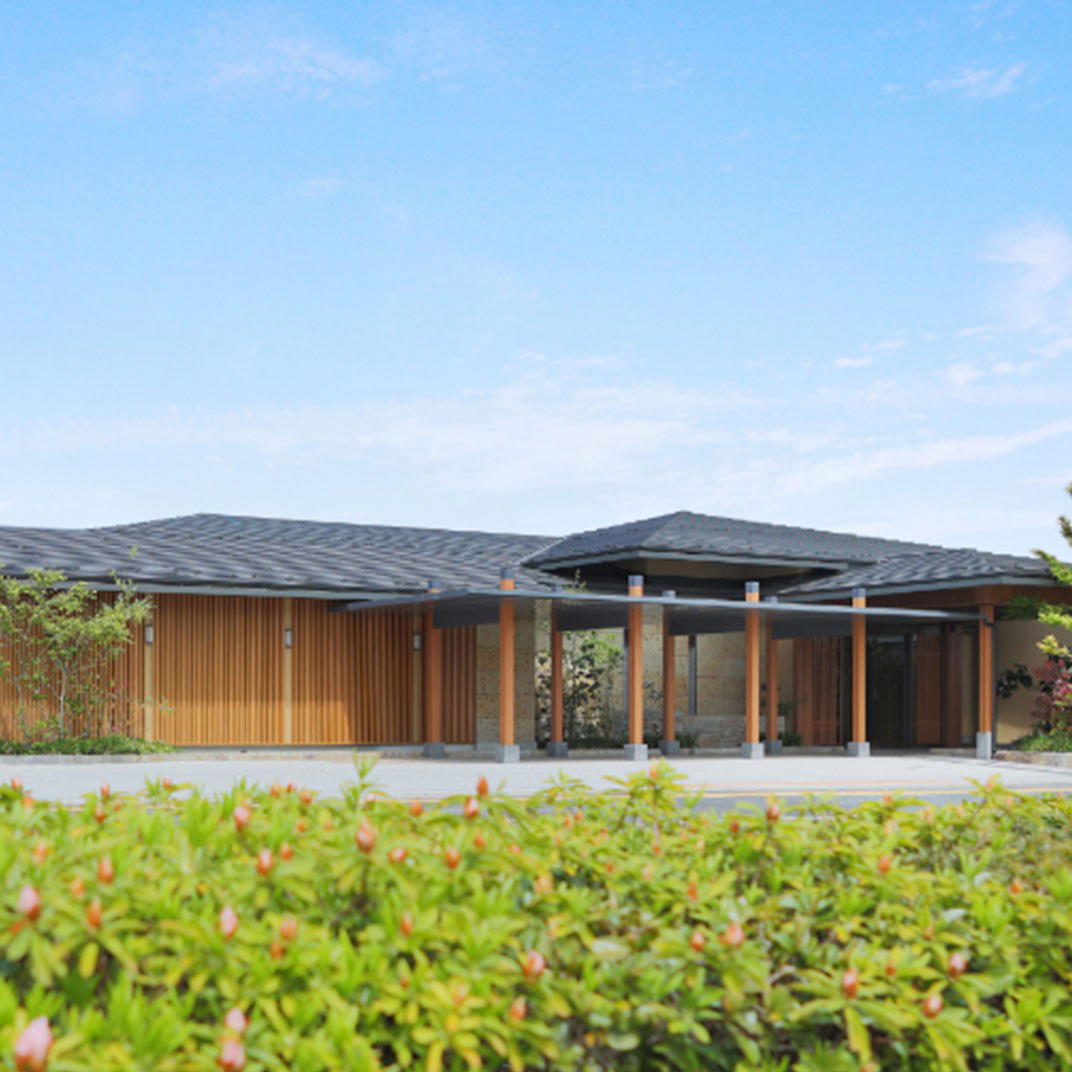
Minimalist and serene with soft lighting, creating an intimate dining atmosphere focused on the culinary experience.