Our verdict
In Yonago, Tottori — a prefecture defined by its access to Sea of Japan seafood and Chugoku mountain produce — é è 桜梨屋 operates within a regional dining tradition that puts ingredient provenance at the centre of every decision. Tottori's relative distance from Japan's major culinary circuits means restaurants here source locally by necessity as much as by philosophy, and that constraint tends to produce food with a clear sense of place.

Pearl is the En Primeur Club membership app — saves, bookings, and concierge access live there. Same editors, same standards.
- Address
- 2 Chome-63-2 Kakubancho, Yonago, Tottori 683-0812, Japan
- Phone
- +81859372366
- Website
- kikyouya-yonago.com
- Directions
- Get directions
- Booking
- Book on the venue's website
The menu
What to order
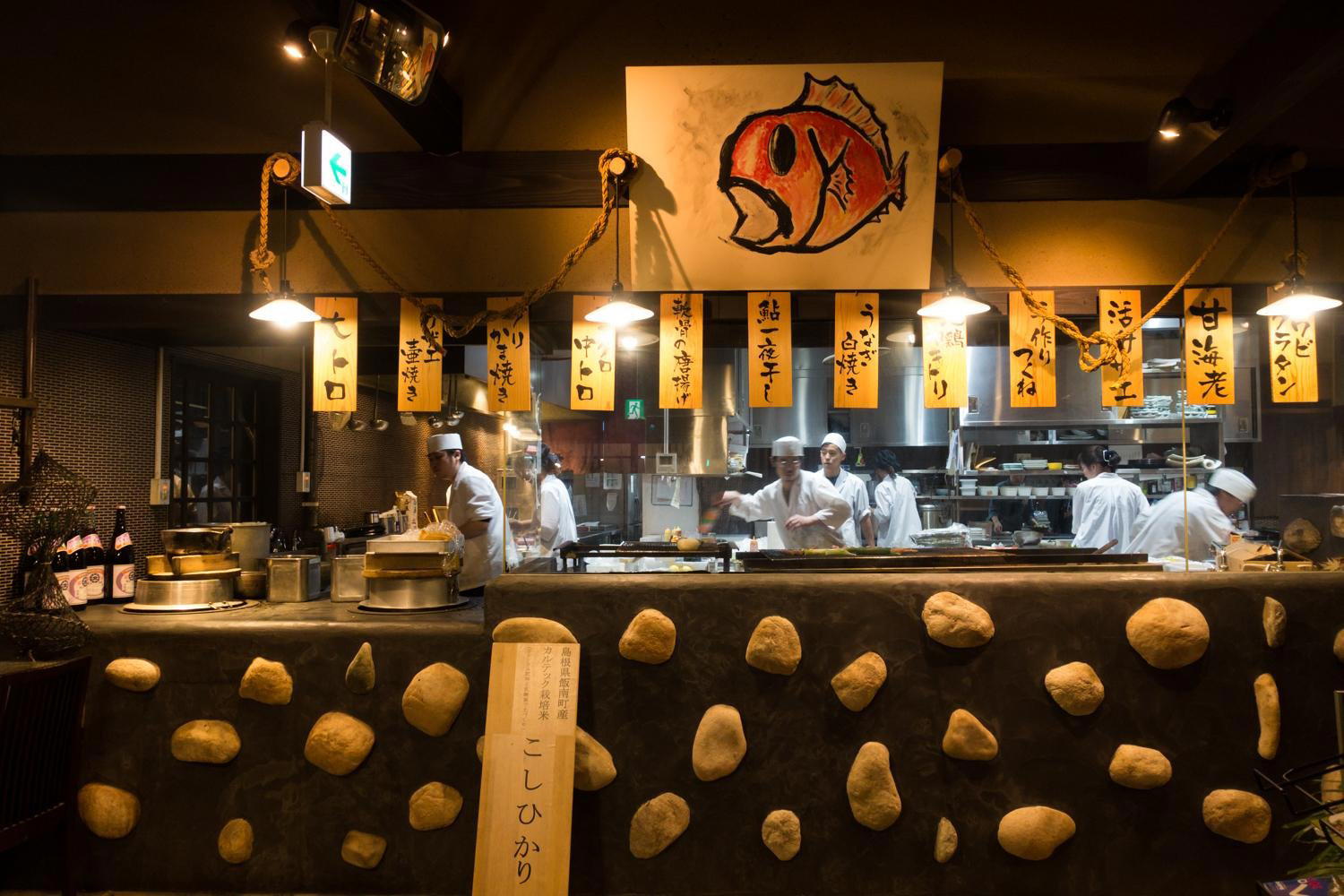
- Robatayaki skewers
- Irori-grilled seafood
Tottori's Sourcing Logic and Where é è 桜梨屋 Fits
The San'in coast — the stretch of Sea of Japan shoreline running through Tottori and Shimane prefectures — has long supplied some of Japan's most prized cold-water seafood. Matsuba crab, harvested from November through March, arrives at Tottori's ports in quantities that make the prefecture one of Japan's most significant landing zones for the species. Alongside it come nodoguro (blackthroat seaperch), locally caught flatfish, and oysters from sheltered inlets that benefit from the mineral runoff of the Chugoku mountain range. Restaurants in Yonago, Tottori's second city, have historically drawn from this supply chain not as a marketing strategy but as a matter of geography: the ingredient network exists, it is close, and it is consistently high-quality.
é è 桜梨屋, located in the Kakubancho district at 2 Chome-63-2, sits within this regional supply context. Yonago is not a city that generates heavy domestic food tourism the way Kyoto or Osaka does, see Gion Sasaki in Kyoto or HAJIME in Osaka for the scale those cities sustain, which means restaurants here tend to operate for a local clientele that knows the produce intimately and holds sourcing standards accordingly. That audience shapes menus in ways that national-profile dining destinations sometimes cannot replicate.
What the San'in Coast Produces and Why It Matters at the Table
The Sea of Japan's colder, less trafficked waters produce seafood with higher fat content and slower growth rates than Pacific equivalents. Matsuba crab, the male snow crab landed in Tottori, is distinct from the Echizen crab of Fukui or the Zuwaigani caught elsewhere along the coast, and local restaurants make that distinction explicitly. Nodoguro, a fish that commands premium pricing at high-end counters in Tokyo (see Harutaka in Tokyo for what that price tier looks like in the capital), is available in Yonago at shorter supply chain distances, which typically means better condition on arrival.
Inland from Yonago, the Chugoku mountains contribute a parallel supply stream: Tottori wagyu, mountain vegetables, and the pears for which the prefecture holds a national reputation. Tottori Nijisseiki pears, a green variety prized for their balance of sugar and acidity, are one of the region's most documented agricultural products, and their presence in the address name of 桜梨屋 (roughly: cherry blossom and pear establishment) signals a deliberate connection to local botanical identity. Whether that connection extends to menu use is a detail the venue's limited publicly available data does not confirm, but the naming choice itself functions as an ingredient-sourcing declaration.
This dual sourcing context, coast and mountain, is what separates Tottori's food from prefectures that rely on a single dominant ingredient type. Restaurants in cities like Oita or Saga operate within similarly defined regional supply networks, where local produce shapes the menu's identity more than any single technique or format does.
Kakubancho: The Neighbourhood Context
Kakubancho sits within central Yonago, a city of roughly 150,000 that functions as the commercial hub for western Tottori. The area is primarily a mixed-use district of shopfronts, small restaurants, and residential streets, not a dedicated dining quarter in the way that some Japanese cities have developed distinct gastronomy corridors. That diffuse character is common across mid-size regional Japanese cities, where dining establishments are embedded in ordinary streetscapes rather than clustered into destination zones.
For visitors approaching Yonago from outside the prefecture, the city is accessible via Yonago Station on the San'in Main Line, with Shin-Osaka connections via the Yakumo limited express. Tottori Airport handles a small number of domestic routes, primarily from Tokyo Haneda. The relative remoteness of the prefecture is part of what has preserved its local sourcing culture: supply chains that developed around local restaurants have remained intact because the demand for export to larger cities has been limited.
For a broader orientation to Yonago's dining options, our full Yonago restaurants guide covers the city's range across price points and styles.
Placing é è 桜梨屋 in Japan's Regional Dining Conversation
Japan's most-discussed fine dining operates out of Tokyo, Osaka, and Kyoto, cities where Michelin coverage, reservation systems, and international press attention concentrate. The restaurants generating that attention, from Goh in Fukuoka to akordu in Nara, have achieved visibility partly through deliberate positioning within those circuits. Regional restaurants in prefectures like Tottori operate outside that circuit almost entirely, which affects how they are discovered and by whom.
The practical consequence is that restaurants like é è 桜梨屋 are found primarily through local knowledge, regional food media, and the kind of ground-level research that platforms covering Japan's broader restaurant geography, such as affetto akita in Akita, Ajidocoro in Yubari District, or aki nagao in Sapporo, attempt to document. The absence of national award coverage does not imply an absence of quality; in Tottori's case, the ingredient supply available to a well-run local restaurant is objectively strong.
For comparison with how regional sourcing plays out at a different scale and price tier, Amaki in Aichi, Abon in Ashiya, and anchoa in Kanagawa offer useful reference points for how ingredient provenance shapes restaurant identity outside Japan's major metropolitan centres. Internationally, the sourcing-first philosophy at work in regional Japanese dining has counterparts at Le Bernardin in New York City and Lazy Bear in San Francisco, though the supply chain logic differs substantially.
The Tokyo飯台 listing in Yonago offers another data point for how the city's restaurant scene is structured across different format types.
The venue's address, 2 Chome-63-2 Kakubancho, and its presence in Yonago's central district are the confirmed coordinates for a restaurant that, based on its name and location, positions itself within Tottori's produce-led identity. For the most current operational information, checking with local tourism resources or food guides for Tottori Prefecture is the recommended approach.
Frequently asked questions
Is é è 桜梨屋 suitable for children?
The venue sits in Kakubancho, a central Yonago neighbourhood with a mixed commercial and residential character, which suggests a relatively local, unpretentious setting.
How do I find é è æ¡æ¢å±?
é è æ¡æ¢å± is located at 2 Chome-63-2 Kakubancho, Yonago, Tottori 683-0812, Japan, Yonago.
How far ahead should I plan for é è æ¡æ¢å±?
Reservations are recommended for é è æ¡æ¢å± in Yonago. Confirm current policy via the venue's official channels.
What's é è æ¡æ¢å± best at?
é è æ¡æ¢å± is best approached by focusing on the core concept and signature offerings.
Side-by-Side Snapshot
| Venue | Cuisine | Price | Awards | Notes |
|---|---|---|---|---|
| é è æ¡æ¢å±This venue — the venue you are viewing | Traditional Japanese Robatayaki | $30–50 | Not listed | Not listed |
| HAJIME | Avant-Garde Japanese Fine Dining | $300–500 | 3 Michelin Stars · World's 50 Best #83 | French, Innovative |
| Harutaka | Edo-Style Omakase Sushi | $200–300 | 3 Michelin Stars · World's 50 Best #76 | Sushi |
| L'Effervescence | Modern French with Japanese Influences | $200–300 | 3 Michelin Stars · World's 50 Best #69 | French |
| RyuGin | Modern Kaiseki | $500+ | 3 Michelin Stars · World's 50 Best #41 | Kaiseki, Japanese |
| Crony | Modern French with Japanese Influences | $150–200 | 2 Michelin Stars · World's 50 Best #34 | Innovative, French |

Details
- Cozy
- Intimate
- Rustic
- Date Night
- Special Occasion
- Casual Hangout
- Open Kitchen
- Sake Program
- A La Carte
- Small Plates
- Sake
- Pescatarian Friendly
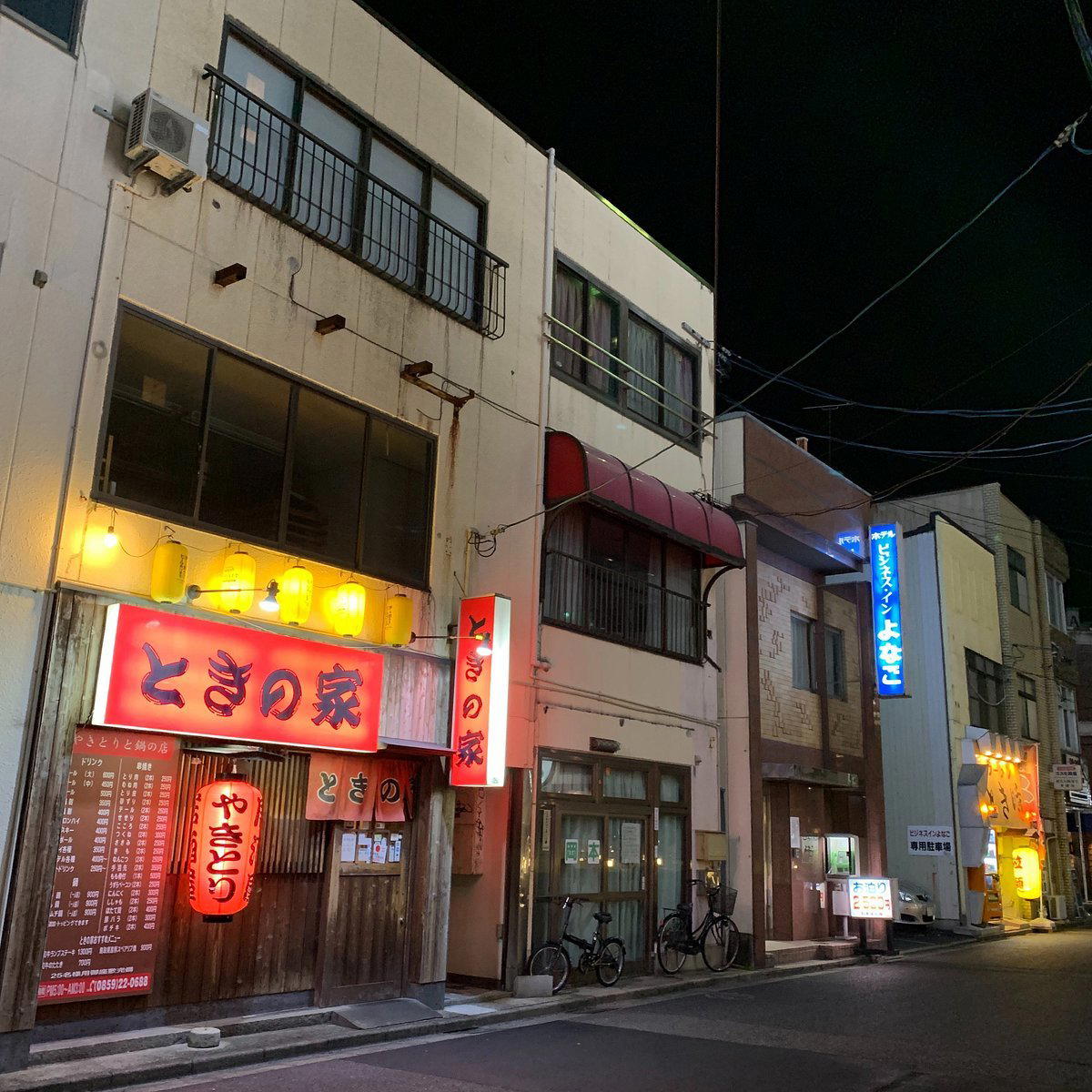
Warm and rustic with dim lighting from the central irori hearth, creating a cozy and nostalgic atmosphere.