Private Resort Hotel Renn

Michelin Selected
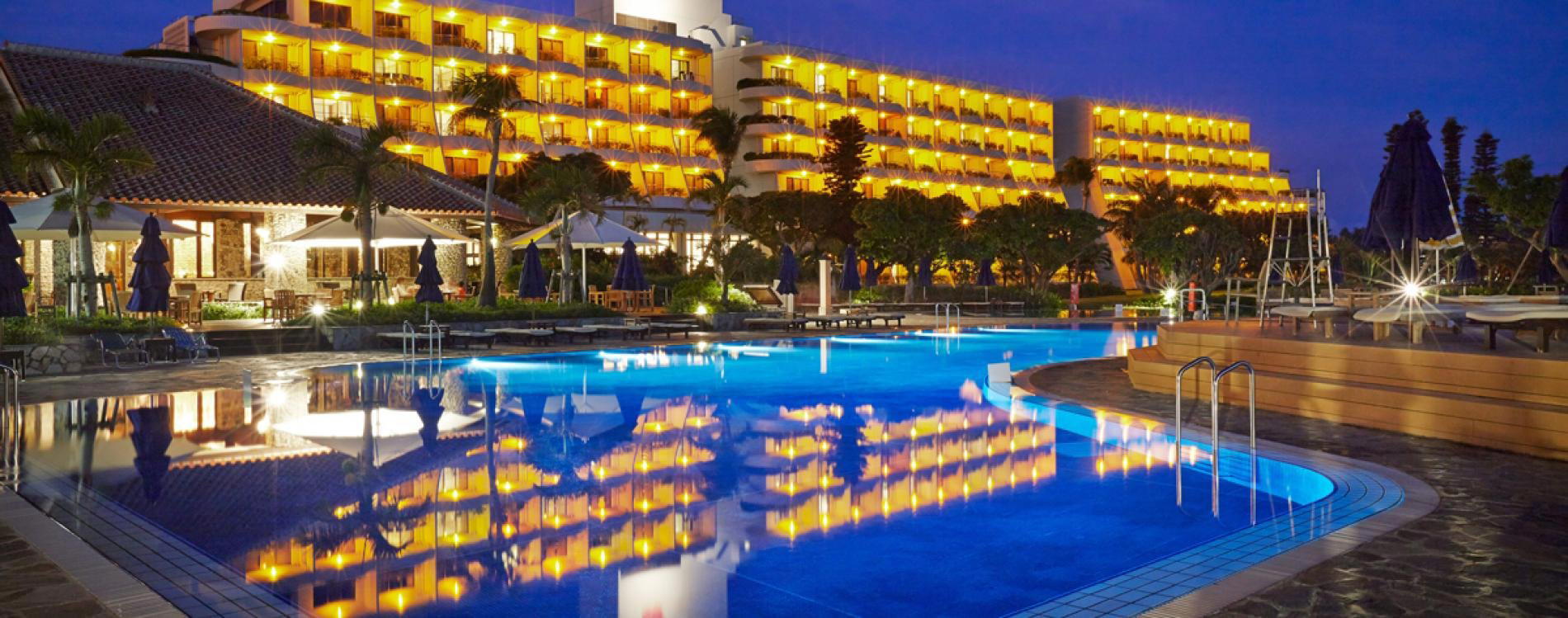
Selected by the Michelin Guide Hotels 2025, Private Resort Hotel Renn occupies the Gusukube district of Miyakojima, an address that places it away from the island's more trafficked resort corridors.

Pearl is the En Primeur Club membership app — saves, bookings, and concierge access live there. Same editors, same standards.
- Address
- 422-2 Tomori, Gusukube, Miyakojima, Japan
- Phone
- 0980-77-7859
- Directions
- Get directions
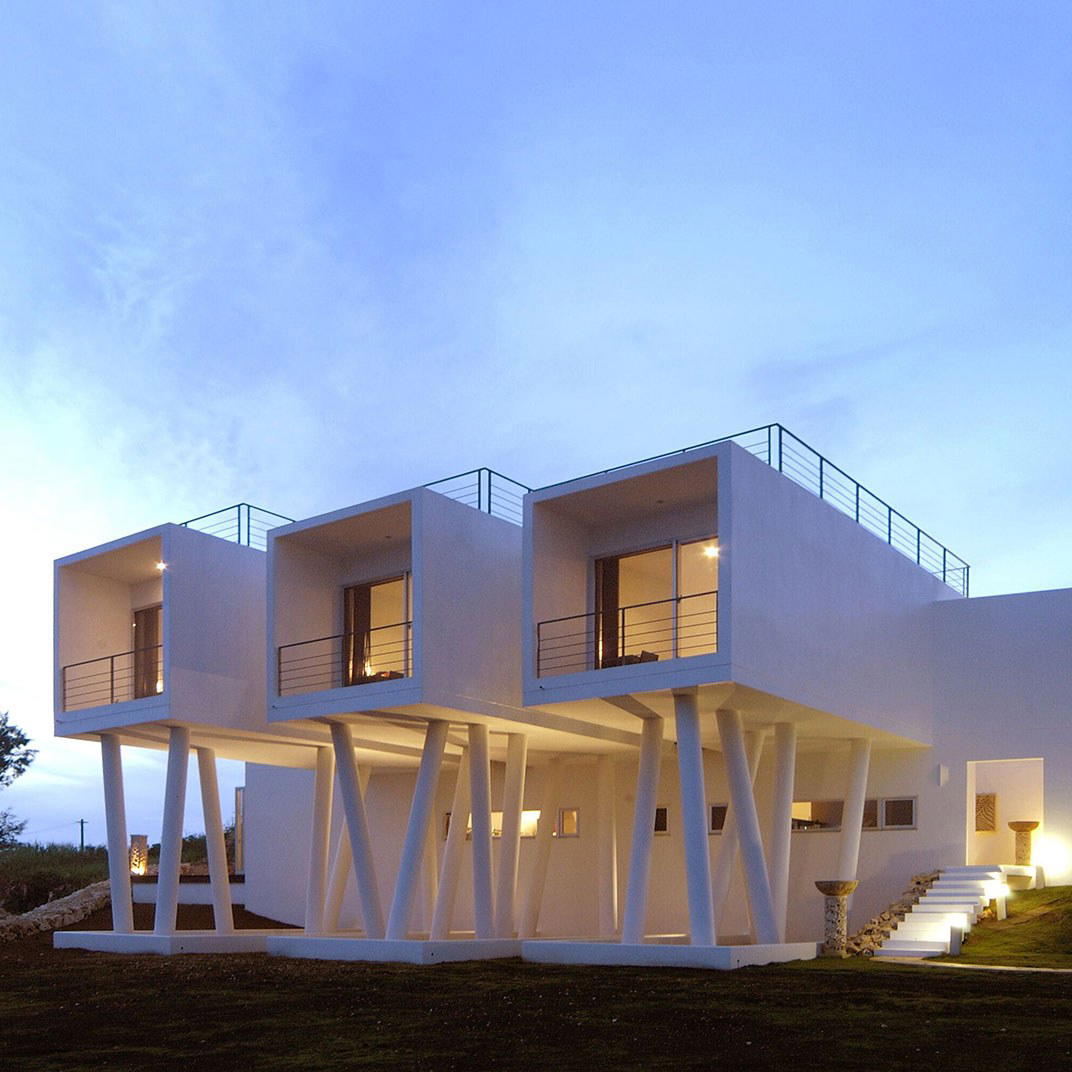
What Miyakojima's Location Hierarchy Looks Like — and Where Renn Falls
Miyakojima's accommodation market has stratified along a clear geographic logic. The properties clustered around Maehama Beach and the Shigira peninsula operate in an established resort corridor, where scale, amenity density, and brand recognition define the offering. IRAPH SUI, a Luxury Collection Hotel, Miyako Okinawa and The Shigira anchor that corridor, supported by Shigira Bayside Suite Allamanda and the broader Shigira resort complex. Private Resort Hotel Renn takes a different geographic position: 422-2 Tomori in the Gusukube district, on Miyakojima's eastern side, away from the concentrated resort infrastructure that defines the island's more visible hospitality tier.
That address is a considered placement rather than an accident of development. Gusukube puts guests in closer proximity to the quieter coastal character of Miyakojima's eastern edge, where the island's flat coral-limestone terrain meets open sea exposures without the intermediary of resort corridors. Properties in this position trade amenity clustering for access to a version of the island that the busier western and southern precincts have partially obscured.
The Michelin Signal and What It Actually Means Here
Inclusion in the Michelin Guide Hotels 2025 as a Michelin Selected property provides a concrete peer calibration for Renn. The Michelin Selected designation sits below the guide's star awards but above the undifferentiated mass of listed accommodation — it indicates a property has passed editorial review for quality of welcome, comfort, and character without necessarily carrying the full trophy-hotel credentials of a starred entry. In Miyakojima specifically, that recognition carries more weight than it might in Tokyo or Kyoto, where the density of credentialed properties dilutes any individual designation. On an island with limited Michelin-reviewed accommodation, selection places Renn inside a genuinely small peer group.
For context on what Michelin's hotel editorial program tends to favour at this level: design coherence, a sense of place that reflects local environment, and a quality of stay that feels curated rather than assembled. Properties like Zaborin in Kutchan and Gora Kadan in Hakone represent the kind of Japanese ryokan and resort properties that have earned sustained guide recognition through environmental integration and restraint, a useful reference frame for understanding where Renn's positioning likely sits within Japan's broader selective-accommodation spectrum.
Miyakojima as a Travel Decision: What the Island Provides
Any serious evaluation of Renn has to account for what Miyakojima itself offers as a destination, because the island's geography is the primary asset of any property here. Miyakojima sits in the Yaeyama island group, approximately 300 kilometres southwest of Okinawa's main island, and its marine environment ranks among the clearest in Japanese waters, Yonaha Maehama Beach's water transparency, for instance, has drawn repeated recognition in Japanese coastal surveys. The island has no mountains; its terrain is flat coral reef refined just above sea level, which means sightlines are consistently wide and the relationship between land and water is immediate in a way that more vertically dramatic island destinations cannot replicate.
The airport at Miyako handles direct flights from Tokyo, Osaka, and Naha, making access more direct than many comparable Japanese island destinations. Jusandi in Ishigaki, for instance, requires routing through a comparable island-hop sequence from the Okinawan main island. Miyakojima's direct mainland connections compress travel time meaningfully for visitors based in Japan's major urban centres.
For the Gusukube address specifically: the eastern coast provides access to snorkelling and diving sites that see less traffic than the more publicised western spots. Guests staying in this part of the island are better positioned for early morning access to reefs before day-trip operators arrive from the island's main town, Hirara.
How Renn Sits Against Miyakojima's Property Range
Miyakojima's hotel range now spans from large resort complexes to small, design-forward properties that have appeared as the island's profile has grown among Japanese and international travellers. Ayanna Miyakojima, Namyu The Place, and Blue Ocean Hotel and Resort Miyakojima each occupy different segments of the market, from boutique to mid-scale resort. The recently opened Rosewood Miyakojima pushes the island's luxury ceiling upward with a full branded-hotel infrastructure.
Renn's positioning as a private resort with Michelin recognition places it in the deliberate, design-led tier rather than the branded international tier. That distinction matters for the type of traveller it attracts: visitors who have already filtered out large resort programmes in favour of stays where the environmental setting, rather than the amenity list, structures the experience. Halekulani Okinawa on the main Okinawan island offers a point of comparison for what brand-led luxury looks like in this region; Renn's private resort format signals a different set of priorities.
Japan has a well-developed tradition of small, location-specific retreats that compete on environmental access and a kind of deliberate quietness rather than on facilities. Asaba in Izu, Kamenoi Besso in Yufu, and Nishimuraya Honkan in Kinosaki-cho each demonstrate how that format operates at its most refined in different parts of Japan. Renn's private resort designation in Miyakojima places it within that broader Japanese hospitality tradition, applied to a subtropical island context rather than the mountain or onsen settings more commonly associated with it. Benesse House in Naoshima offers another useful reference: a property where the surrounding environment, in that case, an art island, is inseparable from the case for staying there.
Planning the Stay
Miyakojima's peak season runs from late spring through summer, when sea conditions are leading for water activities and the island draws the highest visitor numbers. The period from October through February sees cooler temperatures and a lower visitor density, which can work in favour of guests prioritising access to quieter coastal areas, a consideration particularly relevant for a property positioned in Gusukube rather than the more active resort precincts. Visitors arriving from mainland Japan will find Miyako Airport a roughly three-hour flight from Tokyo, with frequent connections through Naha for those routing via Okinawa. Direct connections from Narita and Haneda run seasonally and are worth confirming against travel dates before booking. Given the Michelin recognition and the private resort format, advance booking is advisable for peak-season travel; the island's better-reviewed smaller properties fill well ahead of the major resort clusters. See our full Miyakojima restaurants and hotels guide for broader context on the island's dining and accommodation options alongside Renn.
At a Glance
Comparable venues nearby, for context on price, style, and recognition.
| Venue | Cuisine | Price | Awards | Notes |
|---|---|---|---|---|
| Private Resort Hotel RennThis venue — the venue you are viewing | Not listed | Not listed | Michelin Selected | Not listed |
| Namyu The Place | Not listed | Not listed | Michelin Selected | Gusukubebora, exclusive private villa resort |
| Blue Ocean Hotel & Resort Miyakojima | Not listed | Not listed | Michelin Selected | Irabu, Contemporary villa and hotel resort with white-walled architecture and modern amenities positioned as an upscale island retreat. |
| Ayanna Miyakojima | Not listed | $300–500 | 1 Michelin Key | Irabu Island, Luxury auberge-style resort with minimalist design emphasizing natural beauty and privacy. |
| IRAPH SUI, a Luxury Collection Hotel, Miyako Okinawa | Irabu Island, Beachfront luxury resort | Not listed | Michelin Selected | Not listed |
| Hotel Shigira Mirage | Not listed | Not listed | Small Luxury Hotels of the World Member | Ueno, Luxurious beachfront resort with bayside high-rise and villa accommodations |
Recognition history
Dated appearances from independent guides and award organizations, with the underlying list record or original source where available.
Michelin Selected
Michelin
Details
- Quiet
- Modern
- Minimalist
- Scenic
- Elegant
- Romantic Getaway
- Honeymoon
- Wellness Retreat
- Weekend Escape
- Beachfront
- Panoramic View
- Terrace
- Wi Fi
- Concierge
- Garden
- Luggage Storage
- Waterfront
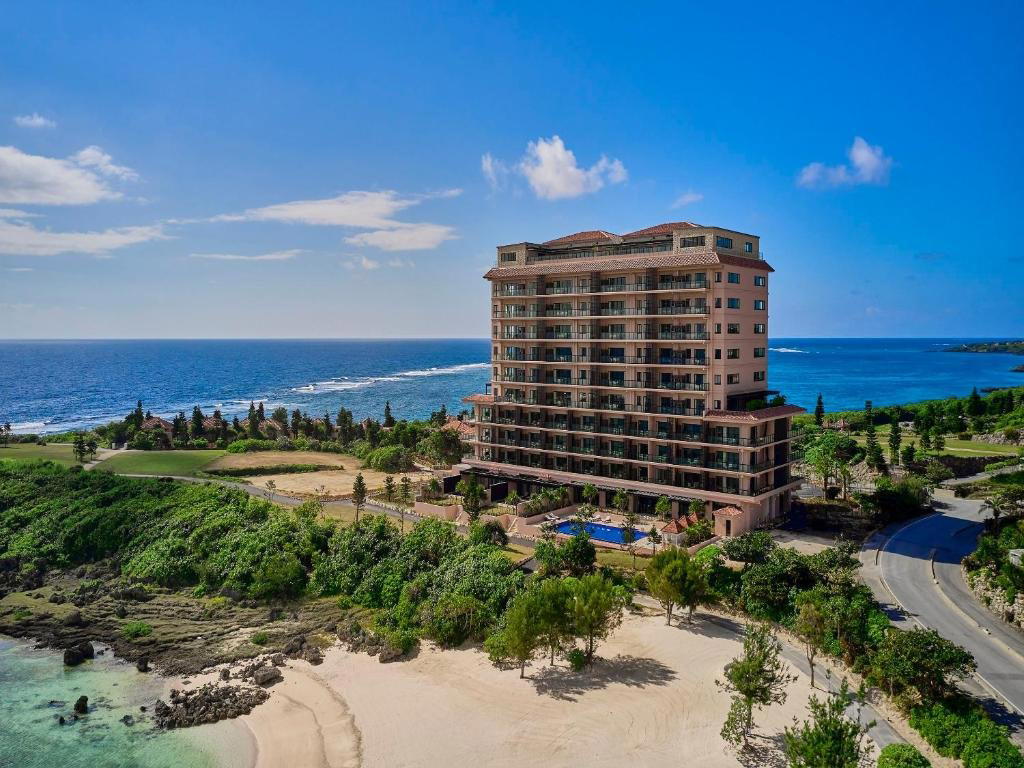
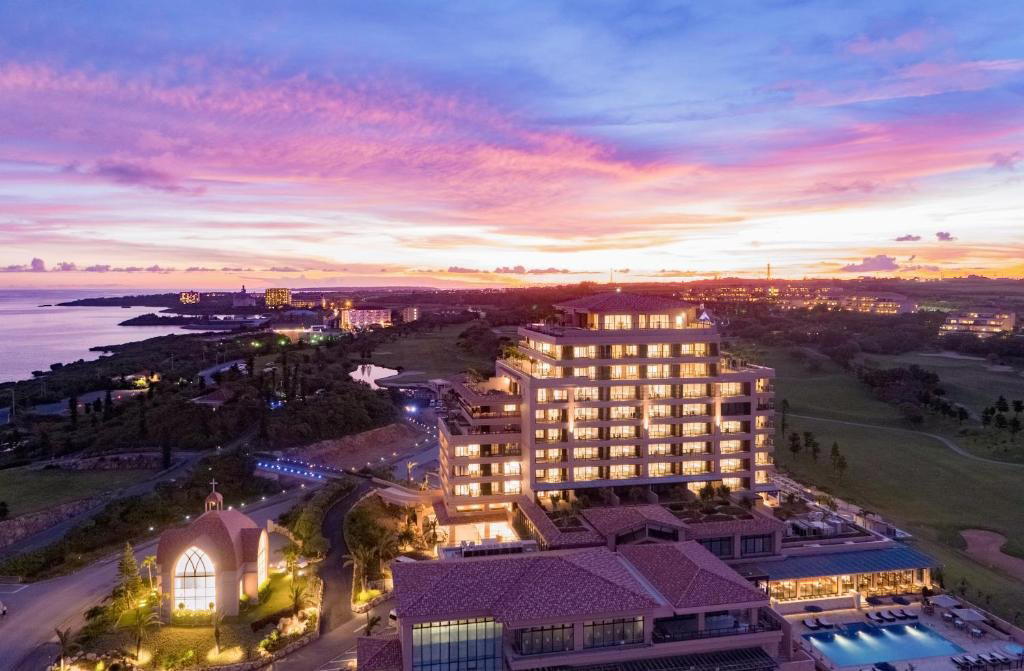
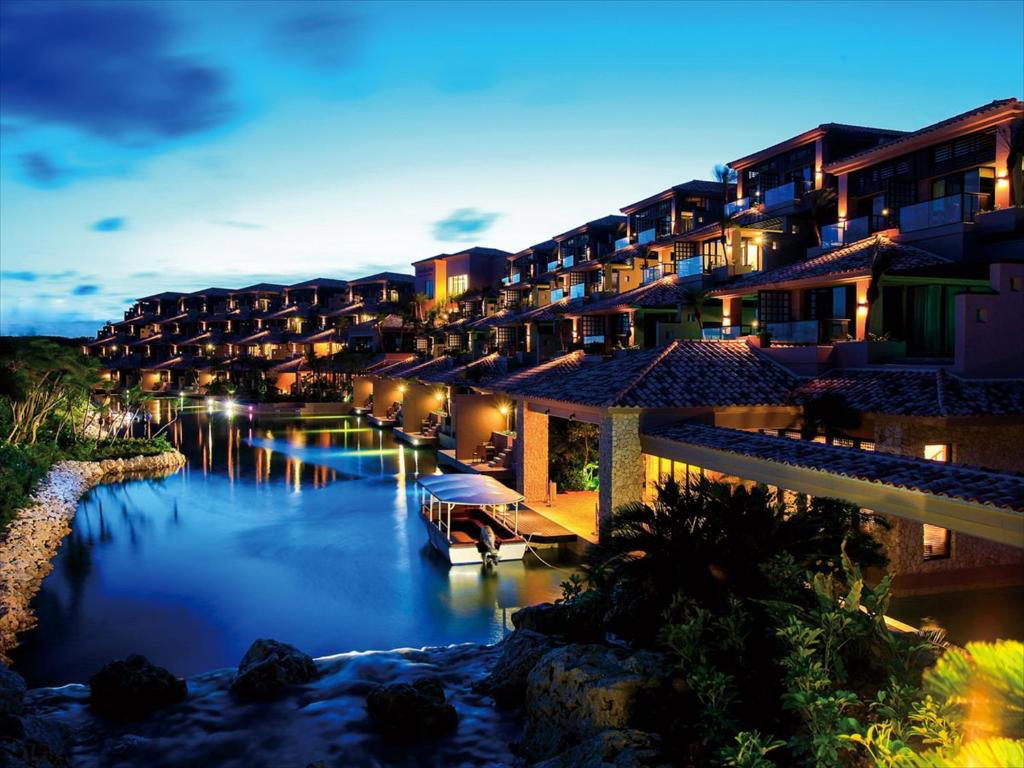
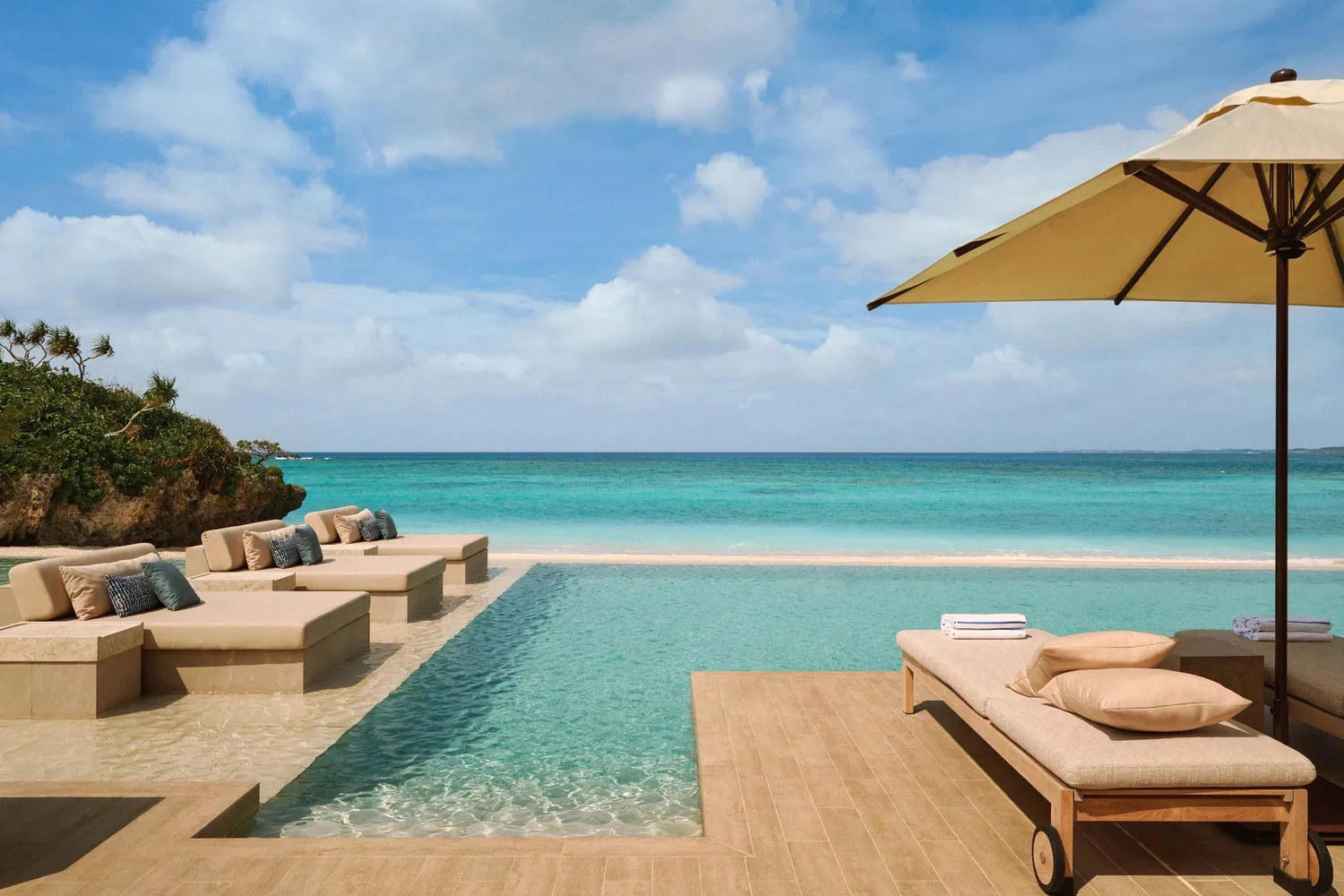
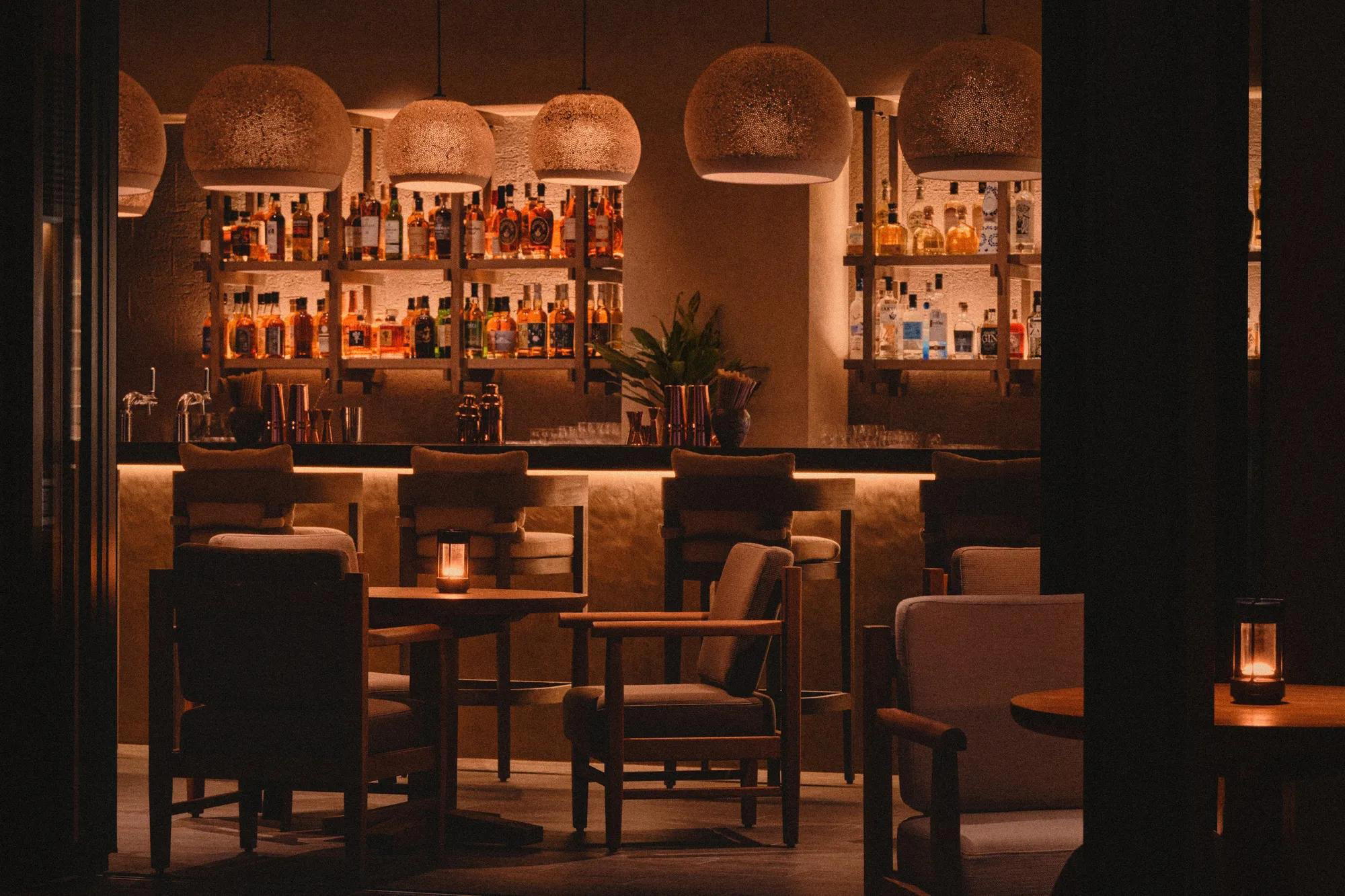
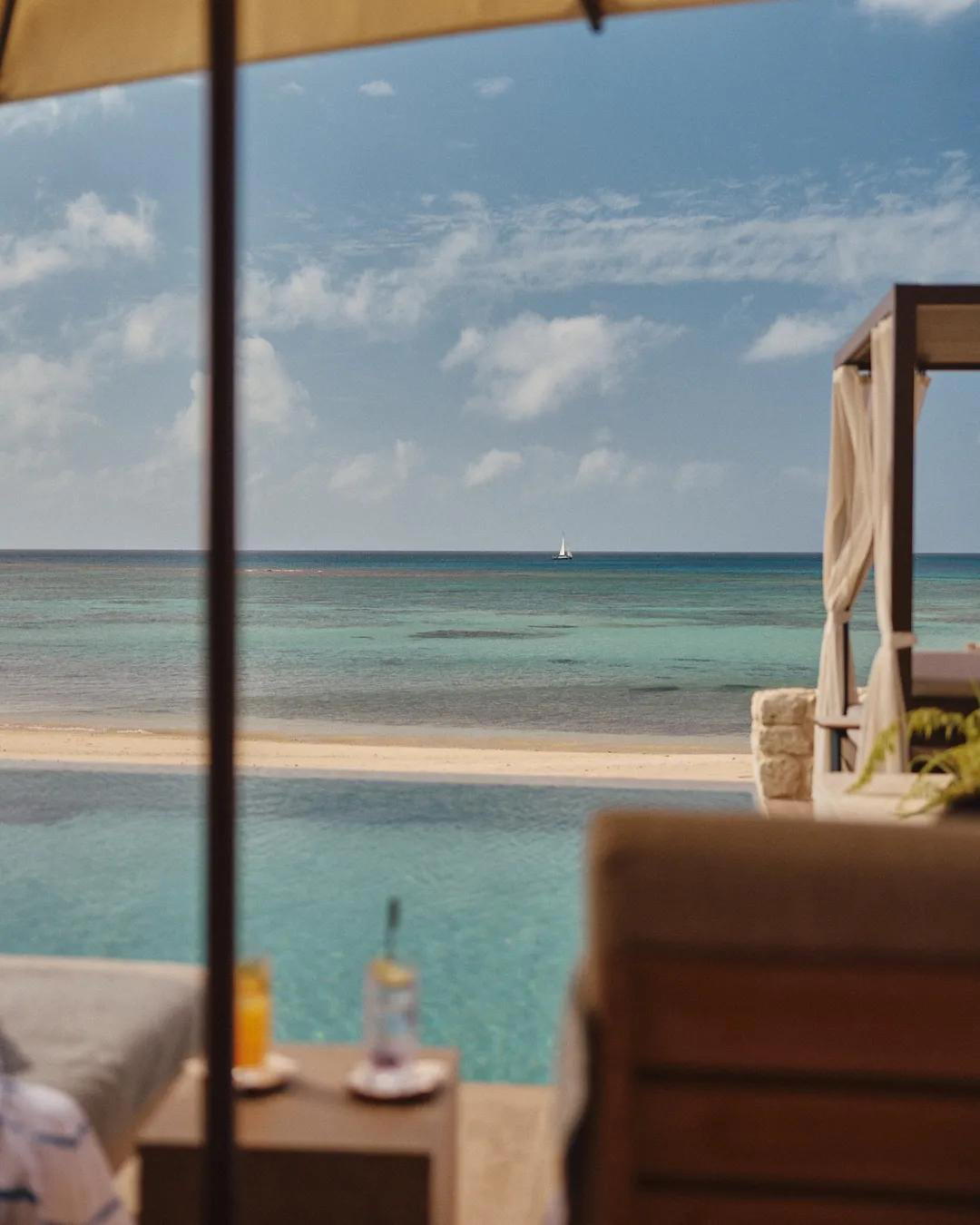
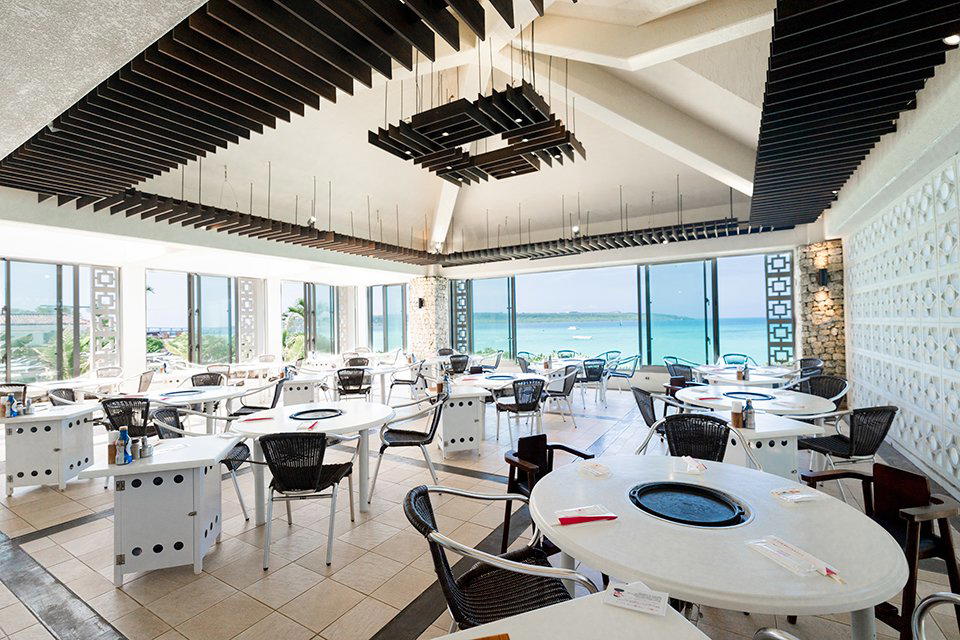
Tranquil and quiet atmosphere with minimalist design, cool slate floors, and unobstructed views of water and sky.