



Built in 1889 for Empress Victoria Friedrich and privately held by the House of Hesse, Schlosshotel Kronberg occupies a category of its own among Germany's historic castle hotels. Sixty-one individually furnished rooms sit inside a 58-hectare park, with interiors redesigned by Nina Campbell and wine supplied by the estate's own Prinz von Hessen winery. La Liste ranked it 96.5 points in its 2026 Top Hotels list.
Pearl is the En Primeur Club membership app — saves, bookings, and concierge access live there. Same editors, same standards.
- Address
- Hainstraße 25, 61476 Kronberg im Taunus
- Phone
- +49 6173 70101
- Website
- schlosshotel-kronberg.com
- Directions
- Get directions
 Saves & bookings on Pearl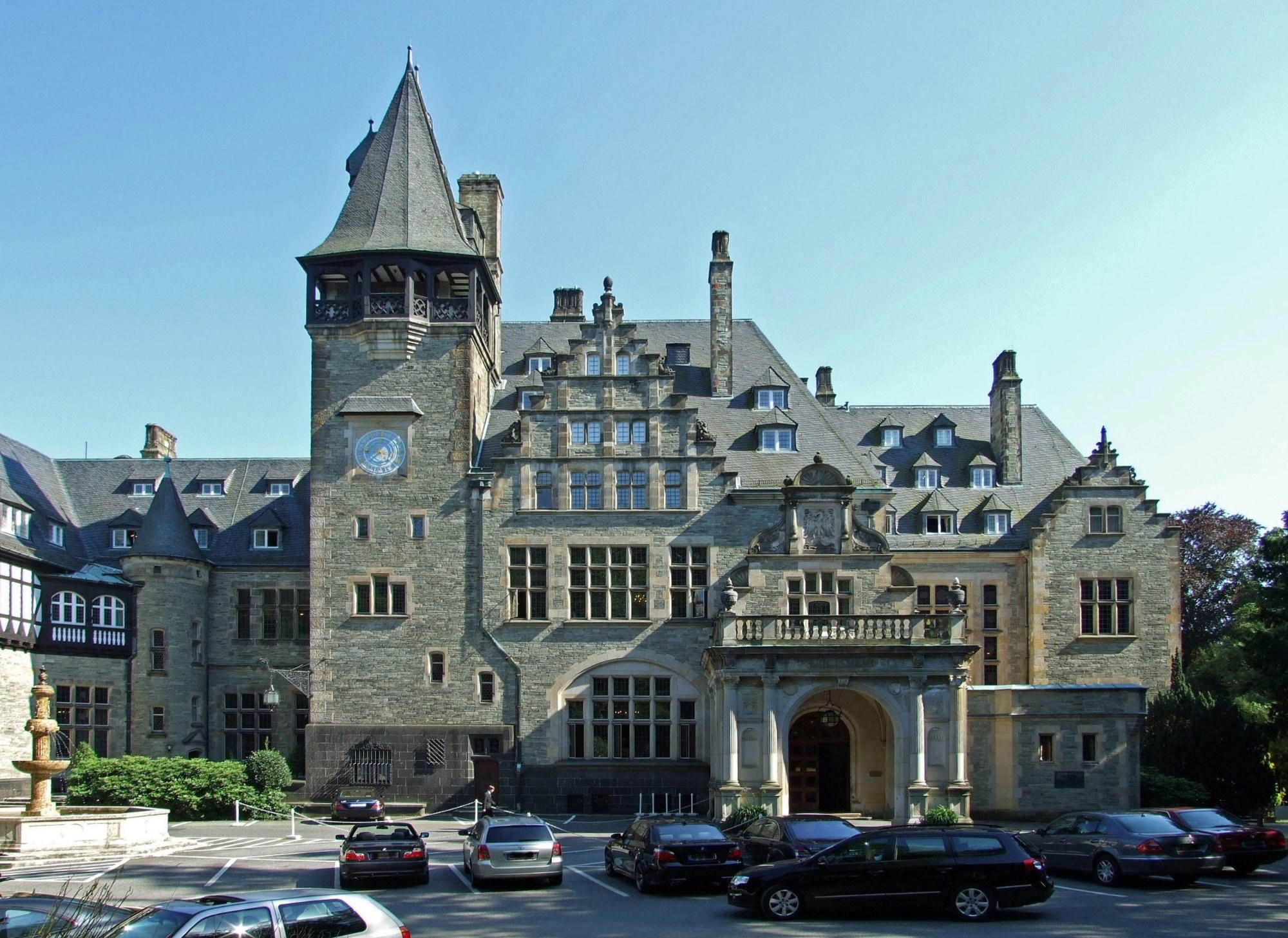
A Castle That Functions as a Hotel, Not the Other Way Around
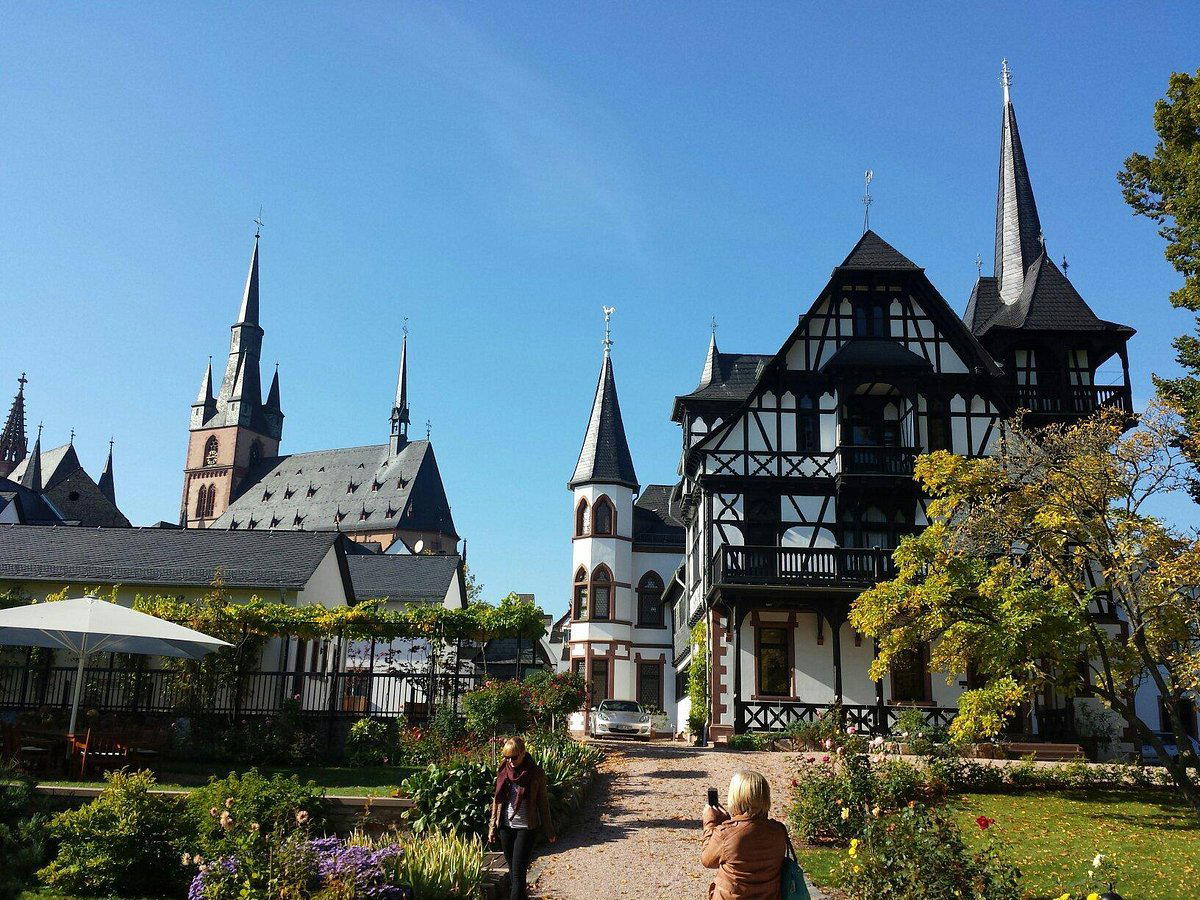
Most historic-building hotels in Europe work in one direction: a developer acquires a listed structure, strips it back to the bones, and rebuilds it around contemporary hospitality logic. Schlosshotel Kronberg is a 5-star hotel in Kronberg im Taunus at Hainstraße 25. The castle came first, in 1889, built for Empress Victoria Friedrich. The hospitality came later, in 1954, when the House of Hesse opened the property to guests. The building has never stopped being a private dynastic residence, and that sequence shapes everything about how the place feels and operates.
Germany has many historic hotels that invoke royal association as a branding mechanism. What separates Schlosshotel Kronberg from that category is legal and physical continuity: the House of Hesse retains private ownership, and the former living quarters of the Empress are still available as guest rooms and suites on the first floor. The antiques and paintings on the walls are not reproduction period pieces sourced from auction houses. They are original to the collection. That distinction matters to a specific traveller who reads room archaeology the way others read menus.
The Architecture and Its Interior Logic
Late-nineteenth-century German royal architecture drew heavily from English Gothic and Scottish baronial influences, and the Kronberg castle sits squarely in that tradition. The exterior reads as deliberate rather than accidental grandeur: stone massing, tower elements, and the kind of formal symmetry that signals institutional weight. The surrounding 58-hectare park reinforces that sense of spatial generosity at a scale that urban conversion projects cannot replicate.
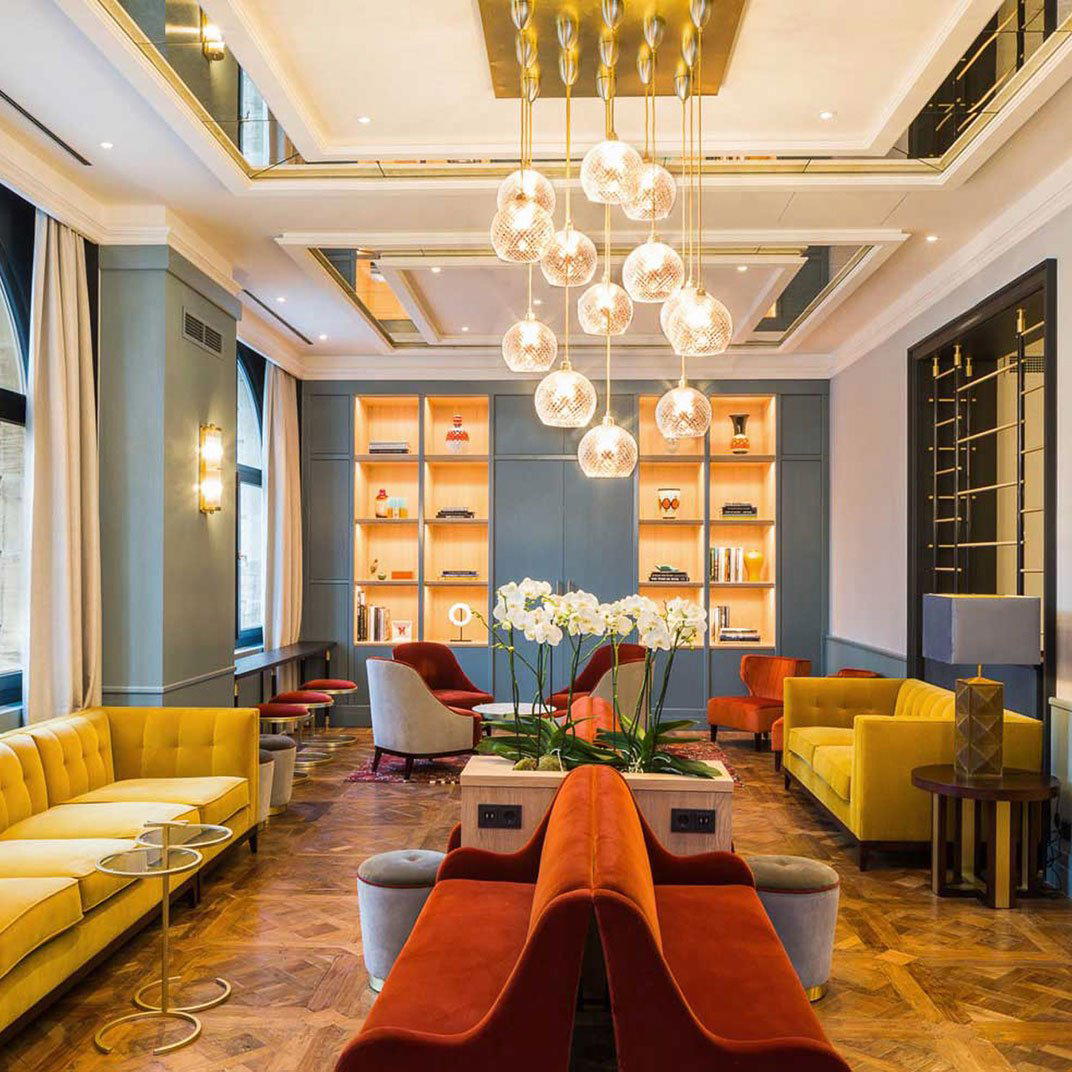
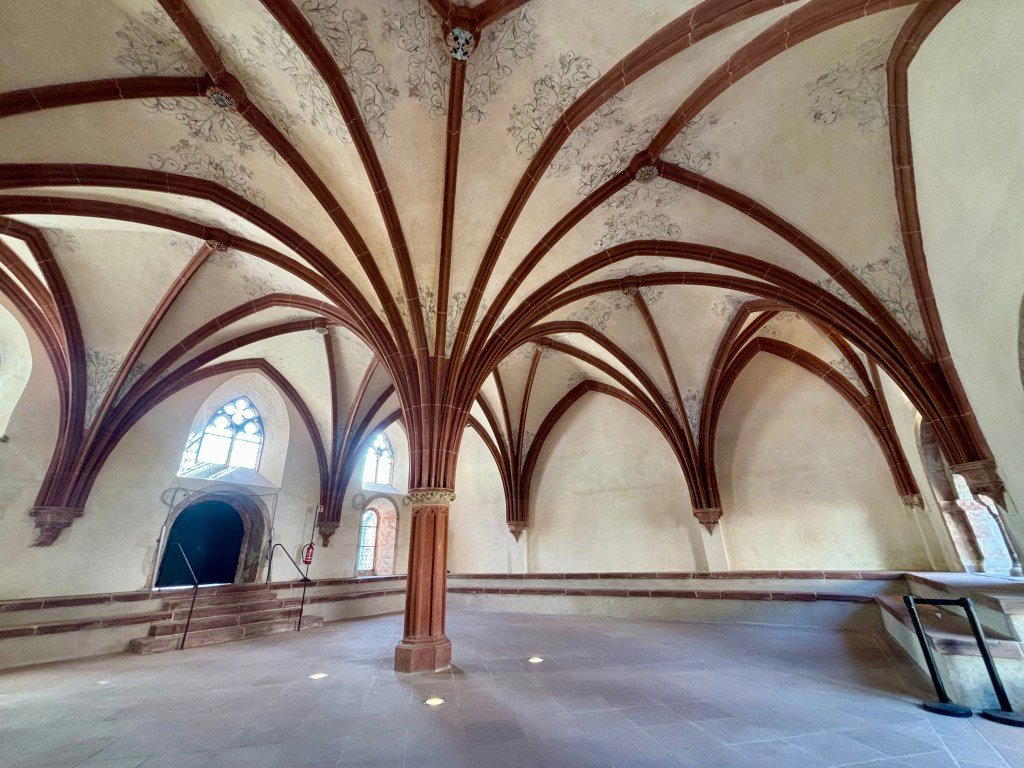
The interior renovation, carried out in collaboration with British designer Nina Campbell, worked with the existing fabric rather than against it. Campbell's approach across her career has consistently favoured layered pattern, antique integration, and room-specific identity over cohesive modernist neutrality. In the context of a property where the rooms carry genuine historical freight, that sensibility is appropriate. All 61 rooms and suites were individually furnished, which means the floor plan reads as a series of distinct spaces rather than a repeated module. The former salons, now used for private events and business meetings, retain their original character while accommodating groups of up to 350 persons. That combination of historical preservation and functional capacity is rare in this category.
For comparison, properties like Bülow Palais in Dresden or Breidenbacher Hof in Düsseldorf occupy historic urban structures that have been more comprehensively modernised in their interiors. Kronberg's value proposition sits closer to Schloss Elmau in Elmau in the sense that the building itself is the primary draw, though Elmau operates at considerably larger scale and with a different programme emphasis.
Setting, Grounds, and Seasonal Programming
The Taunus hills position Kronberg as a climatic health resort with genuine outdoor infrastructure around it. The 18-hole championship golf course on the estate grounds is especially headline facility, but the hiking and biking network in the surrounding area extends the activity offer beyond the property boundary. Tennis courts are available on-site. Historical European castles and ruins in the immediate area add day-trip material for guests who want structured cultural context rather than pure resort time.
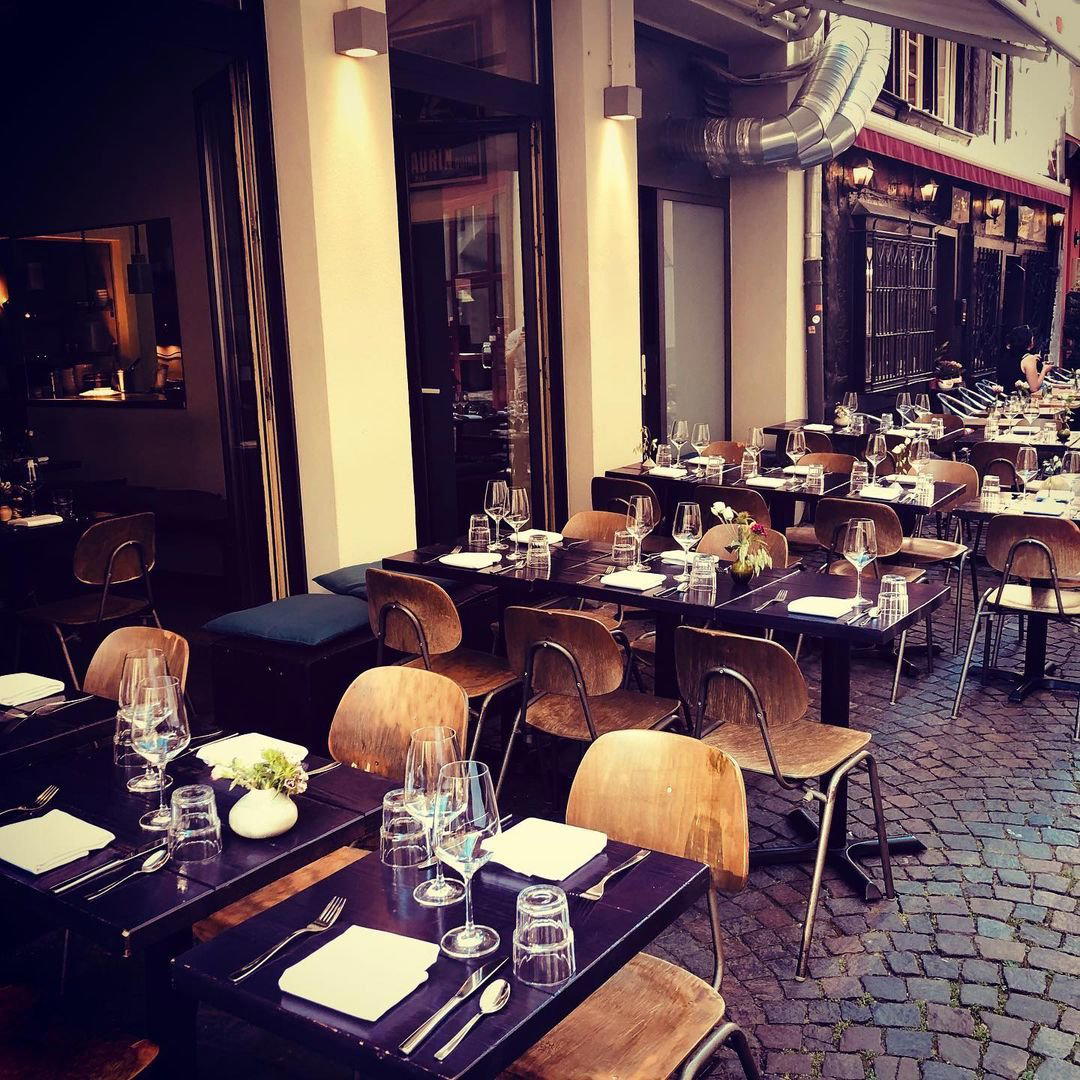
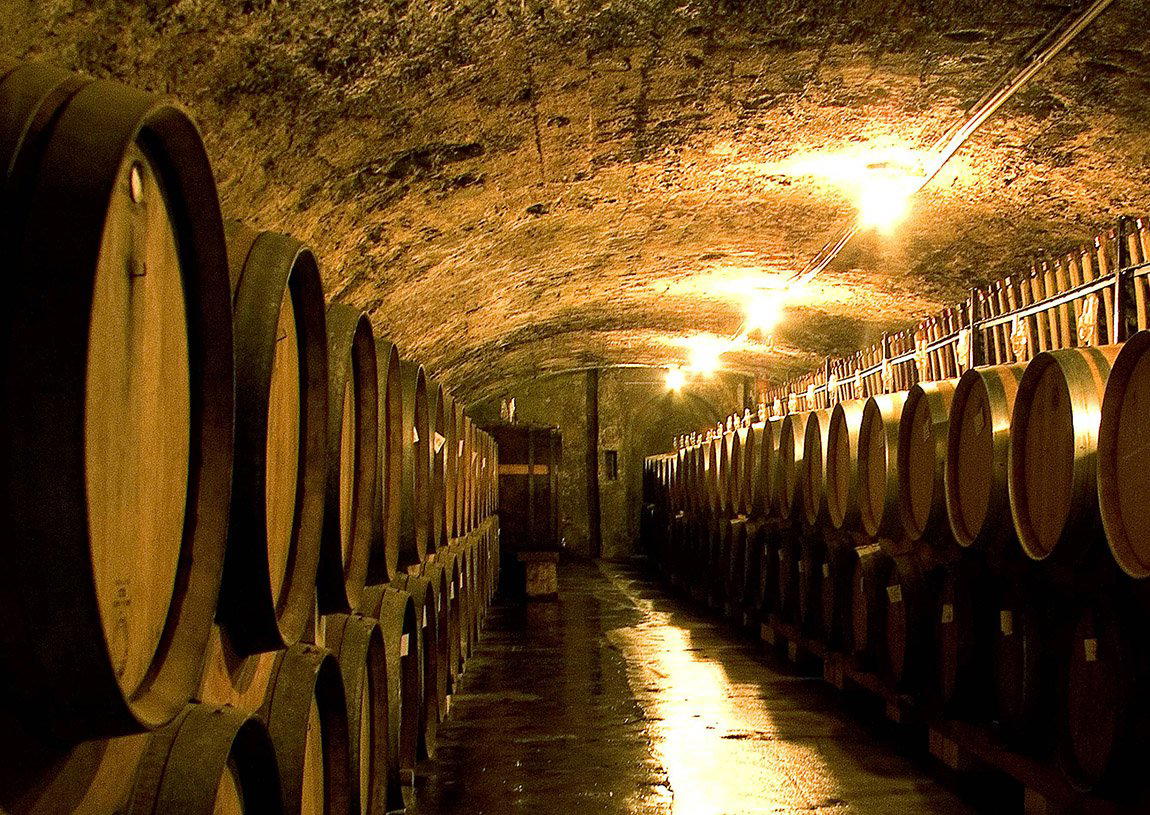
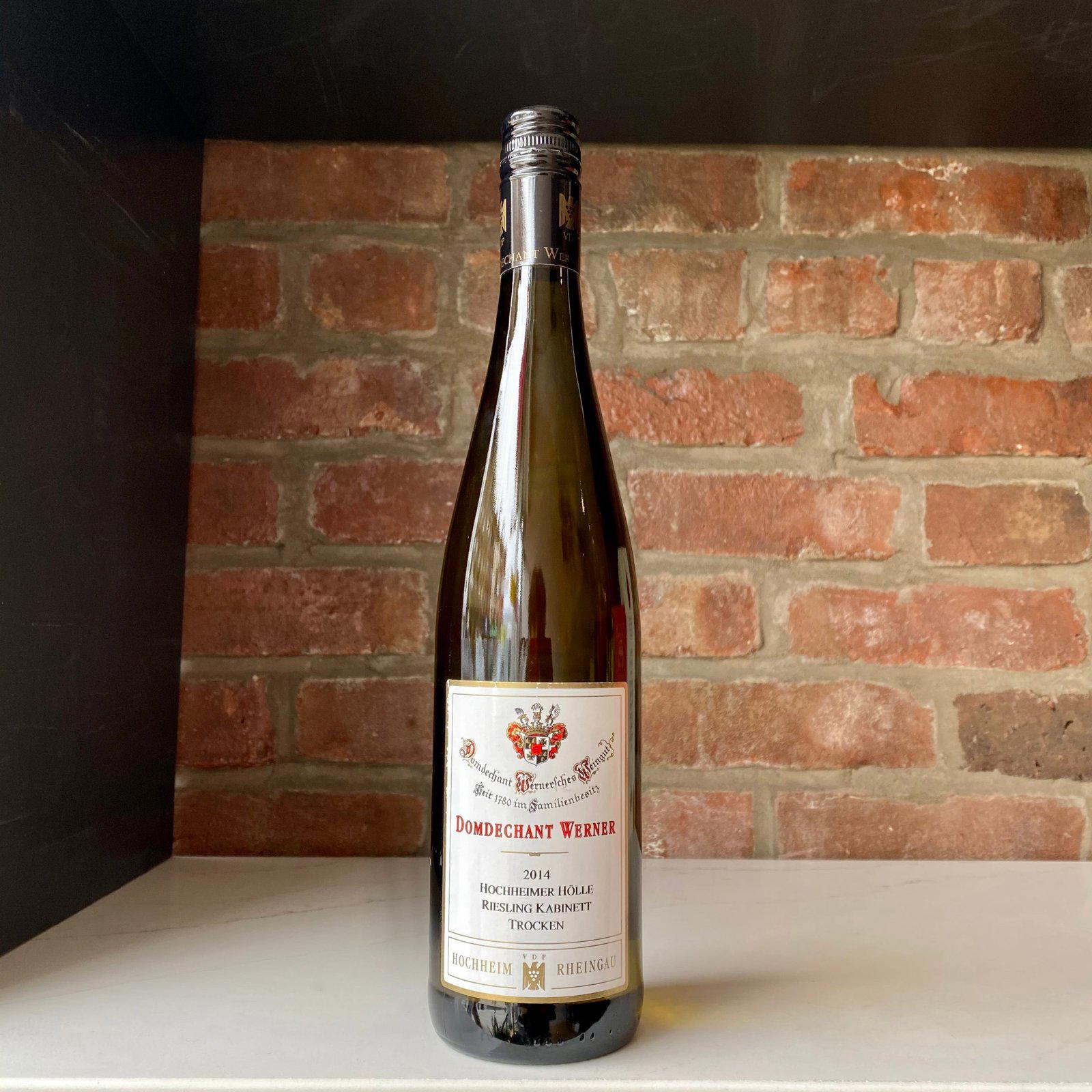
The seasonal calendar follows the property's architectural character. Spring picnics in the castle park, summer evenings on the terrace with wine from the Prinz von Hessen winery, Afternoon Tea beside the library fireplace in autumn, and the hotel's own Christmas market in winter: these are not generic seasonal promotions but programmes that use the specific physical assets of the estate. The library fireplace and the rose garden are features of the original building; the winery supplying the terrace wine is an extension of the House of Hesse estate operation. The integration is structural rather than decorative.
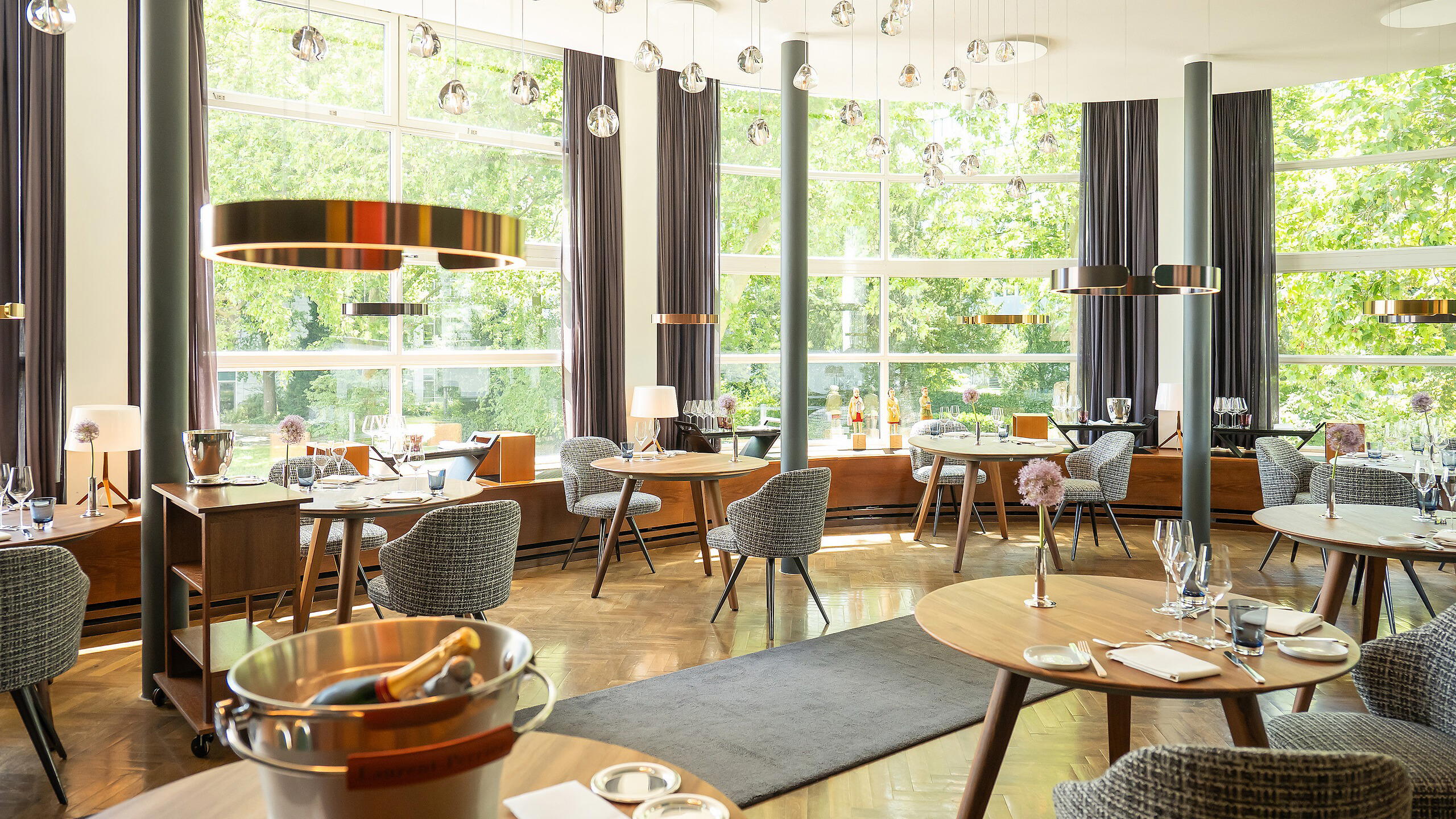
Two indoor restaurants and a spacious summer terrace handle day-to-day dining. The Cottage beer garden, described as a recent launch, adds a less formal outdoor option that broadens the food and drink range without repositioning the property's overall register. Properties in this category, such as Hotel Bareiss in Baiersbronn or Althoff Seehotel Überfahrt in Rottach-Egern, tend to anchor their dining offer around a prestige fine-dining room. Kronberg's approach is more distributed across formats.
Position in the German Castle-Hotel Category
La Liste's 2026 Leading Hotels list placed Schlosshotel Kronberg at 96.5 points, which positions it in the upper tier of recognised German luxury hospitality. That score sits alongside properties with different physical identities: spa resorts, urban grand hotels, and lakeside retreats. What Kronberg brings to that comparable set is a specific type of architectural and historical credential that design-led newcomers or large international chains cannot replicate on a comparable timeline.
The Frankfurt airport proximity is a logistical factor that adds a practical dimension to what is otherwise a destination property. Kronberg reads as a viable pre- or post-flight stay for travellers who want to decompress in a different register from an airport hotel, and also as a standalone destination for travellers specifically seeking the Taunus region or the castle hotel format. Hotels like Fairmont Hotel Vier Jahreszeiten in Hamburg or Mandarin Oriental Munich serve urban capital-city travellers; Kronberg serves a different trip type, one where the property is the destination rather than the base.
For anyone mapping Germany's historic luxury properties more broadly, Villa Contessa in Bad Saarow, Hotel Ketschauer Hof in Deidesheim, and Weissenhaus in Weissenhaus each represent the estate-hotel format in different regional contexts. Kronberg's distinction within that group remains the unbroken dynastic ownership line and the resulting continuity of collection, space, and operation. See our full Kronberg restaurants guide for broader context on the area.
Planning a Stay
The 61-room count keeps availability tighter than it might appear for a property of this physical scale, particularly around the golf season and the Christmas market period. Guests considering the empress-quarter suites on the first floor, which carry the strongest historical character, should plan further ahead than they might for a standard room category. The event infrastructure, with salon capacity for up to 350 persons, means that private bookings can affect the atmosphere of common areas on specific dates; checking the event calendar before booking is worth the effort for leisure travellers who want the property at its quietest.
The Kronberg address sits within practical reach of Frankfurt, making it accessible by road or rail from the airport without requiring an overnight transit hotel. For travellers building a wider German itinerary that includes properties like Excelsior Hotel Ernst in Cologne or Hotel de Rome in Berlin, Kronberg works as a considered opening or closing stay that shifts the register away from the urban grand hotel format.
A Quick Peer Check
Comparable venues nearby, for context on price, style, and recognition.
| Venue | Cuisine | Price | Awards | Notes |
|---|---|---|---|---|
| Schlosshotel KronbergThis venue — the venue you are viewing | Historic castle hotel with Victorian architecture and extensive grounds | $$$$ | 5-Star | Not listed |
| Hilton Frankfurt Gravenbruch | Historic country-house resort with modern amenities, positioned as a luxury retreat combining heritage architecture with contemporary wellness facilities. | $$$$ | 5-Star | Neu-Isenburg |
| Schlosshotel Hugenpoet | Historic moated castle with neo-Renaissance elements and modern renovations | $$$$ | 5-Star | Kettwig |
| Steigenberger Inselhotel | Historic luxury hotel in former monastery | $$$$ | 5-Star | Old Town |
| Nouri | Lifestyle and wellness hotel blending regional character with international influences. | $$$$ | 5-Star | Bad Krozingen |
| Brenners Park-Hotel & Spa | Timeless European grand hotel with modern wellness integration | $$$$ | 5-Star | Lichtentaler Allee |
Recognition history
Dated appearances from independent guides and award organizations, with the underlying list record or original source where available.
La Liste Top Hotels
La Liste
Virtuoso Luxury Hotel Partner
Virtuoso
Michelin Selected
Michelin
Small Luxury Hotels of the World Member
Small Luxury Hotels of the World
Continue exploring
More in Kronberg
Hotels in Kronberg
Browse all →
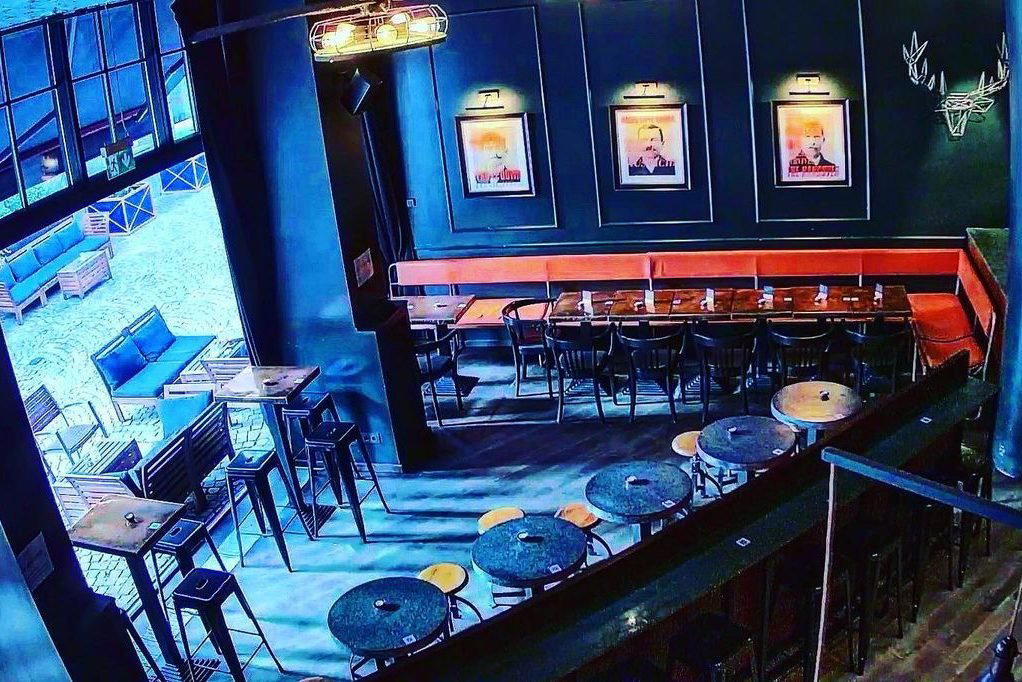
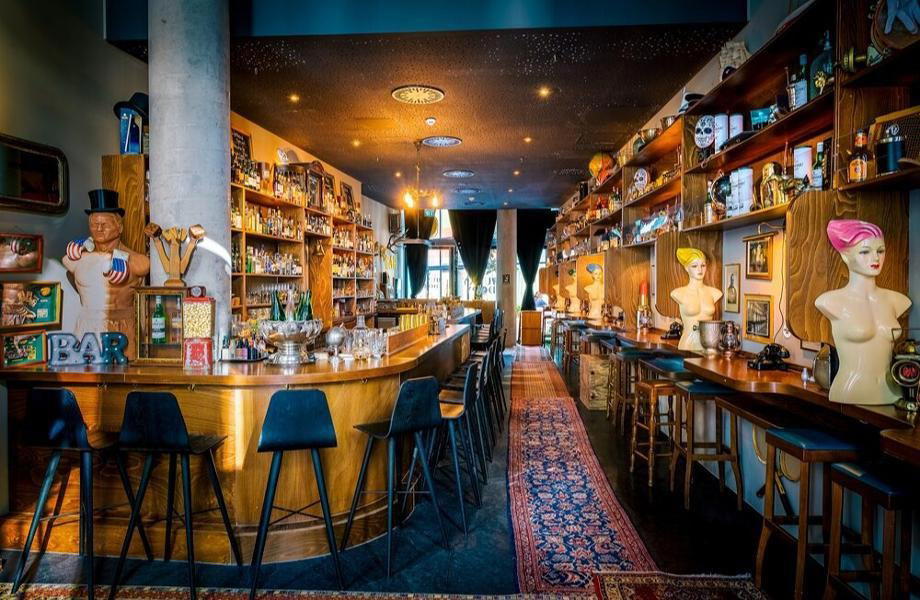
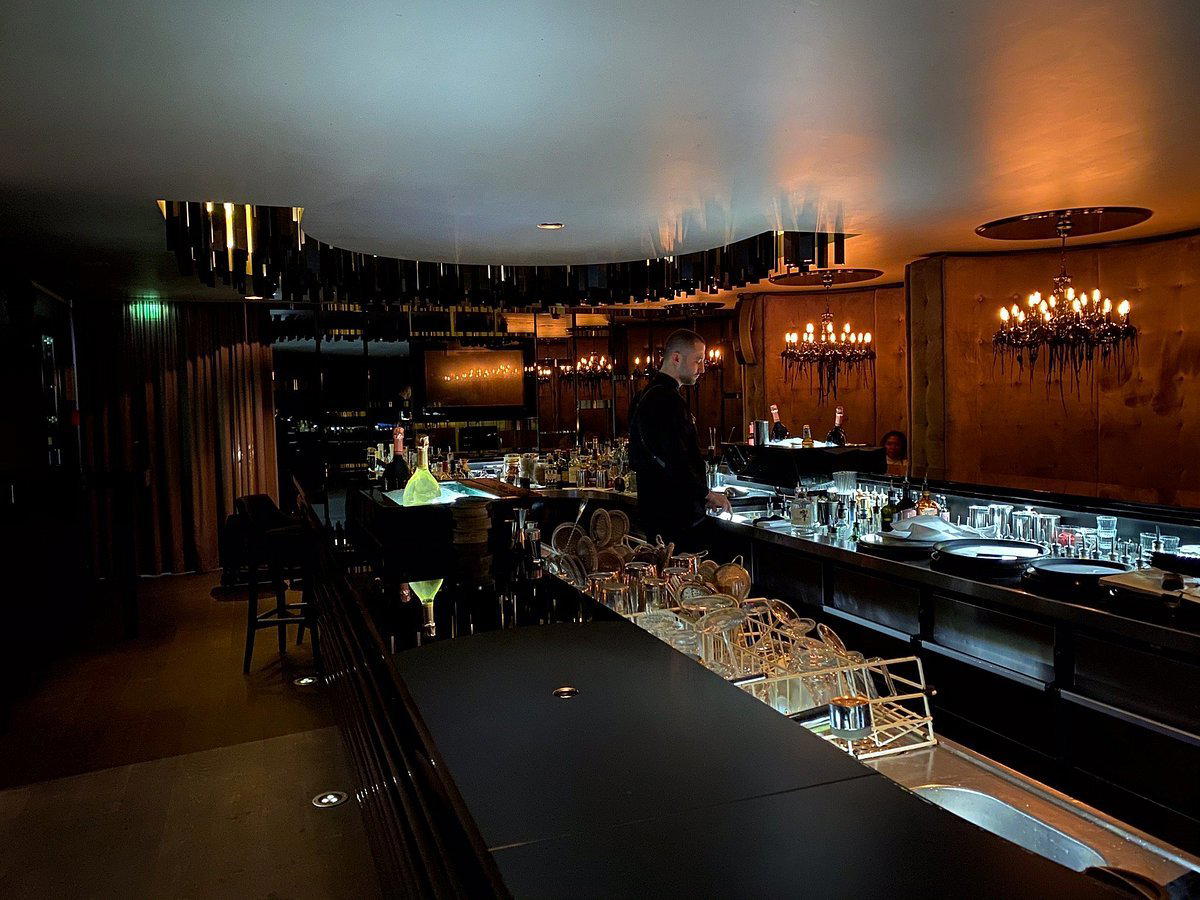
Bars in Kronberg
Browse all →
Restaurants in Kronberg
Browse all →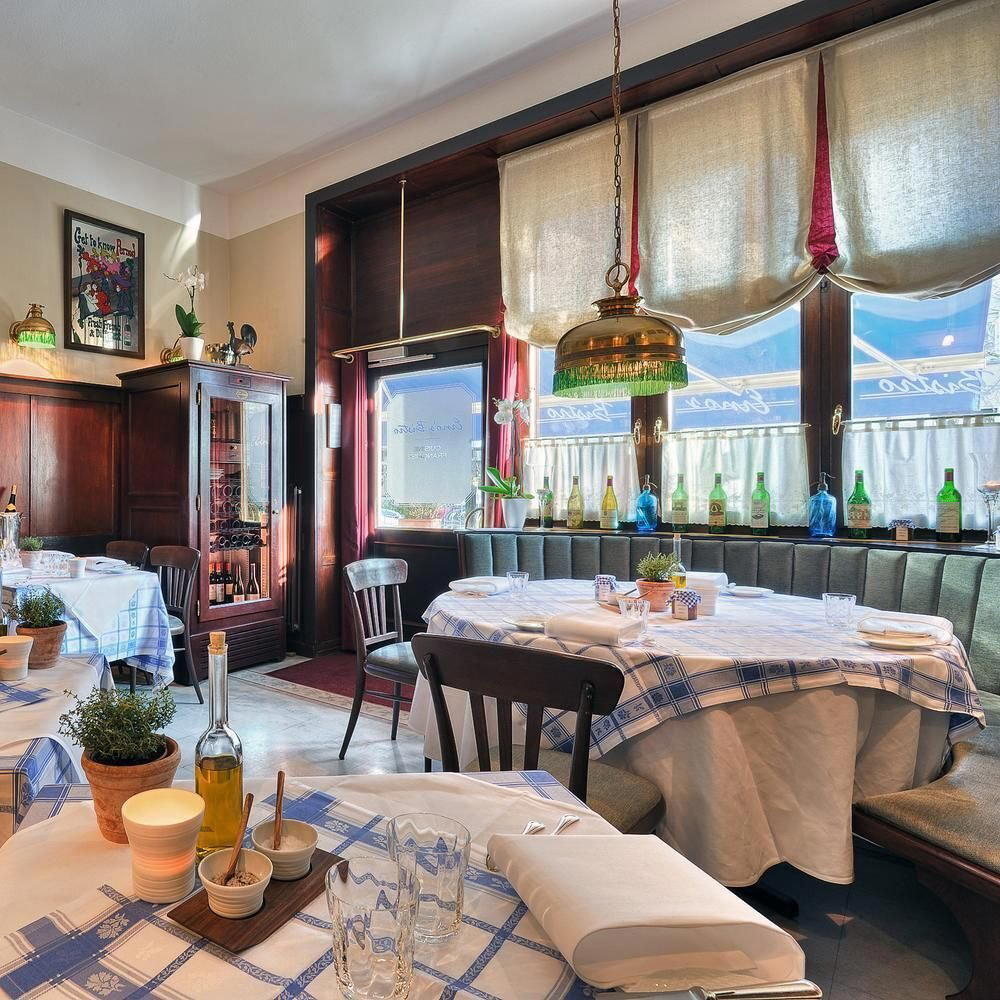

At a Glance
- Elegant
- Classic
- Sophisticated
- Ornate
- Romantic Getaway
- Anniversary
- Weekend Escape
- Golf Course
- Historic Building
- Garden
- Terrace
- Spa
- Pool
- Sauna
- Fitness Center
- Room Service
- Concierge
- Wi Fi
- Restaurant
- Garden
- Spa
- Pool
- Sauna
- Fitness Center
- Room Service
- Concierge
- Wi Fi
- Restaurant
Elegant historic atmosphere with antique furnishings, spacious rooms, and serene park views, praised for tranquility and attentive service.