
1 Michelin Star
Our verdict
Restaurant Villa Merton has held a Michelin star in each of the past two Michelin guides and operates in Frankfurt's Nordend-West district as one of the city's most consistent addresses for classic cuisine. Chef André Großfeld leads the kitchen at Am Leonhardsbrunn 12, where.

Pearl is the En Primeur Club membership app — saves, bookings, and concierge access live there. Same editors, same standards.
- Address
- Am Leonhardsbrunn 12, 60487 Frankfurt am Main, Germany
- Phone
- +49 69 703033
- Hours
- Mon–Fri 12–2 PM, 6–10:30 PMSat 5–10:30 PMSun Closed
- Website
- restaurant-villa-merton.de
- Directions
- Get directions
- Booking
- Book on OpenTable
The menu
What to order
- Smoked Eel with Elderflower
- Vineyard Snails with Cauliflower
- Roebuck with Beetroot
- Game Ragout
A Quiet Address in Nordend-West
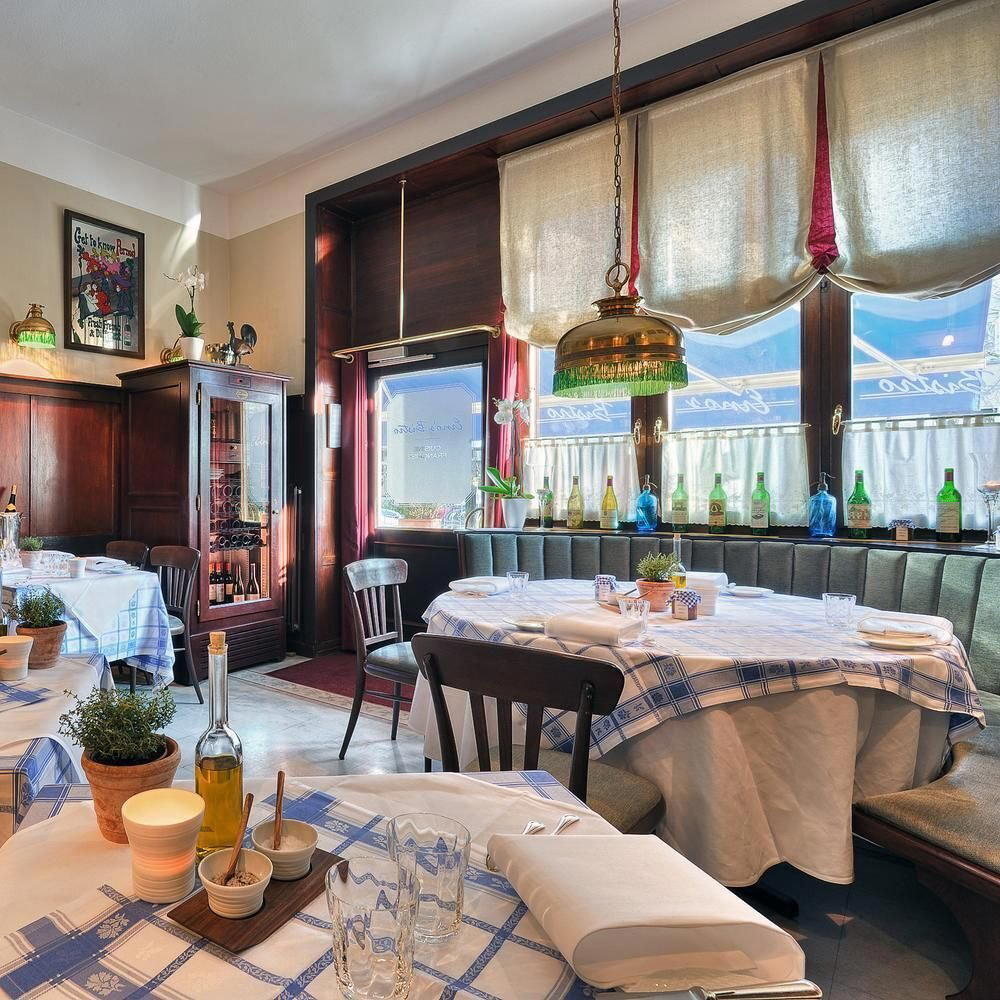
Frankfurt's restaurant geography divides roughly between the finance-adjacent dining rooms of the city centre and the quieter, residential-scale spaces that have accumulated in Nordend-West and Bockenheim. Restaurant Villa Merton, at Am Leonhardsbrunn 12, sits in the latter zone: a neighbourhood where the pace is slower and the clientele arrives on purpose rather than by foot traffic. The building itself signals what kind of evening to expect before you reach the dining room. Villa-style architecture in a garden-adjacent setting sets an expectation of considered calm, the kind of room where conversation carries without raising your voice and where the light, whether from a northern evening sky or interior sources, never feels rushed. This is not a context that rewards distraction. It rewards attention.
Classic Cuisine and What That Category Actually Demands
The phrase "classic cuisine" carries less marketing clarity than it might appear to. In Germany's Michelin-starred tier, it covers a range of approaches: kitchens that work from French technique but adapt to regional produce, those that hold close to codified preparations, and those that use the label as a signal of restraint rather than tradition. At Villa Merton, the classification places Chef André Großfeld in a cohort that includes KOMU in Munich domestically and, further afield, Maison Rostang in Paris, both of which operate in the same Michelin-recognised classic register. The shared commitment across that cohort is to technique as the primary language: sauces built over time, proteins handled with precision, and a menu structure that does not rely on provocation to communicate value.
Germany's broader Michelin landscape offers useful contrast. Multi-star kitchens like Aqua in Wolfsburg and Schwarzwaldstube in Baiersbronn operate at a different scale of ambition and budget. Format-led concepts such as CODA Dessert Dining in Berlin or the alpine-positioned ES:SENZ in Grassau make a point of their own distinctiveness. Villa Merton's value is different: it sits in the dependable, technically grounded tier where the Michelin star, held through both the 2024 and 2025 guides, functions as a consistency signal rather than a curiosity flag.
The Sustainability Question in Classic Kitchens
Sustainability in fine dining is a term that has been stretched across many different practices, and not all of them are meaningful. The most substantive approaches in European starred kitchens now connect directly to sourcing decisions: regional producers, reduced cold-chain distances, and menu structures that rotate around what is available rather than what is always available. Classic cuisine, with its emphasis on technique over exotic ingredients, is in some respects well positioned for this kind of sourcing discipline. A kitchen that works from stocks, reductions, and careful use of the whole animal is already operating closer to a low-waste philosophy than menus built around rare imports.
Frankfurt's position in the Hesse region puts it within reach of some of Germany's more productive agricultural zones. The Rhine-Main area's market gardens, the Taunus highlands, and producers along the Rheingau corridor all supply restaurants at various price points. For a kitchen operating at Villa Merton's level, with a €€€€ price point and Michelin recognition, the expectation from informed diners is that ingredient sourcing is deliberate and communicable, not merely decorative. In this respect, Villa Merton's classic approach, when applied rigorously, supports the kind of whole-product discipline that sustainability-minded diners increasingly expect from starred addresses.
Frankfurt's dining scene offers instructive comparisons at adjacent price points. Bidlabu, which operates at €€€ with an explicit farm-to-table positioning, makes ethical sourcing the headline of its offer. Villa Merton works in a different register: the sourcing ethic, where it operates, is embedded in technique rather than announced. Neither approach is more valid; they communicate to different audiences.
Frankfurt's Starred Tier and Where Villa Merton Sits
Frankfurt runs a relatively compact Michelin-starred dining circuit for a city of its financial weight. The best of the local market is anchored by Lafleur, which operates in the modern French register at the same €€€€ price tier and carries its own sustained recognition. Erno's Bistro, a long-standing classic French address, shares the higher price bracket and a commitment to European technique. Carmelo Greco represents the Italian tier at €€€.
Within this set, Villa Merton's position is defined by two things: its neighbourhood location away from the central restaurant cluster, and its consistent Michelin recognition across consecutive years. At the €€€€ level in a competitive city, guest satisfaction scores of that range, across a volume that rules out small-sample distortion, indicate a kitchen and front-of-house that perform reliably across the range of visits rather than peaking on good nights only. JAN in Munich and Vendôme in Bergisch Gladbach are among the German addresses that operate in comparable consistency-and-recognition territory, though in different culinary registers and cities.
Planning a Visit
Villa Merton is located at Am Leonhardsbrunn 12, in the Nordend-West district of Frankfurt am Main. The address is west of the city centre and accessible by public transport via the nearby U-Bahn connections in Bockenheim. For a dinner at €€€€ with Michelin star status, advance booking is advisable; kitchens at this level in Frankfurt typically fill their better tables one to three weeks ahead, and that window may compress further around Frankfurt's trade fair calendar, when the city's hotel and restaurant capacity absorbs large volumes of business travellers. The Messe Frankfurt event schedule is publicly available and worth cross-referencing before choosing a date. Dress expectations at a starred classic-cuisine address in Germany lean toward smart-casual at minimum, with the villa setting and price point both suggesting that formal or business-smart attire will feel more at home than casual wear.
For a broader view of what Frankfurt's dining scene offers across price tiers and styles, our full Frankfurt restaurants guide covers the city in detail. Those planning a longer stay can also consult our Frankfurt hotels guide, bars guide, wineries guide, and experiences guide for a complete picture. Krone is another Frankfurt address worth including in any itinerary that covers the city's range.
Frequently asked questions
Would Restaurant Villa Merton be comfortable with kids?
What should I expect atmosphere-wise at Restaurant Villa Merton?
What do people recommend at Restaurant Villa Merton?
Comparable Spots, Quickly
A small set of peers for context, based on recorded venue fields.
| Venue | Cuisine | Price | Awards | Notes |
|---|---|---|---|---|
| Restaurant Villa MertonThis venue — the venue you are viewing | Modern German Fine Dining | $150–200 | 1 Michelin Star | Not listed |
| Lafleur | Modern French Fine Dining with Vegan Options | $150–200 | 2 Michelin Stars · La Liste Top Restaurants | French, Modern French |
| bidlabu | Modern European Bistro | $50–100 | 1 Michelin Star | Bistro, Farm to table |
| Lohninger | Modern Austrian with International Influences | $50–100 | 1 Michelin Star | Austrian |
| Carmelo Greco | Modern Sicilian Italian Fine Dining | $100–150 | Michelin Plate | Italian |
| Erno's Bistro | Modern French Bistro | $100–150 | 1 Michelin Star | Classic French |
Recognition history
Dated appearances from independent guides and award organizations, with the underlying list record or original source where available.
Michelin 1 Star
Michelin
Full recognition history (3 entries)
Michelin 1 Star
Michelin
Michelin 1 Star
Michelin
Continue exploring
More in Frankfurt
Restaurants in Frankfurt
Browse all →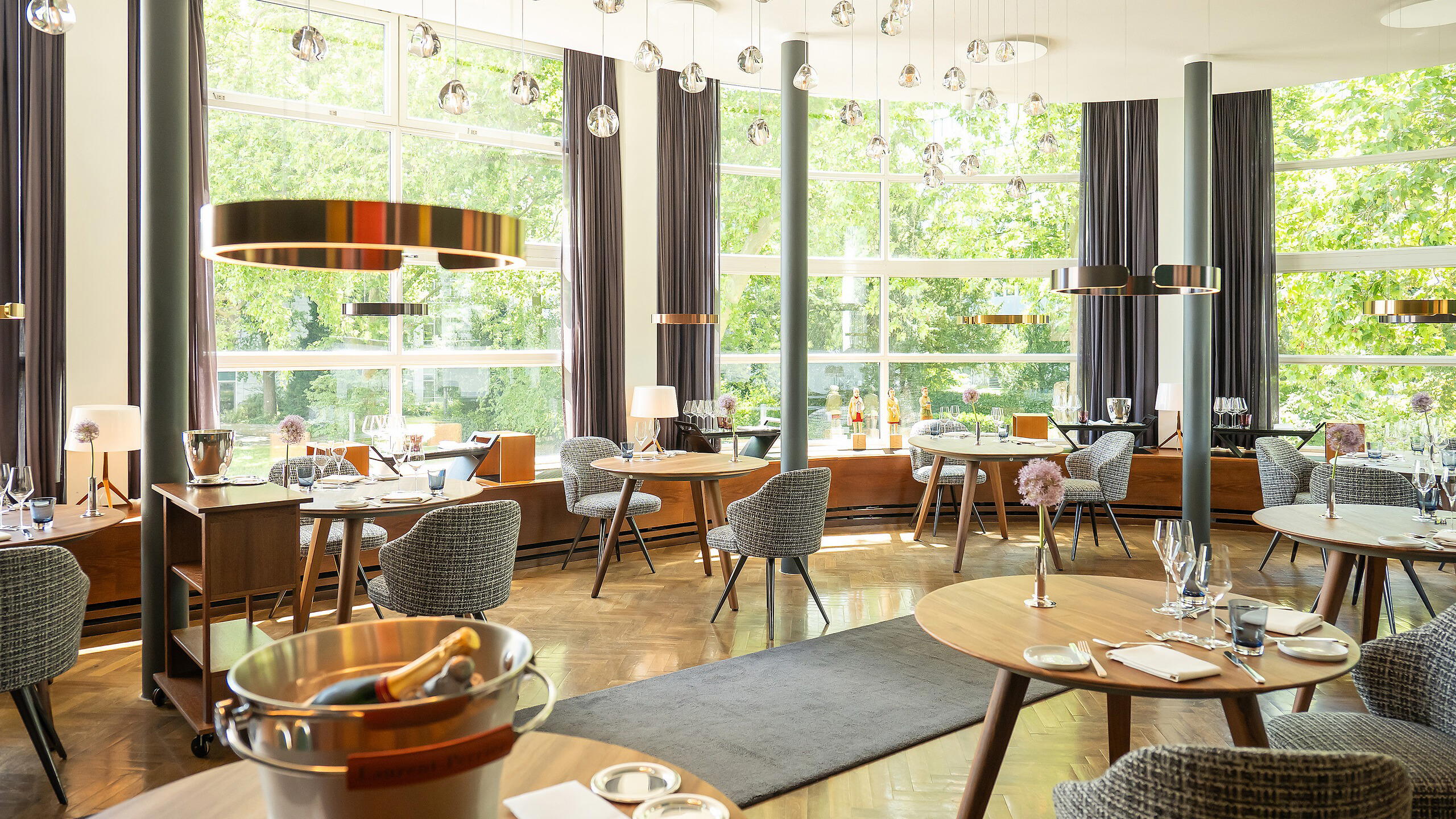
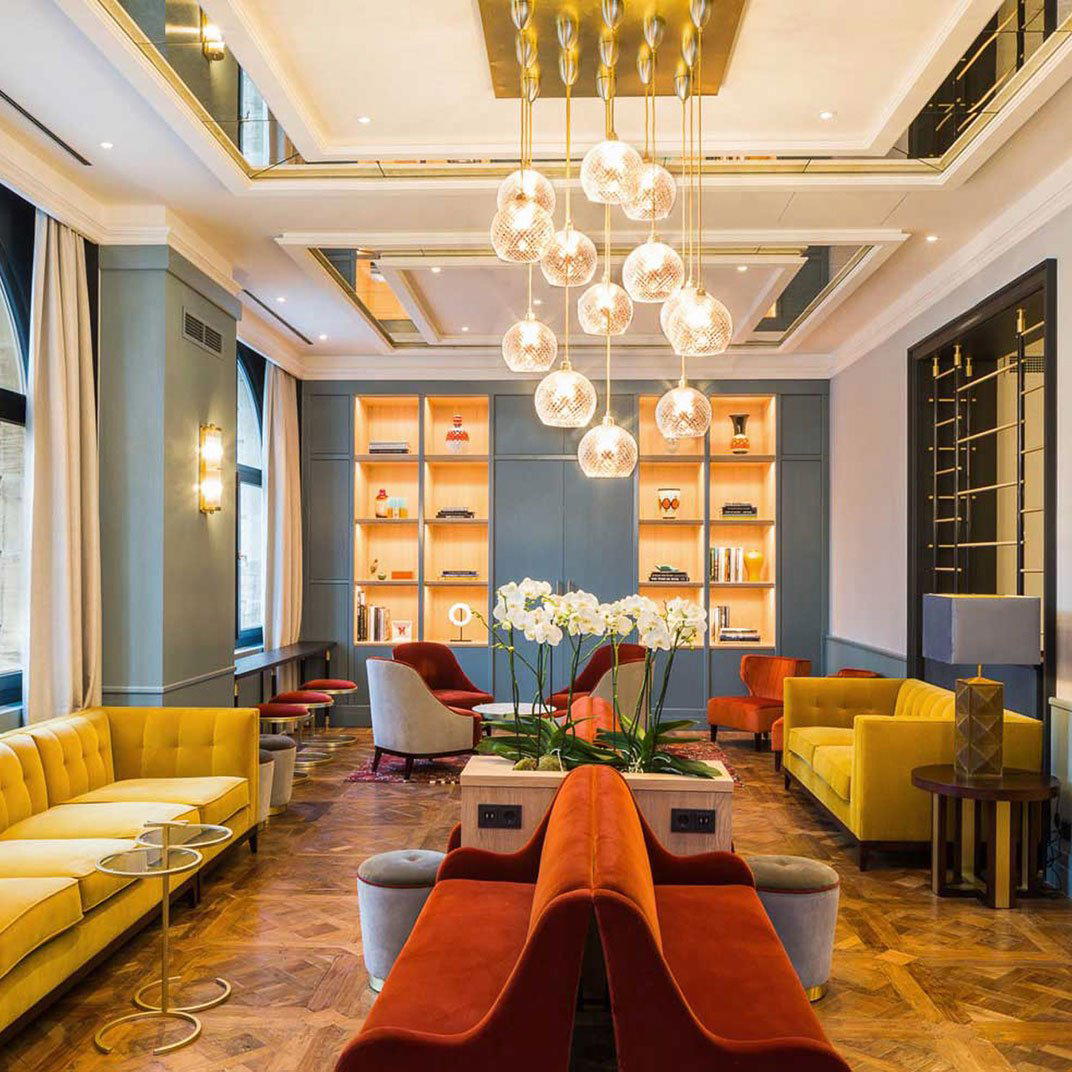
Bars in Frankfurt
Browse all →

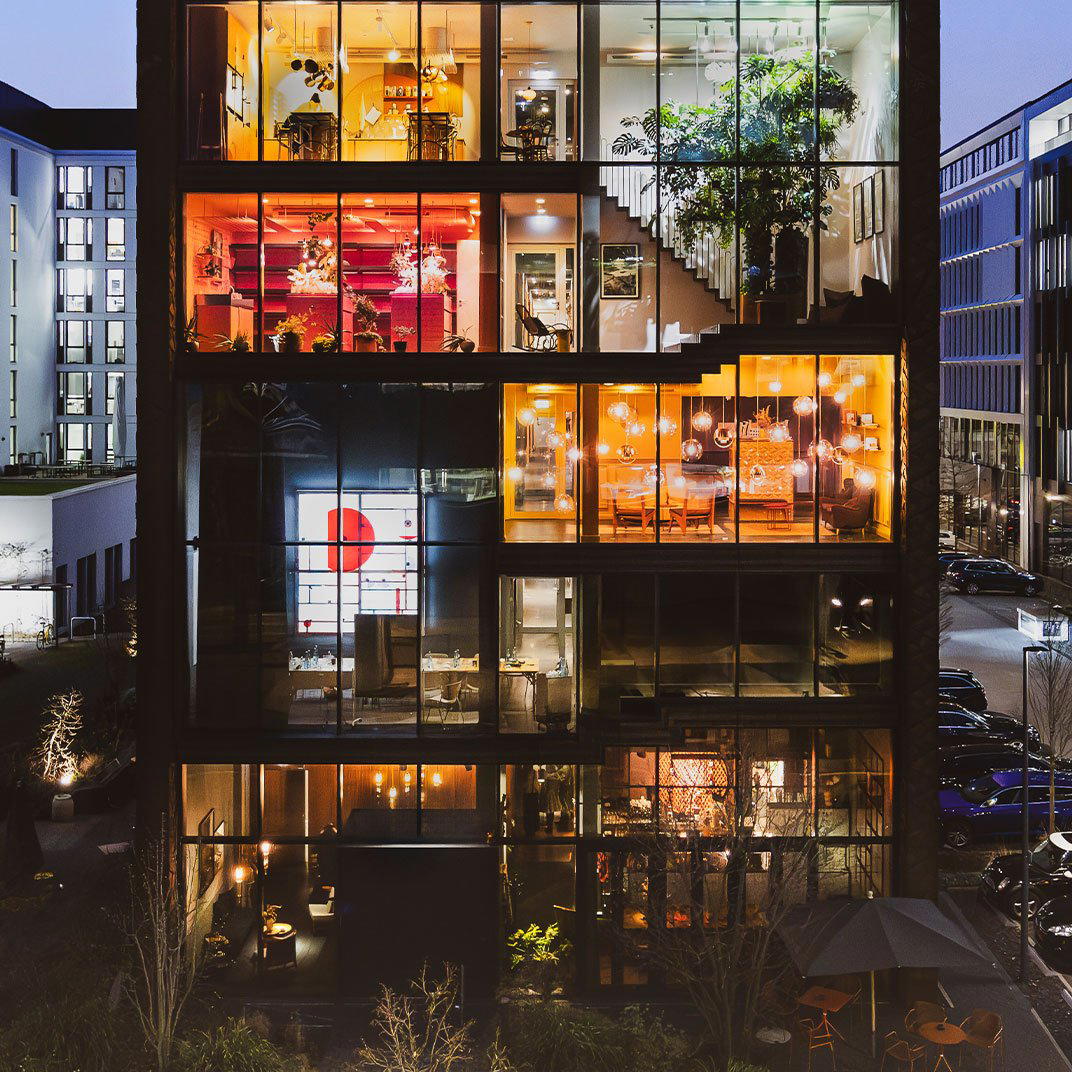
Hotels in Frankfurt
Browse all →


Details
- Elegant
- Sophisticated
- Intimate
- Classic
- Business Dinner
- Date Night
- Special Occasion
- Celebration
- Private Dining
- Garden
- Historic Building
- Design Destination
- Extensive Wine List
- Sommelier Led
- Local Sourcing
- Garden
- Tasting Menu
- Prix Fixe
- Wine
- Champagne
- Vegetarian Friendly
- Vegan Options
- Allergy Accommodating
Current opening hours
- Monday
- 12–2 PM, 6–10:30 PM
- Tuesday
- 12–2 PM, 6–10:30 PM
- Wednesday
- 12–2 PM, 6–10:30 PM
- Thursday
- 12–2 PM, 6–10:30 PM
- Friday
- 12–2 PM, 6–10:30 PM
- Saturday
- 5–10:30 PM
- Sunday
- Closed
Hours can change for holidays and private events. Last verified .
Elegant and sophisticated with pristine white tablecloths, crystal chandeliers, refined interior design, and a serene setting in a historic mansion surrounded by manicured gardens and fireplaces.