On Fahrgasse in Frankfurt's Altstadt, Mona Lisa Bar draws a crowd that knows the difference between a bottle list and a back bar. The address places it within easy reach of the Römer quarter, and the atmosphere runs closer to a serious drinking room than a casual stopover. Come with a specific curiosity about spirits and the patience to be pointed in an interesting direction.

Pearl is the En Primeur Club membership app, where members save venues, book tables and use the concierge.
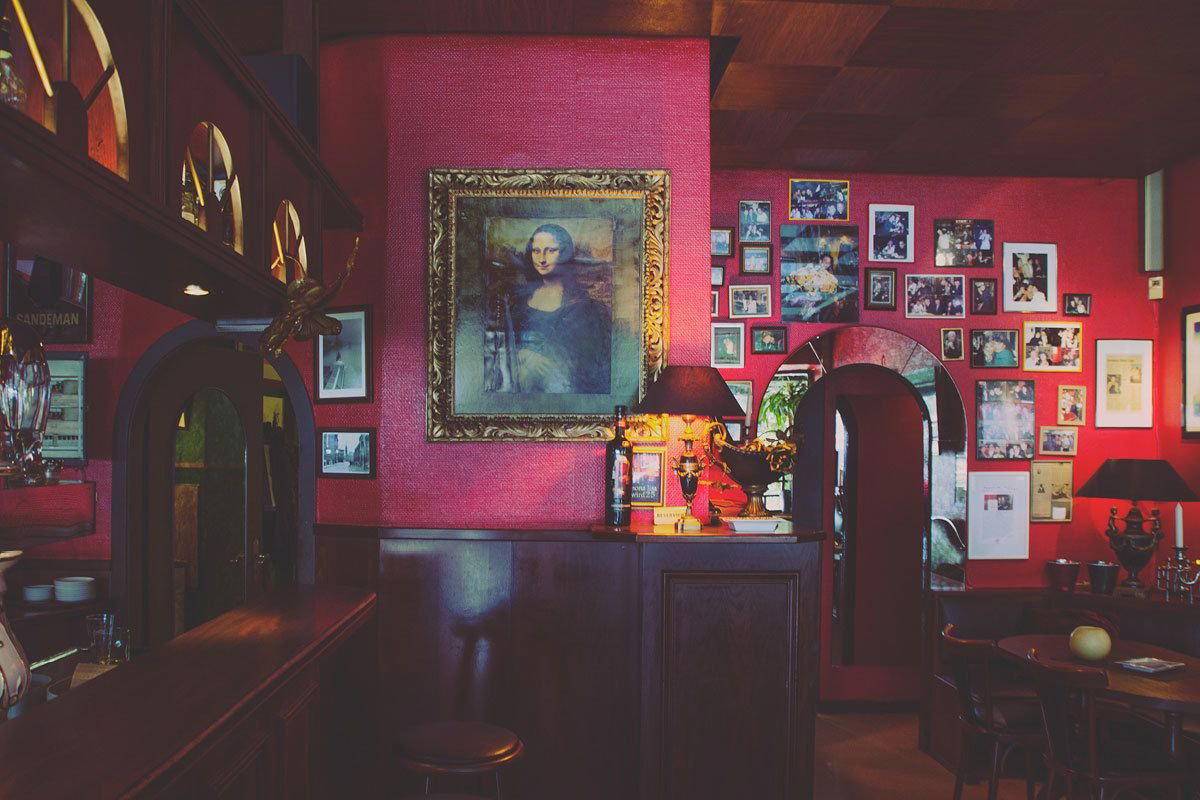
A Drinking Room in the Altstadt
Frankfurt's bar scene has always operated in the shadow of the city's financial district identity: efficient, international, and not especially sentimental. The Altstadt, however, tells a different story. Fahrgasse 24 sits in one of the oldest stretches of the old town, and Mona Lisa Bar occupies that address with the kind of quiet confidence that belongs to places that have outlasted their trendier neighbours. The approach is narrow, the signage is not competing for attention, and the interior does not announce itself. These are, in the context of serious Frankfurt bars, reassuring signals.
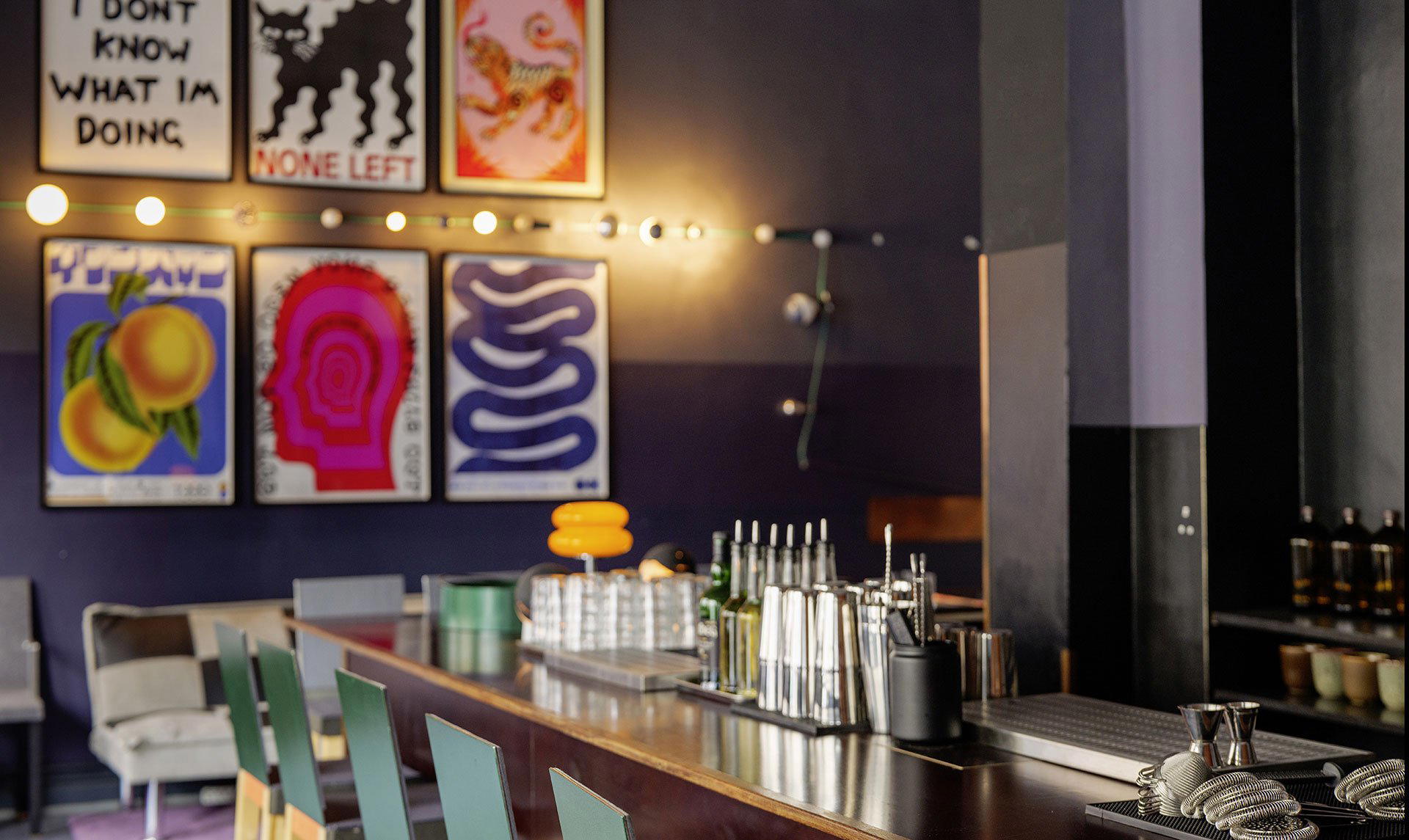
The physical feel of the room matters here. Where Frankfurt's high-altitude venues like Main Tower Restaurant & Lounge position themselves around panoramic theatre, Mona Lisa Bar works at street level and in close quarters. The atmosphere is that of a proper drinking room: surfaces worn in by use, lighting that does not demand Instagram composition, and a bar counter that draws the eye toward the bottles behind it rather than toward a cocktail theatrics station in front of it.
The Back Bar as Editorial Statement
In European bar culture, the back bar has become a credibility index. A venue can write a menu around any trend, but the bottles behind the bartender represent a slower, more considered accumulation of intent. Germany's strongest bars have increasingly leaned into spirits depth as a differentiating signal, a shift visible across the country's key drinking cities. Buck & Breck in Berlin built its reputation on limited-run bottlings and a deliberately short menu; Le Lion Bar de Paris in Hamburg has long operated as a reference point for European-style curation; Goldene Bar in Munich anchors its identity in a historically grounded aesthetic that extends to its pours. Mona Lisa Bar operates in that same register in Frankfurt, where the question is not what is mixed in the glass but what is standing on the shelf before the mixing begins.
The depth of a back bar communicates things that a menu cannot. It tells you about the range of a buyer's curiosity, the degree to which a venue is tracking what distilleries are doing at the edges of their output, and whether the people behind the counter have opinions about provenance. In bars operating at this level, the conversation between guest and bartender around a specific bottle frequently matters as much as the pour itself. That dynamic is what separates a spirits-led bar from a cocktail lounge that happens to have an extensive shelf.
Where Mona Lisa Bar Sits in Frankfurt's Current Bar Geography
Frankfurt's drinking culture has split into several distinct registers. There are the hotel and tower bars aimed at finance-district transients, the DJ-forward venues in Sachsenhausen, and a smaller tier of address-conscious bars where the format is about conversation and craft rather than volume and spectacle. Mona Lisa Bar sits in this last group, alongside venues like Aber and Doctor Flotte, which also operate in Frankfurt at the quieter, more considered end of the spectrum. MARGARETE and The Parlour in Frankfurt on the Main round out the city's more curated drinking options, each with a different format emphasis.
They arrive because someone whose opinion they trust made a specific recommendation, often tied to a specific pour. That kind of recommendation culture tends to concentrate around venues where the back bar has actual depth and the staff can speak to it.
For comparison outside Frankfurt, Bar Trattoria Celentano in Cologne and Uerige in Dusseldorf each represent how German cities away from Berlin are developing distinct local bar identities, less concerned with international trend cycles and more anchored in neighbourhood loyalty and product knowledge. Mona Lisa Bar reflects that same orientation in Frankfurt. And internationally, the model has parallels in venues like Bar Leather Apron in Honolulu, which built a reputation in an unlikely market through spirits seriousness rather than location advantage.
Planning a Visit
Fahrgasse 24 places Mona Lisa Bar within the dense pedestrian grid of Frankfurt's Altstadt, walkable from the Römer square and from the Dom/Römer U-Bahn station. The Altstadt's bar concentration means that a focused evening in this part of the city can move fluidly between several addresses without requiring a taxi.
For a fuller view of Frankfurt's drinking and dining options, our full Frankfurt restaurants guide maps the city's key addresses across categories and neighbourhoods.
Pricing, Compared
Comparable venues nearby, for context on price, style, and recognition.
| Venue | Cuisine | Price | Awards | Notes |
|---|---|---|---|---|
| Mona Lisa BarThis venue (the venue you are viewing) | Not listed | $20–30 | Not listed | Not listed |
| Walon & Rosetti | Not listed | Not listed | Not listed | Roemerberg, cocktail_bar |
| Aber | Not listed | $20–30 | Not listed | Roemerberg, wine_bar |
| Maxie Eisen | Roemerberg, lounge | Not listed | Not listed | Not listed |
| Paris' Bar | Not listed | $20–30 | Star Wine List · Falstaff Wine Bar - 91 Falstaff Points | Sachsenhausen, wine_bar |
| Doctor Flotte | Goethehaus, pub | $10–20 | Not listed | Not listed |
Continue exploring
More in Frankfurt
Bars in Frankfurt
All bars in Frankfurt →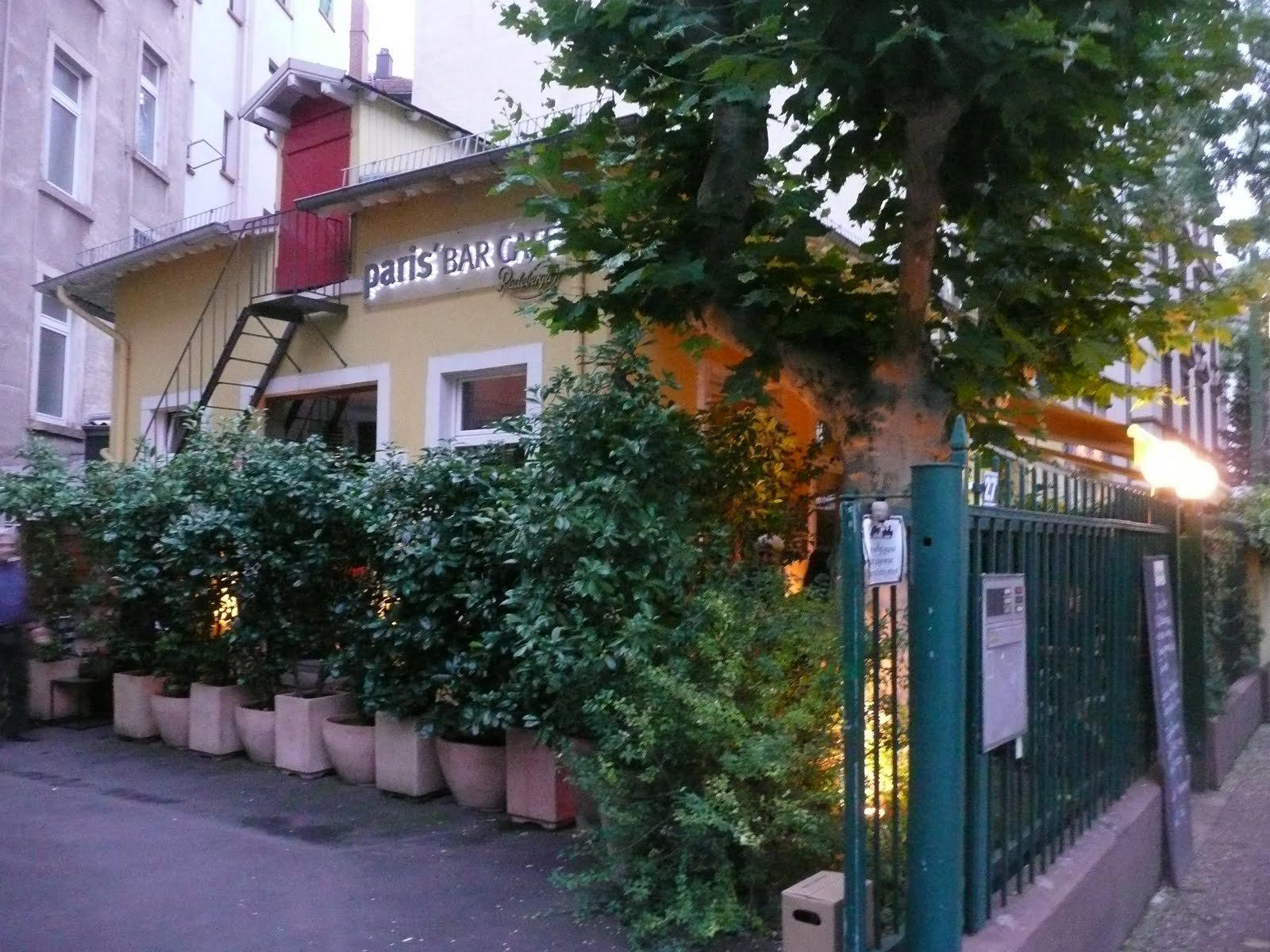
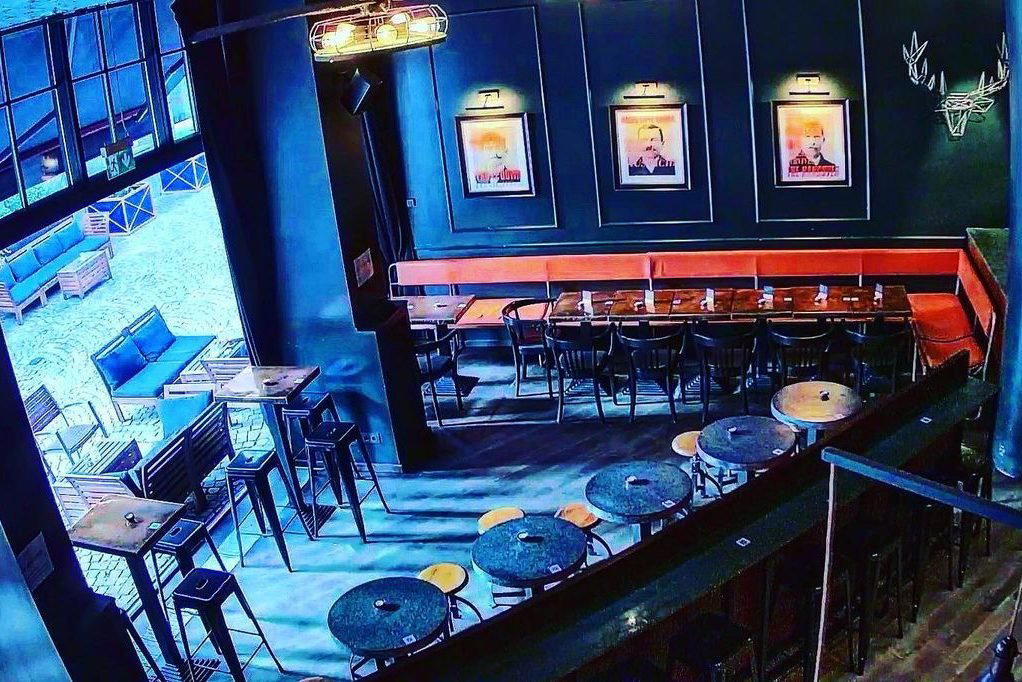
Restaurants in Frankfurt
All restaurants in Frankfurt →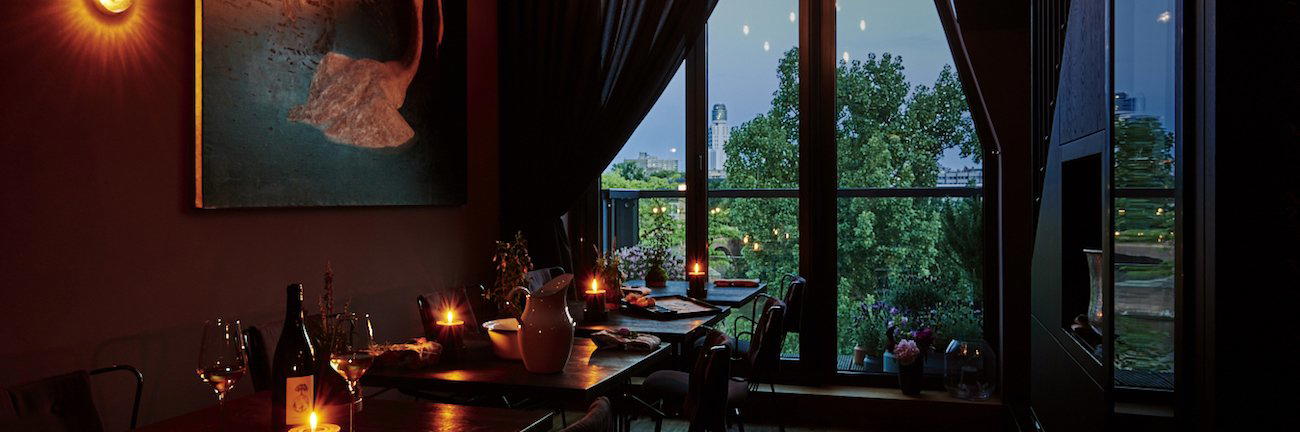
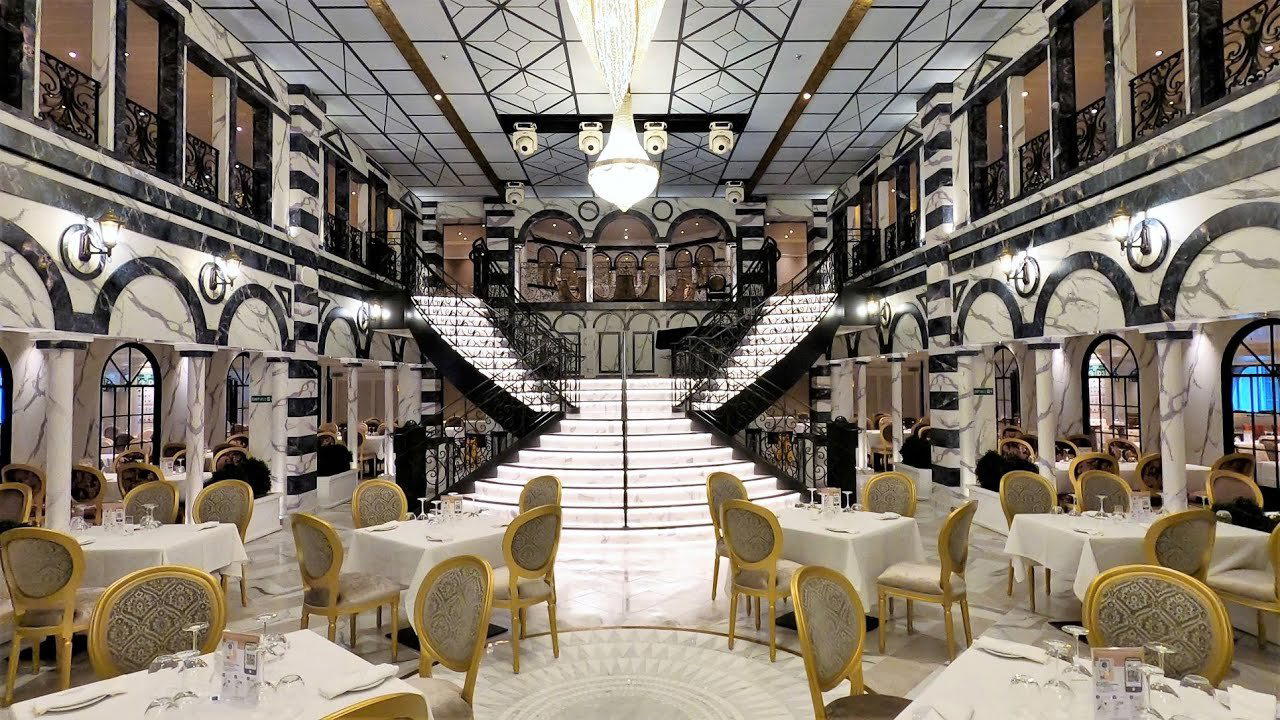
Hotels in Frankfurt
All hotels in Frankfurt →

Mona Lisa Bar
The drinks
- Craft cocktails
- Zero-proof drinks
Signature drinks: Mona Lisa, Frankfurt Fizz.
Details
- Modern
- Trendy
- After Work
- Casual Hangout
- Group Outing
- Design Destination
- Standalone
- Seated Bar
- Standing Room
- Craft Cocktails
- Zero Proof
Current opening hours
- Monday
- 6 PM–2 AM
- Tuesday
- 6 PM–2 AM
- Wednesday
- 6 PM–2 AM
- Thursday
- 6 PM–2 AM
- Friday
- 6 PM–3 AM
- Saturday
- 6 PM–3 AM
- Sunday
- Closed
Hours can change for holidays and private events. Hours as of .
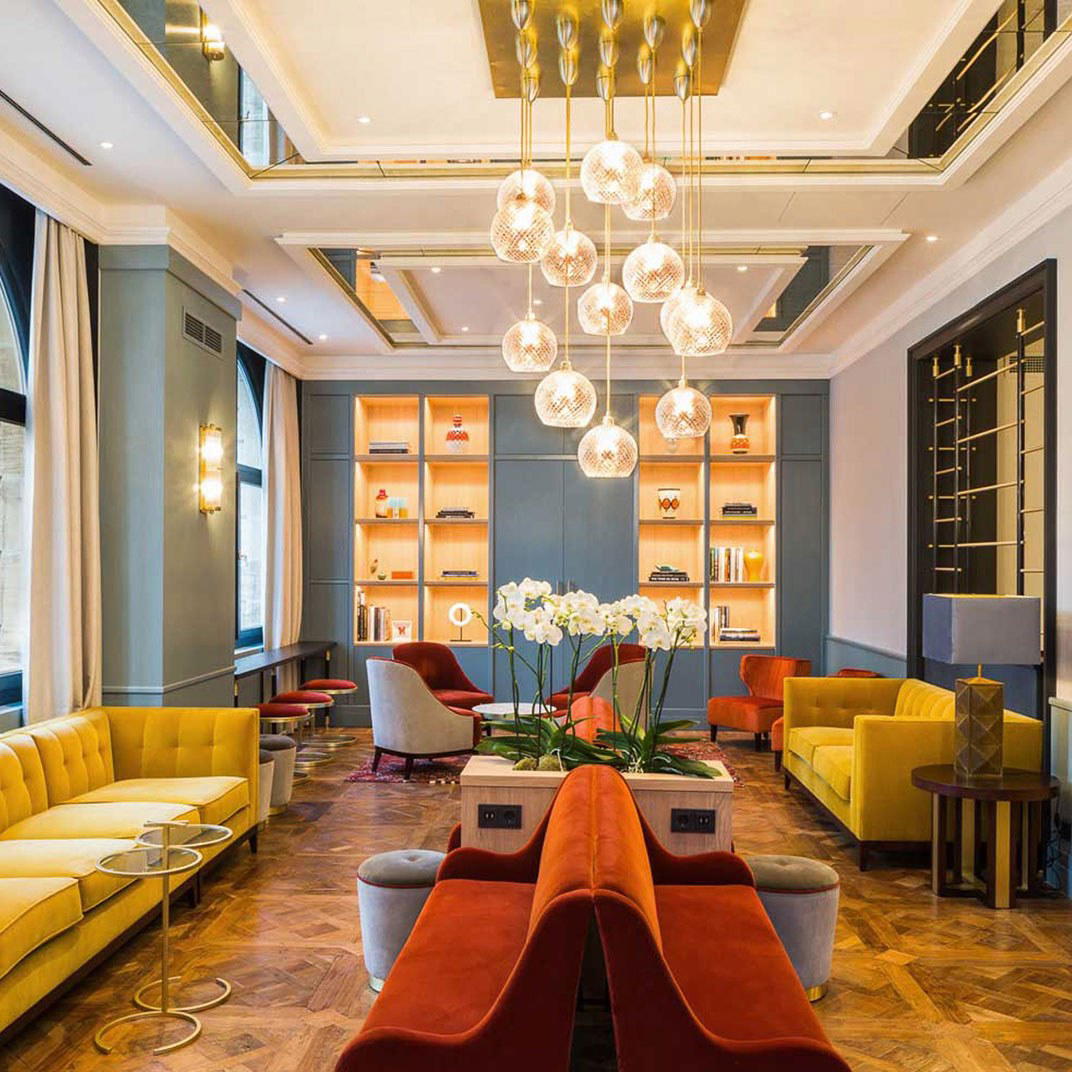
Contemporary and artistic atmosphere with metaverse-inspired design elements and creative cocktail presentations.