San Carlo Suite occupies a prime address on Via del Corso, one of Rome's most historically layered thoroughfares, placing guests within walking distance of the Pantheon, Piazza Navona, and the Spanish Steps. Among Rome's smaller boutique accommodations, it sits in a tier defined by location density and palazzo character rather than branded scale. For travellers who want the centro storico on their doorstep without the footprint of a flagship hotel, the address alone makes a strong case.
Pearl is the En Primeur Club membership app — saves, bookings, and concierge access live there. Same editors, same standards.
- Address
- Via del Corso, 112, 00186 Roma RM, Italy
- Phone
- +39 06 6994 0432
- Website
- sancarlosuite.com
- Directions
- Get directions
 Saves & bookings on Pearl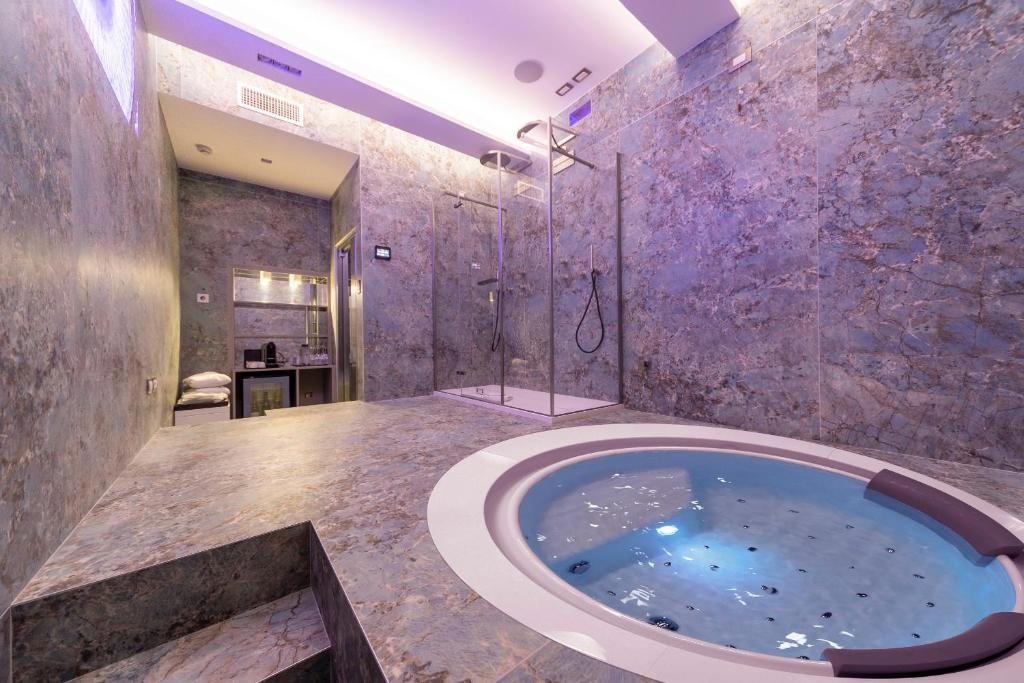
Via del Corso and the Logic of Where You Sleep in Rome
Rome's accommodation map splits along a familiar fault line. On one side sit the grand hotel addresses: the hilltop authority of Hassler Roma above the Spanish Steps, the quiet garden enclosure of Hotel Eden on the Pincian Hill, the Bulgari Group's serene courtyard property at Bulgari Hotel Roma. On the other side sits a smaller, more intimate tier of suite-format and boutique properties threaded through the historic centre's palazzi, whose primary credential is proximity and architectural character rather than lobby scale or branded amenity stacks. San Carlo Suite, at Via del Corso 112, belongs to the second category.
Via del Corso runs like a spine through central Rome, connecting Piazza del Popolo in the north to Piazza Venezia in the south. It is one of the oldest commercial streets in the city, and the buildings lining it carry the layered identity that comes from centuries of civic and residential use. Staying on this axis means the Pantheon, Piazza Navona, the Trevi Fountain, and the Campo de' Fiori are all reachable on foot in under fifteen minutes. For travellers whose priority is walking Rome rather than being driven through it, few addresses in the centro storico are more efficiently positioned.
The Sensory Register of a Palazzo Address
What distinguishes a suite property inside a historic Roman palazzo from a purpose-built hotel is less about service ratios and more about atmosphere. The physical environment tends to be defined by high ceilings, thick stone walls, shuttered windows that filter the street noise of the Corso into something manageable, and the particular quality of light that Roman interiors have at different hours of the day. Morning light through east-facing shutters, the relative cool of rooms that have kept the same thermal logic for hundreds of years, the slight echo of hard floors in wide-ceilinged rooms, these are the sensory characteristics that travellers who seek out this type of accommodation are, consciously or not, looking for.
That distinction matters when comparing San Carlo Suite against larger properties in the same city. Hotel Vilòn, tucked into a palazzo near Via della Croce, and Portrait Roma on Via Bocca di Leone both operate in this boutique-palazzo register, with limited keys and a design approach rooted in the building's existing character. Hotel Locarno, further north near Piazza del Popolo, offers another point of comparison: a property where Art Nouveau detail and period atmosphere do as much work as any contemporary design intervention. San Carlo Suite's Via del Corso address places it in dialogue with all of these, though its specific room configuration, interiors, and service format are details confirmed directly with the property.
What the Centro Storico Asks of a Hotel
Staying inside Rome's historic centre carries trade-offs that any property in this zone manages rather than eliminates. Traffic restrictions on Via del Corso mean vehicle access is limited during much of the day. The street itself is one of the city's busiest pedestrian corridors, which creates both the energy that makes central Rome worth experiencing and the ambient noise that comes with it. A palazzo building's stone construction does significant acoustic work, but upper-floor rooms in properties like this generally offer a quieter register than street-level or mezzanine options.
The compensation for those trade-offs is immediate: stepping out onto Via del Corso and turning toward the Pantheon takes roughly ten minutes on foot. The morning walk to Sant'Ignazio, the afternoon route toward the Campo de' Fiori, the evening circuit through Piazza Navona, all of these are within the radius that makes a Via del Corso address genuinely useful rather than merely central on paper. Properties like Maalot Roma and JK Place Roma, both near the Spanish Steps, serve a slightly different pedestrian radius and attract travellers whose priority is the Tridente neighbourhood rather than the older historic core.
Rome in the Context of Italy's Boutique Tier
Across Italy, the smaller boutique and suite-format properties have grown into a coherent category, often occupying historic structures where the architecture itself functions as the main amenity. The pattern holds in Venice at Aman Venice, in Umbria at Castello di Reschio, in Emilia-Romagna at Casa Maria Luigia, and along the Amalfi Coast at Borgo Santandrea. In Florence, Four Seasons Hotel Firenze operates at the luxury end of the palazzo-conversion category, while properties like Portrait Milano bring the same suite-format logic to Milan's fashion district. In Lazio's more remote corners, Corte della Maestà in Civita di Bagnoregio represents the extreme end of that spectrum, where isolation and historic fabric are the entire proposition.
The hotel's position is more urban and more immediate than any of those. It is a city-centre property making a city-centre argument: that the leading version of Rome is experienced on foot, from an address embedded in the fabric of the place. Compared to resort-format properties on the Italian coastline, Il San Pietro di Positano, Il Pellicano in Porto Ercole, or the lake-facing Passalacqua in Moltrasio, the logic is entirely different. Those properties sell landscape and seclusion. This one sells the city itself, at full density.
For travellers building an Italian itinerary that extends beyond Rome, reference points like Rosewood Castiglion Del Bosco in Montalcino or Borgo Egnazia in Puglia offer a contrasting mode of Italian hospitality. JK Place Capri extends the boutique-palazzo model into an island context.
Planning a Stay: What to Confirm in Advance
Travellers should treat direct contact with the property as the necessary first step. Room configuration, suite sizes, and specific availability all require direct confirmation. Rome's centro storico operates under ZTL (Zona a Traffico Limitato) restrictions for vehicles, so guests arriving by car or taxi should clarify access protocols and the nearest permitted drop-off point when booking. Leonardo da Vinci airport connects to the city centre via the Leonardo Express train to Termini.
A Lean Comparison
Comparable venues nearby, for context on price, style, and recognition.
| Venue | Price | Notes |
|---|---|---|
| San Carlo SuiteThis venue — the venue you are viewing | $$$ | Not listed |
| Casa de'Coronari | $$$ | Ponte, Design boutique hotel in historic center |
| Campo de Fiori Suits | $$$ | San Eustachio, Elegant independent boutique blending historic charm with modern comforts. |
| The Fifteen Keys Hotel | $$$$ | Monti, Restored Roman townhouse with contemporary excellence in design and service |
| Boutique Hotel Anahì | $$$ | Campo Marzio, Art Nouveau boutique in historic building |
| Hotel Indigo Rome - St. George by IHG | $$$ | Ponte, Luxury boutique blending Renaissance heritage with contemporary design |
Continue exploring
More in Rome
Hotels in Rome
Browse all →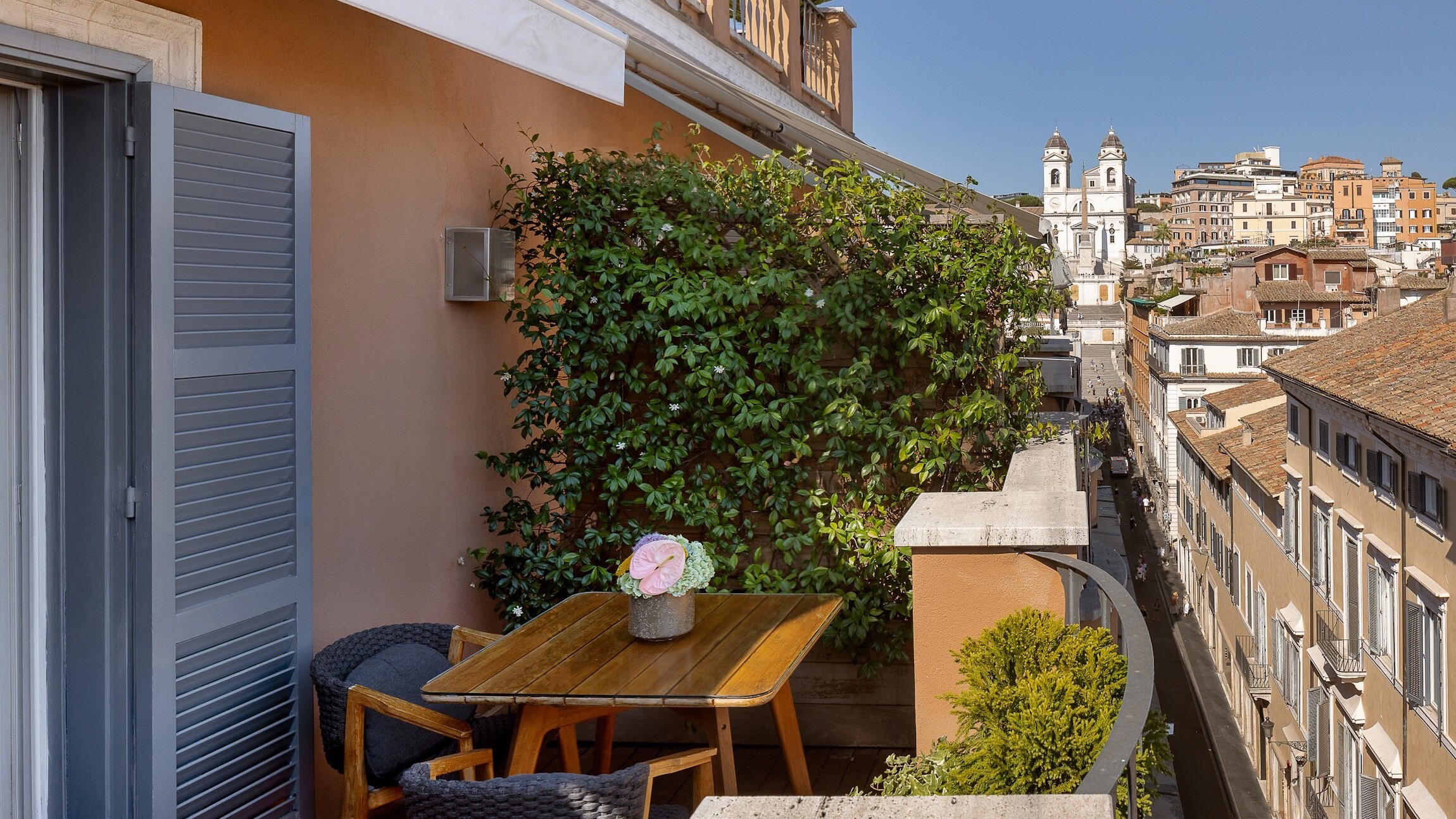
Bars in Rome
Browse all →
Restaurants in Rome
Browse all →
Wineries in Rome
Browse all →
At a Glance
- Elegant
- Sophisticated
- Classic
- Intimate
- Romantic Getaway
- Anniversary
- Weekend Escape
- Historic Building
- Terrace
- Panoramic View
- Wi Fi
- Spa
- Hot Tub
- Room Service
- Concierge
- Business Center
- Street Scene
- Skyline
- Wi Fi
- Spa
- Hot Tub
- Room Service
- Concierge
- Business Center
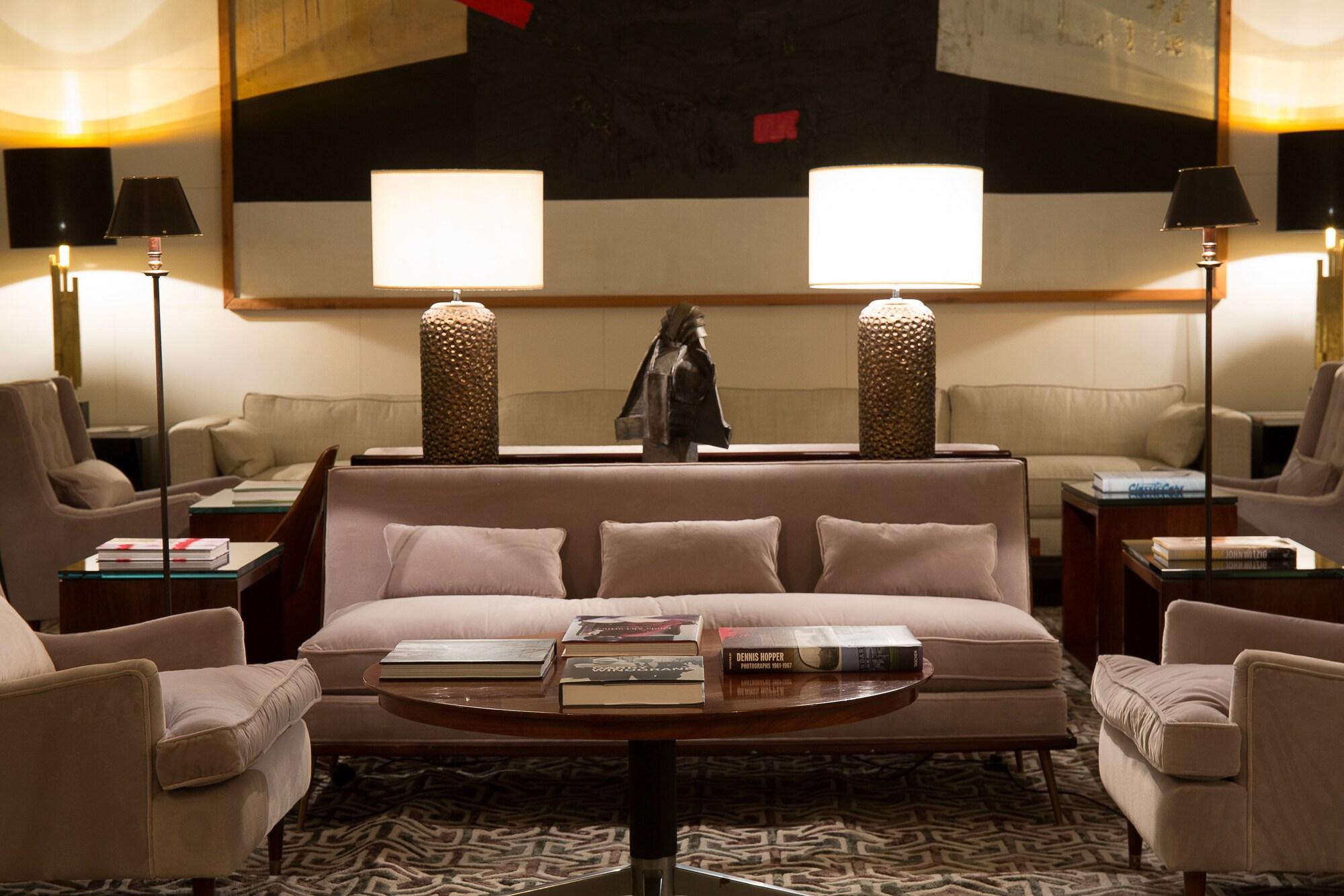
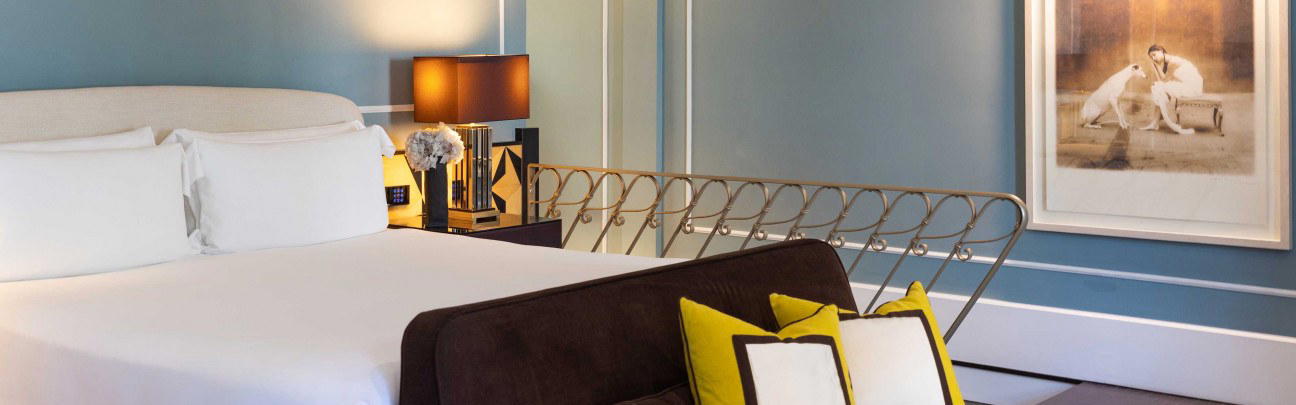
Elegant classic style with light tones, original fin de siècle furniture, polished parquet floors, and warm welcoming details blending historic charm with modern luxury.