
Chitose sushi is usually treated as a transit footnote, but Kita no Hana Hayashi argues for a longer stop. The eight-seat counter works in the Hokkaido seafood register rather than Tokyo theatre, with Tabelog Sushi EAST 100 recognition in 2025 and a reservation-only omakase format that puts sourcing, timing, and counter discipline at the centre of the meal.
Pearl is the En Primeur Club membership app — saves, bookings, and concierge access live there. Same editors, same standards.
- Address
- 北海道千歳市幸町1-1
- Phone
- +81123222990
- Website
- kitanohana-sushi.com
 Saves & bookings on Pearl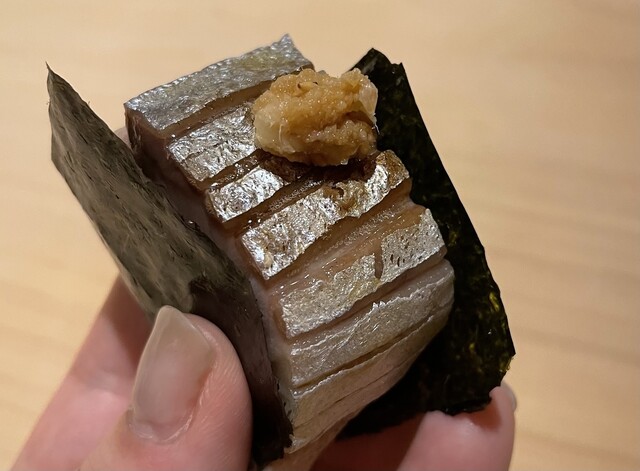
Chitose can feel practical before it feels gastronomic: airport concourses, rental-car counters, ramen before a flight, the first cold Hokkaido breath outside the terminal. The city’s dining culture is shaped by movement, but its serious sushi counters resist the rush, asking diners to slow down for fish that has not travelled far from northern waters.
Kita no Hana Hayashi sits in that smaller Chitose category. It is not part of the airport-food circuit, nor is it chasing the Tokyo model of luxury sushi as performance. Its case rests on geography: Hokkaido’s cold seas, seafood identity, and proximity to New Chitose Airport create a rare travel hub that can support a focused counter meal. Tabelog selected the restaurant for its Sushi EAST 100 list in 2025, a useful signal where national attention often favours Sapporo over Chitose.
Hokkaido fish, counter timing, and a city built around arrivals
Sushi in Hokkaido carries different expectations from sushi in Ginza. The conversation shifts from trophy-counter polish to product, season, and direct local seafood culture. Chitose sits between airport convenience and Hokkaido’s wider produce map, so a serious counter here must justify itself through sourcing and pacing rather than grand-room ceremony.
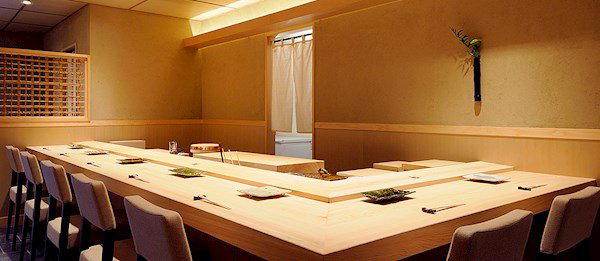
The format supports that argument. The small counter seats eight, and the meal is built around omakase rather than broad ordering. Sushi at this level depends on sequence: rice temperature, fish preparation, and the handoff between chef and guest lose force when the room grows too large. A compact counter preserves the old rhythm of sushi as a timed exchange, not a parade of plates.
The 2025 Tabelog Sushi EAST 100 selection places the counter within eastern Japan’s broader sushi conversation, but its identity remains local. Hokkaido’s seafood reputation can be flattened into tourism shorthand; the more interesting distinction is how the region’s fish culture changes the diner’s frame. In Tokyo, the question often becomes lineage, auction access, and comparison with other elite counters. In Chitose, it is whether a small room can convert regional proximity into precision.
That is why this address makes sense for travellers who usually eat through Chitose too quickly. Airport ramen and sweets serve a different purpose, and sometimes they are exactly right. For a faster Hokkaido fix, Ajisai Shin chitose kuukou ten, Hokkaido Meibutsu Ramen Ebisoba Ichigen Shin chitose kuukou ten, Biei Senka Shin chitose kuukou ten, and Hokkaido Gyunyu Castella all sit in the practical orbit of airport eating. Kita no Hana Hayashi asks for a planned dinner in Chitose, not a meal squeezed between boarding calls.
The value of restraint in a ramen-heavy Chitose map
Chitose’s public food image leans toward ramen, airport counters, and casual Hokkaido specialities. Against that field, sushi at this level occupies a narrow lane. The point is not to replace everyday eating, but to read the city’s range more accurately. A bowl at IOrI sits in a different price and time category; a counter omakase asks diners to treat Chitose as a dining destination, not a transfer point.
That distinction helps when planning Hokkaido. Many travellers land, collect a car, and leave for Sapporo, Niseko, Lake Shikotsu, or eastern routes. Sushi-focused travellers should recognize Chitose as a first-night or last-night anchor. The city does not need Sapporo’s density to make that case. It needs a few rooms with conviction, and this counter gives the local map a higher-register option.
The drink programme follows a broader Japanese counter pattern: sake, shochu, and wine all have a place when seafood is the organising principle. The breadth is practical, not decorative. Hokkaido sushi can move from lean, clean flavours to richer preparations across one meal, and multiple drinking lanes give the experience range without turning it into a bar-led dinner.
There are small-format implications too. Private use is available for parties up to the counter’s full capacity, shifting the mood from shared public ritual to controlled group dinner. Children are accepted under the same course structure as adults, separating the restaurant from stricter adult-only luxury counters and making it relevant for families travelling through Hokkaido with older children who can sit through the format.
How to place it in a Hokkaido itinerary
The editorial case is strongest for travellers who care about seafood sourcing and do not want every serious Hokkaido meal to happen in Sapporo. Chitose is often treated as infrastructure; this counter turns it into a strategic dining stop. It also suits travellers who prefer compact rooms over hotel dining rooms, and who understand that disciplined sushi service leaves little room for improvised arrival times.
For wider planning, Our full Chitose restaurants guide gives the city’s broader food context, while Our full Chitose hotels guide is useful if dinner timing makes an overnight stay sensible. Chitose is not a bar-first city, but Our full Chitose bars guide frames what is available after dinner. For broader trip design, see Our full Chitose wineries guide and Our full Chitose experiences guide.
Readers building a Japan food itinerary can also use the contrast with other formats. Beef-led dining such as -Grilled beef Sukiyaki- KAMAKURA TANUKIAN 鎌倉 たぬき庵 in Kamakura, urban seafood-and-grill rooms like. 鮪と炭火焼き うお炭 秋葉原店 in Tokyo, casual city stops such as.cafe in Osaka and.know in Kumamoto, and regional specialists including (Shoku) Vietnam in Kawasaki and [Curry Senmon Ten] Maruyama Kyoju. in Sapporo all solve different travel needs. Outside Japan, Jōdo Saké Bar in Los Angeles and Onigiri Time in Pasadena show how Japanese formats translate abroad. In Chitose, the stronger argument is simpler: cold-water seafood, a small counter, and the discipline to make an airport city feel slower.
Snapshot
Comparable venues by cuisine and price in the same metro.
| Venue | Cuisine | Price | Notes |
|---|---|---|---|
| Kita no Hana HayashiThis venue — the venue you are viewing | Seasonal Hokkaido Sushi Omakase | $$$$ | Not listed |
| Ramen Sora Shin chitose kuukou ten | Hokkaido Ramen & Dumplings | $$ | New Chitose Airport |
| Mizushiro | Traditional Japanese Kaiseki | $$$ | Shikotsu Onsen Bangaichi |
| 花ぶさ | Hokkaido Sushi | $$ | 千歳市 |
| Hokkaido Meibutsu Ramen Ebisoba Ichigen Shin chitose kuukou ten | Hokkaido shrimp-based ramen | $ | New Chitose Airport |
| IOrI | Ramen | $$ | Sumiyoshi |
Recognition history
Dated appearances from independent guides and award organizations, with the underlying list record or original source where available.
Tabelog 100 #70 · No. 70
Tabelog · Tabelog 100 - Sushi - EAST - 2025
At a Glance
- Intimate
- Elegant
- Cozy
- Classic
- Sophisticated
- Date Night
- Special Occasion
- Celebration
- Business Dinner
- Solo
- Chefs Counter
- Private Dining
- Standalone
- Design Destination
- Sake Program
- Extensive Wine List
- Local Sourcing
- Sustainable Seafood
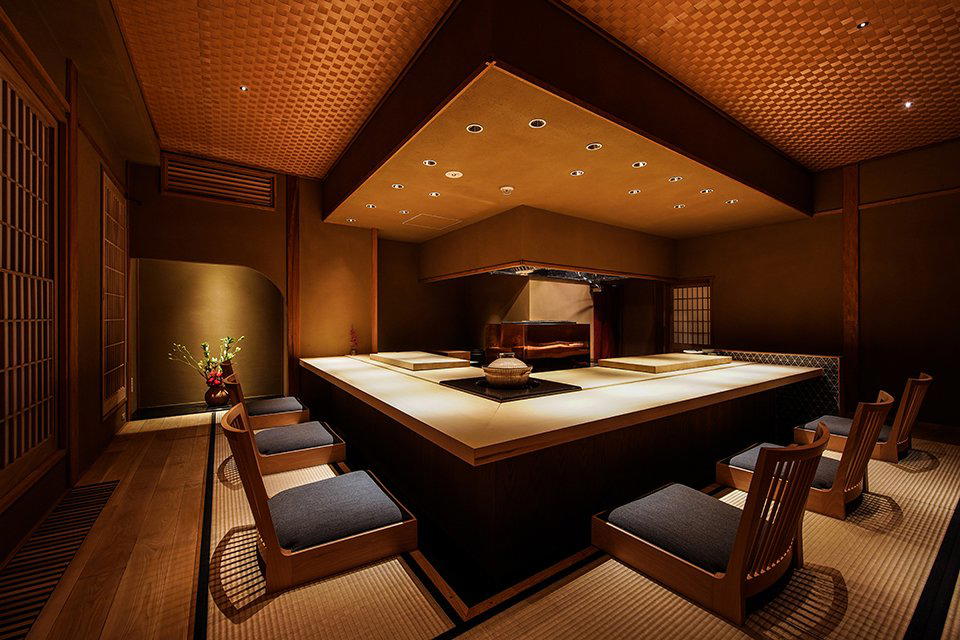
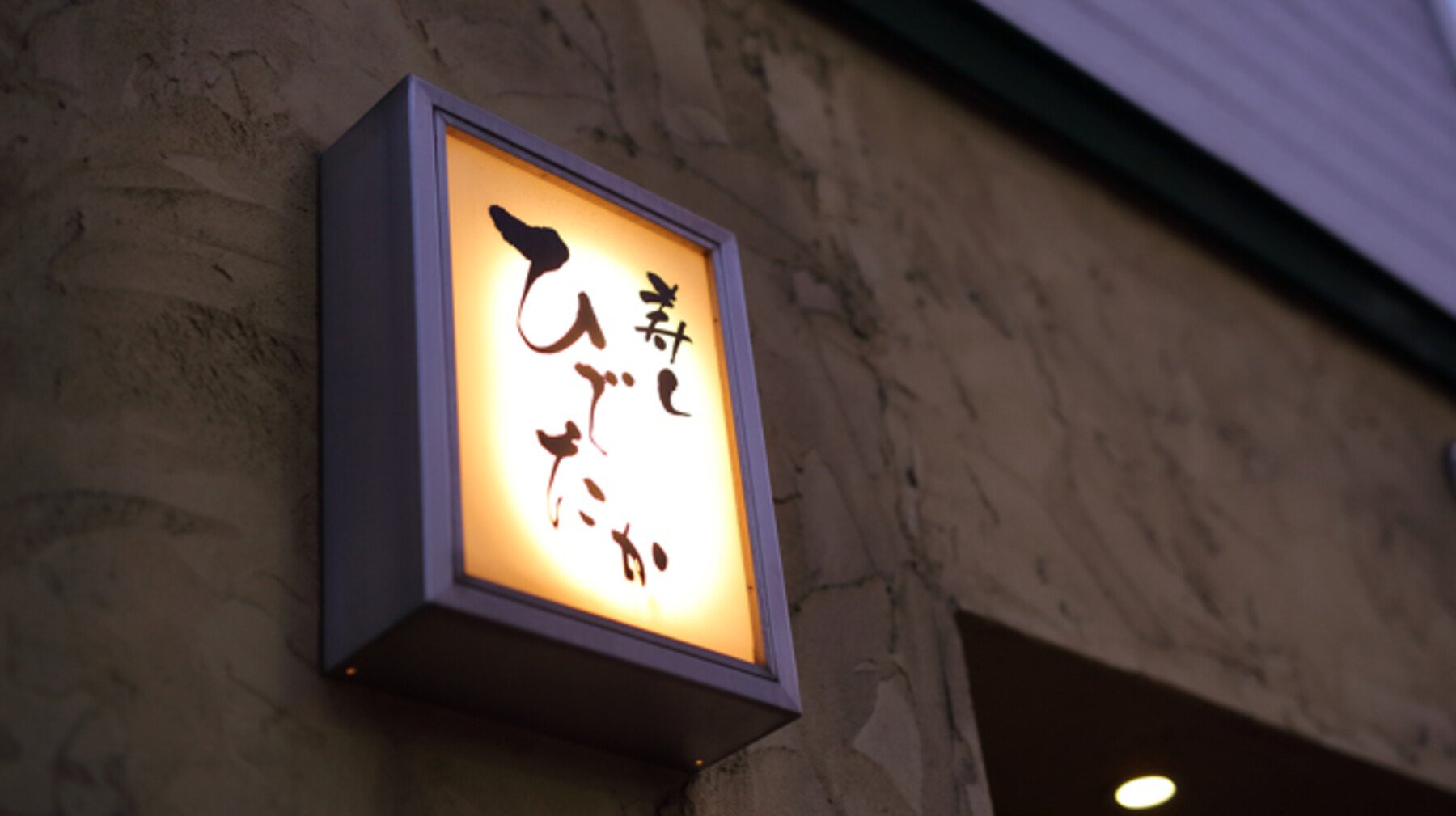
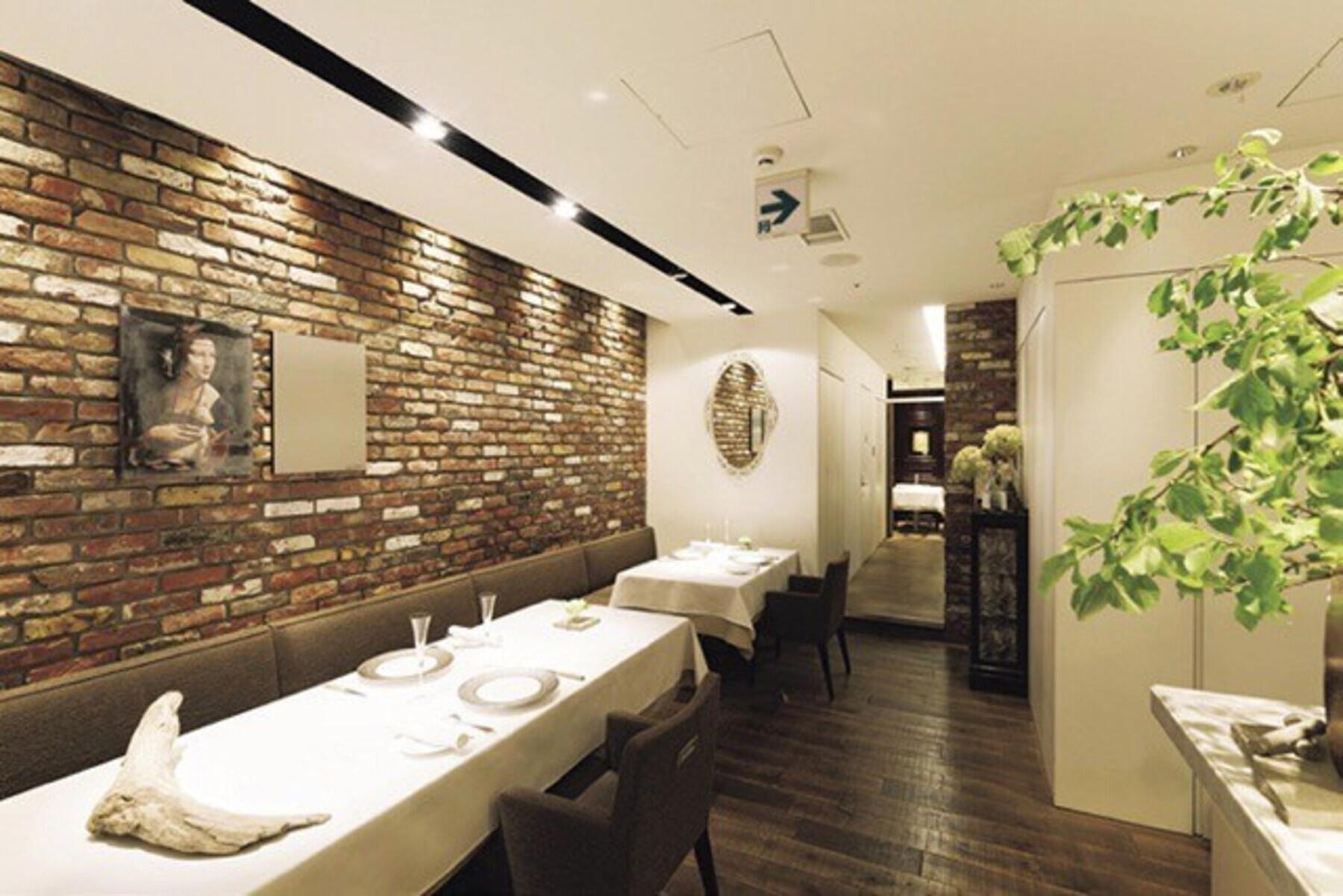
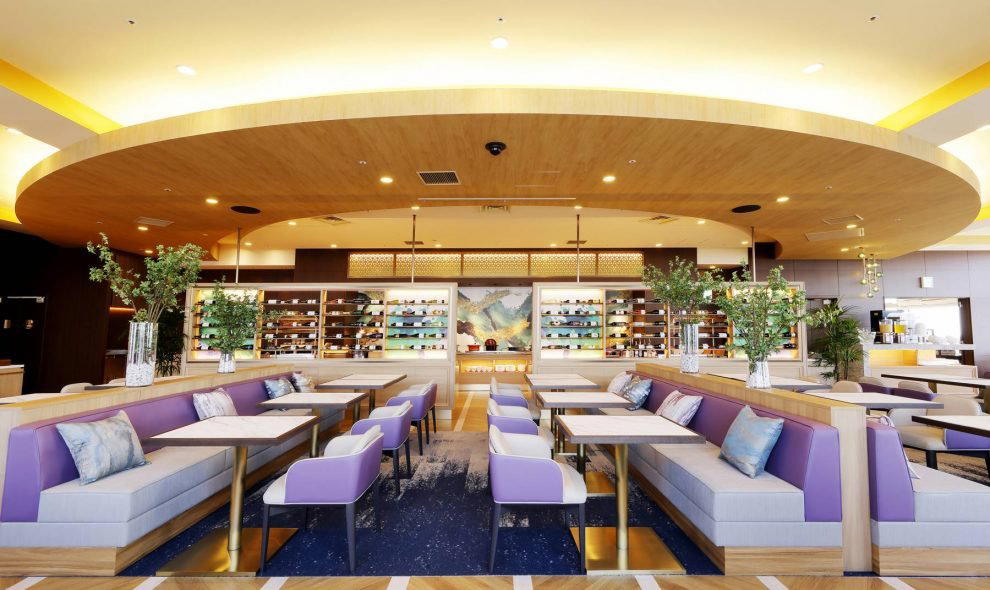
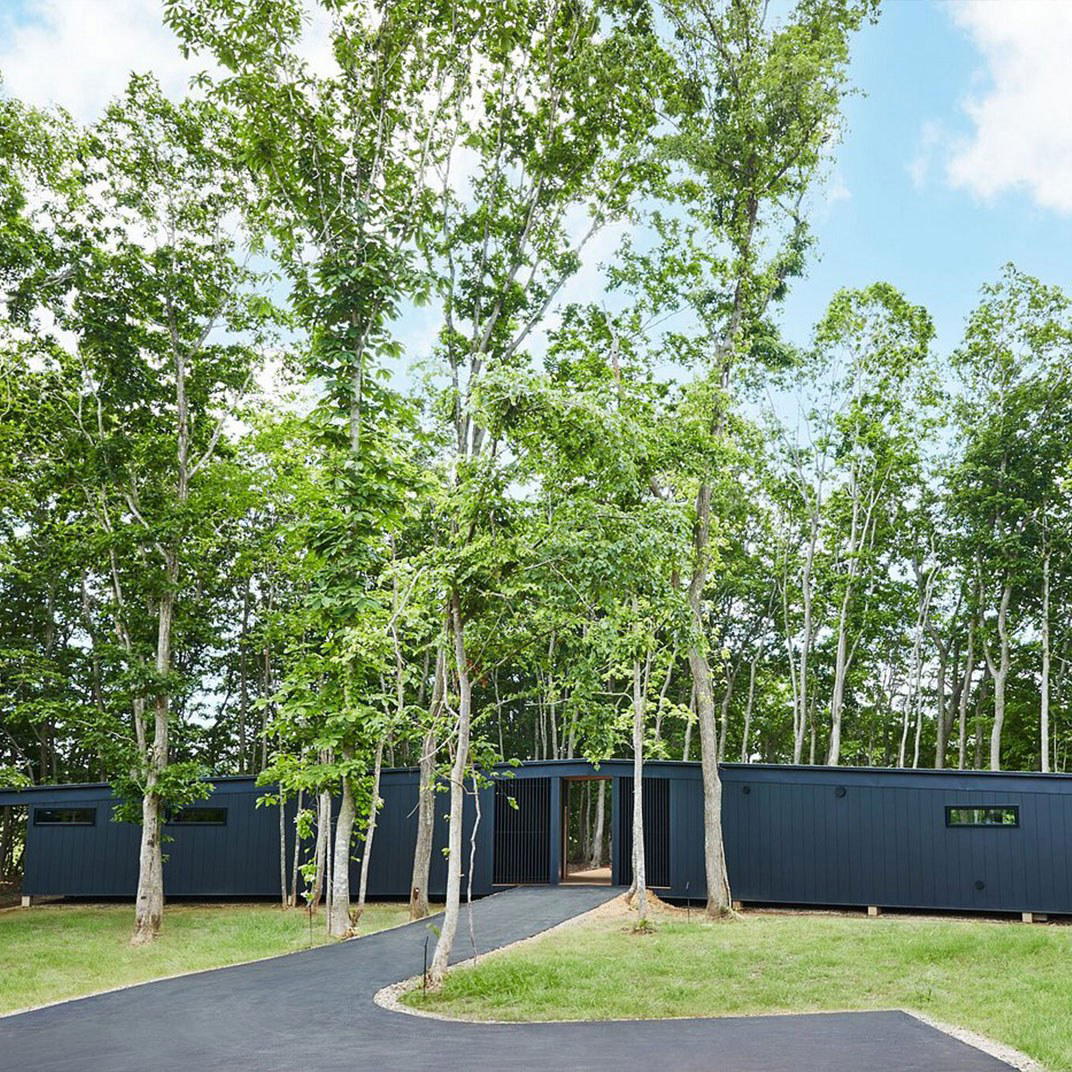
Refined and tranquil counter-only space with traditional Japanese design, soft lighting, and an immersive focus on the chef’s craft, creating a hushed, special-occasion atmosphere rather than a bustling neighborhood sushi bar.