
Airport ramen in Chitose is a compressed version of Hokkaido’s noodle culture: fast, regional, and built around bowls that can be eaten between flights. Sapporo Miso Ramen Senmon Ten Keyaki Shin chitose kuukou ten belongs to that practical tier, with Tabelog 100 Ramen HOKKAIDO selections in 2024 and 2025, sub-¥1,000 pricing, counter seating, and an English menu inside New Chitose Airport’s domestic terminal.
Pearl is the En Primeur Club membership app — saves, bookings, and concierge access live there. Same editors, same standards.
- Address
- 北海道千歳市美々987-22 新千歳空港 国内線ターミナルビル 3F
- Phone
- +81123456010
- Website
- sapporo-keyaki.jp
- Directions
- Get directions
 Saves & bookings on Pearl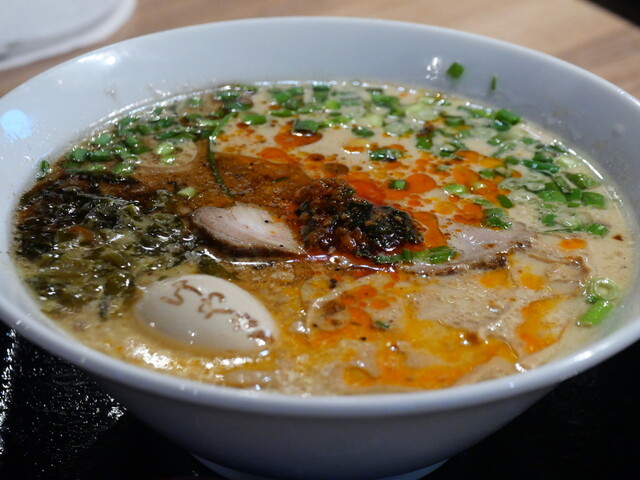
The approach is pure airport Japan: rolling suitcases, departure-board urgency, and regional food brands arranged for travellers who want Hokkaido before security, not after a train ride into Sapporo. Inside New Chitose Airport’s domestic terminal, ramen is a final edible postcard. The key distinction is miso, the Sapporo style that made Hokkaido a national ramen reference through a richer, heavier broth tradition than Hakodate’s salt-led bowls or Asahikawa’s soy-based lineages.
Sapporo Miso Ramen Senmon Ten Keyaki Shin chitose kuukou ten sits in that airport ramen ecosystem with a narrow promise in its name: Sapporo miso ramen specialist. That matters because airport dining often flattens regional identity into convenience. Here, fermented soybean paste gives broth weight, sweetness, and salt depth, and the bowl is built for Hokkaido’s cold-weather appetite rather than a light transit snack.
Miso ramen as Hokkaido's airport shorthand
New Chitose is unusually useful for food travellers because its terminal gathers Hokkaido signatures in one building. Ramen is the central draw, but the broader food map includes dairy sweets, agricultural brands, and seafood-leaning noodle shops. The decision is less about finding a meal than choosing which Hokkaido to take with you: miso ramen, shrimp broth, Hakodate-style salt ramen, Biei produce, or milk-rich confectionery.
Keyaki’s airport branch occupies the miso lane rather than representing the whole island. That places it alongside terminal names such as Ajisai Shin chitose kuukou ten, pointing toward Hakodate ramen, and Hokkaido Meibutsu Ramen Ebisoba Ichigen Shin chitose kuukou ten, where the draw is shrimp-based ramen. For travellers comparing bowls without leaving the terminal, the contrast is useful: miso brings density and roundness, salt ramen reads cleaner, and shrimp broth pushes aroma and marine sweetness.
The ingredient story is not garnish. Hokkaido’s reputation rests on agriculture, dairy, seafood, and cold-climate cooking, and Sapporo miso ramen belongs to that logic. Miso gives broth a fermented backbone; noodles need enough bite to carry it; toppings must survive heat and fat rather than decorate the surface. Without inventing a house recipe, the category explains the appeal: ramen designed around warmth, pace, and substance, which translates well to an airport setting.
A recognised ramen counter, not a terminal compromise
The credibility marker is concrete: selection for Tabelog 100 Ramen HOKKAIDO in both 2024 and 2025, with a Tabelog score of 3.59. That does not turn an airport counter into a destination tasting room, and should not be read that way. It does separate the shop from generic terminal dining and places it within a Hokkaido ramen conversation that includes serious local specialists, not only captive-audience vendors.
Price clarifies the proposition. The listed range is under JPY 999, keeping the meal in the quick-service ramen bracket rather than the premium airport surcharge tier. Nearby, Biei Senka Shin chitose kuukou ten sits higher at JPY 1,000 to JPY 1,999, while Hokkaido Gyunyu Castella also occupies the airport’s lower-priced snack-and-sweets lane. The calculation is clear: ramen here is a low-friction regional meal, not a long lunch or luxury spend.
The room is built for throughput, with 42 seats, shared seating available, and counter seating. That suits solo diners and small groups better than lingering meals. Reservations are unavailable, so the rhythm is democratic ramen: arrive, queue if necessary, eat decisively, and move on. Children are welcome, the venue is non-smoking, and the English menu lowers friction for international travellers who know the category but not the kanji.
Opening in 2013 gives the airport branch more than a decade of service history, useful in a terminal where concepts rotate quickly. The format has adapted to current Japan travel payment habits: credit cards, major transport IC cards, several electronic money systems, and PayPay are accepted. Those details do not improve the ramen, but they make it easier to fit into the last hour before departure.
How to place it in a Chitose food plan
For travellers using Chitose as a gateway rather than a base, the airport may be the entire dining window. In that context, this counter is rational when the priority is a distinctly Hokkaido bowl with credible recognition and minimal planning. It is less suited to diners chasing a slow meal, private seating, or chef-led theatre. The point is compression: regional style, recognised counter, and a price that leaves room for sweets or souvenirs.
The wider airport circuit rewards comparison. A short layover can mean ramen, then dairy or produce-led snacks; a longer stop allows side-by-side thinking across Hokkaido food categories. For a fuller map of the city’s dining options, use Our full Chitose restaurants guide. Travellers building a longer stopover can also cross-reference Our full Chitose hotels guide, Our full Chitose bars guide, Our full Chitose wineries guide, and Our full Chitose experiences guide.
As a national comparison point, Japan’s casual dining range extends beyond ramen: beef-focused -Grilled beef Sukiyaki- KAMAKURA TANUKIAN 鎌倉 たぬき庵 in Kamakura, charcoal-led izakaya cooking at. 鮪と炭火焼き うお炭 秋葉原店 in Tokyo, urban café culture at.cafe in Osaka, contemporary regional dining at.know in Kumamoto, Vietnamese cooking in the commuter belt at (Shoku) Vietnam in Kawasaki, and specialist curry at [Curry Senmon Ten] Maruyama Kyoju. in Sapporo all show how specific formats anchor local dining decisions. Abroad, the same discipline appears at Jōdo Saké Bar in Los Angeles and Onigiri Time in Pasadena, where Japanese food narrows to a precise drinking or rice-based format rather than a catch-all menu.
The verdict is practical and firm: choose this counter for Sapporo-style miso ramen inside the airport, recognised Hokkaido ramen credentials, and a low spend. It is not a substitute for a dedicated ramen crawl in Sapporo, but for Chitose transit it delivers the right regional signal in the right format.
At-a-Glance Comparison
Comparable venues by cuisine and price in the same metro.
| Venue | Cuisine | Price | Notes |
|---|---|---|---|
| Sapporo Miso Ramen Senmon Ten Keyaki Shin chitose kuukou tenThis venue — the venue you are viewing | Sapporo miso ramen shop | $$ | Not listed |
| 北のうまいもん碧水 | 北海道ローカルフード | $$ | 支笏湖温泉 |
| Ajisai Shin chitose kuukou ten | Hakodate Shio Ramen | $ | New Chitose Airport |
| Mizushiro | Traditional Japanese Kaiseki | $$$ | Shikotsu Onsen Bangaichi |
| Hokkaido Meibutsu Ramen Ebisoba Ichigen Shin chitose kuukou ten | Hokkaido shrimp-based ramen | $ | New Chitose Airport |
| IOrI | Ramen | $$ | Sumiyoshi |
Recognition history
Dated appearances from independent guides and award organizations, with the underlying list record or original source where available.
Tabelog 100 #41 · No. 41
Tabelog · Tabelog 100 - Ramen - HOKKAIDO - 2025
At a Glance
- Lively
- Casual
- Cozy
- Solo
- Family
- Casual Hangout
- After Work
- Group Dining
- Standalone
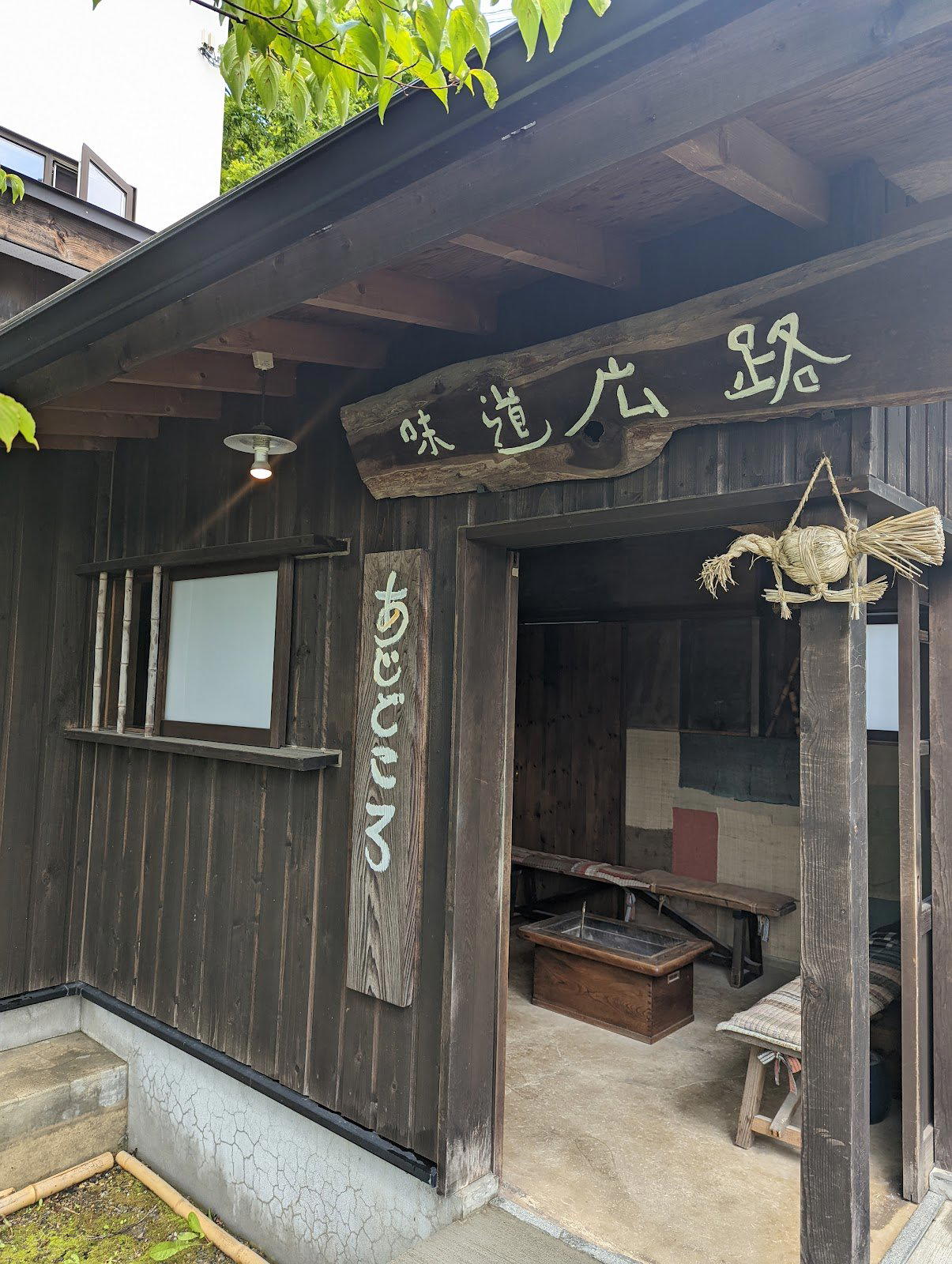
Bustling airport ramen alley setting with compact counter and table seating, shared tables, and a casual, energetic atmosphere focused on quick bowls of steaming miso ramen.