
Oyado The Earth holds a Michelin One Key distinction for 2025, placing it among a select tier of ryokan-style properties in Mie Prefecture recognised for accommodation quality. Set in Ijikacho against the forested terrain of Nakanoyama, the property sits in a region where proximity to Ise Grand Shrine and Ago Bay shapes both the guest profile and the broader travel context.
 Discover on Pearl
Pearl is the En Primeur Club membership app — saves, bookings, and concierge access live there. Same editors, same standards.
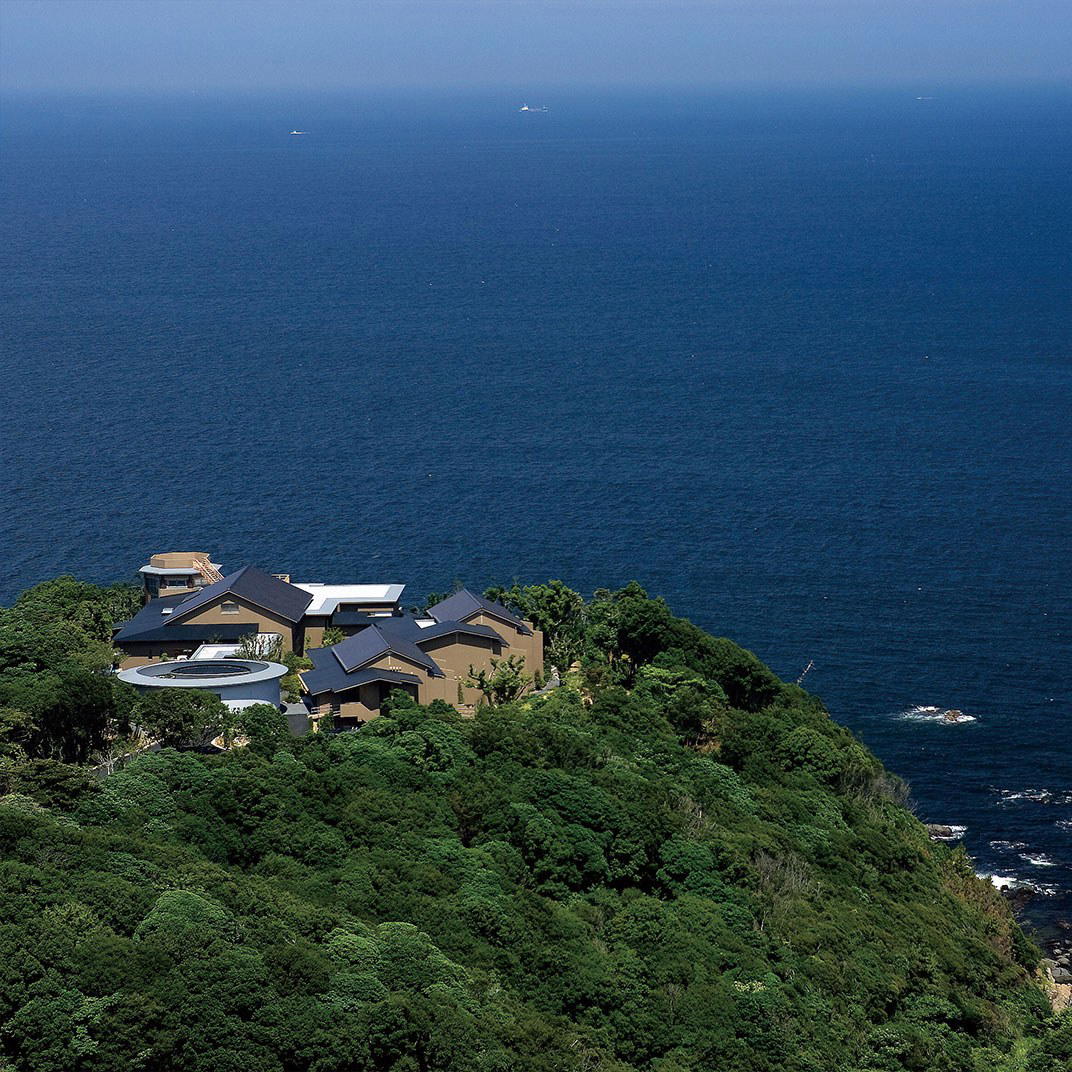
Where Mie's Landscape Becomes Architecture
Japan's ryokan tradition has always treated the surrounding environment as structural material. Screens align with garden sightlines, corridors turn to frame a specific stand of bamboo, and the bath pavilion sits precisely where steam meets cool air off the mountain. Oyado The Earth, set in the Ijikacho district of Mie Prefecture along Nakanoyama, operates within this convention, where the physical address — forested, removed from urban density — is less a backdrop than an organising principle. The approach to a property like this is often as telling as the property itself: narrow roads through cedar, the gradual quieting of traffic, and the sense that arrival has been deliberately deferred.
Mie Prefecture occupies a particular position in Japan's premium travel geography. It draws a concentrated, purposeful visitor: pilgrims and cultural travellers bound for Ise Grand Shrine, seafood-focused guests targeting the pearl coast and Ago Bay, and a growing contingent seeking the kind of low-density immersion that the Kii Peninsula's interior can provide. The accommodation market reflects this: properties here compete less on urban convenience than on depth of setting, quality of local ingredients at table, and the calibre of the onsen or bathing experience. For context on the wider destination, see our full Mie Prefecture restaurants guide.
A Michelin Key in a Region That Rewards Commitment
The Michelin Key designation, introduced to the guide's hotel selection in recent years, functions as a signal within a specific tier of Japanese accommodation: properties that have achieved a threshold of design, hospitality, and contextual coherence that separates them from the broader ryokan market. Oyado The Earth holds One MICHELIN Key for 2025, confirmed through the Michelin guide's hotels and stays list. In Mie, this places it within a small cohort of properties where the distinction matters to a visitor already filtering by quality rather than category.
The One Key tier, across Japan broadly, tends to include properties where architecture or spatial design plays a substantive role , not as decoration, but as the dominant experience driver. At this level, the room is rarely just a room: it is the primary amenity, and its relationship to light, to outdoor space, and to the bathing facilities determines the guest's entire tempo. This is a different calculus from urban luxury hotels, where the lobby, restaurant, and concierge desk carry more weight. For comparison, Bvlgari Hotel Tokyo and HOTEL THE MITSUI KYOTO represent the urban end of Japan's Michelin-recognised hotel spectrum, where programming density and city access are the primary value drivers. Oyado The Earth competes on entirely different terms.
The Physical Logic of a Rural Ryokan
Ryokan architecture in Japan's forested interior tends toward a specific spatial grammar: low profiles to avoid disrupting treelines, corridors that dissolve the boundary between interior and exterior through shoji and engawa, and bathing facilities positioned to exploit natural topography. The Ijikacho setting, in the Nakanoyama area, provides the kind of terrain where this grammar can be applied without compromise. Properties in comparable settings , Gora Kadan in Hakone and Zaborin in Kutchan among them , demonstrate how fully the environment can be absorbed into the guest experience when the property has been designed to defer to its site rather than impose upon it.
Within Mie specifically, the most direct point of comparison in the Michelin-recognised tier is Amanemu, which operates at a higher price point and larger scale on the shores of Ago Bay. Where Amanemu positions itself around the onsen and the bay panorama, smaller properties in the prefecture's interior tend to offer greater seclusion and a more compressed, intimate experience of place. The trade is direct: less curated programming, more unmediated quiet.
Other regional ryokan that operate in this same spatial tradition, where the design is subordinate to the site, include Asaba in Izu, Nishimuraya Honkan in Kinosaki, and Kamenoi Besso in Yufu. Each belongs to a lineage of Japanese hospitality where the building itself is a form of argument about how time should be spent.
Dining in Mie's Ingredient Context
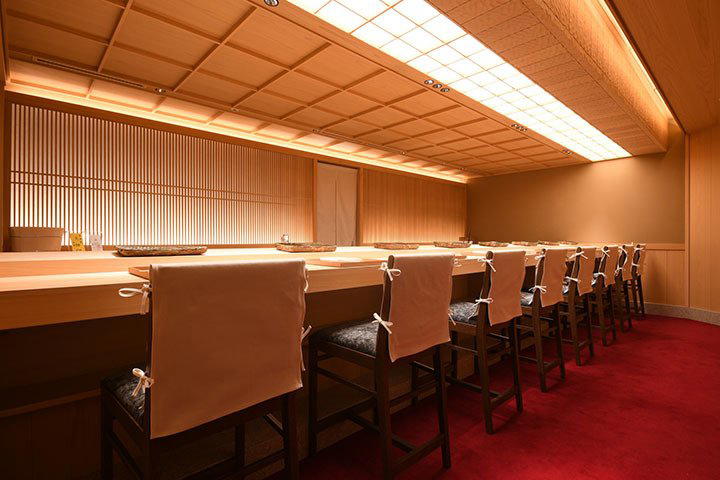
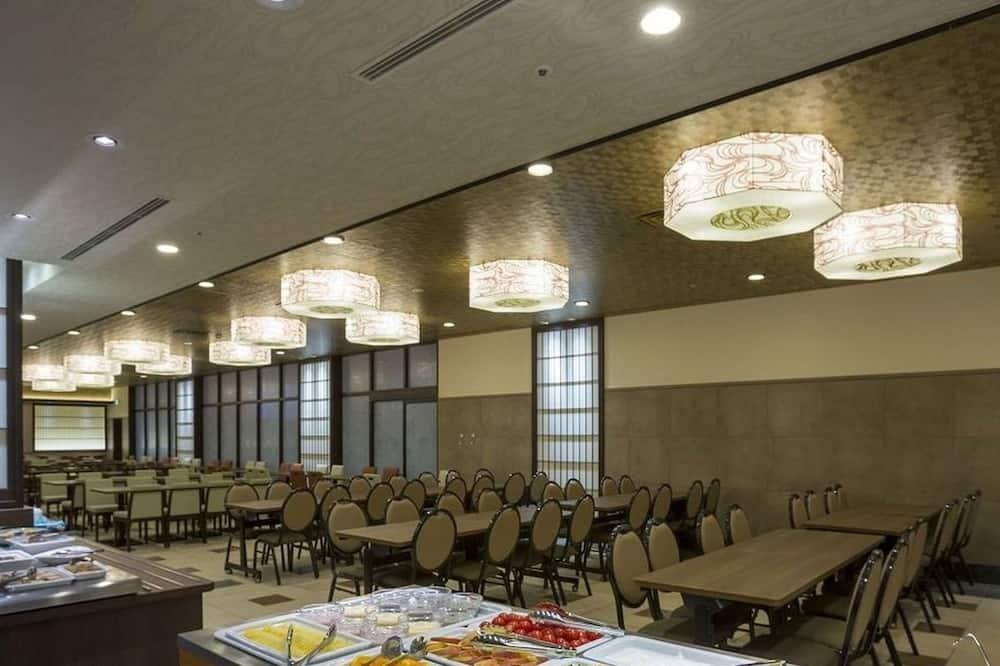
Mie Prefecture carries significant culinary weight in Japan. The Pacific coastline produces Ise-ebi (spiny lobster), abalone, and the pearl-diving ama tradition that continues to supply coastal restaurants and ryokan kitchens. Matsusaka, a short distance inland, is one of the three addresses that define premium Japanese wagyu. For a ryokan in this prefecture, the dinner service is typically where the location becomes most legible: kaiseki courses built around these regional materials, with the meal functioning as a geographical argument as much as a culinary one. The specific dining format, menu structure, and meal inclusion policy at Oyado The Earth are not confirmed in the available data, and guests should verify directly before booking.
Planning a Stay
Mie Prefecture is accessible from Osaka and Nagoya via limited express rail, with journey times that make it a viable destination for guests travelling between Japan's major cities rather than solely as an endpoint. The Ijikacho area, however, sits away from the main rail lines: ground transfer from the nearest station is the standard approach, and given the rural address on Nakanoyama, guests should confirm transfer logistics with the property at the time of booking. Properties in this tier , Fufu Nikko, Satoyama-Jujo in Niigata, and Nasu Mukunone among similar Japanese rural retreats , typically arrange or recommend private transfer as the most practical option, and the additional planning is part of the experience's logic rather than an inconvenience.
The Ise-Shima area's peak periods align with cherry blossom season in late March to April and the autumn foliage window in October to November. Both periods compress availability across the region's better-known properties significantly, so advance reservation is advisable for those seasons. Price range and specific booking method for Oyado The Earth are not confirmed in the available data.
For guests who want to hold the Mie stay within a broader Japan itinerary featuring Michelin-recognised accommodation, useful points of reference include Fufu Kawaguchiko near Fuji and Fufu Kyu-Karuizawa Restful Forest, both of which operate in the same interior-Japan, nature-immersion tier. Further afield in Japan's island and coastal tier, Benesse House in Naoshima, Jusandi in Ishigaki, and Halekulani Okinawa serve as benchmarks for how Japanese hospitality performs at the water's edge. And for those whose travel extends to European or American luxury contexts, Badrutt's Palace Hotel in St. Moritz and Hôtel de Paris Monte-Carlo represent the equivalent tier in their respective markets, where architecture and setting carry comparable weight in the guest proposition.
In Context: Similar Options
These are the closest comparables we have in our database for quick context.
| Venue | Cuisine | Price | Awards | Notes |
|---|---|---|---|---|
| Oyado The Earth | This venue | |||
| Bvlgari Hotel Tokyo | Michelin 3 Key | |||
| Aman Kyoto | Michelin 2 Key | |||
| Aman Tokyo | Michelin 2 Key | |||
| Palace Hotel Tokyo | Michelin 3 Key | |||
| Amanemu | Michelin 3 Key |
At a Glance
- Romantic
- Quiet
- Scenic
- Elegant
- Hidden Gem
- Sophisticated
- Romantic Getaway
- Wellness Retreat
- Anniversary
- Weekend Escape
- Waterfront
- Destination Spa
- Private Dining
- Panoramic View
- Garden
- Terrace
- Onsen
- Spa
- Private Bath
- Restaurant
- Room Service
- Free Parking
- Shuttle Service
- Garden
- Concierge
- Waterfront
- Garden
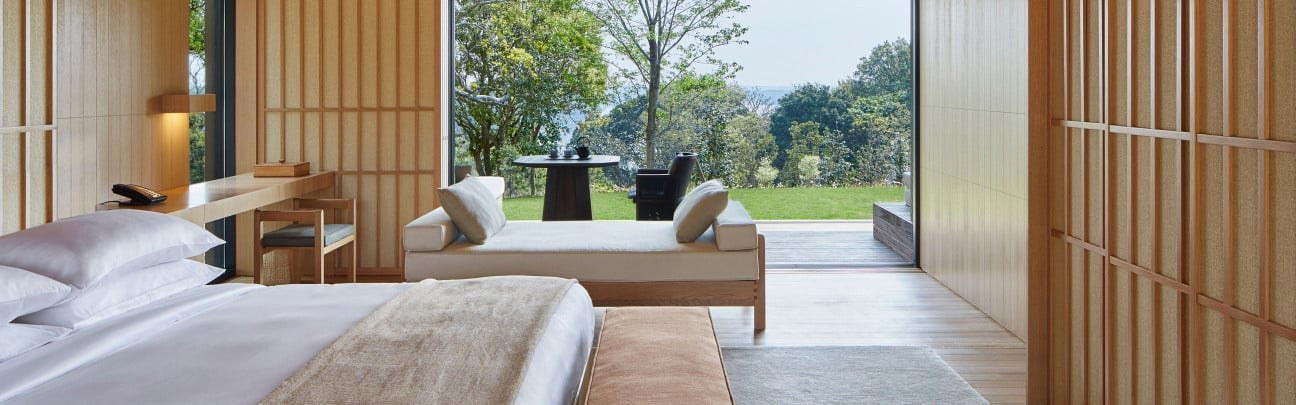
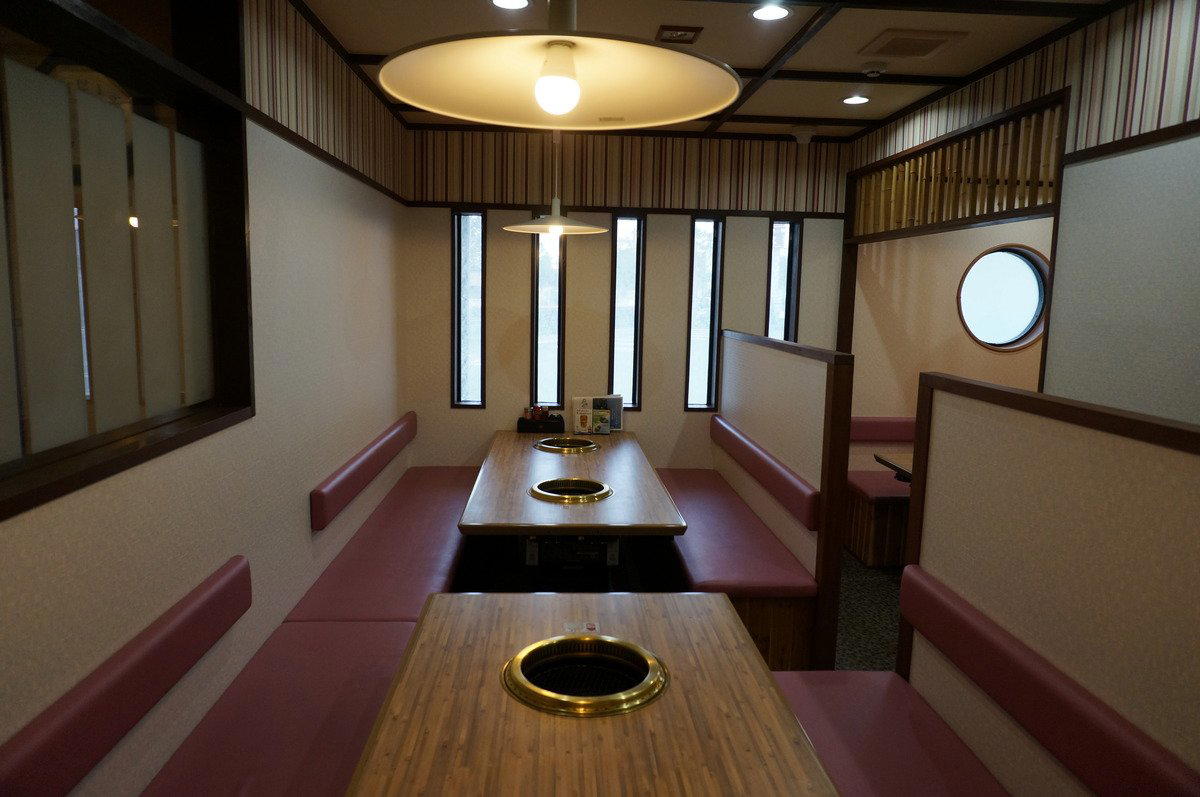
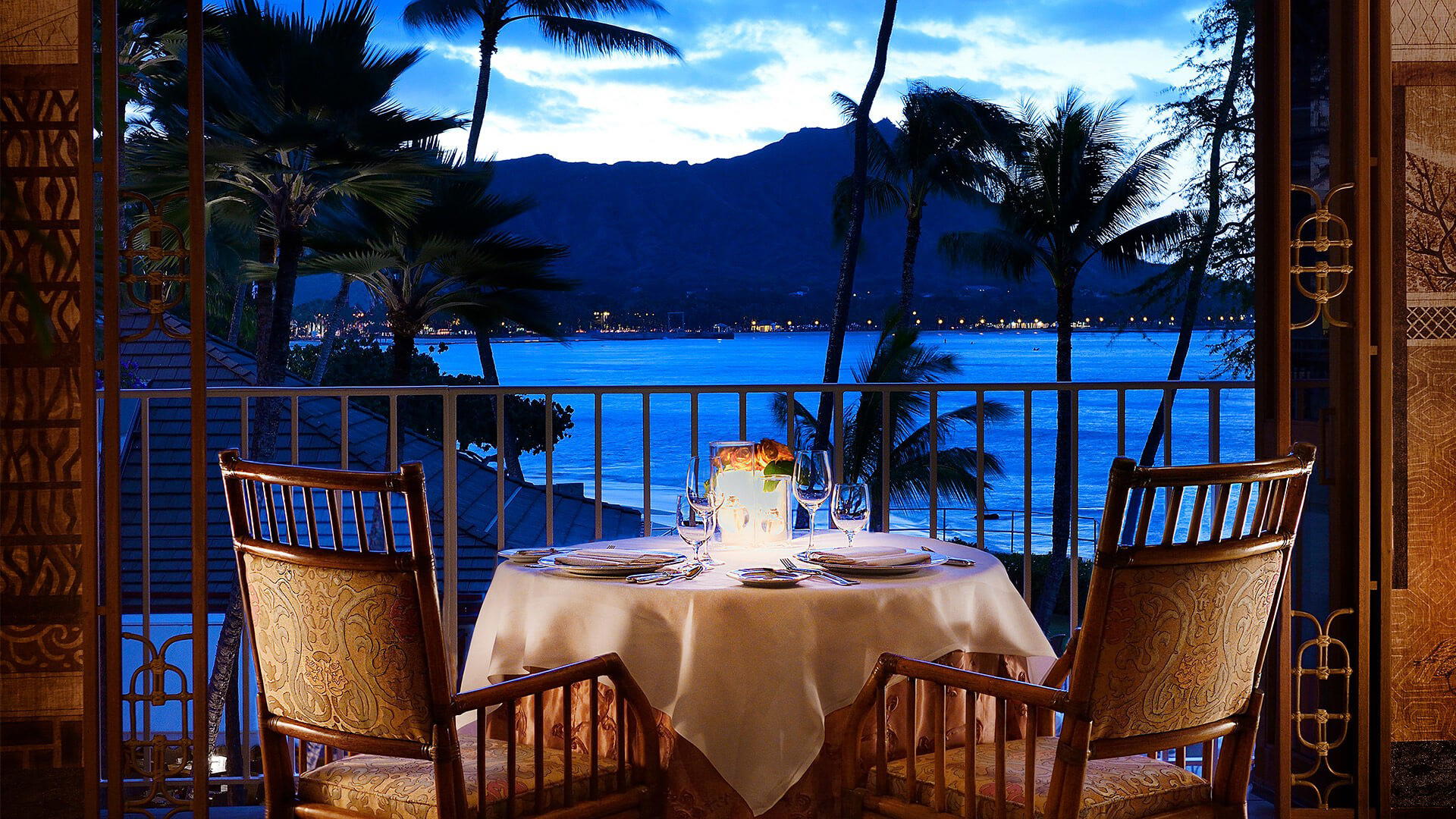
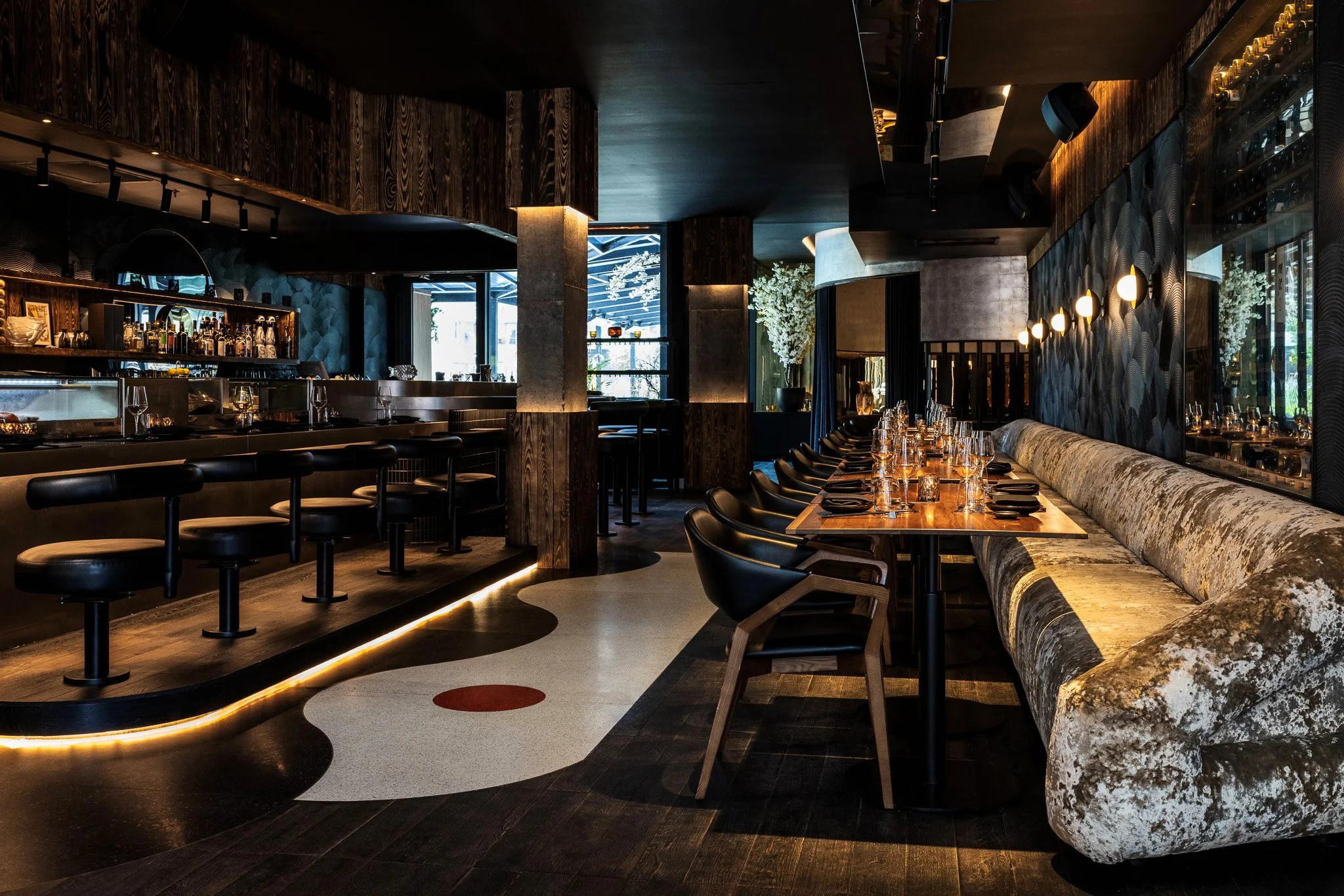
Serene and tranquil with traditional Japanese design elements in common spaces, soft natural lighting from ocean views, intimate atmosphere enhanced by remote clifftop location and forest surroundings.