
On Warschauer Strasse in Friedrichshain, the Michelberger Hotel sits at the intersection of Berlin's creative underground and a considered approach to slowness and recovery. The property draws a crowd that treats rest as seriously as the city's nightlife, making it a reference point for design-conscious travellers who want proximity to the Kreuzberg corridor without the full throttle of a conventional party hotel.
Pearl is the En Primeur Club membership app — saves, bookings, and concierge access live there. Same editors, same standards.
- Address
- Warschauer Str. 39-40, 10243 Berlin, Germany
- Phone
- +49 30 29778590
- Website
- michelbergerhotel.com
- Directions
- Get directions
 Saves & bookings on Pearl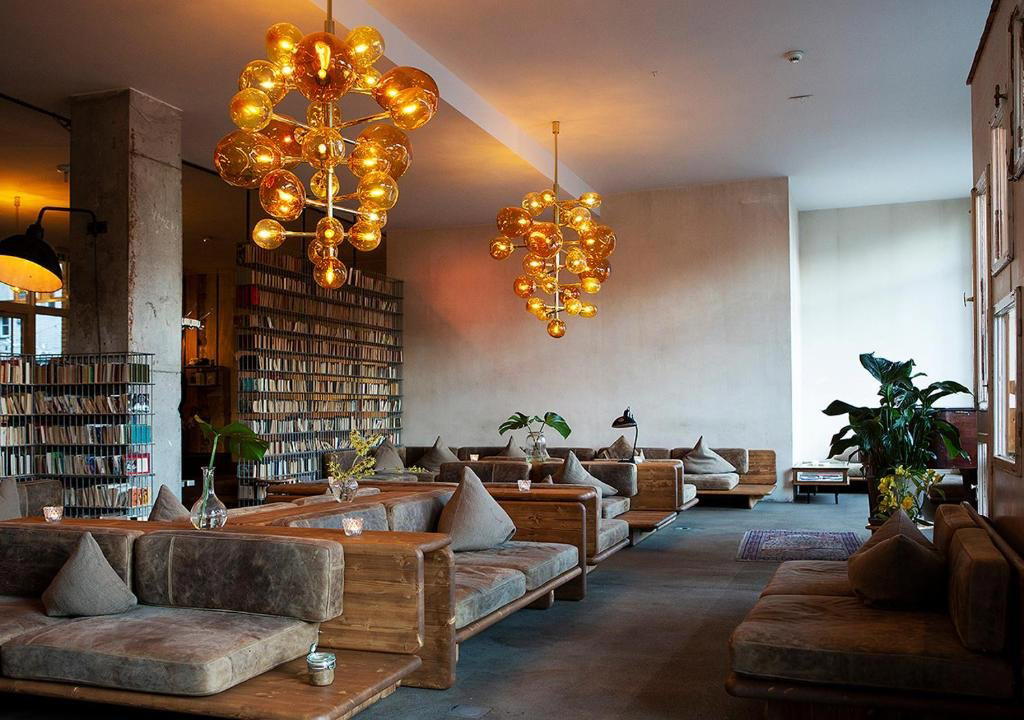
Where Friedrichshain Slows Down
Michelberger Hotel is a 4-star hotel in Berlin's Friedrichshain district, with rates from about $101 per night. Berlin's hotel market has long divided along a clear fault line: on one side, the grand institutional properties of Mitte and Tiergarten, the Hotel de Rome, The Ritz-Carlton, Berlin, and Patrick Hellmann Schlosshotel, on the other, a generation of independent properties that treat Berlin's creative density as a programme in itself. The Michelberger Hotel belongs firmly to the second category. Its address on Warschauer Strasse 39-40, in the heart of Friedrichshain, tells you something before you check in: this is a neighbourhood that operates on its own tempo, adjacent to the East Side Gallery and a few minutes from the clubs that made the city's post-reunification reputation, but increasingly defined by a younger, slower-living crowd that values recovery as much as output.
Approaching from Warschauer S-Bahn station, the hotel presents itself without ceremony. There is no grand entrance sequence or uniformed door team working to manage your arrival. The building's former industrial character remains legible in its architecture, which places the Michelberger in a Berlin tradition of adaptive reuse that runs from repurposed department stores in Mitte to converted power stations further east. It is a useful framing: the physical environment communicates a set of values before a single night rate is quoted.
The Wellness Position in a City Built for Excess
Berlin has an unusual relationship with wellness. The city's cultural identity is built substantially on endurance, long nights, compressed sleep, the mythology of a city that doesn't stop. Against that backdrop, properties that take recovery seriously occupy a distinct and more sophisticated niche. The Michelberger has positioned itself within that niche since attracting guests who are in Berlin for the culture and the creative energy but who want their accommodation to function as a counterweight rather than an extension of the noise.
This is a more deliberate editorial posture than it appears. Across the German hotel market, the properties most associated with serious wellness programming tend to cluster outside city centres: Schloss Elmau Luxury Spa Retreat & Cultural Hideaway in Elmau, Das Kranzbach Hotel & Wellness Retreat in Kranzbach, and Gut Steinbach Hotel Chalets Spa in Reit im Winkl represent the rural retreat model. Urban wellness in Berlin is a smaller, more contested category, and the Michelberger competes there by integrating a retreat sensibility into a neighbourhood that most visitors associate with the opposite of rest.
For guests used to the spa-and-pool model of urban wellness at properties like Roomers Berlin Steinplatz, Autograph Collection or Telegraphenamt, the Michelberger's version of recovery is more textural and less clinical. The focus is on the quality of rest rather than the completeness of a spa menu, which places it in a comparable set defined by atmosphere and programme coherence rather than square footage of treatment space.
Eating and Drinking in the Building
Berlin's independent hotel food scene has matured considerably over the past decade. The city's most interesting hotel restaurants now operate as neighbourhood destinations first and hotel amenities second, with a programme built around locally sourced produce and a sensibility that reflects the surrounding community. The Michelberger's food and drink offering follows this pattern: the in-house restaurant and bar function as social infrastructure for the neighbourhood as much as for guests, which keeps the energy calibrated differently from the more insular dining rooms attached to the grand properties in Charlottenburg or Mitte.
The kitchen's orientation toward seasonal, producer-led cooking aligns with a broader shift in Berlin's independent restaurant scene, where relationships with regional farms and artisan suppliers have become as important as technique. This positions the Michelberger's food operation within a Berlin dining tradition worth understanding separately from the hotel itself,
Neighbourhood and Access
Friedrichshain's evolution over the past fifteen years reflects one of the more instructive patterns in European urban hospitality: creative clusters that begin as alternatives to expensive central districts gradually develop their own premium tier. The streets around Warschauer Strasse now contain a concentration of independent galleries, concept stores, and restaurants that would have seemed implausible there in 2005. The Michelberger arrived early enough to be part of that formation rather than a latecomer capitalising on it.
Practically, the location works well for guests whose Berlin itinerary spans both banks of the Spree. The S-Bahn connection at Warschauer Strasse puts Mitte within ten minutes and Prenzlauer Berg within fifteen. For guests arriving by air, Schönefeld-routed services on the expanded BER network reach the neighbourhood without requiring a city-centre transfer. The Adina Apartment Hotel Berlin Hackescher Markt and Casa Camper Berlin represent the Mitte alternative for guests who want a shorter walking radius to the museum island, while the 25hours Hotel Bikini Berlin covers the Charlottenburg end of the independent-hotel spectrum. Each serves a meaningfully different Berlin, which makes the choice of base genuinely consequential.
Where It Sits in the German Hotel Market
Comparing the Michelberger to properties in other German cities clarifies its positioning. The Fairmont Hotel Vier Jahreszeiten in Hamburg, the Excelsior Hotel Ernst in Cologne, and the Bülow Palais in Dresden all operate within the formal luxury tradition. The Michelberger sits at the other end of the market's temperament spectrum, independent, community-oriented, and more interested in cultural coherence than service ceremony. Both positions are legitimate; they serve different travellers and different versions of a German city break. For guests whose priority is a seamless formal experience with full-service spa access, the rural retreat properties or the established grand hotels will deliver more reliably. For guests whose priority is feeling embedded in Berlin's creative present while maintaining access to genuine rest, the Michelberger's posture makes more sense.
Planning Your Stay
The Michelberger sits on Warschauer Strasse 39-40 in Friedrichshain, within a short walk of the S-Bahn and U-Bahn interchange at Warschauer Strasse. For comparison stays elsewhere in Germany, the Althoff Seehotel Überfahrt in Rottach-Egern, Hotel Bareiss in Baiersbronn, and Der Öschberghof in Donaueschingen represent the spa-and-countryside alternative for travellers building a broader German itinerary. International comparisons in the independent urban hotel category include The Fifth Avenue Hotel in New York City and, at the more formal end, Aman New York or Aman Venice for guests calibrating expectations across markets.
Where the Accolades Land
Comparable venues nearby, for context on price, style, and recognition.
| Venue | Cuisine | Price | Awards | Notes |
|---|---|---|---|---|
| Michelberger HotelThis venue — the venue you are viewing | Creative industrial boutique in a historic factory. | $$ | 4-Star | Not listed |
| Lux Eleven Berlin-Mitte | Luxury apartment hotel in historic building with urban Berlin style. | $$$ | 4-Star | Mitte |
| Casa Camper Berlin | Boutique design hotel with laid-back Mediterranean spirit and thoughtful simplicity. | $$$ | 4-Star | Mitte |
| Catalonia Berlin Mitte | Contemporary urban lifestyle hotel with industrial charm | $$$ | 4-Star | Mitte |
| Wilmina Hotel | Historic prison conversion with contemporary extensions and lush internal gardens | $$$ | Michelin 1 Key | Charlottenburg |
| The Hoxton, Berlin | Boutique hotel blending 1920s Art Nouveau opulence with Brutalist elements. | $$$ | 4-Star | Charlottenburg |
Recognition history
Dated appearances from independent guides and award organizations, with the underlying list record or original source where available.
Michelin Selected
Michelin
Continue exploring
More in Berlin
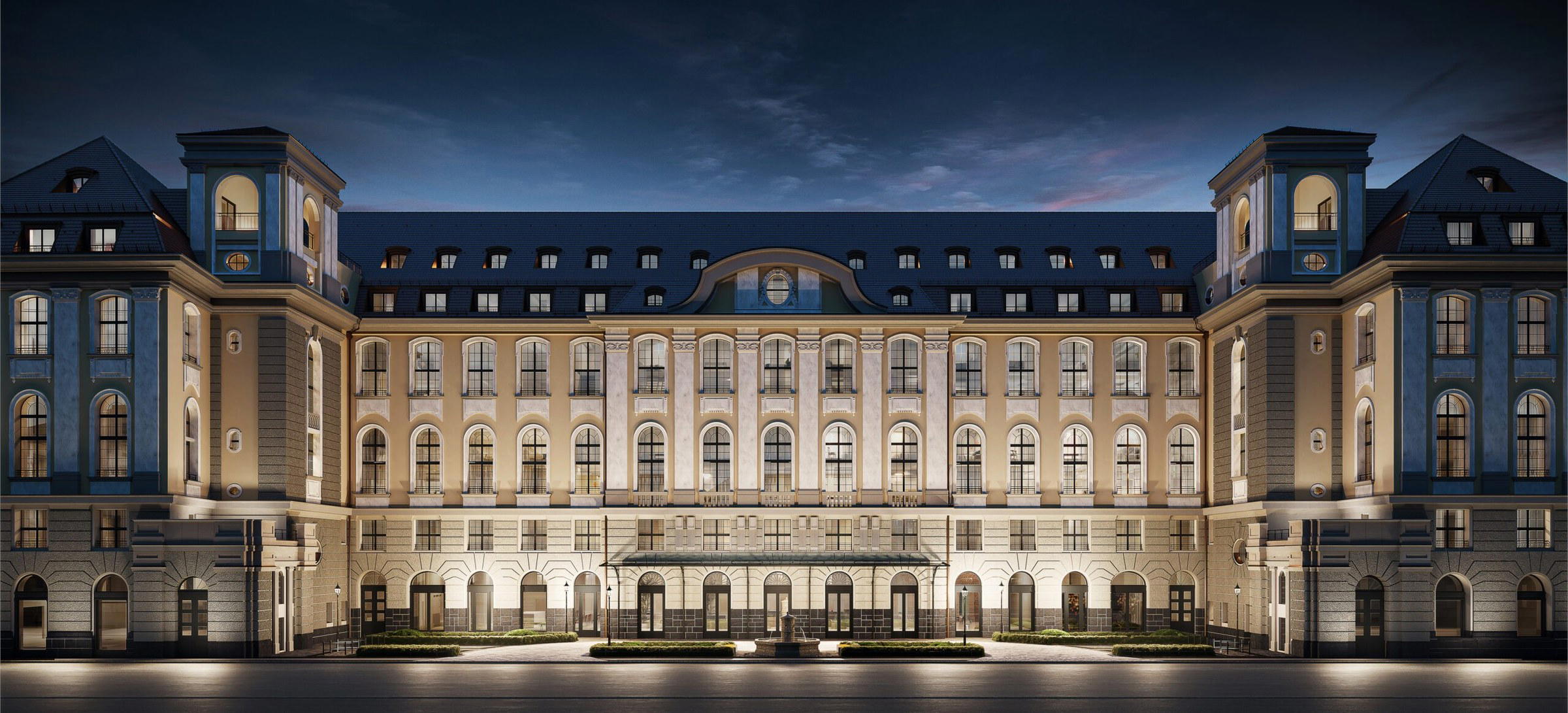
Hotels in Berlin
Browse all →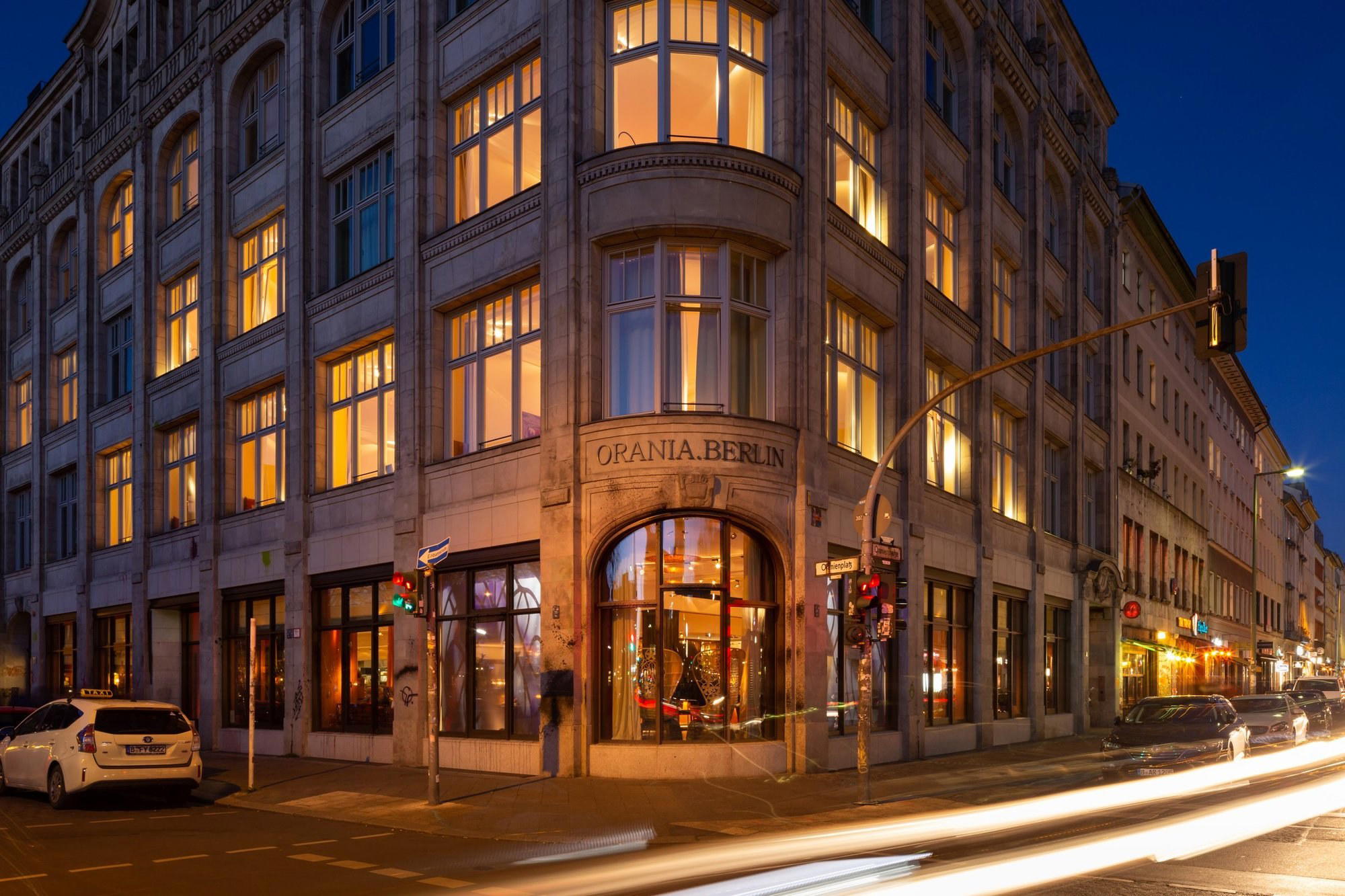
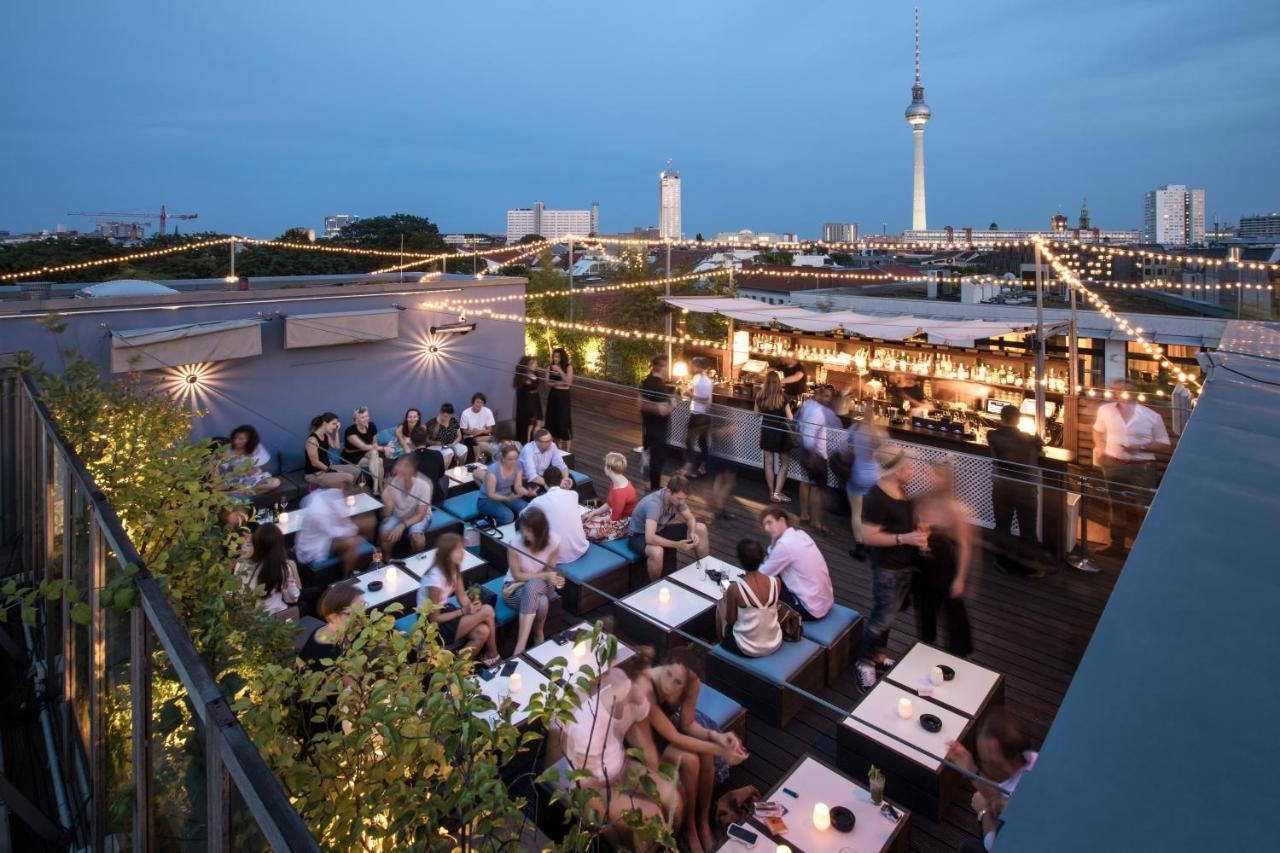
Bars in Berlin
Browse all →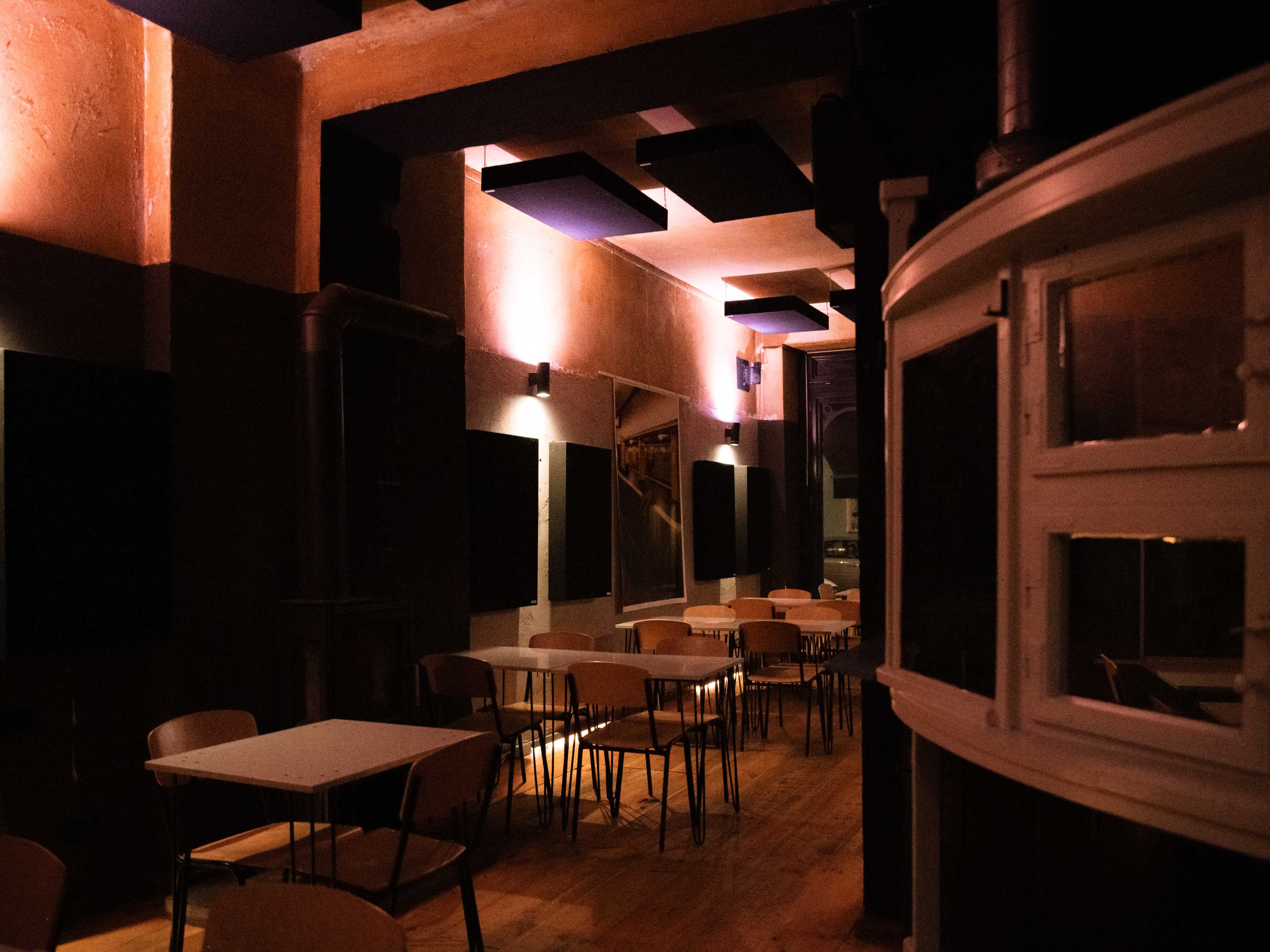
Restaurants in Berlin
Browse all →
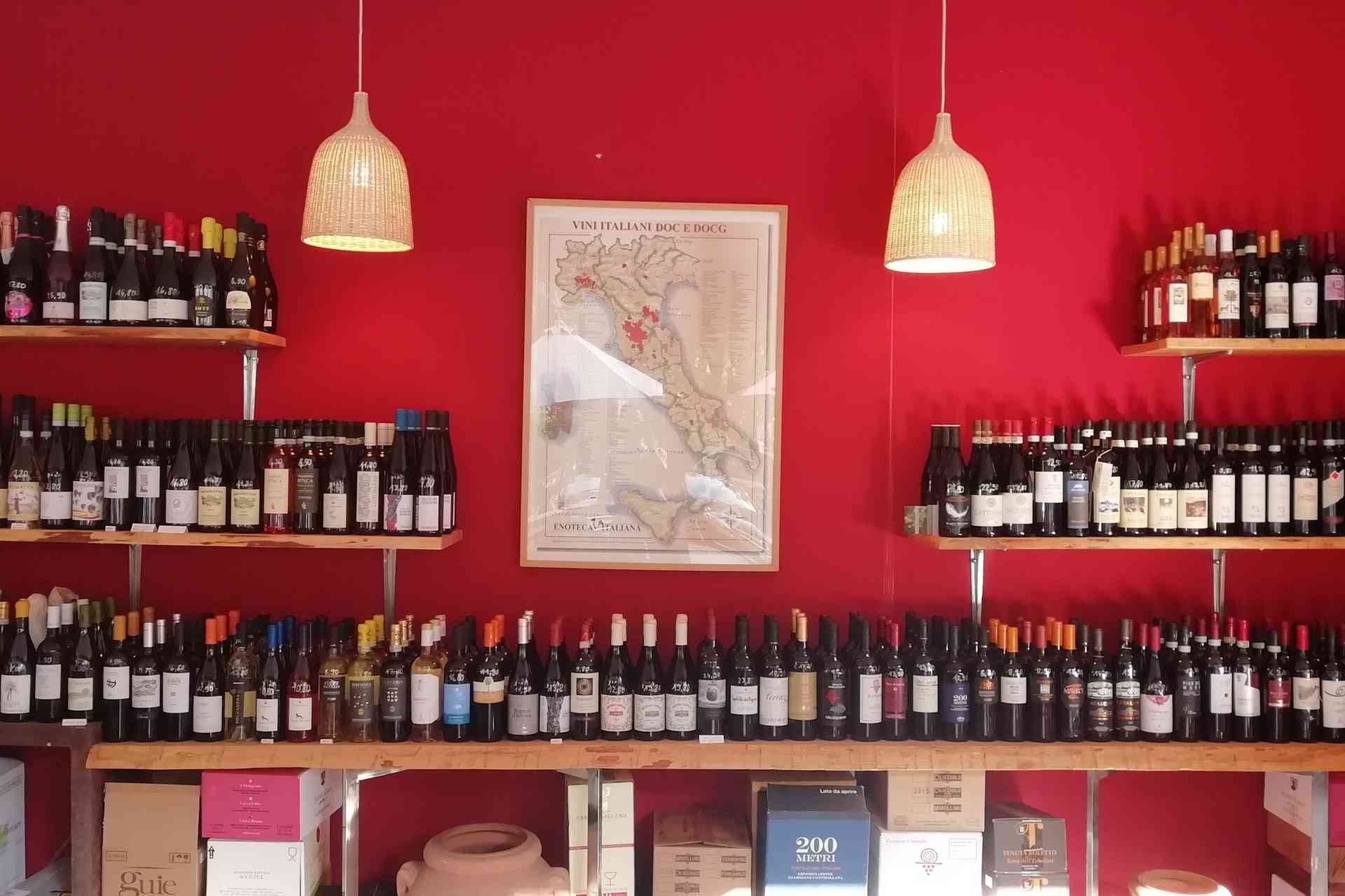
Wineries in Berlin
Browse all →
At a Glance
- Trendy
- Modern
- Lively
- Industrial
- Minimalist
- Weekend Escape
- Terrace
- Historic Building
- Design Destination
- Wi Fi
- Fitness Center
- Room Service
- Concierge
- Street Scene
- Wi Fi
- Fitness Center
- Room Service
- Concierge
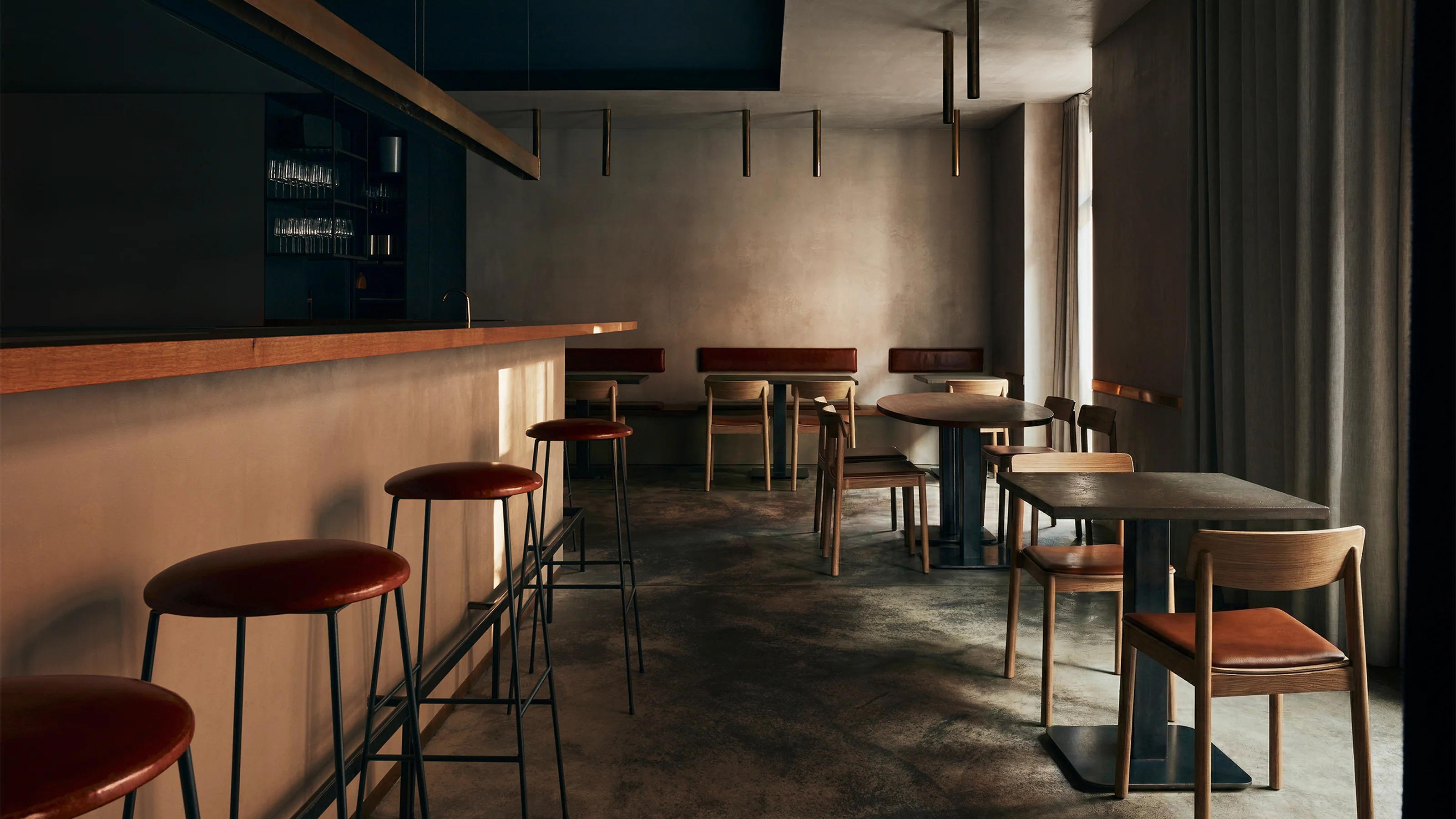
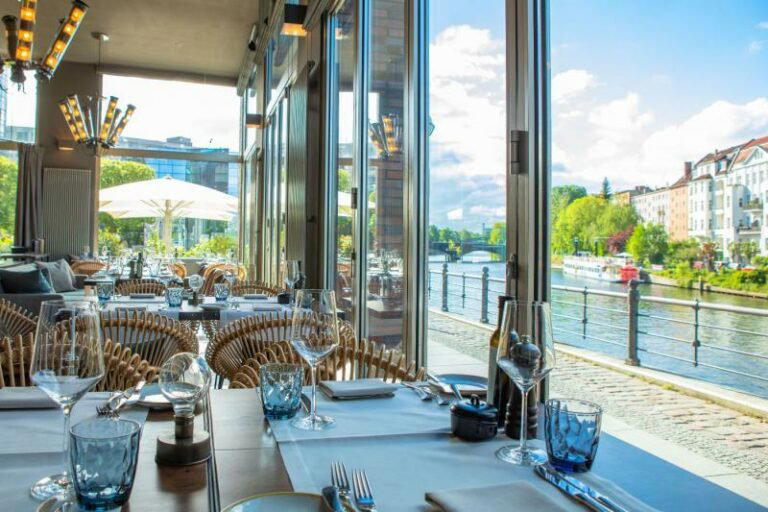
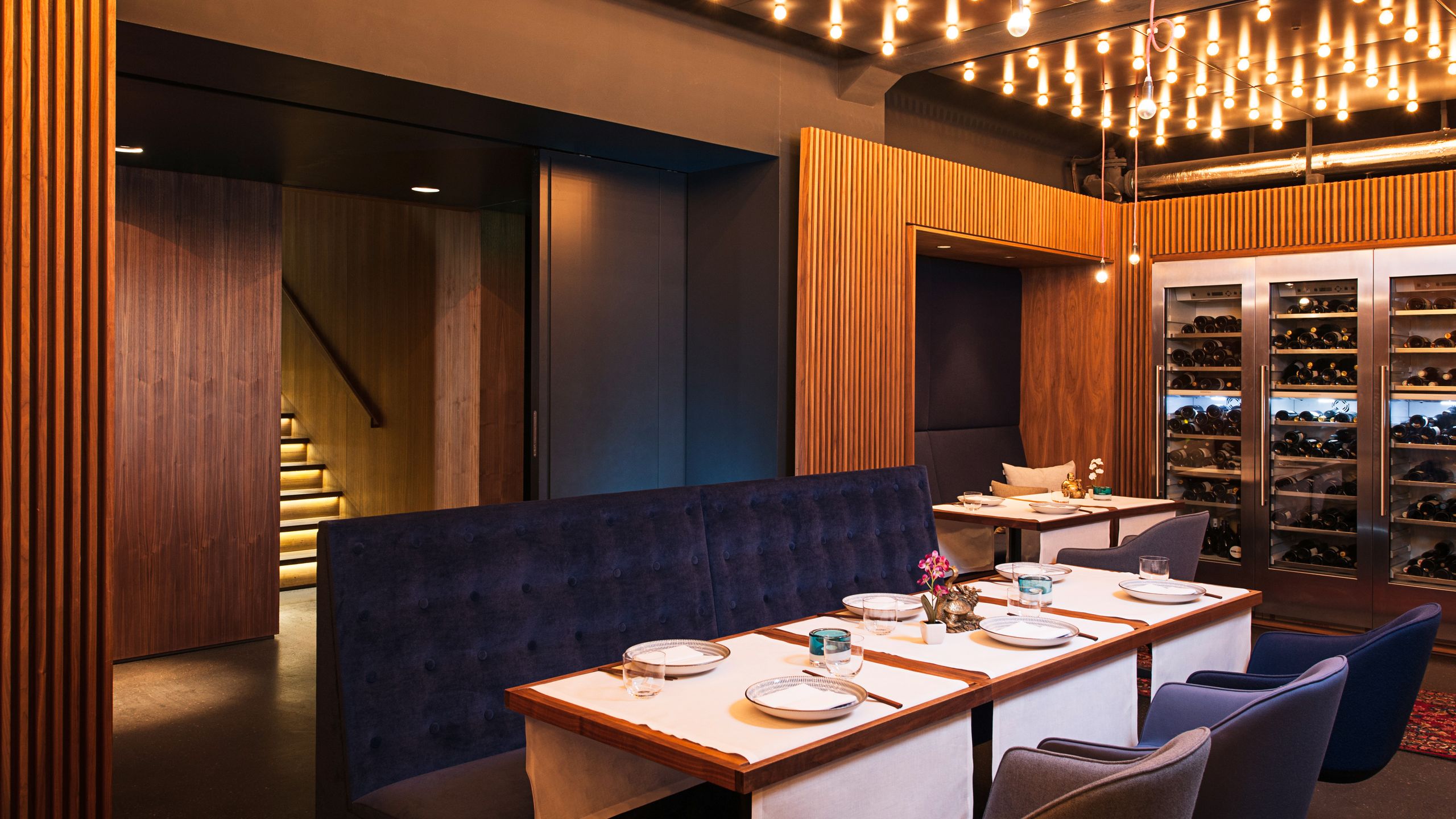
Warm minimalist atmosphere with layered textures, natural light from large windows, and bold amber chandeliers evoking industrial charm.