
Carrying Michelin Selected status in 2025, The Hoxton Berlin occupies a Charlottenburg address on Meinekestraße that positions it squarely within the city's mid-luxury design hotel tier. The brand's signature open-lobby ethos and community-facing programming translate well to Berlin's architectural register, where adaptive reuse and deliberate informality have long shaped how the city's better hotels operate.
Pearl is the En Primeur Club membership app — saves, bookings, and concierge access live there. Same editors, same standards.
- Address
- Meinekestraße 18-19, 10719 Berlin, Germany
- Phone
- +49 30 233218460
- Website
- thehoxton.com
- Directions
- Get directions
 Saves & bookings on Pearl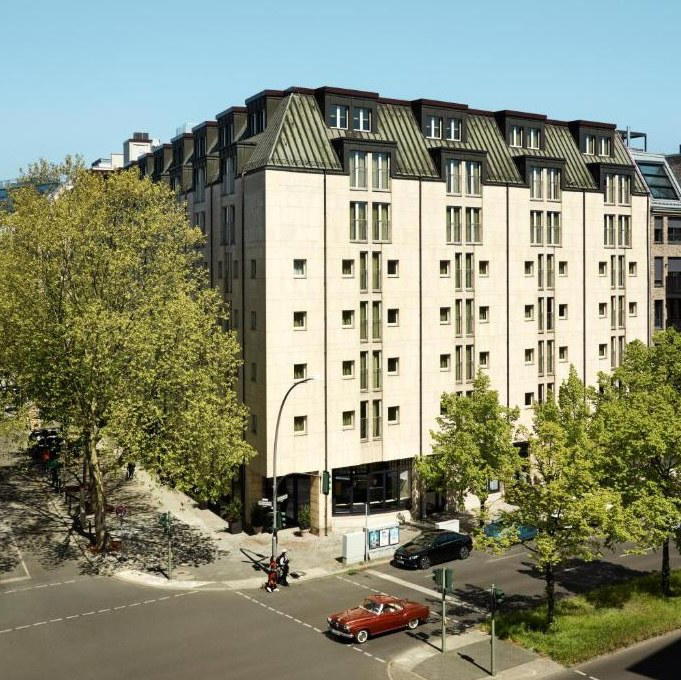
Where Charlottenburg's Postwar Grain Meets a Deliberate Interior Playbook
Meinekestraße sits one block east of the Kurfürstendamm, Berlin's western commercial spine, where the building stock runs to solid postwar and Gründerzeit-influenced facades that never quite fell into the ostentatious register of the avenue itself. It is a street that rewards attention: quieter than the Ku'damm, closer in character to the residential crescents feeding off it than to the retail corridor it parallels. The Hoxton Berlin plants itself in this gap between commercial and residential Berlin, and the choice of address reflects the brand's design logic: find a building with structural character, keep the envelope, rework the interior with deliberate informality.
The Hoxton as a group has operated on that principle across its European and North American properties since the original Shoreditch opening. Berlin is not the brand's first European interpretation of that idea, properties in Amsterdam, Paris, and Rome preceded it, but the German capital offers a particular test. Berlin's design-literate hospitality market is already dense with adaptive-reuse projects, loft conversions, and architects making deliberate statements about industrial heritage. A formula that reads as countercultural in London or New York must work harder to differentiate in a city where the baseline expectation for mid-luxury design hotels already runs high.
The Open-Lobby Format in a City That Invented the Concept
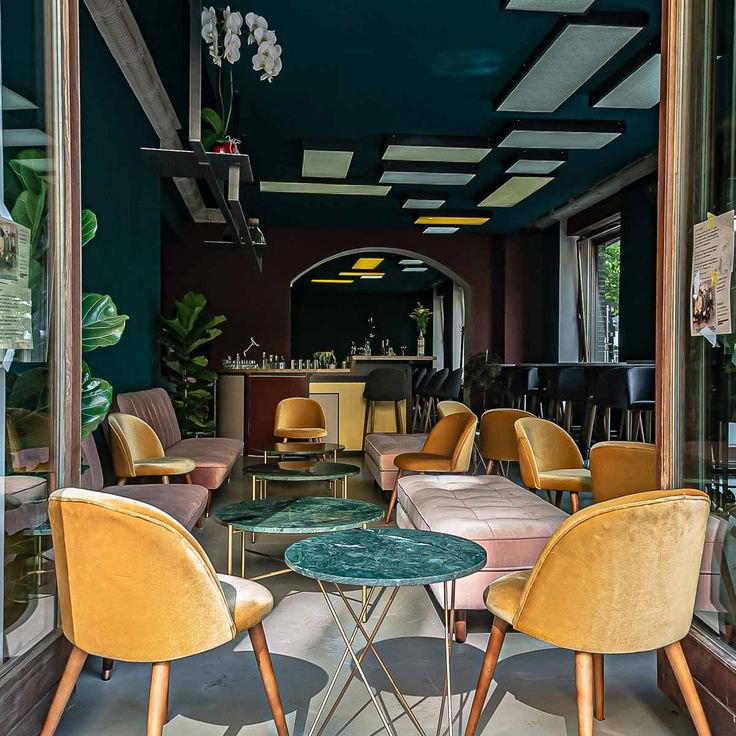
The Hoxton's signature spatial move is the lobby as living room: low seating clusters, long communal tables, a coffee and drinks counter accessible without a hotel key, and a general permission for non-guests to occupy the ground floor. This format has become a recognisable brand signature, but it also sits in interesting tension with Berlin's own hospitality culture. Berlin's bar and café scene has long operated on an open-door, lingering-welcome model that predates the boutique hotel industry's adoption of it. The Hoxton's lobby concept, in other words, arrives in a city that largely invented what the concept is trying to evoke.
That is not a criticism, it is a framing that helps position the hotel correctly. The Hoxton Berlin is not introducing an idea to an uninitiated market. It is executing a branded, polished version of something Berlin already does in looser, less managed forms. For a traveller who wants the energy of Berlin's working-hours café culture, the lobby format delivers a reliable experience. For a local looking for novelty, it is unlikely to compete with the city's own institutions.
Within Berlin's hotel tier, The Hoxton sits among properties with demonstrably different spatial propositions. Hotel de Rome, a Rocco Forte property occupying a former Dresdner Bank building near Bebelplatz, draws its identity from grand civic architecture. Patrick Hellmann Schlosshotel in Grunewald occupies a villa setting that positions it at the formal end of the design spectrum. Telegraphenamt on Oranienburger Straße is a conversion of a nineteenth-century telegraph office, with a heritage industrial character that roots it firmly in Mitte. The Ritz-Carlton Berlin at Potsdamer Platz occupies the formal luxury tier the Hoxton explicitly does not compete in.
The Hoxton's competitive set is better understood by looking at properties that share its design-forward, brand-personality-led positioning: 25hours Hotel Bikini Berlin, which occupies a 1950s commercial building beside the Zoologischer Garten, operates with comparable informality and design self-awareness. Roomers Berlin Steinplatz occupies a Charlottenburg address in the same neighbourhood quadrant and targets a similar traveller profile. Between these, The Hoxton competes on brand recognition, interior coherence, and the reliability of its programming model.
Charlottenburg as Context
Charlottenburg rewards a close look. To visitors whose mental map of the city begins in Mitte or Kreuzberg, the western districts can read as conservative, overtouristed along the Ku'damm, and less representative of Berlin's post-unification creative identity. That reading is partial. The neighbourhood around Savignyplatz and the streets feeding off Kantstraße runs a dense independent restaurant and bar circuit that operates largely outside the attention economy of east Berlin's more photographed venues. The Meinekestraße address puts guests within walking distance of this circuit, the KaDeWe department store, the Käthe Kollwitz Museum, and the western end of the Tiergarten.
For travellers arriving at Berlin Brandenburg Airport via the express rail link into Zoologischer Garten, the Charlottenburg position shortens the arrival sequence considerably compared with Mitte or Prenzlauer Berg addresses. That practical advantage is worth noting for business travellers and those on short stays who want to reduce transit time against a dense itinerary.
The Hoxton in the German Market
Within Germany's broader hotel market, The Hoxton Berlin occupies a different register from the country's dominant luxury propositions. Properties like Fairmont Hotel Vier Jahreszeiten in Hamburg, Schloss Elmau Luxury Spa Retreat and Cultural Hideaway in Elmau, or Hotel Traube Tonbach in Baiersbronn represent the formal luxury and destination resort tier. The Hoxton competes in a different category: urban design hotels where brand personality and social programming substitute for the spa and resort amenities that justify premium rates at the countryside properties. That distinction matters for positioning the Michelin Selected recognition appropriately: the listing reflects quality within the brand's chosen category, not a claim to compete with Germany's formal luxury tier.
Travellers with broader German itineraries might also consider the resort dimension that Berlin cannot offer. Weissenhaus Private Nature Luxury Resort in Weissenhaus, Söl'ring Hof in Sylt, and Althoff Seehotel Überfahrt in Rottach-Egern each address a different appetite for landscape and slower pacing that no Berlin city hotel can replicate. The Hoxton is a city property, full stop, and performs leading assessed on that basis.
Planning a Stay
The hotel sits at 18-19 Meinekestraße, placing it within walking distance of Kurfürstendamm and the broader Charlottenburg grid. The wider Berlin hotel picture ranges from formal grand hotels to design-led independents like Adina Apartment Hotel Berlin Hackescher Markt and AMANO Berlin.
Comparable Spots, Quickly
Comparable venues nearby, for context on price, style, and recognition.
| Venue | Cuisine | Price | Awards | Notes |
|---|---|---|---|---|
| The Hoxton, BerlinThis venue — the venue you are viewing | Boutique hotel blending 1920s Art Nouveau opulence with Brutalist elements. | $$$ | 4-Star | Not listed |
| Hotel Q! | Boutique design hotel | $$$ | 4-Star | Charlottenburg |
| Adina Apartment Hotel Berlin Hackescher Markt | contemporary apartment hotel with European design | $$$ | 4-Star | Mitte |
| AMANO Berlin | Modern design hotel in historic Wilhelminian tenement building | $$$ | 4-Star | Mitte |
| HENRI Hotel Berlin Kurfürstendamm | 19th-century Wilhelminian Gründerzeit building with preserved historic charm | $$$ | 4-Star | Charlottenburg |
| Wilmina Hotel | Historic prison conversion with contemporary extensions and lush internal gardens | $$$ | Michelin 1 Key | Charlottenburg |
Recognition history
Dated appearances from independent guides and award organizations, with the underlying list record or original source where available.
Michelin Selected
Michelin
Continue exploring
More in Berlin
Hotels in Berlin
Browse all →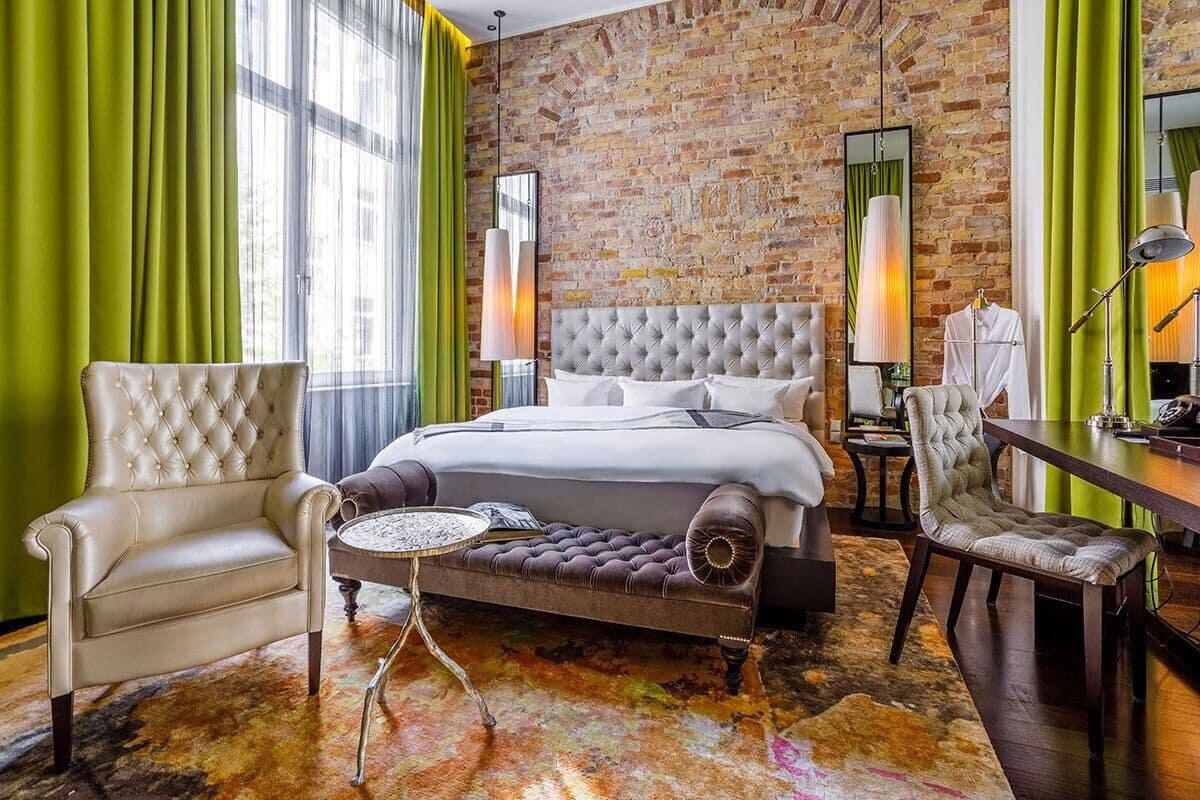
Bars in Berlin
Browse all →
Restaurants in Berlin
Browse all →

At a Glance
- Modern
- Trendy
- Lively
- Industrial
- Weekend Escape
- Business Trip
- Terrace
- Design Destination
- Wi Fi
- Room Service
- Concierge
- Street Scene
- Wi Fi
- Room Service
- Concierge
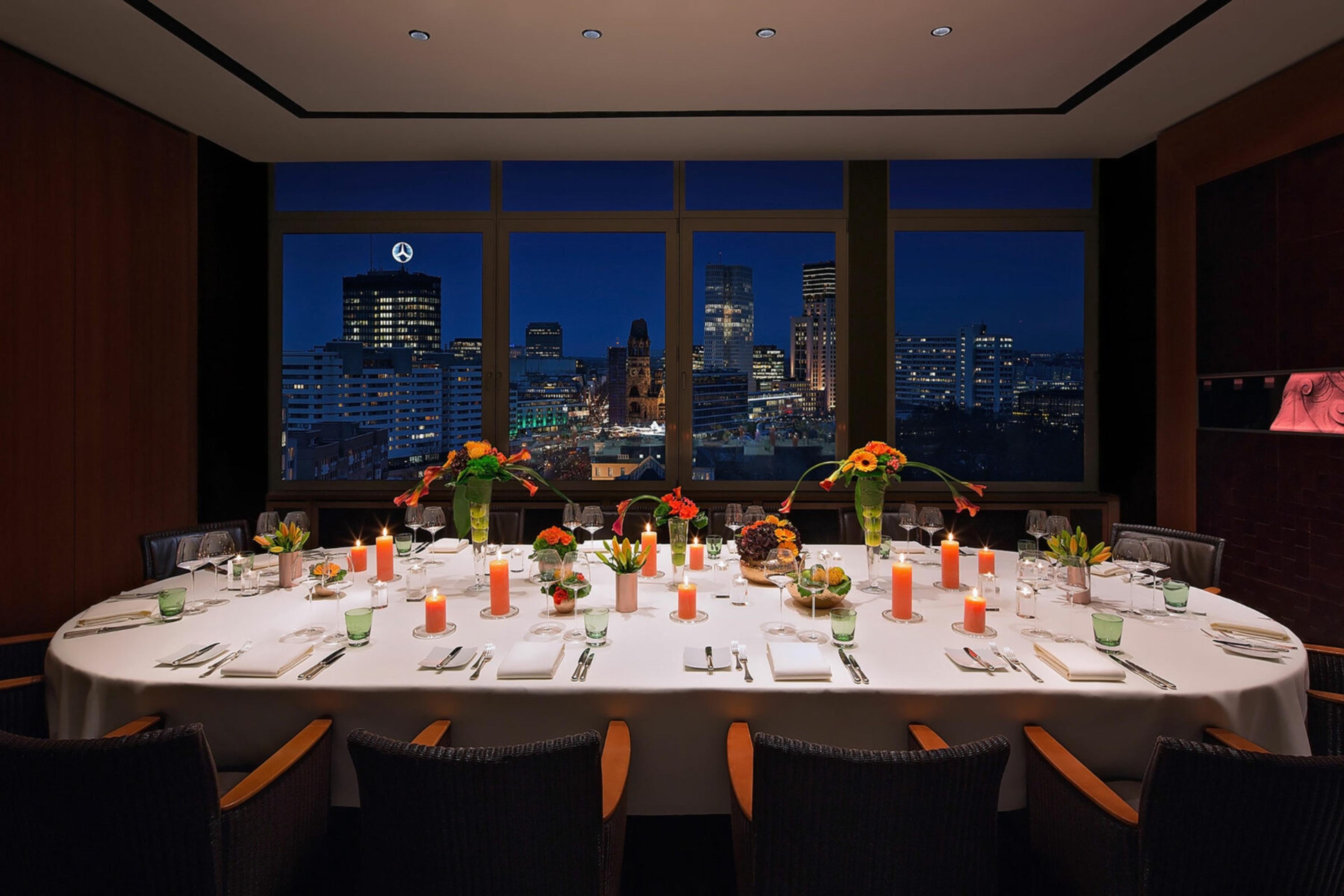
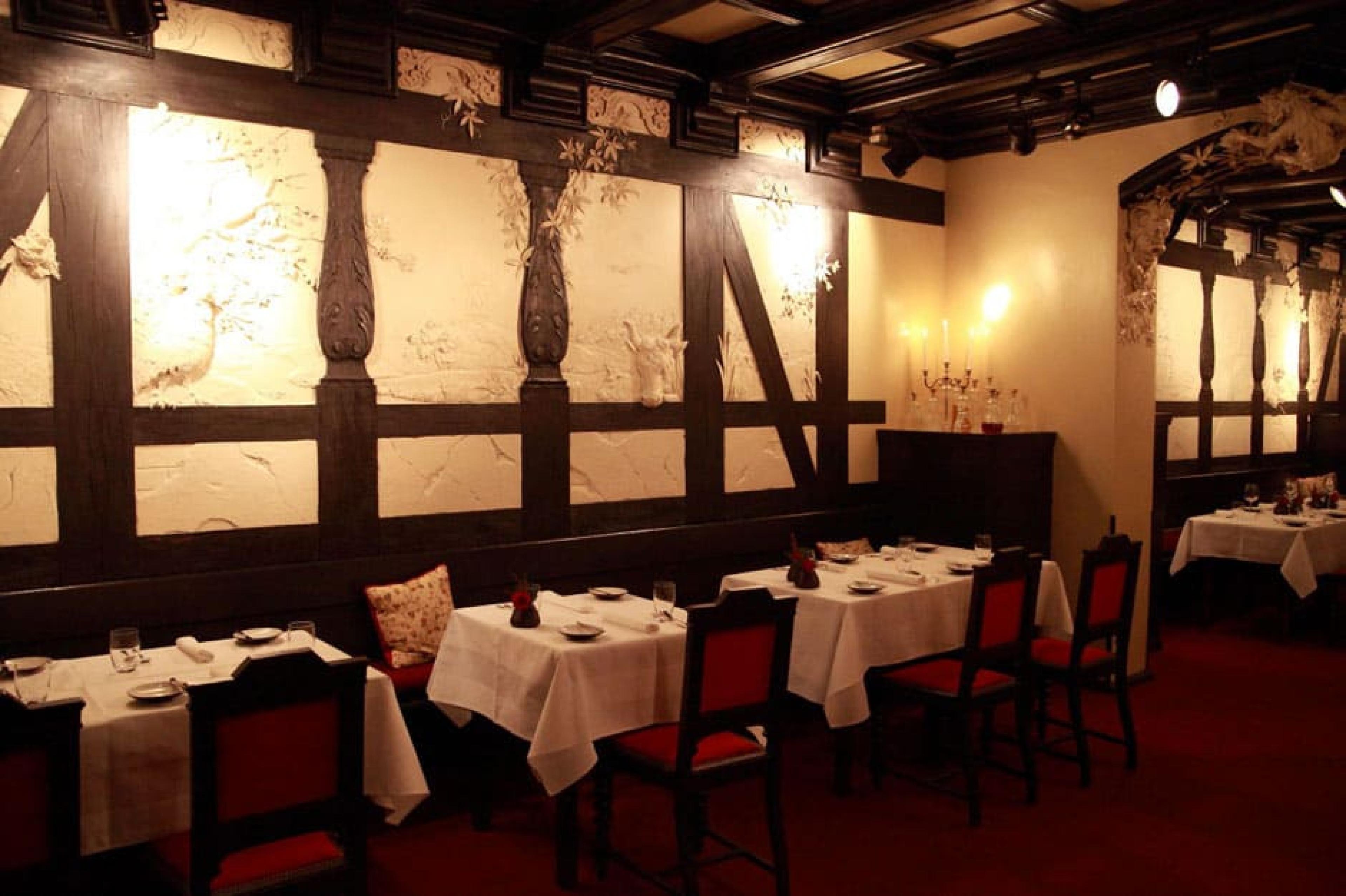
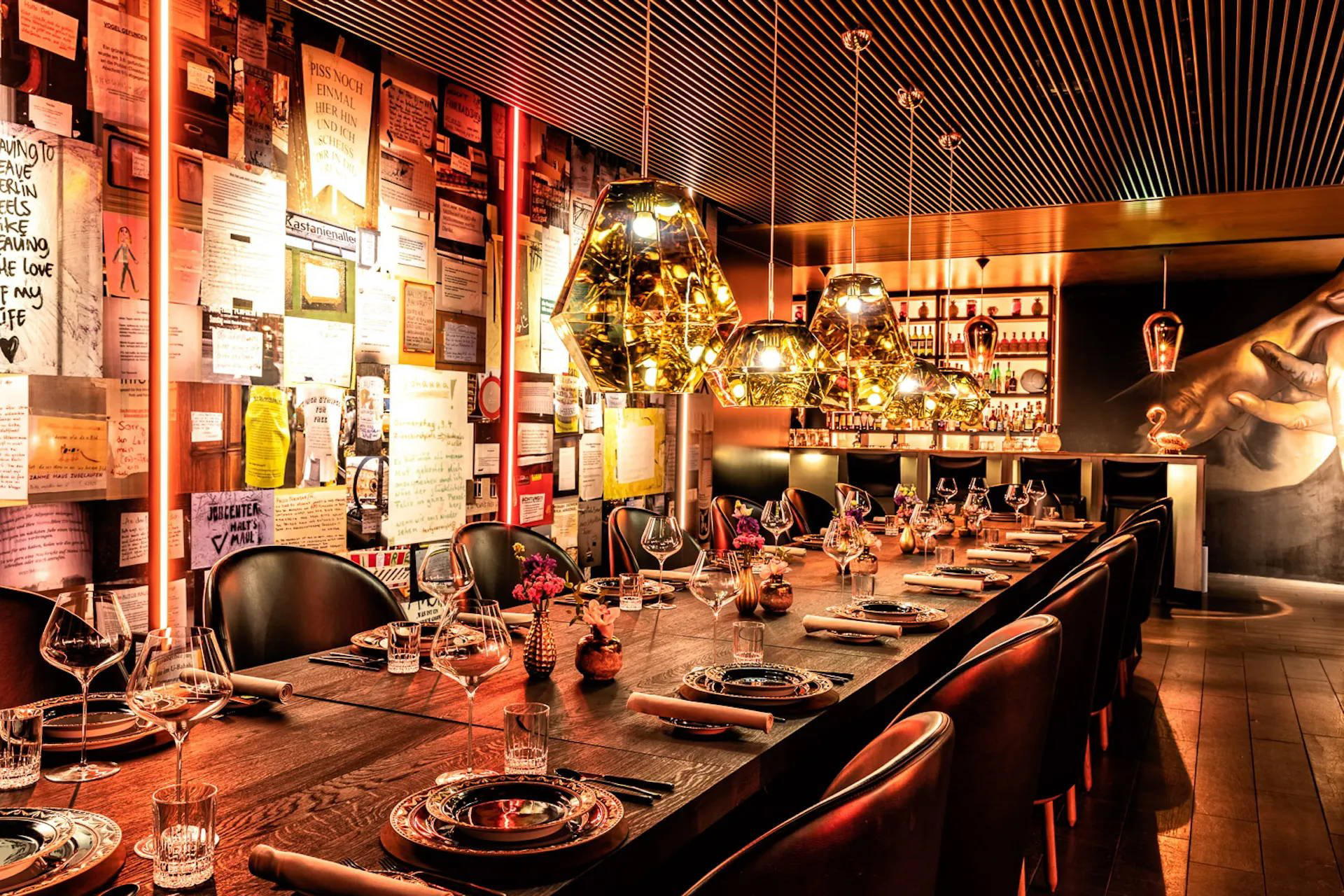
Lively lobby with eclectic vintage furniture, soft pastel palettes, floral wallpapers, and a lively community atmosphere.