Reaching Locanda Cipriani means crossing the lagoon to Torcello, one of Venice's oldest and most sparsely inhabited islands, where the trattoria has anchored a particular kind of quiet Italian hospitality since 1934. The restaurant and its handful of rooms occupy a converted farmhouse beside the island's Byzantine cathedral, positioning it firmly outside Venice's luxury hotel circuit and inside something older and harder to categorise.

Pearl is the En Primeur Club membership app — saves, bookings, and concierge access live there. Same editors, same standards.
- Address
- Piazza Santa Fosca, 29, 30142 Torcello VE, Italy
- Phone
- +39 041 730150
- Website
- locandacipriani.com
- Directions
- Get directions
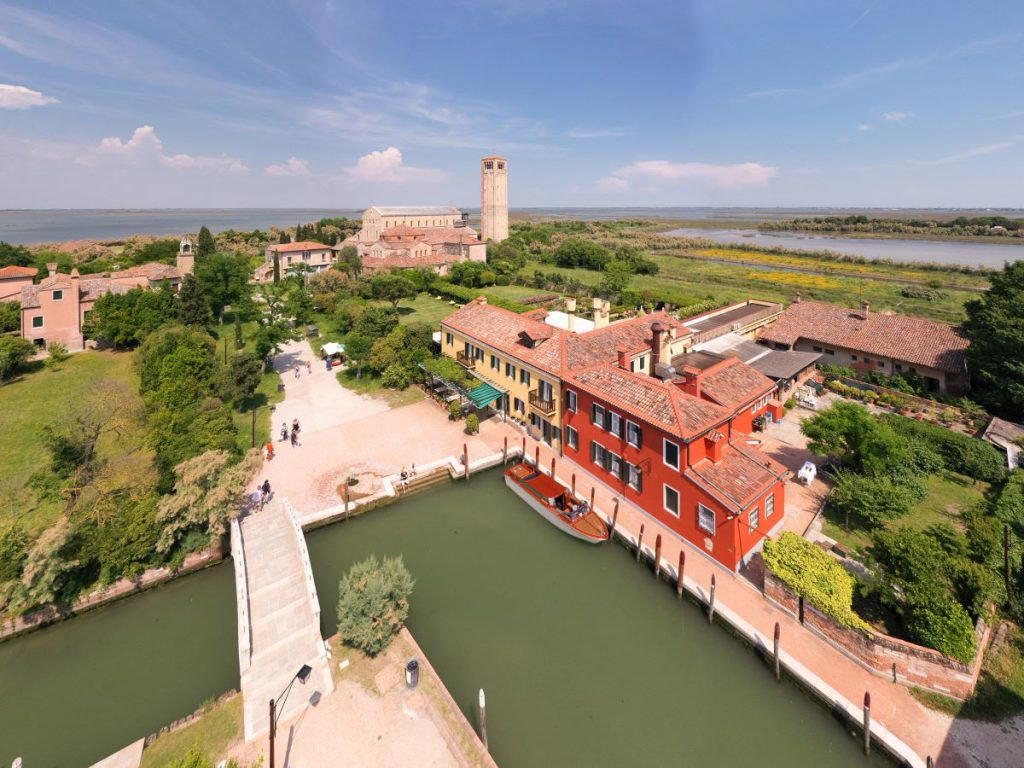
The Journey to Torcello Sets the Terms
Getting to Locanda Cipriani requires a vaporetto ride from Fondamente Nove or a water taxi from Venice's main island, a crossing that takes roughly forty minutes depending on route and conditions. That transit is not incidental. Torcello receives a fraction of the foot traffic that floods San Marco or the Rialto, and the island's near-silence — broken mainly by birdsong and the occasional boat engine — defines the dining experience before you sit down. The lagoon crossing functions as a kind of decompression, separating the property from the city's density in a way that no canal-side palazzo in Venice proper can replicate.
Within Venice's broader hospitality tier, properties like Aman Venice, Cipriani, A Belmond Hotel, Venice, and Hotel Gritti Palace compete on grandeur, staffing ratios, and palazzo architecture. Locanda Cipriani operates in a different register entirely: small in scale, unhurried in pace, and oriented around a garden, a kitchen, and a particular postwar Italian idea of restrained, ingredient-led hospitality. It is not competing with the city's luxury hotel circuit. It is largely indifferent to it.
A Kitchen Rooted in the Lagoon's Own Produce
Venetian cooking at its most coherent is not about complexity or theatrical plating. It draws on the lagoon itself: soft-shelled crabs from the barene, wild duck, radicchio from Treviso, grey shrimp from Chioggia, and John Dory or sea bass from the open Adriatic. The leading trattorie in the lagoon region have historically resisted the temptation to import ingredients or chase continental culinary fashions, letting the seasonal logic of the water and its surrounding farmland determine the menu's structure. Locanda Cipriani sits within that tradition, and its longevity since 1934 suggests a consistency of approach that outlasts most chef-driven concepts.
In a city increasingly defined by tourist-facing menus and ingredient shortcuts, kitchens that maintain direct relationships with lagoon suppliers occupy a narrowing tier. The Veneto's ingredient calendar is specific: sarde in saor appears in autumn, soft-shell moleche crabs are available only in spring and autumn during moulting season, and risotto di go (made with lagoon goby fish) is a dish so embedded in Venetian culinary identity that its presence on a menu is itself a form of credential. These are not dishes that translate to year-round availability without compromise.
The Garden and the Rooms: A Format Rarely Replicated in Italy
The combination of a working restaurant with a very small number of guest rooms, set within a walled garden on a lagoon island, is a format with few genuine Italian comparisons. Castello di Reschio in Lisciano Niccone and Il Pellicano in Porto Ercole belong to a loosely related category of Italian properties where the kitchen and setting carry equal weight to the accommodation, and where the guest-to-staff ratio keeps the atmosphere from tipping into hotel formality. What distinguishes Locanda Cipriani within that group is geography: the island location means arrival requires intention, which self-selects for guests who have researched the property rather than defaulted to it.
The garden itself functions as the property's visual centre. Lunch in a walled Italian garden, with the Torcello cathedral visible beyond the perimeter, is the kind of setting that has accumulated literary association over decades. Ernest Hemingway is documented as a guest during the period he was completing Across the River and into the Trees, much of which is set in the Veneto. That connection is part of the property's public record, not anecdote, and it places Locanda Cipriani in a small category of European restaurants and hotels whose history intersects with 20th-century literary geography.
Where Locanda Cipriani Sits in Venice's Dining Tier
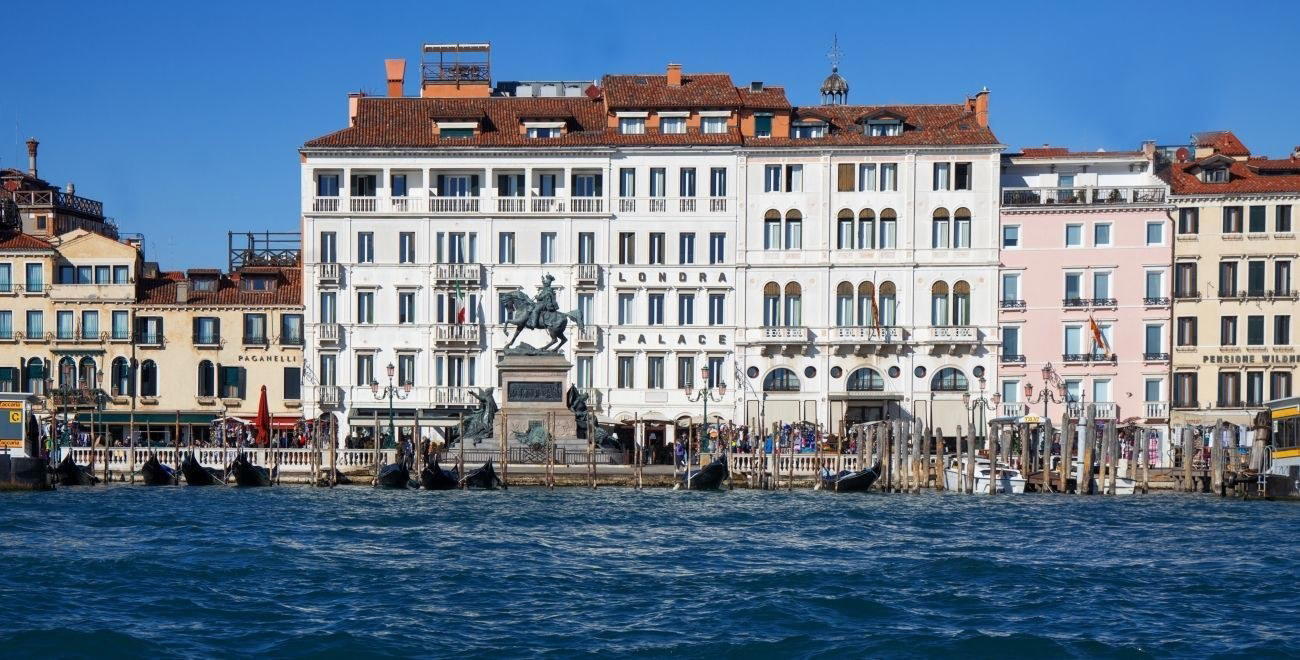
Venice's restaurant scene splits along several fault lines: tourist-facing trattorias around San Marco, canal-side fish restaurants in Cannaregio and Castello, serious wine-led dining rooms like those near the Rialto, and the hotel dining rooms attached to properties such as Nolinski Venezia, Ca' di Dio, and Londra Palace Venezia. Locanda Cipriani fits none of these categories cleanly. It functions more like a destination restaurant with rooms than a hotel with a restaurant, which is a meaningful distinction in how visitors should plan around it.
For those staying in the city at properties like Il Palazzo Experimental or Corte di Gabriela, Torcello is a half-day or full-day excursion rather than a neighbourhood restaurant. The logistics of the crossing make a late lunch the natural format: arrive mid-morning, walk the island (Torcello's Byzantine mosaics in Santa Maria Assunta are among the finest in Italy), sit for a long lunch, and return by late afternoon. Attempting Torcello as a quick dinner on a tight Venice itinerary underuses the island's character. See our full Venice restaurants guide for how Torcello fits within a broader Venice dining week.
Comparable destination-restaurant formats elsewhere in Italy worth cross-referencing include Casa Maria Luigia in Modena, where the rooms exist to extend the restaurant relationship, and Borgo Santandrea on the Amalfi Coast, where geography similarly controls the pace. The logic of staying on-site at Locanda Cipriani is that it collapses the transit question entirely and turns Torcello into something closer to a private retreat.
Planning Your Visit
Torcello is accessible by vaporetto Line 9 from Burano, or by direct water taxi from Venice. The island essentially closes at dusk, there are no bars, shops beyond a small market, or other restaurants of note, so overnight guests have the property almost entirely to themselves after day visitors depart. The shoulder seasons of April-May and September-October offer the most manageable lagoon weather and the highest likelihood of seasonal lagoon produce on the menu. Summer peak weeks bring more day-trippers to the island, though Torcello never approaches the density of Murano or Burano. Reservations should be made well in advance for both the restaurant and the rooms, particularly during summer and the period around the Venice Biennale, when the city's accommodation and dining across all tiers compresses considerably.
For travellers building a wider Italian itinerary, properties worth pairing with a Torcello stay include Four Seasons Hotel Firenze in Florence, Portrait Milano in Milan, and Rosewood Castiglion Del Bosco in Montalcino for a route that moves between urban and rural formats. Those planning further afield might also consider Borgo Egnazia in Savelletri di Fasano or Bulgari Hotel Roma in Rome as bookends to a Venice-based stay.
Cost Snapshot
| Venue | Price | Awards |
|---|---|---|
| Locanda CiprianiThis venue — the venue you are viewing | $300–500 | Not listed |
| Aman Venice | $1,000–1,500 | 3 Michelin Keys · World's 50 Best #79 |
| Cipriani, A Belmond Hotel, Venice | $750–1,000 | 3 Michelin Keys · World's 50 Best #72 |
| JW Marriott Venice Resort & Spa | $500–750 | Michelin Selected · Forbes Recommended |
| The St. Regis Venice | Not listed | Michelin Guide New Hotels New Hotel · Michelin Selected |
| Hotel Gritti Palace | $750–1,000 | 2 Michelin Keys · La Liste Top Hotels |
Continue exploring
More in Venice
Hotels in Venice
Browse all →
Bars in Venice
Browse all →
Restaurants in Venice
Browse all →


Details
- Romantic
- Quiet
- Elegant
- Classic
- Intimate
- Scenic
- Honeymoon
- Romantic Getaway
- Anniversary
- Destination Wedding
- Weekend Escape
- Waterfront
- Garden
- Terrace
- Historic Building
- Wi Fi
- Restaurant
- Garden
- Bar
- Waterfront
- Garden
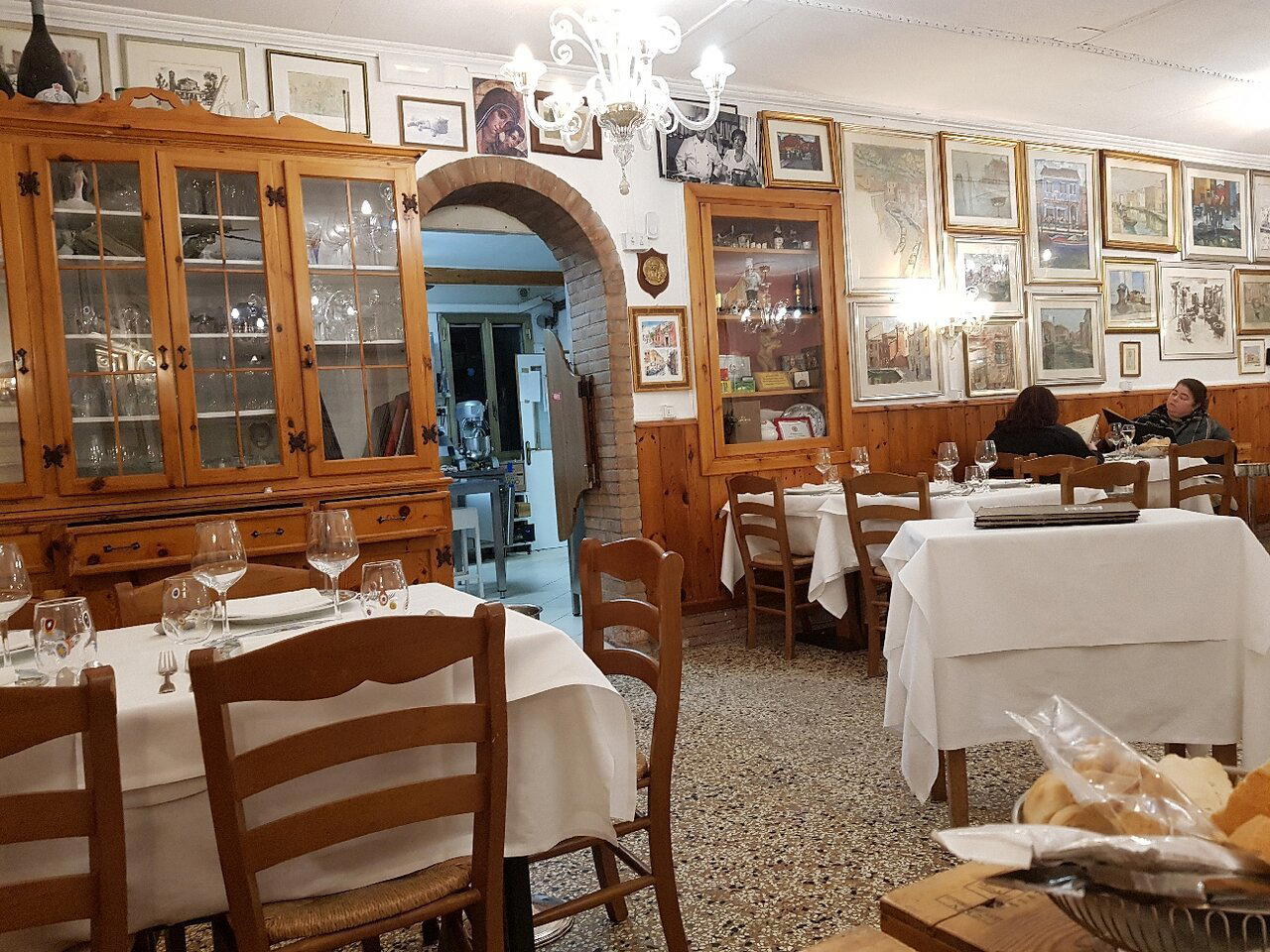
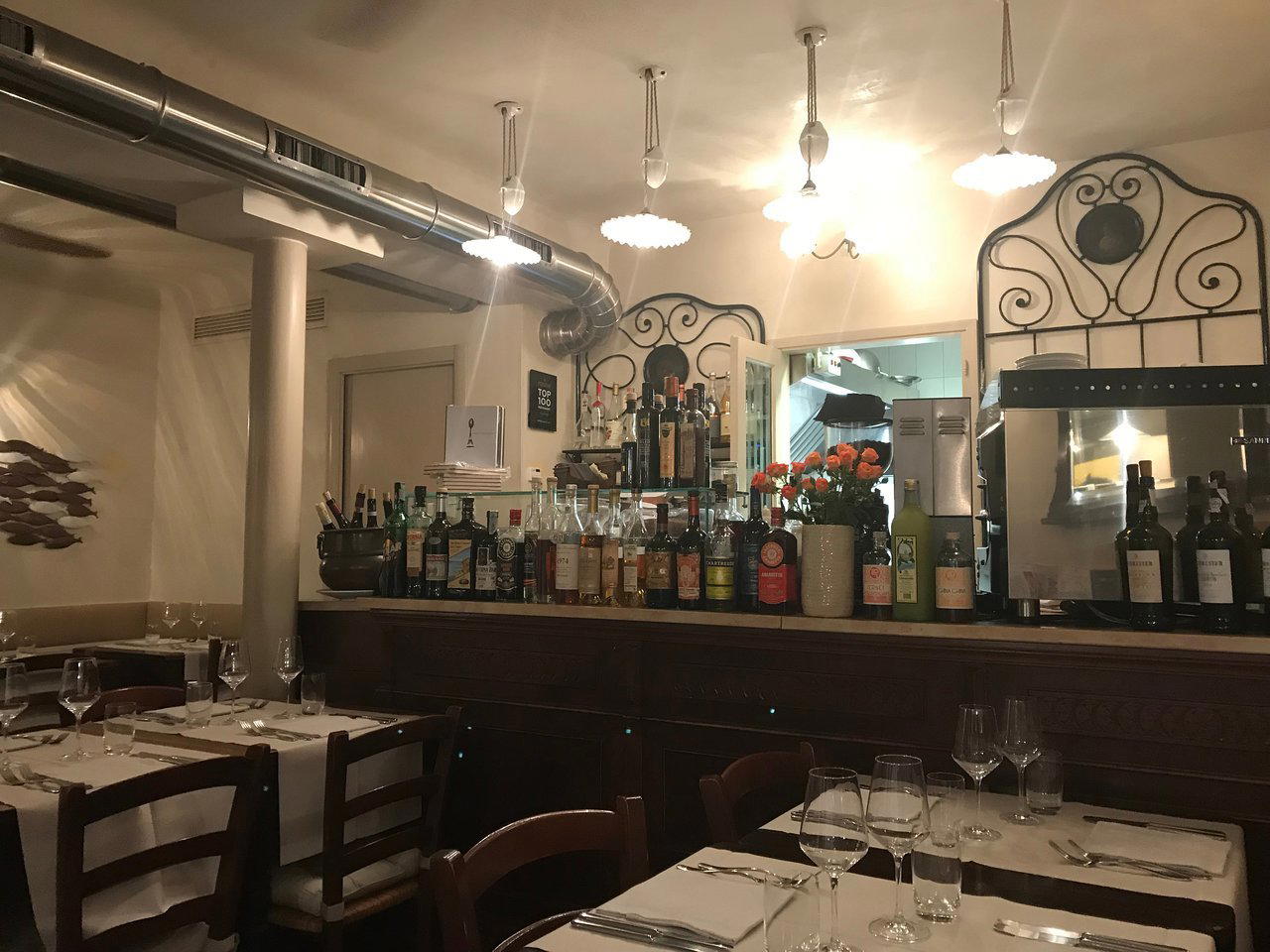
Calm and tranquil with rustic dining room featuring wood beams, art-covered walls, fresh flowers, and garden dining; simply furnished rooms enhance peaceful island atmosphere.