
A Michelin Selected property on Tulum's hotel zone strip, Layla Tulum positions itself within the town's design-led, low-key luxury tier. The architecture draws on natural materials and open-air structure in a way that reads more like a curated residence than a resort. For travellers already familiar with Tulum's aesthetic grammar, it represents a considered option in a competitive field.
Pearl is the En Primeur Club membership app — saves, bookings, and concierge access live there. Same editors, same standards.
- Address
- C. Centauro Sur Lote 13, entre Venus Oriente y Neptuno Oriente, Tulum Centro, 77760 Tulum, Q.R., Mexico
- Phone
- +52 984 196 5278
- Website
- laylatulum.com
- Directions
- Get directions
 Saves & bookings on Pearl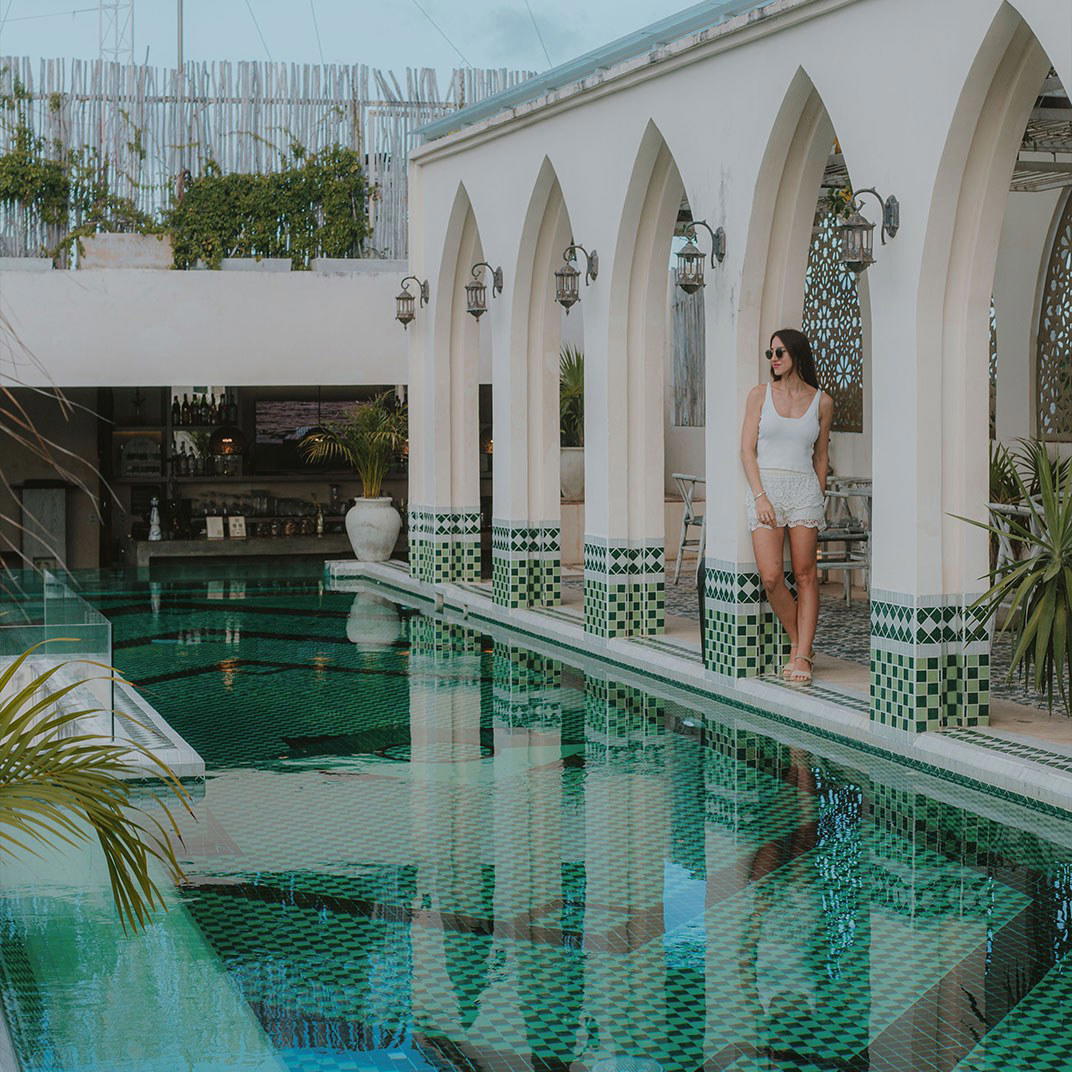
Tulum's Design Tier and Where Layla Sits
Tulum has spent the past decade sorting itself into two recognisable camps: high-volume beach clubs that operate more like day-party venues, and low-capacity design properties where architecture is the primary language of hospitality. Layla Tulum belongs firmly to the second group. Its address on Calle Centauro Sur places it within the hotel zone corridor that runs parallel to the Caribbean coast, a strip where the density of design-conscious small hotels has made aesthetic differentiation both necessary and, at the better properties, genuinely achieved.
The Michelin Selected designation, awarded as part of the Michelin Hotels 2025 guide, provides a useful locating signal. Michelin's hotel selection process focuses on the quality of the stay rather than food and beverage alone, and inclusion at this tier typically reflects a consistency of environment and service that separates a property from the broader, less curated pool. In Tulum specifically, Michelin Selected properties represent a subset of the hotel zone where the architecture-first approach has been executed with enough rigour to meet that external standard. Azulik and Ahau Tulum occupy adjacent positions in this design-led tier, each working with natural materials and limited-intervention building philosophies that have come to define what premium Tulum hospitality looks like from the outside.
The Architecture as the Experience
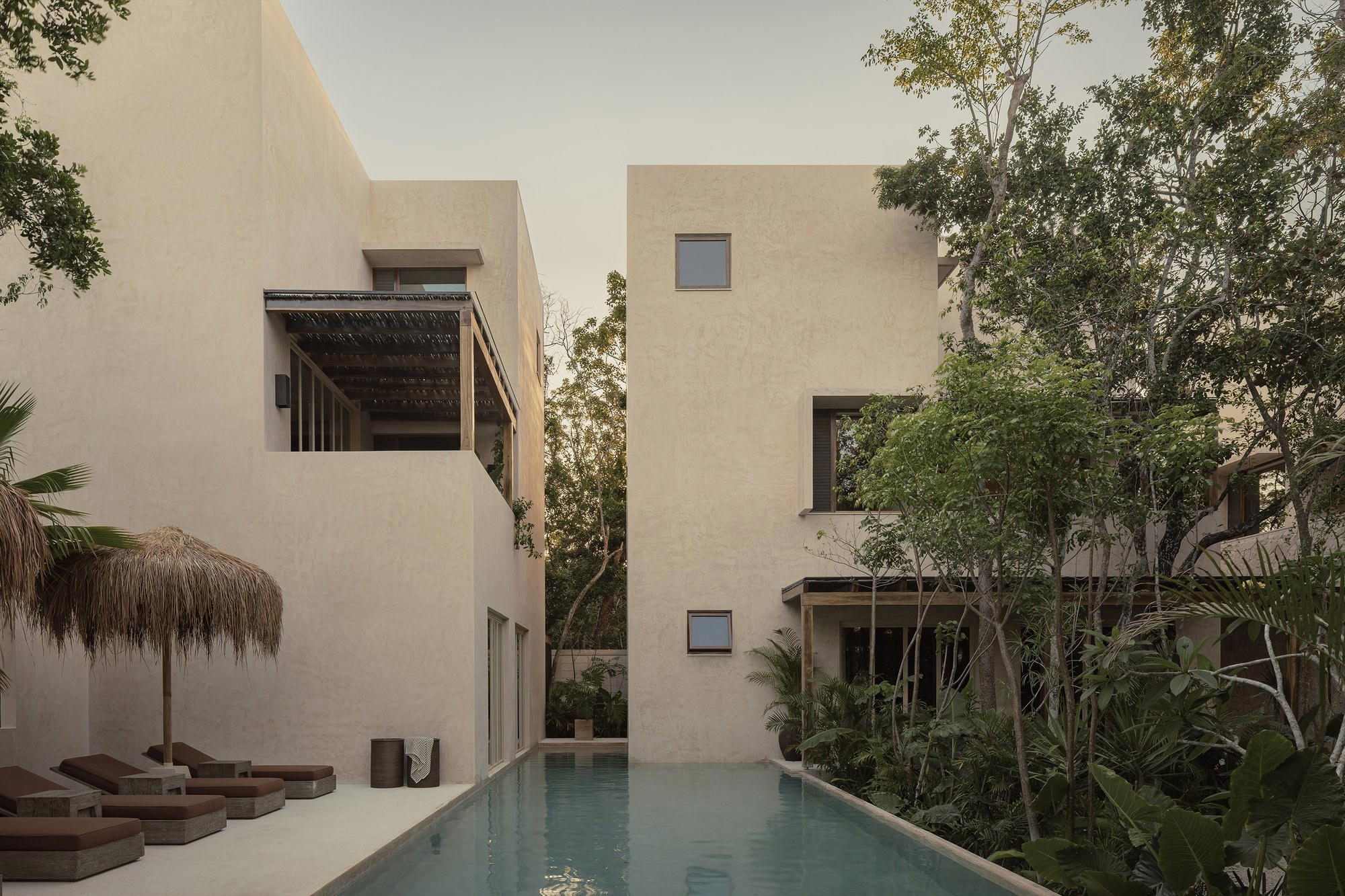
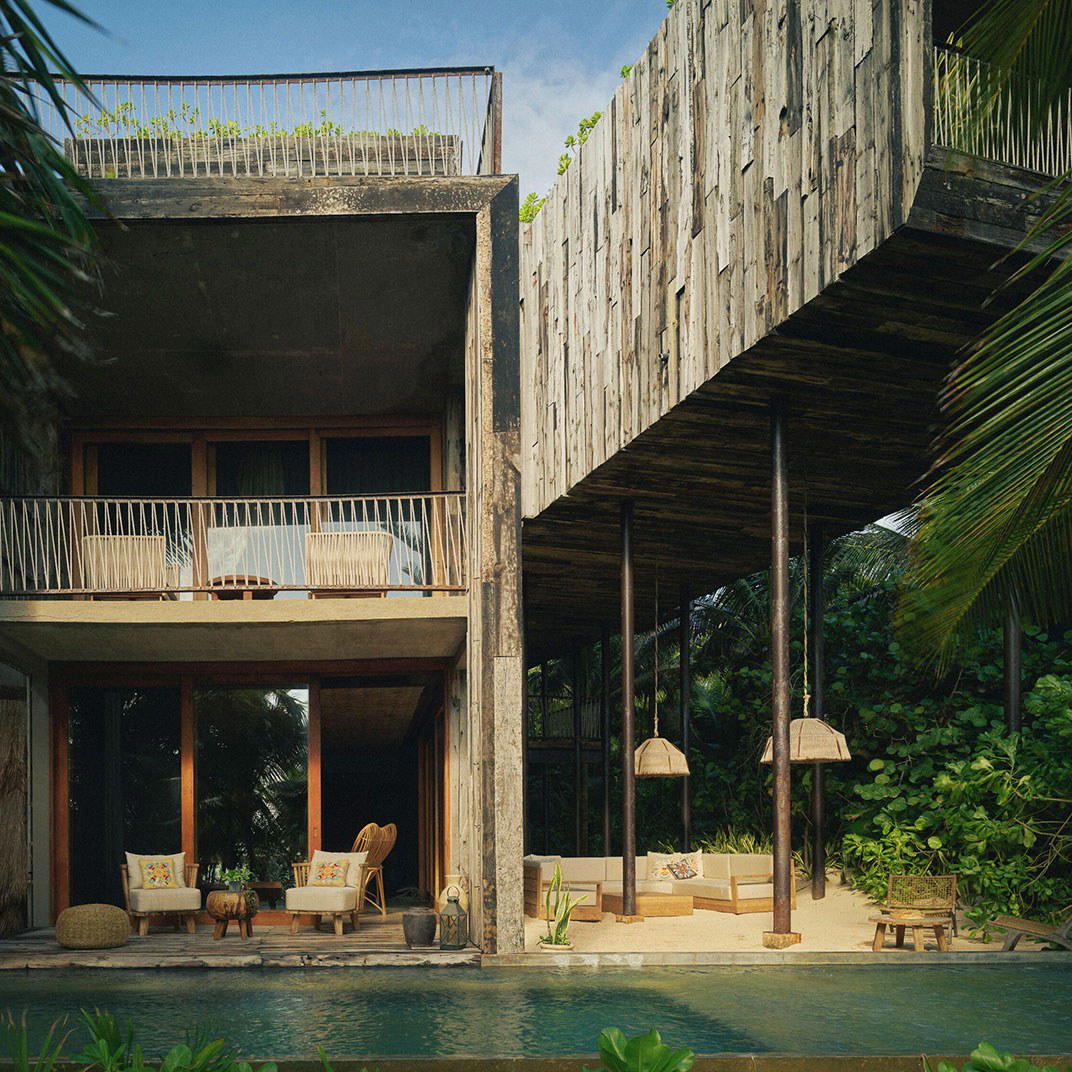
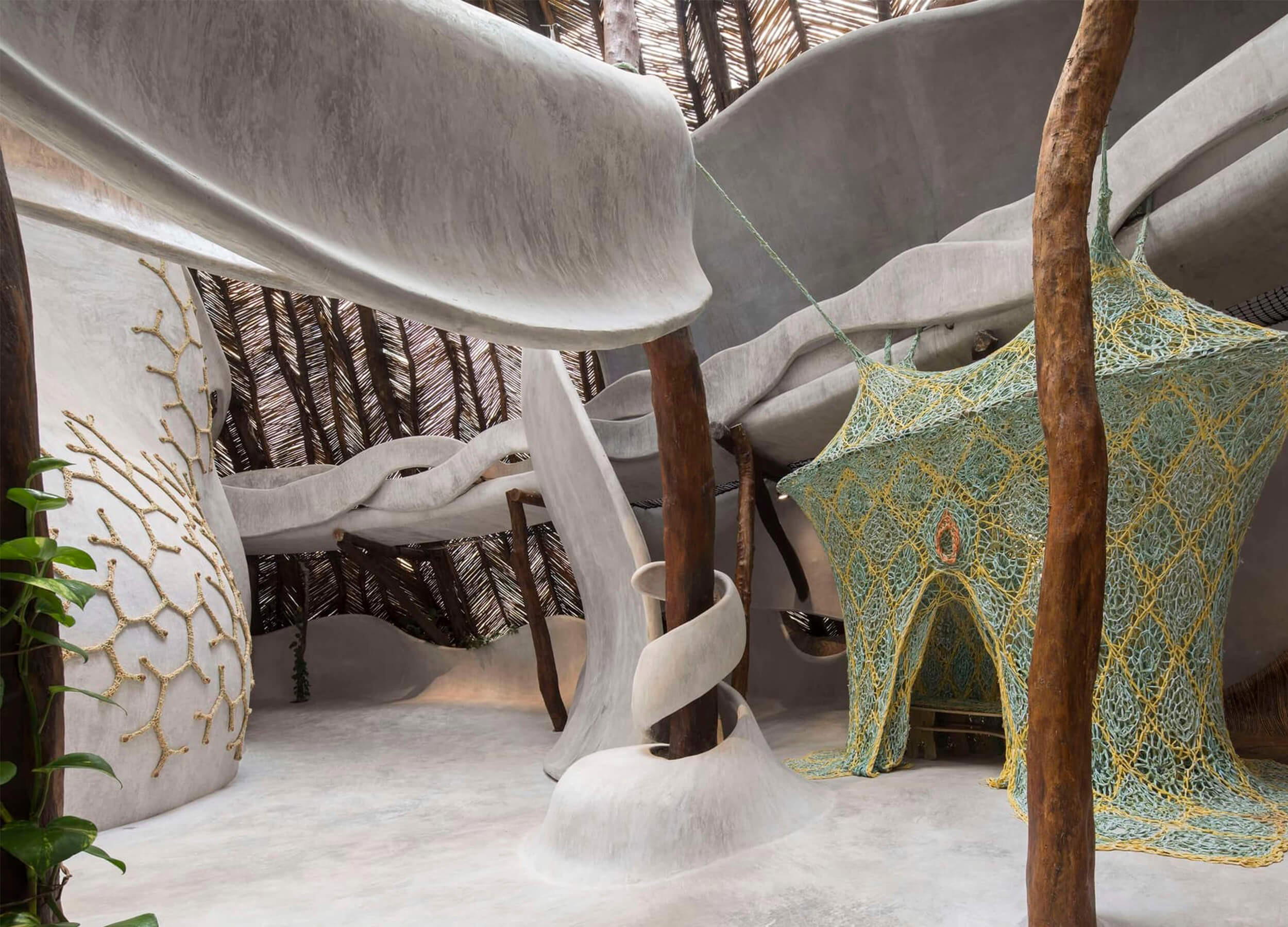
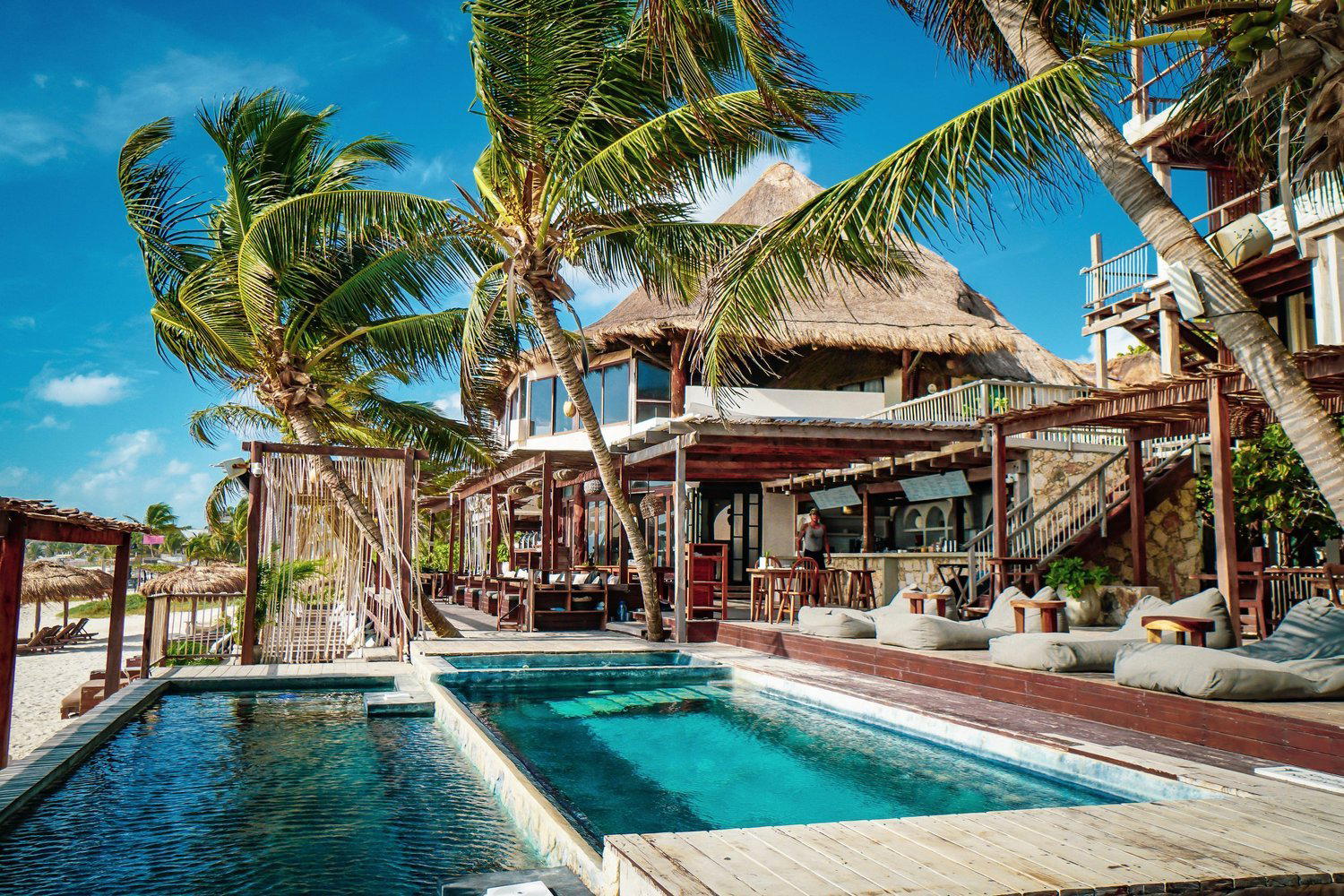
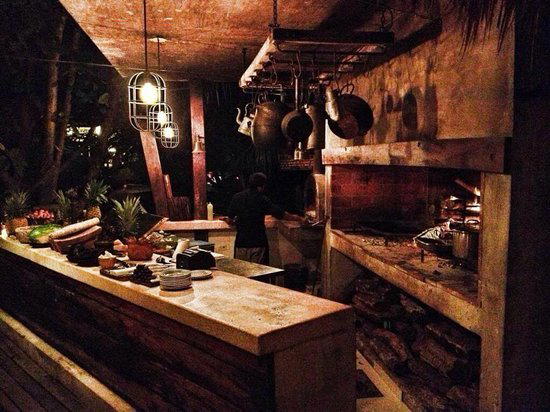
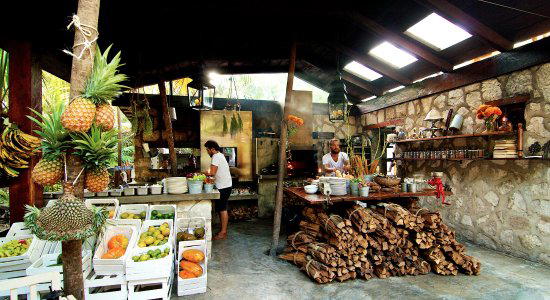
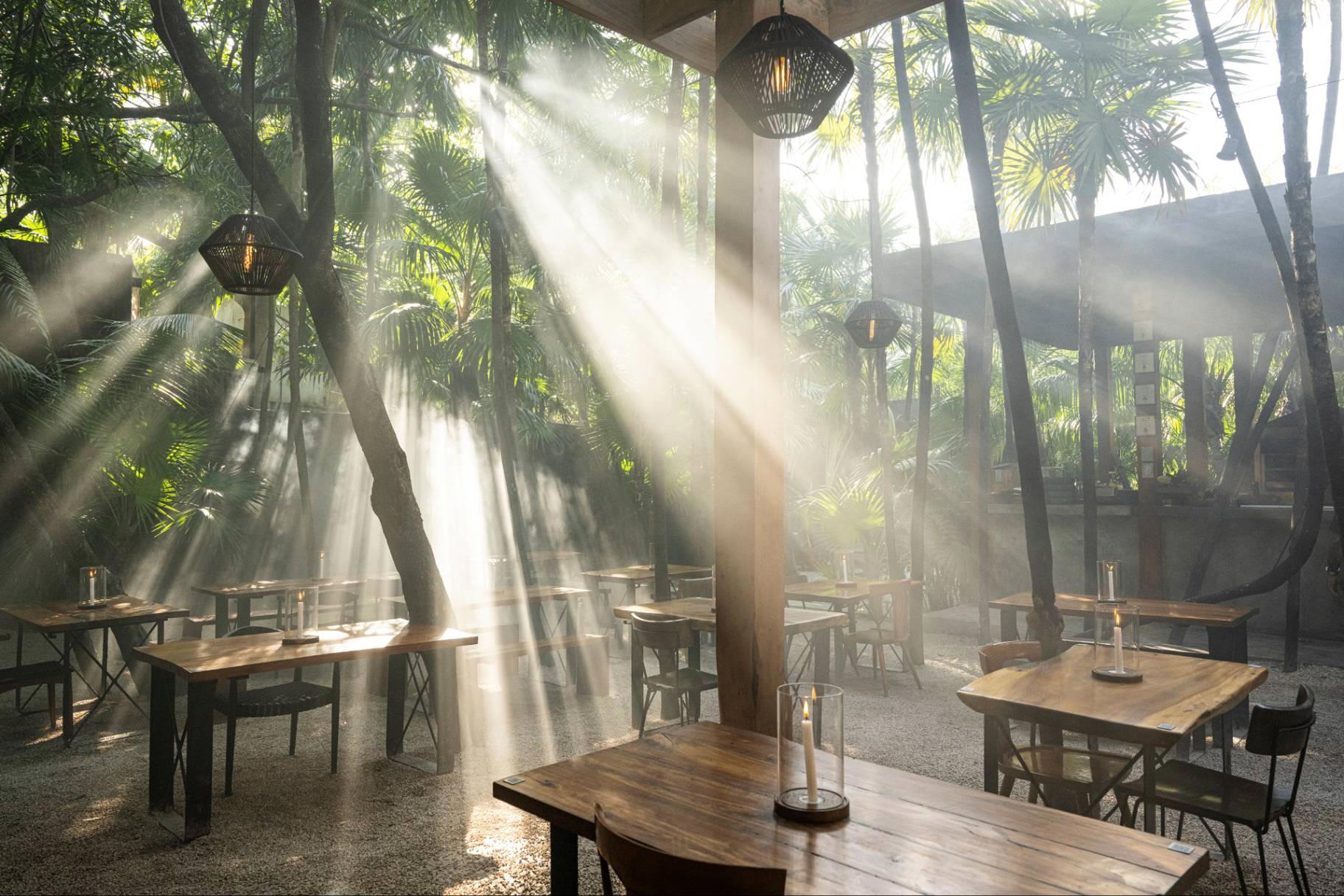
In Tulum's upper design bracket, the physical space is not backdrop — it is the primary offer. The region's most discussed properties share a set of architectural instincts: open structures that allow sea air and ambient sound to move through rooms without obstruction, materials sourced or styled to read as local (palapa roofing, raw wood, hand-applied plaster finishes), and a consistent resistance to the hard edges and climate-controlled sealed rooms that define conventional resort architecture further up the Riviera Maya coast.
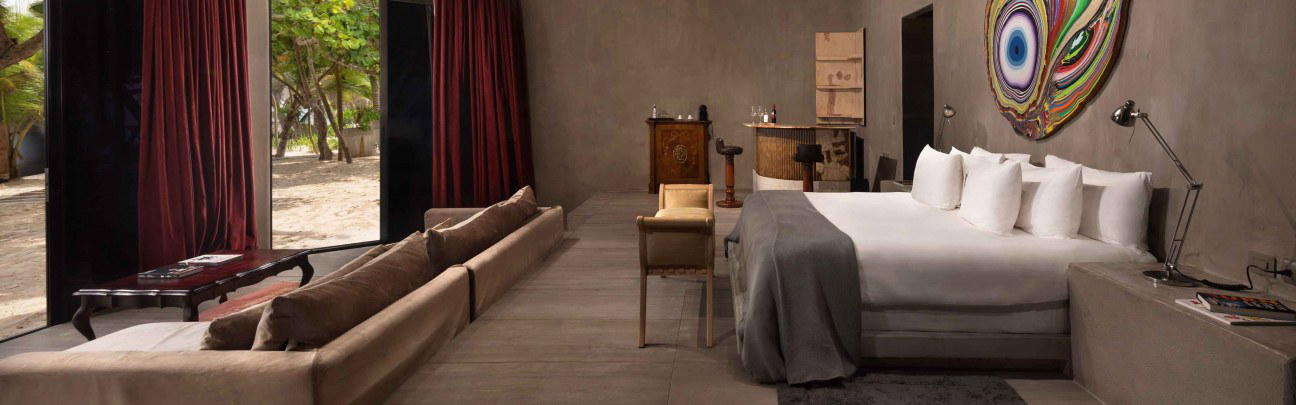
Layla Tulum operates within this framework. The property's design approach aligns with a broader movement in the Yucatán Peninsula that treats the relationship between interior and exterior as the central architectural problem to solve. Properties that do this well — and the Michelin selection suggests Layla has done it with consistency, create an environment where guests experience the jungle-coast setting rather than being insulated from it. This is a meaningfully different proposition from, say, the large-footprint international resort model represented by Alila Mayakoba or the heritage-property approach taken by Maroma in Riviera Maya.
Across Mexico's premium coastal market, the design-led boutique format has become a distinct competitive category. One&Only; Mandarina in Riviera Nayarit and Las Ventanas al Paraíso in San José del Cabo represent the international-brand end of that spectrum, where significant capital underwrites architectural ambition. Tulum's equivalent tier operates with smaller footprints and a more DIY-adjacent sensibility, which has proven to be its defining appeal for a specific traveller profile.
Tulum Context: What the Hotel Zone Delivers
The hotel zone strip has matured considerably from its earlier identity as a collection of bohemian beach shacks. Infrastructure has improved, pricing has shifted decisively upmarket, and the arrival of external recognition frameworks like Michelin's hotel guide has formalised what was previously understood only through word-of-mouth hierarchies. Properties like Hotel Esencia, BE Destination Tulum, and Aldea Canzul have each contributed to raising the visible standard for what a considered small hotel in this town can be.
For visitors approaching Tulum for the first time, the hotel zone's geography matters. The strip sits roughly five kilometres south of Tulum pueblo, the town centre where most local restaurants and services concentrate. Getting between the two typically requires a car, taxi, or bicycle, and that logistical reality shapes the rhythm of a stay. Properties that build strong on-site food and drink programmes, something several in the design tier have prioritised, tend to serve guests better in this respect. Our full Tulum restaurants guide covers the broader dining context across both zones.
The environmental conversation around Tulum's hotel zone is also impossible to ignore for any traveller paying attention. Development pressure, cenote proximity, and wastewater infrastructure have been subjects of sustained scrutiny. Properties that have pursued lower-density development and natural-material construction, as the design-led tier generally has, sit in a somewhat more defensible position within that debate, though no property in the zone operates without impact. Amansala Resort and Ana y José Hotel and Spa are among the longer-established names that have had to reckon with the same pressures.
Placing Layla in a Wider Mexican Context
For travellers building a multi-stop Mexican itinerary, Tulum's boutique tier connects to a broader set of design-conscious properties across the country. Chablé Yucatán near Mérida operates a similar low-density, architecture-first model in an inland jungle setting. Playa Viva in Juluchuca takes the ecological commitment further on the Pacific coast. Xinalani in Quimixto applies a comparable open-structure philosophy to a boat-access bay in Jalisco. Each represents a version of the same underlying premise: that a small, deliberately designed property with a strong sense of place can compete credibly against larger, better-capitalised resorts by offering something those resorts cannot replicate at scale.
At the higher end of Mexico's coastal market, the contrast sharpens. Montage Los Cabos and Zadun, A Ritz-Carlton Reserve represent what capital-intensive international branding produces in the Los Cabos market. Layla Tulum operates in a different register entirely, and that difference is partly a function of geography and partly a deliberate positioning choice that the Michelin selection confirms has been executed with measurable quality.
For those cross-referencing against international boutique benchmarks, Casa Maria Luigia in Modena and Hotel Bel-Air in Los Angeles represent the kind of curated-residence hotel format that the Tulum design tier aspires to in its own idiom. Domestically, Casa Polanco in Mexico City and Las Alamandas in Costalegre occupy comparable positions within Mexico's boutique hierarchy. Palmaïa in Playa del Carmen and Casa Silencio in Oaxaca each take different approaches to the same problem of building a singular property identity in Mexico's crowded premium market. Four Seasons Punta Mita and The Fifth Avenue Hotel in New York complete a useful cross-reference for travellers calibrating expectations across property types before committing to a stay.
Planning a Stay
Layla Tulum's address on Calle Centauro Sur Neptuno Ote places it in the hotel zone, accessible from Tulum town by a short drive. The Michelin Selected status, confirmed for 2025, provides a booking-confidence signal that the property has met consistent quality thresholds. Given the hotel zone's increasing popularity among travellers who have moved past the backpacker phase of Tulum's history, advance booking is sensible for peak periods, particularly December through April when Caribbean-facing properties along this corridor fill quickly. Website and phone contact details are leading sourced directly through current booking platforms, as these can shift with seasonal management arrangements common in this market.
How Layla Tulum compares with similar nearby venues.
| Venue | Awards |
|---|---|
| Layla Tulum | MICHELIN Guide, Hotels Selected (2025) |
Recognition history
Dated appearances from independent guides and award organizations, with the underlying list record or original source where available.
Michelin Selected
Michelin
Continue exploring
More in Tulum
Hotels in Tulum
Browse all →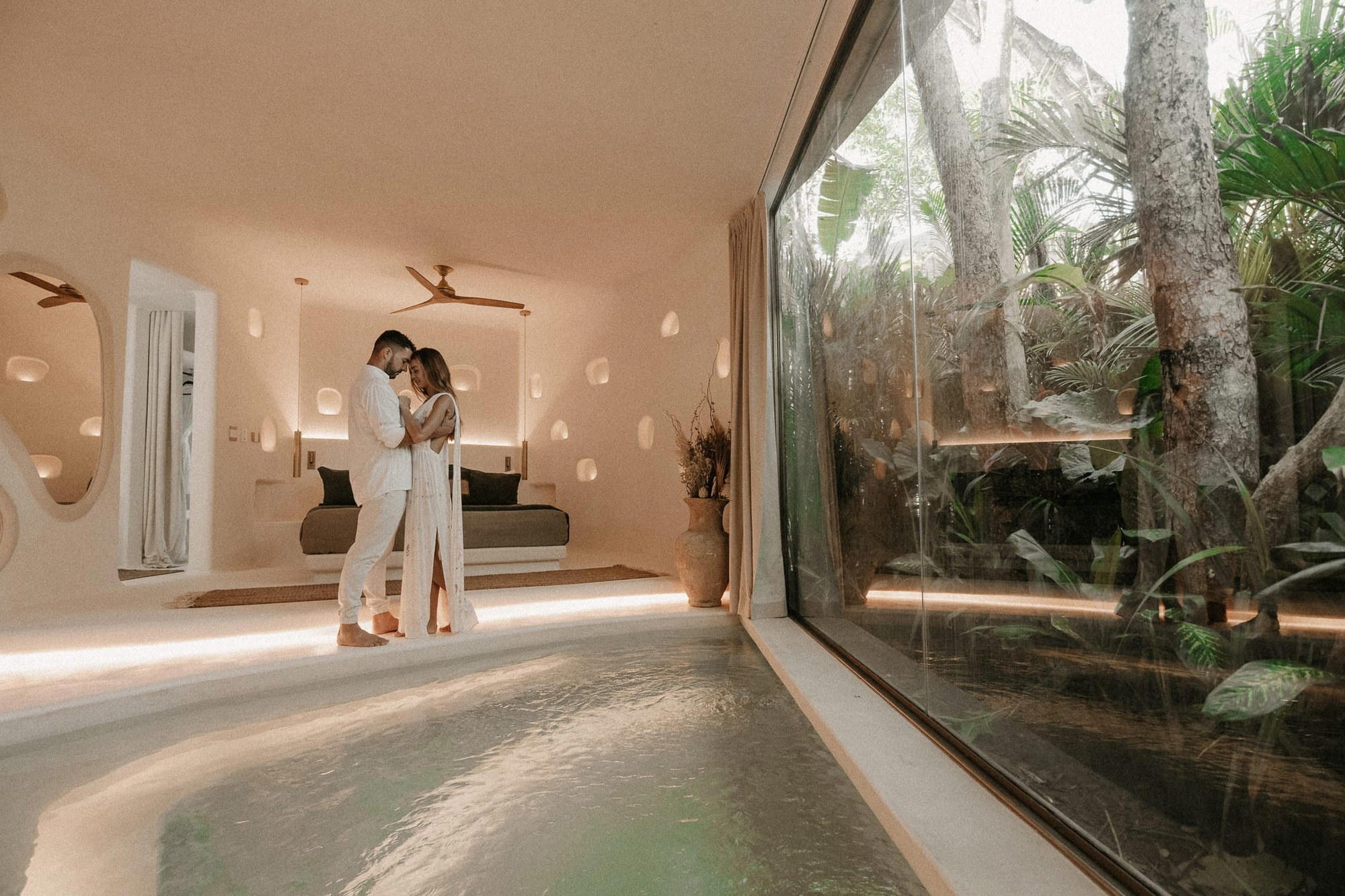
Bars in Tulum
Browse all →
Restaurants in Tulum
Browse all →
At a Glance
- Romantic
- Elegant
- Intimate
- Bohemian
- Trendy
- Honeymoon
- Romantic Getaway
- Wellness Retreat
- Anniversary
- Weekend Escape
- Rooftop Pool
- Pool
- Spa
- Elevator
- Wi Fi
- Restaurant
- Pool
- Spa
- Elevator
- Wi Fi
- Restaurant
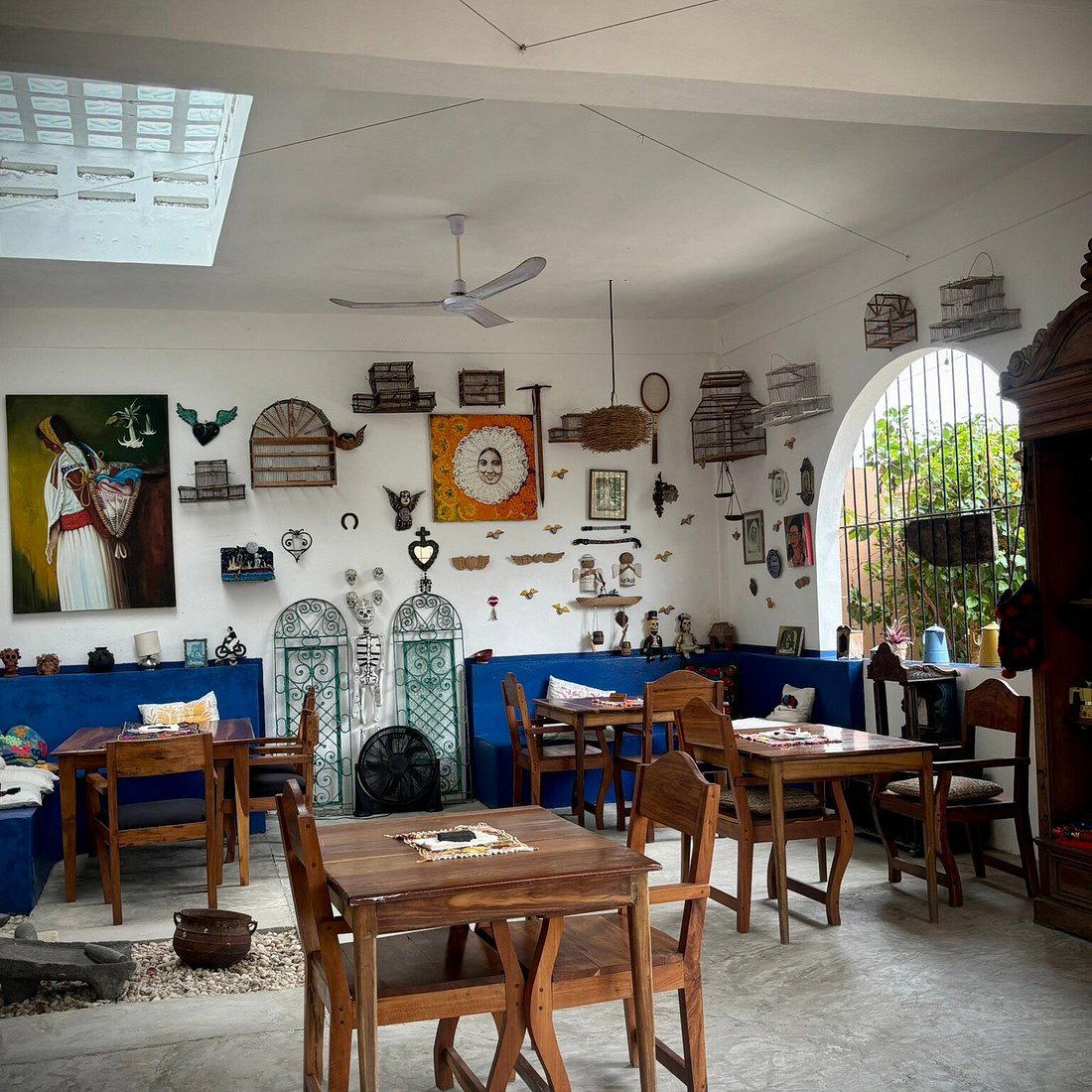
Tranquil courtyard oasis with intricate tilework, artisan lanterns, and serene Moroccan-Mexican fusion atmosphere.
Know Before You Go
- Getting there
- C. Centauro Sur Lote 13, entre Venus Oriente y Neptuno Oriente, Tulum Centro, 77760 Tulum, Q.R., Mexico