
Along the Cobà road, away from Tulum's hotel strip, Cetli holds a 2025 Michelin Bib Gourmand for its Mayan-rooted cooking under Chef Claudia Perez Rivas. The dining room's white walls and antiques set a rustic, unhurried tone. At the mid-range price point, it sits in a different register from Tulum's high-concept $$$ operators, making it one of the more substantive value propositions on the peninsula.
Pearl is the En Primeur Club membership app — saves, bookings, and concierge access live there. Same editors, same standards.
- Address
- Carretera 109 Tulum Coba Km 2.5, Villas Tulum, 77760 Tulum, Q.R., Mexico
- Phone
- +52 984 108 0681
- Website
- cetlitulum.com
- Directions
- Get directions
 Saves & bookings on Pearl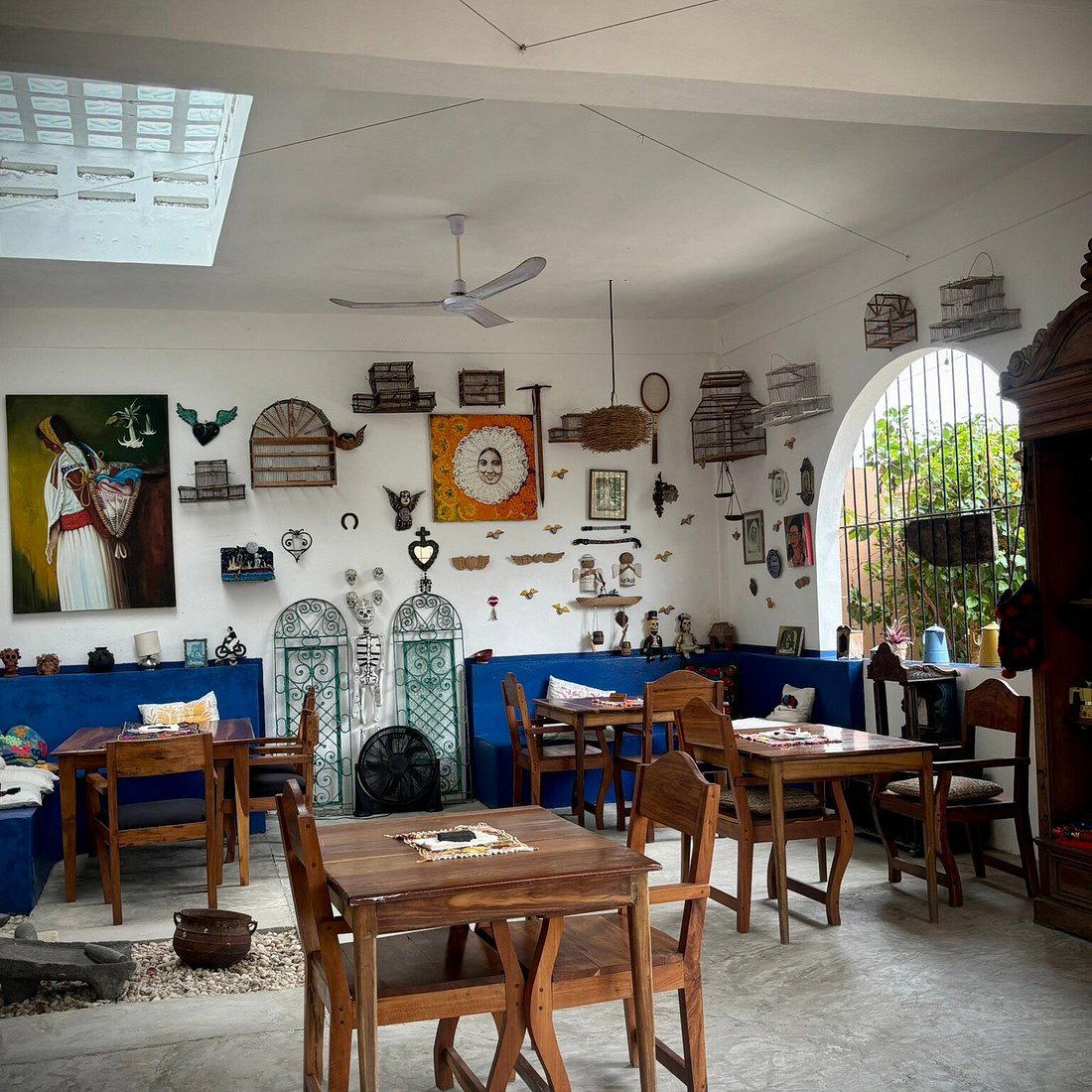
Off the Strip, on the Cobà Road
Tulum's restaurant scene has split sharply into two camps: a dense cluster of concept-heavy, high-price venues aimed at the hotel corridor crowd, and a smaller group of places that trade in actual regional cooking, positioned away from the noise. Cetli belongs firmly to the second category. It sits on Carretera 109, the road running toward the ruins of Cobà, past the edge of the tourist concentration. The approach itself signals something different, less curated landscaping, more open road.
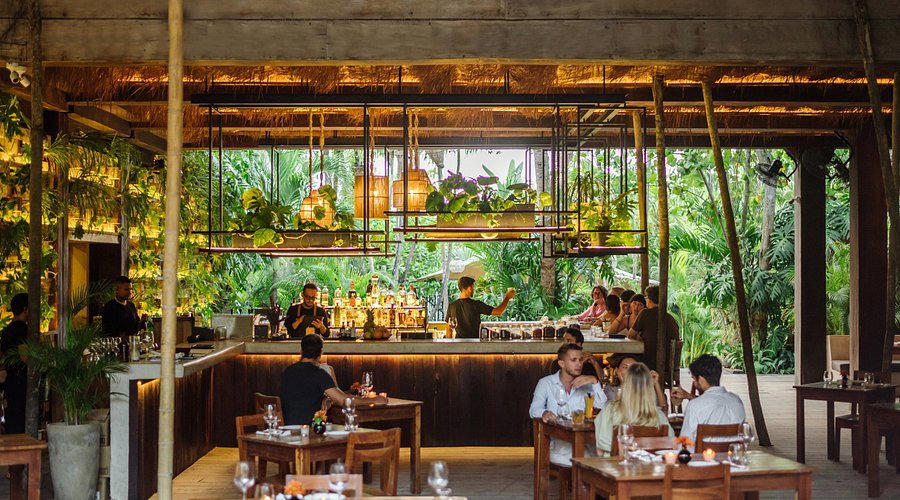
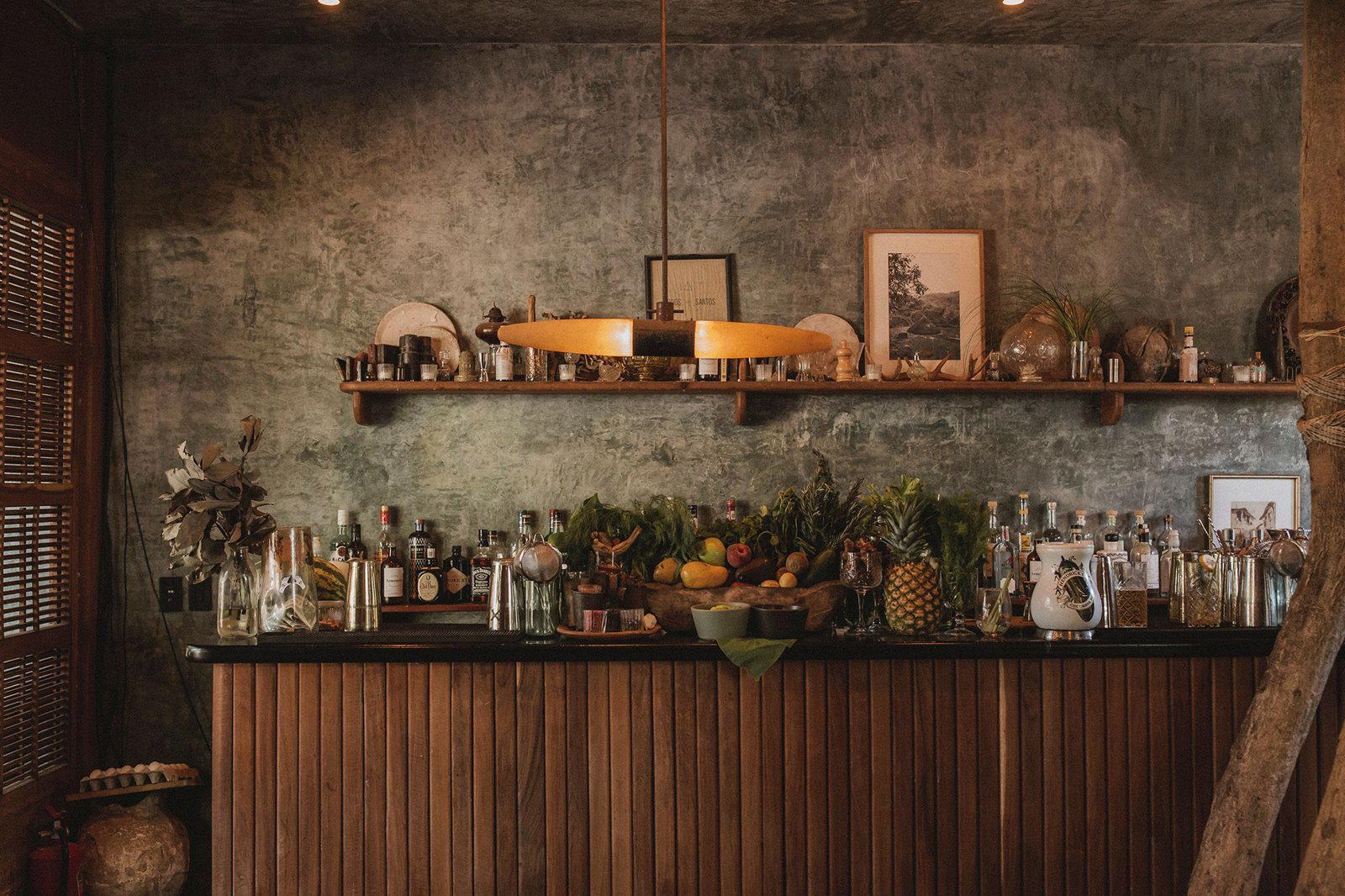
Inside, the room is built around white walls hung with colorful paintings and antiques, grounded by wood tables and chairs that give the space a functional, unhurried quality. There is no performance here, no theatrical plating station visible from the dining room. The atmosphere reads as a working Mexican restaurant that happens to cook at a serious level, which is precisely what the Michelin Bib Gourmand designation, awarded in 2025, is designed to recognize: quality without the price escalation that defines Tulum's upper tier.
For planning purposes, Cetli sits at a mid-range price point ($$$), which places it in a different competitive band from Tulum's $$$$ operators like Arca or Autor. The location along the Cobà road means a short drive or taxi from the hotel zone, and it is worth factoring that into any evening plan.
Mayan Cooking as the Reference Point
Mexican fine dining on the Yucatan Peninsula has spent the last decade negotiating between international technique and pre-Hispanic culinary reference. Restaurants like Le Chique in Puerto Morelos and HA' in Playa del Carmen approach that tension through modernist frameworks. Cetli takes a different position: the Mayan culinary tradition is not filtered through European technique but presented with generosity and directness as its own sufficient logic.
Chef Chen Ai Hsiung has built the menu around meat and fish preparations that draw on Mayan ingredient and flavor structures. The istak, a fish fillet cooked in seawater, finished with a white almond mole that carries dark chocolate sauce and sesame seeds alongside a parsley note, represents how that framework operates in practice. The mole is described as not-too-sweet, which matters: Yucatan almond moles can tip saccharine quickly, and restraint here reflects a genuine command of the register. The dish is colorful in the way the room is colorful: unpretentious, direct, rooted.
Across Mexico, the restaurants doing interesting regional work tend to be the ones operating with the least conceptual distance between the cook and the tradition. Levadura de Olla in Oaxaca and KOLI Cocina de Origen in Monterrey occupy similar positions in their respective cities, serious cooking that references a specific regional inheritance rather than a globalized idea of what Mexican food should look like for international visitors. Cetli fits that pattern on the Caribbean coast, and the Bib Gourmand confirms it has reached a level of consistency that places it alongside that national peer group.
At the value end, Taqueria Honorio represents the street-level tier. At the premium end, Arca and Autor set the ceiling. Cetli occupies the mid-section where the Michelin framework tends to find consistent value: ambition proportionate to price, without the overhead that forces menus to reach for drama.
Agave Culture in the Yucatan Context
The editorial angle for Cetli's drinks program is not mezcal in the Oaxacan sense, agave spirits on the peninsula draw from a different regional logic. Yucatan has its own agave tradition, with henequen (Agave fourcroydes) historically central to the economy rather than to spirits production, which means the cocktail and spirits vocabulary at Tulum restaurants tends to pull from Oaxacan mezcal culture as an import rather than a local inheritance.
What that means in practice is that restaurants at Cetli's level in Tulum often curate agave lists that reflect the national artisanal mezcal conversation rather than a hyperlocal one. Producers from Oaxaca, Durango, and Guerrero have established a premium tier of ensamble and single-varietal expressions that serious Mexican restaurants are increasingly stocking alongside or in place of tequila. Its positioning, a genuine regional cooking program at a price point that rewards locals and informed travelers, suggests a drinks approach calibrated to the food rather than to resort-market cocktail formulas.
How Cetli Compares on the Peninsula
The Yucatan Peninsula's restaurant category has grown in complexity since the Michelin Guide began covering Mexico. Cetli's Bib Gourmand places it in a recognized quality tier that sits just below star level but above the general market, a designation that rewards the kind of cooking that doesn't require the diner to pay for spectacle. Among the restaurants that hold Michelin recognition across Mexico, the Bib Gourmand category has consistently identified places where the regional identity of the food is intact rather than processed through a hospitality-industry filter.
Compared to Tulum's highest-concept venues, Cetli offers a more direct relationship with its culinary reference. Compared to Taqueria Honorio at the informal end of the market, it offers structured cooking with formal recognition behind it. Kitchen Table Tulum and Casa Banana represent other mid-register options in Tulum.
Internationally, the Mayan cooking tradition Cetli operates within has been brought to wider attention through restaurants like Pujol in Mexico City, which made pre-Hispanic ingredient culture a central part of its identity at the fine dining level. Cetli is not working at that scale or price, but it shares the underlying conviction that Mexican culinary history is material enough to anchor a serious restaurant program without needing European scaffolding. Animalón in Valle de Guadalupe demonstrates a similar regionalist commitment in Baja California's wine country context.
Mayan-reference cooking of this seriousness is not readily available in major US cities. Alma Fonda Fina in Denver and Cariño in Chicago represent Mexican cooking at a high level in the US, but they operate within different regional references. Cetli's specificity to the Yucatan and Mayan tradition is not something that translates easily across borders.
Planning a Visit
Cetli is on Carretera 109 Tulum Cobà at Km 2.5, in the Villas Tulum area, a short taxi ride from the hotel zone, and clearly outside the pedestrian-friendly restaurant clusters of Tulum town and the beach road. That distance is the point: the location keeps the room from filling with walk-in resort traffic and maintains a clientele that has made a deliberate decision to be there.
The pricing at $$ means a full dinner for two with drinks should remain well below the threshold set by the zone's $$$$ venues. No phone number or website is available in confirmed data, so one reliable approach is to visit in person to book, or to ask locally about current reservation practice. Hours are not confirmed. Given the location and the Michelin recognition, evening visits are likely to see the room at capacity, particularly during peak travel periods in the Yucatan, which run from December through April.
At a Glance
Comparable venues nearby, for context on price, style, and recognition.
| Venue | Cuisine | Price |
|---|---|---|
| CetliThis venue — the venue you are viewing | Mexican | $$$ |
| Nü Tulum | Tulum, Contemporary Mexican | $$$$ |
| Autor | Tulkal, Contemporary Mexican Fine Dining | $$$$ |
| Mateos Mexican Grill | Tulum, Traditional Mexican Beach Grill | $$ |
| Posada Margherita | Tulum, Traditional Italian Beachfront | $$$ |
| Casa Banana | Tulum, Argentinian Wood-Fired Steakhouse | $$$ |
Recognition history
Dated appearances from independent guides and award organizations, with the underlying list record or original source where available.
Michelin Bib Gourmand
Michelin
Michelin Bib Gourmand
Michelin
Michelin Bib Gourmand
Michelin








At a Glance
- Cozy
- Rustic
- Elegant
- Intimate
- Date Night
- Special Occasion
- Open Kitchen
- Craft Cocktails
Current opening hours
- Monday
- 7 AM–10 PM
- Tuesday
- 7 AM–10 PM
- Wednesday
- Closed
- Thursday
- 7 AM–10 PM
- Friday
- 7 AM–10 PM
- Saturday
- 7 AM–10 PM
- Sunday
- 7 AM–10 PM
Hours can change for holidays and private events. Last verified .
Cozy and homey atmosphere with colorful folk art, antiques, religious symbols, and a quiet, relaxed setting that feels like dining in a charming Mexican home.