Our verdict
On Tulum's beach road at Km. 7, Gitano occupies the looser, more hedonistic end of the strip's dining spectrum, where a jungle-meets-beach setting frames a menu built around mezcal, tropical produce, and wood-fire cooking. The crowd skews international and the evenings run long. It sits in a different register from Tulum's more austere fine-dining rooms, trading precision for atmosphere and accessibility.

Pearl is the En Primeur Club membership app — saves, bookings, and concierge access live there. Same editors, same standards.
- Address
- Beach Road, Km. 7, Tulum Beach, 77710 Tulum, Q.R., Mexico
- Phone
- +52-984-449-9260
- Hours
- Daily 6 PM–1 AM
- Website
- gitano.com
- Directions
- Get directions
- Booking
- Book on SevenRooms
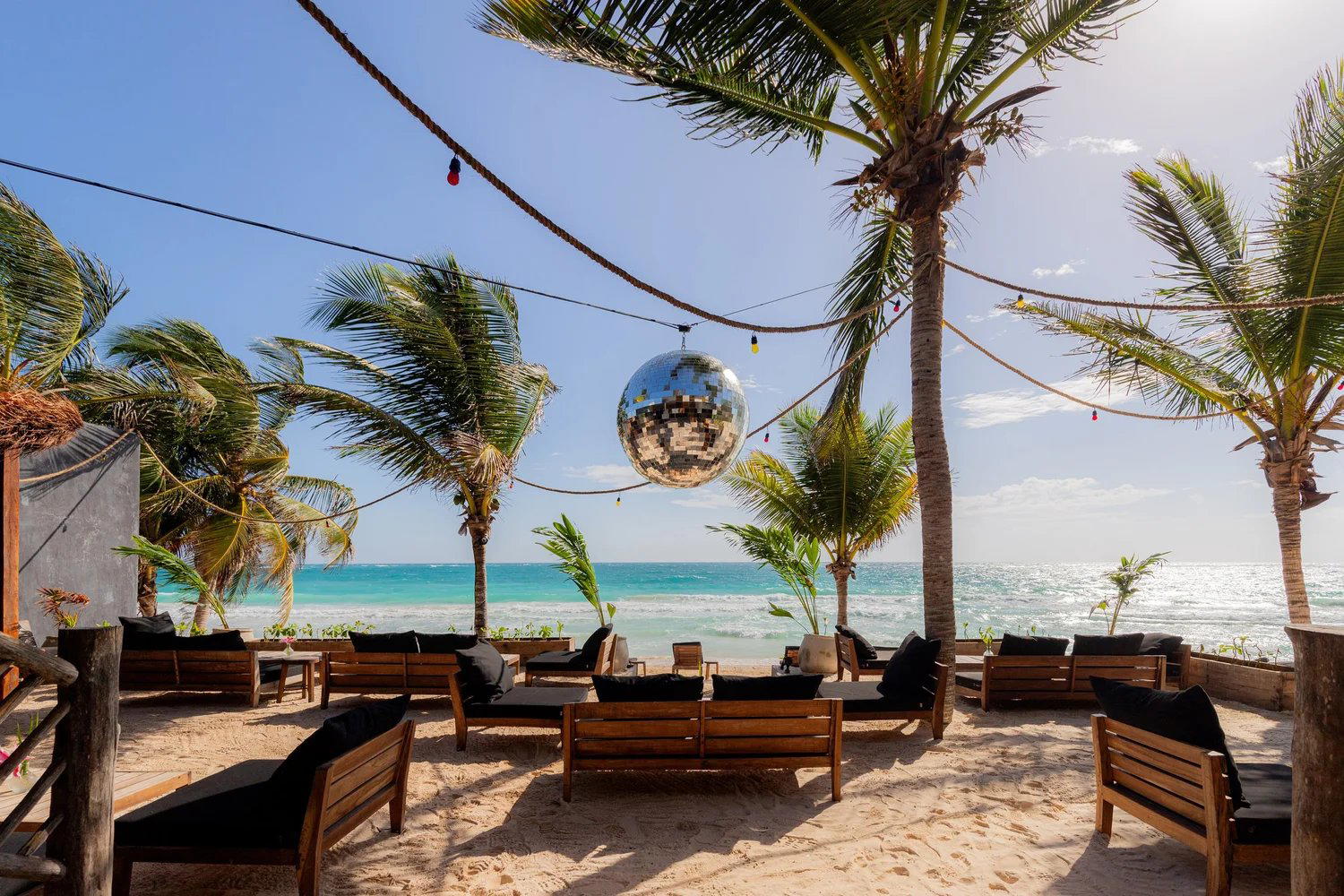
Jungle Bar, Beach Setting, Mezcal Logic
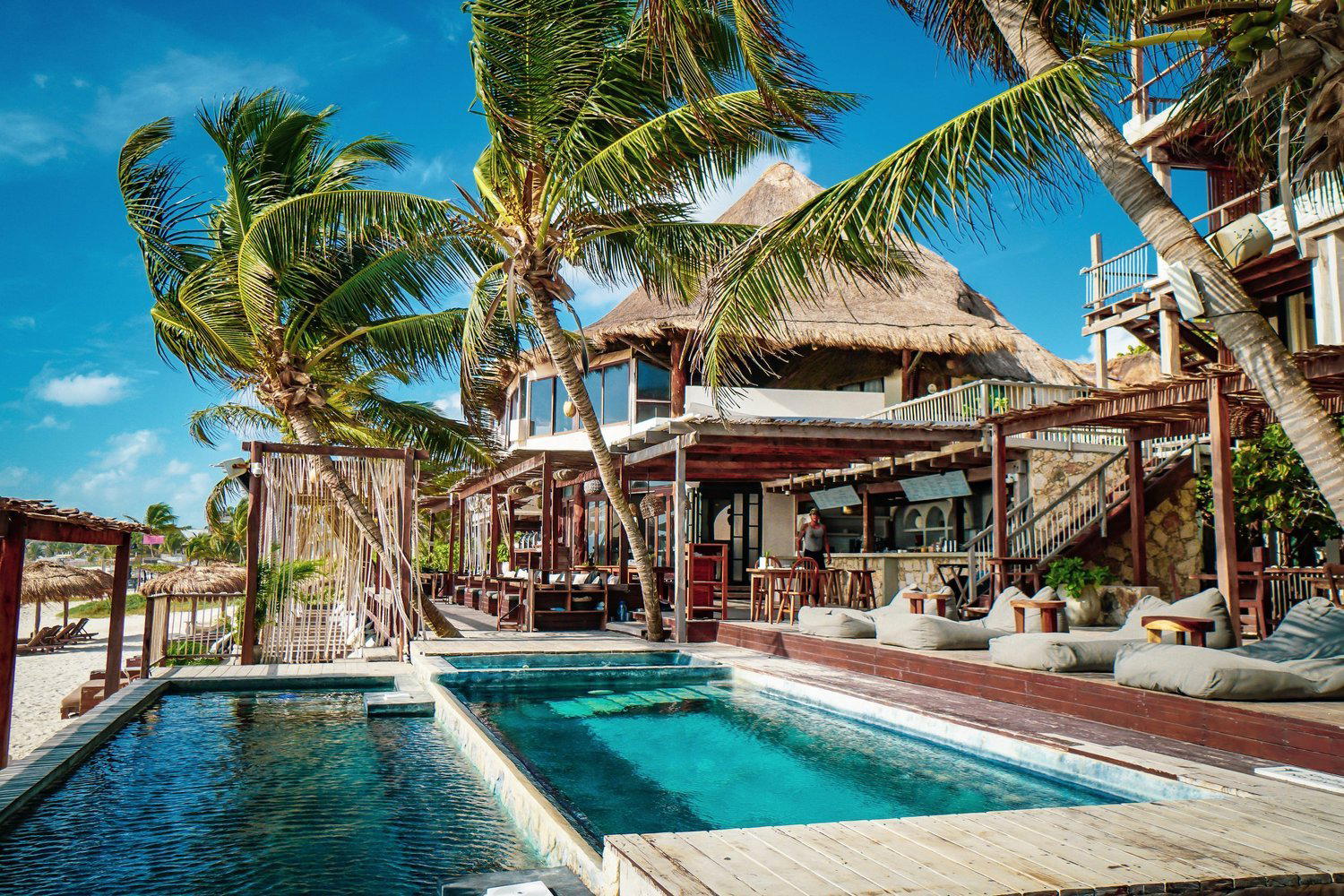
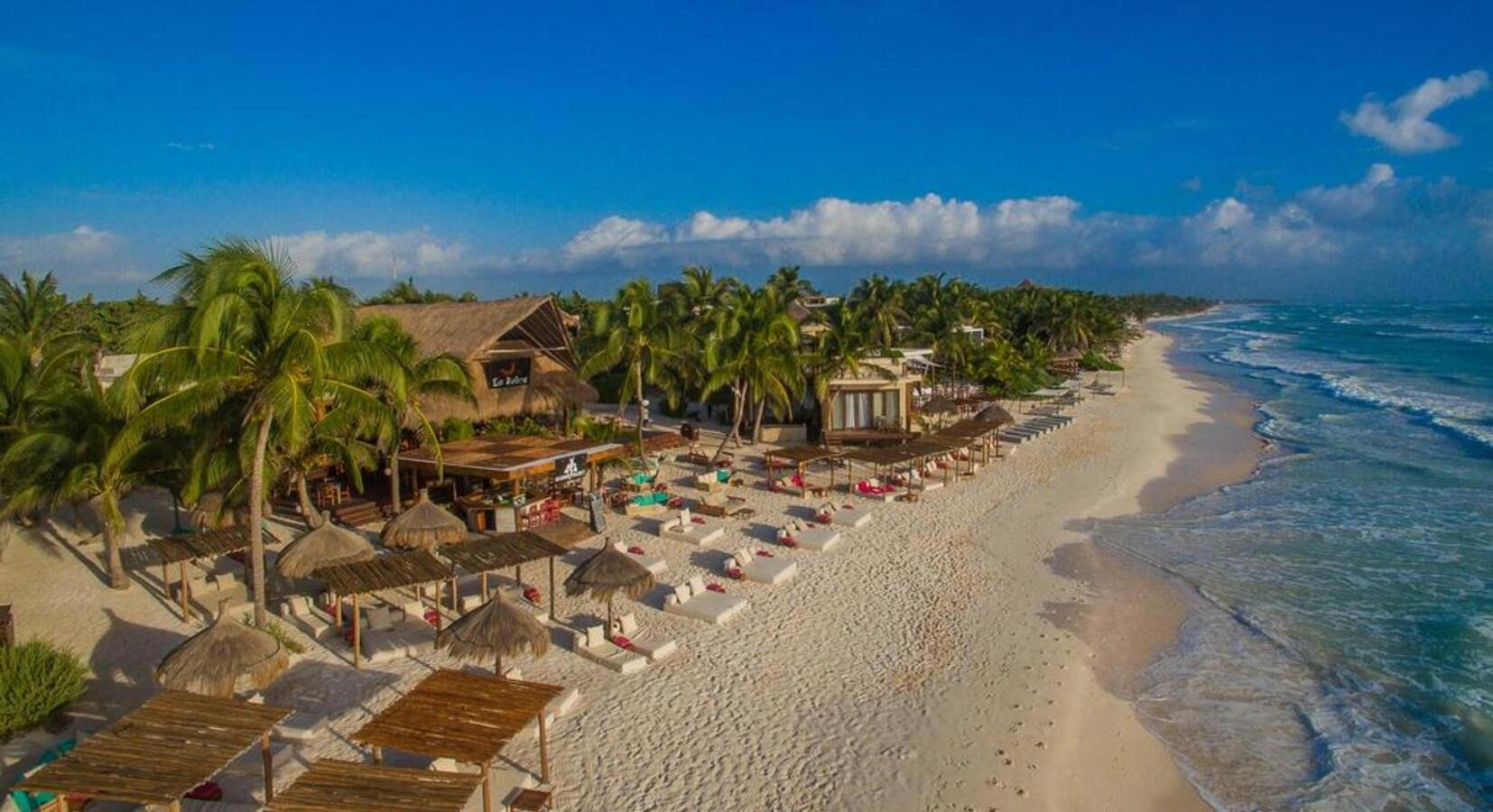
Tulum's beach road has developed a clear internal hierarchy over the past decade. At one end sit the austere, reservation-only rooms with tasting menus and wine pairings drawing comparisons to what Pujol in Mexico City represents for Mexican fine dining: a place where the kitchen's ambition is the main event. At the other end, a looser category of venues has emerged, one where the setting, the soundtrack, and the social ritual carry as much weight as anything arriving on a plate. Gitano, at Beach Road Km. 7, belongs firmly to the second category, and it makes no apology for that positioning.
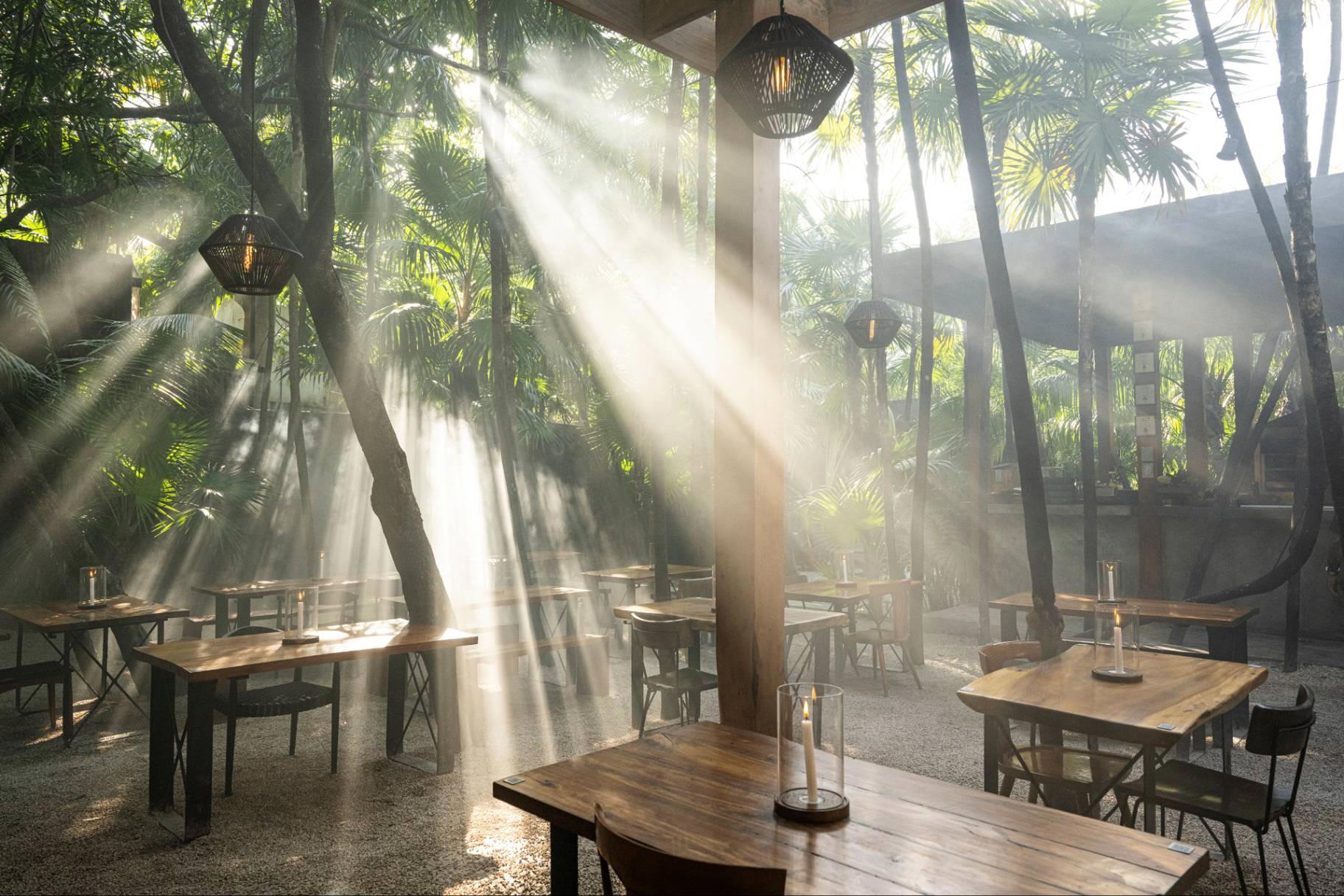
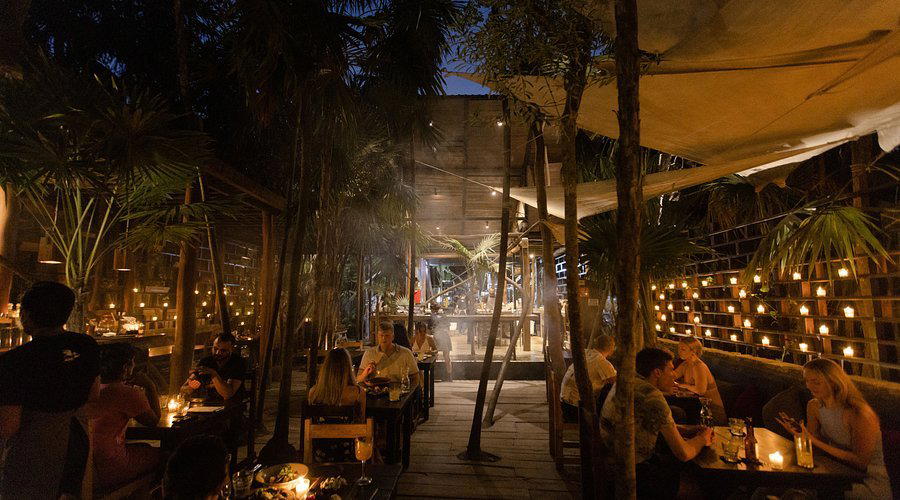
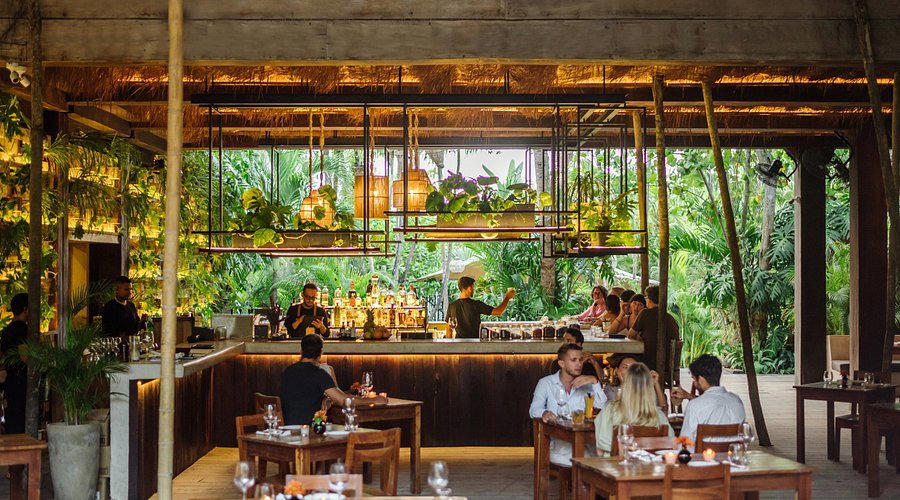
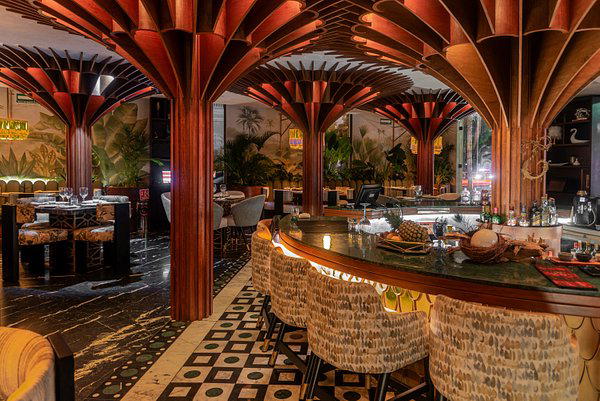
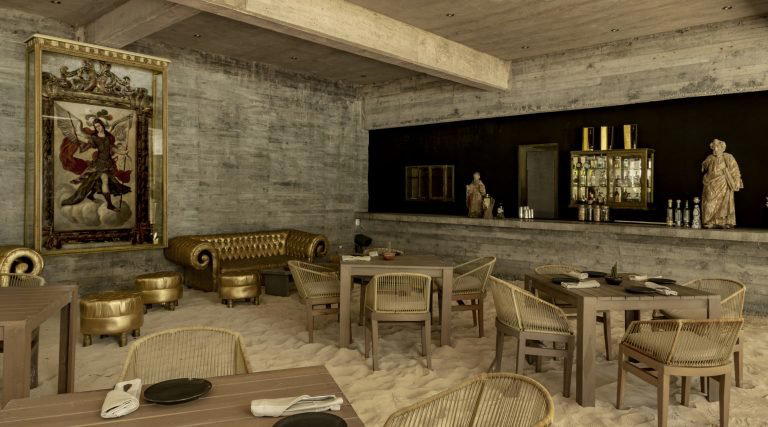
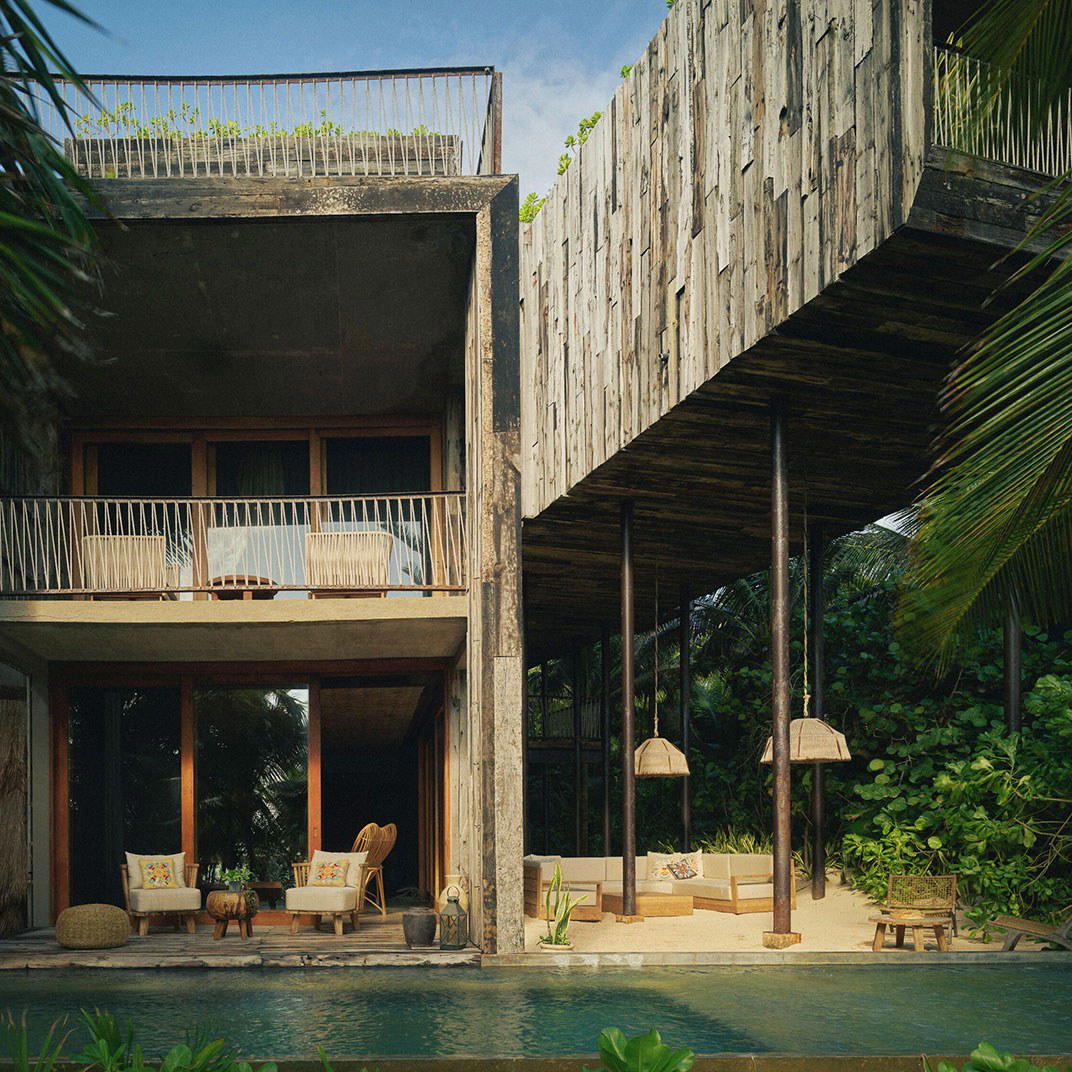
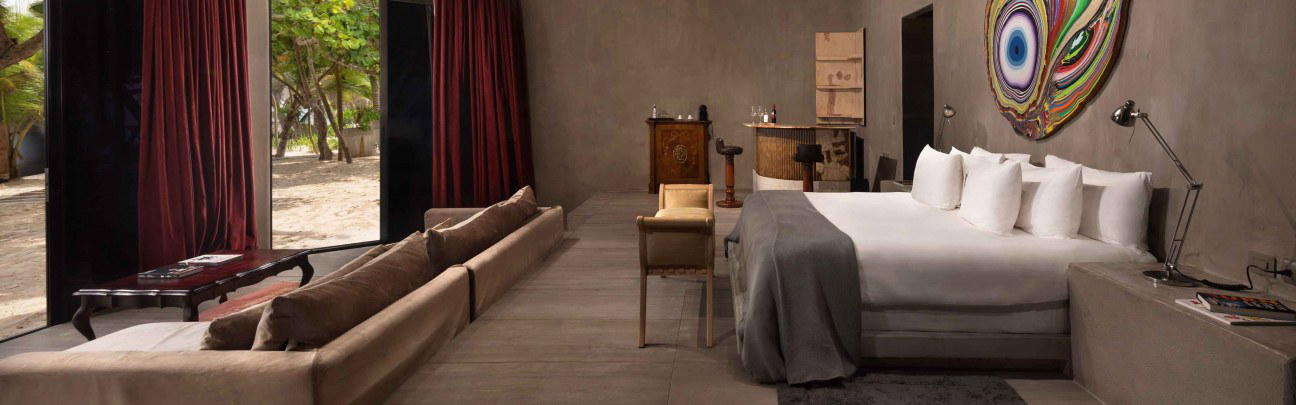
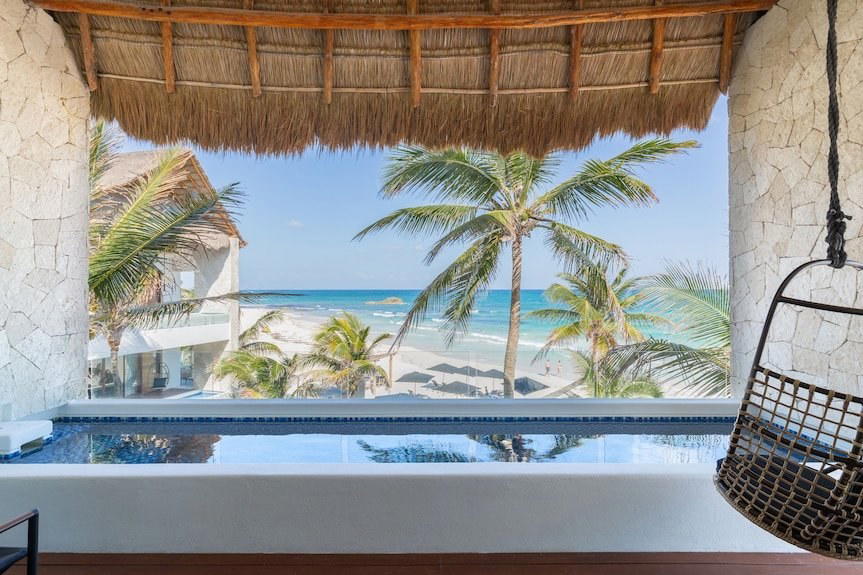
The property reads as a produced environment: jungle canopy overhead, open-air structure, low lighting that softens at dusk into something closer to candlelight, and a bar program that treats mezcal with the same seriousness that a tasting-menu room might apply to its wine list. This is the architectural grammar of a venue that understands its clientele comes to stay for three hours, not ninety minutes.
How the Menu Is Built, and What That Signals
Gitano's menu follows a logic that has become increasingly common in beach-destination dining across the Yucatán Peninsula: structure it for sharing, anchor it in local and regional produce, keep the format loose enough that a table can eat lightly or substantially without the kitchen's rhythm breaking. This is not the omakase model, where the chef controls pacing and portion. It is the opposite: a menu that hands control back to the guest.
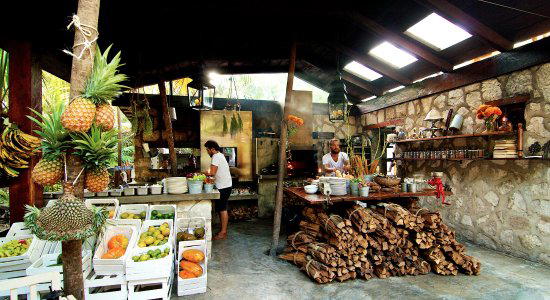
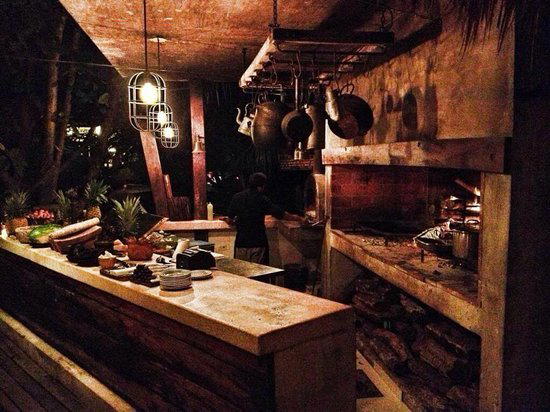
The architecture here is horizontal rather than vertical. Rather than a linear progression from amuse-bouche to dessert, the menu spreads across categories that can be entered at any point, allowing a couple to order two dishes and a cocktail or a larger group to cover a dozen plates across two hours. Wood-fire cooking appears as a consistent technique across categories, a practical and aesthetic choice that gives the kitchen a throughline without forcing a single flavor identity onto every dish.
Contrast this with the more rigidly structured approach at Arca, where Contemporary Mexican principles shape a menu built around specific sourcing relationships and a clearer chef-driven narrative. At Cetli, which occupies the more affordable end of Tulum's Mexican dining spectrum, the structure is also horizontal but rooted in a different tradition, one closer to regional home cooking than to resort-adjacent brasserie. Gitano sits between those poles in terms of format, though it occupies a distinct social register from both.
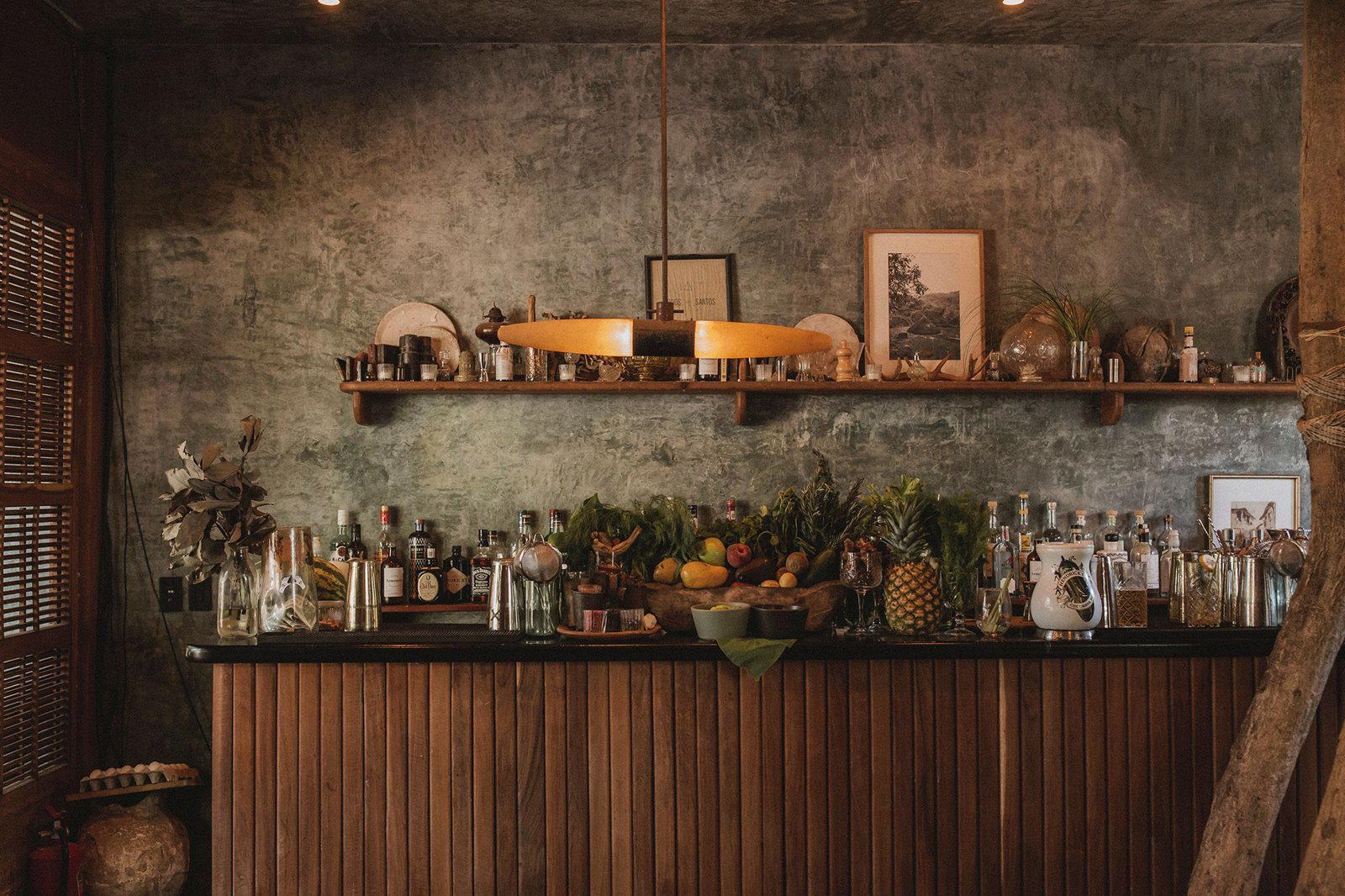
The mezcal-forward bar program deserves separate attention because it functions as a structural pillar of the experience rather than an afterthought. In a destination where tequila cocktails remain the default across most beach clubs, a program that treats mezcal as the primary spirit, building cocktails around its smokiness and regional variation rather than masking it, reflects a deliberate positioning choice. It also aligns Gitano with the broader trend across premium Mexican hospitality, from Animalón in Valle de Guadalupe to Le Chique in Puerto Morelos, of treating Mexican spirits with the same editorial seriousness as European wine.
Where Gitano Sits in Tulum's Current Dining Scene
Tulum has spent the better part of a decade negotiating its identity between wellness retreat, ecological destination, and international party circuit. The dining scene reflects that tension. On one side, places like Autor and Cocina Del Pueblo signal a more considered, locally-anchored approach to what gets cooked and how. On the other, a cluster of beach-road venues operates in an international mode, drawing a crowd that could just as easily be eating in Ibiza or Tulum's equivalent in Southeast Asia.
Gitano occupies the international-mode category, but it does so with enough local ingredient awareness and enough genuine investment in the mezcal program to avoid the category's worst tendencies, which tend toward generic tropical menus that could exist anywhere with palm trees and strong Wi-Fi. The kitchen's use of regional produce and fire-based technique gives the food a sense of place that a purely imported hospitality formula would lack. This matters not just aesthetically but practically: it is why the venue draws a repeat clientele rather than functioning purely as a one-visit check-the-box destination for first-time Tulum visitors.
For a comparative reference point at the more refined end of Mexico's coastal dining, HA' in Playa del Carmen shows how Yucatán-region produce can be treated with greater technical precision. Gitano is not competing in that register. It is making a different argument: that the social experience, the setting, and the bar program are the product, and the food should support that rather than lead it. Within that framework, the approach is coherent.
Broader context from Mexico's fine-dining conversation, including KOLI Cocina de Origen in Monterrey, Levadura de Olla in Oaxaca, and Alcalde in Guadalajara, points toward a national culinary moment where regional identity and technique have never been taken more seriously. Gitano sits outside that conversation by choice, but it benefits from the rising sophistication of the audience that conversation has helped create.
Internationally, the format has parallels with venues like Lazy Bear in San Francisco, which demonstrated how the communal, experience-first model could hold serious appeal alongside technically rigorous alternatives. The specific content differs enormously, but the underlying hospitality logic, prioritizing the experience architecture over the tasting-menu format, connects them.
Planning Your Visit
Gitano sits at Beach Road Km. 7 on Tulum's hotel zone strip. The venue operates as an evening destination; arriving at or after sunset aligns with the rhythm of the space, as the jungle setting and low lighting are less effective in full afternoon sun. Given the venue's profile among international travelers and the Tulum beach road's limited transport options after dark, arranging return transport in advance is practical rather than optional. Reservations are advisable for larger groups; the venue's popularity with the resort-corridor crowd means that walk-in availability is inconsistent during peak season, which runs from December through March and again in July and August. Casa Banana offers a useful contrast if a different register is wanted on the same strip. For a deeper look at how Gitano fits within the full range of Tulum's dining options across formats and price points, the full Tulum restaurants guide maps the scene in detail, alongside entries for Lunario in El Porvenir, Pangea in San Pedro Garza Garcia, and Olivea Farm to Table in Ensenada for those extending travel across Mexico. Internationally, Le Bernardin in New York City represents the opposite end of the format spectrum for readers calibrating against different dining modes.
Frequently asked questions
Is Gitano a family-friendly restaurant?
Gitano is positioned as an evening destination at Beach Road Km. 7, with a jungle bar atmosphere and mezcal-forward drinks program that skews toward an adult crowd after sunset. Younger children would likely find the late-evening pace and ambient energy a mismatch. Families with older teenagers visiting Tulum may find it workable earlier in the evening, but it is not designed around a family dining format.
What should I expect atmosphere-wise at Gitano?
Gitano operates as an open-air venue on Tulum's beach road strip, where the jungle bar concept means low lighting, dense vegetation, and a soundscape that shifts from ambient to more charged as the night advances. The setting at Km. 7 places it within Tulum's hotel zone corridor, which has its own internal rhythm distinct from the town centre. Arriving at or after sunset reflects how the space is intended to be experienced.
How does Gitano fit into the broader Tulum beach road dining scene compared to other venues at Km. 7?
Tulum's beach road has stratified into distinct tiers over the past decade, with austere reservation-only tasting rooms at one end and more casual beach clubs at the other. Gitano occupies the middle ground at Km. 7, combining a structured menu with an identity built around the bar rather than a chef-driven kitchen, which separates it from the tasting menu rooms further along the strip. That positioning makes it function as an evening social venue as much as a restaurant, a format that reflects how international visitors to Tulum increasingly approach the area.
What do people recommend at Gitano?
Gitano's menu is built around a sharing format that has become standard across Yucatán Peninsula beach-destination dining, so ordering across several dishes rather than individual plates is the practical approach. The mezcal program is a through-line for the venue's identity, making cocktails a logical focus rather than an afterthought. Without confirmed current menu specifics, the broader structure of how to approach the meal matters more than any single dish.
Where do I go for Gitano?
Gitano is located at Beach Road, Km. 7, Tulum Beach, 77710 Tulum, Q.R. Mexico, Tulum.
Do I need a reservation for Gitano?
Gitano sits within a Tulum hotel zone that has become increasingly competitive for evening slots, particularly on weekends when the beach road draws a combined dining and nightlife crowd. Booking ahead is advisable for groups or if you have a specific arrival window in mind. Walk-ins may find space earlier in the evening before the venue reaches its operational peak.
Accolades, Compared
Comparable venues nearby, for context on price, style, and recognition.
| Venue | Cuisine | Price | Notes |
|---|---|---|---|
| GitanoThis venue — the venue you are viewing | Modern Mexican | $50–100 | Not listed |
| Noma Mexico | Modern Mexican Fine Dining | Not listed | Tulum |
| Tres Galeones | Mexican Seafood | $20–30 | Tulum |
| Tseen Ja | Japanese Fusion with Local Ingredients | Not listed | Tulum |
| Kin Toh | Modern Global Fusion with Mayan Influences | $150–200 | Tulum |
| Kitchen Table Tulum | Mexican-Caribbean Fusion | $50–100 | Tulum |

Details
- Bohemian
- Trendy
- Lively
- Rustic
- Energetic
- Date Night
- Celebration
- Special Occasion
- Late Night
- Open Kitchen
- Live Music
- Terrace
- Craft Cocktails
- Local Sourcing
- A La Carte
- Small Plates
- Mezcal
- Cocktails
- Vegetarian Friendly
Current opening hours
- Monday
- 6 PM–1 AM
- Tuesday
- 6 PM–1 AM
- Wednesday
- 6 PM–1 AM
- Thursday
- 6 PM–1 AM
- Friday
- 6 PM–1 AM
- Saturday
- 6 PM–1 AM
- Sunday
- 6 PM–1 AM
Hours can change for holidays and private events. Last verified .
Magical jungle oasis with dramatic tropical pathways, seamlessly integrated into lush jungle canopy, featuring wood-fired cooking and lively nightlife energy.