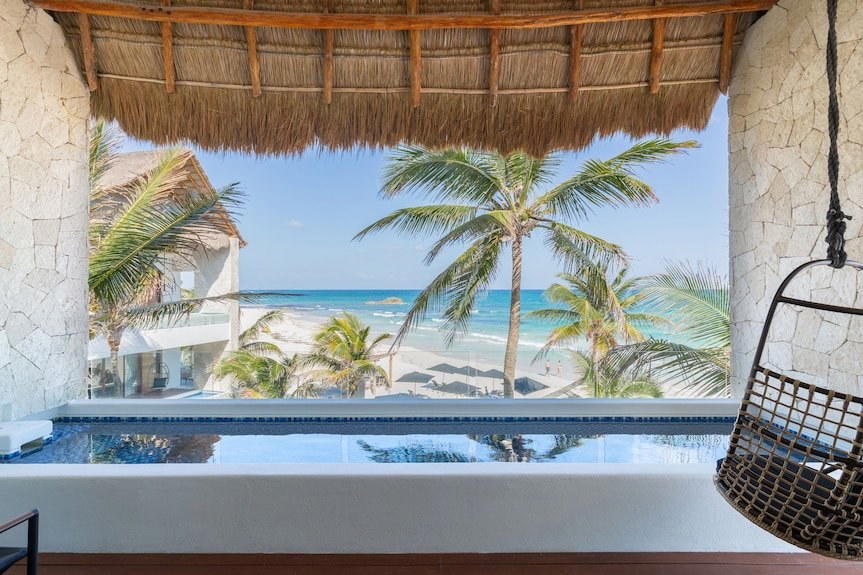
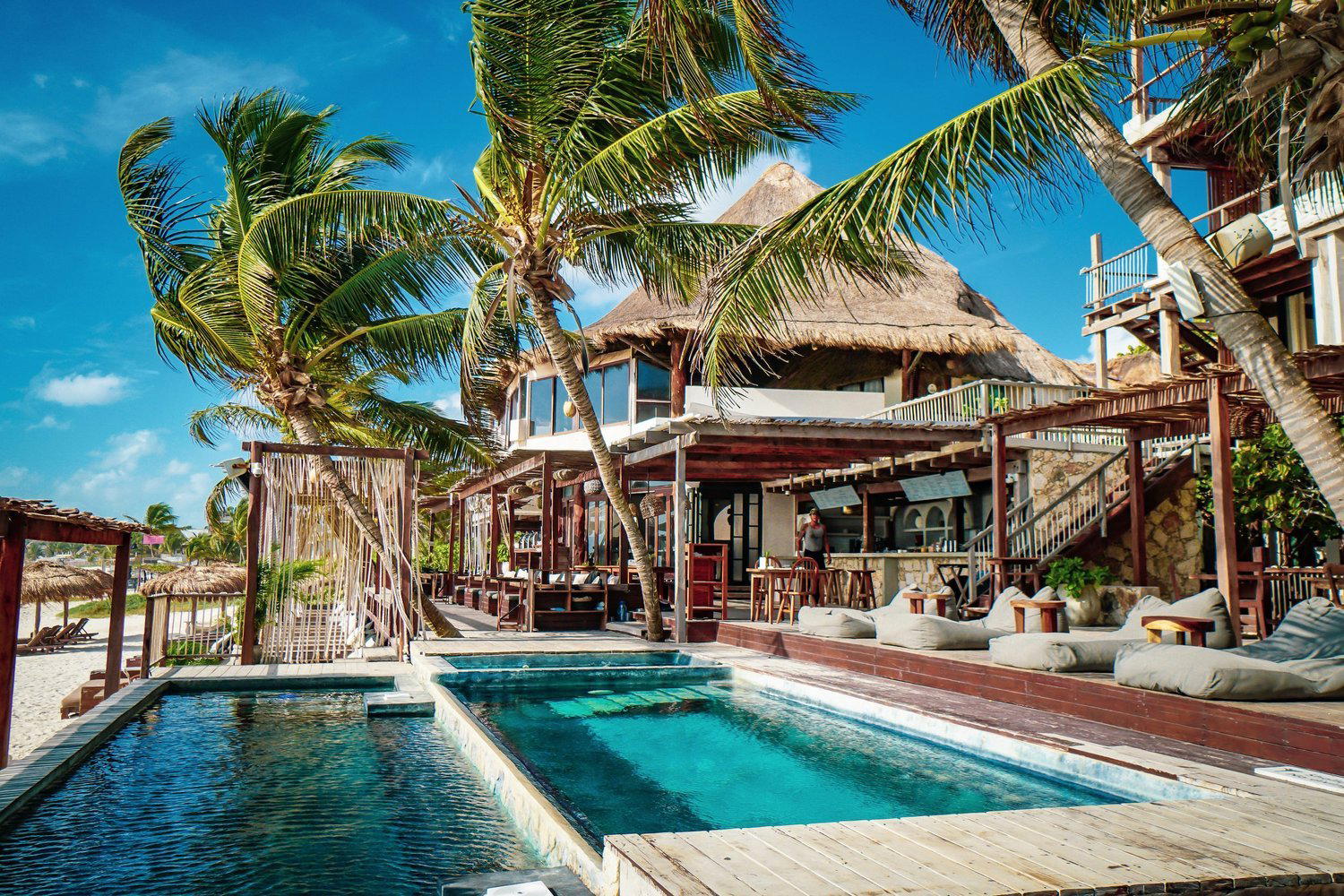
Amansala Resort, Beachclub, and Spa sits on Tulum's Hotel Zone at Carr. Tulum-Boca Paila KM 5.5, positioning it within the zone's quieter southern stretch. The property combines beachfront access, spa programming, and a beach club format that draws both overnight guests and day visitors seeking a structured retreat from the town's busier corridors.

Pearl is the En Primeur Club membership app, where members save venues, book tables and use the concierge.

Where Tulum's Beachfront Strip Gets Quieter
The Hotel Zone road that runs south from Tulum's ruins toward Sian Ka'an thins out considerably past the KM 4 mark. The vendors, the loud sound systems, and the dense hotel clusters give way to longer stretches of dune vegetation and a version of the Caribbean coast that still requires some effort to reach. Amansala Resort, Beachclub, and Spa sits at KM 5.5 on this corridor, which places it inside the Hotel Zone but outside its most compressed northern section. That positioning matters in a destination where the gap between a chaotic strip experience and a composed beachfront retreat can be as short as two kilometers.
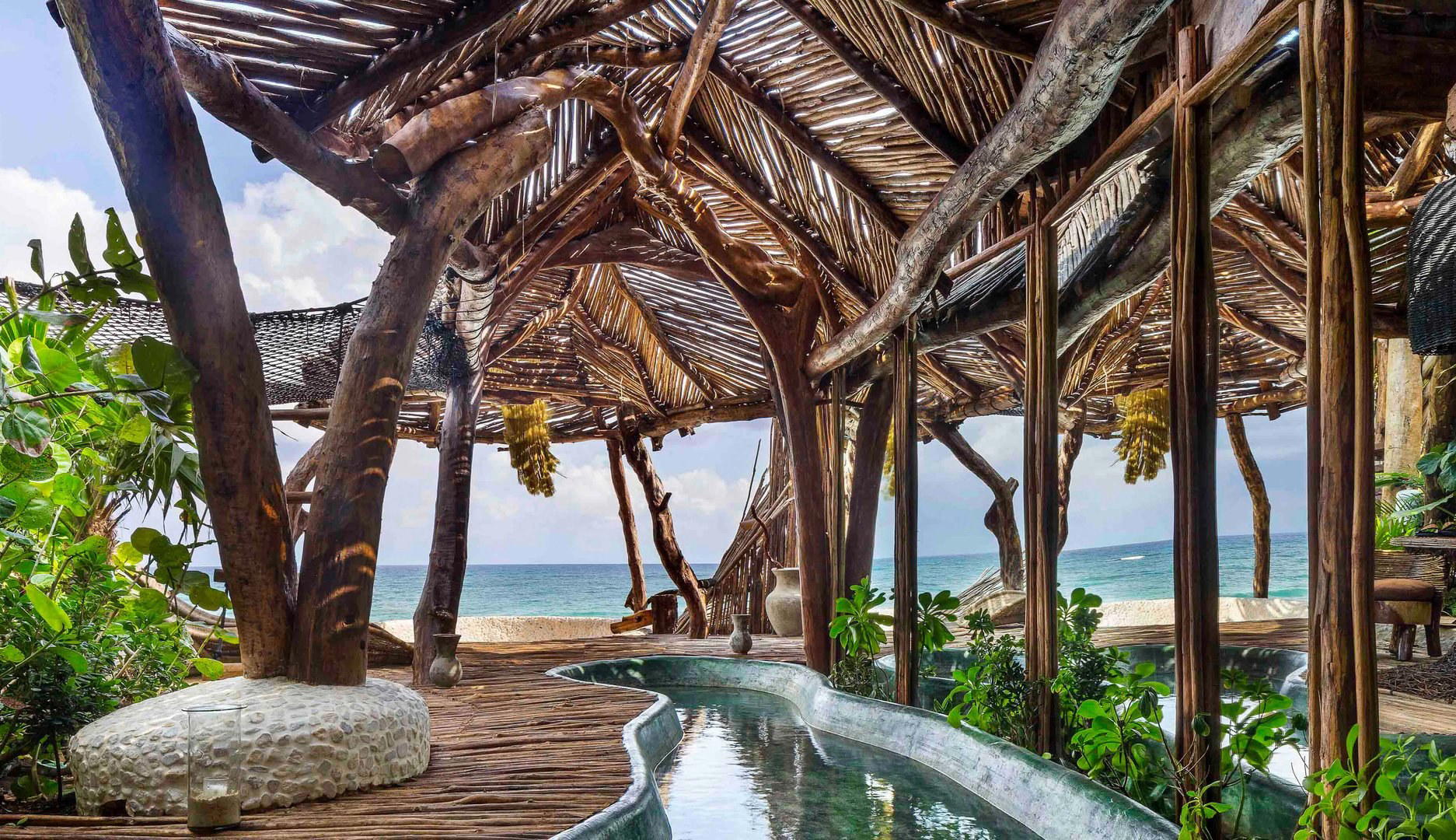
Tulum's luxury accommodation market has bifurcated sharply over the past decade. On one side sit large-format, infrastructure-heavy properties that operate more like international resort brands. On the other sits a smaller cohort of properties that have kept their footprint restrained, leaning into the beach-jungle border that originally drew travelers to this stretch of Quintana Roo. Amansala belongs to the latter category, with a format that integrates beachclub access, spa services, and overnight accommodation into a single property offering rather than compartmentalizing each into a separate revenue stream. That integration is more common at properties in this zone than it once was, but the combination still places Amansala in a different competitive conversation than neighbors that operate only as hotels or only as beach clubs. For comparable properties along this strip, Azulik and Hotel Bardo represent the more design-forward end of the small-footprint tier.
The Beach Club Format and What It Signals
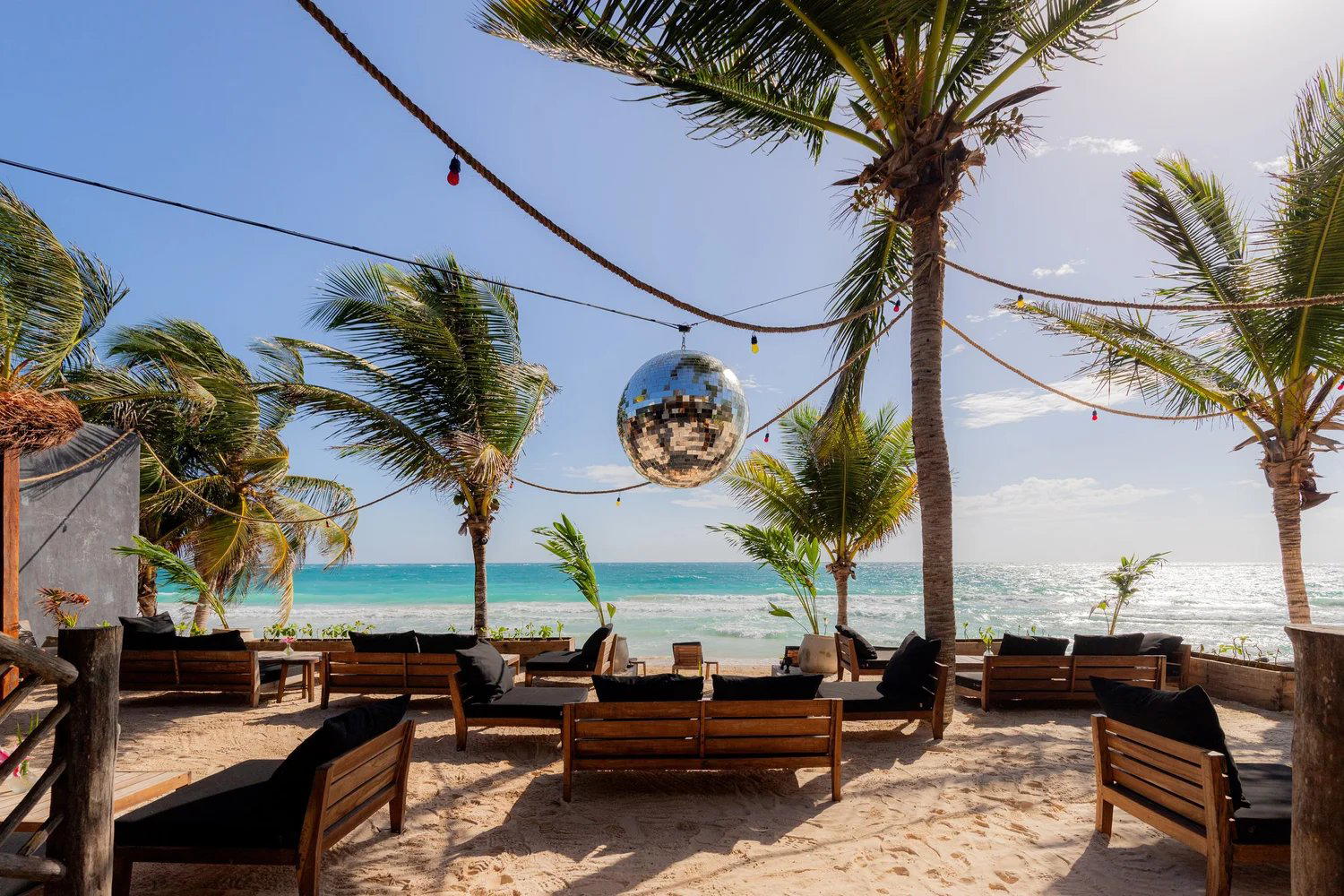
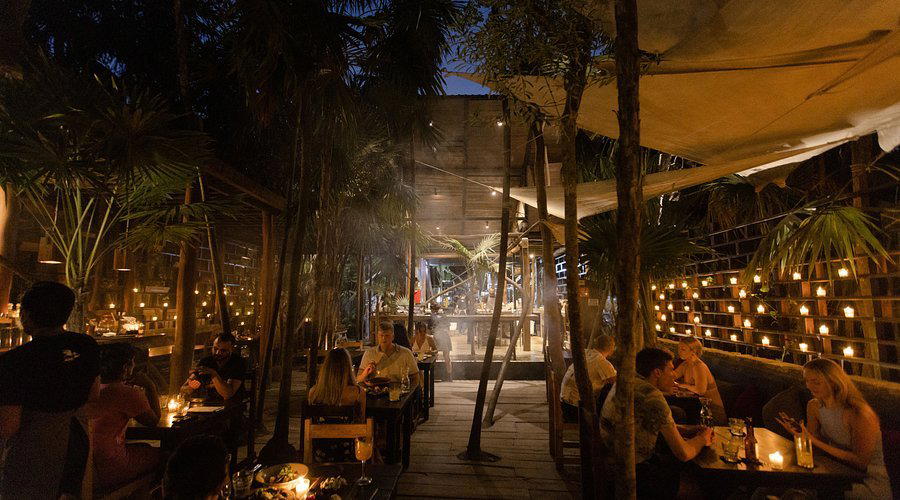
Beach clubs in Tulum operate as their own genre, and understanding where Amansala fits within that genre helps calibrate expectations. The zone has seen its beach club scene grow from a handful of low-key palapa setups into a category that now includes internationally financed operations with reservation systems, minimum spend requirements, and programming that competes directly with nightlife venues. Amansala's model sits apart from that direction. The combination of spa programming and beachclub access within a resort frame suggests an orientation toward wellness and decompression rather than spectacle, which is a meaningful distinction along a strip that has increasingly tilted toward the performative.
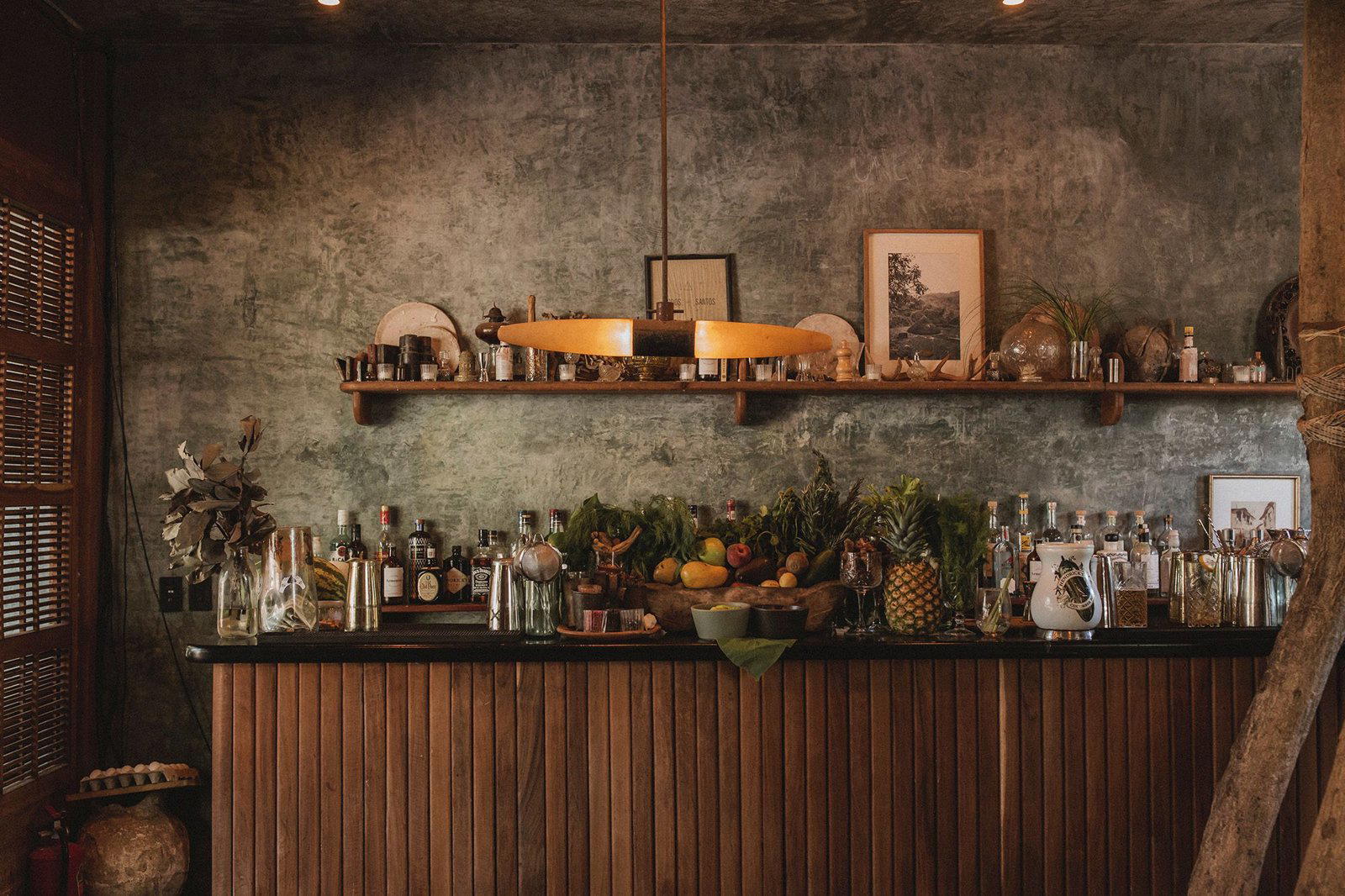
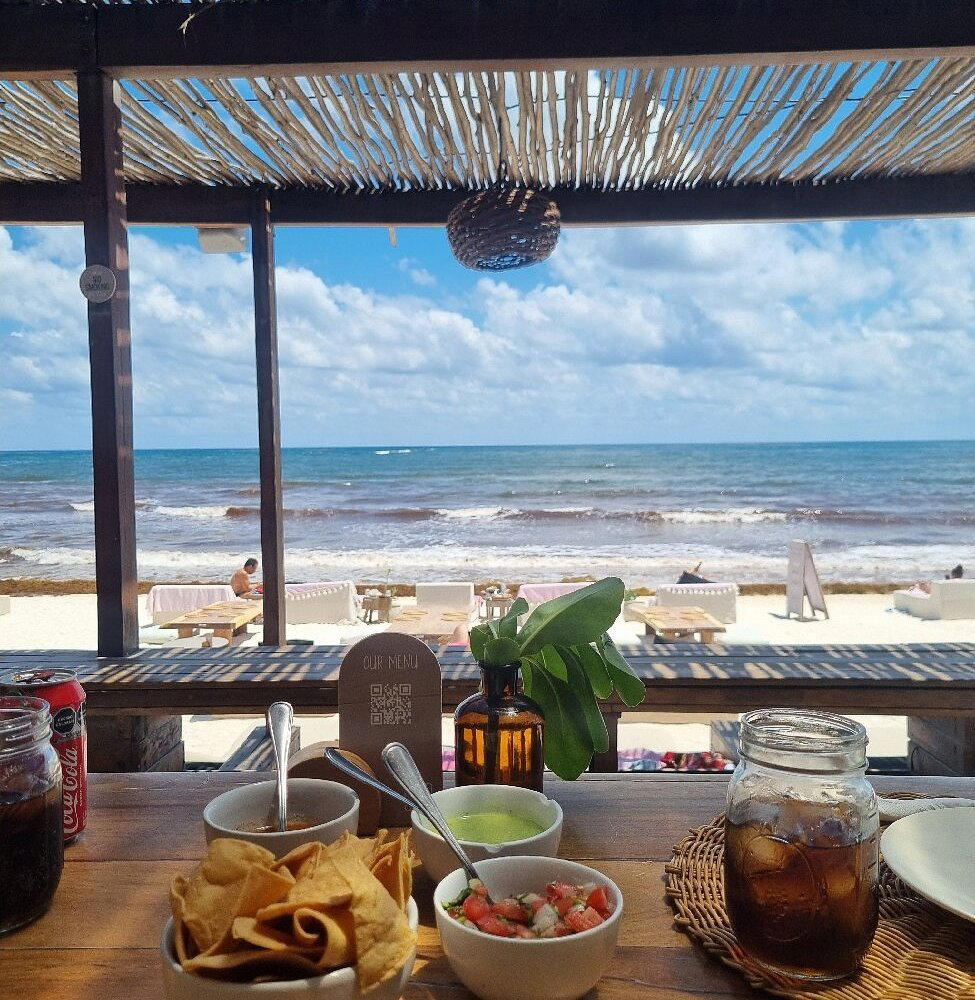
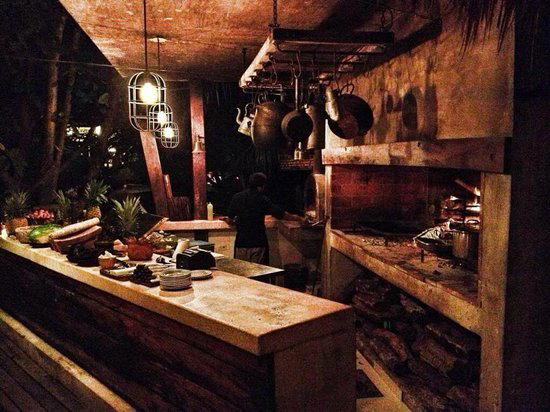
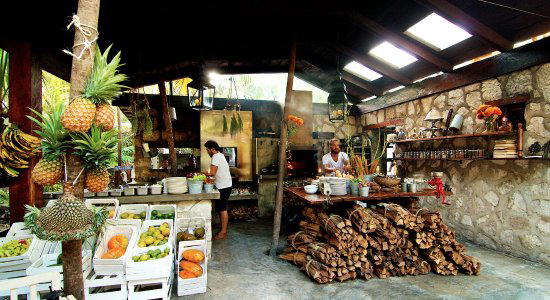
Properties in this tier across the Yucatan Peninsula have generally moved toward an approach that foregrounds local and regional ingredients, Mayan-rooted produce, and preparations that reference both local tradition and technique drawn from international kitchens. Tulum specifically has been a testing ground for this intersection: chefs and operators arriving from Mexico City, Europe, and the United States have encountered a supply chain rich in local chiles, citrus, fresh fish from the Caribbean, and traditional fermented or smoked preparations, and the more considered properties in the zone have built food programs around that tension between imported method and indigenous product. This is the editorial frame through which Amansala's food and beverage offering is most usefully understood, even without a confirmed signature menu on record. For guests wanting a more established benchmark in the Riviera Maya corridor, Maroma has operated a food program that engages seriously with local ingredients for some years.
Spa and Wellness Programming in Context
The inclusion of a spa in a beachfront property along this corridor is no longer a differentiator on its own. Nearly every property in the upper tier of Tulum's Hotel Zone offers some form of treatment menu, and many have cenote access or jungle-adjacent settings that inform their wellness positioning. What tends to separate the more substantive spa programs from the cosmetic ones is depth of treatment offering, integration with the surrounding environment, and staff expertise. Tulum has also benefited from proximity to Mayan healing traditions, with temazcal ceremonies and plant-based treatments appearing on menus at properties ranging from boutique to large-format.
For a point of comparison with a property that integrates spa and environmental setting at a higher validated tier, IKAL Tulum and Copal Tulum offer wellness programs within similarly contained footprints. Chablé Yucatán in Merida represents the most validated spa destination in the broader Yucatan Peninsula context, for those willing to extend the trip.
Planning Your Stay
The KM 5.5 address on the Hotel Zone road means that guests without their own transport will need to account for the 5.5-kilometer distance from the town center, which takes roughly ten to fifteen minutes by taxi or bike depending on conditions. The road is not reliably served by public transport in the conventional sense, and during high season the single-lane route can slow considerably. Tulum's Hotel Zone does not permit large vehicles during peak hours, which is a logistical reality that affects every property along the strip. The practical recommendation for guests arriving from Cancun International Airport, approximately 130 kilometers north, is to arrange a private transfer directly to the property rather than relying on shared shuttles that serve the town and not the zone.
High season in Tulum runs from December through March, with a secondary peak around Semana Santa in March or April. The Christmas and New Year period is the most compressed in terms of availability across all properties in the zone, and rates across the board reflect that pressure. The shoulder months of May, October, and November offer a different trade-off: lower prices and thinner crowds, but the genuine possibility of rain and the occasional tropical weather disruption. For guests whose primary interest is beach access and spa time, the shoulder months often represent a better exchange than the high-season premium.
For alternative considerations along the same stretch of coast, Hotel Esencia, Encantada Tulum, Bespoke Tulum, and Casa Malca all operate within the same Hotel Zone corridor. For a broader read of the dining and hospitality options in town and zone, see our full Tulum restaurants guide. Travelers building a longer Mexico itinerary might also consider Etéreo, Auberge Resorts Collection in Punta Maroma, One&Only Mandarina in Riviera Nayarit, or Four Seasons Resort Punta Mita for properties operating in comparable natural settings at a verified higher tier.
Budget and Context
A quick snapshot of similar venues for side-by-side context.
| Venue | Price | Awards |
|---|---|---|
| Amansala Resort |Beachclub | SpaThis venue (the venue you are viewing) | $300–500 | Not listed |
| Hotel Esencia | Not listed | 3 Michelin Keys · World's 50 Best #64 |
| Azulik | Not listed | Michelin Selected · World Travel Awards |
| Casa Malca | $300–500 | Michelin Selected · Mr & Mrs Smith Seal of Approval |
| La Valise Tulum | Not listed | Michelin Selected · Mr & Mrs Smith Seal of Approval |
| La Zebra | $200–300 | 1 Michelin Key · Small Luxury Hotels of the World Member |



Details
- Bohemian
- Rustic
- Serene
- Elegant
- Wellness Retreat
- Romantic Getaway
- Honeymoon
- Beachfront
- Spa
- Pool
- Fitness Center
- Room Service
- Concierge
- Restaurant
- Bar
- Wi Fi
- Waterfront
- Garden
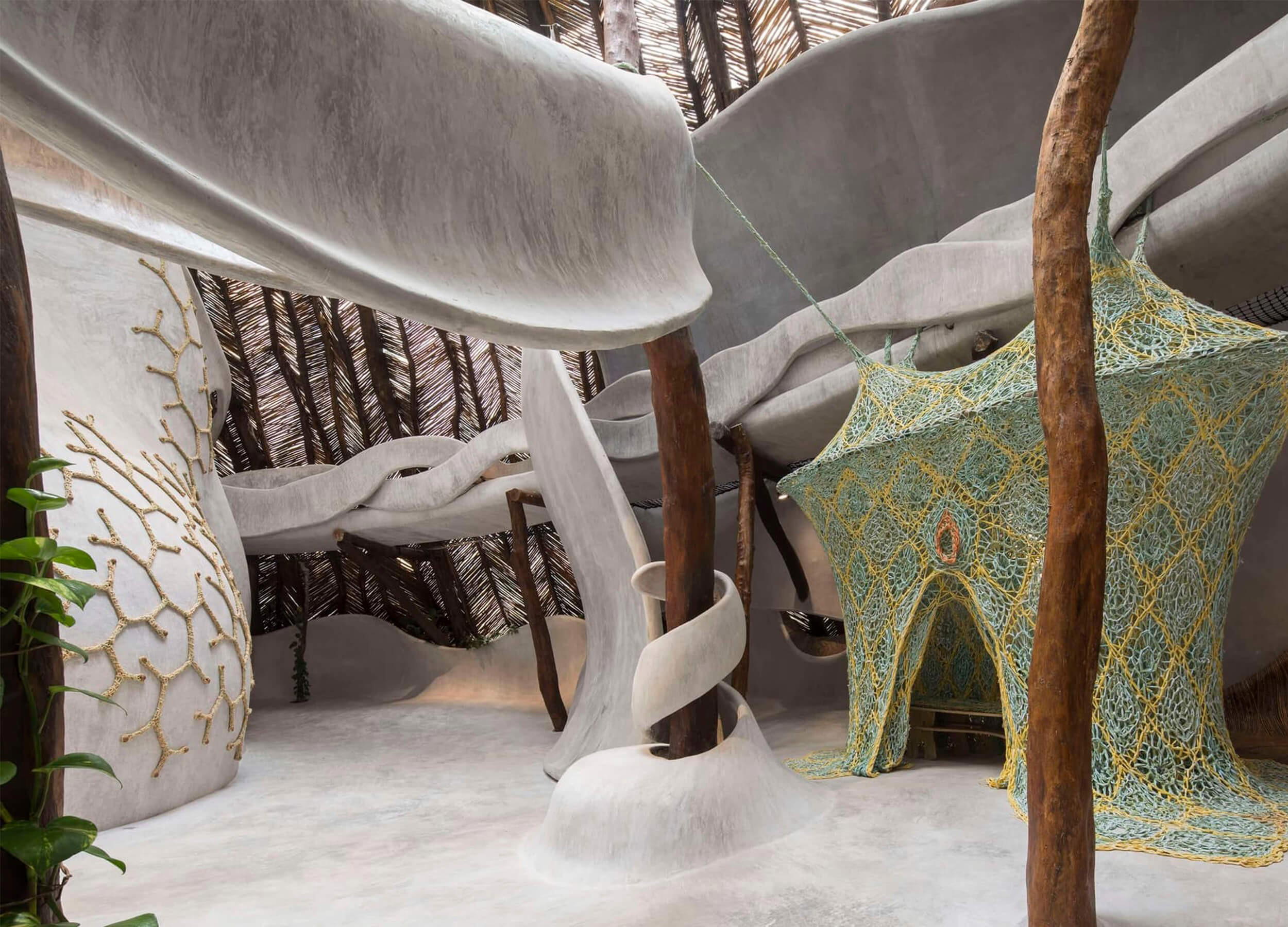
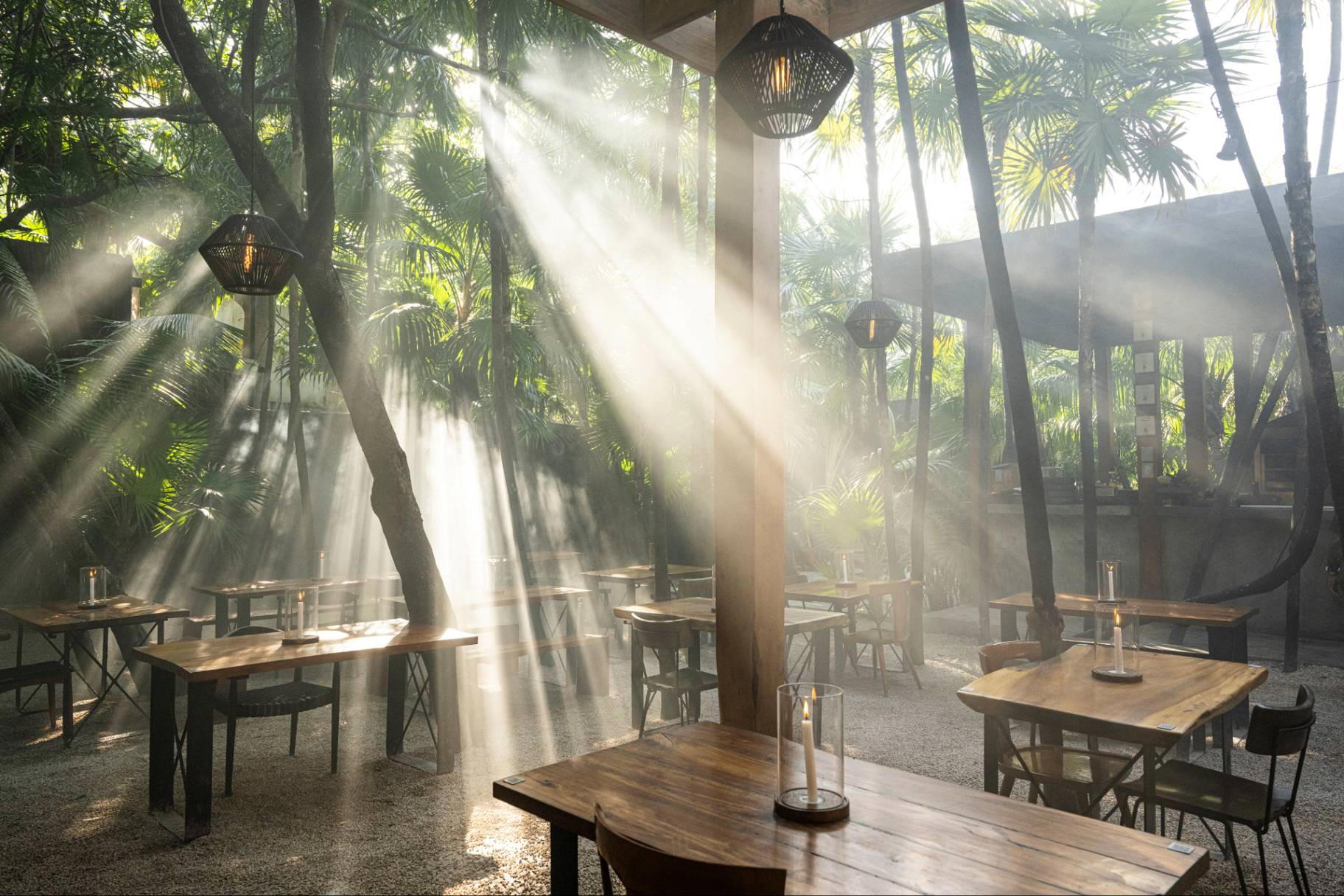
Serene and rejuvenating with natural light-filled spaces, ocean horizon views, and a tranquil beachfront atmosphere rooted in rustic elegance.