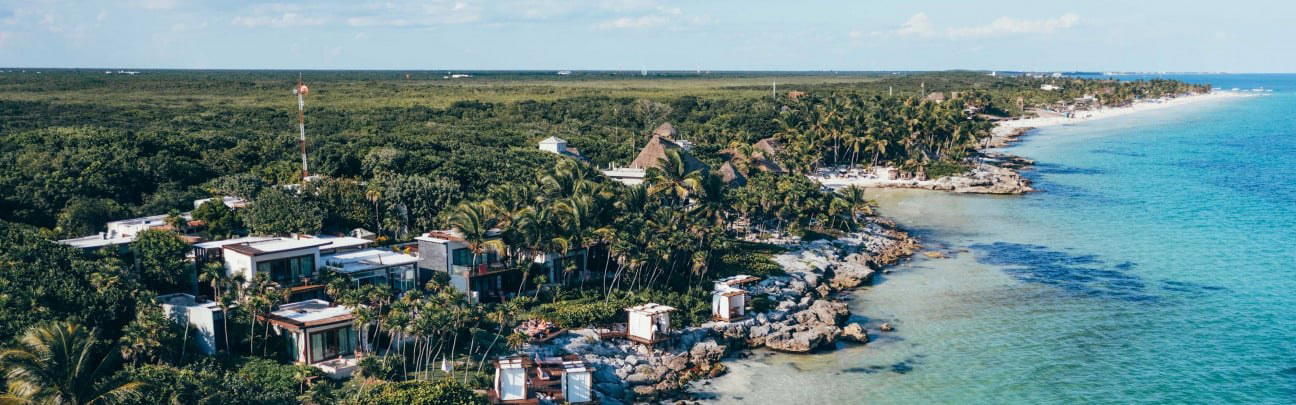
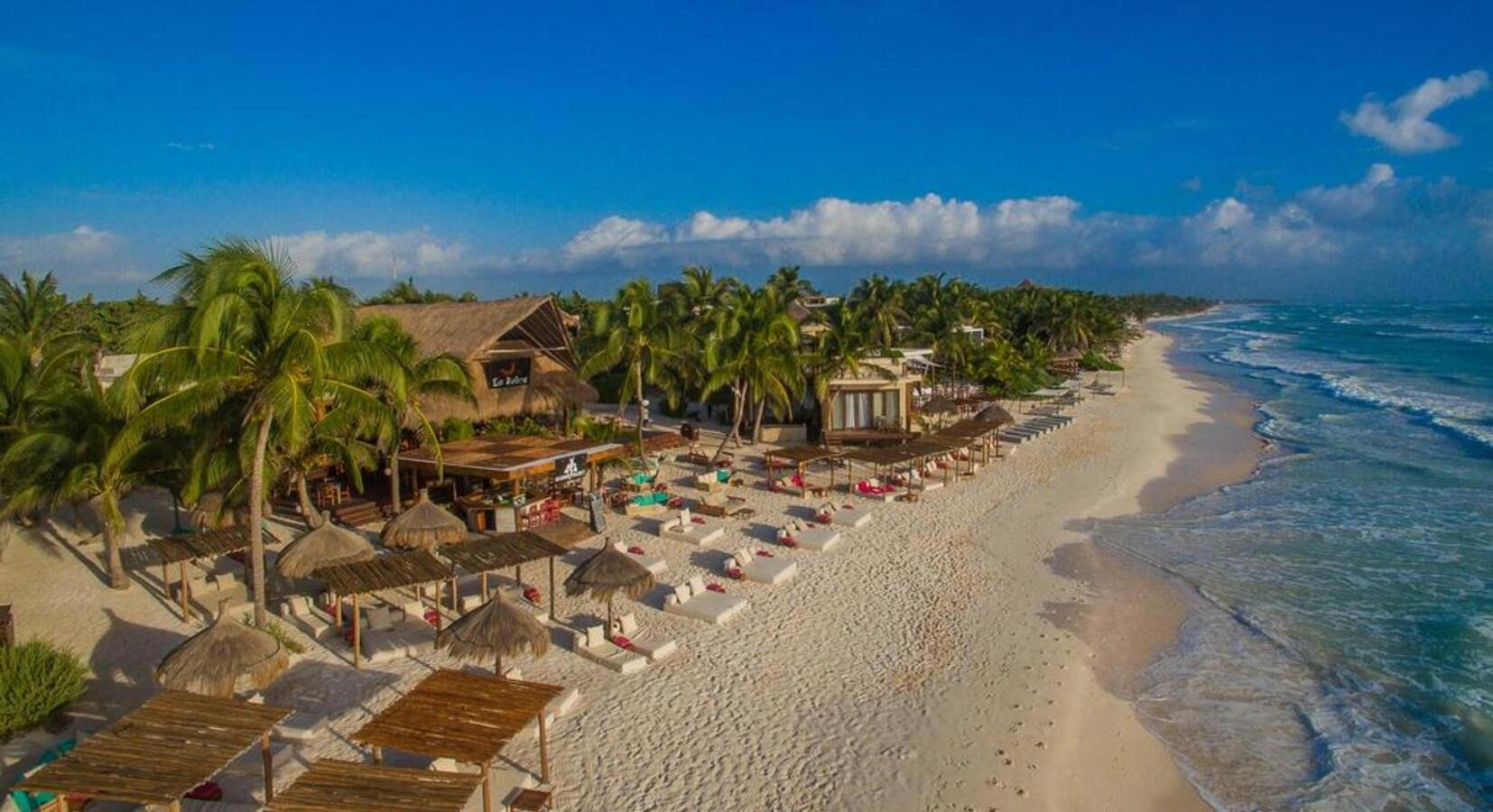
On Tulum's hotel zone strip, Papaya Playa Project occupies a different register from its neighbours, a beachfront venue where open-air communal drinking and dance culture converge on the sand. The bar program here reflects the broader Tulum shift toward mezcal-forward, locally inflected drinking, set against a backdrop of cenote proximity and full-moon event culture that few comparable properties on the Riviera Maya replicate at this scale.
Pearl is the En Primeur Club membership app — saves, bookings, and concierge access live there. Same editors, same standards.
- Address
- Carr. Tulum-Boca Paila Km 4.5, Tulum Beach, Zona Costera, 77780 Tulum, Q.R., Mexico
- Phone
- +52 984 116 3774
- Website
- papayaplayaproject.com
- Directions
- Get directions
 Saves & bookings on Pearl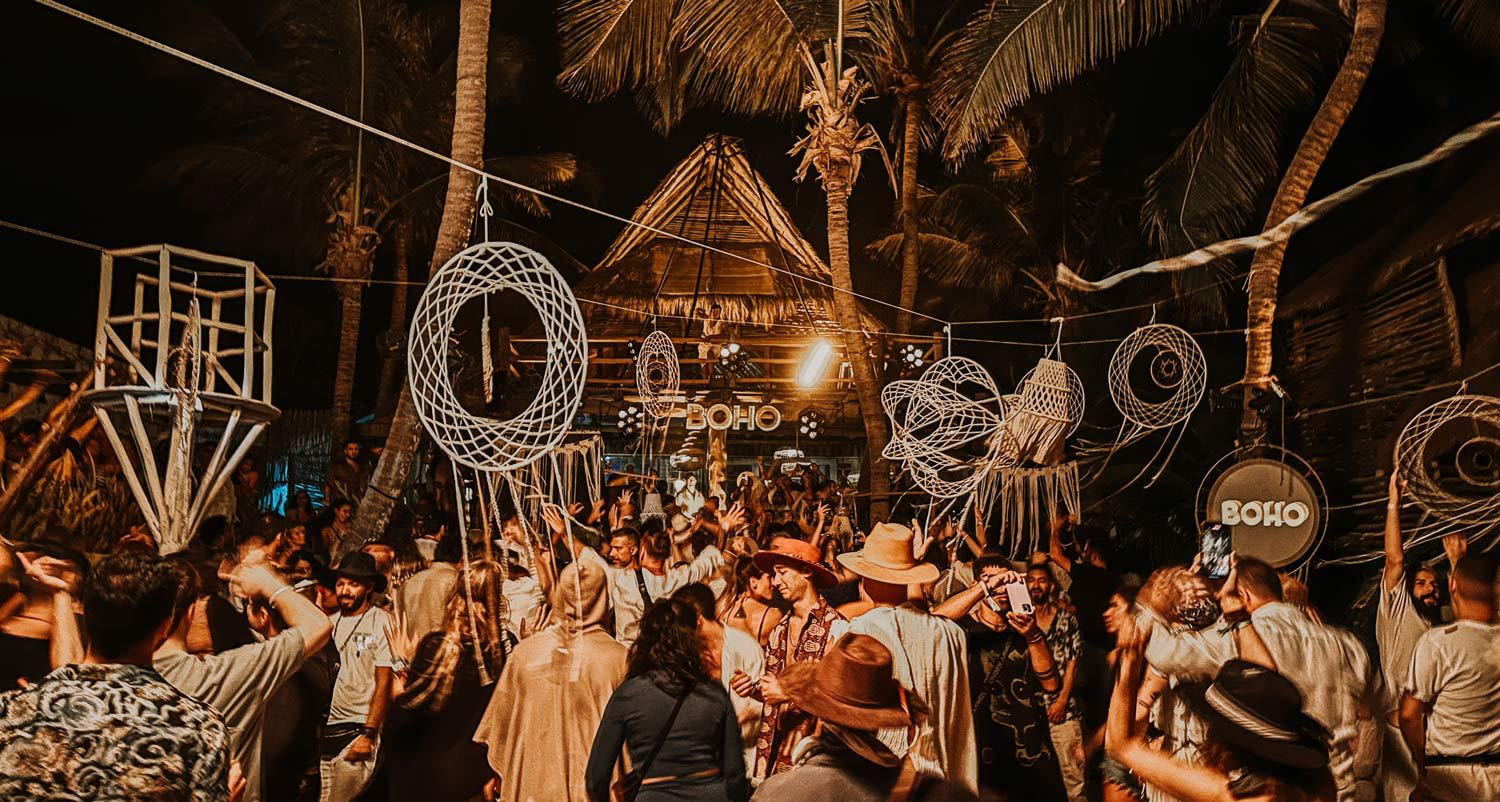
Where the Beach and the Bar Become the Same Room
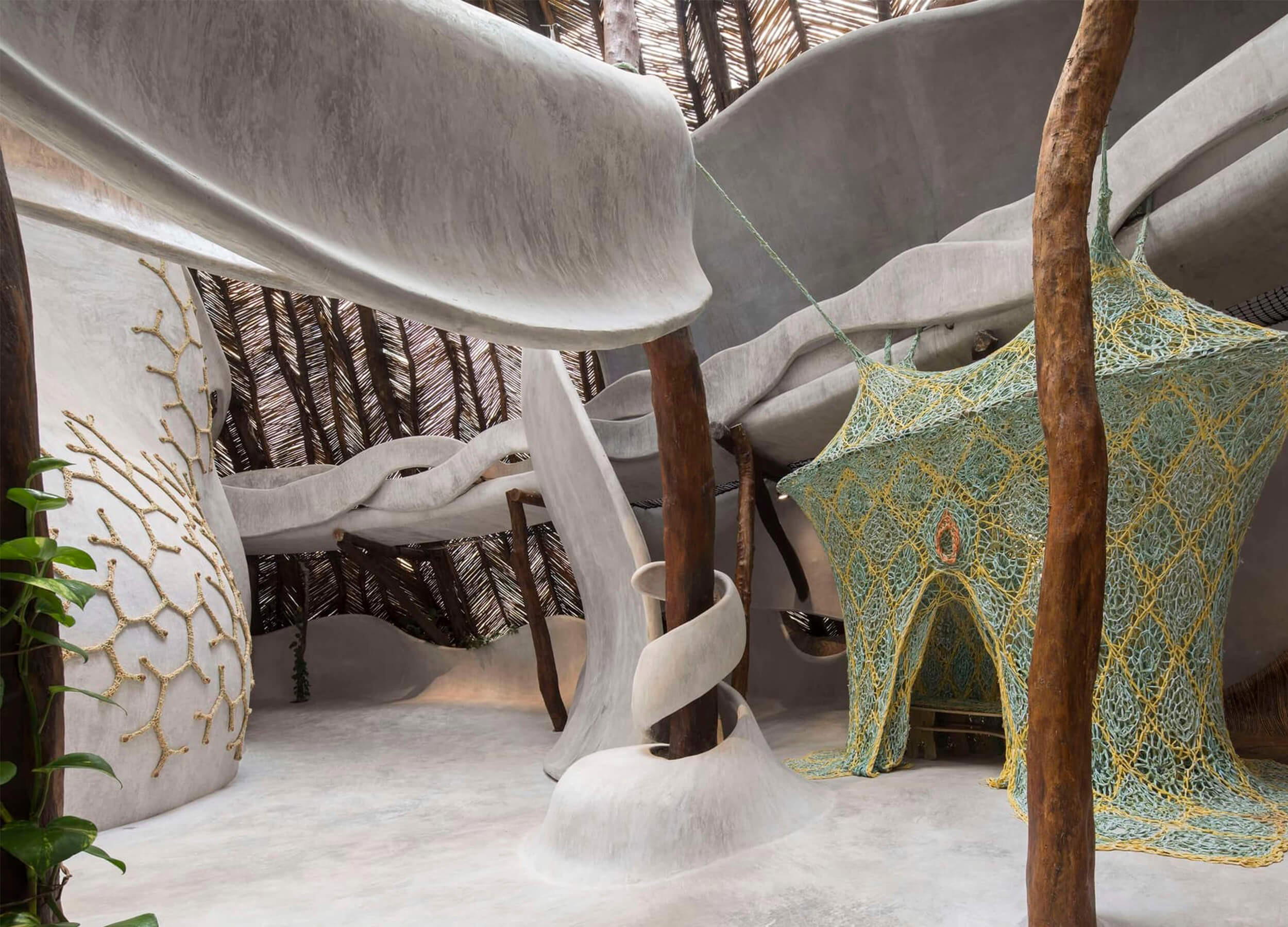
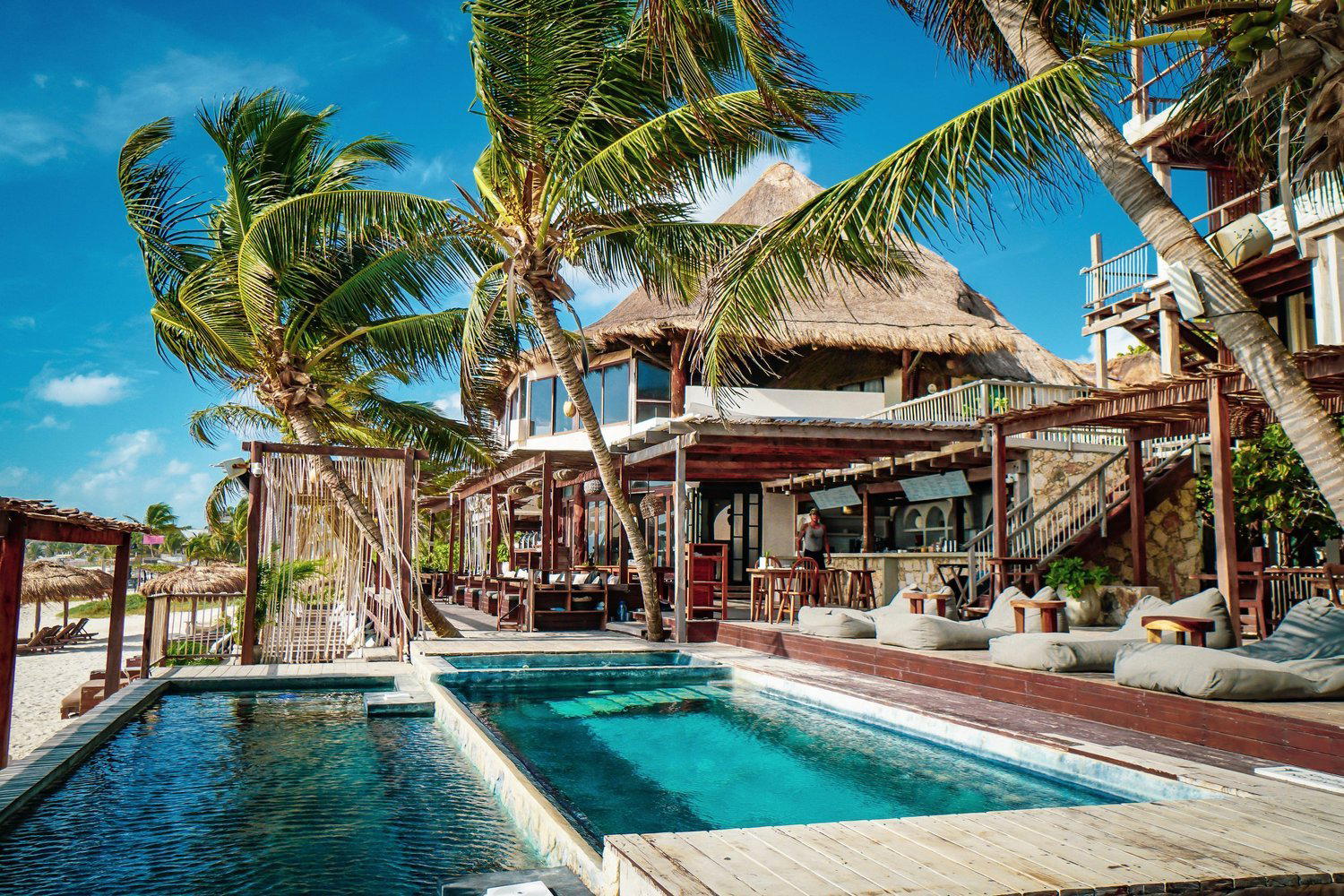
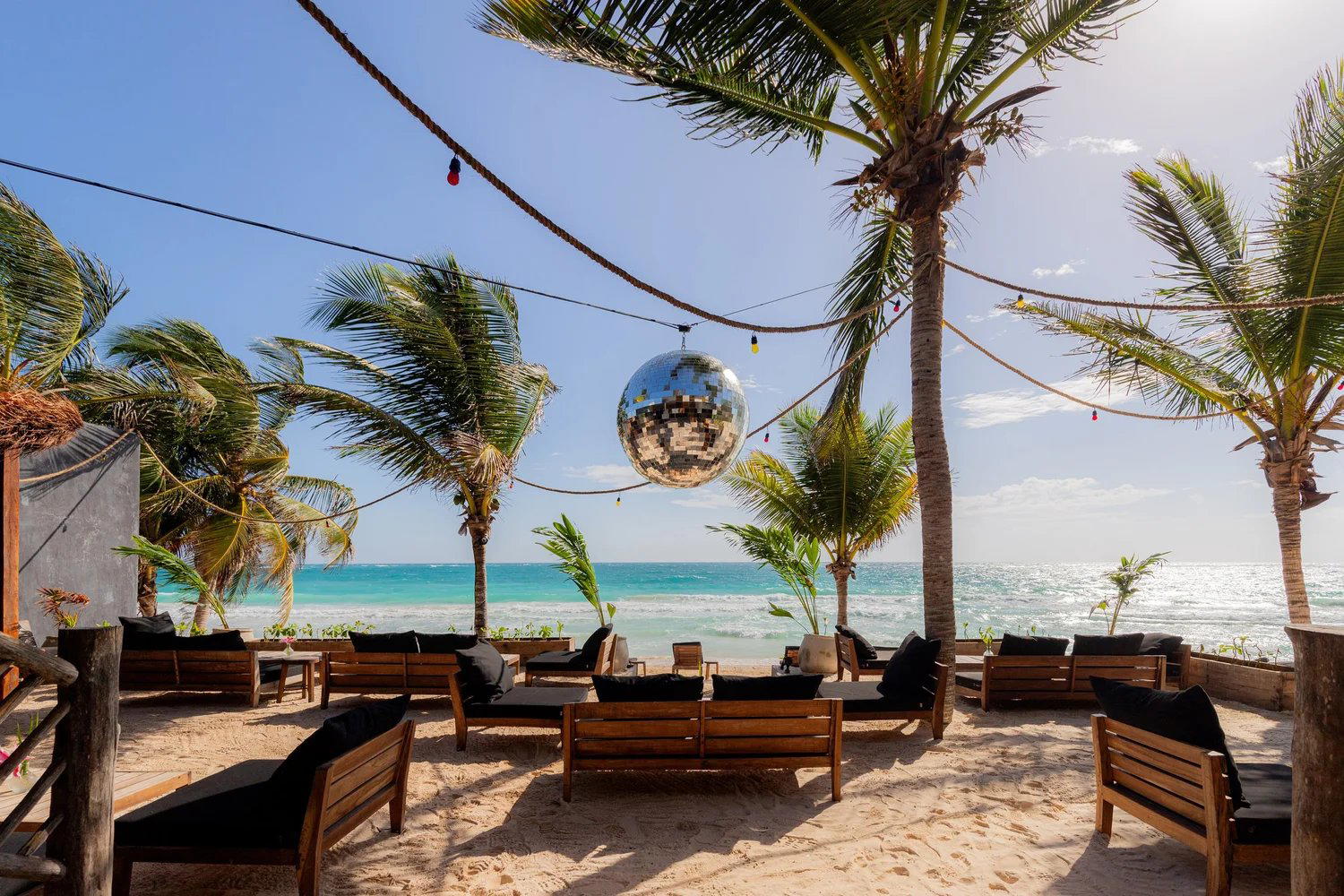
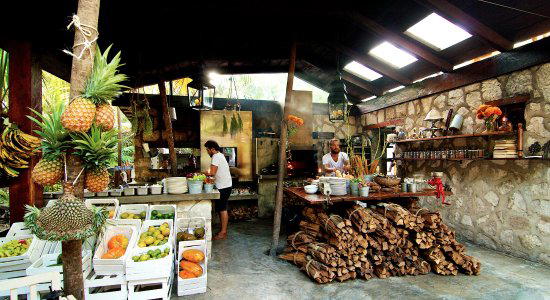
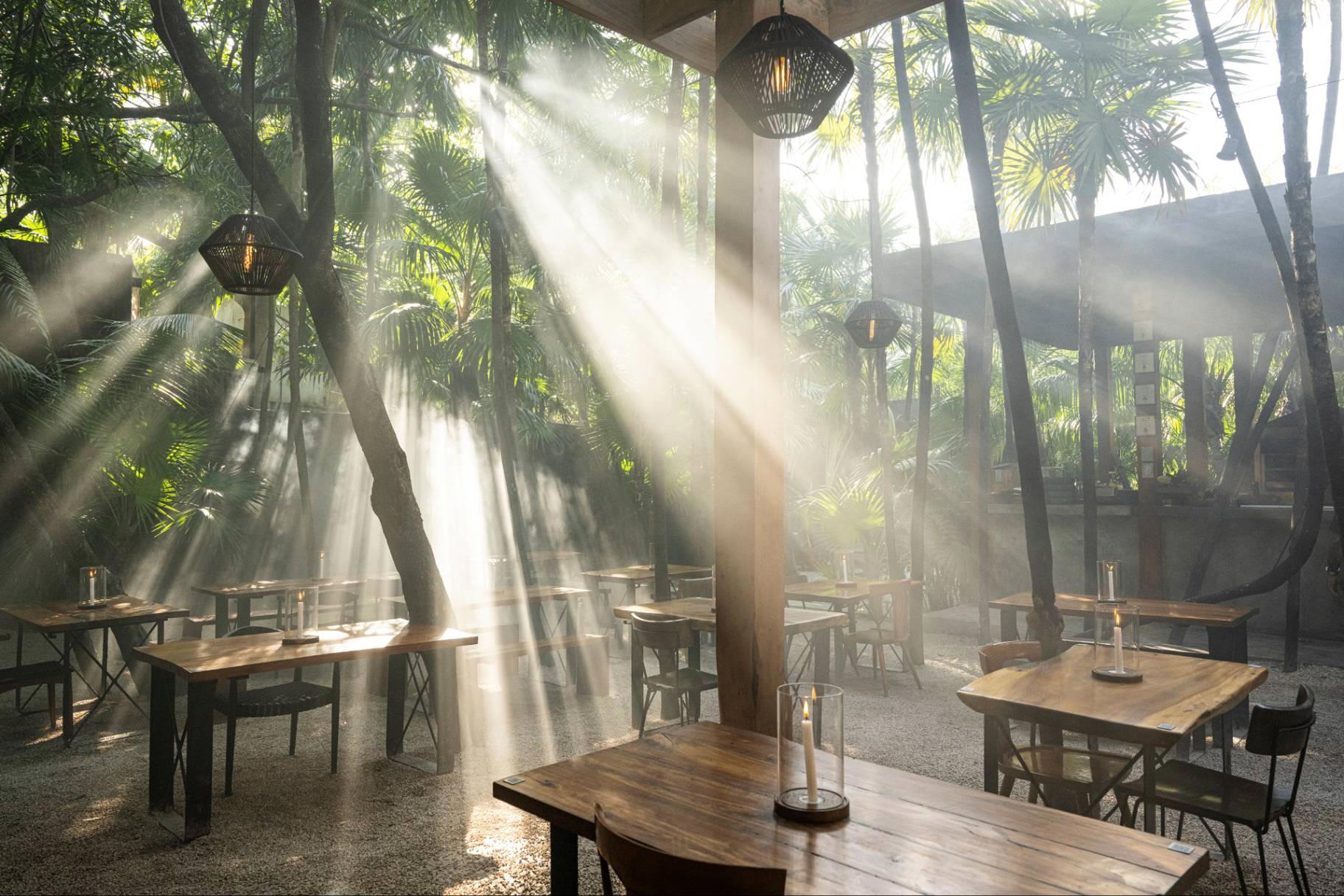
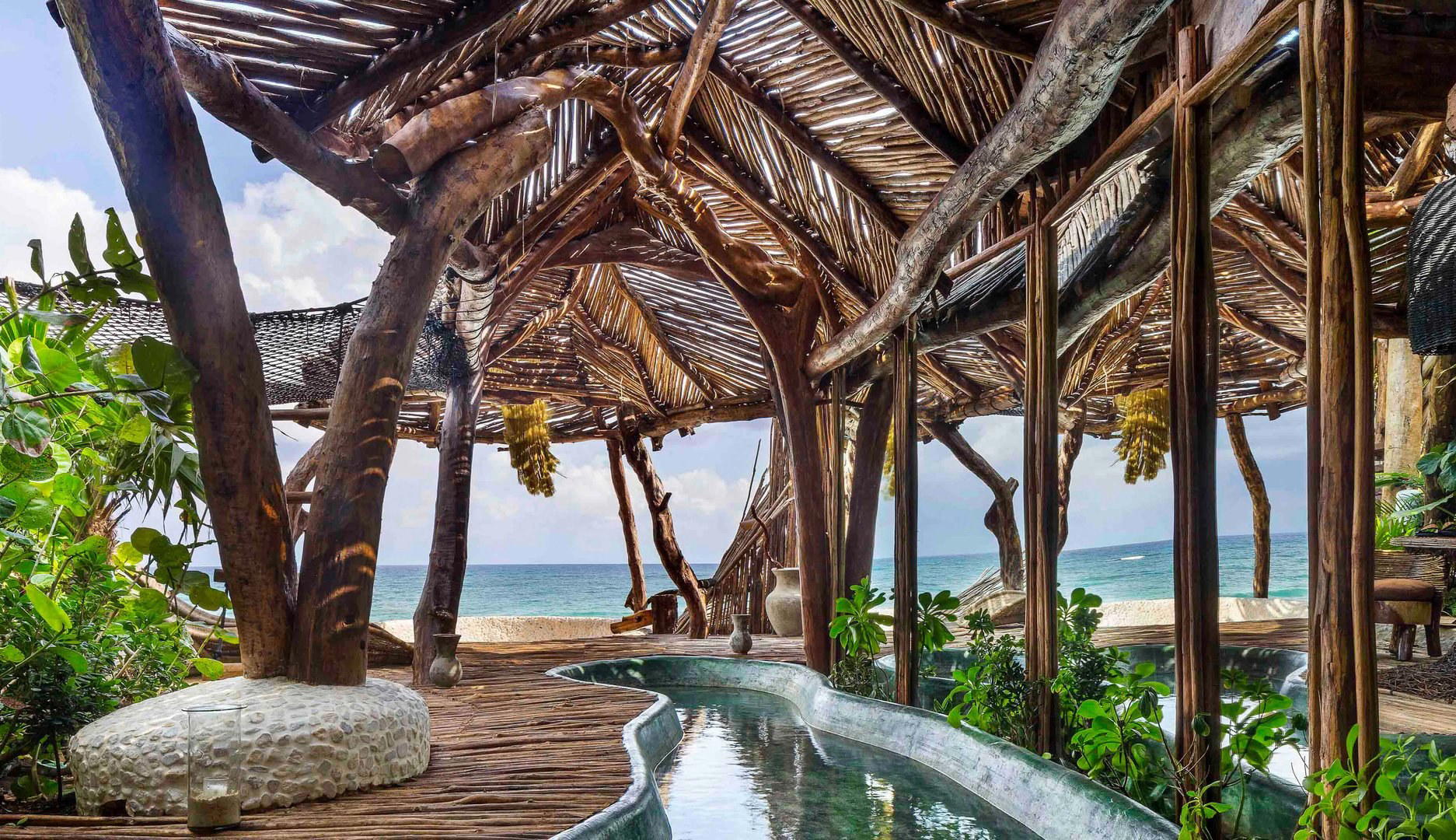
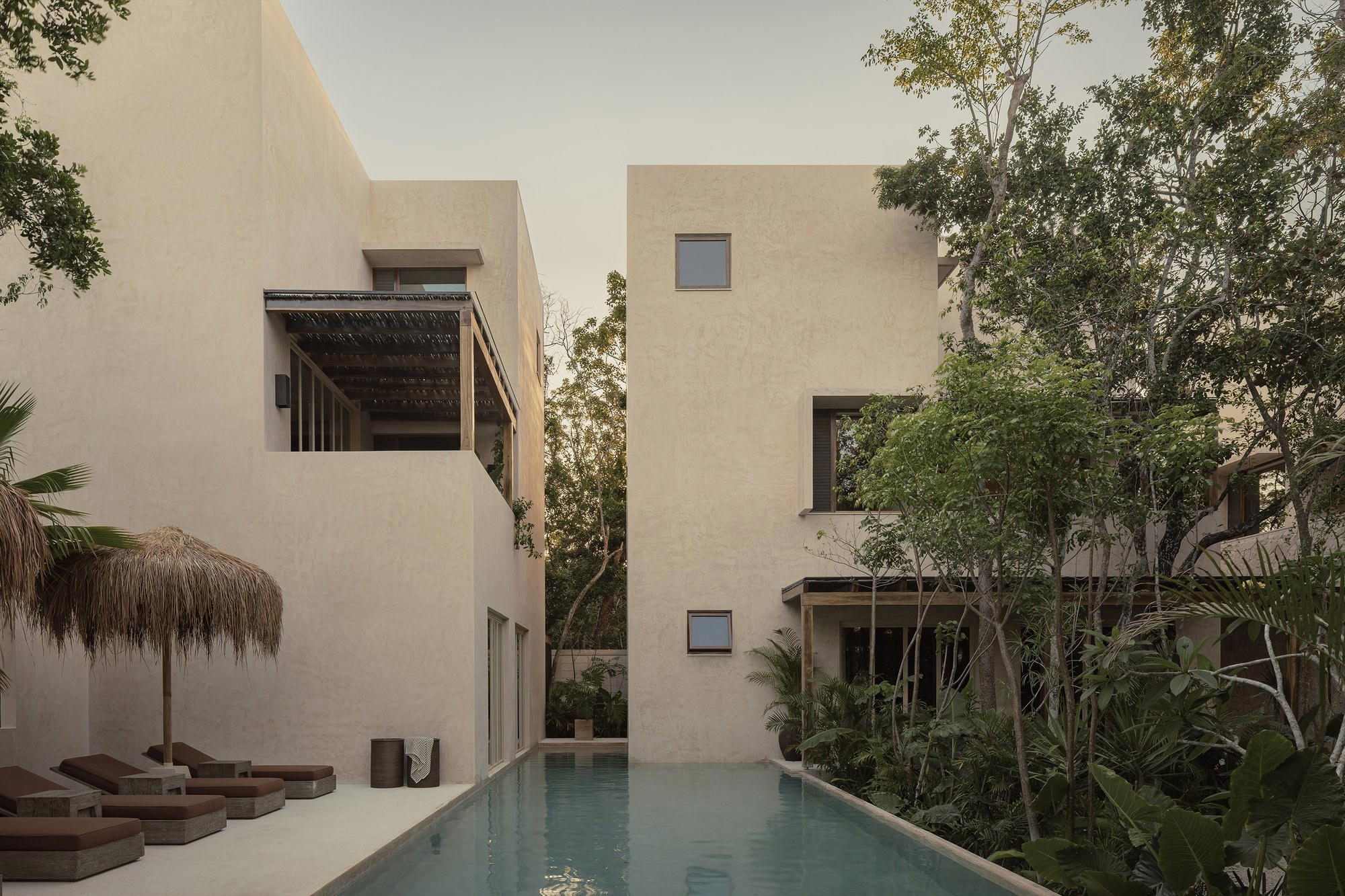
Papaya Playa Project is a bar in Tulum, Mexico, at Carr. Tulum-Boca Paila Km 4.5. Approaching Papaya Playa Project from Carr. Tulum-Boca Paila at kilometer 4.5, the transition from road to property happens gradually. The jungle thins, the sound of the Caribbean grows louder, and by the time you reach the open-air structures, the distinction between indoor and outdoor has effectively dissolved. This is a format that defines a specific tier of Tulum beach hospitality: not a resort in the conventional sense, not a day-club built for volume, but something in between, a property where the bar is as architecturally central as any guest room.
Tulum's hotel zone has developed a particular typology. Properties here are not evaluated by room count or concierge service so much as by the quality of their communal spaces and the credibility of their drinking and nightlife programs. In that context, Papaya Playa Project sits at the more programmatically serious end of the strip, a venue where the bar's relationship to the surrounding environment is treated as a design problem worth solving, not an afterthought to a beach club format.
The Craft Behind the Counter
Mezcal, in particular, now anchors particularly credible programs along this coastline, reflecting both the geography, the Yucatán Peninsula sits at a crossroads between Caribbean beach culture and southern Mexican spirits traditions, and a broader national bartending movement that has repositioned Mexican spirits as a serious category rather than a novelty. Venues like Arca have pushed that conversation into more technically rigorous territory, and the ripple effect on neighboring properties has been visible.
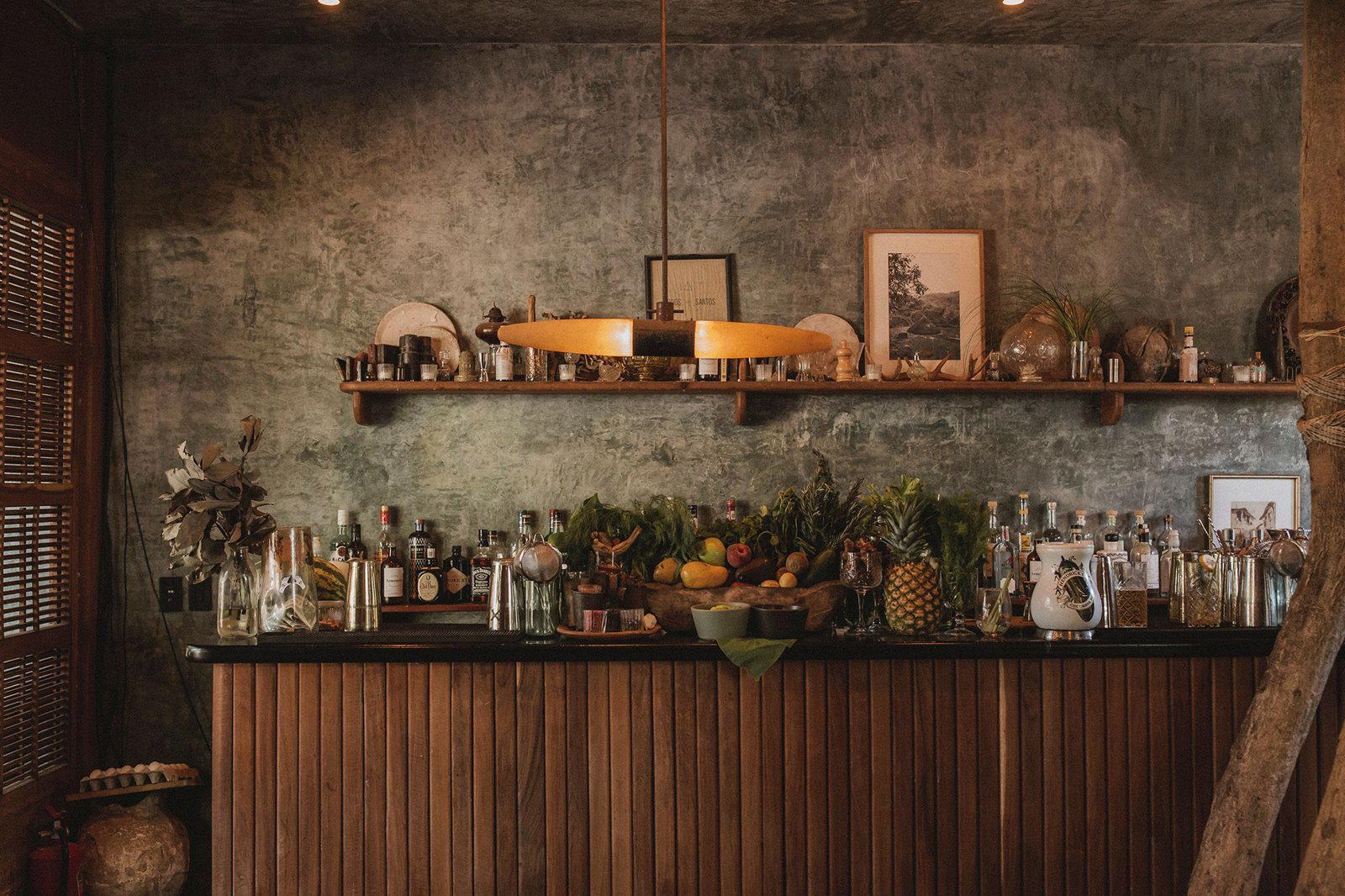
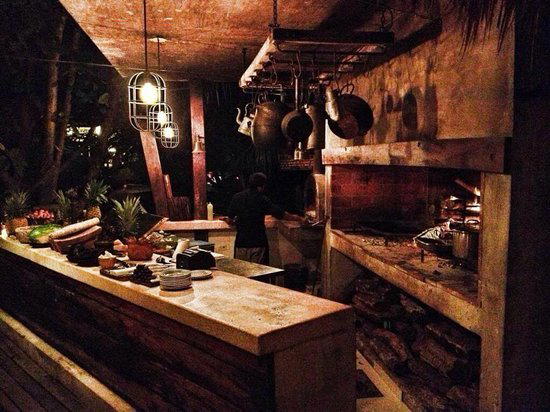
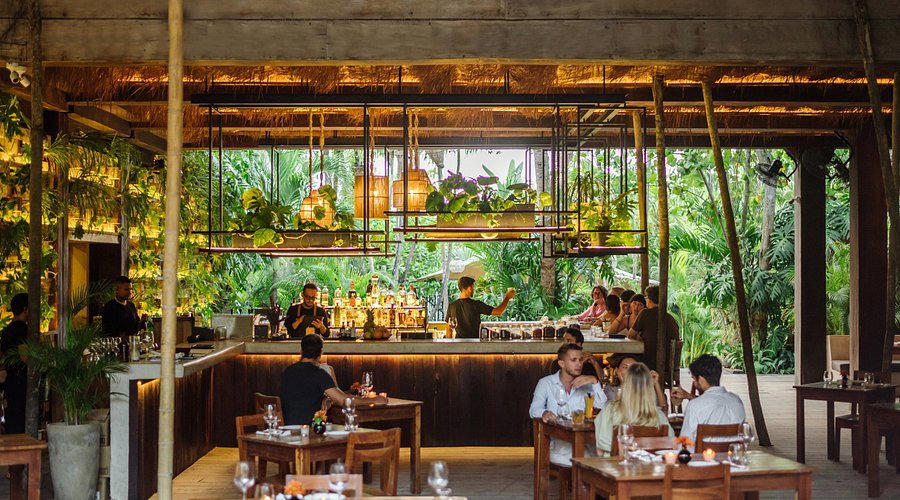
At the bar, the bar operates within that current. The open-air format imposes real constraints on a cocktail program: tropical humidity affects ice, heat affects dilution, and a crowd drawn partly by event programming rather than pure beverage interest creates a different service dynamic than a dedicated cocktail bar. What this format rewards is efficiency without sacrificing intention, drinks that read clearly in a loud, lit-by-firelight environment, built around spirits that can hold their own in the heat. Agave-based builds, fresh citrus, and minimal artifice are the logical conclusions of this environment, and they align neatly with where Tulum's bar culture has landed.
The bar's bar program operates in a higher-energy register. Neither approach is wrong; they serve different ends of the same traveler's trip. Casa Jaguar occupies a similar energy level and shares the open-jungle aesthetic, though it skews more toward food as the primary anchor. The bar, by contrast, keeps drinking and dancing in the foreground.
Full Moon and the Event Calendar
Event culture is not peripheral to the bar's identity, it is the identity. The property has built a significant portion of its international reputation on its full-moon parties, a format that places it in a global lineage of beach-based nightlife events that stretches from Ko Pha Ngan to Ibiza. The Tulum iteration carries its own character: the jungle backdrop, the cenote-adjacent landscape, and the deep integration of electronic music with wellness and spiritual aesthetics that define this particular stretch of the Mexican Caribbean coast.
For travelers planning around the event calendar, timing matters. Full-moon dates draw a notably different crowd and a different energy than a regular weekend evening. The distinction is worth understanding before booking, the property operates as a beach bar and accommodation space on non-event nights, and as a large-scale open-air venue on peak event nights. Both versions are legitimate, but they are different experiences, and travelers who arrive expecting one and encounter the other often leave confused.
Tulum's Competitive Set, Mapped
Within Tulum's bar and nightlife tier, the competitive comparable set for the bar includes properties that blend accommodation, food, drink, and music programming into a single destination. Burrito Amor approaches the same traveler from a more casual, daytime direction. The broader Tulum dining and drinking circuit shows a category of properties where the bar is the headline act, the kitchen supports it, and the setting does the heavy lifting that a more formal room cannot.
Mexico's bar scene beyond Tulum offers useful comparison points. Baltra Bar in Mexico City represents the more introverted, technically precise end of the national spectrum, a controlled environment where every variable in a cocktail is calibrated. Bekeb in San Miguel de Allende anchors a colonial-city drinking culture with a different tempo entirely. And for the high-energy, large-venue end of the Mexican Caribbean, Coco Bongo in Cancun represents the volume-driven spectacle format that Tulum has consciously positioned itself against. The bar sits somewhere between those poles, more atmospheric than Cancun's entertainment venues, less technically rigorous than Mexico City's specialist bars, and firmly embedded in the Tulum aesthetic of natural materials, open sky, and agave-led drinking.
The comparison extends internationally when considering beachside programs. Bar Leather Apron in Honolulu shows how a tropical city can sustain a serious cocktail program divorced from beach-club spectacle. Aruba Day Drink in Tijuana and El Gallo Altanero in Guadalajara reflect two more registers of Mexican drinking culture, each shaped by their city's distinct geography and local spirit traditions. Against that range, Tulum's beach bar format, and the bar as a prominent example of it, reads as a highly specific product of place.
Planning a Visit
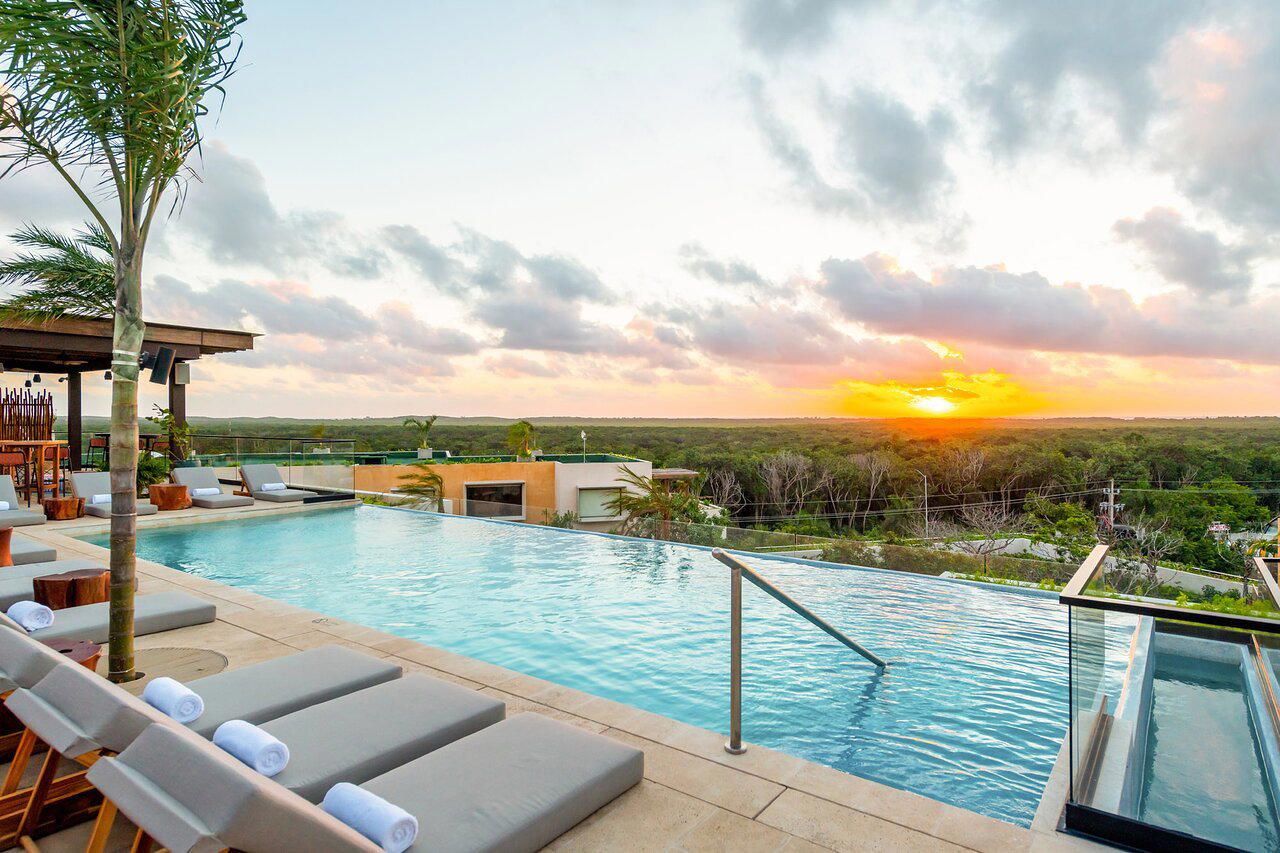
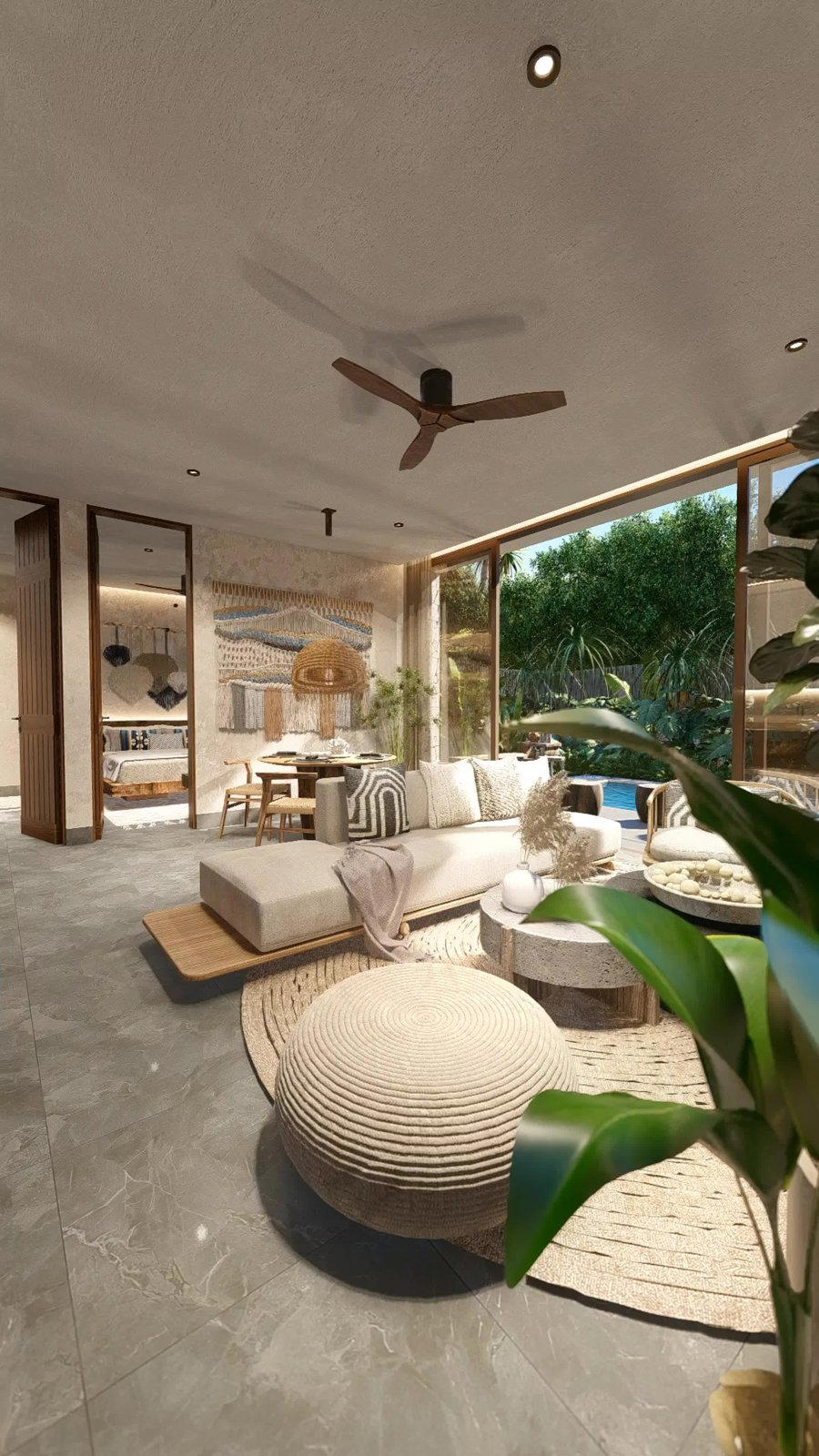
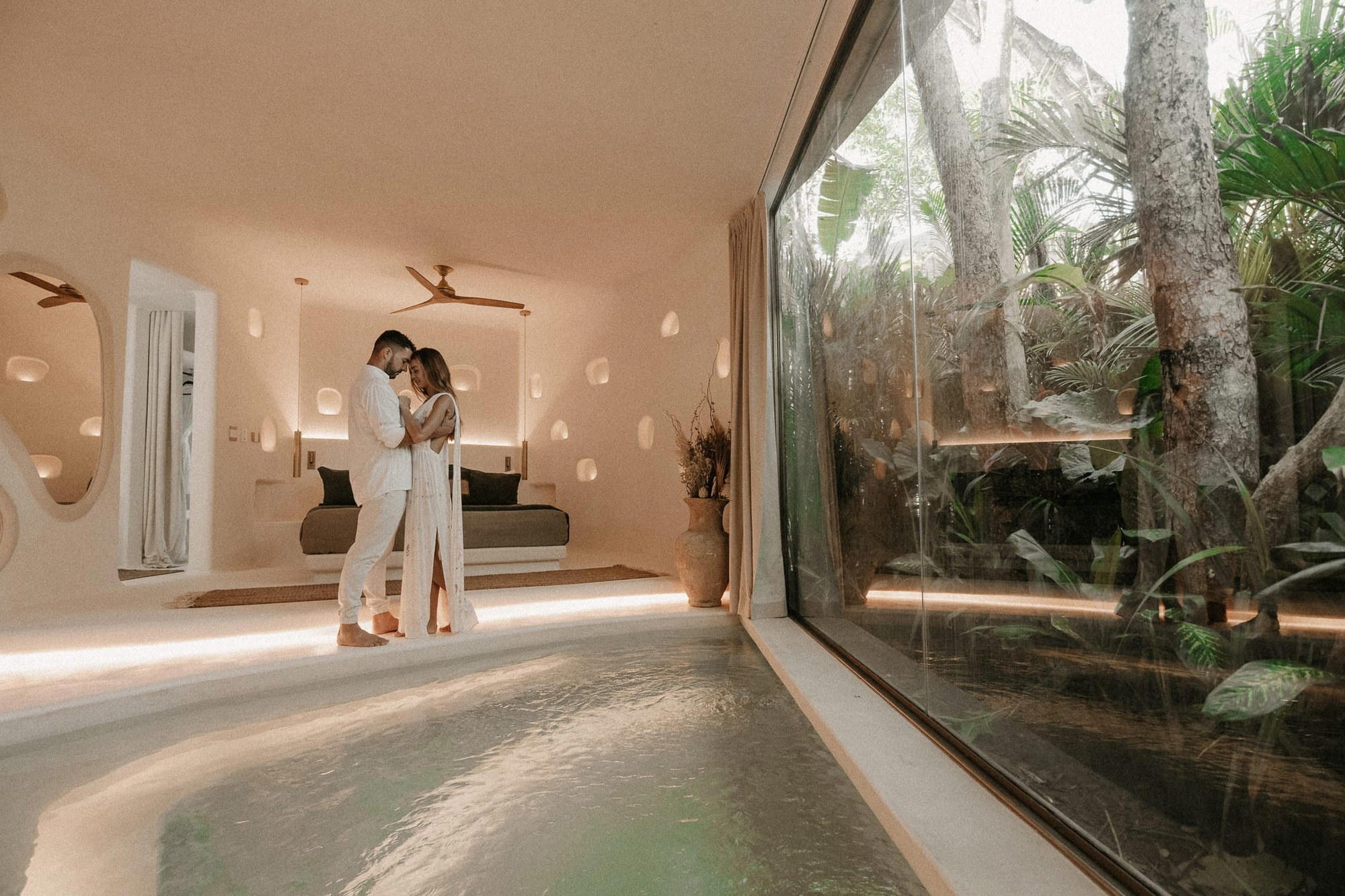
The bar is located at kilometer 4.5 on the Carr. Tulum-Boca Paila road, placing it in the beach zone south of the town center. Access by car or taxi from Tulum pueblo takes under ten minutes. For travelers considering staying on-site, an overnight visit is a viable option. Walk-in access to the bar and beach areas is generally available outside of ticketed event nights, but full-moon parties and special programming events operate on a ticketed basis, and capacity can be significant, arriving without advance planning on those dates carries real risk of not gaining entry.
The Short List
Comparable venues nearby, for context on price, style, and recognition.
| Venue | Cuisine | Price | Notes |
|---|---|---|---|
| Papaya Playa ProjectThis venue — the venue you are viewing | Tulum, Bar | $$$$ | Not listed |
| Casa Jaguar | Not listed | $$$ | Tulum, cocktail_bar |
| Gitano | Not listed | $$$$ | Tulum, cocktail_bar |
| Azulik Uh May | Tulum, lounge | $$$$ | Not listed |
| Burrito Amor | Tulum, lounge | $$ | Not listed |
| Nomande | Tulum, Bar | Not listed | Not listed |
At a Glance
- Bohemian
- Trendy
- Energetic
- Scenic
- Late Night
- Group Outing
- Celebration
- Live Music
- Waterfront
- Outdoor Terrace
- Lounge Seating
- Craft Cocktails
- Mezcal
- Tequila
- Rum
- Waterfront
Chill beachfront atmosphere with natural lighting, ocean breezes, and immersive vibes from calm daytime relaxation to energetic starry nights with DJ sets.