Alila Mayakoba sits within the Mayakoba resort complex on the Riviera Maya, positioning itself in the design-led, ecology-conscious tier of Mexican Caribbean luxury. The property's dining programme anchors the stay experience, drawing on regional ingredients and open-air settings that reflect the surrounding mangrove and lagoon environment. Reserve well ahead, particularly for peak season between December and April.

Pearl is the En Primeur Club membership app — saves, bookings, and concierge access live there. Same editors, same standards.
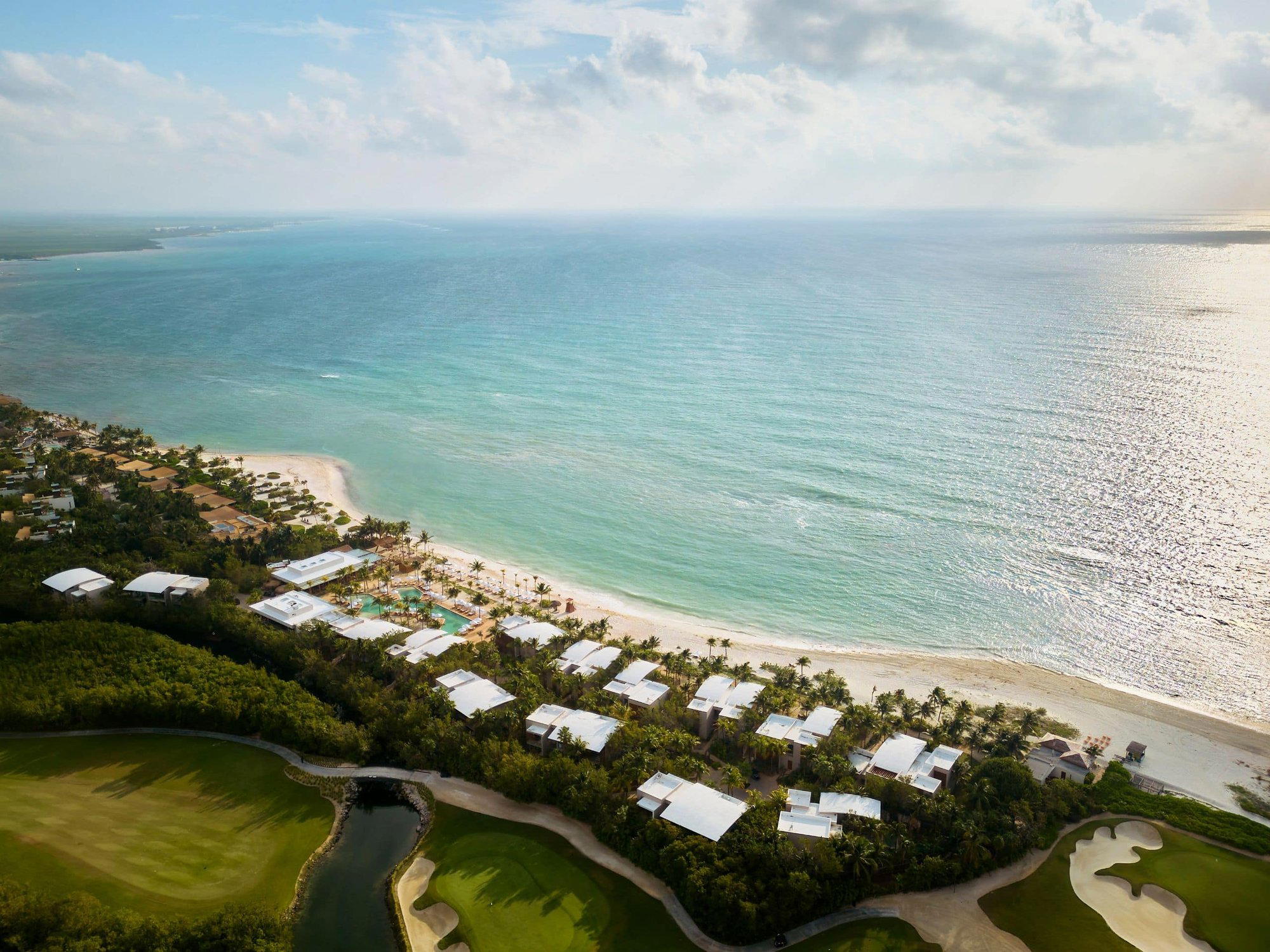
Where the Riviera Maya's Resort Ecosystem Gets Serious About Food
The Mayakoba development, a planned resort enclave roughly 25 kilometres north of Playa del Carmen, occupies a different register from Tulum's bohemian beach corridor. Where Tulum built its reputation on open-air cenote bars and palm-thatched beach clubs, Mayakoba operates as a self-contained environment of lagoons, mangroves, and low-density footprints connected by boat and golf cart. Alila, the Hyatt-affiliated brand known for ecology-rooted design properties across Asia and the Middle East, brings that sensibility to this coastal stretch of Quintana Roo. The result is a property that reads less as a tropical resort and more as a considered response to its specific geography.
That geography matters when thinking about the dining programme. Mexico's Yucatán Peninsula has produced some of the country's most argued-over regional cooking: achiote-marinated proteins, recados derived from charred chillies and spices, habanero heat measured in precise doses, and an ingredient base shaped by both Mayan tradition and colonial trade routes. Properties across the Riviera Maya range from all-inclusive buffet models that treat Mexican cuisine as background noise to boutique-scale restaurants engaging seriously with that regional canon. Alila Mayakoba's dining orientation belongs firmly in the latter camp.
The Dining Programme: Format, Setting, and Regional Ambition
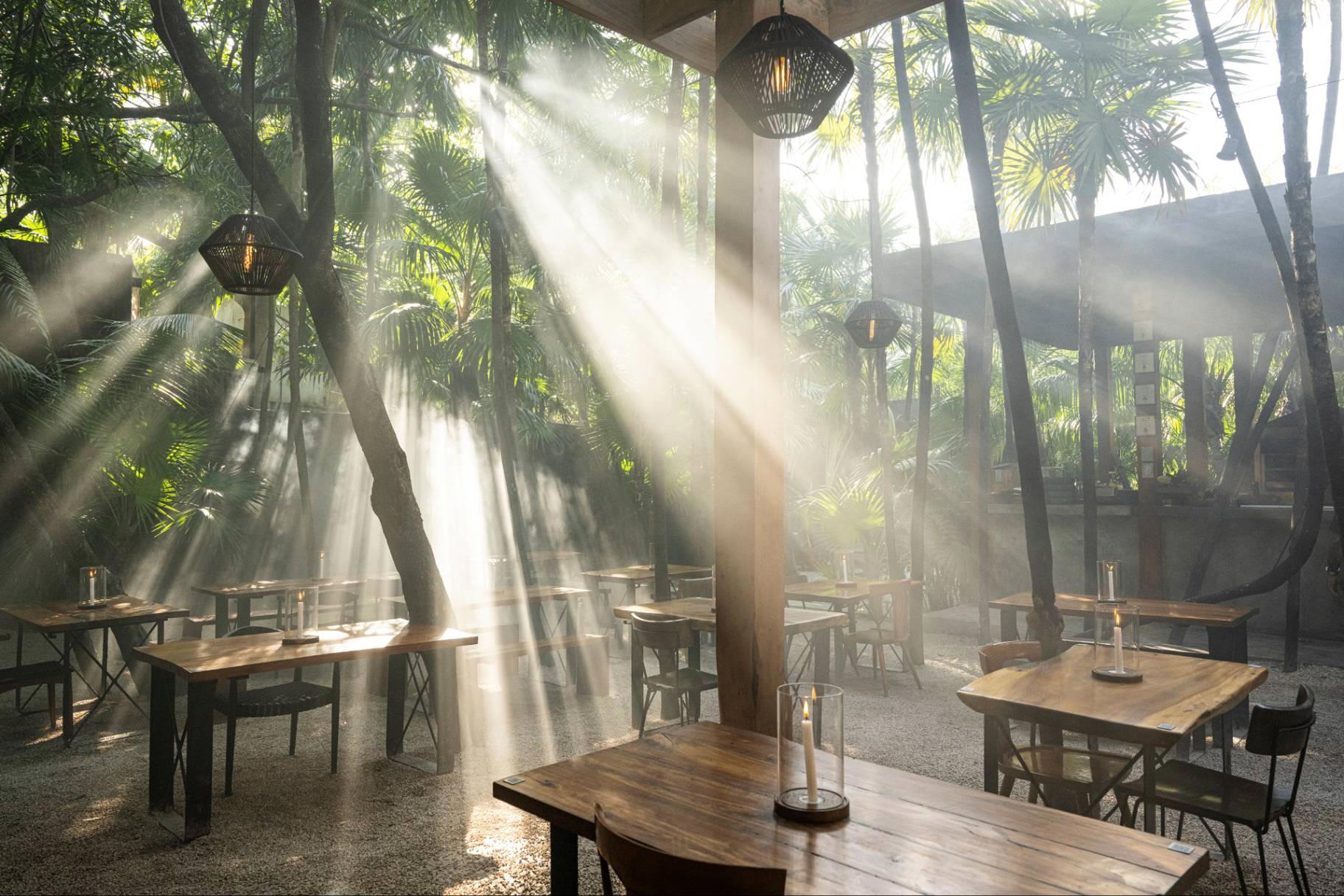
Open-air and semi-open dining formats define the Riviera Maya's better restaurants, and Alila Mayakoba works within that convention while using the surrounding lagoon and mangrove as active elements rather than incidental backdrop. Dining here is structured around direct engagement with the environment: water views, natural ventilation, the specific quality of coastal Mexican light in the early evening. These are conditions that reward unhurried meals and punish rushed, transactional service models.
The property's culinary approach draws on the Yucatán's ingredient geography without turning it into a theme. That distinction separates the more considered properties along this coast from the ones that reduce regional cooking to decorative signifiers, a bowl of salsa here, a corn tortilla token there.
Breakfast at this tier of property tends to be where regional identity either asserts itself or retreats into international-hotel safety. Properties that take their culinary programme seriously use the morning meal to introduce guests to the specific grain, chile, and fermentation traditions of the surrounding region rather than defaulting to eggs Benedict and continental pastries. Alila Mayakoba operates in a context where the benchmark for that morning introduction has been set by properties like Chablé Yucatán in Mérida, which has built a recognisable culinary identity around Yucatecan sourcing at the luxury level.
Tulum Versus Mayakoba: Understanding the Distinction
Placing Alila Mayakoba within Tulum's broader accommodation context requires acknowledging a geographic and conceptual gap. The property is not, in the strictest sense, in Tulum, which sits roughly 130 kilometres to the south along the coast. Mayakoba is closer to Playa del Carmen in distance and in character: more structured, more corporate in its resort planning, less oriented toward the spiritual-wellness-beach-club identity that defines Tulum's high end. Tulum's luxury tier, represented by properties like Hotel Esencia, Ahau Tulum, and Azulik, trades on handmade materiality, off-grid aesthetics, and jungle proximity. Mayakoba trades on precision, maintained infrastructure, and the assurance of consistent service delivery across multiple properties sharing the same planned ecosystem.
Guests choosing between the two zones are effectively choosing between different definitions of luxury travel in coastal Mexico. Alila Mayakoba suits travellers who want the design integrity and ecology sensitivity of a boutique-adjacent property with the operational reliability of a major international brand. Those who want the rawer, more deliberately imperfect character of the Tulum zone might look to properties like Aldea Canzul, Bespoke Tulum, or BE Destination Tulum. For the broader picture of where dining fits within Tulum's own accommodation spectrum, our full Tulum restaurants guide maps the scene in detail.
Planning Your Stay
The Riviera Maya's high season runs from December through April, when northern hemisphere travellers fill the coast and rates at properties of this tier climb accordingly. Booking two to three months ahead for peak-season stays at Alila Mayakoba is advisable, particularly if specific dining reservations or activity arrangements matter to the trip. The shoulder months, May and November, offer a middle ground: lower occupancy and more flexibility, with weather that, while warmer and more humid, remains workable for guests comfortable in tropical conditions. Hurricane season spans June through October, and while direct strikes are rare, reduced-rate stays during that window carry genuine weather uncertainty.
Access from Cancún International Airport takes approximately 45 to 50 minutes by road, depending on traffic through the tourist corridor. The Mayakoba complex itself is internally connected, with golf carts and boat transfers moving guests between the property's zones, an infrastructure detail that shapes the pace of the stay in ways that matter for food and beverage, since reaching a specific restaurant or bar can involve a short transfer rather than a lobby-level walk. Guests comparing options further along the Mexican coast may also consider Zadun, A Ritz-Carlton Reserve in Los Cabos, Las Ventanas al Paraíso, A Rosewood Resort in San José del Cabo, or Montage Los Cabos in Cabo San Lucas as counterpoints in the Baja California Sur market, where the culinary context shifts from Yucatecan to Pacific-coastal entirely.
Other properties that offer contrasting angles on Mexican ecological luxury include Playa Viva in Juluchuca, Las Alamandas in Costalegre, and Xinalani in Quimixto, each anchored in a Pacific coastal context with smaller footprints than Mayakoba's multi-property scale.
Budget Reality Check
| Venue | Price |
|---|---|
| Alila MayakobaThis venue — the venue you are viewing | This venue |
| Hotel Esencia | Michelin 3 Key, World's 50 Best |
At a Glance
- Scenic
- Elegant
- Sophisticated
- Quiet
- Modern
- Honeymoon
- Romantic Getaway
- Family Vacation
- Wellness Retreat
- Beachfront
- Infinity Pool
- Private Villa
- Destination Spa
- Golf Course
- Pool
- Spa
- Fitness Center
- Room Service
- Concierge
- Kids Club
- Beach Access
- Golf Course
- Waterfront
- Garden
- Pool
- Spa
- Fitness Center
- Room Service
- Concierge
- Kids Club
- Beach Access
- Golf Course
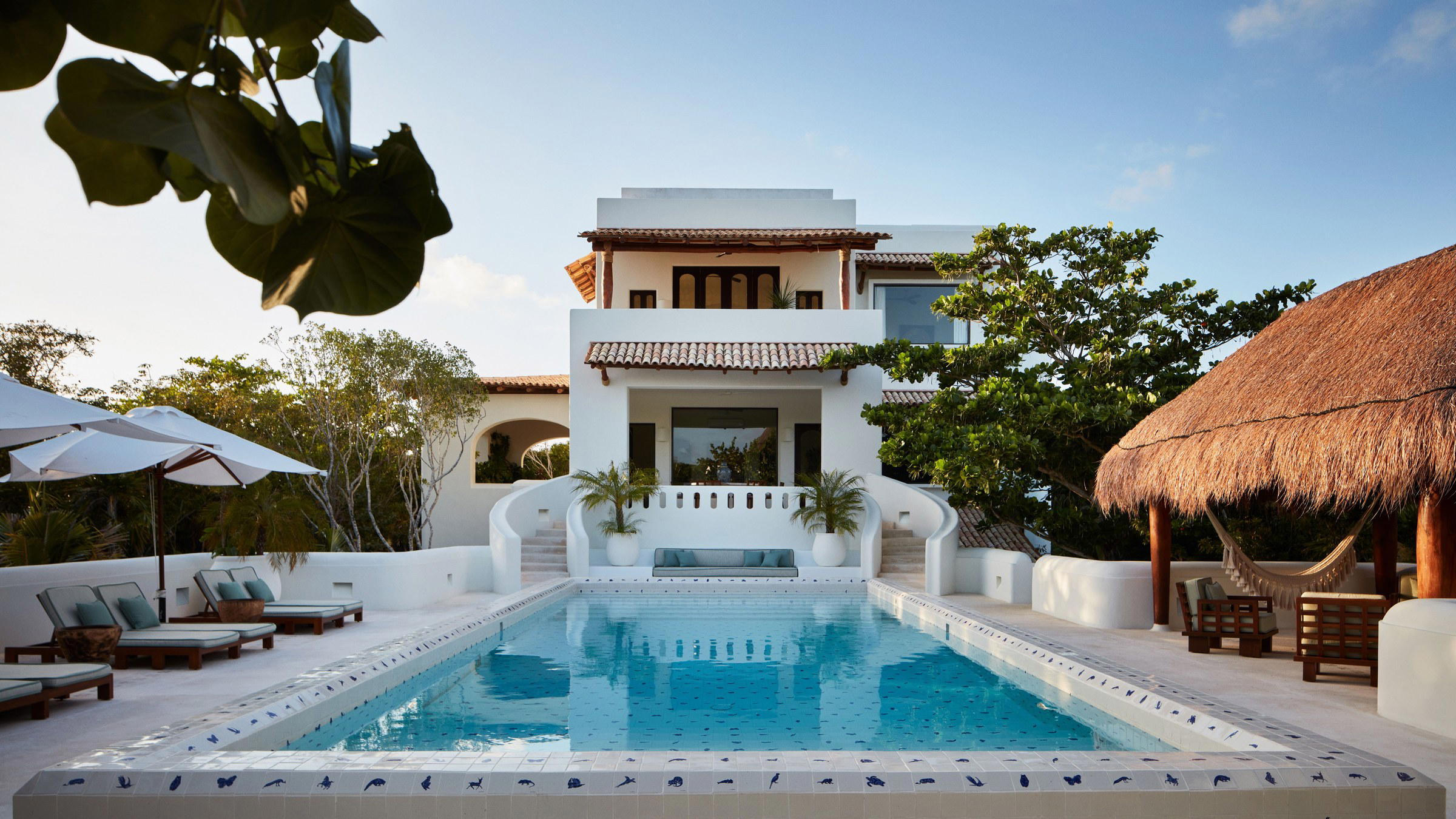
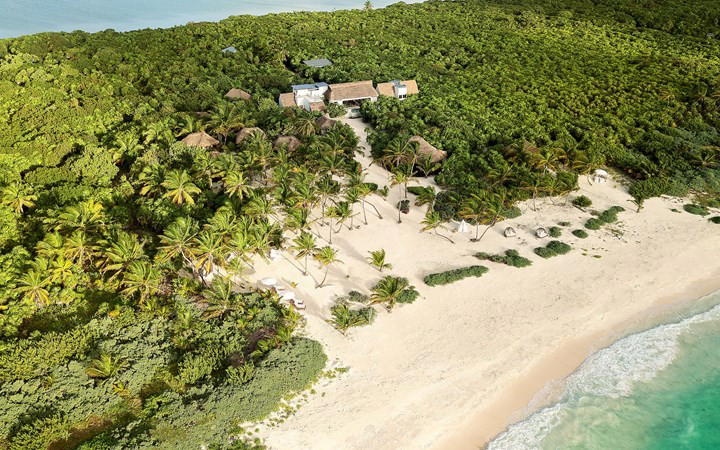
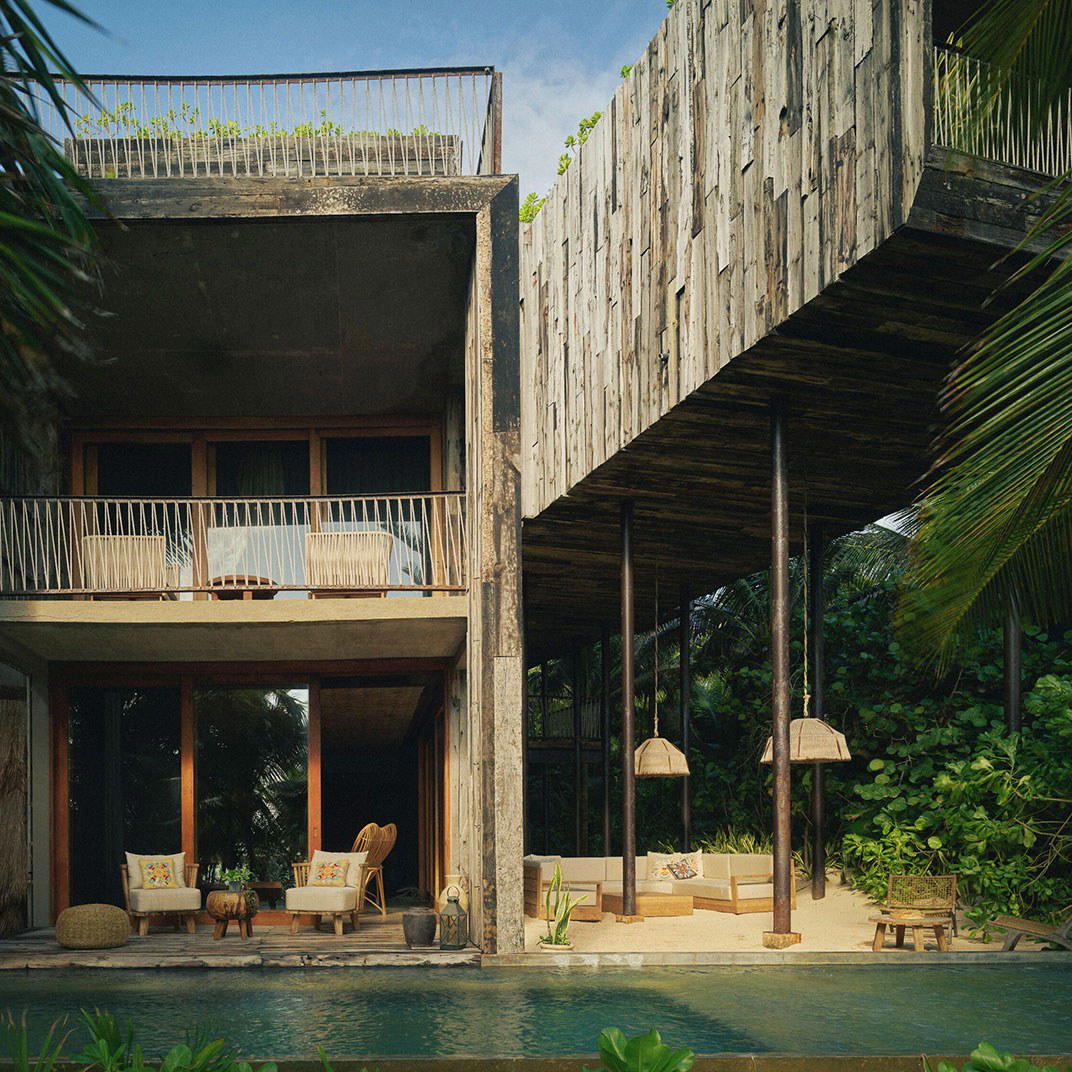
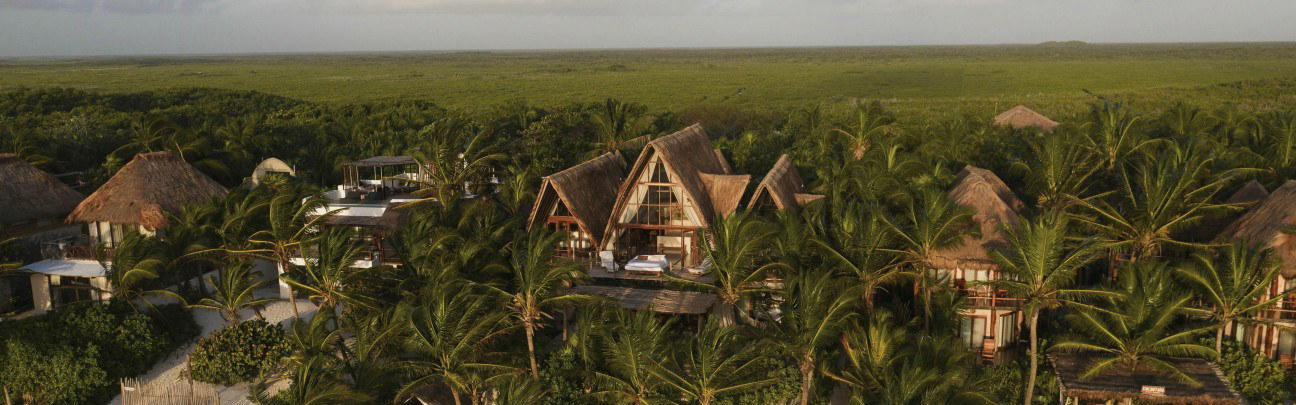
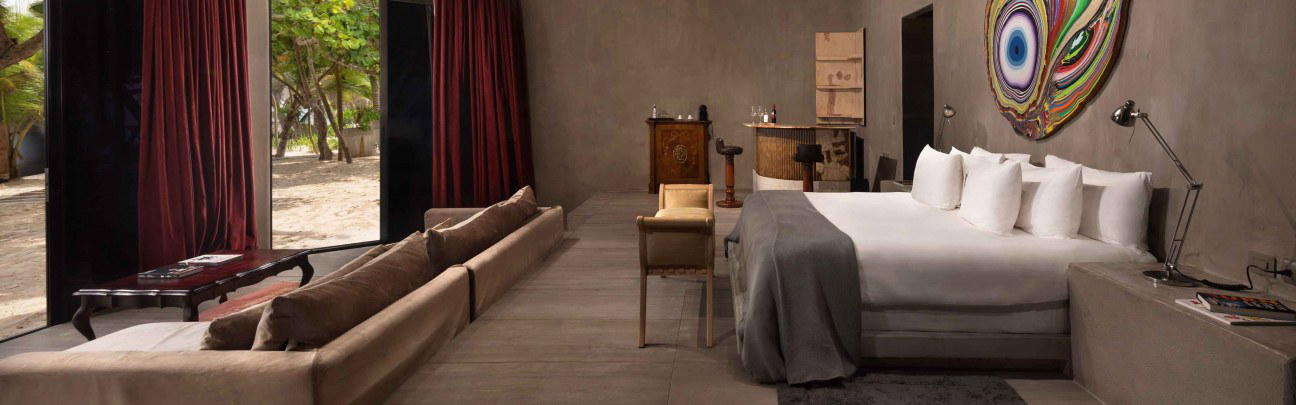
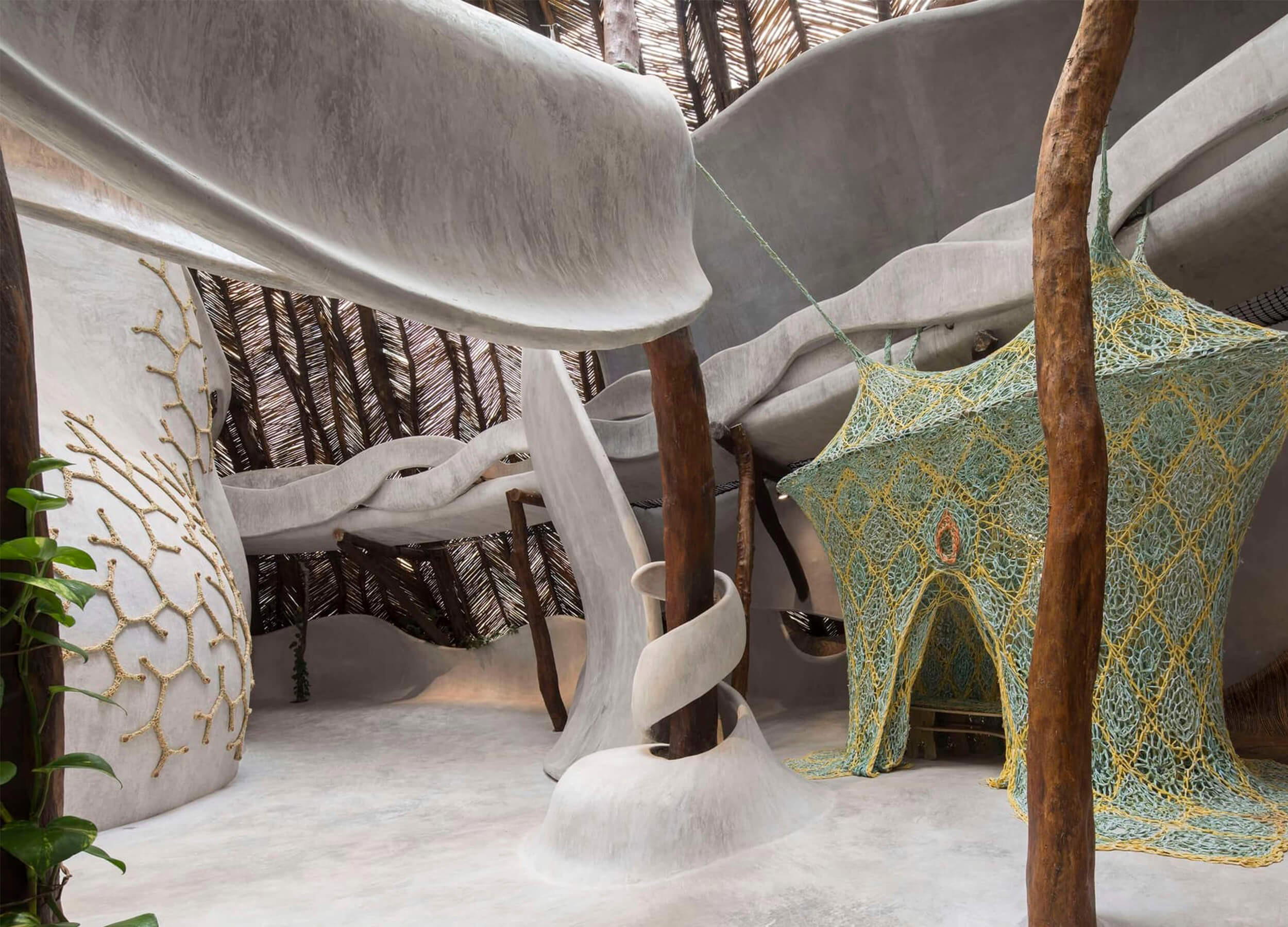
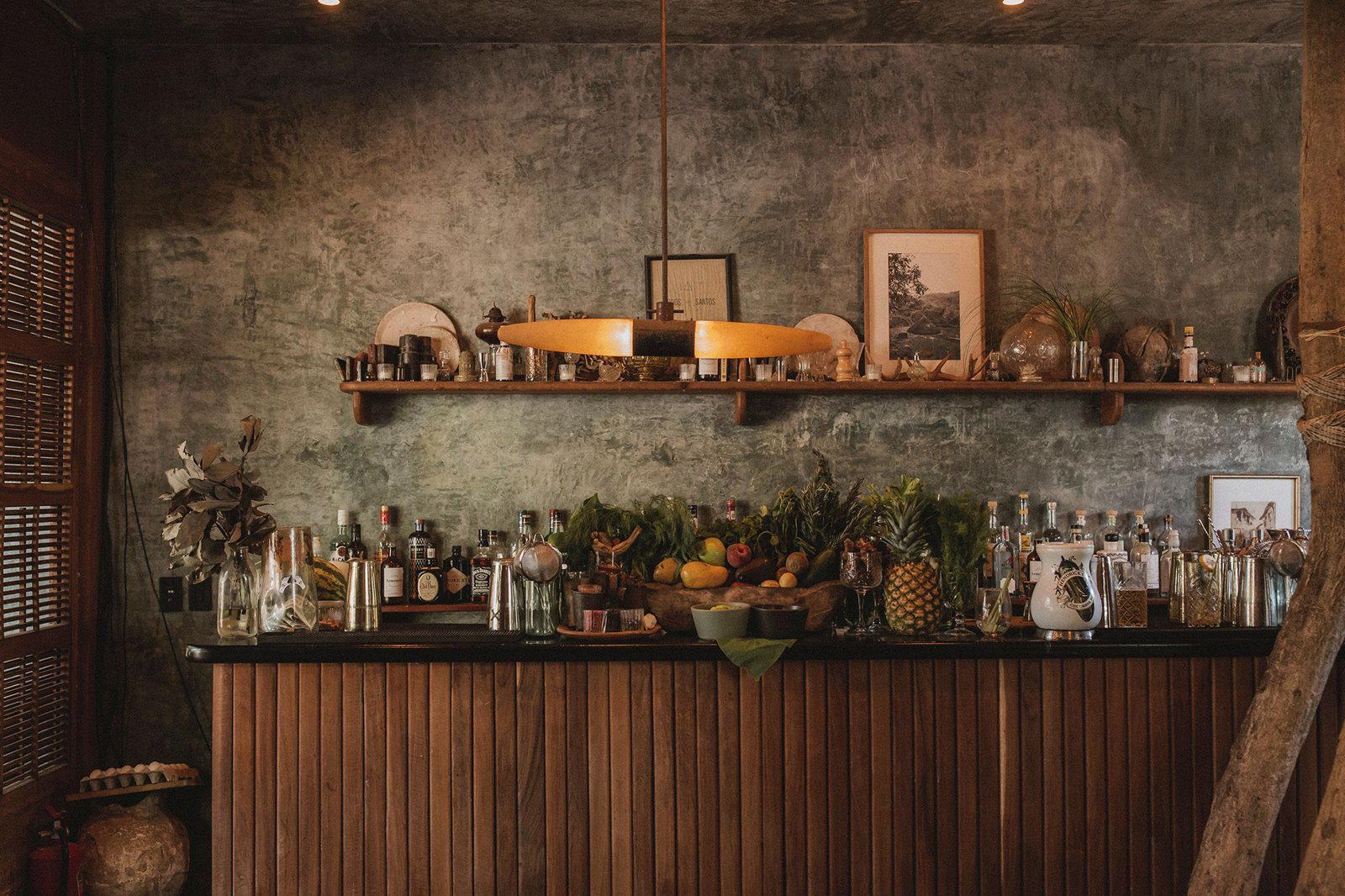
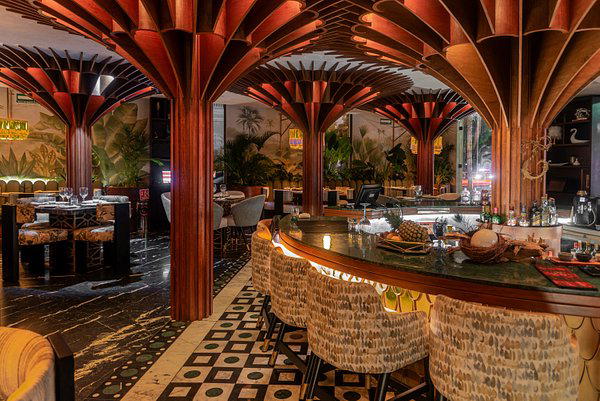
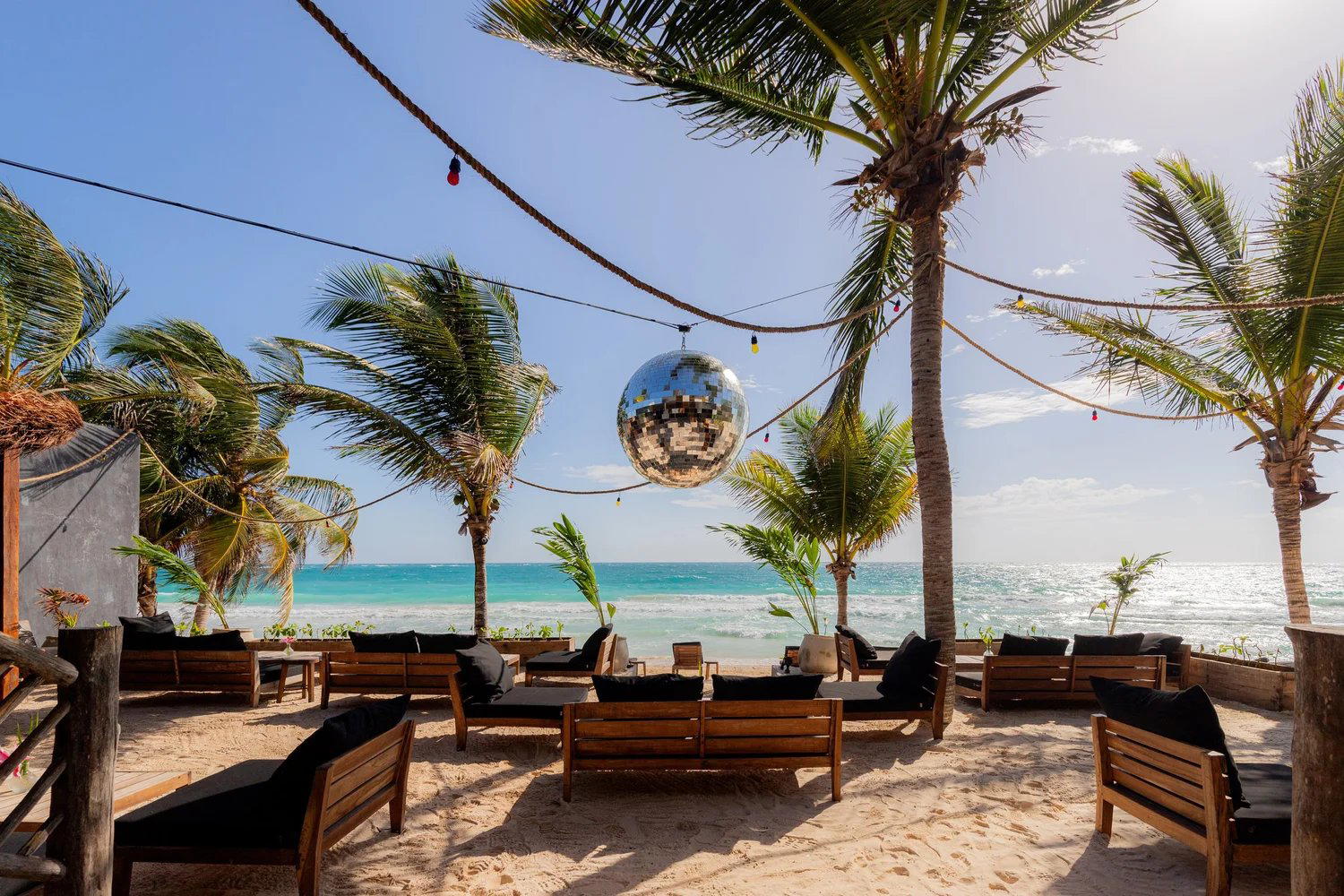
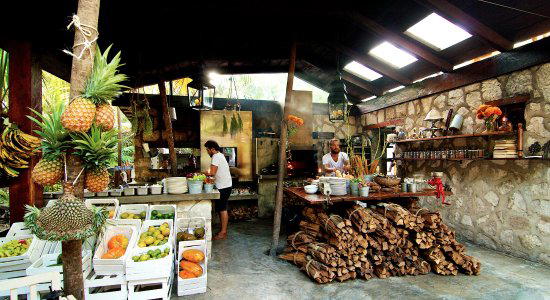
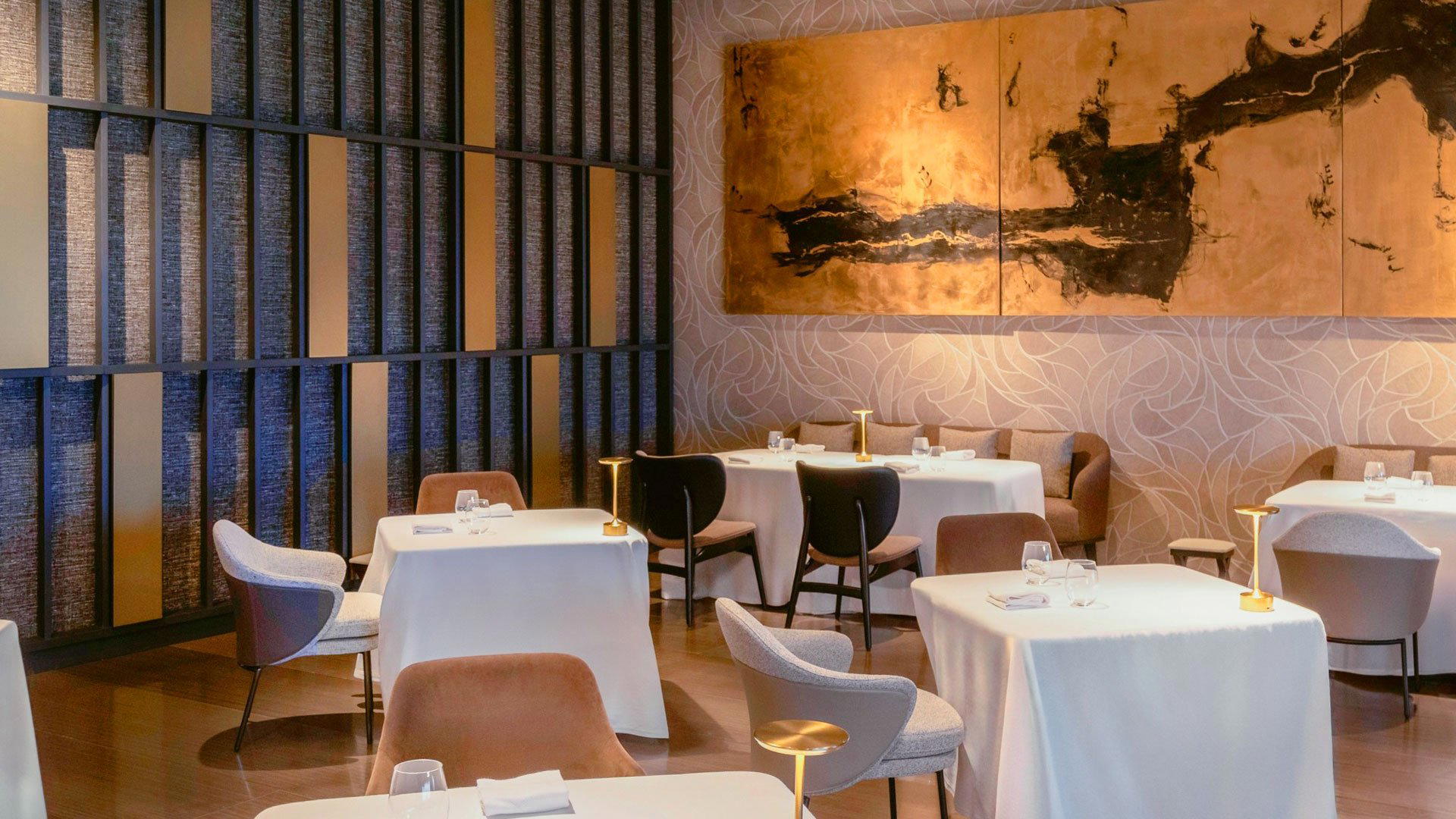
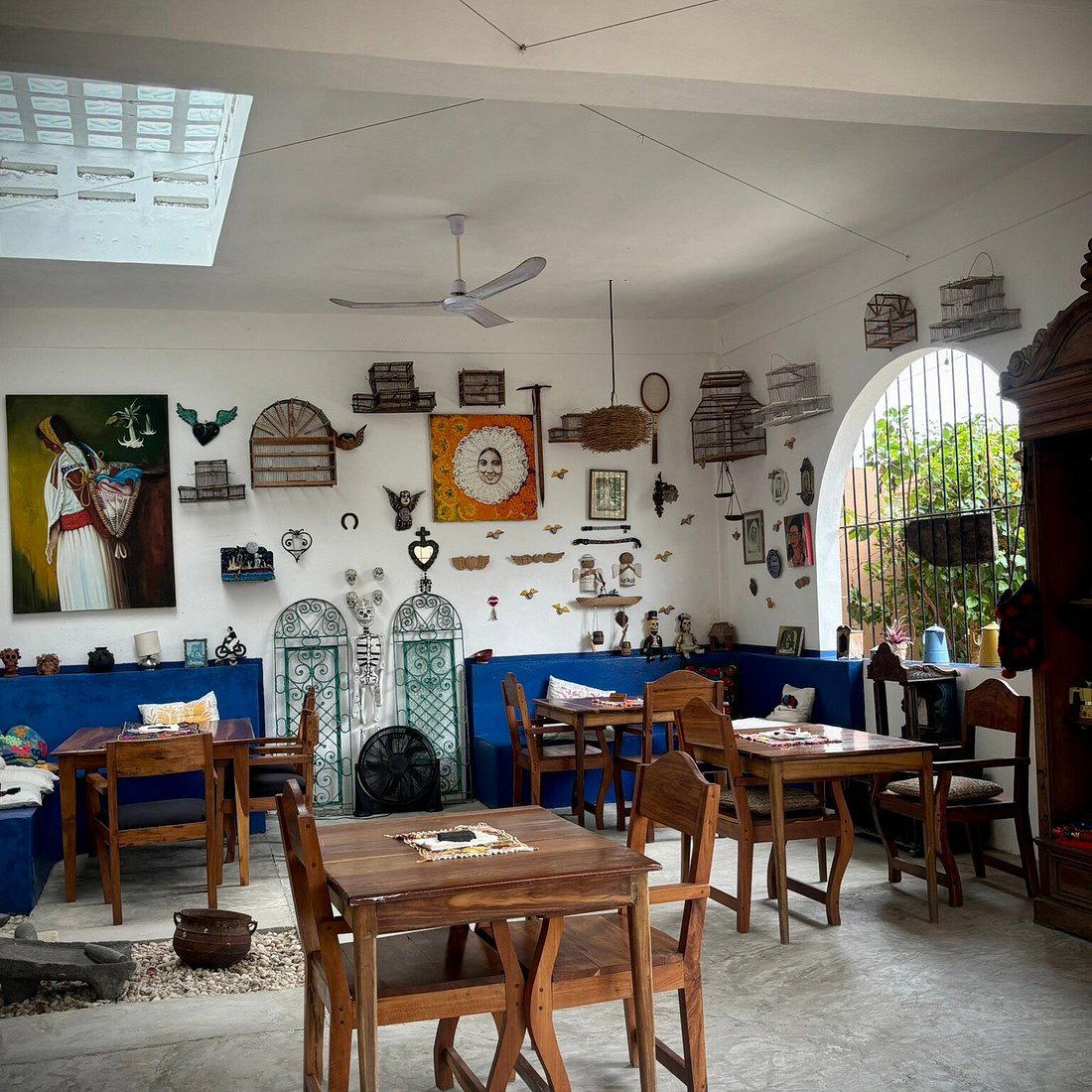
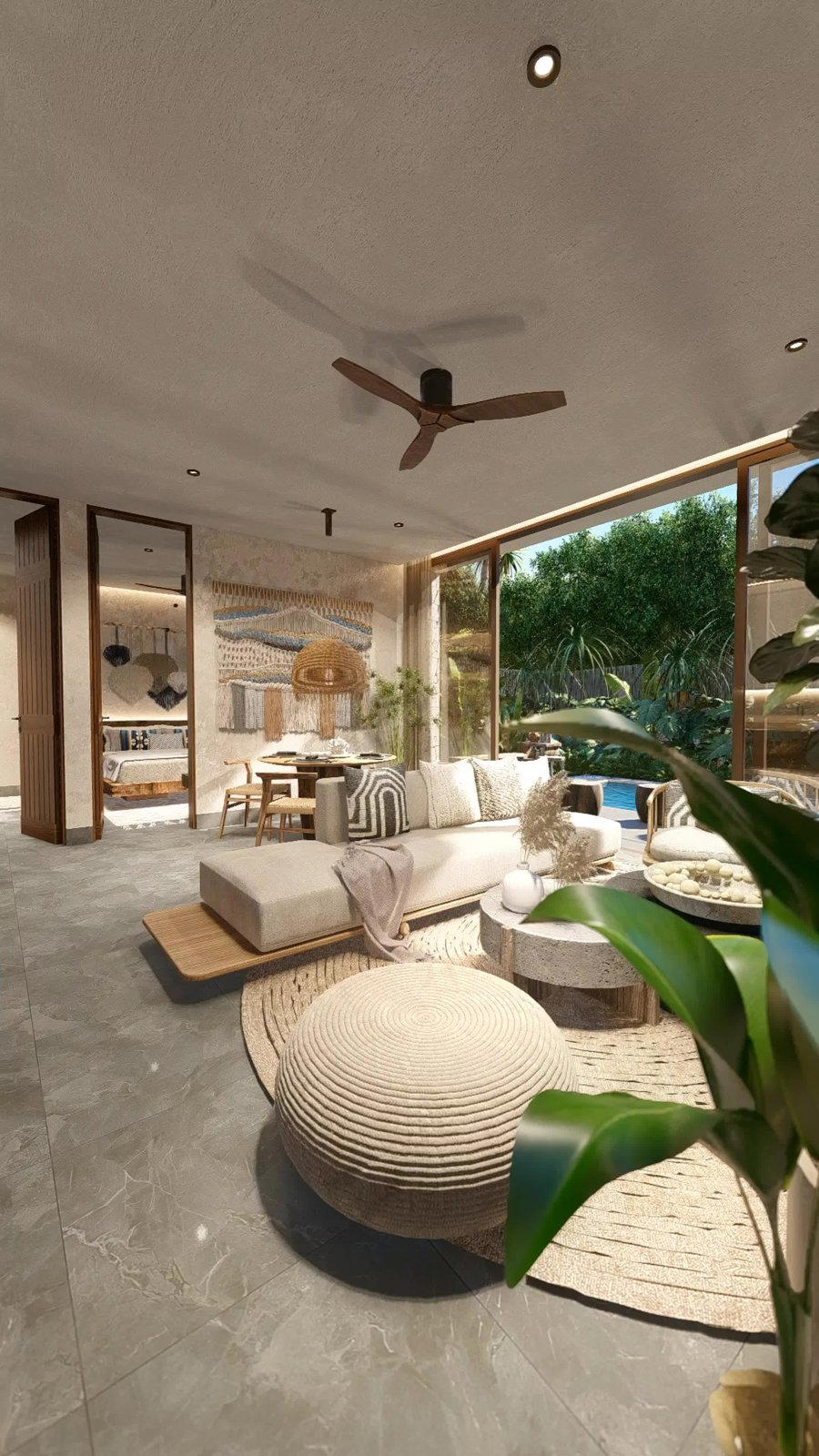
Serene and immersive with natural light, open layouts evoking cenotes, mangrove views, and a peaceful fusion of Yucatan materials and contemporary elegance.