Four Seasons Resort Punta Mita


.png)




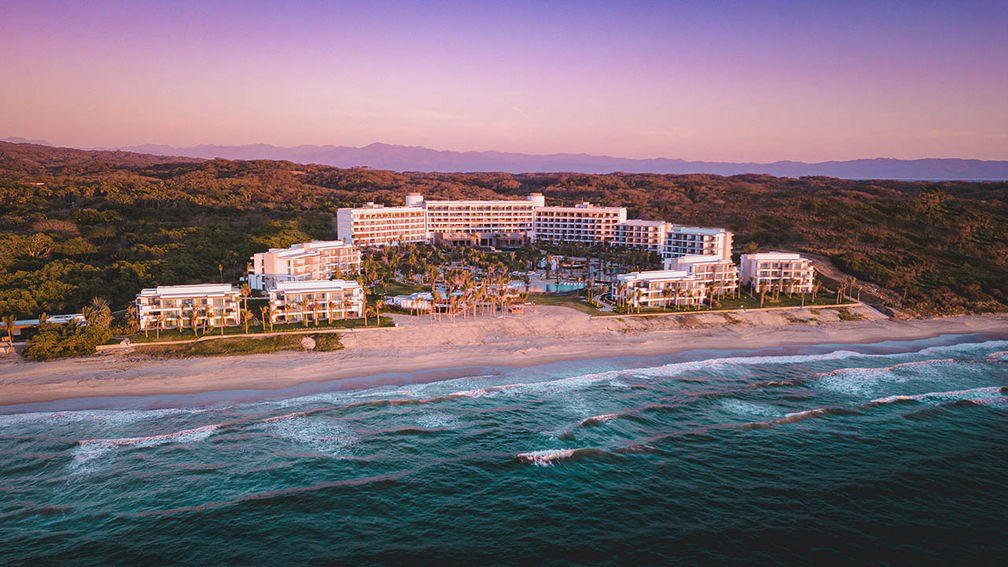
On a private peninsula of Riviera Nayarit, Four Seasons Resort Punta Mita holds 177 rooms across 52 acres of Pacific coastline, earning Michelin 2 Keys recognition in 2024 and a 97.5-point La Liste ranking in 2026. Two private beaches, dual Jack Nicklaus-designed golf courses, and a spa rooted in Huichol indigenous tradition place it in Mexico's top tier of integrated resort experiences.
Pearl is the En Primeur Club membership app — saves, bookings, and concierge access live there. Same editors, same standards.
- Address
- 63734 Punta Mita, Nayarit
- Phone
- +52 329 291 6000
- Website
- fourseasons.com
- Directions
- Get directions
 Saves & bookings on Pearl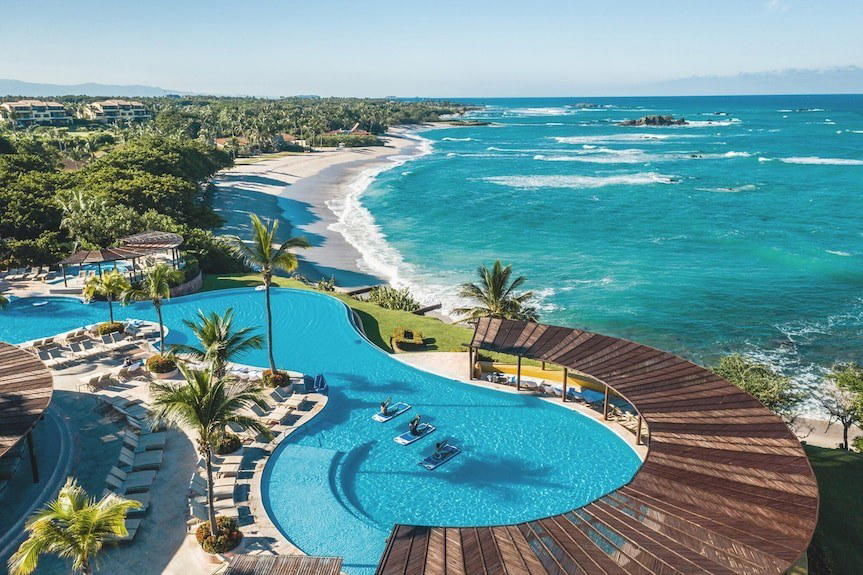
A Peninsula Property in Context
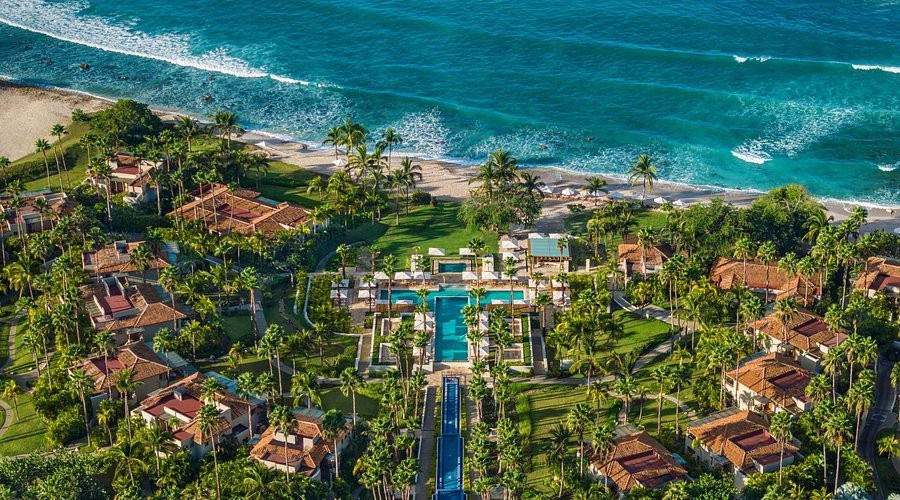
Mexico's luxury resort geography has consolidated around a handful of genuinely private settings, and Punta Mita occupies a specific position in that hierarchy. The peninsula sits just north of the Nayarit state border, separated from Puerto Vallarta's urban density by a short coastal drive but operating at a remove that makes the comparison almost irrelevant. Properties at this latitude compete not on proximity to a city but on what their own land provides. Four Seasons Resort Punta Mita, holding its position across more than two decades, answers that question with 52 acres of Pacific-facing coastline, two private beaches, and infrastructure that few properties of comparable scale have matched on this stretch of coast. Its 2024 Michelin 2 Keys designation confirms its standing in the region, benchmarking it against properties like One&Only Mandarina in Riviera Nayarit rather than mid-market Banderas Bay resorts.
The Physical Environment: Design Language and Space
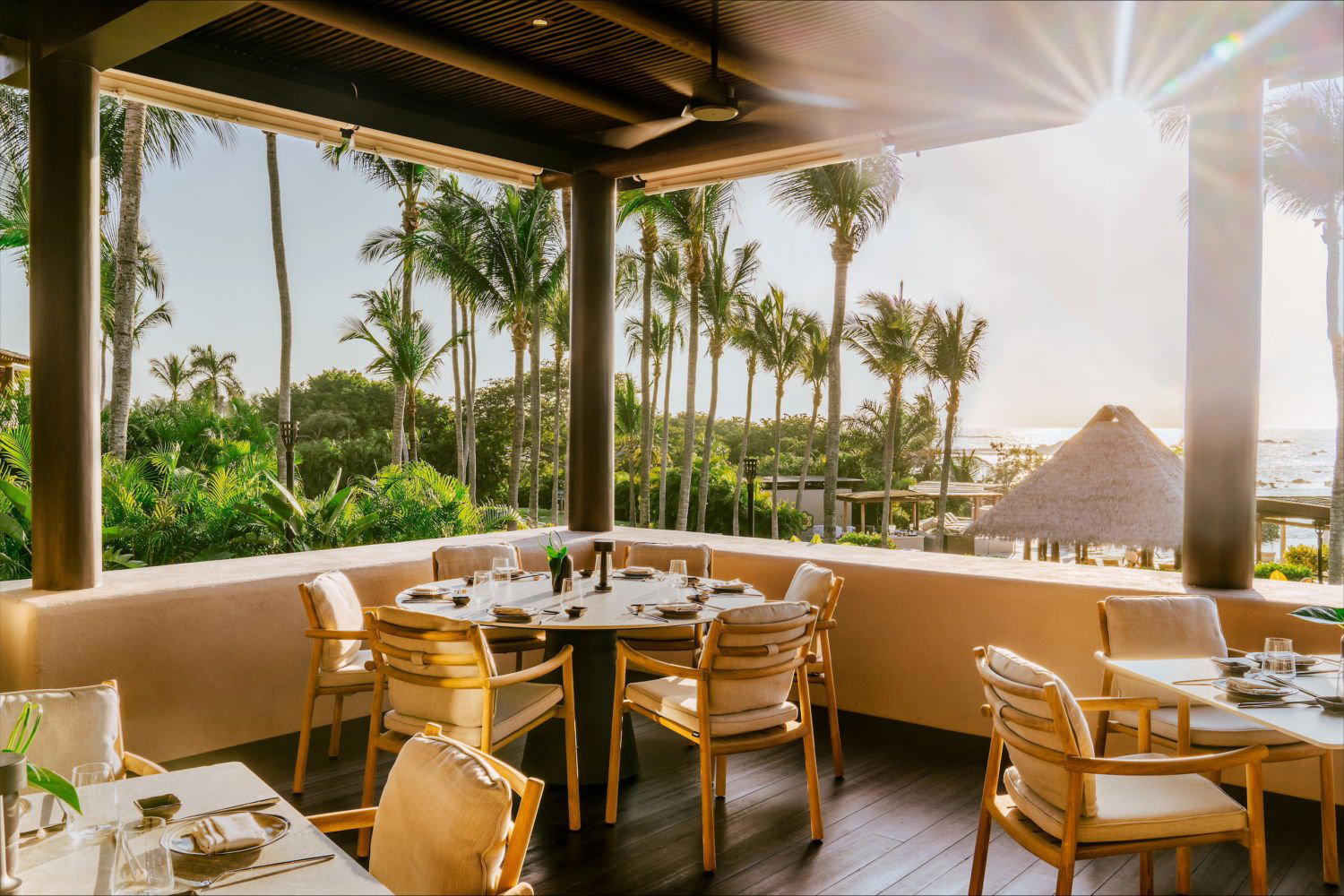
The resort's architecture works through horizontal spread rather than vertical height, a deliberate choice that keeps the built environment in dialogue with the coastal terrain. Guest casitas and suites are arranged across the acreage so that ocean sightlines are preserved at ground level, with patios designed to function as open-air living rooms rather than transitional spaces. The design vocabulary draws on contemporary Mexican craft traditions, incorporating Huichol-inspired detail work into rooms that were recently renovated. Blue-footed booby motifs, a nod to the bird colonies visible on the nearby Marieta Islands, appear as recurring references in the design scheme, connecting the interior to the specific ecological character of Banderas Bay rather than a generic tropical aesthetic.
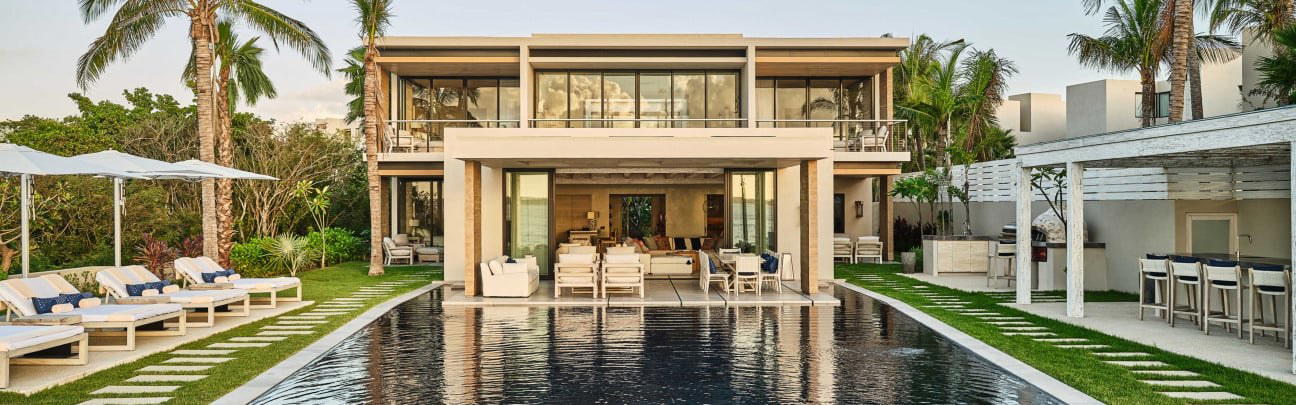
The Coral Beach House, a 7,965-square-foot five-bedroom villa designed by architect Diego Villaseno, sits at the far end of the property's design ambition. Villaseno's approach balances retreat comfort with technological integration, making it a distinct category within the resort's accommodation tier rather than simply a larger version of the standard suite. For most guests, the 34 suites with private plunge pool terraces represent the strongest match between price, space, and environmental access.
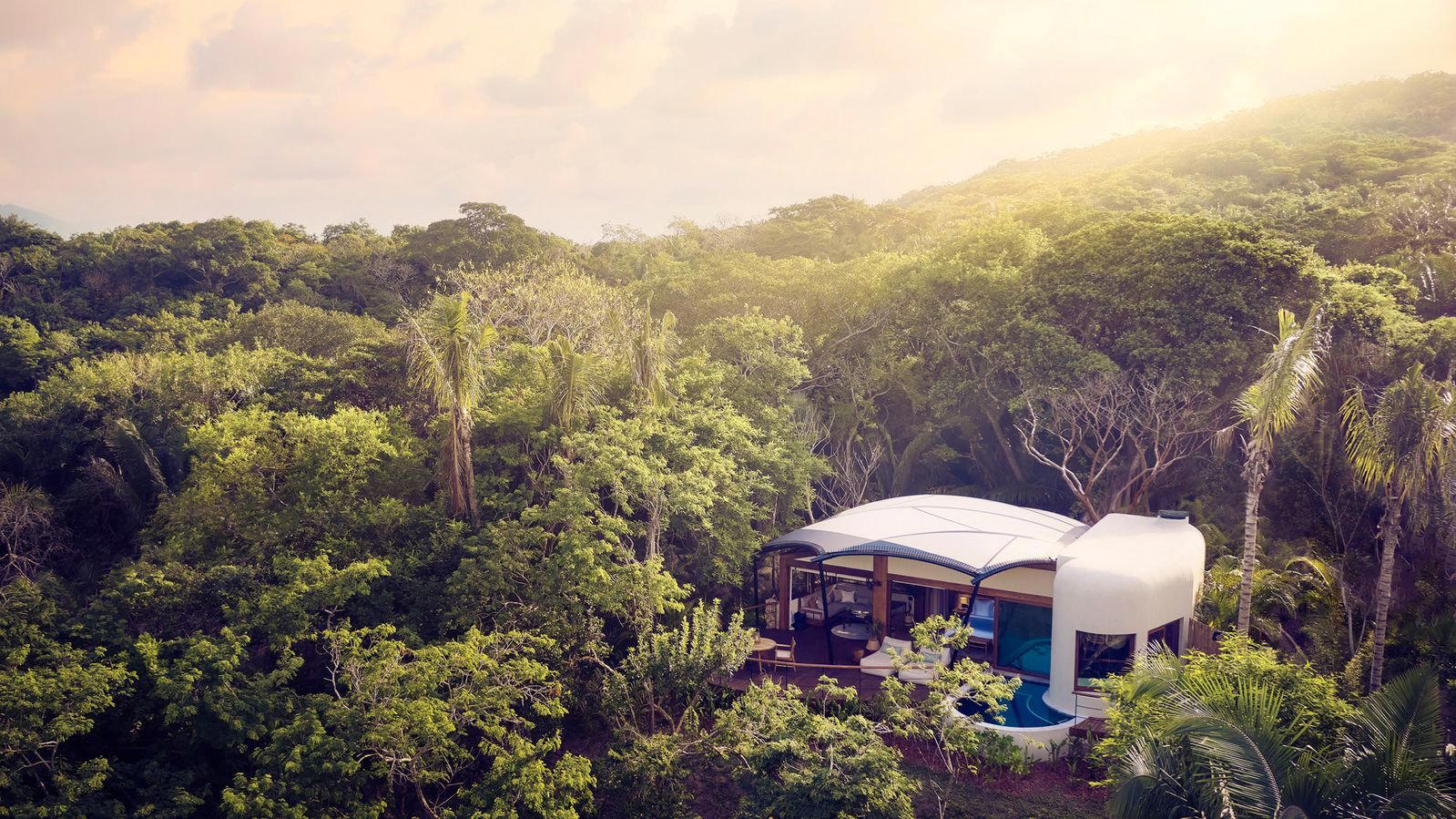
Comparable tented or low-footprint formats have appeared at properties like Susurros del Corazón, Auberge Resorts Collection, also in Punta de Mita, suggesting the format has become a competitive signal in this market.
The Apuane Spa as Regional Archive
Mexico's premium spa market has moved away from generic wellness programming toward treatment menus with documented regional grounding, and the Four Seasons Apuane Spa sits at the more rigorous end of that shift. Across one acre of indoor-outdoor space, the treatment program incorporates materials and practices tied to the indigenous Huichol communities of the Sierra Madre. The Punta Mita Massage uses tequila-infused preparations formulated from Huichol-traditional ingredients. The Hakali Massage uses heated, de-needled prickly pear cactus paddles to apply pulque, derived from agave plants and noted for its vitamin C content, making it simultaneously a textural treatment and a locally sourced ingredient story. These are specific practices rather than ambient cultural branding, which distinguishes the Apuane's offer from spas that reference local tradition without articulating what it actually means in the treatment room. Chablé Yucatán in Merida and Las Ventanas al Paraíso, A Rosewood Resort in San José del Cabo.
Water, Land, and Programming
The resort's activity offer spans Pacific coastal activities without relying on proximity to an external destination. Surfing, scuba diving, snorkeling, and swimming all operate from the property's own beaches. The Marieta Islands, a federally protected UNESCO biosphere reserve accessible by boat from the resort, contain cave formations and the nesting grounds of the blue-footed booby, the same bird that appears as a design motif in the guest rooms. The turtle release program, which allows guests to return olive ridley sea turtle hatchlings to Banderas Bay, is not simply an activity feature but a conservation participation tied to the bay's documented ecology.
The two Jack Nicklaus-designed golf courses, set with ocean views and tropical landscaping, occupy a specific tier in golf-resort terms. Nicklaus-designed courses carry design provenance that creates a separable draw for golf-oriented guests, and the courses here are among the better-known on Mexico's Pacific coast. The combination of golf, spa, and marine activity within a single property footprint gives this resort a logistical completeness that more design-focused but smaller properties, such as Hotel Esencia in Tulum, cannot match at scale.
Pools are organised by function rather than presented as a single amenity. The family-friendly lazy river, the adults-only Tamai Pool, and the Nuna Pool's infinity edge facing the Pacific serve different guest profiles and different times of day without competing directly. This kind of internal segmentation is typical of large-scale resorts that have moved past the single-pool model, and it is one of the more tangible quality-of-stay differences between a 52-acre property and a boutique hotel with 20 keys.
The Surrounding Coast
Resort's position on the Nayarit coast gives access to a set of nearby towns that operate at different registers. Sayulita, to the north, carries a surf-and-reggae energy with boutiques and strong short-break restaurant options. San Pancho runs quieter, with a golden beach, local craft shops, and a smaller cluster of food-focused establishments. Puerto Vallarta, south across the state border, offers the full infrastructure of a Mexican colonial city, including fine dining, cobblestoned historic streets, and a cultural depth that a resort of any size cannot replicate on its own land. Comparable coastal Mexico alternatives on other coastlines include Maroma in Riviera Maya and Montage Los Cabos in Cabo San Lucas.
Planning Essentials
The resort operates across 177 rooms with nightly rates from approximately $800, positioning it at the upper end of Mexico's resort pricing. With more than 300 days of sunshine annually, the Riviera Nayarit coast is broadly accessible year-round, though the dry season between November and May represents one reliable weather window for outdoor and marine activities. Readers evaluating the broader Mexican luxury hotel market may also want to consider Zadun, A Ritz-Carlton Reserve in Los Cabos, Las Alamandas in Costalegre, or, for a different Pacific coast format, Cuixmala in La Huerta. For wellness-specific travel beyond Nayarit, Palmaïa-The House of AïA in Playa del Carmen and Etéreo, Auberge Resorts Collection in Punta Maroma offer contrasting formats on Mexico's Caribbean coast.
How It Stacks Up
Comparable venues nearby, for context on price, style, and recognition.
| Venue | Cuisine | Price | Awards | Notes |
|---|---|---|---|---|
| Four Seasons Resort Punta MitaThis venue — the venue you are viewing | Traditional Mexican-style casitas with red-tiled roofs amid lush gardens against Pacific shores | $$$$ | Michelin 2 Key | Not listed |
| Susurros del Corazón, Auberge Resorts Collection | Contemporary beachfront luxury resort with nature-inspired design integrating organic materials and Mexican artisan elements into a sophisticated coastal hideaway. | $$$$ | Michelin 2 Key | Punta de Mita |
| Four Seasons Resort Tamarindo | Contemporary luxury resort blending modern design with pre-Hispanic architectural elements and Mexican artisan craftsmanship, set within an untouched nature sanctuary. | $$$$ | World's 50 Best #55, 5-Star | Costalegre |
| Waldorf Astoria Los Cabos Pedregal | Cliffside luxury resort | $$$$ | Michelin 2 Key | Cabo San Lucas |
| Las Alamandas | Secluded luxury beachfront estate with private beaches and expansive nature preserve | $$$$ | Michelin 2 Key | Costalegre |
| Zadun, A Ritz-Carlton Reserve | Mexican-inspired luxury beachfront resort | $$$$ | Michelin 2 Key | San José del Cabo |
Recognition history
Dated appearances from independent guides and award organizations, with the underlying list record or original source where available.
Conde Nast Gold List
Conde Nast
Forbes 5-Star
Forbes
La Liste Top Hotels
La Liste
Star Wine List
Star Wine List
Virtuoso Luxury Hotel Partner
Virtuoso
AAA 5 Diamond
AAA
Forbes 5-Star
Forbes
Michelin 2 Keys
Michelin
Michelin 2 Keys
Michelin
Continue exploring
More in Punta de Mita
Hotels in Punta de Mita
Browse all →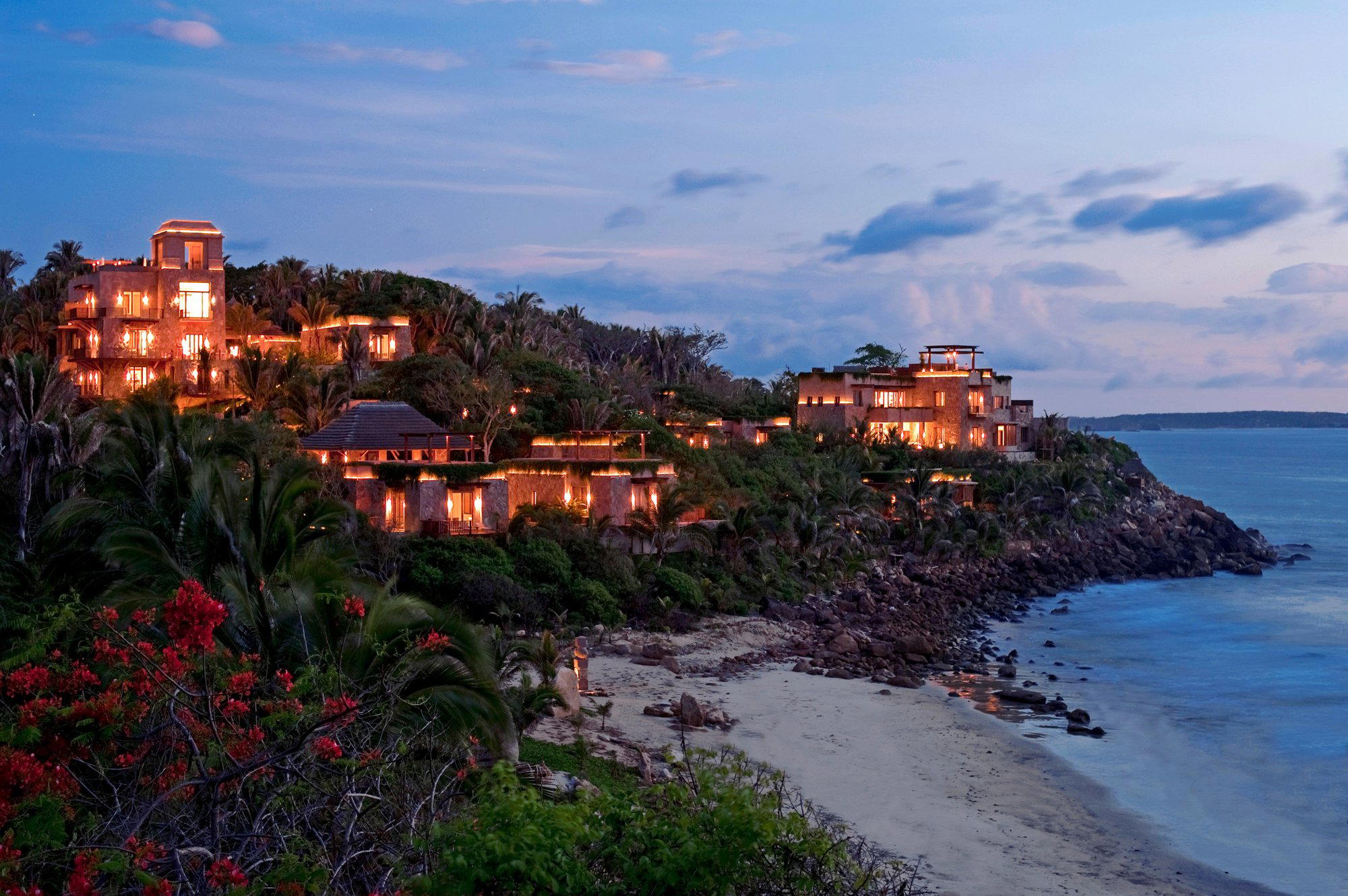
Bars in Punta de Mita
Browse all →
At a Glance
- Elegant
- Scenic
- Sophisticated
- Ornate
- Family Vacation
- Honeymoon
- Romantic Getaway
- Wellness Retreat
- Destination Wedding
- Beachfront
- Infinity Pool
- Golf Course
- Destination Spa
- Private Villa
- Pool
- Spa
- Fitness Center
- Room Service
- Concierge
- Kids Club
- Beach Access
- Golf Course
- Tennis
- Waterfront
- Pool
- Spa
- Fitness Center
- Room Service
- Concierge
- Kids Club
- Beach Access
- Golf Course
- Tennis
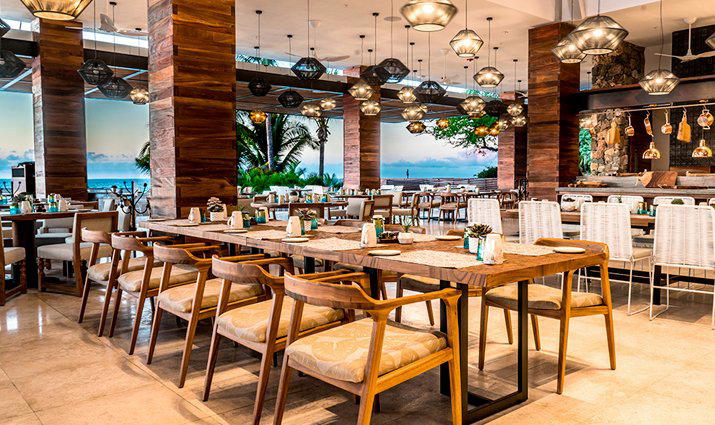
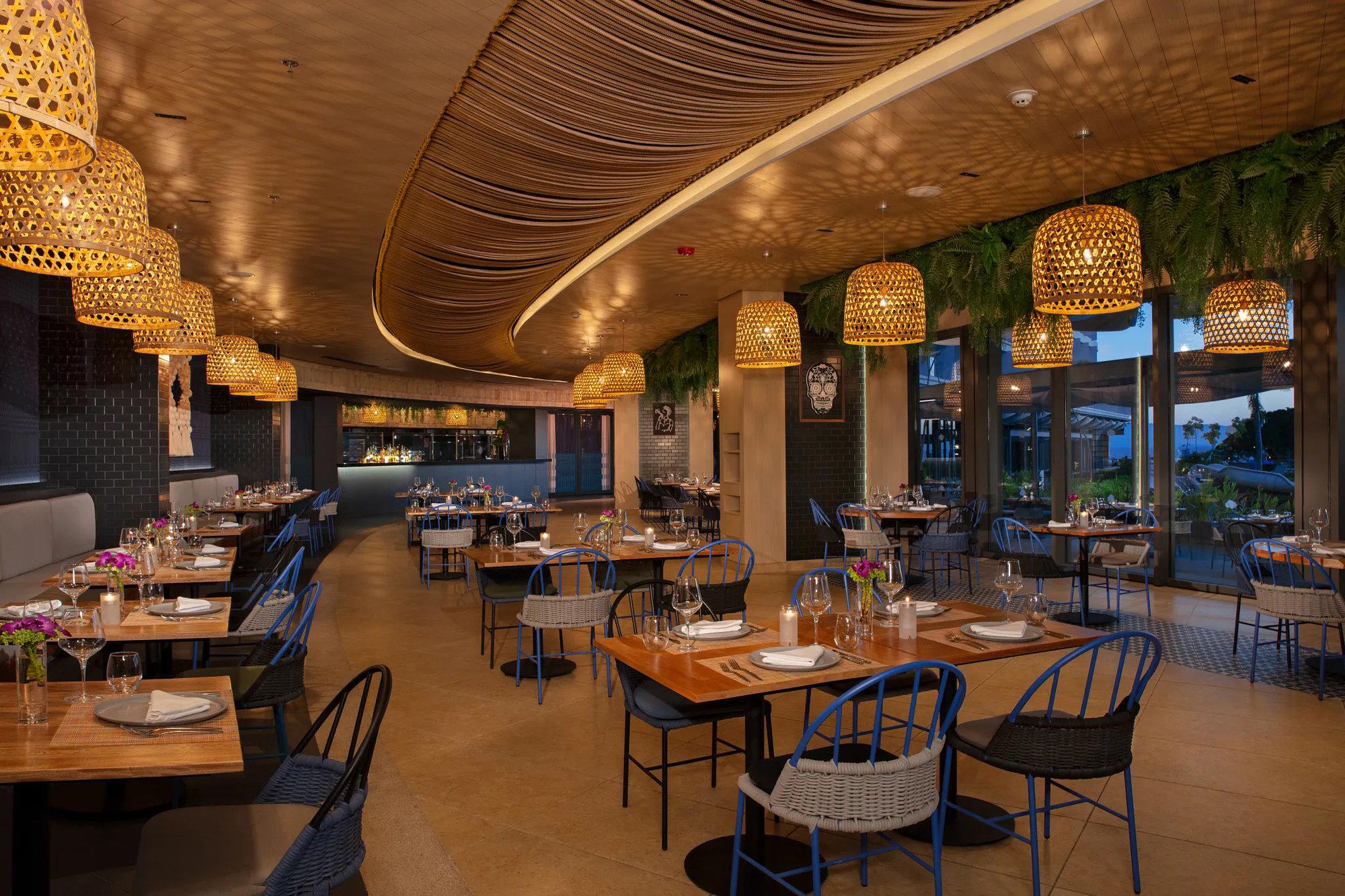
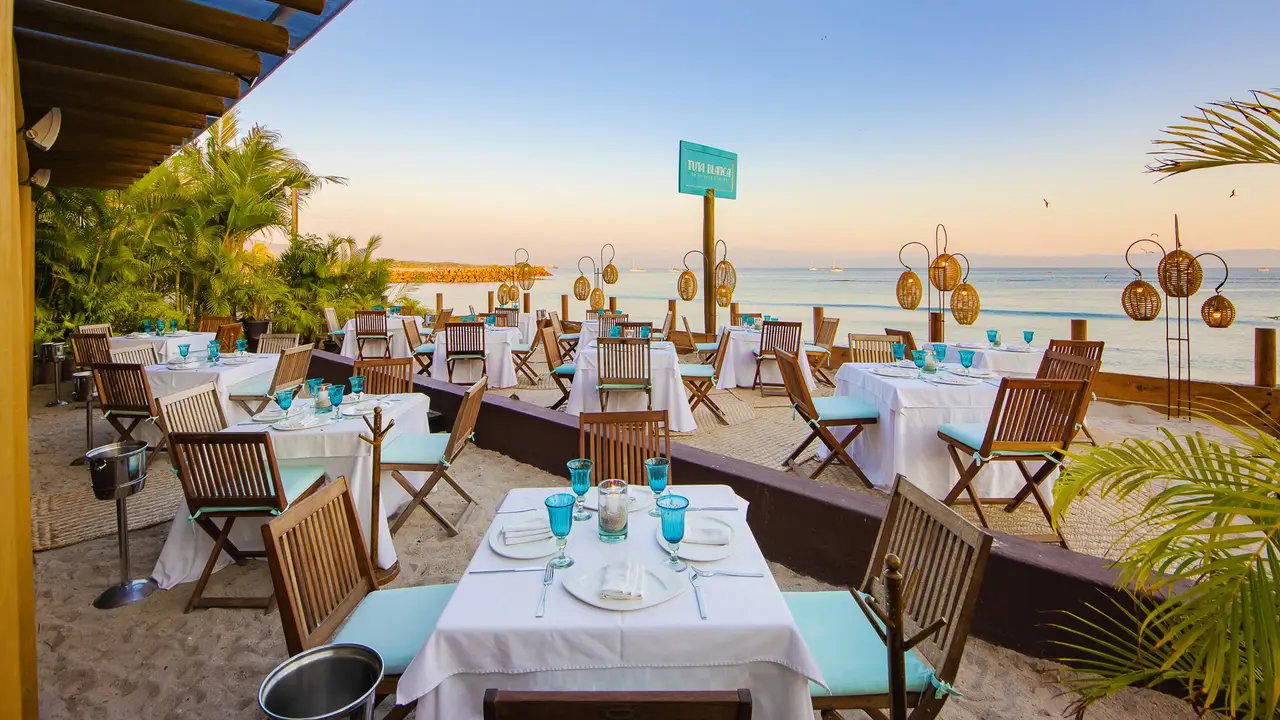
Luxurious beachfront oasis with lush tropical gardens, ocean views, soothing water features, and a serene yet lively atmosphere blending relaxation and adventure.