

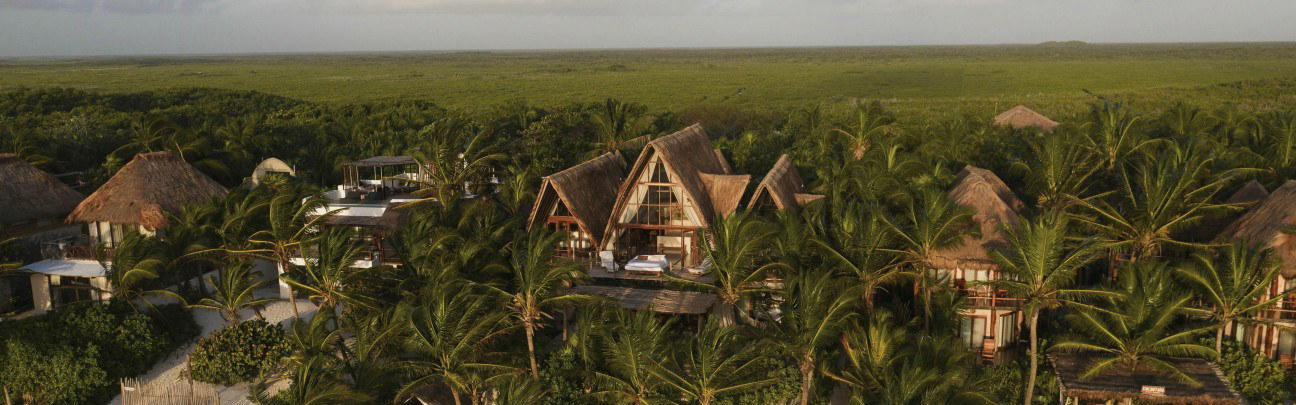
Azulik sits at kilometre five of the Tulum Hotel Zone, where the jungle meets the Caribbean in a property built almost entirely from raw wood, rope, and natural materials. Named Mexico's Most Romantic Resort at the 2025 World Travel Awards and recognised by Pearl, it occupies a distinct position in Tulum's design-led accommodation tier. The address suits travellers who want the Yucatán coast without the all-inclusive formula.
Pearl is the En Primeur Club membership app — saves, bookings, and concierge access live there. Same editors, same standards.
- Address
- Carretera Tulum - Punta Allen KM 5 Zona Hotelera, Tulum Beach, 77780 Tulum, Q.R.
- Phone
- +52 984 980 2955
- Website
- azulik.com
- Directions
- Get directions
 Saves & bookings on Pearl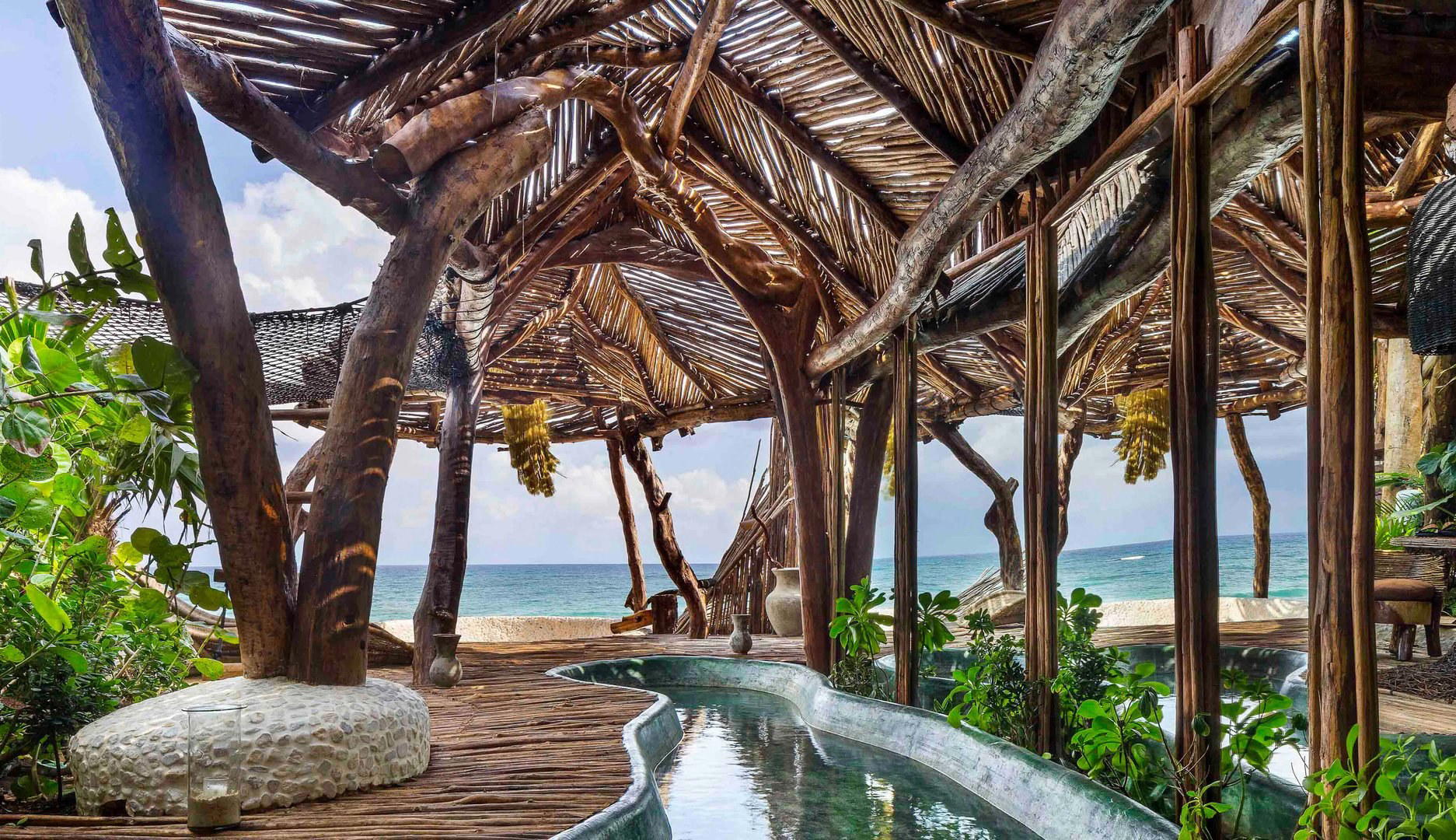
Where the Jungle Meets the Shore
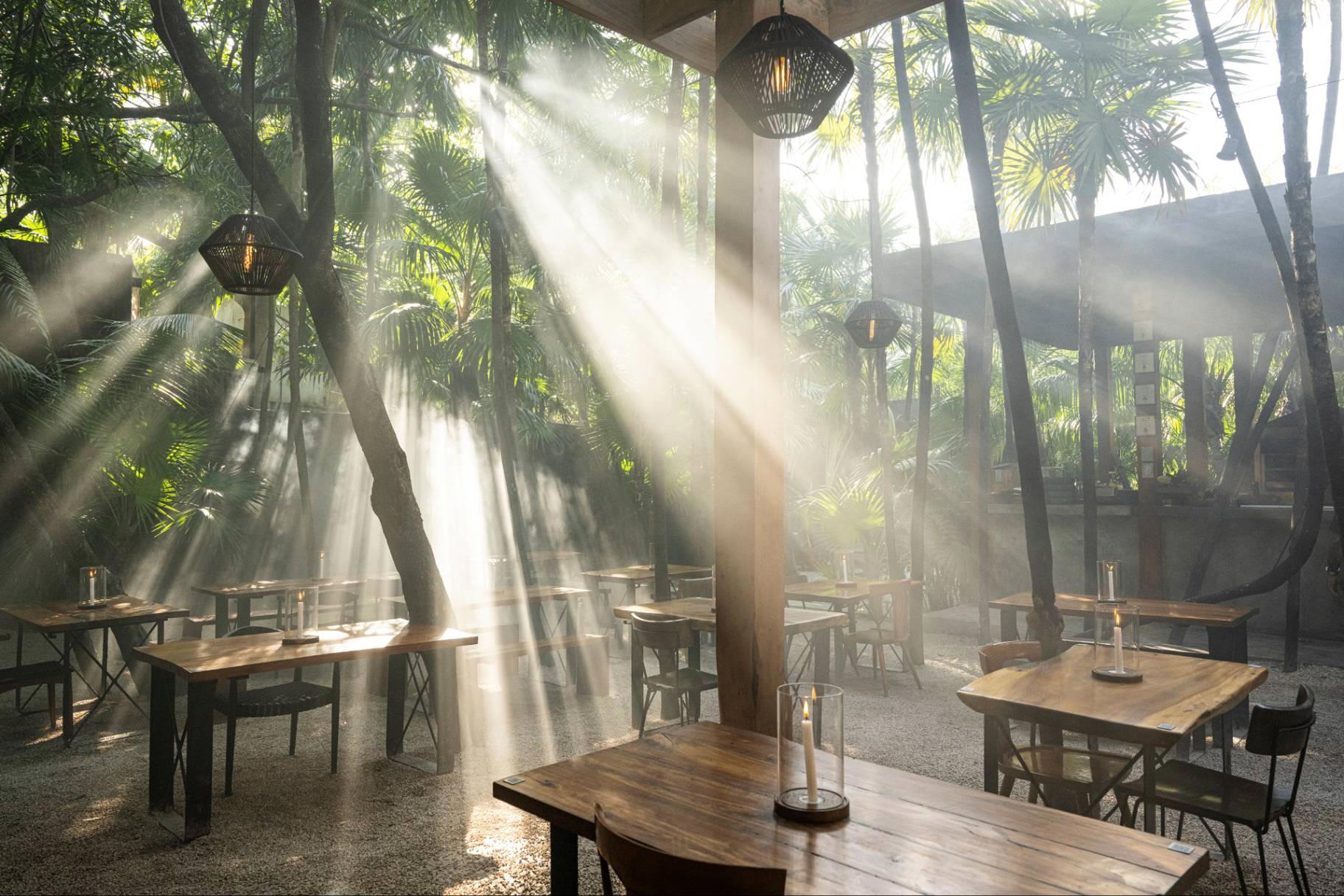
The approach to Azulik along Carretera Tulum–Punta Allen already signals what kind of property this is. The road narrows, the tree canopy closes in, and the concrete certainties of the hotel zone give way to something rawer. At kilometre five, structures built from unfinished wood and organic curves emerge from the vegetation rather than interrupting it. There are no sharp angles here, no glass-and-steel lobbies, no fluorescent corridors. Tulum's design-led accommodation tier has developed a recognisable grammar over the past decade, and Azulik helped shape it.
That context matters for any traveller comparing options along this stretch of coast. Properties like Hotel Esencia and Casa Malca occupy the same general zone but operate with different design philosophies and guest experiences. Azulik sits at the more architecturally theatrical end of the spectrum, where the built environment is itself the primary statement. The 2025 World Travel Awards named it Mexico's Most Romantic Resort, a designation that reflects not just aesthetics but the cumulative effect of the setting and the material palette.
The Yucatán Larder and What It Means on the Plate
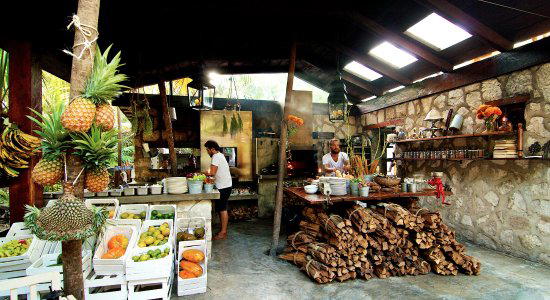
Tulum's position in the culinary conversation has shifted considerably since the mid-2010s. What began as a beach-town adjunct to Playa del Carmen's dining scene now draws chefs and concepts that treat the Yucatán peninsula's indigenous ingredient base as primary source material rather than background flavour. Across the hotel zone, the better kitchens draw from the same regional larder: habanero and xcatik chillies from small Yucatec growers, achiote from Campeche, black beans and heirloom corn varieties that connect directly to pre-Columbian agricultural traditions, and seafood pulled from Caribbean waters that are among the more biodiverse in the Americas.
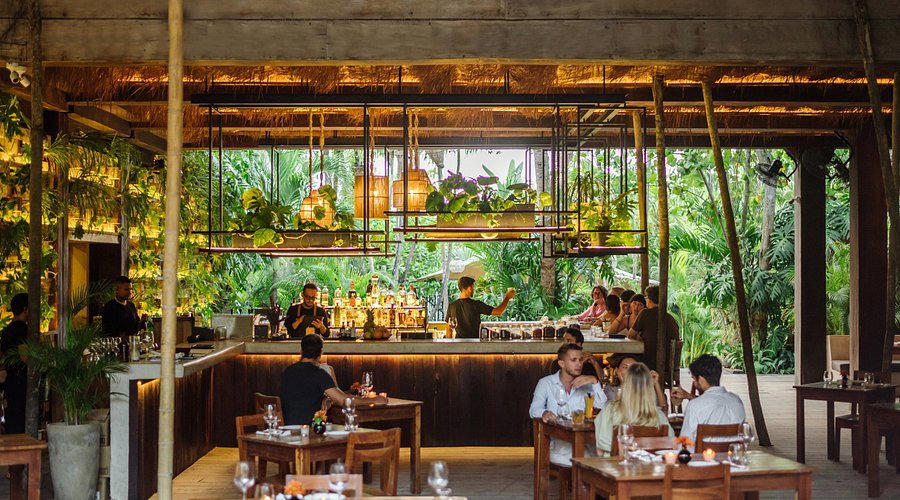
At Azulik, the sourcing philosophy aligns with the property's broader design ethos. Properties in this tier of the Tulum hotel zone have broadly moved toward local procurement not as marketing posture but as a coherent extension of their design and site ethic. The jungle setting makes synthetic or imported ingredients feel incongruous; the guest who checks in here is already making a specific choice about authenticity. That expectation shapes what appears on the table.
The wider Riviera Maya restaurant scene offers useful comparison. At the northern end of the region, around Playa del Carmen, kitchens tend toward a more cosmopolitan mix. Further south toward Sian Ka'an, as at Azulik's address, the density of tourists decreases and the connection to local agricultural and fishing communities tends to be stronger. This is not sentiment; it is geography and supply chain. The markets in Tulum town, and the producers who supply them, are closer in both distance and relationship to the properties at this end of the strip.
Design as Discipline
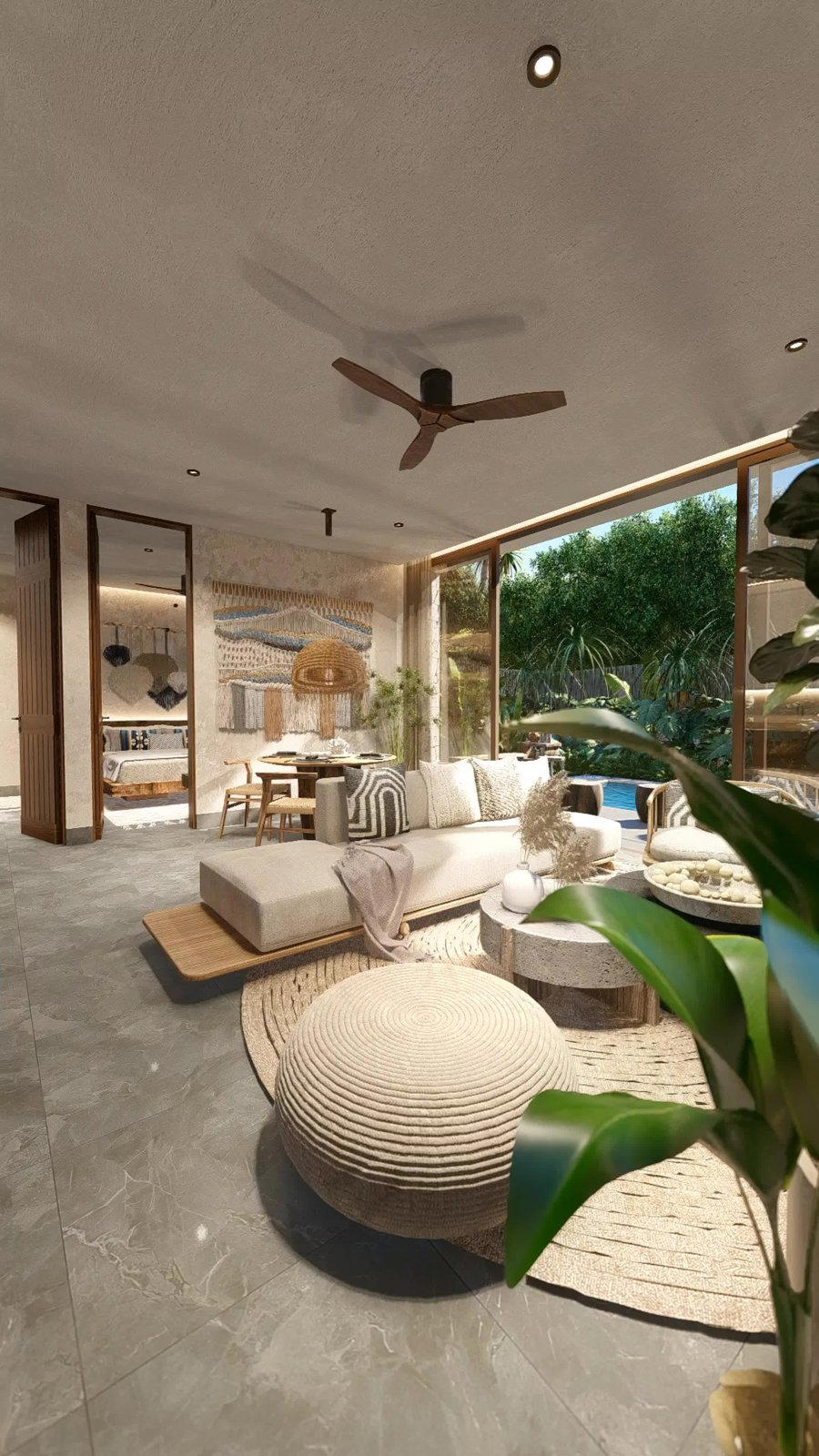
The architecture at Azulik deserves its own analysis because it functions as an editorial statement about how luxury resort development can sit inside a fragile ecosystem rather than consuming it. Across the Riviera Maya, the tension between development pressure and ecological sensitivity has produced a wide range of responses, from the token gestures of large all-inclusive operators to the more rigorous approaches taken by smaller, design-led properties. Azulik belongs to the latter cohort, using local materials, open-air construction, and a layout that preserves existing vegetation rather than clearing for symmetry.
Compare this approach to what other serious properties in Mexico's luxury tier have attempted. Chablé Yucatán in Merida integrates hacienda heritage into its spatial logic. Etéreo, Auberge Resorts Collection in Punta Maroma works with the coastal topography rather than overriding it. Further afield, Xinalani in Quimixto and One&Only; Mandarina in Riviera Nayarit represent the jungle-immersion model on Mexico's Pacific side. In each case, the commitment to site-responsive design either holds or it doesn't; at Azulik, the material evidence suggests it does.
Azulik in the Context of Tulum's Hotel Zone
Tulum's hotel zone has stratified significantly over the past five years. At one end, mid-market boutique hotels serve the yoga-retreat and digital-nomad crowds. At the other, a tier of architecturally ambitious, higher-priced properties competes for guests who would previously have looked to Playa del Carmen or Cancún for comparable amenity levels. Azulik sits in this upper design tier alongside addresses like IKAL Tulum Hotel, Copal Tulum Hotel, Encantada Tulum, and Hotel Bardo.
Other properties along the strip take different positions. Amansala Resort leans into the wellness and retreat angle. Bespoke Tulum offers a more intimate, villa-scaled experience. The choice between them depends on what a traveller actually wants from the zone: social programming, design spectacle, ecological depth, or privacy. Azulik's World Travel Awards recognition positions it as a reference point in the romantic and design categories specifically.
For travellers benchmarking against Mexico's broader luxury offer, the comparable set extends well beyond the Yucatán. Las Ventanas al Paraíso, A Rosewood Resort in San José del Cabo, Montage Los Cabos in Cabo San Lucas, and Zadun, A Ritz-Carlton Reserve in Los Cabos represent the polished Baja end of the spectrum. Four Seasons Resort Punta Mita and Las Alamandas in Costalegre anchor the Pacific coast options. Each has its own logic; the Azulik proposition is specifically about Tulum's particular combination of jungle, reef, and Mayan archaeological context.
Planning Your Stay
Azulik sits at kilometre five of the Tulum Hotel Zone road, which places it toward the southern end of the strip and away from the louder, more commercialised section near the town access points. The nearest major airport is Cancún International, roughly two hours north by road. The drier months from November through April represent the conventional high season, when Caribbean conditions are at their most reliable and humidity stays manageable.
Travellers interested in equivalent design-led properties in other contexts might look at Maroma in Riviera Maya for a different take on the same coast, or step outside Mexico entirely to compare against Aman Venice and Aman New York for the global benchmark in immersive, material-focused hotel design.
Style and Standing
Comparable venues nearby, for context on price, style, and recognition.
| Venue | Cuisine | Price | Awards | Notes |
|---|---|---|---|---|
| AzulikThis venue — the venue you are viewing | Eco-conscious treehouse resort integrated with jungle and sea. | $$$$ | 4-Star | Not listed |
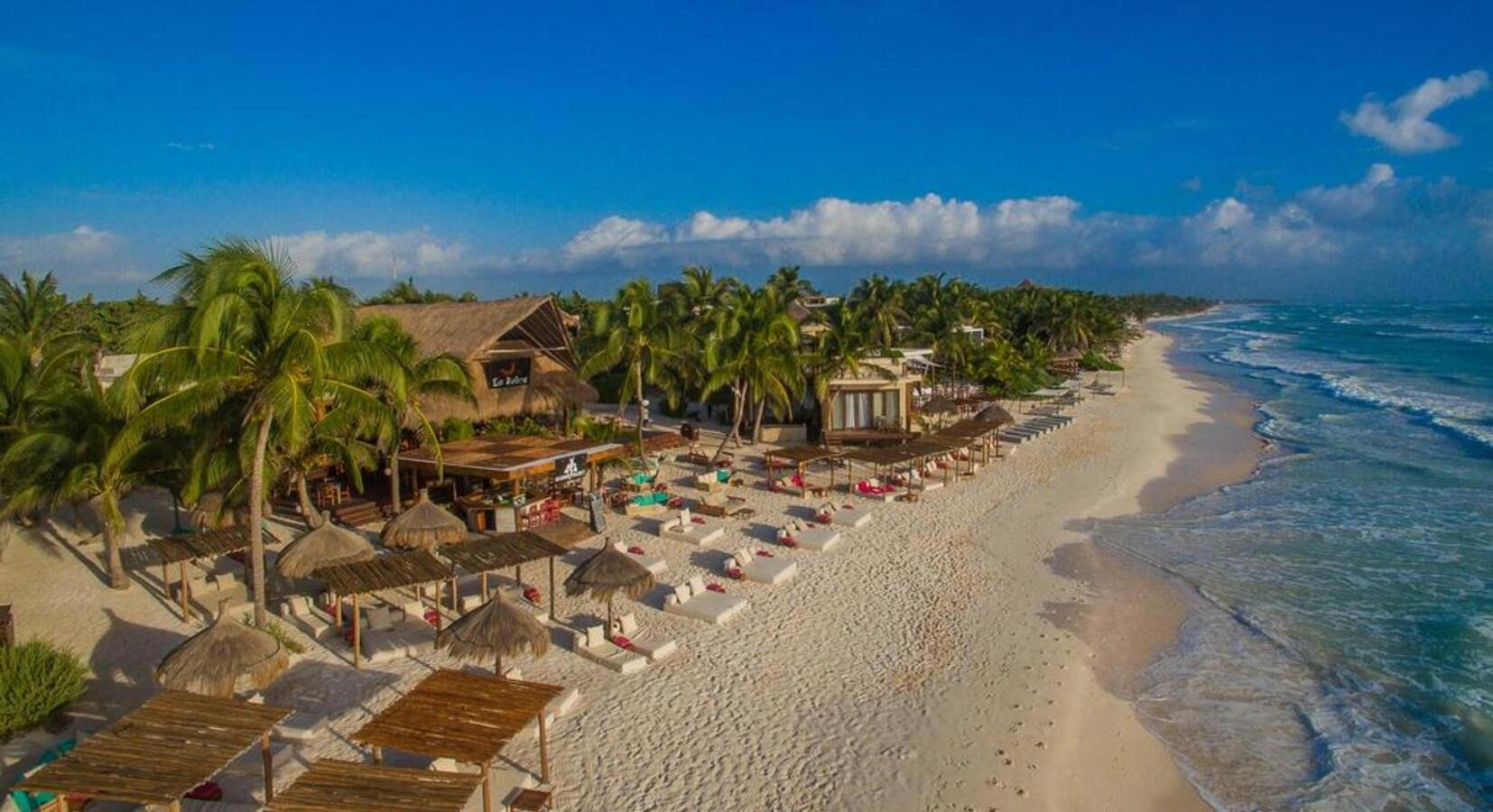
| La Zebra | barefoot luxury beachfront boutique | $$$$ | 5-Star | Tulum |
| Una Vida Tulum | Tropical jungle oasis with indoor-outdoor living. | $$$$ | 5-Star | Tulum City Center |
| NABOA Hotel Tulum | Eco-luxury boutique hotel emphasizing stillness, intention, and connection to nature; positioned as a sanctuary for those seeking serenity over nightlife. | $$$$ | 5-Star | Tulum |
| Ahau Tulum | Eco-friendly beachfront resort with rustic cabanas and barefoot sophistication | $$$$ | 4-Star | Tulum |
| Copal Tulum Hotel | Sustainable luxury boutique aparthotel blending contemporary comfort with jungle-inspired design and wellness-focused hospitality. | $$$$ | 5-Star | Tulum |
Recognition history
Dated appearances from independent guides and award organizations, with the underlying list record or original source where available.
Michelin Selected
Michelin
World Travel Awards
World Travel Awards
Continue exploring
More in Tulum
Hotels in Tulum
Browse all →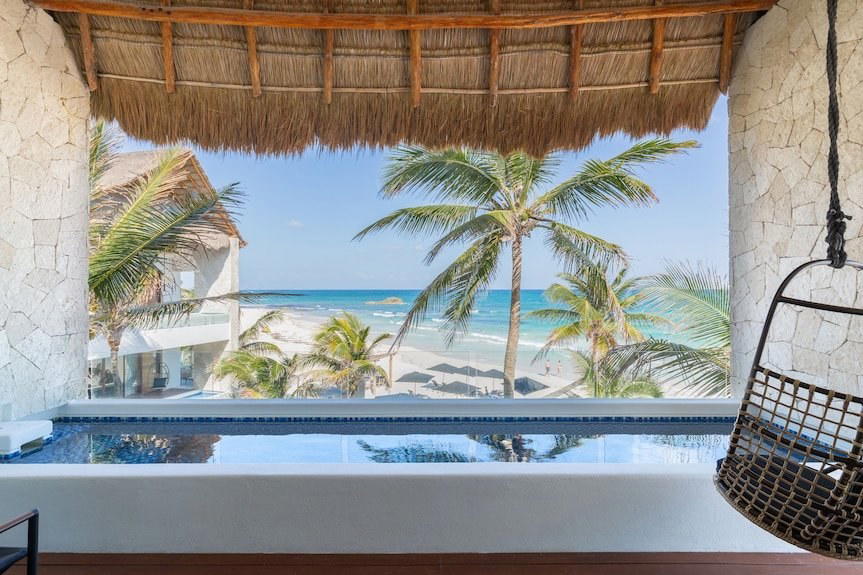
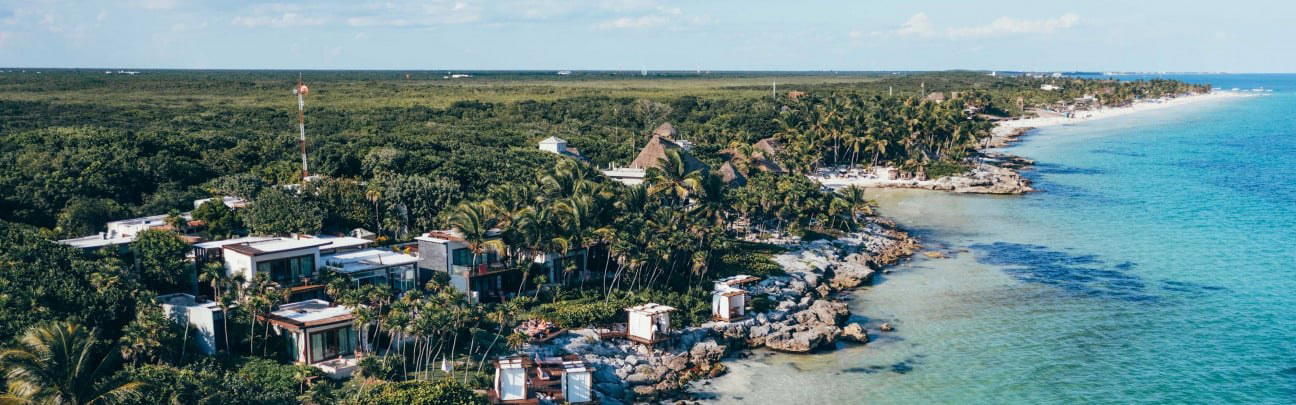
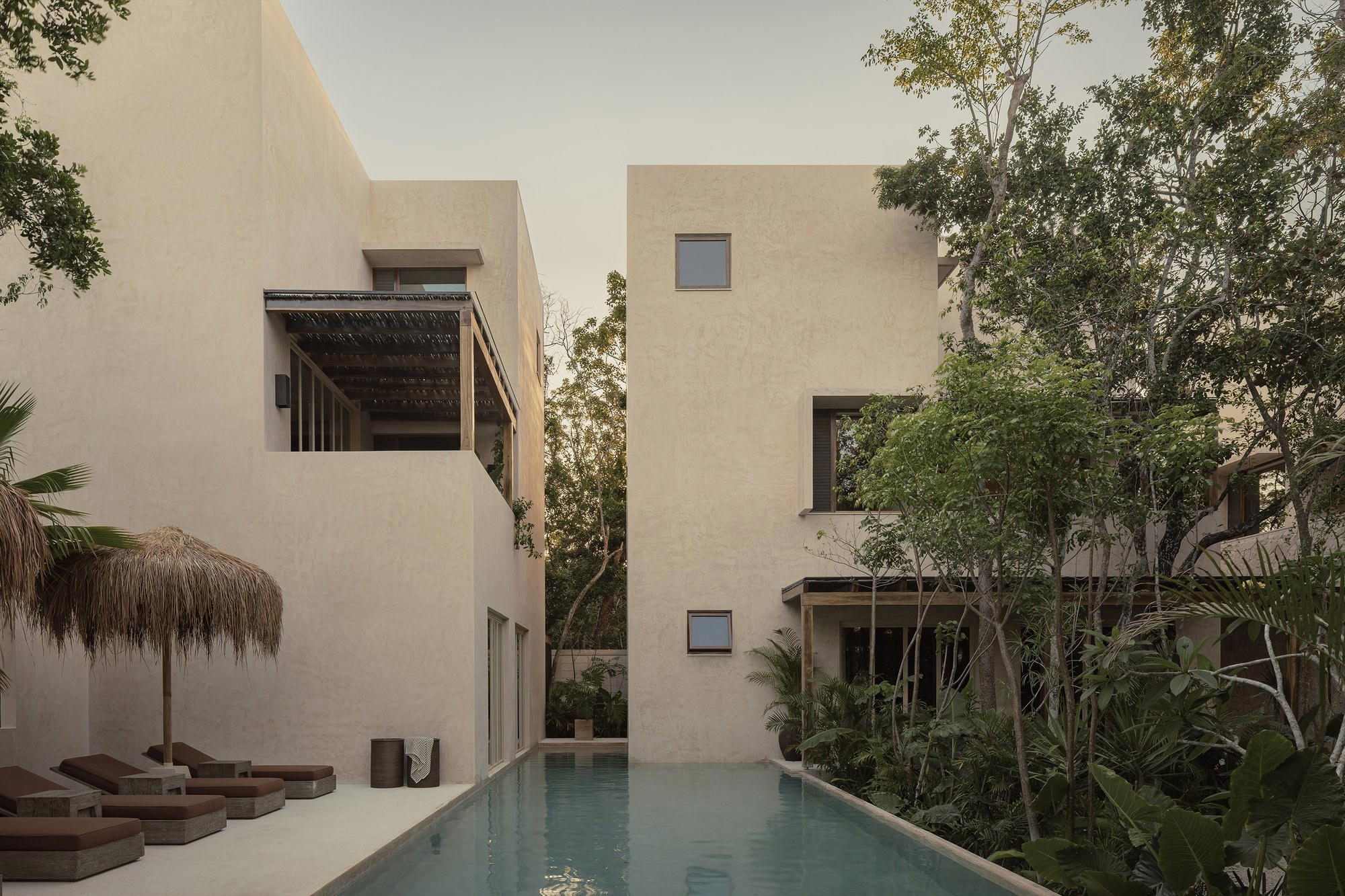
Bars in Tulum
Browse all →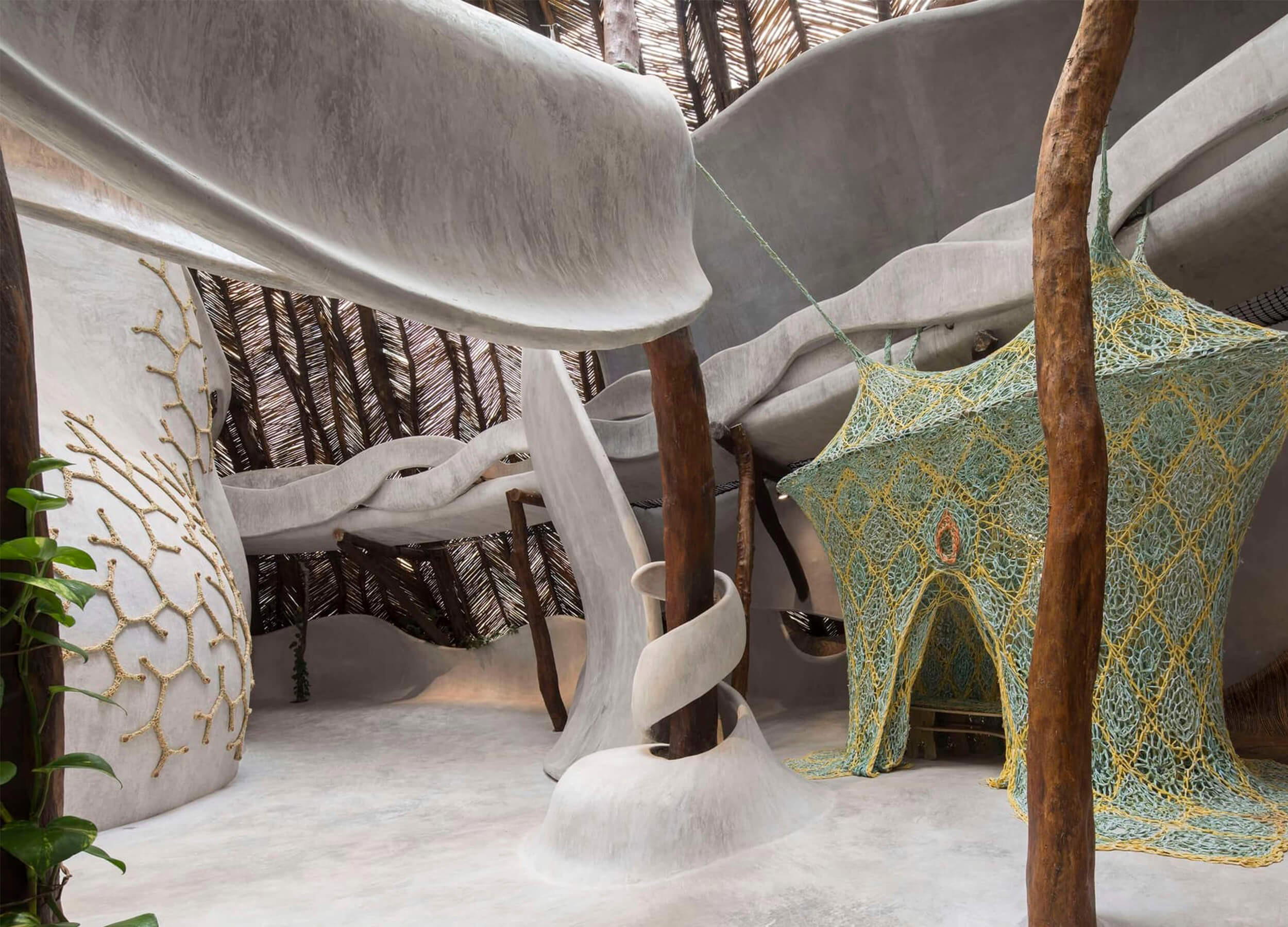
Restaurants in Tulum
Browse all →
At a Glance
- Romantic
- Bohemian
- Whimsical
- Intimate
- Scenic
- Minimalist
- Honeymoon
- Romantic Getaway
- Wellness Retreat
- Anniversary
- Beachfront
- Private Villa
- Destination Spa
- Panoramic View
- Wi Fi
- Spa
- Room Service
- Concierge
- Beach Access
- Fitness Center
- Sauna
- Massage
- Waterfront
- Garden
- Wi Fi
- Spa
- Room Service
- Concierge
- Beach Access
- Fitness Center
- Sauna
- Massage
Candlelit rooms creating a romantic, dreamy atmosphere with natural materials and jungle serenity.