Copal Tulum Hotel sits inside Aldea Zamá, Tulum's most structured residential district, placing guests within walking distance of the hotel zone's beach clubs and jungle paths while holding them at a remove from the strip's noisier clusters. The address works as both a practical anchor and a quieter alternative to the beachfront corridor, positioning Copal in the mid-density tier of Tulum accommodation alongside properties that trade spectacle for accessibility.
Pearl is the En Primeur Club membership app — saves, bookings, and concierge access live there. Same editors, same standards.
- Address
- Calle Ixchel esquina Avda. Juanek Aldea Zamá, 77760 Tulum, Q.R., Mexico
- Phone
- +52 984 143 1410
- Website
- copaltulumhotel.com
- Directions
- Get directions
 Saves & bookings on Pearl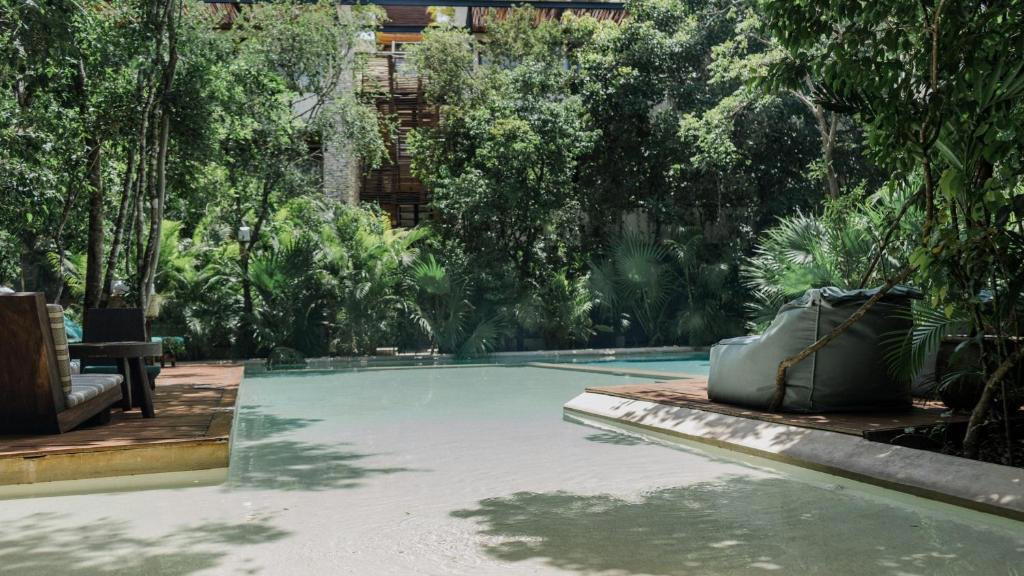
What the Aldea Zamá Address Actually Means
Tulum's accommodation market has sorted itself into at least three distinct zones over the past decade: the beachfront strip along Carretera Tulum-Boca Paila, the town centre around Avenida Tulum, and the planned residential grid of Aldea Zamá, which sits between those two axes. Copal Tulum Hotel is a 5-star hotel in Tulum, Mexico, with 86 rooms and rates from about US$179 per night. It occupies a corner plot in Aldea Zamá, at Calle Ixchel and Avenida Juanek, a location that carries specific practical implications for how a stay here actually operates.
Aldea Zamá was designed as a master-planned community intended to give Tulum's growth a more organised footprint than the ad-hoc sprawl of the beach road. That planning means wider streets, reliable electricity infrastructure, and a denser concentration of restaurants, spas, and independent boutiques within a walkable radius. For travellers who want the Tulum aesthetic without committing to the full beach-corridor experience, where dinner might require a tuk-tuk ride and road dust is a persistent companion, the Aldea Zamá position functions as a considered trade-off: slightly less direct ocean access, substantially more neighbourhood convenience.
Properties in this zone, including Copal, sit closer to the Tulum town centre than to the beach clubs at the southern end of the hotel strip. That proximity shapes the rhythm of a stay. Guests tend to move between the neighbourhood's cafes and yoga studios on foot, then make deliberate excursions to the beach rather than treating sand access as a passive amenity. It's a format that suits certain travellers well and frustrates others, and knowing which category you fall into before booking is the more useful question than comparing thread counts.
How Copal Sits in the Tulum Hotel Tier
Within Tulum's accommodation spectrum, properties cluster into recognisable groups. At one end sit the design-forward jungle and beach hotels that have defined the town's international reputation: Azulik, with its treehouse architecture and adults-only format, and Hotel Esencia, which operates from a converted hacienda on the beach road with an established spa program. Casa Malca occupies the beachfront directly, with a cenote pool and a history that has become part of its marketing. At the other end are budget guesthouses in the town centre aimed at backpacker and yoga-retreat traffic.
Copal's Aldea Zamá address places it in the middle band, alongside properties like Bespoke Tulum and Encantada Tulum, which compete on design coherence and neighbourhood positioning rather than direct beach access or headline restaurant programs. Hotel Bardo and IKAL Tulum Hotel also operate in this middle register, each carving out differentiation through aesthetics, sustainability claims, or programming rather than raw amenity scale.
For travellers arriving from properties like Amansala Resort, which integrates a beach club and spa program in a single compact footprint, or comparing against the broader Mexican resort spectrum at One&Only; Mandarina in Riviera Nayarit or Maroma in Riviera Maya, Copal reads as a more intimate neighbourhood proposition than a resort destination. It doesn't compete in the same category as Etéreo, Auberge Resorts Collection in Punta Maroma or Chablé Yucatán in Merida, and understanding that self-positioning is useful before arriving with resort-scale expectations.
The Tulum Neighbourhood Context
Aldea Zamá has become the area where much of Tulum's restaurant and wellness infrastructure has consolidated in recent years. The neighbourhood supports a concentration of cold-press cafes, plant-based restaurants, sound bath studios, and independent clothing labels that cater to the extended-stay demographic Tulum has built its reputation around. A corner address in this district puts guests inside that ecosystem rather than isolated on a strip where dinner options are limited to whatever the hotel offers or whatever you're willing to ride to.
For eating and drinking beyond the hotel, Tulum's dining scene has matured significantly. The town now supports a range of formats, from wood-fired Mexican kitchens to Japanese omakase counters serving the international crowd. The relevant point for guests at an Aldea Zamá property is that most of that density is accessible without a long transfer.
The Tulum Ruins sit roughly 10 to 15 minutes north by car, and the Gran Cenote, among the more accessible freshwater swimming sites in the area, is a comparable distance west. Both are better visited early, before organised tour groups arrive from the Riviera Maya hotel corridor. Guests who arrive late morning will find both sites substantially busier than those who move by 8am.
Broader Mexico Context for Comparison Shoppers
Travellers weighing Tulum against other Mexican destinations should understand what the town does and doesn't offer. It operates on a different register from Los Cabos, where properties like Las Ventanas al Paraíso, A Rosewood Resort, Montage Los Cabos, and Zadun, A Ritz-Carlton Reserve deliver comprehensive resort infrastructure with private beach access and full-service dining as standard. Tulum's appeal is more diffuse and requires more active participation: you assemble the experience across the neighbourhood rather than receiving it from a single operator.
For travellers drawn to that model, Tulum sits alongside places like Xinalani in Quimixto, Casa de Sierra Nevada in San Miguel de Allende, Casa Polanco in Mexico City, Las Alamandas in Costalegre, Four Seasons Resort Punta Mita, and Casa Silencio in San Pablo Villa de Mitla in the broader category of Mexican properties where the surrounding environment and local culture do significant work alongside whatever the hotel itself provides.
Planning a Stay at Copal Tulum Hotel
Copal Tulum Hotel is located at Calle Ixchel esquina Avenida Juanek in Aldea Zamá, Tulum, Quintana Roo, postcode 77760. The Cancún International Airport serves as the primary arrival point, roughly 130 kilometres north, and transfers typically take between 90 minutes and two hours depending on traffic conditions along the 307 federal highway. Private transfers and shared shuttles both operate the route, with private options available through hotel concierge arrangements or independent operators.
Tulum's peak season runs from late November through March, when temperatures hold in the mid-20s Celsius and humidity is manageable. The summer months bring higher humidity and occasional tropical weather, but also meaningfully lower accommodation rates and thinner crowds at cenotes and ruins. For travellers whose primary interest is the neighbourhood's café and wellness circuit rather than beach time, the shoulder months of April-May and October-November offer a reasonable balance. Reservations are recommended.
The Short List
Comparable venues nearby, for context on price, style, and recognition.
| Venue | Price | Notes |
|---|---|---|
| Copal Tulum HotelThis venue — the venue you are viewing | $$$$ | Not listed |
| Hotel Tiki Tiki Tulum | $$$ | Tulum, Small luxury design boutique in jungle setting |
| NABOA Hotel Tulum | $$$$ | Tulum, Eco-luxury boutique hotel emphasizing stillness, intention, and connection to nature; positioned as a sanctuary for those seeking serenity over nightlife. |
| Wakax Hacienda - Cenote & Boutique Hotel | $$$$ | Zona Costera, Reconstructed 18th-century Yucatán hacienda with central plaza, church, and jungle integration |
| Chiringuito Tulum | $$$$ | Tulum, Beachfront boutique with villa rental options |
| TAGO Tulum | $$$$ | Tulum, Eco-conscious luxury boutique hotel blending contemporary design with authentic Mayan architectural elements and natural materials. |
Continue exploring
More in Tulum
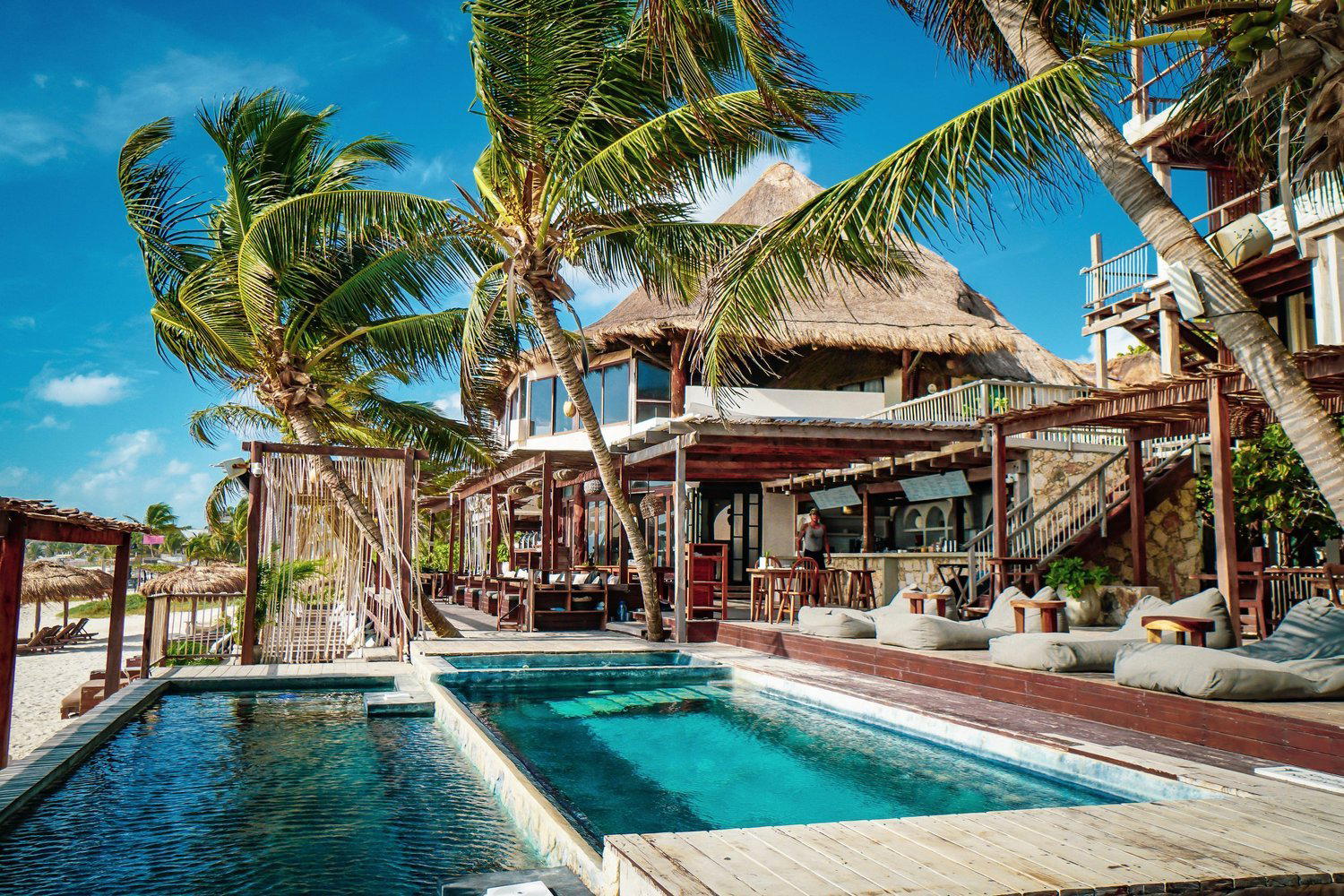
Hotels in Tulum
Browse all →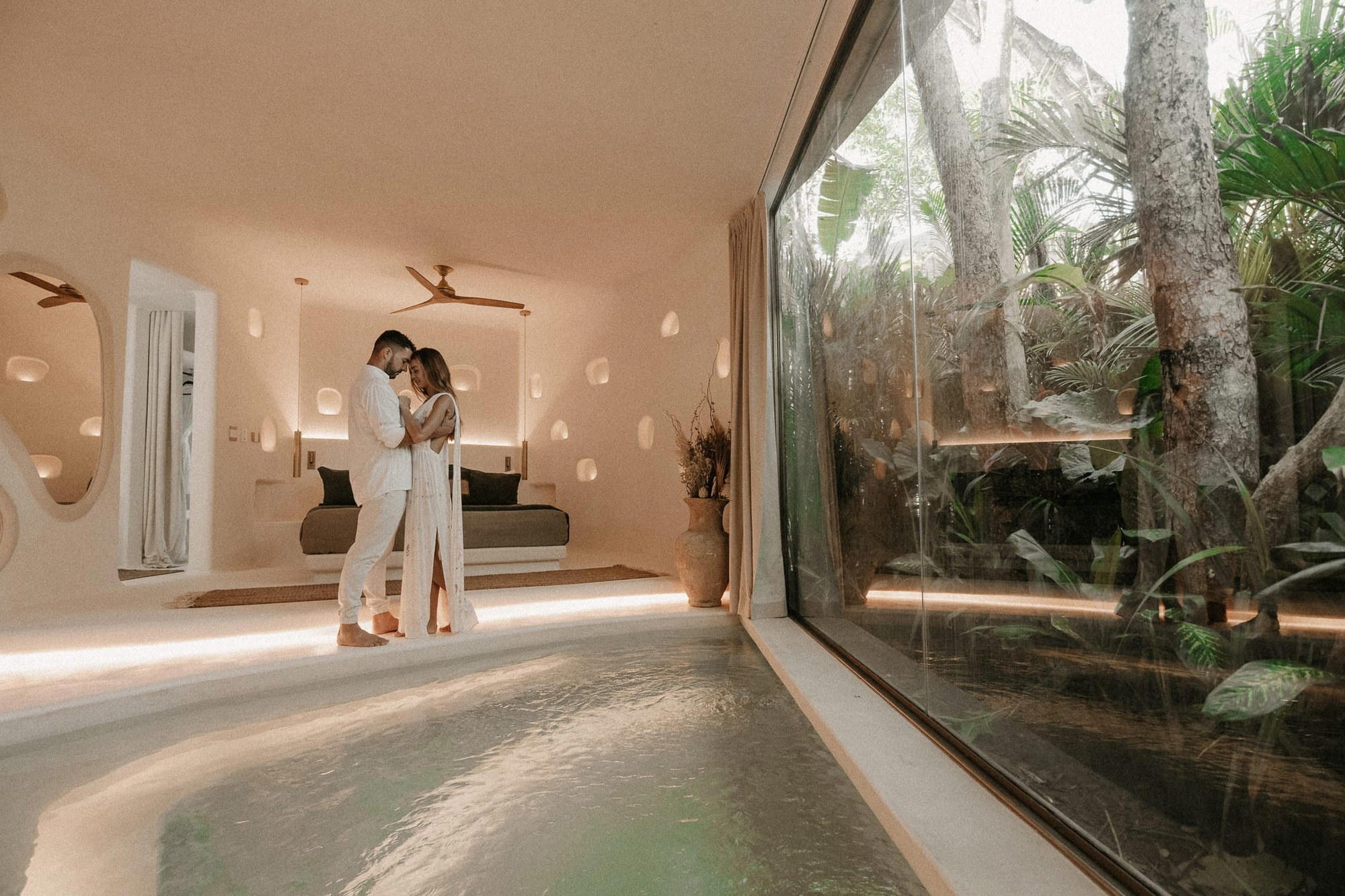
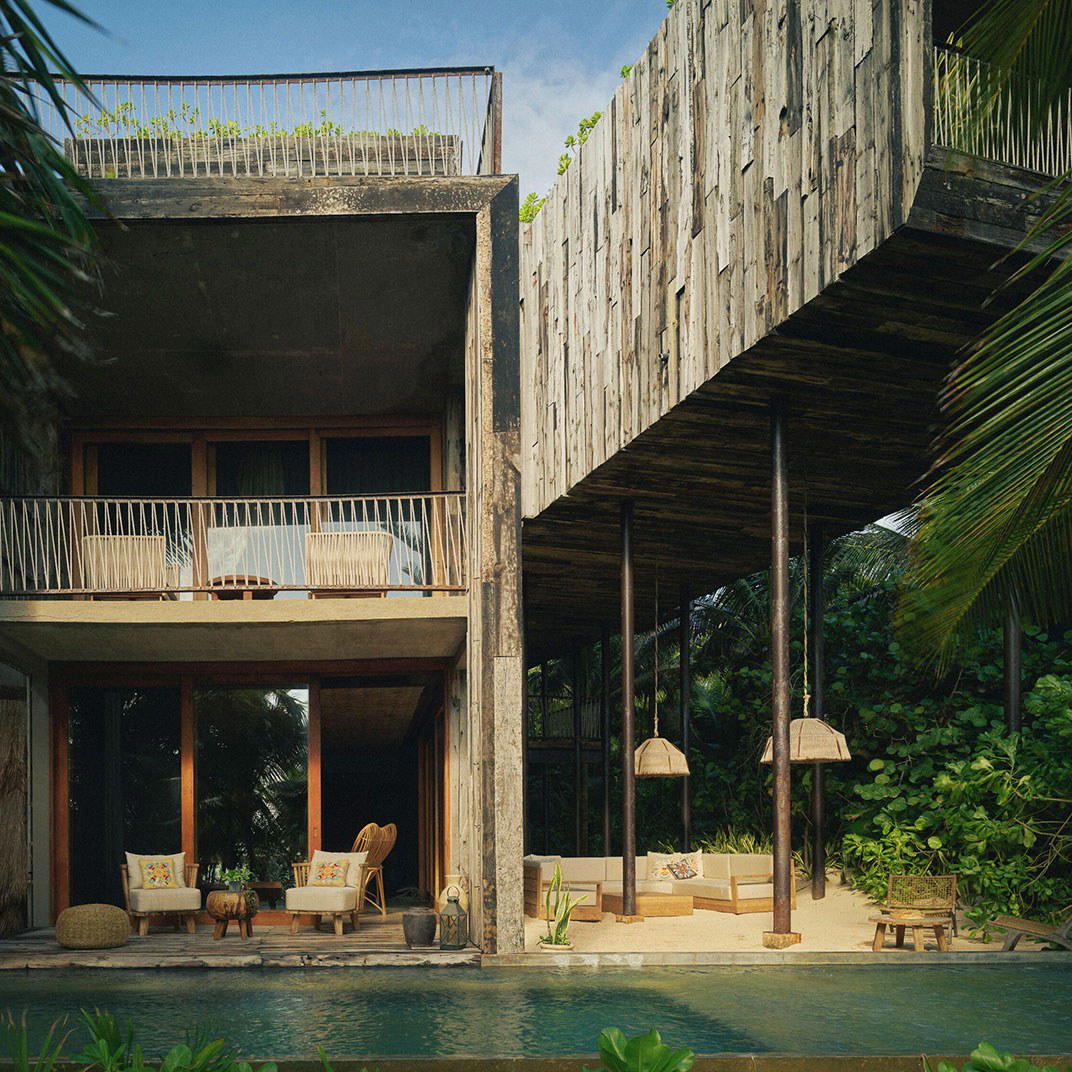
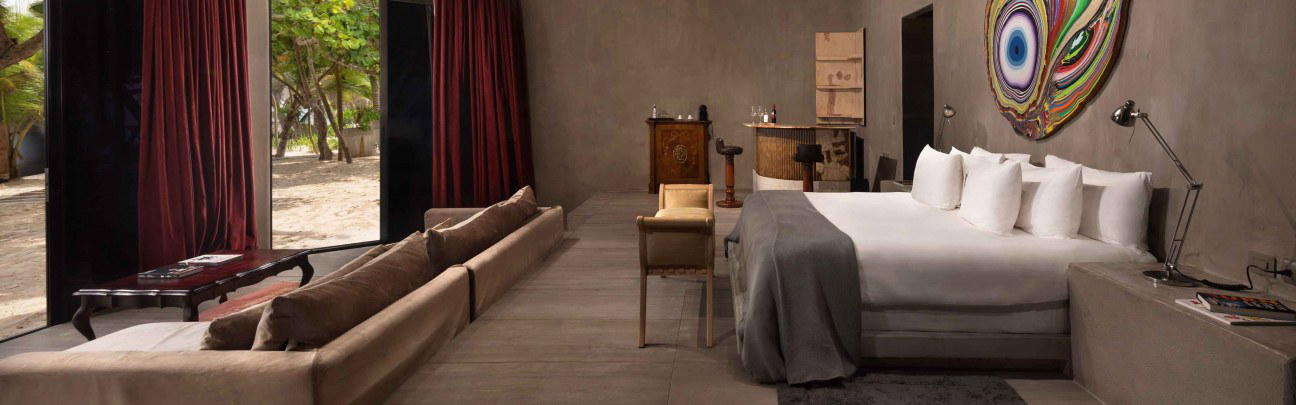
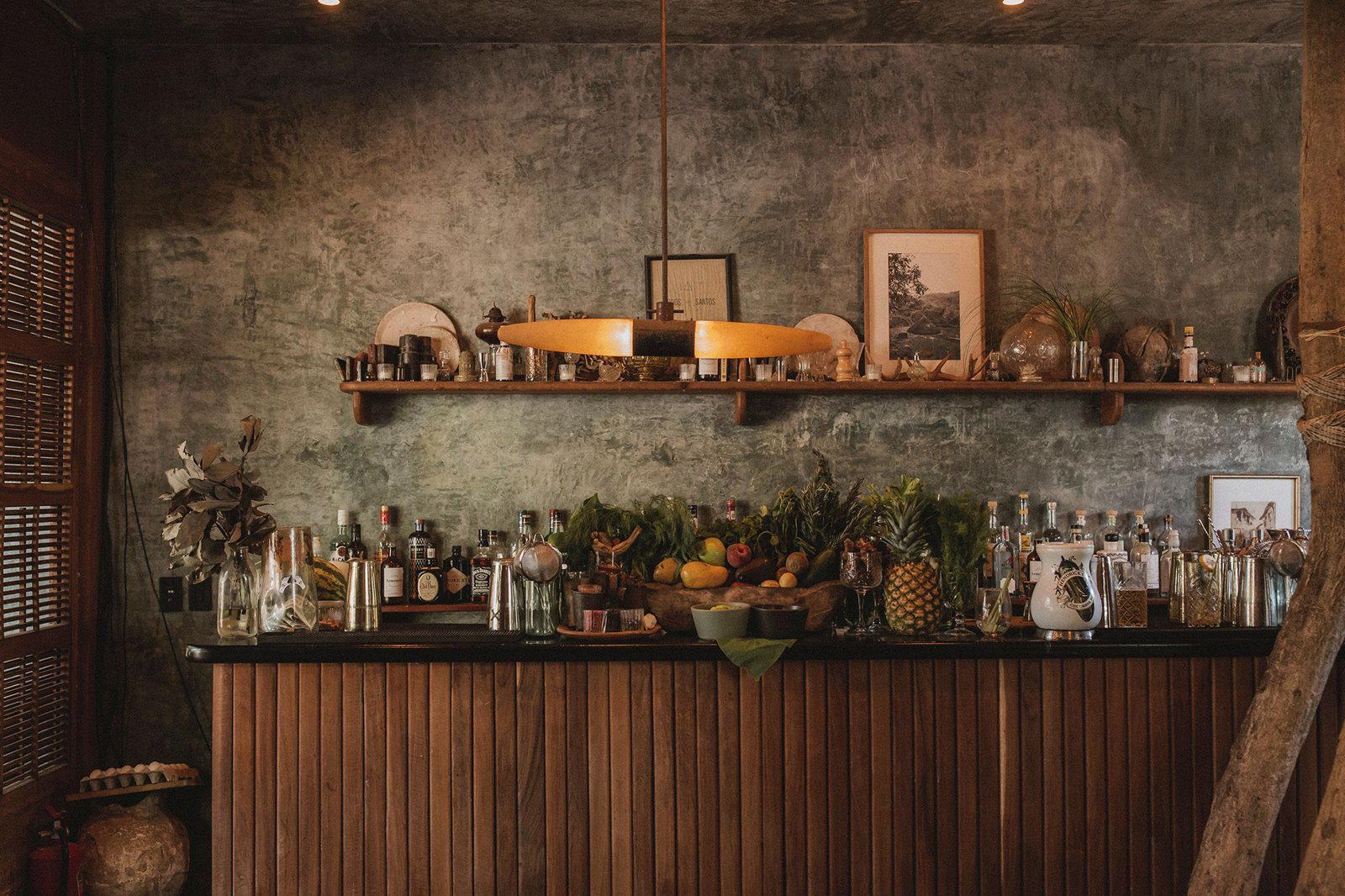
Bars in Tulum
Browse all →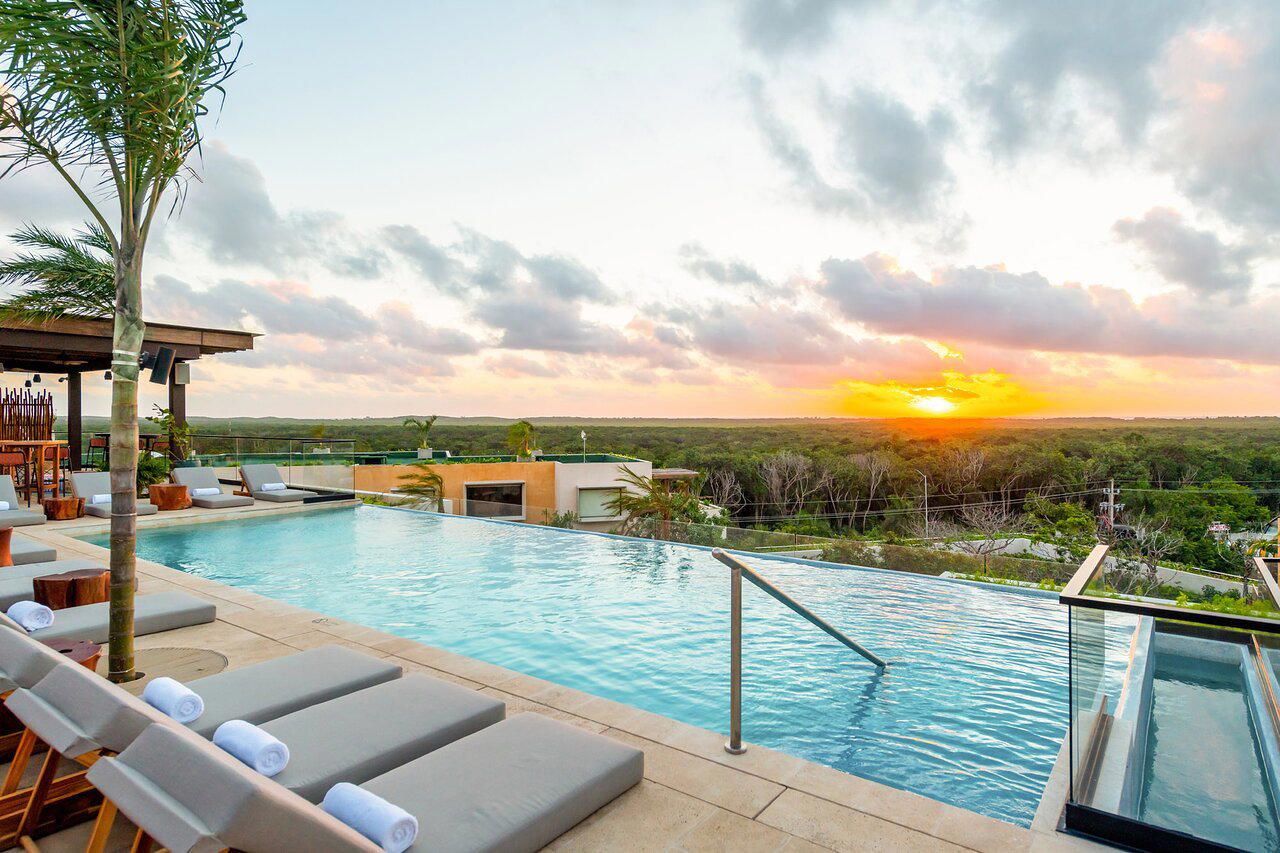
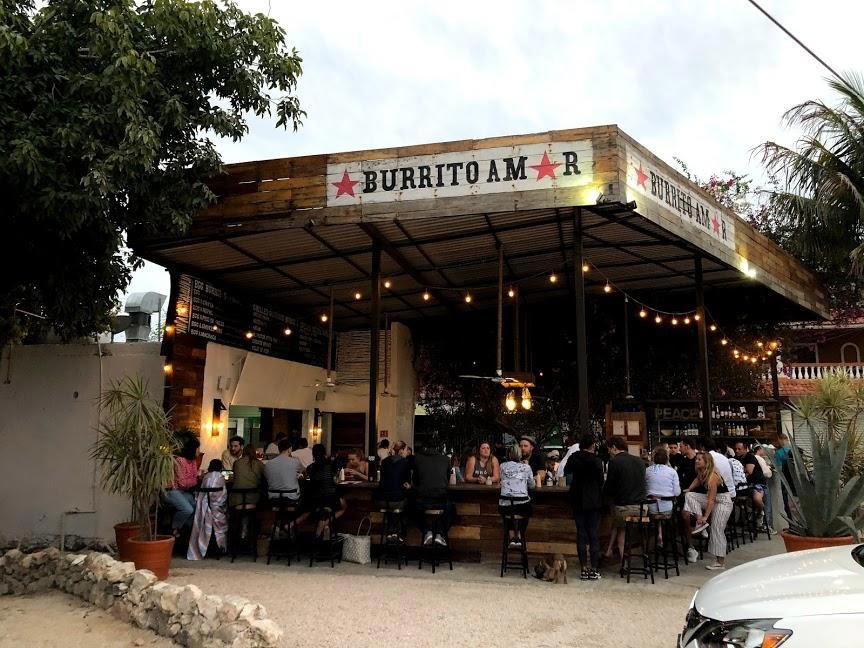
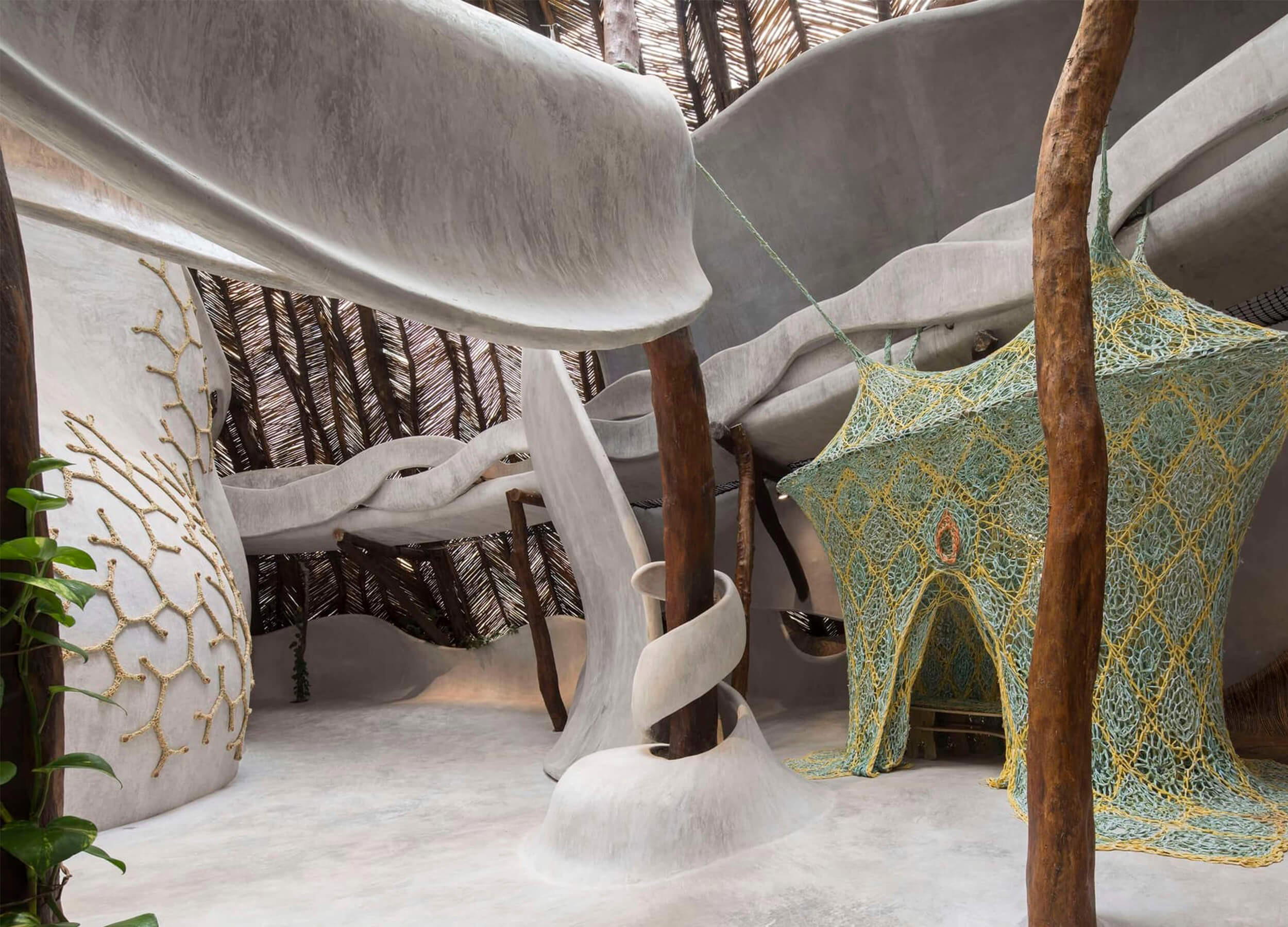
Restaurants in Tulum
Browse all →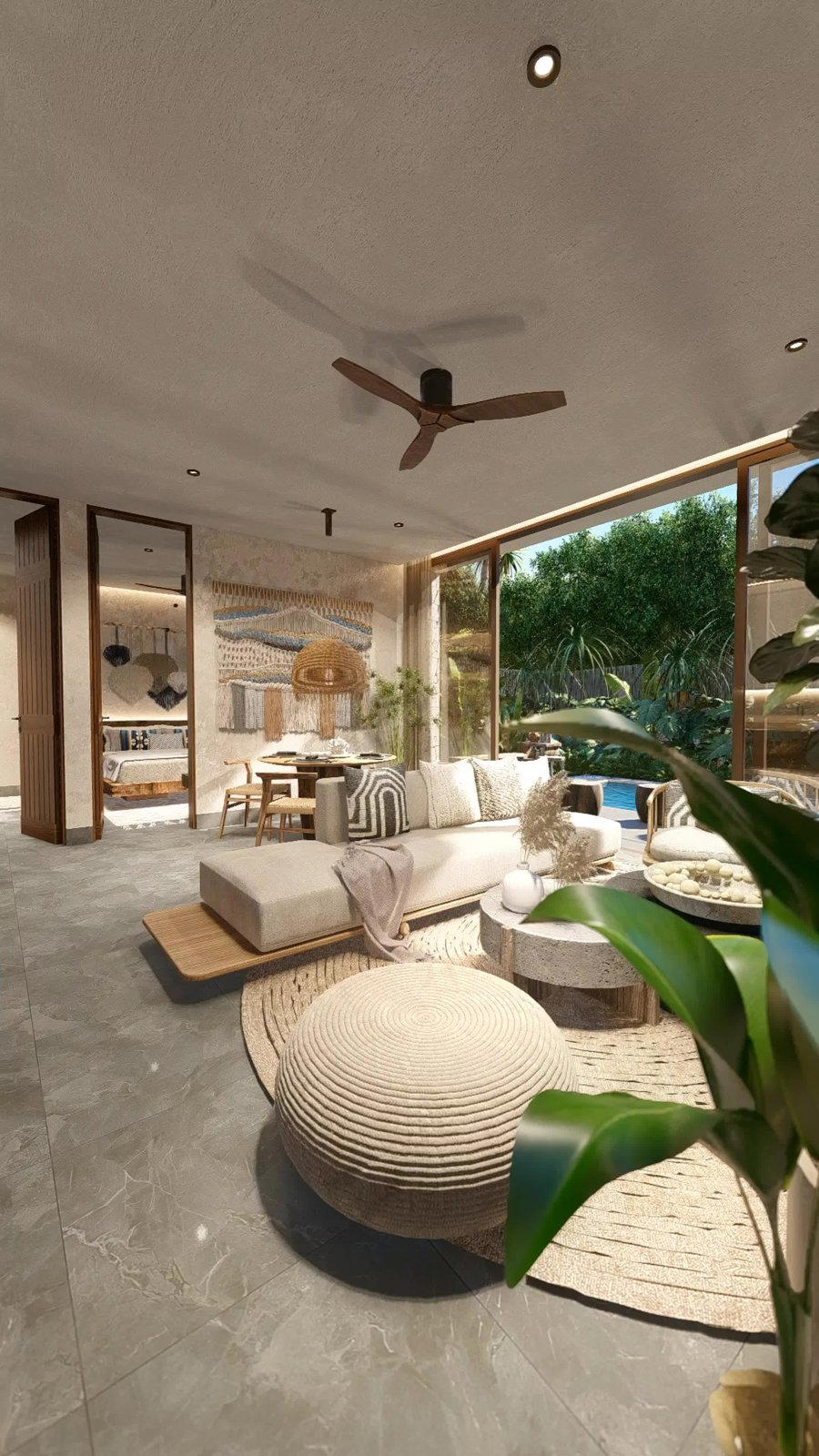
At a Glance
- Bohemian
- Romantic
- Quiet
- Scenic
- Elegant
- Romantic Getaway
- Wellness Retreat
- Family Vacation
- Anniversary
- Rooftop Pool
- Infinity Pool
- Private Villa
- Destination Spa
- Garden
- Terrace
- Panoramic View
- Wi Fi
- Pool
- Spa
- Fitness Center
- Room Service
- Concierge
- Restaurant
- Bar
- Bicycle Rental
- Airport Shuttle
- Garden
- Wi Fi
- Pool
- Spa
- Fitness Center
- Room Service
- Concierge
- Restaurant
- Bar
- Bicycle Rental
- Airport Shuttle
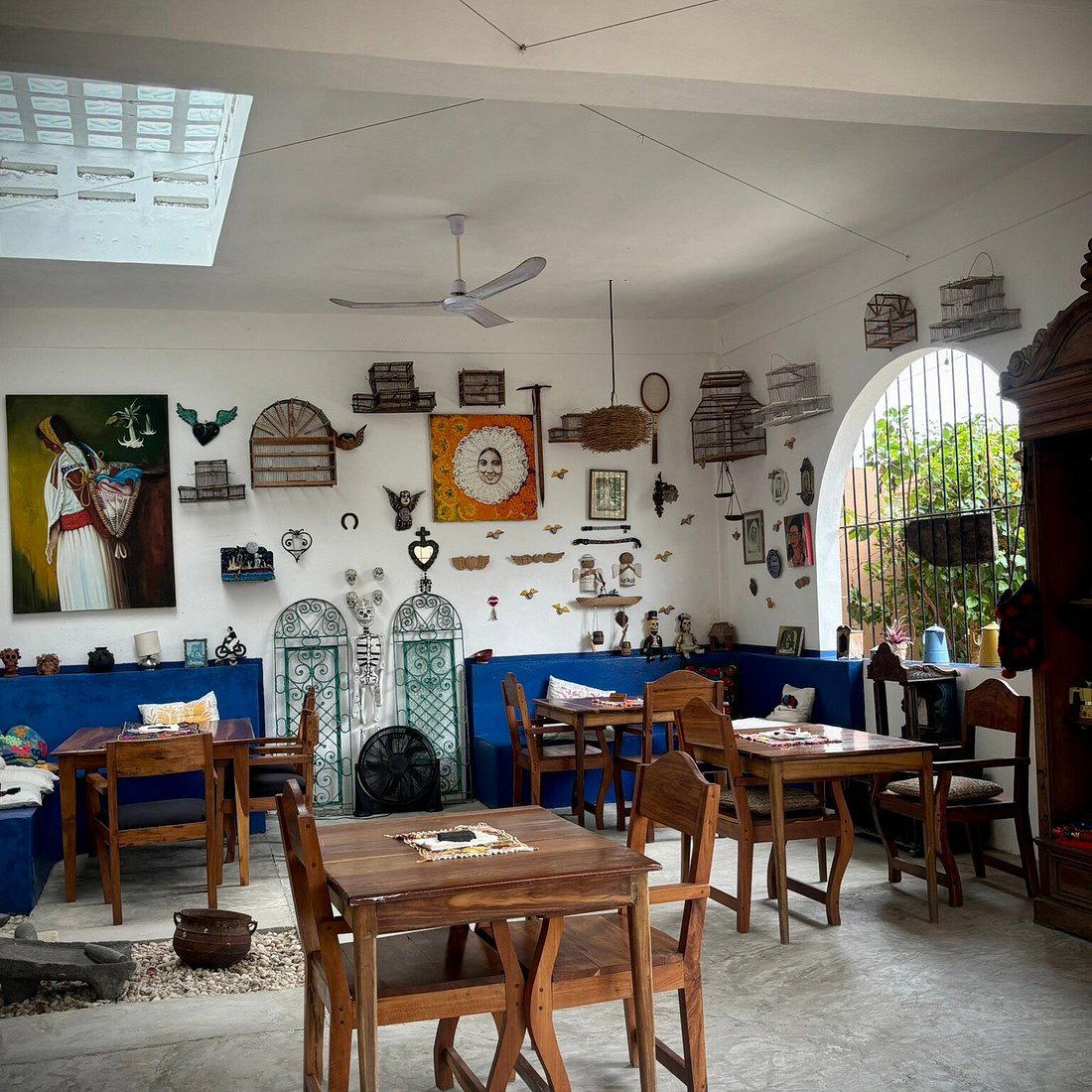
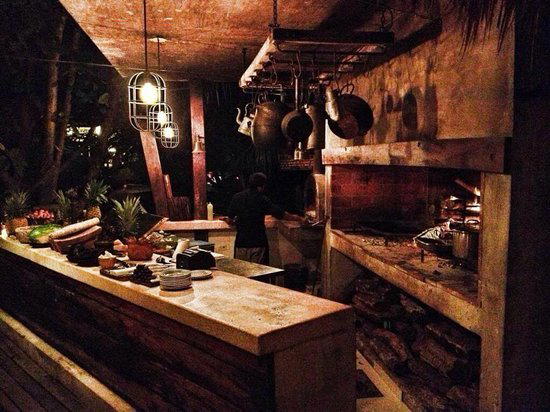
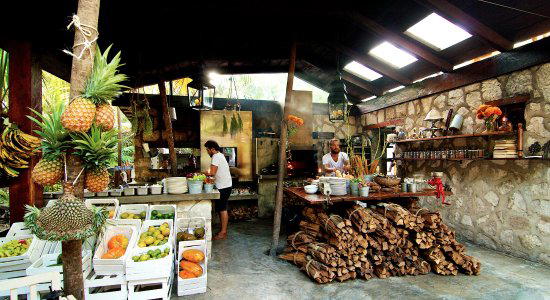
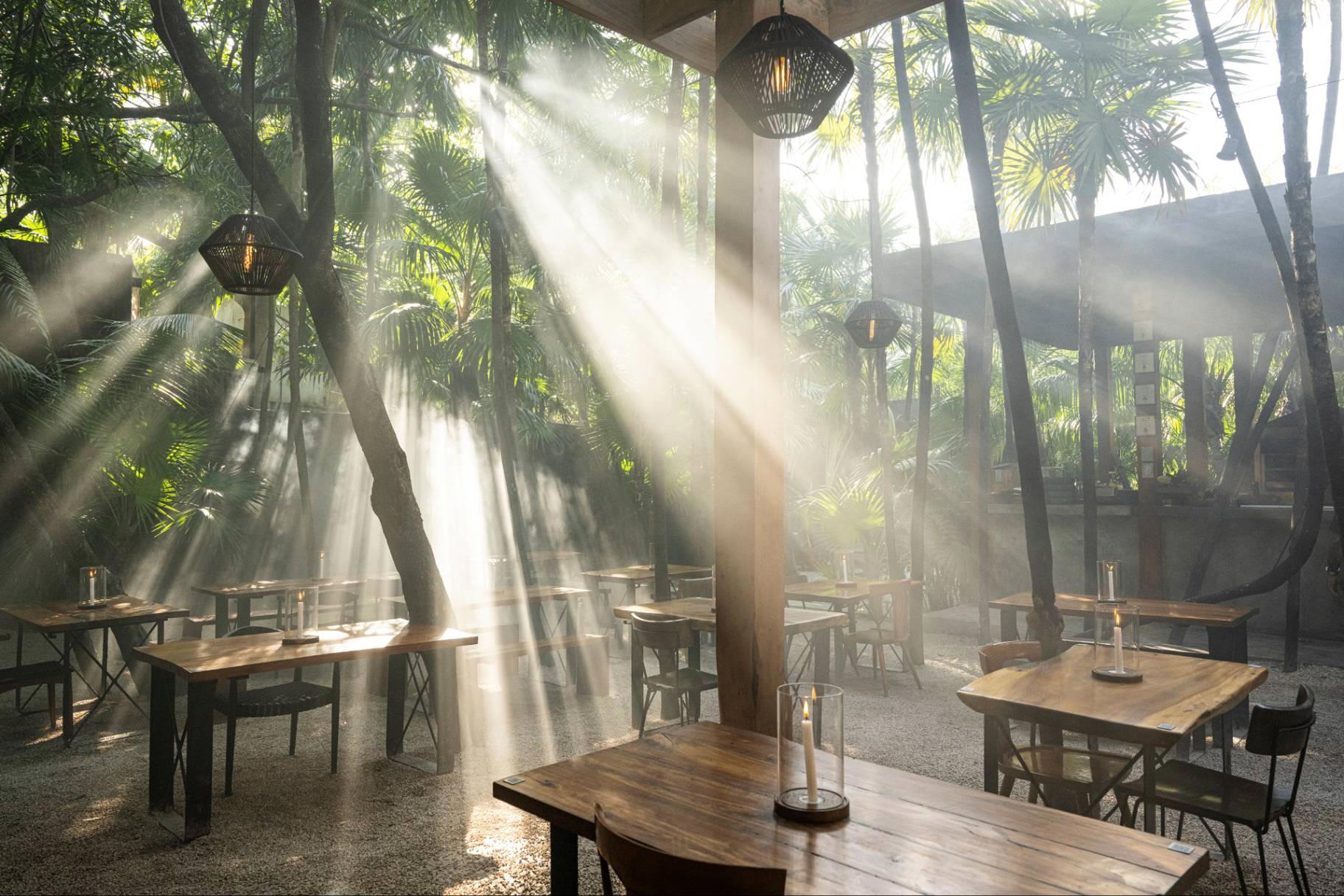
Serene and rejuvenating with lush jungle surroundings, thoughtful bohemian design with antique furnishings, natural lighting through balconies and terraces, and a tranquil atmosphere emphasizing harmony with nature.