

Casa Banana sits at Km 7.5 on Tulum's hotel zone strip, bringing Argentinian cooking to a beach destination better known for Mexican regional cuisine. Two consecutive Michelin Plate recognitions (2024 and 2025) place it inside a small tier of formally acknowledged restaurants on the coast. At $$$ pricing, it occupies the mid-upper bracket of Tulum's dining market, drawing a crowd that arrives for the setting as much as the food.
Pearl is the En Primeur Club membership app — saves, bookings, and concierge access live there. Same editors, same standards.
- Address
- Carr. Tulum-Boca Paila Km. 7.5, Tulum Beach, Zona Hotelera, 77780 Tulum, Q.R., Mexico
- Phone
- +52 984 191 0792
- Website
- casabanana.net
- Directions
- Get directions
 Saves & bookings on Pearl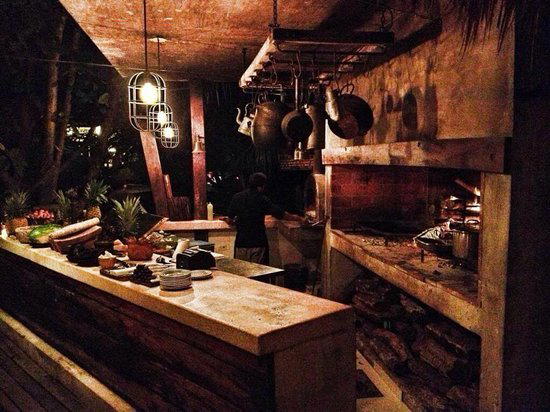
An Argentinian Counter on Mexico's Caribbean Coast
Tulum's hotel zone road, running south from the pueblo toward Boca Paila, is one of the more disorienting stretches of dining real estate in the Americas: jungle on one side, Caribbean on the other, and a decade's worth of international restaurants inserted between. The culinary identity that emerged here is not strictly Mexican. It is cosmopolitan and resort-inflected, shaped by the tastes of visitors arriving from Mexico City, Buenos Aires, New York, and Europe, all in search of something that feels local enough to be interesting without requiring specialist knowledge to decode. Casa Banana is a restaurant in Tulum at Km 7.5 on Carr. Tulum-Boca Paila, and it belongs to this ecosystem. Its Argentinian identity makes it an outlier in a corridor where Arca, Hartwood, and Cetli define the dominant Mexican-led conversation, yet its Michelin Plate recognition in 2024 and 2025 confirms it has earned a seat at the table on its own terms.
What Michelin's Plate Signal Means in This Context
A Michelin Plate sits below a star but above the general population of listed restaurants. It signals that inspectors found cooking of sufficient consistency and ambition to warrant formal acknowledgment. In Tulum, where the guide's Quintana Roo coverage is still relatively shallow compared to Mexico City, a Plate recognition is a meaningful credential. It places Casa Banana inside a small comparable set that includes formally recognized addresses up and down the Riviera Maya, from Le Chique in Puerto Morelos to HA' in Playa del Carmen. The fact that the recognition repeated in consecutive years matters: Michelin plates are not guaranteed renewals, and two in a row indicate sustained performance rather than a single good season. Google's aggregate of 4.5 across 1,313 reviews points in the same direction, suggesting the recognition holds across a wide and varied audience.
Mole's Logic Applied Across Traditions
Casa Banana's Argentinian identity invites a question that is worth sitting with: what does it mean for a South American kitchen to operate inside one of Mexico's most culinarily complex coastal zones? Mexico's mole tradition offers a useful frame for thinking about this. Mole is not a single sauce but a category of construction: the patient layering of dried chiles, aromatics, charred vegetables, spices, and sometimes chocolate or fruit, assembled in sequences that can require hours or days and dozens of ingredients. The lesson that tradition teaches is that depth of flavor comes from accumulation, not from a single dominant ingredient. Kitchens that understand this principle, regardless of their national tradition, tend to produce food with the same quality: flavors that arrive in stages, finishes that linger, and a sense that something considered went into the preparation. Argentinian cooking, at its better end, operates with a similar patience in meat selection, resting, and fire management. Where those two sensibilities meet a beach setting in Tulum, the question becomes whether the kitchen maintains that discipline or simplifies for the resort crowd. The Michelin Plate suggests the former.
For comparison, the Argentinian kitchen tradition has translated well to Paris and Montreal, where addresses like Biondi in Paris and Beba in Montreal have demonstrated that the cuisine carries across geographies when the foundational craft is intact. The challenge in a destination like Tulum is maintaining kitchen standards under heavy tourist throughput and seasonal fluctuation in staff and supply.
Tulum's Mid-to-Upper Dining Tier and Where Casa Banana Sits
At $$$ pricing, the restaurant occupies a middle position in Tulum's restaurant market. The tier above, where Hartwood and Arca sit at $$$$, commands higher per-head spend and tends to attract diners who have researched their meal in advance. The tier below, represented by addresses like Cetli at $$, offers regional Mexican cooking at accessible price points. The $$$ bracket, where the restaurant operates, draws both upward and downward: guests who want something more considered than a casual taco counter but are not ready to commit to a full tasting-menu evening. At this price point, the restaurant offers solid value relative to peer addresses at the same spend level.
Tulum's dining circuit extends beyond the hotel zone road. The pueblo proper holds its own set of restaurants, and neighboring areas from Kin Toh to the more recently developed clusters push the geography further. For context on the broader Mexican fine-dining conversation, Pujol in Mexico City, KOLI Cocina de Origen in Monterrey, Levadura de Olla in Oaxaca, and Animalón in Valle de Guadalupe illustrate the national range. The Riviera Maya's immediate comparable set for this style of meal also includes Autor in Tulum, which approaches the contemporary end of the regional dining market from a different angle.
Setting and Approach to an Evening Here
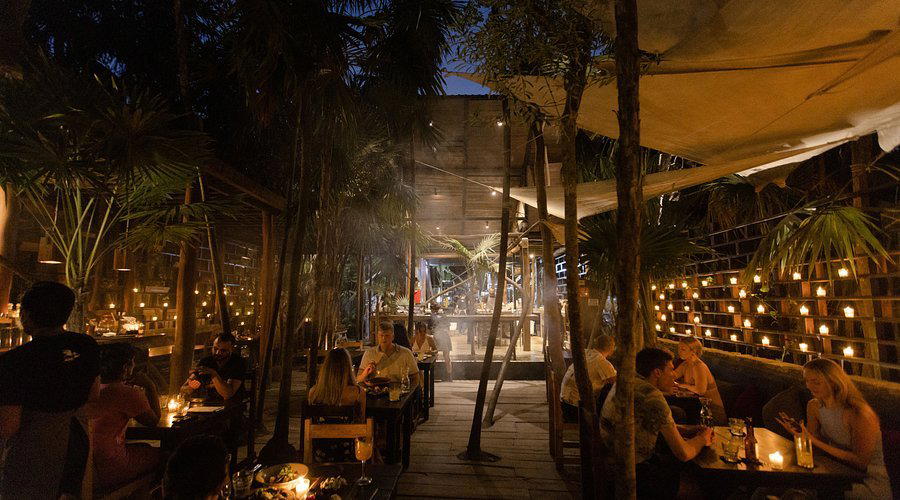
The address at Km 7.5 on Carr. Tulum-Boca Paila places the restaurant in the southern stretch of the hotel zone, past the denser cluster of properties near the ruins and into a section of the road where the jungle presses closer and the pace slows. This part of the zone is more likely to involve arriving by bicycle or taxi than on foot. The beach zone in general rewards guests who plan transport in advance, particularly after dark, when the road's limited lighting and cycling traffic make navigation slower than expected. Reservations are recommended. Guests looking at the broader Tulum infrastructure, from accommodation to drinking to what else the coast and cenotes offer,
What It’s Closest To
Comparable venues nearby, for context on price, style, and recognition.
| Venue | Cuisine | Price | Awards | Notes |
|---|---|---|---|---|
| Casa BananaThis venue — the venue you are viewing | Argentinian Wood-Fired Steakhouse | $$$ | Michelin Plate | Not listed |
| Tseen Ja | Japanese Fusion with Local Ingredients | $$$$ | Not listed | Tulum |
| Hartwood | Wood-Fired Mexican Seafood | $$$$ | Michelin Plate | Tulum |
| Wild | Modern Mexican Fusion with International Twists | $$$$ | Michelin Plate | Tulum |
| Mur Mur | Dining | Not listed | Not listed | Tulum |
| Cetli | Authentic Oaxacan Mexican Fine Dining | $$$ | Bib Gourmand | Tulum Village |
Recognition history
Dated appearances from independent guides and award organizations, with the underlying list record or original source where available.
Michelin Plate
Michelin
Opinionated About Dining Casual in North America Recommended
Opinionated About Dining
Michelin Plate
Michelin
Michelin Plate
Michelin
Continue exploring
More in Tulum
Restaurants in Tulum
Browse all →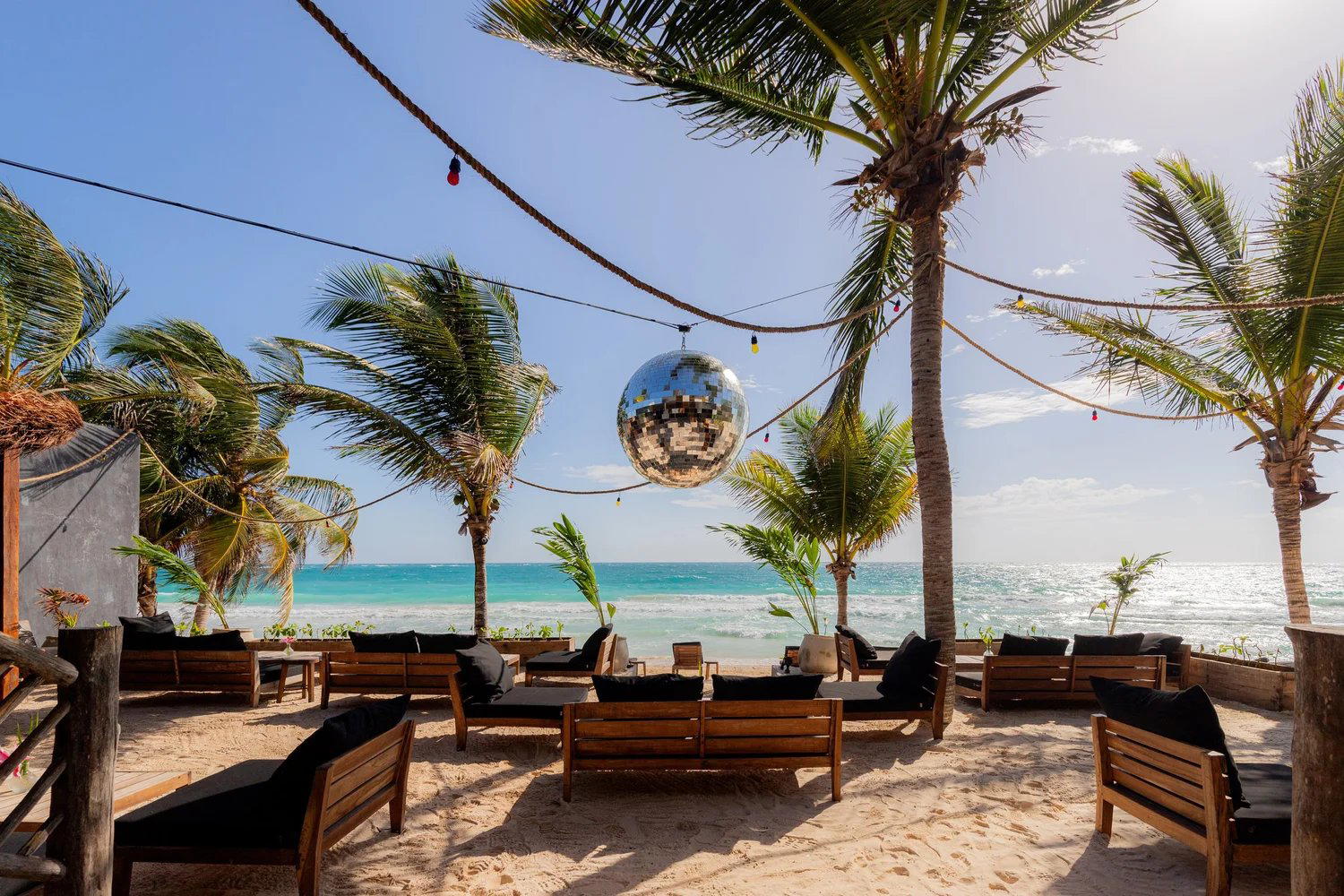




At a Glance
- Rustic
- Bohemian
- Lively
- Trendy
- Date Night
- Group Dining
- Special Occasion
- Open Kitchen
- Terrace
- Live Music
- Craft Cocktails
Current opening hours
- Monday
- 6 PM–1 AM
- Tuesday
- 6 PM–1 AM
- Wednesday
- 6 PM–1 AM
- Thursday
- 6 PM–1 AM
- Friday
- 6 PM–1 AM
- Saturday
- 6 PM–1 AM
- Sunday
- 6 PM–1 AM
Hours can change for holidays and private events. Last verified .
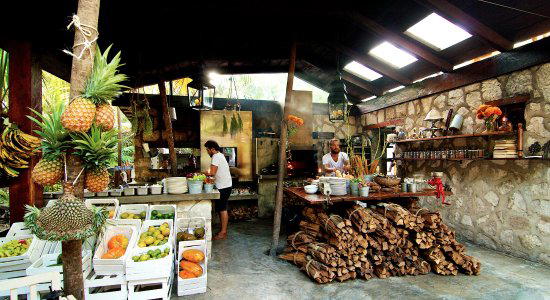
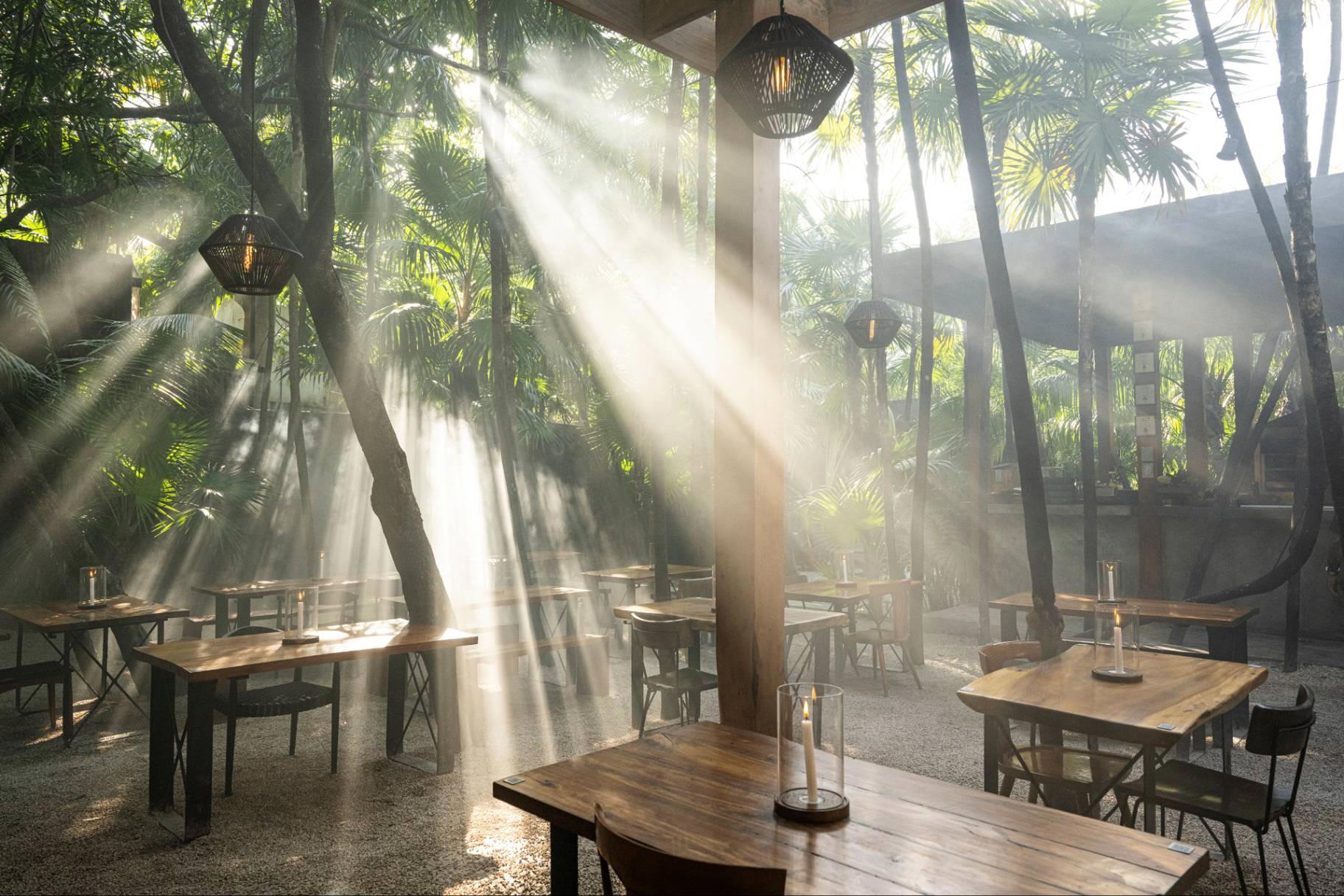
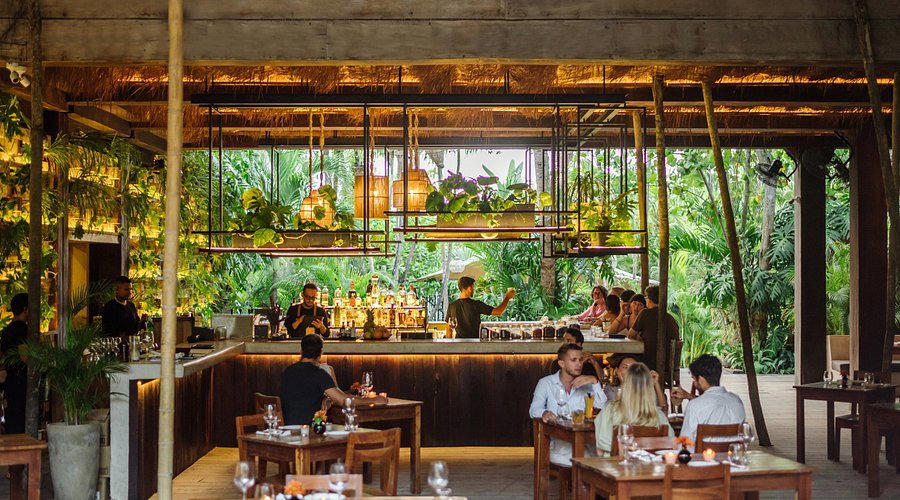
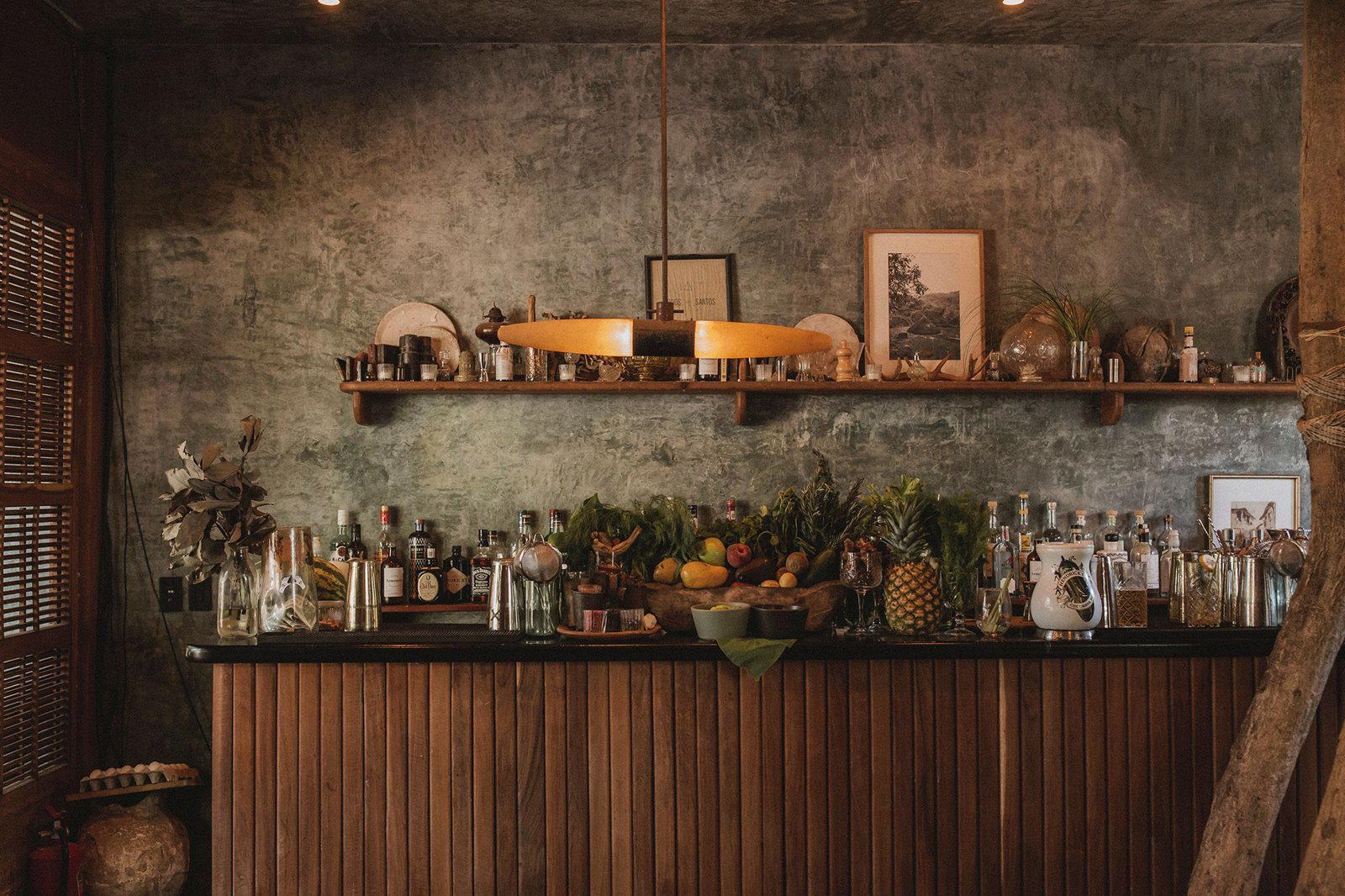
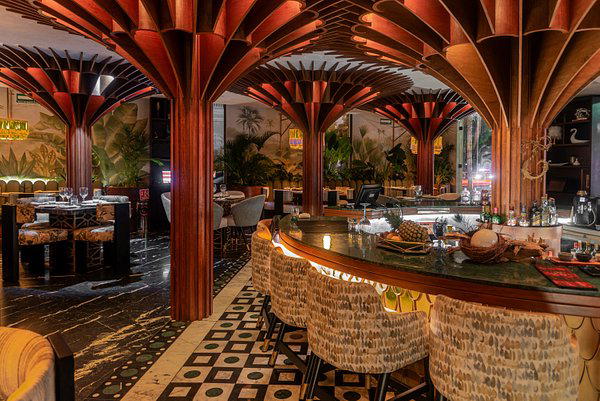
Warm rustic atmosphere with jungle greenery, lantern lighting, open fire kitchen, and lively music creating a festive bohemian vibe.