Positioned at the edge of Maruyama Park in Kyoto's Higashiyama ward, Japanese Inn YOSHIMIZU occupies a setting where traditional machiya architecture meets one of the city's most historically layered public spaces. The property sits in the tier of small-format Kyoto inns that compete on spatial authenticity and neighbourhood placement rather than resort amenity counts. For travellers choosing between Higashiyama's intimate lodging options, its address alone carries significant editorial weight.
- Address
- Japan, 〒605-0071 Kyoto, Higashiyama Ward, 円山公園弁天堂上
- Website
- yoshimizu.com
- Directions
- Get directions
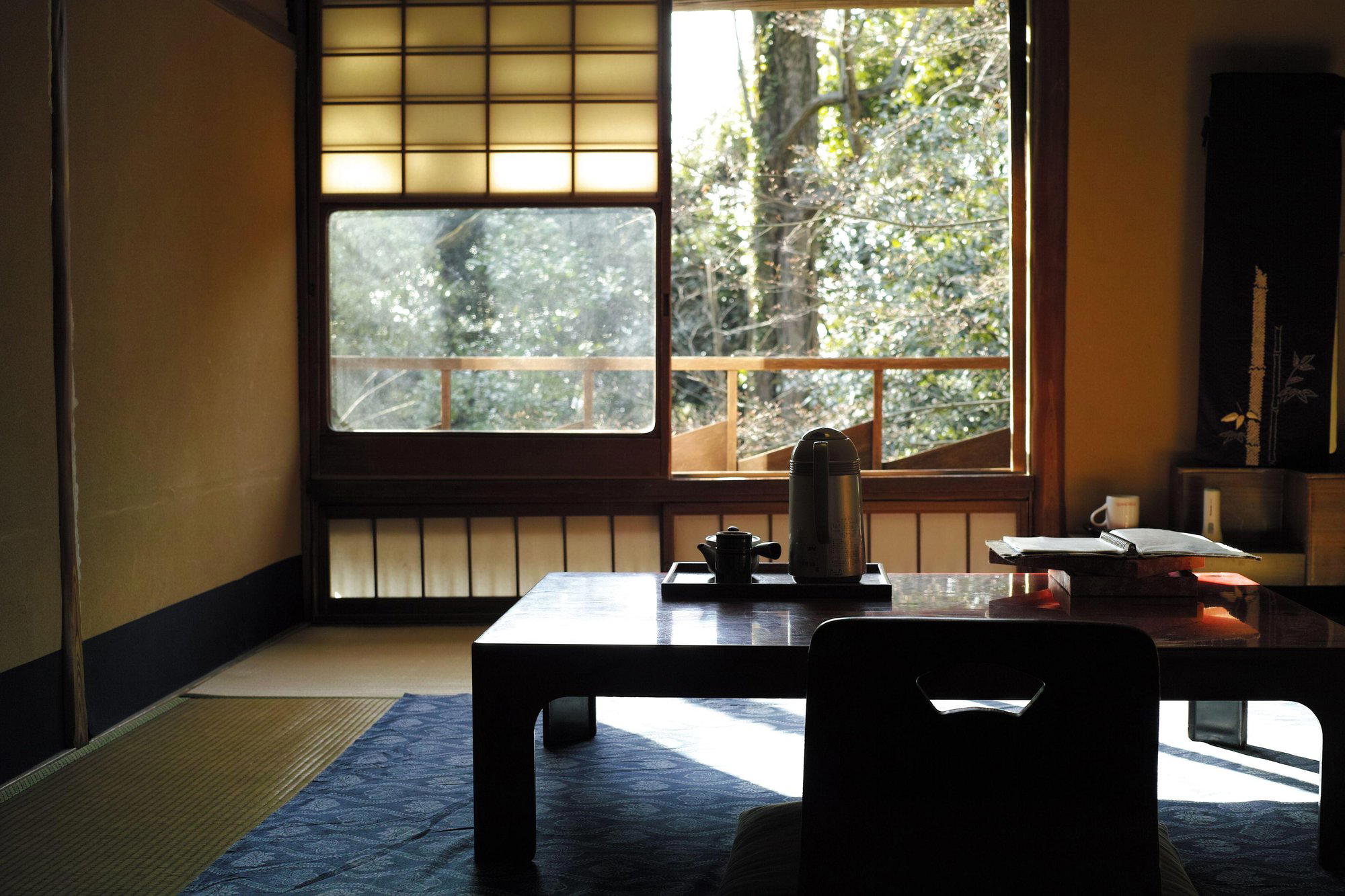
Where Maruyama Park Ends and the Inn Begins
Higashiyama ward operates on a different register from Kyoto's hotel corridor along Karasuma or the newer design properties around Gion. The streets here narrow deliberately, stone paths cut between temple precincts, and the boundary between public and private space carries centuries of considered intention. Japanese Inn YOSHIMIZU sits at the upper edge of Maruyama Park, directly above the Bentendo hall, in Kyoto's Higashiyama ward. The park below is one of Kyoto's most attended cherry blossom sites in April, and the surrounding Higashiyama trail system connects the inn to Chion-in, Shoren-in, and the Yasaka Shrine complex within walking distance. The property has 9 rooms and a 3-star rating.
In the broader pattern of Kyoto accommodation, the small-format traditional inn has split into two recognisable tiers: the rarefied machiya conversion that competes on design credentials and premium pricing, and the more accessible heritage inn that leads with location and spatial authenticity. YOSHIMIZU places itself in the second category, drawing its authority from physical context rather than lobby spectacle. Guests arriving on foot from the Gion-Shijo or Keage subway stations pass through among the more intact surviving streetscapes in Japan before reaching the entrance, which is itself part of what the inn offers.
The Architecture of Restraint
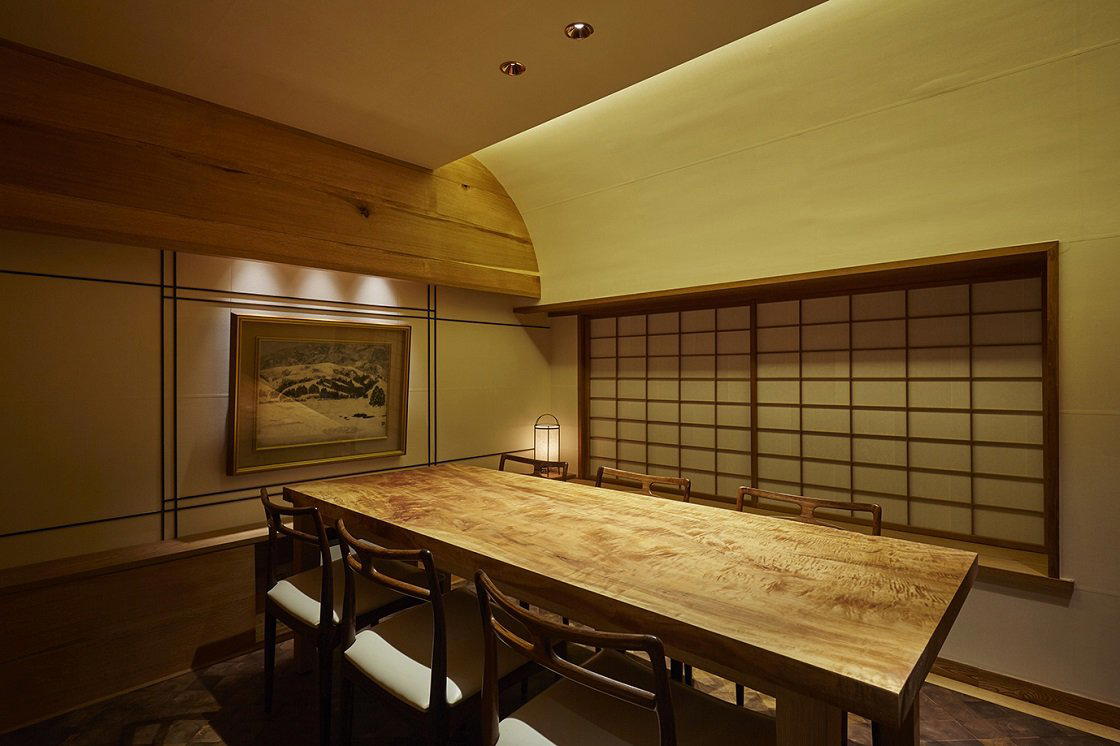
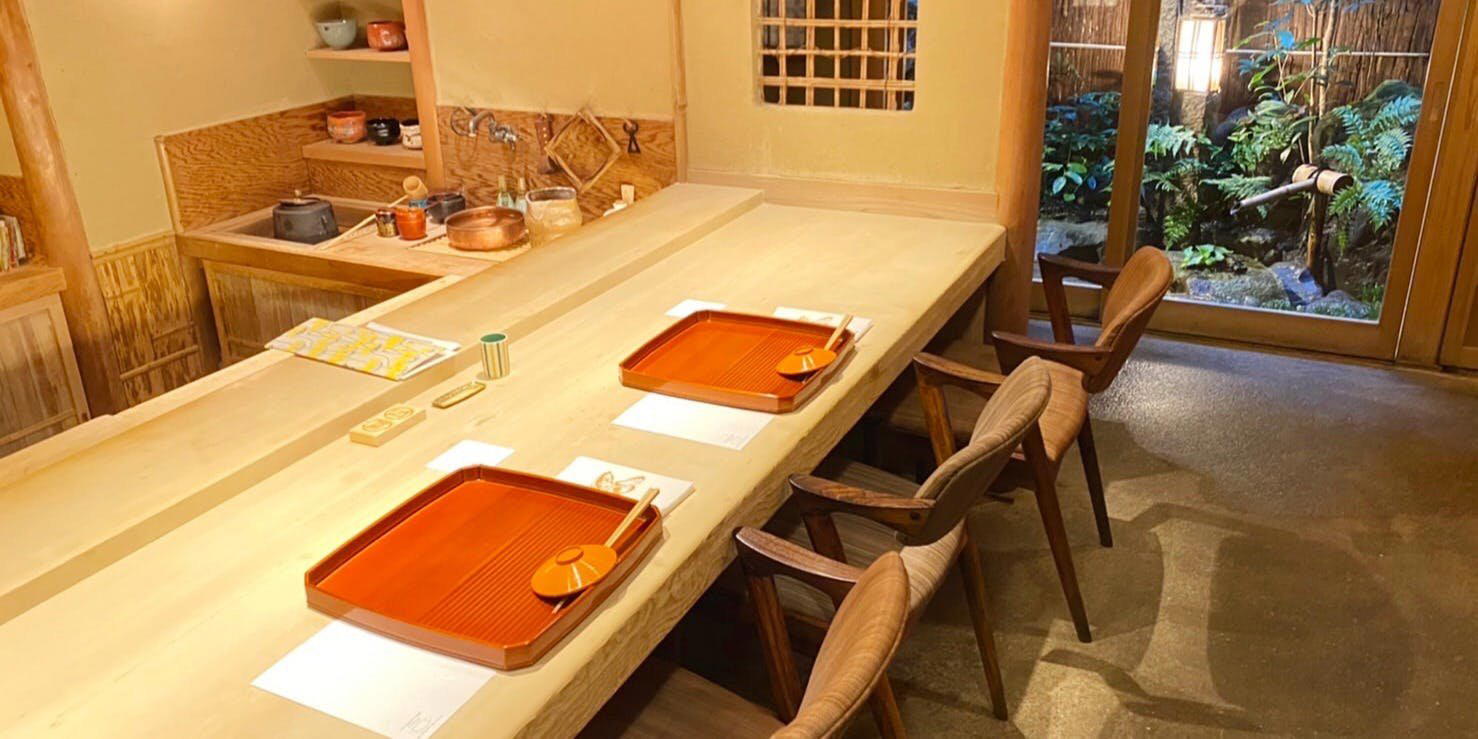
Traditional Japanese inn construction follows a logic that prizes negative space over accumulation. Rooms are sized around the tatami count, not square footage, and the relationship between interior and garden is treated as a compositional decision rather than an amenity. YOSHIMIZU operates within this framework, with the building's position on the hillside above Maruyama Park creating a natural layering of views: garden, park canopy, then the low Kyoto skyline beyond.
The machiya and sukiya-zukuri traditions that inform Higashiyama's surviving residential architecture emphasise material honesty, timber, paper shoji, woven grass floors, over decorative finish. This is the design vocabulary YOSHIMIZU works in. Where international luxury properties in Kyoto, including the HOTEL THE MITSUI KYOTO, have built their identities around combining Western amenity levels with Japanese aesthetic cues, the small traditional inn holds a distinct position: it refuses the hybrid and commits to the original typology. That commitment is architectural before it is experiential.
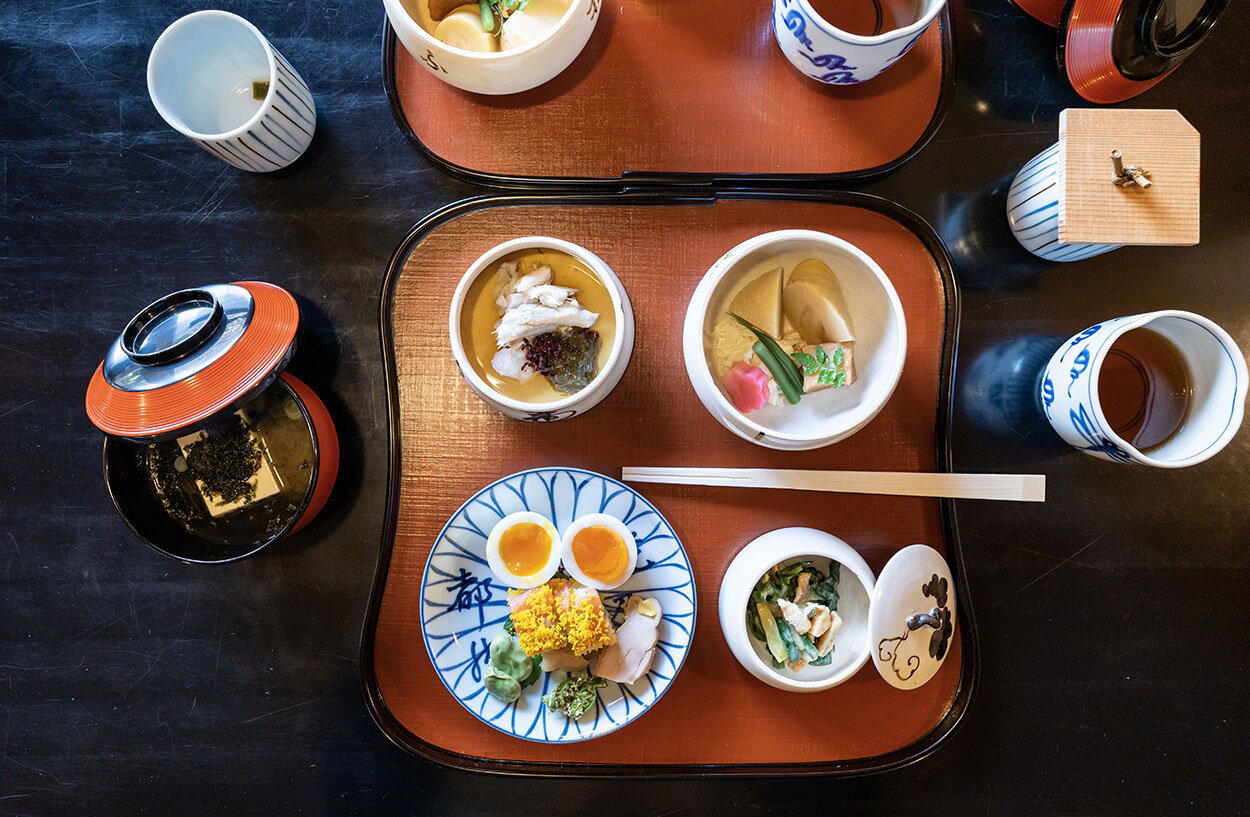
Japan's ryokan tradition at its most precise, as seen at properties like Gora Kadan in Hakone or Araya Totoan in Kaga, layers kaiseki dining, onsen access, and highly ritualised service into a complete spatial experience. YOSHIMIZU, operating in an urban Kyoto context without thermal spring access, draws its ryokan credentials from the neighbourhood and the building rather than spa infrastructure. It is a different argument for why the format matters, and a valid one: Higashiyama's density of heritage sites makes the inn's location an amenity in itself.
Higashiyama as the Guest Experience
The district surrounding YOSHIMIZU rewards early morning movement, before the Ninenzaka and Sannenzaka lanes fill with visitors. The temple precincts around Chion-in open for morning prayers, the stone paths above Kodai-ji hold a particular quality of light in the first hour after dawn, and Maruyama Park itself functions as a neighbourhood gathering space in ways that its midday tourist volume does not suggest. An inn positioned at this address gives guests access to those hours in a way that accommodation in central Kyoto or the Karasuma corridor cannot replicate.
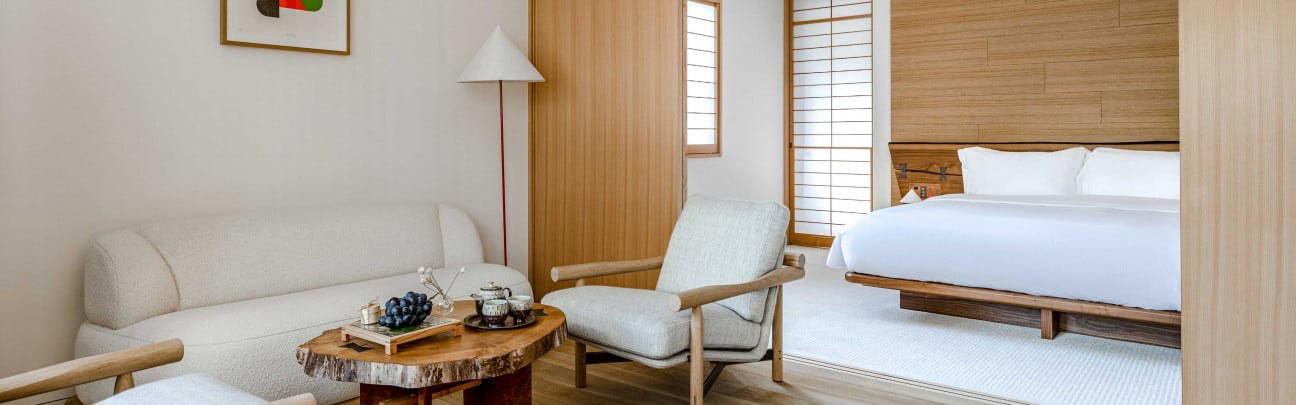
For context on the broader Kyoto lodging range, the city offers everything from the internationally positioned Hotel Monterey Kyoto and THE BLOSSOM KYOTO to the heritage inn format represented by Kinmata, a property that has operated continuously for generations and anchors its identity in kaiseki cooking and merchant-house architecture. YOSHIMIZU shares more with Kinmata's typology than with the branded mid-scale properties. The Malda Kyoto and Hotel Kanra Kyoto occupy the design-forward middle tier, relevant for travellers who want contemporary spaces with Japanese material cues but not the full traditional format.
Japan's most disciplined small inn experiences, from Asaba in Izu to Zaborin in Kutchan, demonstrate that the ryokan format scales across different landscape contexts. What YOSHIMIZU brings is the urban heritage version: no mountain backdrop, no mineral springs, but the deepest concentration of intact Edo-period streetscape in Japan immediately outside the door.
Planning Your Stay
YOSHIMIZU's address in Higashiyama ward (above the Bentendo hall in Maruyama Park, Higashiyama-ku, Kyoto) is most practically reached on foot from Gion-Shijo Station on the Keihan Line, a walk of roughly ten to fifteen minutes through the Gion district.
A Quick Peer Check
Comparable venues nearby, for context on price, style, and recognition.
| Venue | Cuisine | Price | Awards | Notes |
|---|---|---|---|---|
| Japanese Inn YOSHIMIZUThis venue — the venue you are viewing | Traditional Japanese ryokan rebuilt from historic kankyoro house | $$$ | 3-Star | Not listed |
| THE BLOSSOM KYOTO | Contemporary boutique hotel blending traditional Japanese design with modern luxury, featuring curated local artisan elements throughout. | $$$ | 4-Star | Shimogyo Ward |
| 〒600-8176 Kyoto, Shimogyo Ward, Kitamachi, 190 ホテルカンラ京都 | Contemporary luxury boutique hotel with heritage preservation focus, blending Kyoto's traditional architectural language with modern design principles. | $$$$ | 4-Star | Shimogyo Ward, Kitamachi |
| Malda Kyoto | Minimal and modern boutique hotel rooted in simplicity and craftsmanship. | $$$$ | 4-Star | Nakagyo Ward |
| Hotel Monterey Kyoto | European-Kyoto fusion heritage hotel | $$ | 4-Star | Nakagyo Ward |
| Kinmata | traditional Japanese ryokan in Meiji-era machiya | $$$$ | Not listed | Nakagyo-ku |
Continue exploring
More in Kyoto Shi
Hotels in Kyoto Shi
Browse all →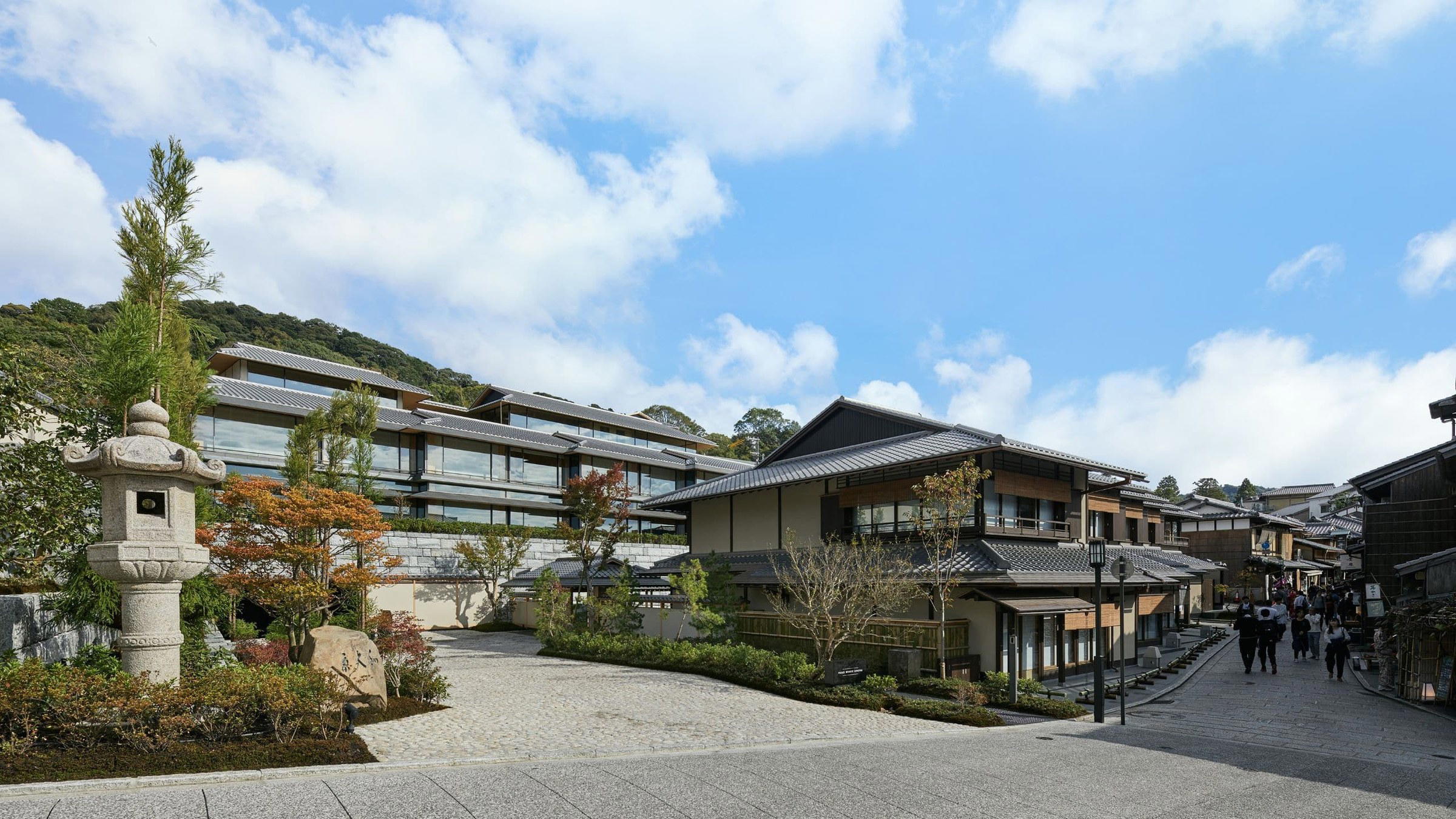
Bars in Kyoto Shi
Browse all →
Restaurants in Kyoto Shi
Browse all →
Wineries in Kyoto Shi
Browse all →
At a Glance
- Quiet
- Cozy
- Classic
- Intimate
- Romantic Getaway
- Weekend Escape
- Garden
- Historic Building
- Wi Fi
- Breakfast Included
- Garden
- Wi Fi
- Breakfast Included
Calming and traditional with wood warmth, tatami flooring, futon bedding, lobby fireplace, and serene garden surroundings.