Kinmata is a long-established machiya inn in Kyoto's Nakagyo Ward, carrying the quiet formality of traditional Japanese hospitality into an area where the city's historic merchant quarter and its modern centre overlap. The property sits on the border between heritage Kyoto and its commercial present, making it a considered base for guests whose itinerary runs across the old city.
Pearl is the En Primeur Club membership app — saves, bookings, and concierge access live there. Same editors, same standards.
- Address
- 407 Dainichicho, Nakagyo Ward, Kyoto, 604-8044, Japan
- Phone
- +81 75 221 1039
- Website
- kinmata.com
- Directions
- Get directions
 Saves & bookings on Pearl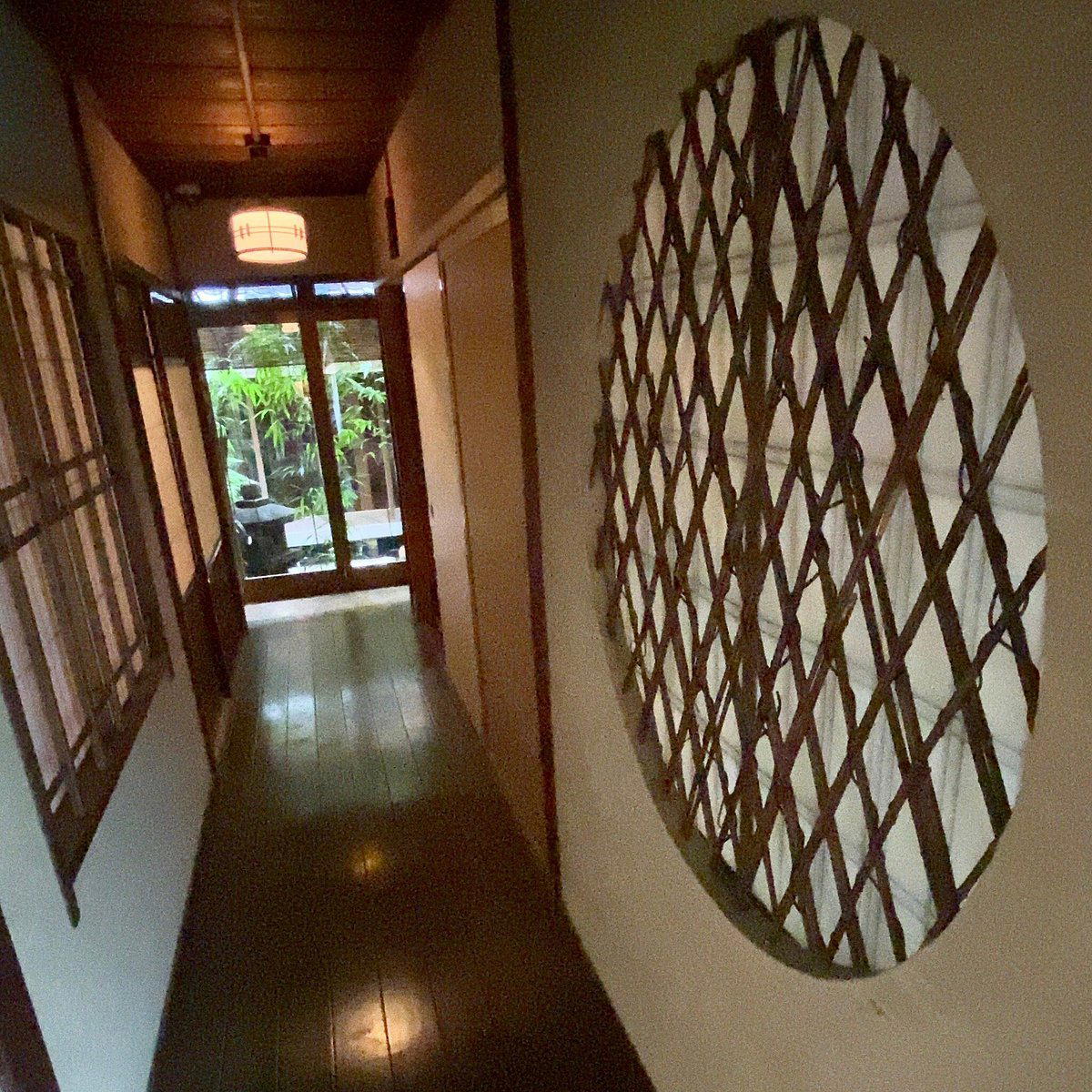
Where Nakagyo Ward's Merchant Past Meets the Ryokan Form
Kyoto's Nakagyo Ward occupies the middle band of the city, bracketed by the grand shopping corridor of Shijo to the south and the cultural density of the Oike area to the north. This part of the city was historically the domain of textile merchants and craftsmen, and its street pattern, narrow machiya frontages, and compressed lot sizes still carry that character. Kinmata, addressed at 407 Dainichi-cho in Nakagyo Ward, sits within that fabric rather than beside it.
The ryokan form is one of Japan's most codified hospitality traditions. At its most disciplined, it organises the guest experience around a sequence: arrival, changing into yukata, the kaiseki meal served in-room or in a private dining space, the preparation of the futon, and the morning ritual of miso and rice. Each stage is managed by staff who anticipate the transition before the guest signals it. That anticipatory logic, the sense that the household is already one step ahead, is what separates a ryokan operating within the tradition from a hotel that has borrowed its aesthetic. Kinmata belongs to the former category, a property where the service rhythm is structural rather than decorative.
The Service Logic of the Traditional Inn
In Kyoto's premium ryokan tier, personalisation is not a selling point but an operating assumption. The guest-to-staff ratio at properties of this type runs high by any international comparison, and the staff member assigned to a room typically manages the entire arc of the stay: greeting, meal service, turndown, and breakfast. That continuity of attention is what gives the format its particular atmosphere. You are not dealing with a department at each transition; you are dealing with the same person, who has already noted your preferences from the previous interaction.
This model places considerable demands on staff training and institutional memory. Kyoto's established ryokan carry that memory across generations, sometimes literally, with families that have operated the same property for a century or more. The result is a service culture that reads less like hospitality protocol and more like a form of household management extended to guests. The distinction matters to those who have experienced both. The ryokan tradition also shapes physical expectations: rooms tend toward the sparse, with sliding screens rather than solid walls, the sound of the city mediated rather than blocked, and the relationship between interior and garden made intentional rather than incidental.
Kyoto's Inn Tier and Where Kinmata Sits
Kyoto operates a layered accommodation market. At the upper end sit the grand old ryokan of Higashiyama and the Arashiyama corridor, properties with river views, private rotenburo, and kaiseki programs anchored to Kyoto's most refined seasonal ingredients. Below that tier, a mid-range ryokan culture has always existed in the city, one that preserves the essential format, the futon, the in-room meal, the yukata, without the premium pricing of the resort end. Kinmata occupies a position in the city's heritage inn tradition without the resort-scale infrastructure of properties like HOTEL THE MITSUI KYOTO.
Japanese Inn YOSHIMIZU, which operates a comparable format in a different neighbourhood context. For those who want design-led properties that gesture toward traditional form without committing fully to the ryokan structure, Malda Kyoto and THE BLOSSOM KYOTO represent the city's newer hospitality layer. The Kanra Kyoto, listed as ホテルカンラ京都, sits in Shimogyo Ward and draws a different traveller profile, one oriented toward boutique-hotel design rather than inn tradition. Hotel Monterey Kyoto occupies yet another position in the market, oriented toward the international business and leisure segment.
Japan's broader premium inn tradition, for those building a multi-stop itinerary, extends well beyond Kyoto. Properties such as Gora Kadan in Hakone, Asaba in Izu, Nishimuraya Honkan in Kinosaki-cho, and Araya Totoan in Kaga each represent different regional expressions of the same service philosophy. The Aman network's Japanese property, Amanemu in Mie, applies that philosophy through an international luxury lens. Further afield, Zaborin in Kutchan and ENOWA Yufu in Yufu extend the tradition into Hokkaido and Kyushu respectively. For island-based alternatives, Jusandi in Ishigaki and Halekulani Okinawa offer different southern contexts. Those building a Japan circuit that incorporates an art destination might also consider Benesse House in Naoshima or Fufu Kawaguchiko near Fuji, with Fufu Nikko offering a comparable format in the Nikko highland context. Urban counterparts in major Japanese cities include Bvlgari Hotel Tokyo and ANA InterContinental Beppu Resort and Spa, and for Hiroshima-area extensions, Sekitei in Hatsukaichi-shi warrants attention. International travellers extending beyond Japan will find the same standard of personalised service applied at different scales at Aman Venice, Aman New York, and The Fifth Avenue Hotel in New York City.
Planning Your Stay
Kinmata's address at 407 Dainichi-cho, Nakagyo Ward places it within walking distance of Kyoto's central corridor, accessible by both bus and subway. The property functions as a traditional inn, meaning the booking window and room availability are typically limited by the small-scale format inherent to machiya conversions. Travellers seeking this type of property during Kyoto's high-pressure periods, cherry blossom season in late March through mid-April and the autumn colour peak in November, should pursue reservations well in advance, as the city's inn stock at every price point tightens significantly during those weeks.
Where It Fits
Comparable venues nearby, for context on price, style, and recognition.
| Venue | Cuisine | Price | Awards | Notes |
|---|---|---|---|---|
| KinmataThis venue — the venue you are viewing | traditional Japanese ryokan in Meiji-era machiya | $$$$ | Not listed | Not listed |
| 〒600-8176 Kyoto, Shimogyo Ward, Kitamachi, 190 ホテルカンラ京都 | Contemporary luxury boutique hotel with heritage preservation focus, blending Kyoto's traditional architectural language with modern design principles. | $$$$ | 4-Star | Shimogyo Ward, Kitamachi |
| Malda Kyoto | Minimal and modern boutique hotel rooted in simplicity and craftsmanship. | $$$$ | 4-Star | Nakagyo Ward |
| Japanese Inn YOSHIMIZU | Traditional Japanese ryokan rebuilt from historic kankyoro house | $$$ | 3-Star | Higashiyama-Ku |
| THE BLOSSOM KYOTO | Contemporary boutique hotel blending traditional Japanese design with modern luxury, featuring curated local artisan elements throughout. | $$$ | 4-Star | Shimogyo Ward |
| Hotel Monterey Kyoto | European-Kyoto fusion heritage hotel | $$ | 4-Star | Nakagyo Ward |
Continue exploring
More in Kyoto Shi
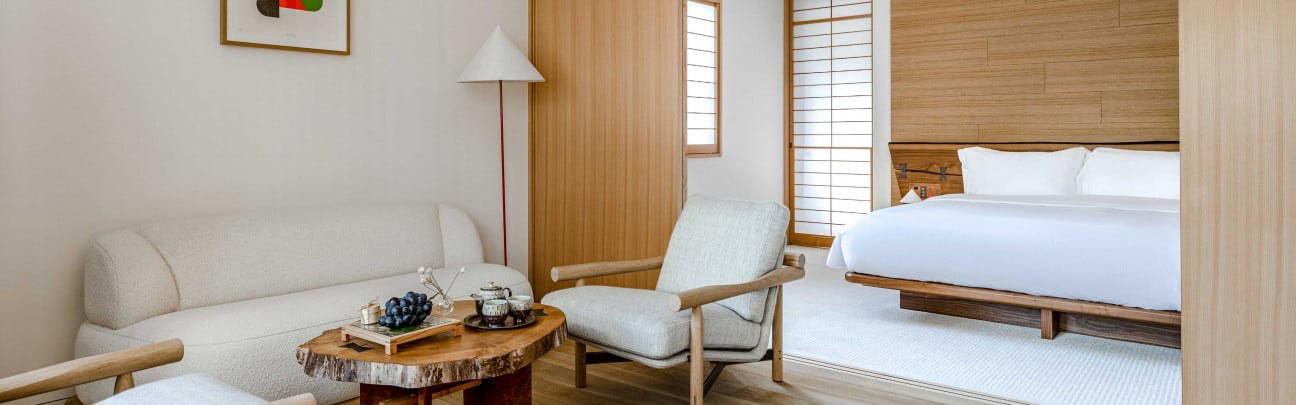
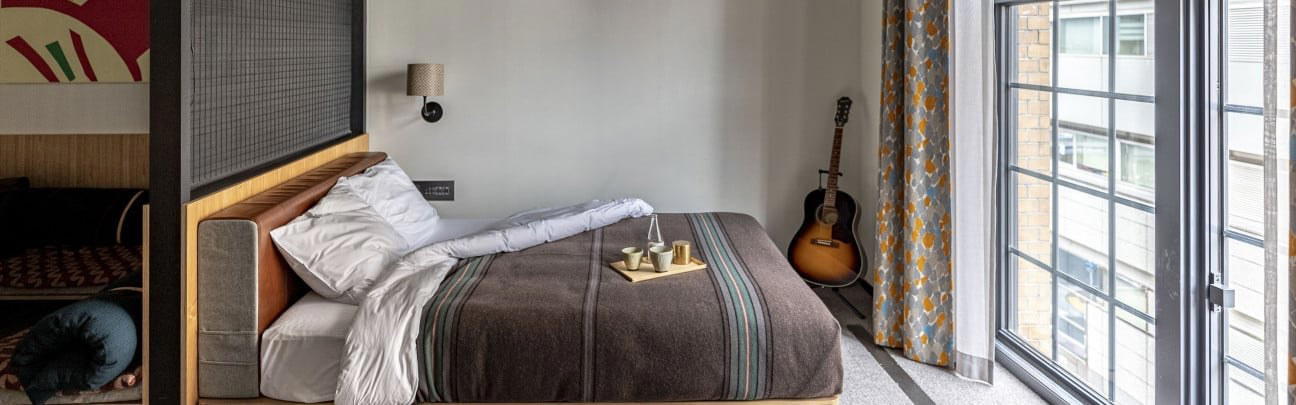
Hotels in Kyoto Shi
Browse all →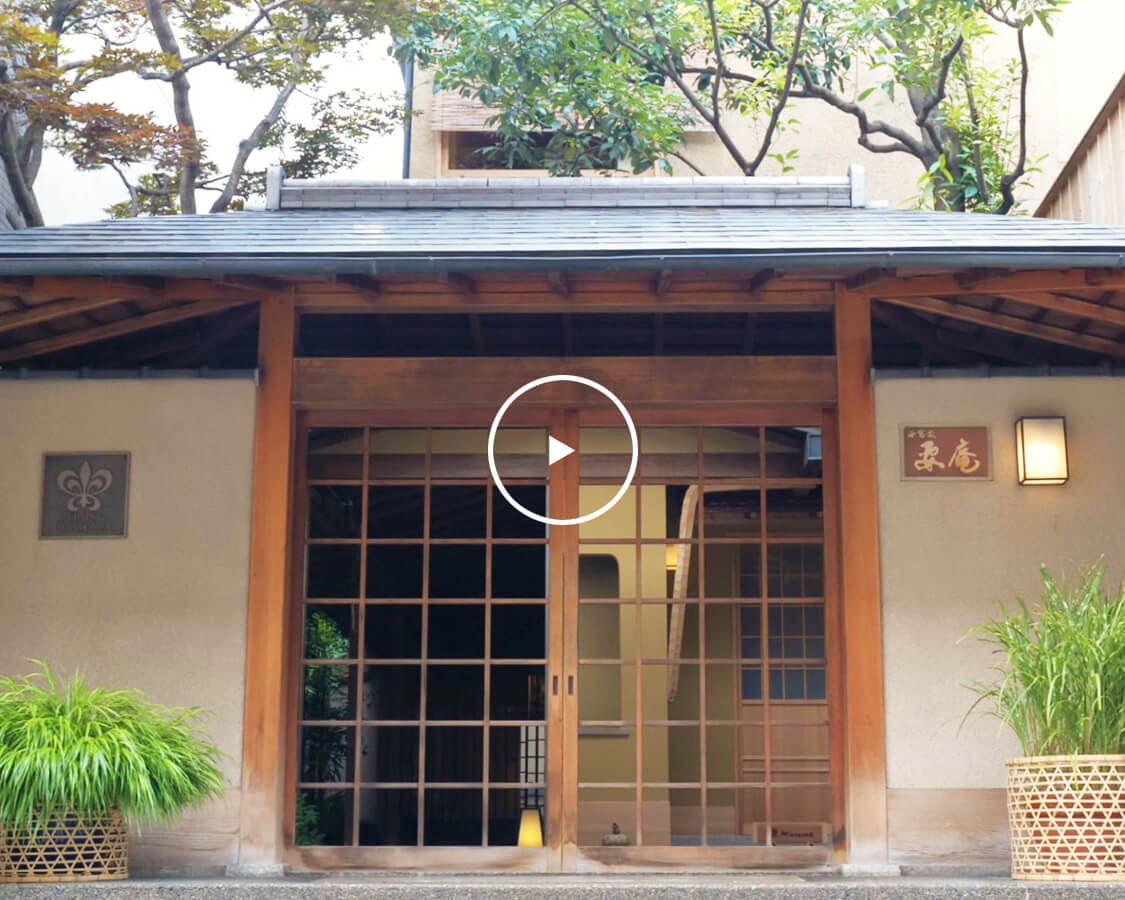
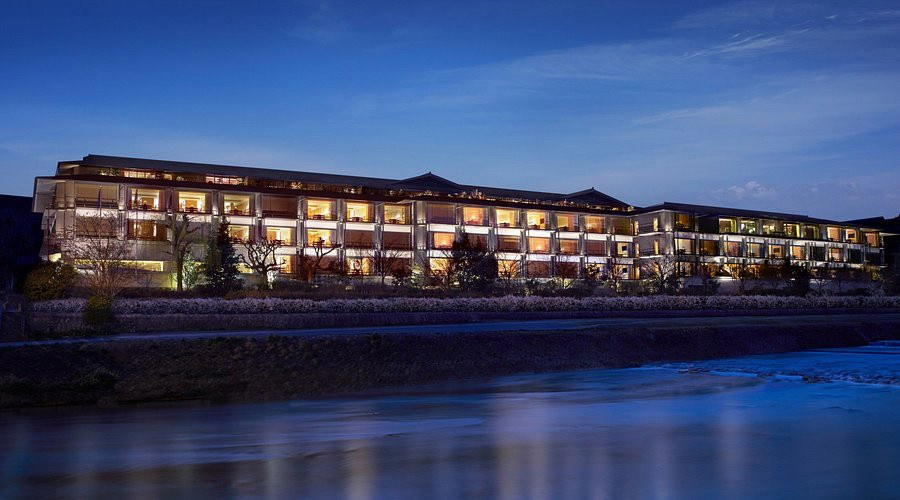
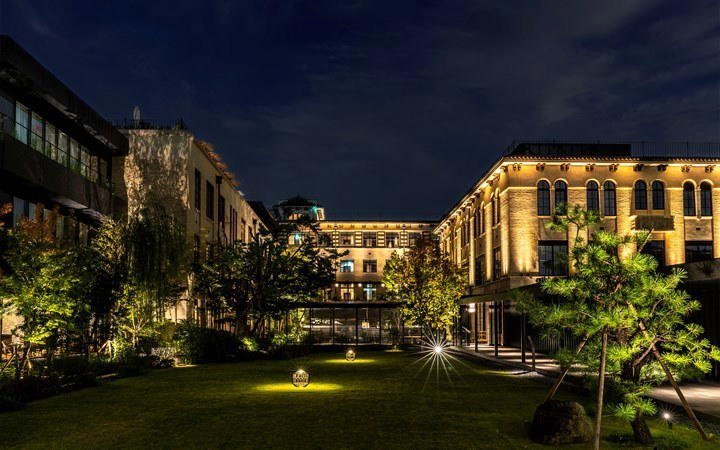
Bars in Kyoto Shi
Browse all →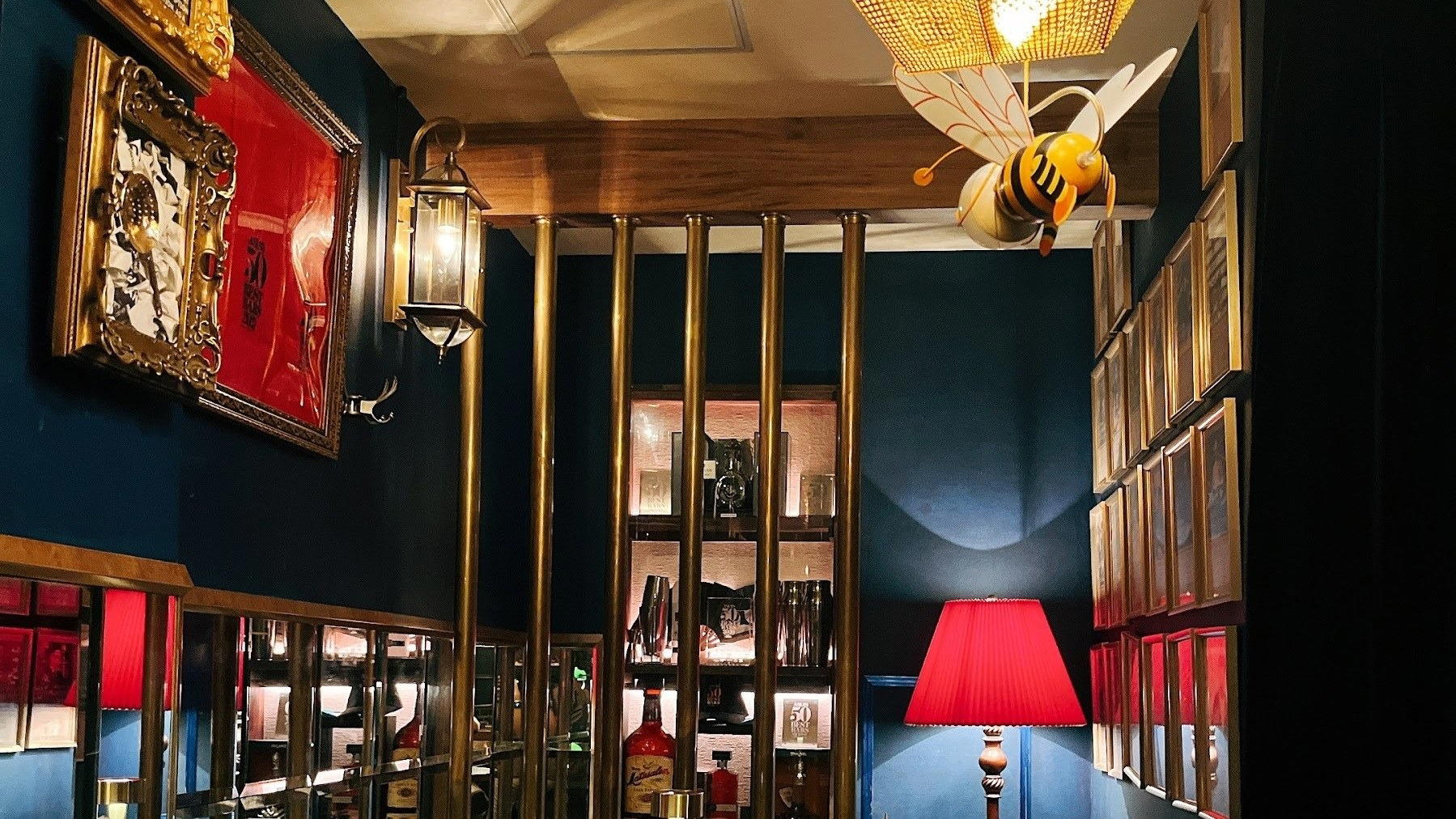
Restaurants in Kyoto Shi
Browse all →
Wineries in Kyoto Shi
Browse all →
At a Glance
- Classic
- Cozy
- Intimate
- Elegant
- Romantic Getaway
- Anniversary
- Historic Building
- Garden
- Wi Fi
- Concierge
- Room Service
- Garden
- Wi Fi
- Concierge
- Room Service
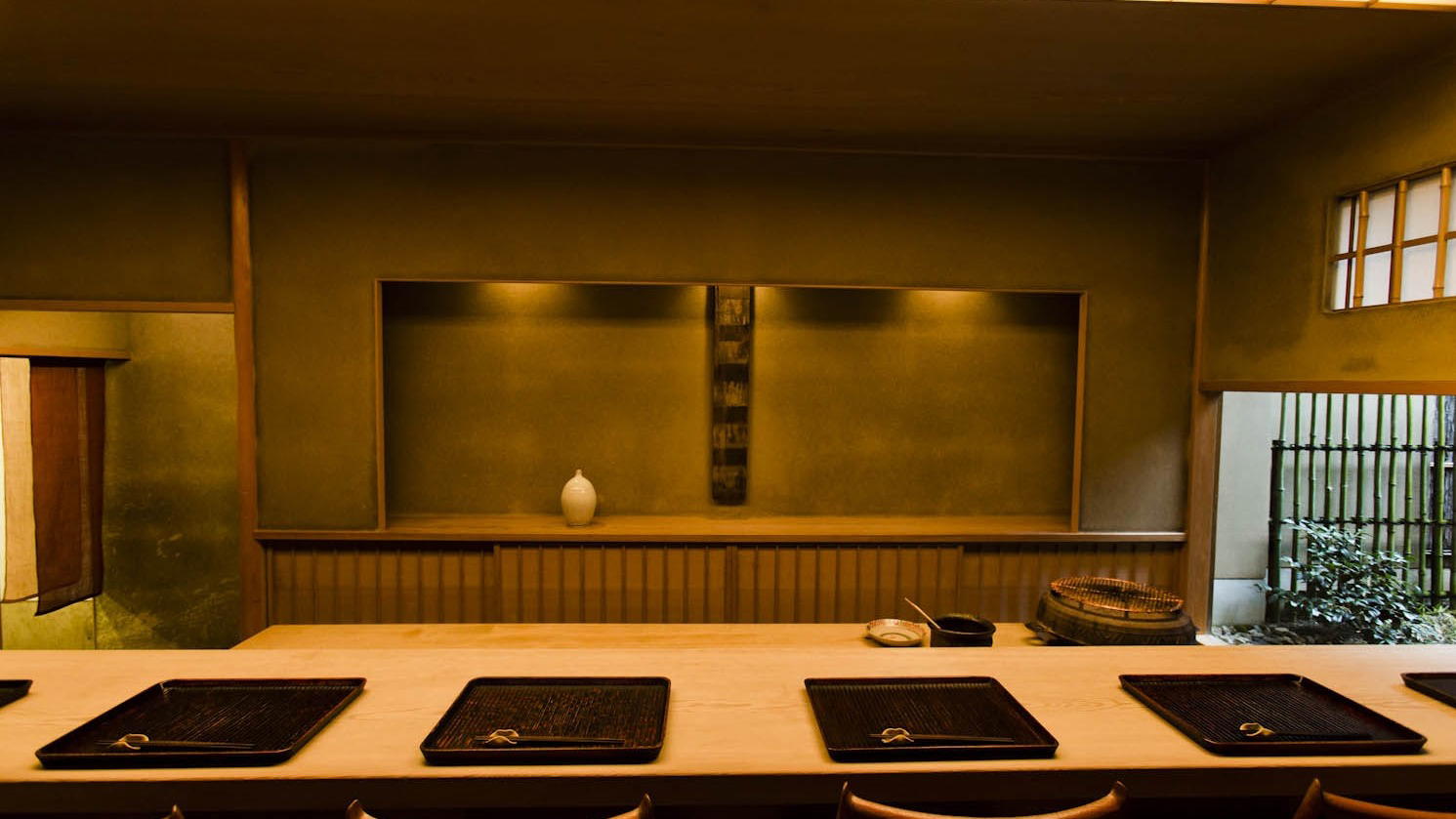
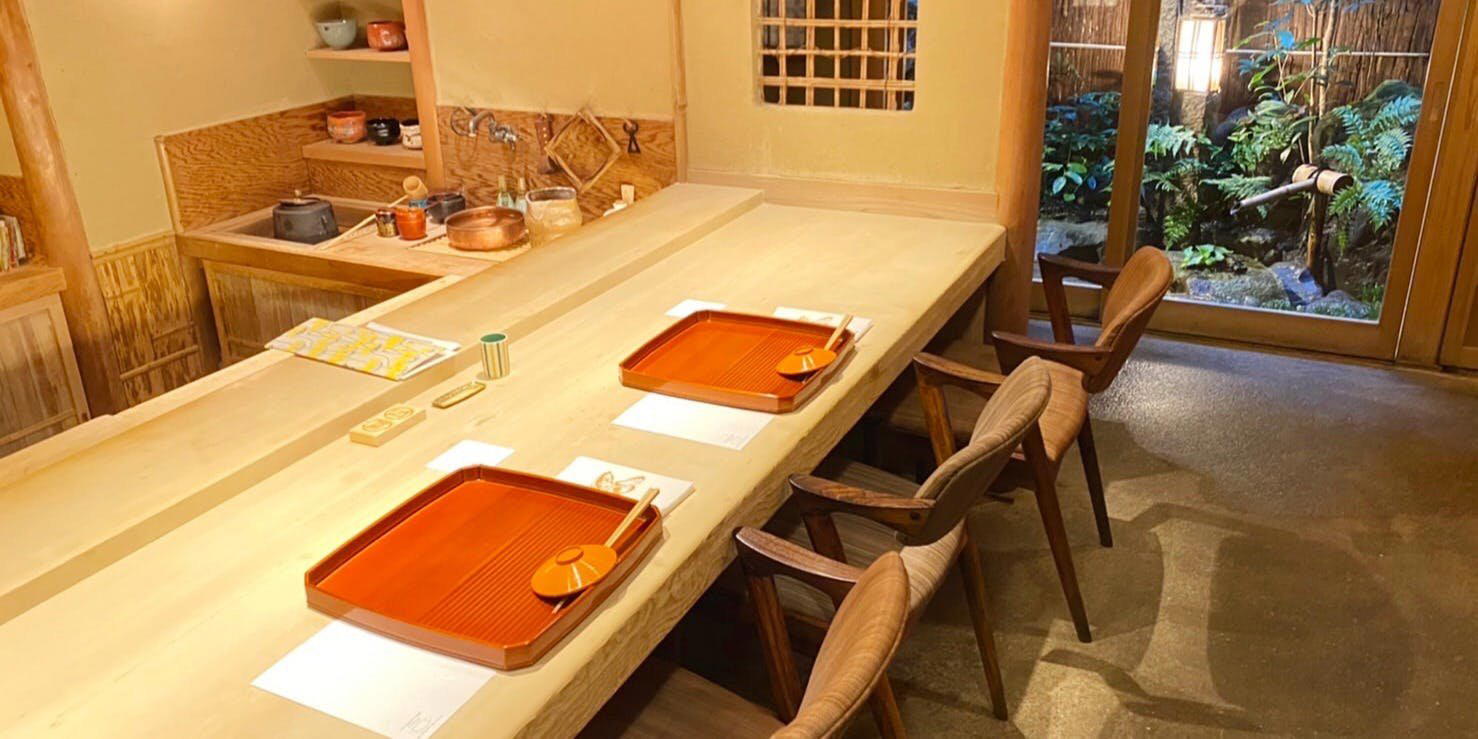
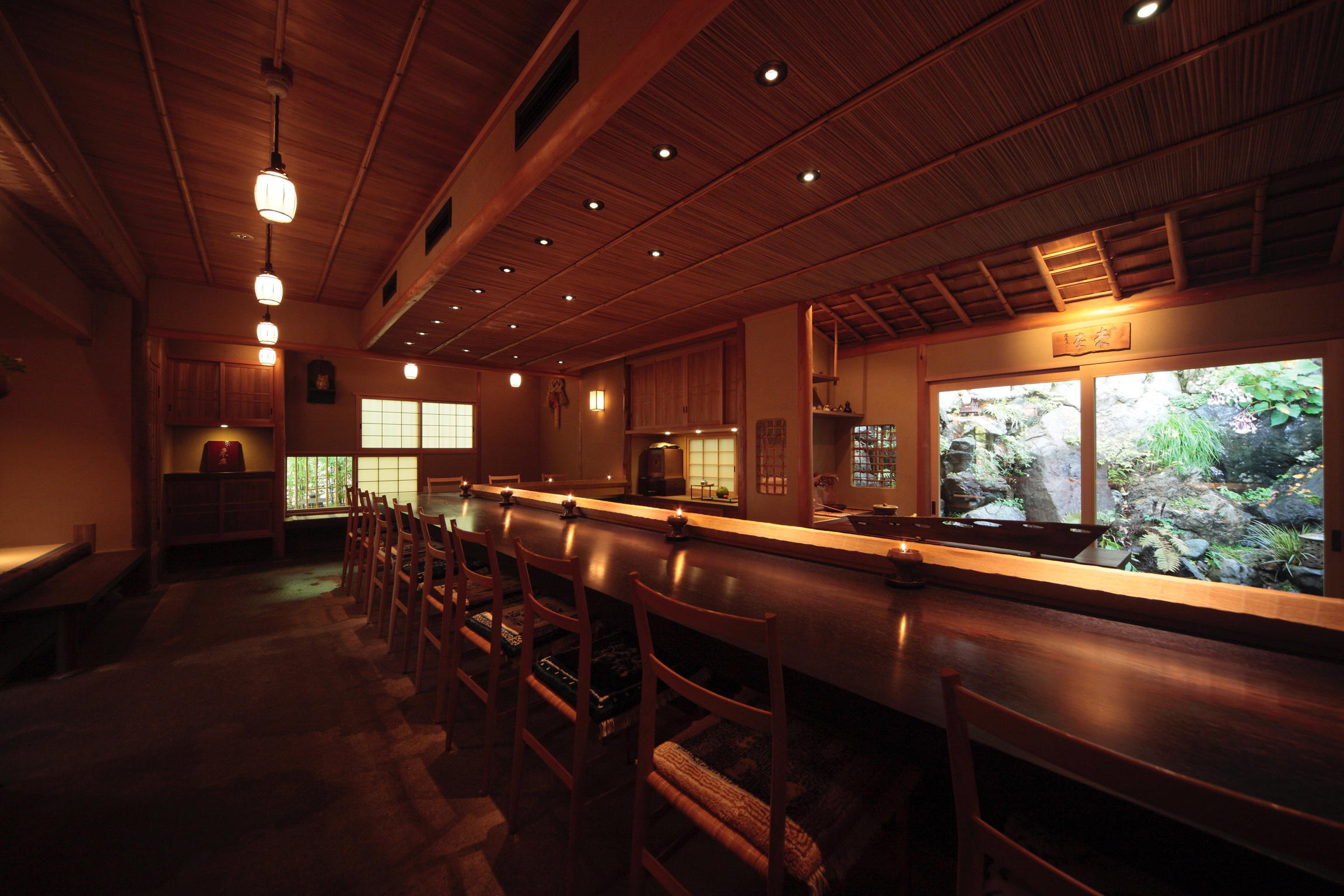
Serene traditional Japanese atmosphere with tatami floors, sliding paper doors, wooden walkways, and an elegant courtyard garden.