Skip to Main Content

Google: 4.6 · 1,099 reviews

← Collection
Kyoto Shi, Japan

THE BLOSSOM KYOTO

Price≈$180
Size175 rooms
GroupJR Kyushu Hotels
NoiseQuiet
CapacityLarge

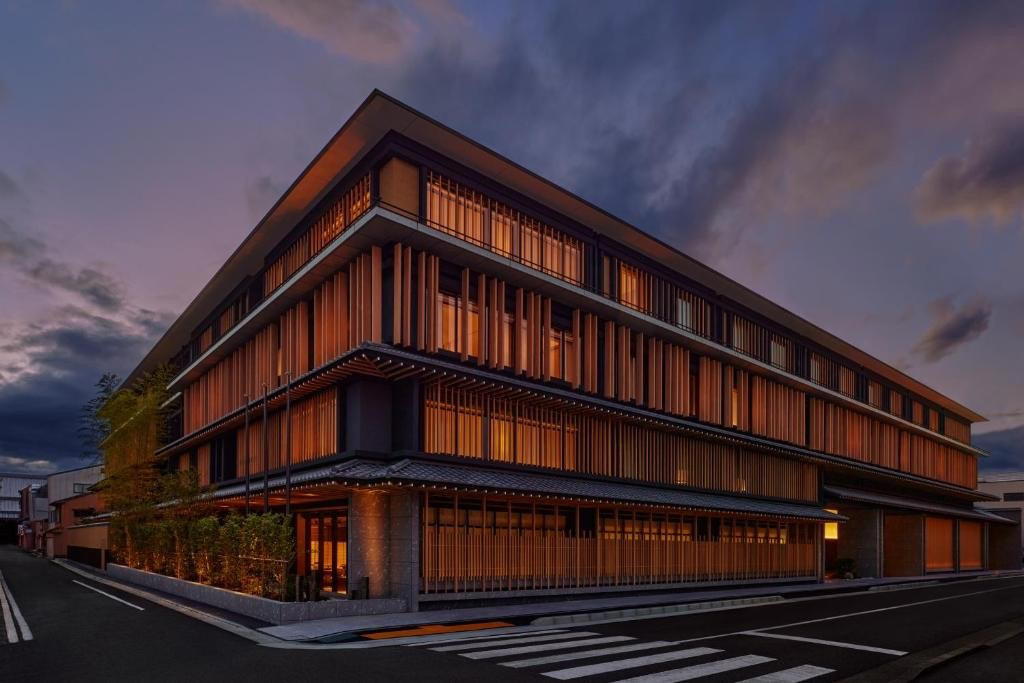
Located in Shimogyo Ward, steps from Kyoto Station, The Blossom Kyoto sits in one of the city's most historically layered neighbourhoods, where merchant townhouses and temple precincts define the streetscape. The property places guests at the intersection of modern comfort and deep Kyoto urbanism, with Gion, Fushimi Inari, and the Nishiki Market corridor all reachable without a taxi.

Pearl is the En Primeur Club membership app — saves, bookings, and concierge access live there. Same editors, same standards.

THE BLOSSOM KYOTO hotel in Kyoto Shi, Japan
About

Shimogyo Ward and the Architecture of Arrival

Kyoto's Shimogyo Ward operates on a different register from the ryokan districts further north. Manjujicho, the address where The Blossom Kyoto is found, sits within the dense grid of streets that fan out from Kyoto Station, one of Japan's most architecturally significant transit hubs and a genuine landmark in its own right. Arriving here, guests encounter a neighbourhood that has absorbed centuries of merchant culture, Buddhist institution-building, and the kind of slow urban accumulation that gives Kyoto its particular weight. The streets around this postcode are not scenic in the manicured, tourist-brochure sense; they are functional, layered, and genuinely inhabited, which is something quite different and arguably more interesting.

Hotels in this part of Shimogyo occupy a specific position in the city's accommodation spectrum. They sit between the grand international chains clustered directly around the station and the smaller, more intimate ryokan properties concentrated in Higashiyama and Arashiyama. That middle position carries real practical advantages: Fushimi Inari Taisha is reachable in under fifteen minutes by the Kintetsu or JR lines, Nishiki Market and the Gion district are a short bus or subway ride north, and the entire Tokaido Shinkansen corridor is on the doorstep for day trips to Osaka or Nara. For travellers who treat Kyoto as a base rather than a single-destination stay, the station-adjacent postcode is not a compromise, it is a deliberate logistical choice.

What Shimogyo Tells You About a Property's Competitive Set

Understanding where The Blossom Kyoto sits in the city's hotel hierarchy requires understanding the ward it occupies. Shimogyo has, over the past decade, attracted a distinct cohort of mid-to-upper-market hotels that position themselves against the large business-class properties near the station while differentiating on design, service, or neighbourhood connection. Properties like Hotel Monterey Kyoto and Malda Kyoto operate in overlapping territory, each making a slightly different claim on the traveller seeking comfort without the impersonality of a large-footprint chain. Kinmata, one of Kyoto's most historically documented ryokan properties, represents a very different tier entirely, as does Japanese Inn YOSHIMIZU, which draws on the traditional inn format that defined Kyoto hospitality for generations before the modern hotel category existed.

The Blossom Kyoto occupies the Manjujicho address in a ward where the accommodation conversation has shifted considerably since the pre-pandemic years. International visitor numbers to Kyoto have driven both new openings and significant price pressure on existing stock, meaning that the properties which have maintained consistent positioning are doing so in a more competitive environment than five years ago. That context matters when evaluating what any Shimogyo hotel is offering and at what implied cost.

Heritage Layers: What This Neighbourhood Has Witnessed

Shimogyo's historical significance is not incidental. The ward was the commercial and craft heart of the city during the Edo period, when Kyoto functioned as the imperial capital and the surrounding streets supported the textile workshops, dye houses, and merchant families that made Nishijin weaving synonymous with Japanese silk culture. The proximity to what is now Kyoto Station was, in an earlier era, proximity to the Toji temple complex, one of the oldest Buddhist institutions in Japan and still a dominant presence a short walk southwest. Toji's monthly antique market, held on the 21st of each month, draws dealers and collectors from across the Kansai region and remains one of the more genuine market experiences available in a city that has learned to commodify much of its heritage.

For guests choosing a Shimogyo address, that historical density is part of the value proposition even when it goes unremarked in hotel communications. The neighbourhood's built fabric, its narrow streets, low-rise machiya townhouses, and the occasional glimpse of a shrine gate between apartment blocks, provides a kind of ambient context that the sanitised precincts further north sometimes lack. See our full Kyoto Shi restaurants and hotels guide for a broader map of where different parts of the city sit culturally and practically.

Kyoto's Broader Accommodation Spectrum

Placing The Blossom Kyoto in the national context requires acknowledging how dramatically the premium end of Japanese hospitality has developed. Properties like HOTEL THE MITSUI KYOTO represent what happens when a major developer makes a sustained, high-capital commitment to Kyoto luxury, drawing on heritage buildings and positioning against the international five-star tier. Beyond the city, Japan's ryokan and resort tradition spans from Amanemu in Mie and Gora Kadan in Hakone to smaller, more intimate formats like Asaba in Izu and Zaborin in Hokkaido. Understanding where a Shimogyo city hotel sits relative to that broader field helps calibrate expectations: this is urban convenience and city-embedded positioning, not the immersive landscape-and-onsen format that defines Japan's most celebrated retreat properties.

For travellers whose Japan itinerary moves between city and nature, the station-adjacent logic of Shimogyo hotels is particularly coherent. Properties like Fufu Kawaguchiko, Fufu Nikko, Nishimuraya Honkan in Kinosaki, and ENOWA Yufu represent the onsen-and-nature tier, while a Kyoto city base like The Blossom serves a different purpose in an itinerary: access, transit flexibility, and immersion in a functioning urban environment. Benesse House on Naoshima and Halekulani Okinawa are further along that spectrum still, designed around a specific natural and cultural experience that city hotels are not competing to replicate.

Seasonal Timing and the Shimogyo Advantage

Kyoto's two peak seasons, cherry blossom in late March through April and autumn foliage in November, create significant demand compression across all accommodation categories. A Shimogyo address during these windows carries a specific advantage: proximity to Kyoto Station means guests can move early to destination temples before the crowds concentrate, and return via multiple transit options without depending on taxis during the high-demand hours when ride availability collapses. The Toji temple flea market falls on the 21st of each month and is worth timing a stay around regardless of season, but the November edition coincides with autumn colour in the temple grounds and draws particularly large attendance. Booking any Shimogyo property during peak foliage or blossom seasons requires a lead time of several months, and this pattern holds across the ward's accommodation supply regardless of specific property.

Planning Your Stay

The Blossom Kyoto's Manjujicho address in Shimogyo Ward places it within comfortable walking distance of Kyoto Station's main exit, with the Kintetsu and Karasuma subway lines providing direct access north to Shijo and Kawaramachi, the commercial and cultural centre of the city. Given the density of the Shimogyo street grid, arriving on foot from the station is direct. For context on comparable Shimogyo properties and how the ward's hotel selection compares to alternatives in Higashiyama or Arashiyama, the Hotel Kanra Kyoto, also in Shimogyo Ward on Kitamachi, offers a useful point of comparison for travellers weighing options in the same postcode area. Japan-focused travellers considering this region alongside luxury city hotels internationally might also reference the service benchmarks set by properties like Bvlgari Hotel Tokyo, Aman New York, or Aman Venice to frame what the upper end of the global hotel market delivers against which Kyoto city properties are increasingly measured.

Frequently asked questions

At a Glance
Vibe
  • Elegant
  • Modern
  • Cozy
  • Sophisticated
Best For
  • Family Vacation
  • Weekend Escape
  • Romantic Getaway
Experience
  • Garden
  • Historic Building
  • Design Destination
  • Terrace
Amenities
  • Wifi
  • Fitness Center
  • Restaurant
  • Public Bath
  • Guest Lounge
  • Room Service
  • Concierge
  • Laundry Service
Views
  • Garden
Dress CodeCasual
Noise LevelQuiet
CapacityLarge
Rooms175
Check-In15:00
Check-Out11:00
PetsNot allowed

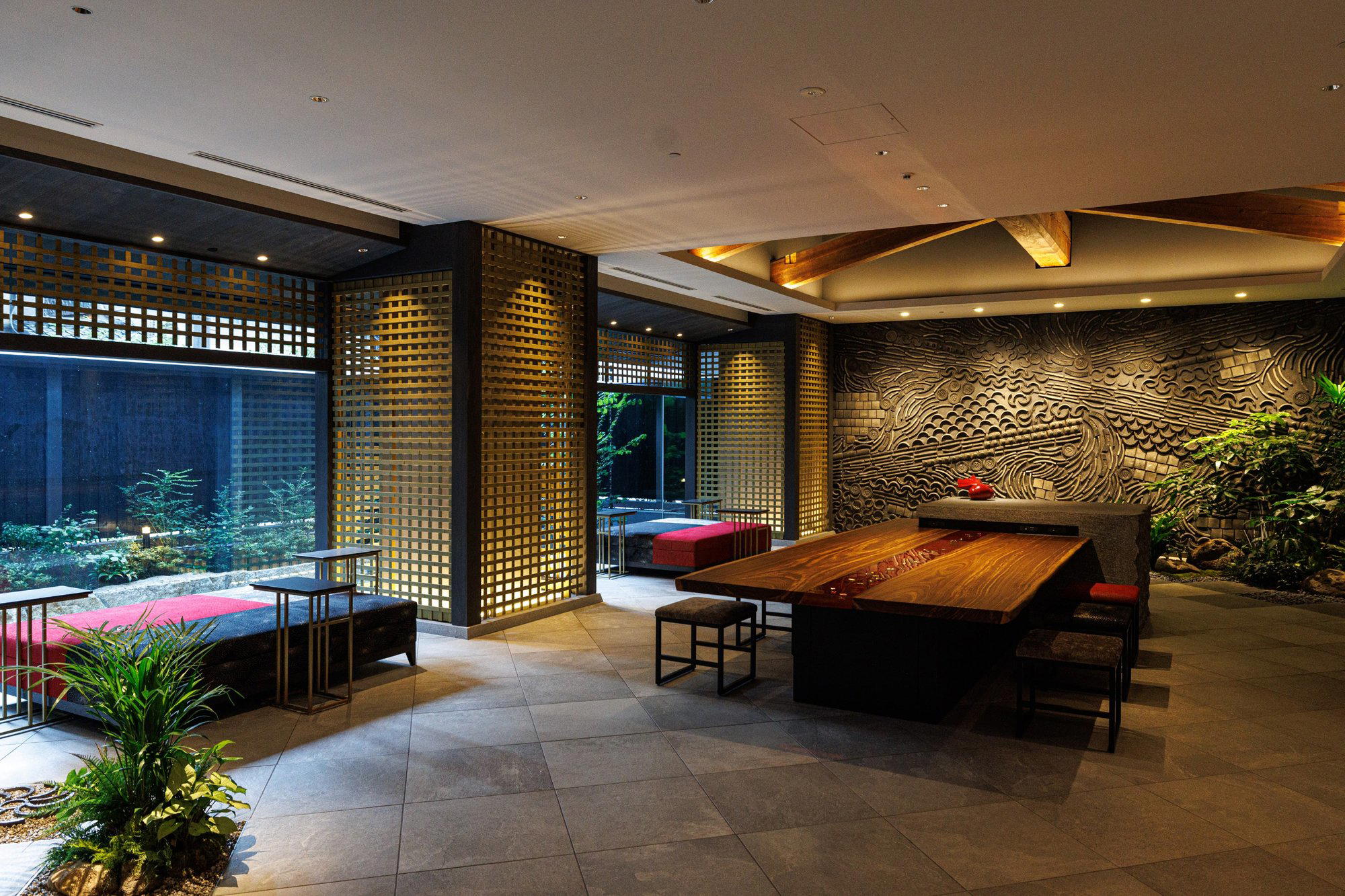
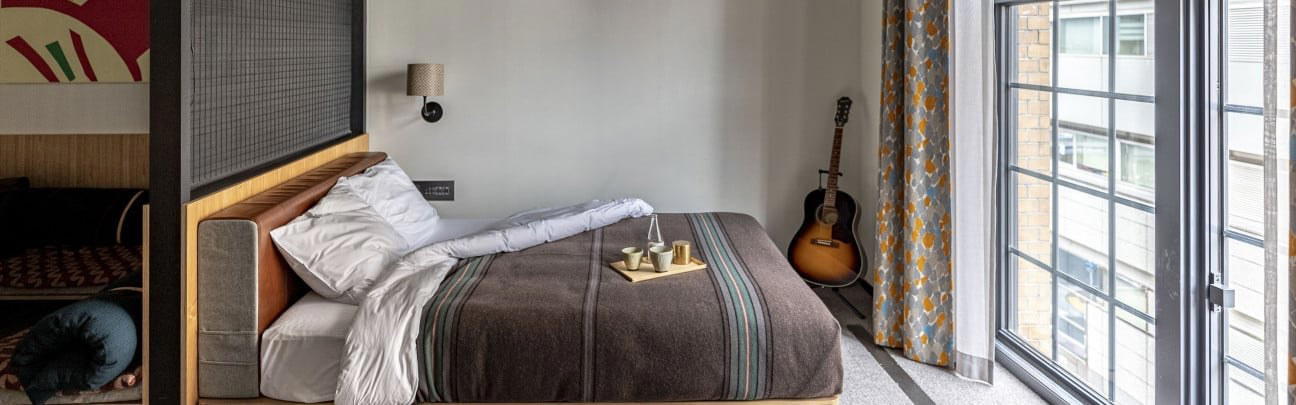
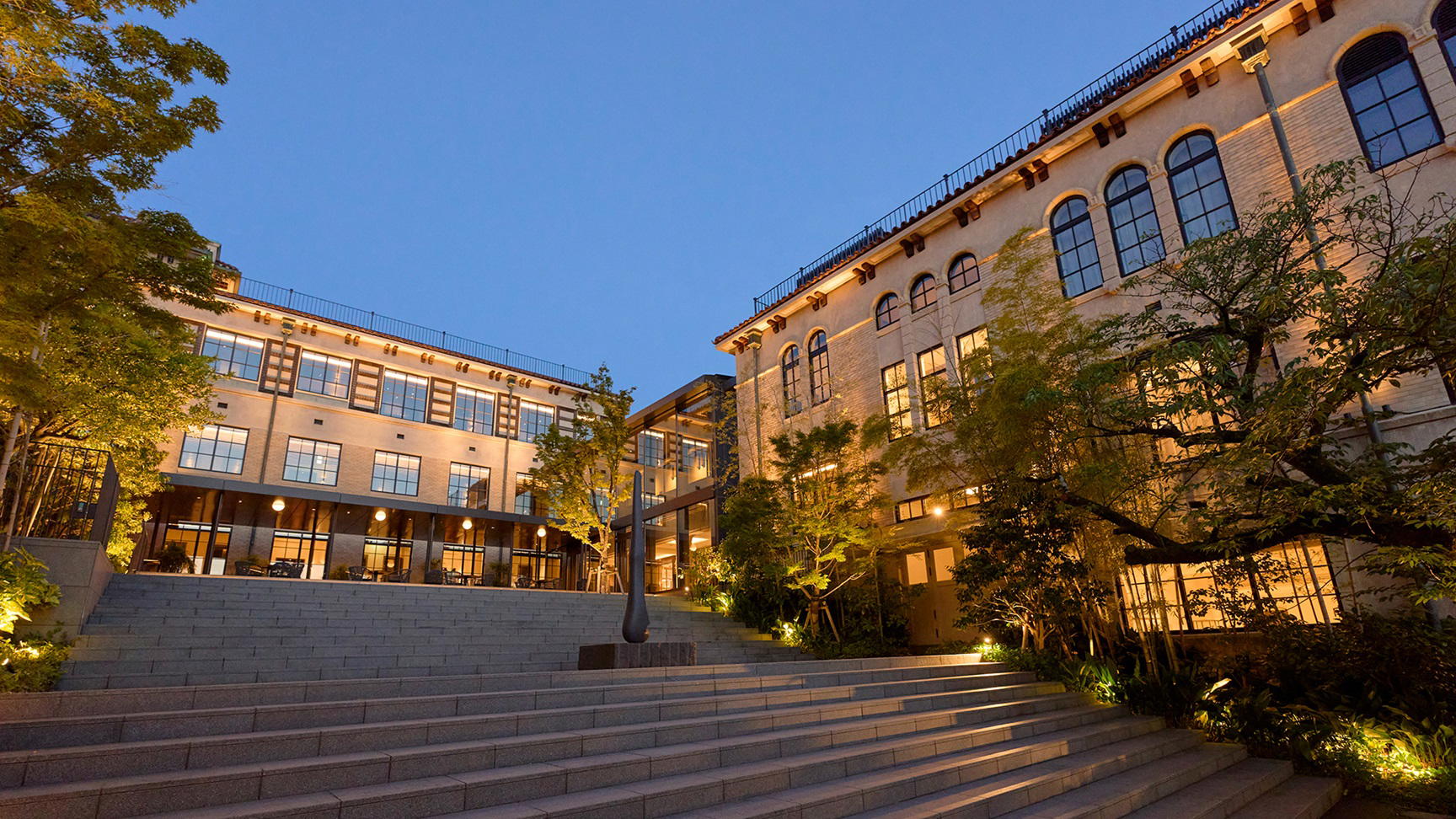
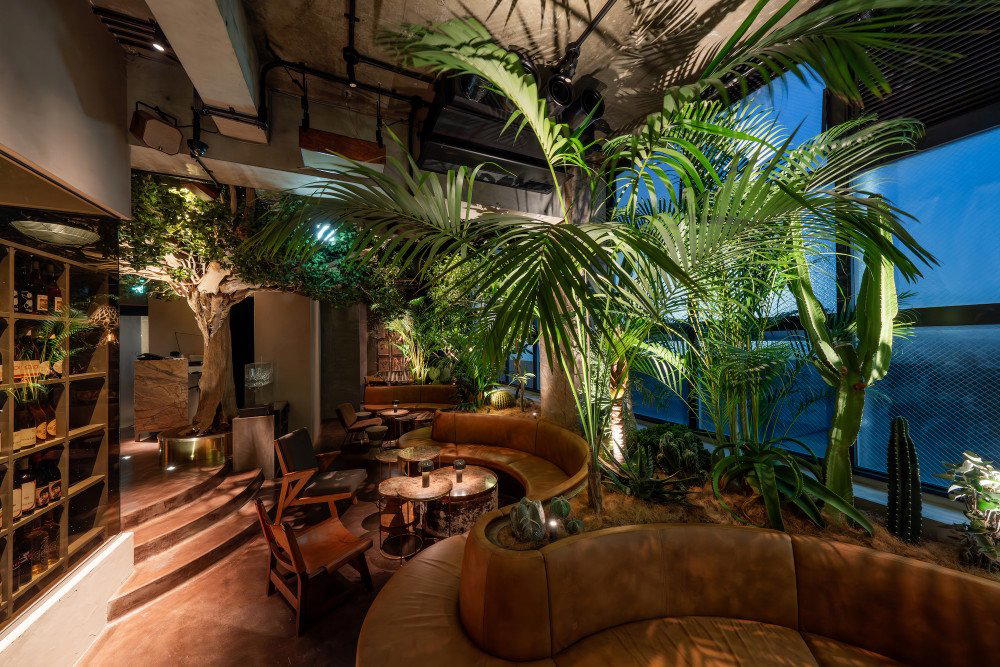
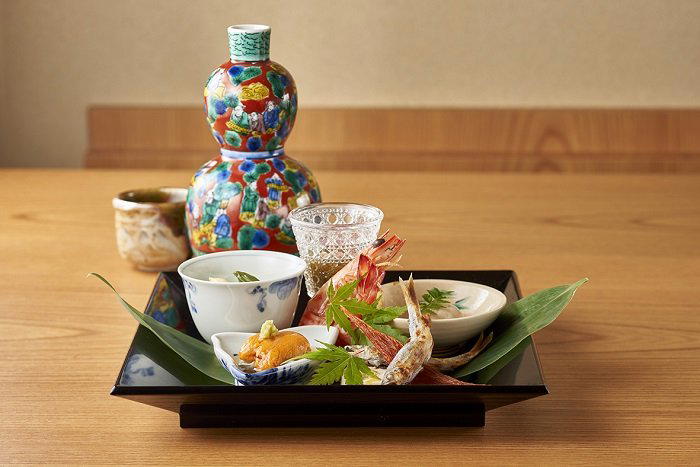
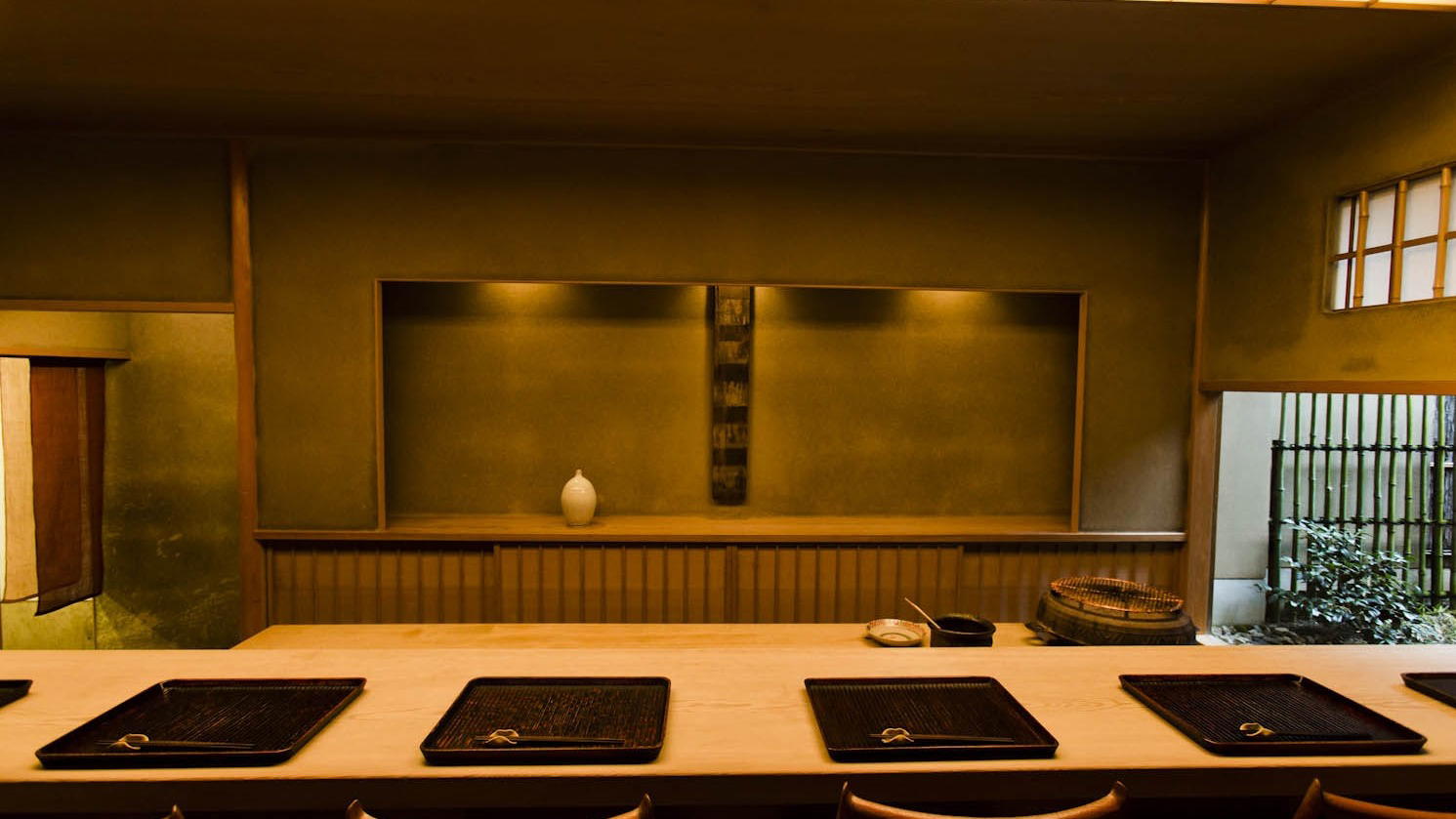
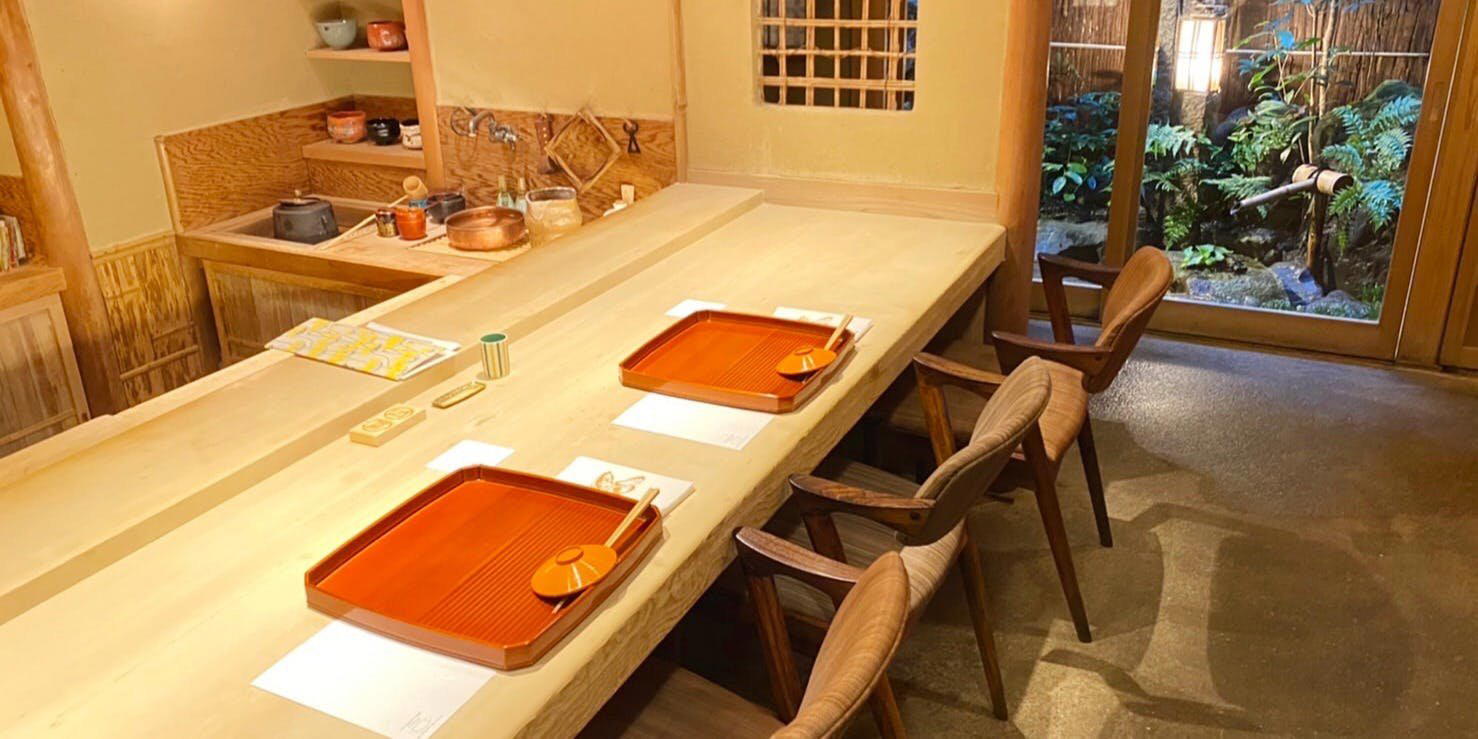
Peaceful and refined with lantern-lit street garden entrance, warm lighting throughout, and carefully curated traditional pottery and local artisan details creating an immersive cultural atmosphere.