Skip to Main Content

Google: 4.5 · 908 reviews

← Collection
Kyoto Shi, Japan

〒600-8176 Kyoto, Shimogyo Ward, Kitamachi, 190 ホテルカンラ京都

Price≈$180
Size68 rooms
GroupUDS Hotels
NoiseQuiet
CapacitySmall

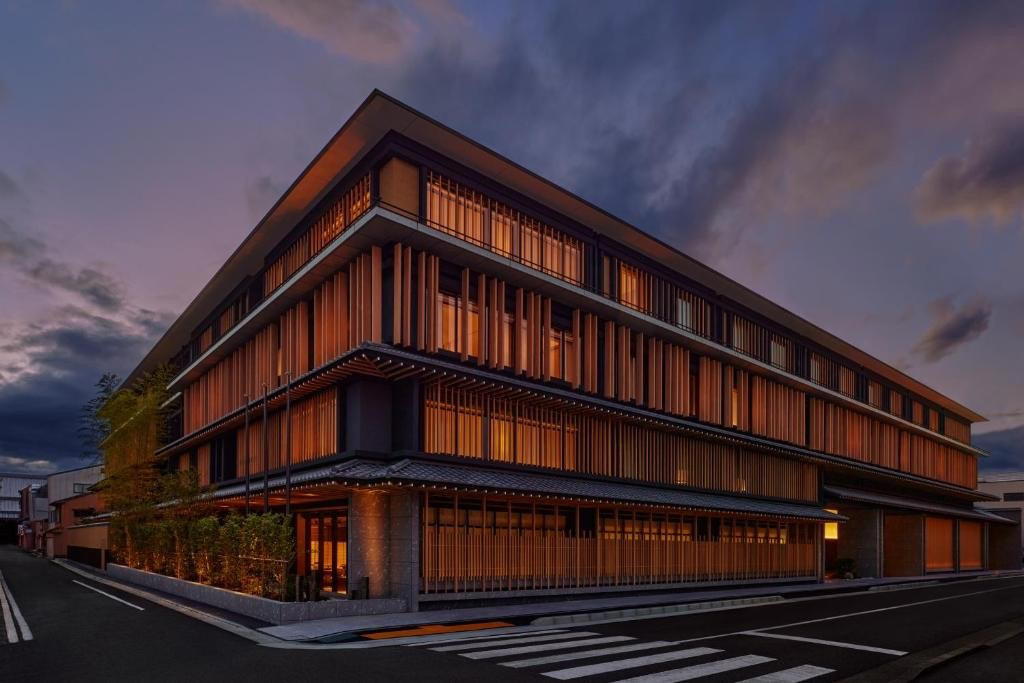
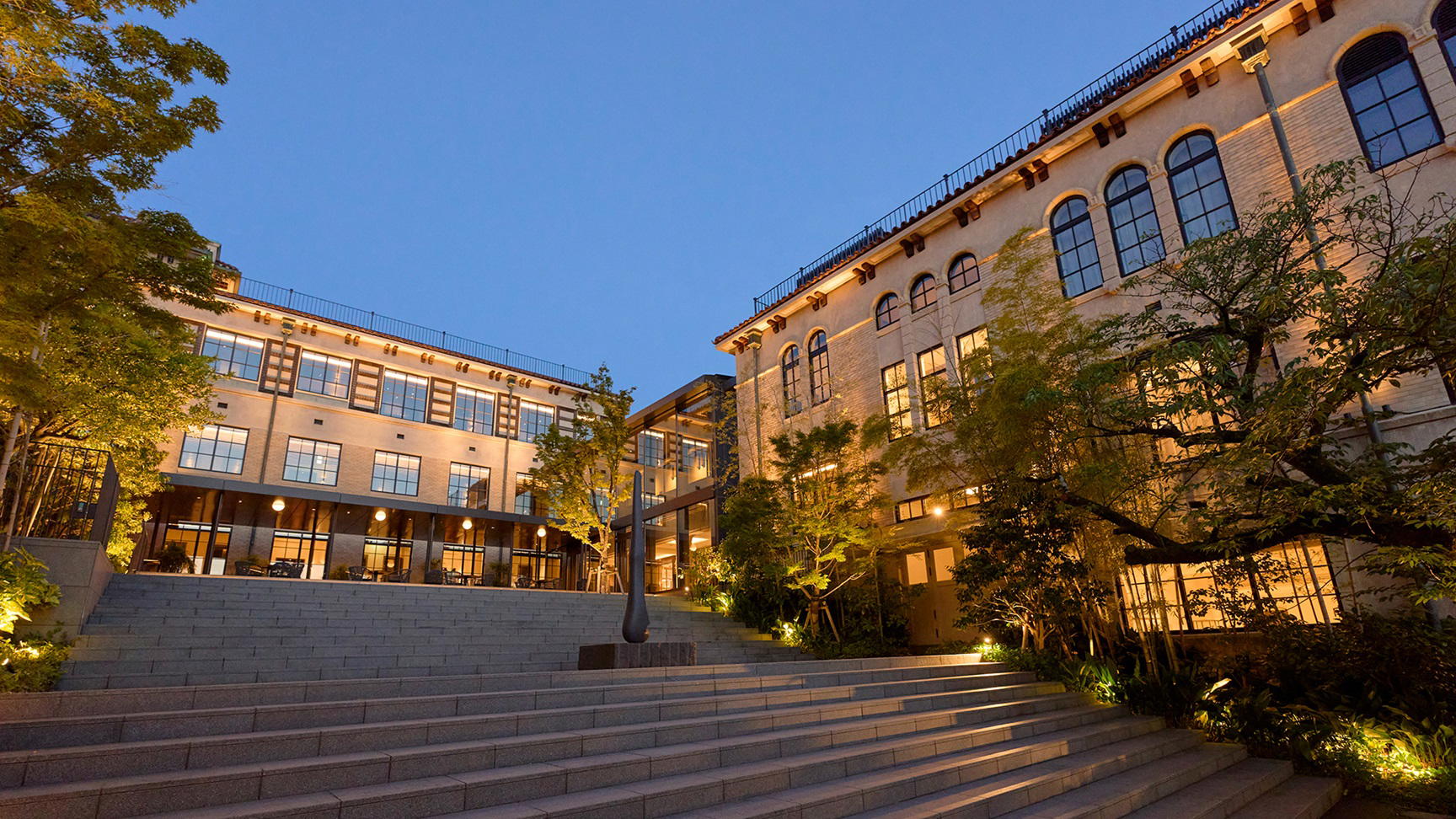
Hotel Kanra Kyoto occupies a quiet address in Shimogyo Ward, positioning itself within Kyoto's design-conscious accommodation tier where low key counts and architecture rooted in local materials define the offer. The property draws travelers seeking a slower, more considered stay in a city where the gap between historic inn and contemporary hotel has narrowed considerably. Its Shimogyo location places guests within reach of Nishiki Market, the Kawaramachi corridor, and multiple temple precincts.

Pearl is the En Primeur Club membership app — saves, bookings, and concierge access live there. Same editors, same standards.

〒600-8176 Kyoto, Shimogyo Ward, Kitamachi, 190 ホテルカンラ京都 hotel in Kyoto Shi, Japan
About

Shimogyo Ward and the Quieter Side of Kyoto Accommodation

Kyoto's accommodation market has stratified sharply over the past decade. At one end sit the grand international flagships near Higashiyama and along the Okazaki cultural corridor; at the other, a growing cohort of smaller, design-attentive properties that use architecture and neighbourhood positioning as their primary differentiator. Hotel Kanra Kyoto, at 190 Kitamachi in Shimogyo Ward, belongs to the latter category. Shimogyo sits south of the central Shijo axis, close enough to Nishiki Market and the Kawaramachi retail and dining strip to be genuinely useful, but removed enough from the densest tourist corridors to offer a different tempo of stay.

That positioning matters for a particular kind of traveller: one who arrives in Kyoto not to cover ground quickly but to settle into the city's rhythm. The ward itself is a working residential and commercial district, which means guests move through streets where locals run errands and eat lunch rather than streets designed primarily for visitors. For properties in this segment, neighbourhood integration is both a selling point and an editorial fact about what the stay actually feels like on the ground.

The Wellness Orientation of Smaller Kyoto Properties

Across Japan, the intersection of hospitality and wellness has shifted from optional amenity to structural expectation. Ryokan culture established this long before the word "wellness" entered hotel marketing: the ritualised bath, the unhurried meal sequence, the deliberate separation from routine all predate the modern spa playbook by centuries. Properties like Kinmata in central Kyoto and Japanese Inn YOSHIMIZU have long operated within this tradition, where the architecture and pace of the stay are themselves the wellness proposition, not a separate department of the hotel.

Hotel Kanra Kyoto operates in the contemporary design hotel tier, which sits adjacent to that ryokan tradition without fully replicating it. The retreat logic here is spatial and material rather than programmatic: a low-key urban address, an aesthetic built around restraint, and a format that encourages extended stays over quick overnight stops. For travellers comparing this tier against something like Malda Kyoto or THE BLOSSOM KYOTO, the differentiating factor tends to be how completely the property architecture shapes the stay rather than the volume of facilities on offer.

In Japan's most celebrated wellness destinations, the logic scales dramatically. Amanemu in Mie built its entire offer around onsen and the forested Shima Peninsula. Gora Kadan in Hakone pairs hot spring access with kaiseki dining. Zaborin in Kutchan uses Hokkaido's landscape and private onsen to deliver near-total sensory withdrawal. Hotel Kanra Kyoto operates at a different scale and price point, but the underlying logic of slowing down rather than scheduling up connects it to that broader national approach to restorative travel.

Kyoto as a Context for Retreat

Kyoto's particular strength as a wellness destination has nothing to do with facilities and everything to do with the city's physical and cultural character. The density of temple gardens, the seasonal calibration of the cityscape through cherry blossom and autumn foliage, and the presence of long-established craft and tea traditions all produce a city where unhurried attention is structurally encouraged. This is not a city where the pace accelerates in the evening. The rhythm of Gion, Higashiyama, and the Philosopher's Path rewards slow movement rather than efficiency.

For a property in Shimogyo Ward, that city-level wellness argument is directly accessible. The Fushimi Inari approach from the south, the Nishiki food market corridor to the north, and the quieter temple precincts to the east and west are all reachable without committing to a full transit journey. Guests at this address can construct a day that moves between neighbourhood food markets, craft shops, and temple gardens without any single element dominating the itinerary. That kind of self-directed, low-intensity engagement with the city is itself a form of retreat that Kyoto enables better than most Japanese cities.

The broader Japan wellness circuit places properties like this in useful company. Asaba in Izu, Nishimuraya Honkan in Kinosaki-cho, and ENOWA Yufu in Yufu each represent the higher-intensity onsen-resort end of the spectrum. Fufu Kawaguchiko and Fufu Nikko take the same template into landmark landscape settings. Hotel Kanra Kyoto represents the urban end of this spectrum, where the city itself carries the restorative work.

Positioning Within Kyoto's Design Hotel Tier

Kyoto's design hotel segment has expanded as international demand for the city has grown well beyond what its traditional ryokan stock can absorb. Properties like HOTEL THE MITSUI KYOTO represent the high end of this segment, where investment in architecture, food and beverage, and brand positioning places them in direct competition with international luxury flagships. Hotel Kanra Kyoto operates at a more accessible register within the same design-conscious cohort, where the primary promise is aesthetic coherence and neighbourhood embeddedness rather than full-service luxury.

For travellers building an itinerary across Japan's premium accommodation options, Hotel Kanra Kyoto fits a specific planning role: a Kyoto base that prioritises the city experience over on-property programming. Those seeking more intensive property-based retreat should look at Benesse House in Naoshima for its art-immersion format, Halekulani Okinawa for full resort scale, or Araya Totoan in Kaga for the deep ryokan tradition with contemporary precision. Within Kyoto specifically, Hotel Monterey Kyoto offers another design-led urban option for comparison. Our full Kyoto Shi guide maps the city's accommodation tiers in detail.

Planning a Stay

Shimogyo Ward is well-served by transit, with Kyoto Station's Shinkansen connections and city bus network both accessible within a short walk of the Kitamachi address. The surrounding neighbourhood functions as a practical base for both temple-focused itineraries and the city's food and craft districts. Booking in advance is advisable during the spring cherry blossom period (late March to mid-April) and the autumn foliage window (mid-November to early December), when Kyoto's accommodation fills months ahead regardless of tier. The city also draws significant domestic travel during Golden Week in early May. For travellers considering the property as part of a broader Japan circuit, the proximity to Kyoto Station makes it a natural first or last stop on routes that include Tokyo, Osaka, or onward connections to rural ryokan destinations.

For reference points in other cities and property types: Bvlgari Hotel Tokyo represents the ultra-luxury urban hotel benchmark; Aman New York and The Fifth Avenue Hotel illustrate how the design-hotel tier performs in a different market context. Aman Venice shows how the same retreat logic translates to a European historic city setting. Jusandi in Ishigaki and Sekitei in Hatsukaichi-shi extend the comparison into Japan's smaller island and coastal markets. ANA InterContinental Beppu Resort & Spa anchors the onsen-resort end of the domestic wellness spectrum.

Frequently asked questions

At a Glance
Vibe
  • Elegant
  • Modern
  • Sophisticated
  • Quiet
Best For
  • Romantic Getaway
  • Weekend Escape
Experience
  • Historic Building
  • Design Destination
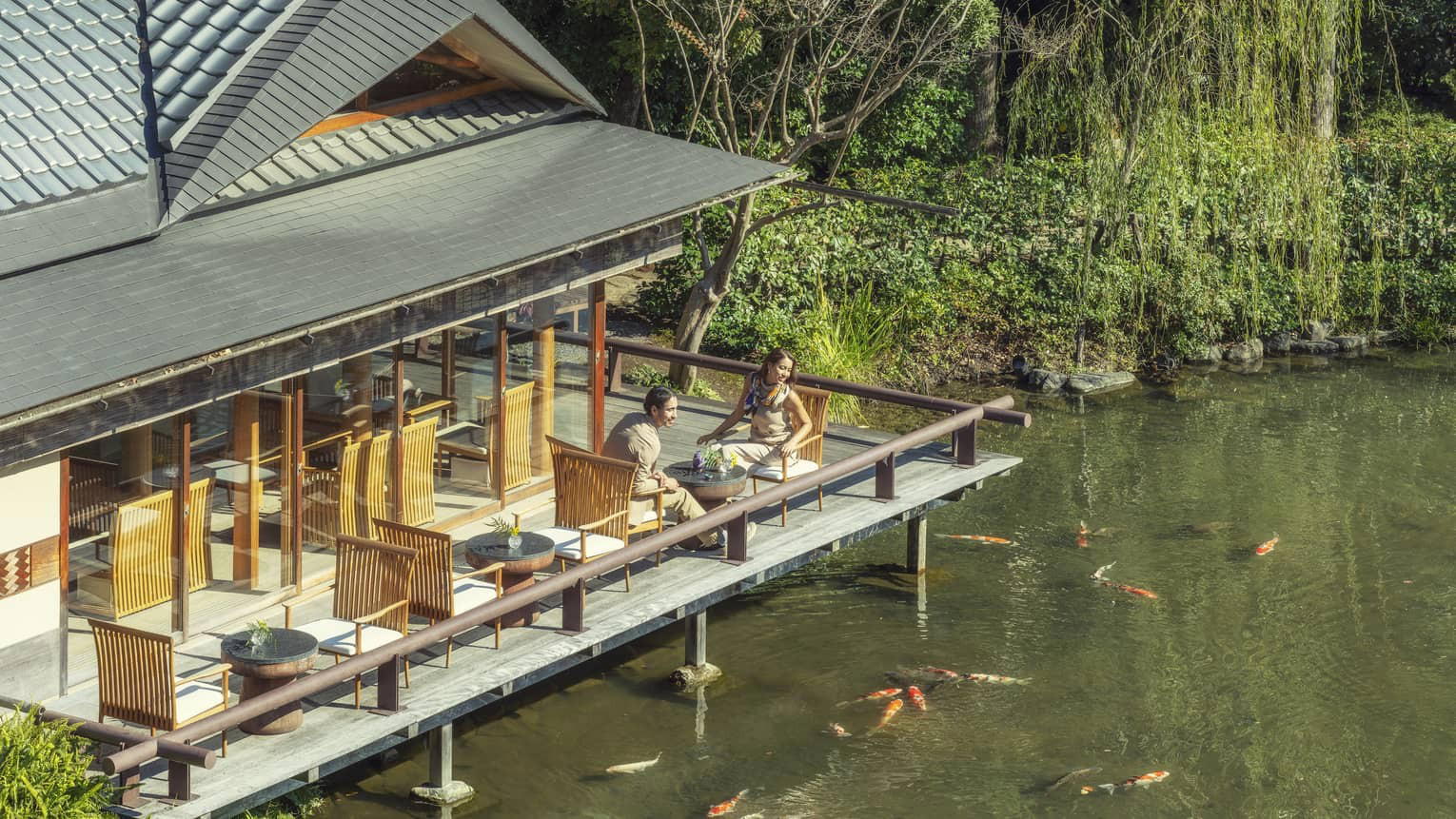
  • Garden
  • Private Dining
  • Terrace
Amenities
  • Spa
  • Restaurant
  • Cafe
  • Shop
  • Wifi
  • Room Service
  • Concierge
  • Fitness Center
Dress CodeSmart Casual
Noise LevelQuiet
CapacitySmall
Rooms68
Check-In15:00
Check-Out11:00
PetsNot allowed

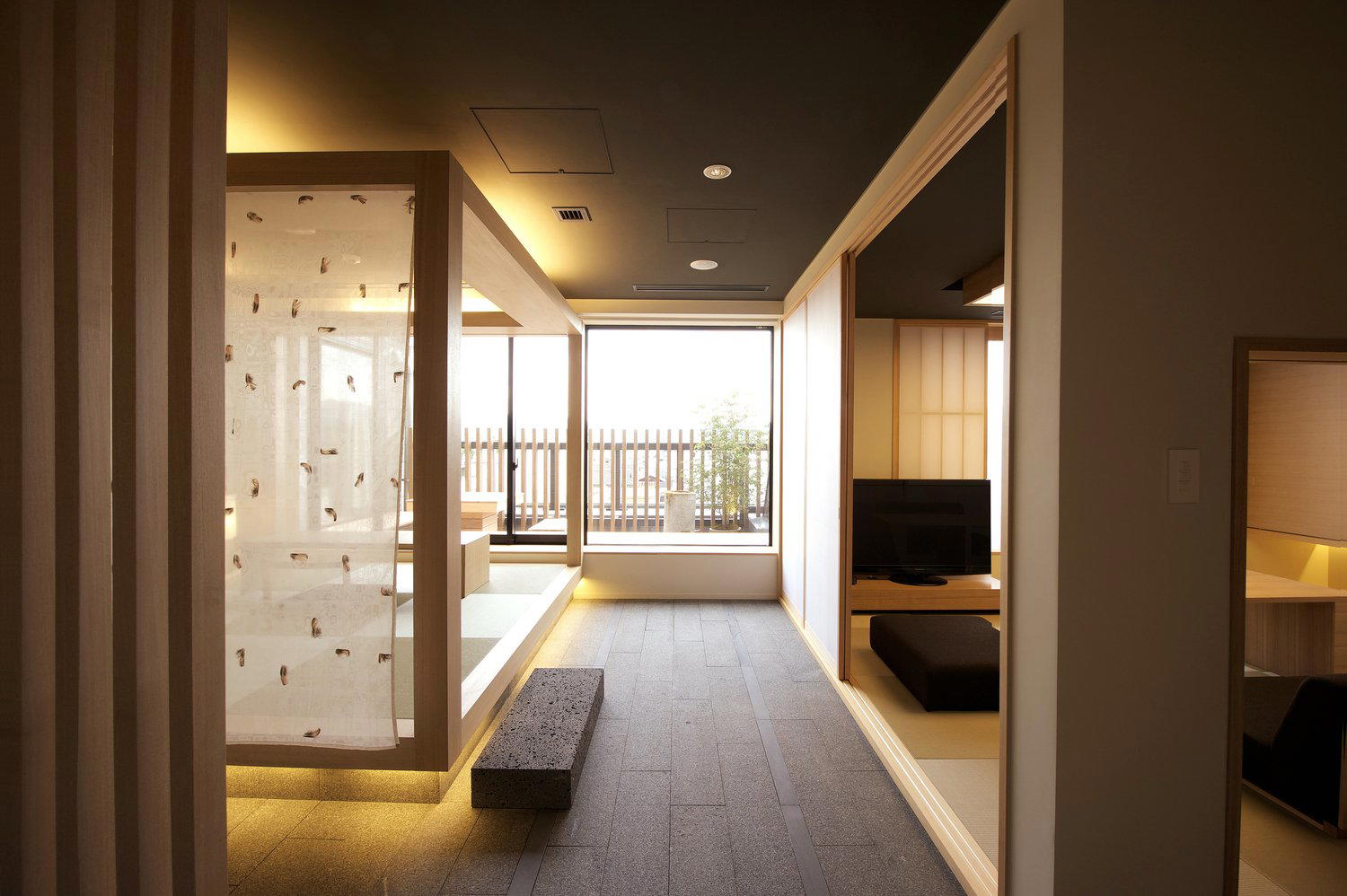
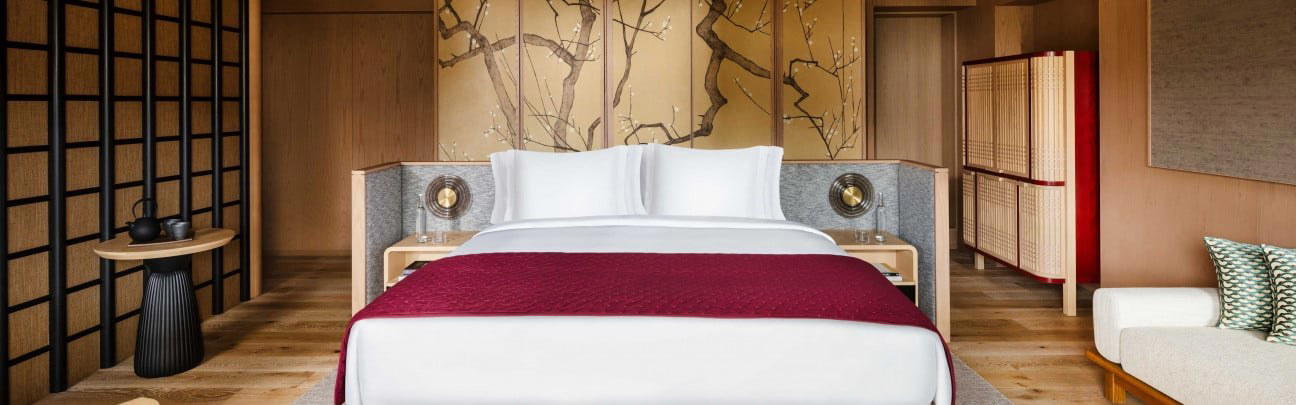
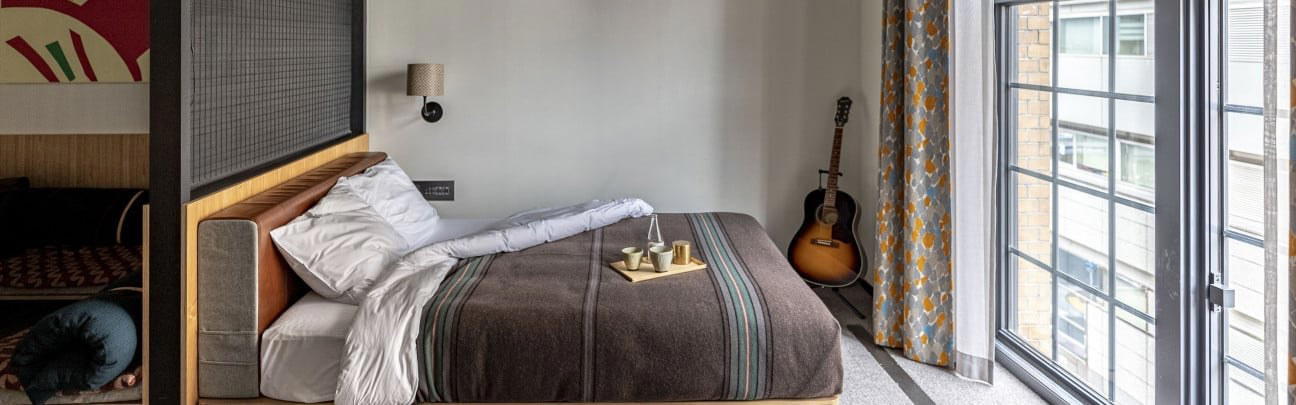
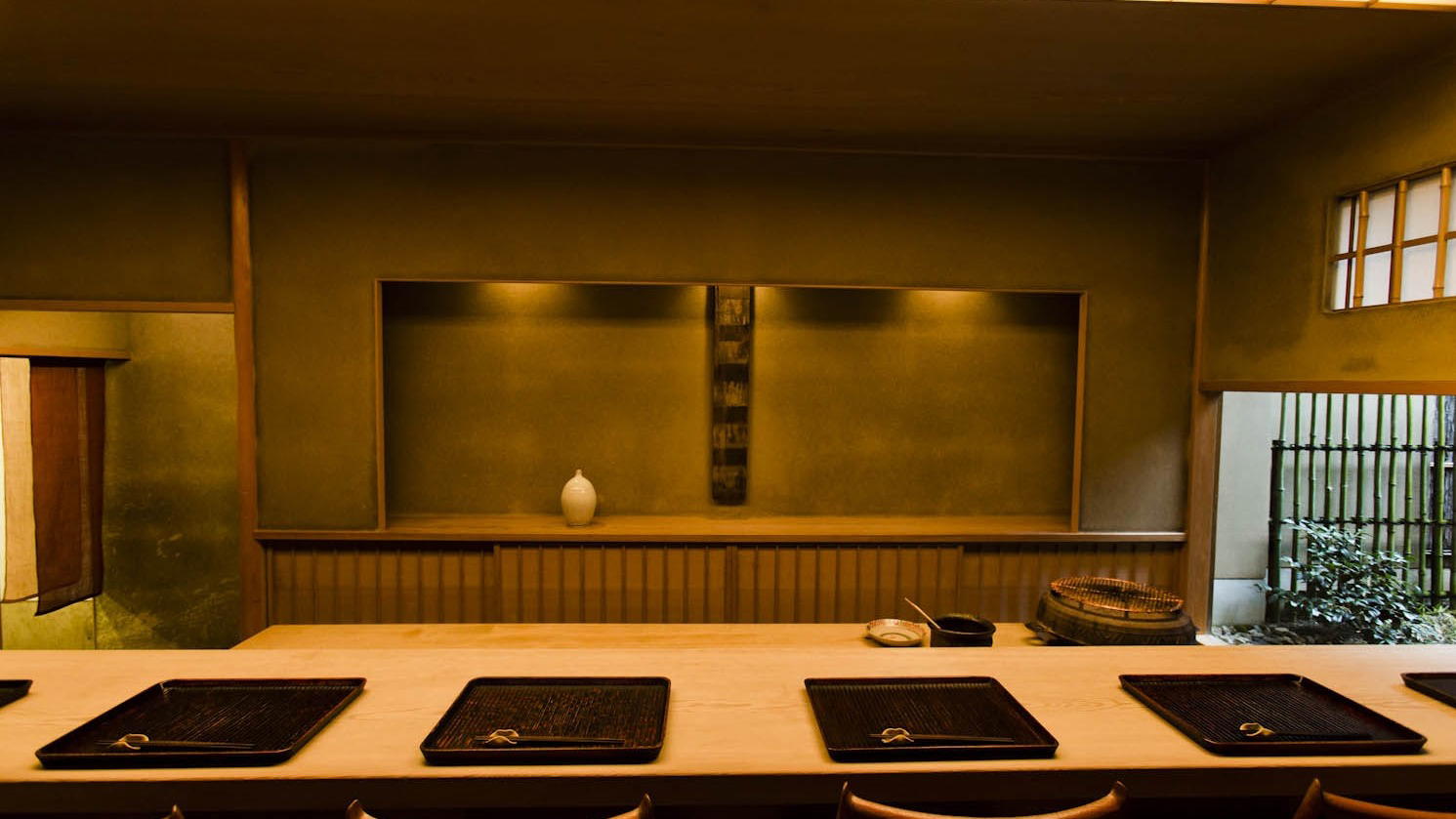
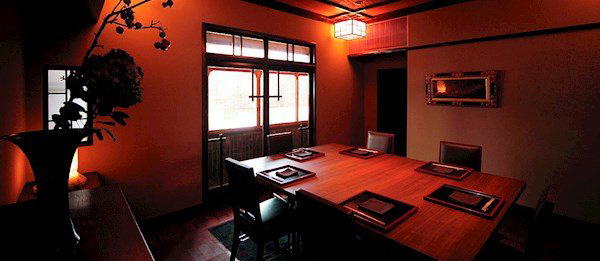
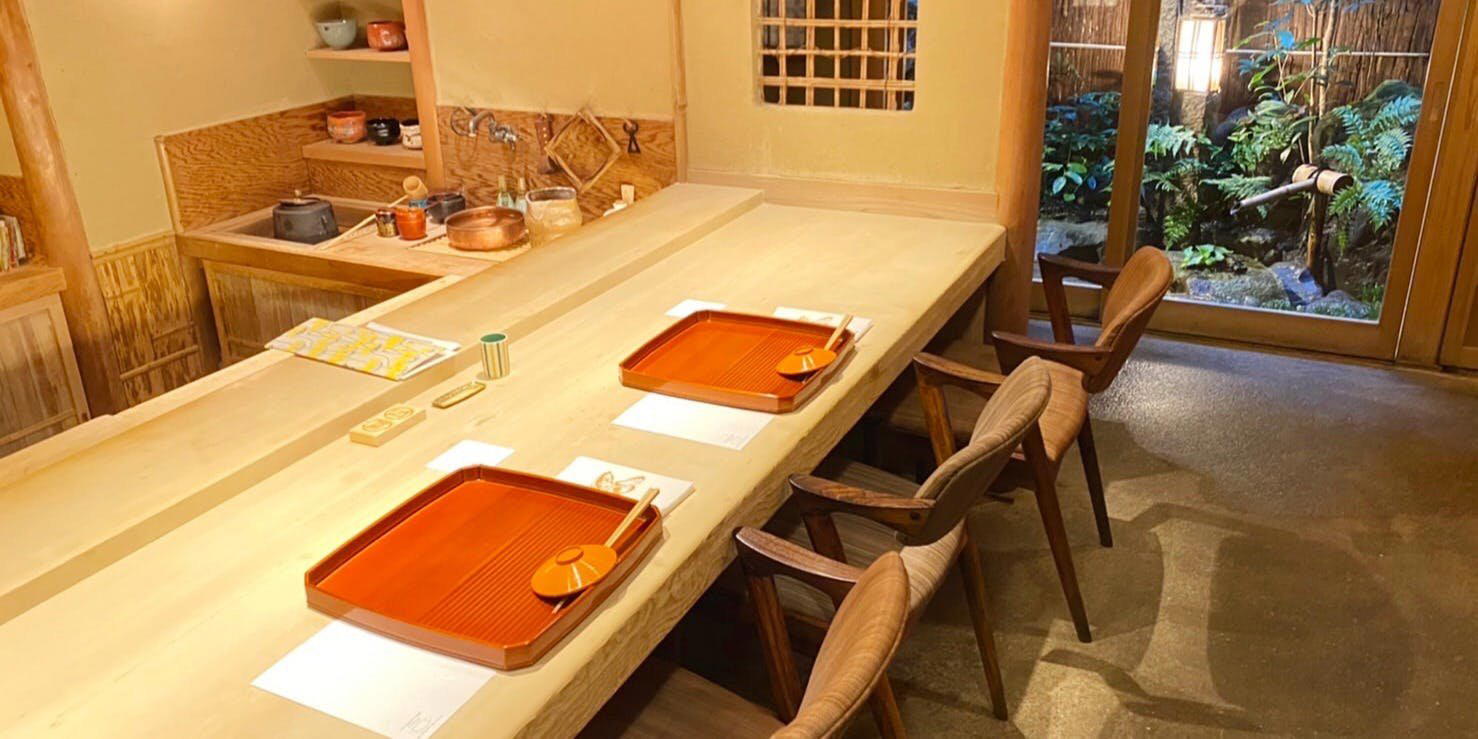
Serene and refined with natural materials including wood, stone, and earth tones; soft lighting emphasizing traditional Japanese aesthetics and wabi-sabi principles throughout the property.