Borgo Sant'Anna


1 Michelin Star
Our verdict
A Michelin-starred address in Monforte d'Alba that sits at the intersection of Piedmontese tradition and southern Italian sensibility. Chef Pasquale Laera's seasonal menus — including a dedicated game menu — draw on a kitchen garden, trusted local suppliers, and a Puglia-rooted reverence for vegetables. The private Anima room, seating eight at a single table, offers one of the Langhe's more intimate fine-dining formats.

Pearl is the En Primeur Club membership app — saves, bookings, and concierge access live there. Same editors, same standards.
- Address
- Località S. Anna, 84, 12065 Monforte d'Alba CN, Italy
- Phone
- +39 0173 195 0332
- Hours
- Mon ClosedTue–Sat 12:30–1:30 PM, 7:30–9:30 PMSun 12:30–1:30 PM
- Website
- borgosantanna.it
- Directions
- Get directions
The menu
What to order
- Aubergine_parmigiana
- Ravioli_in_civet_di_lepre
- Rossini_egg
Where the Langhe Meets the South
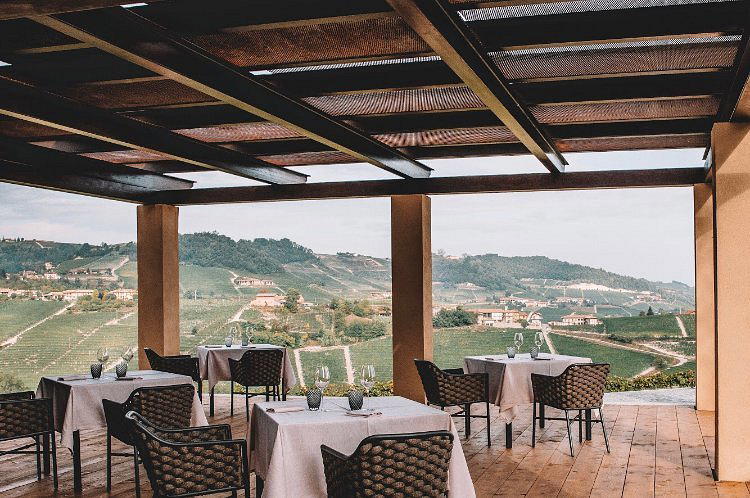
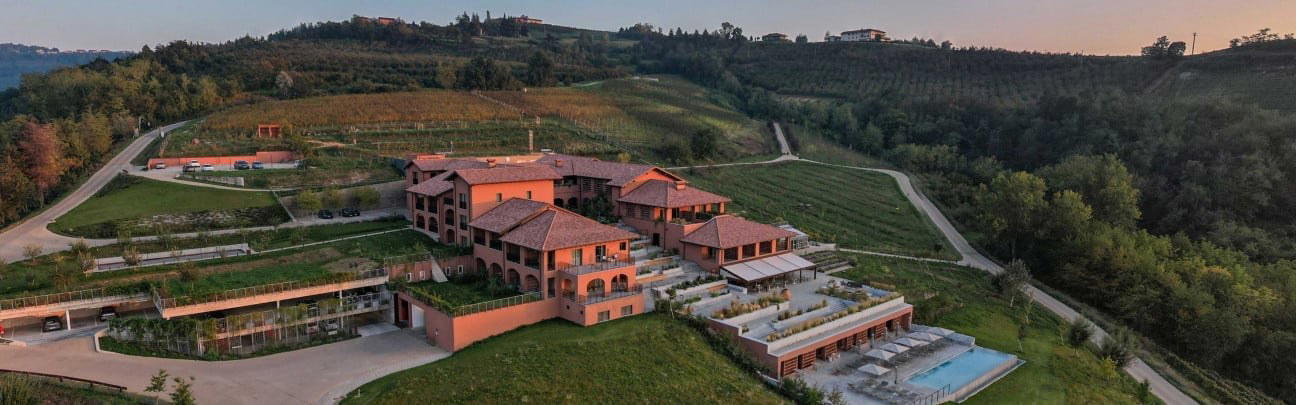
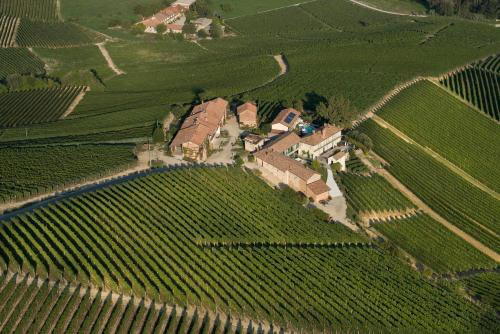
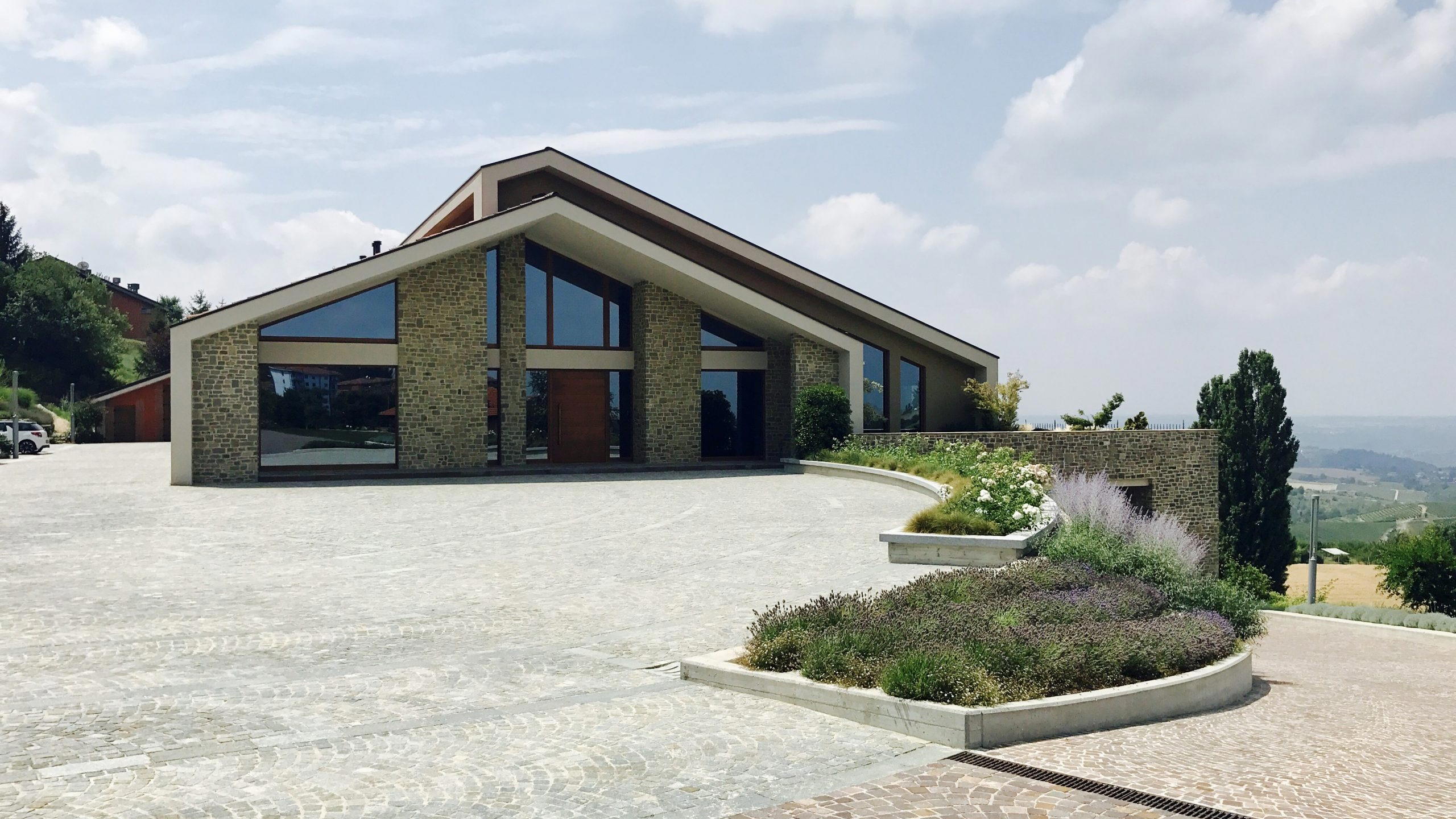
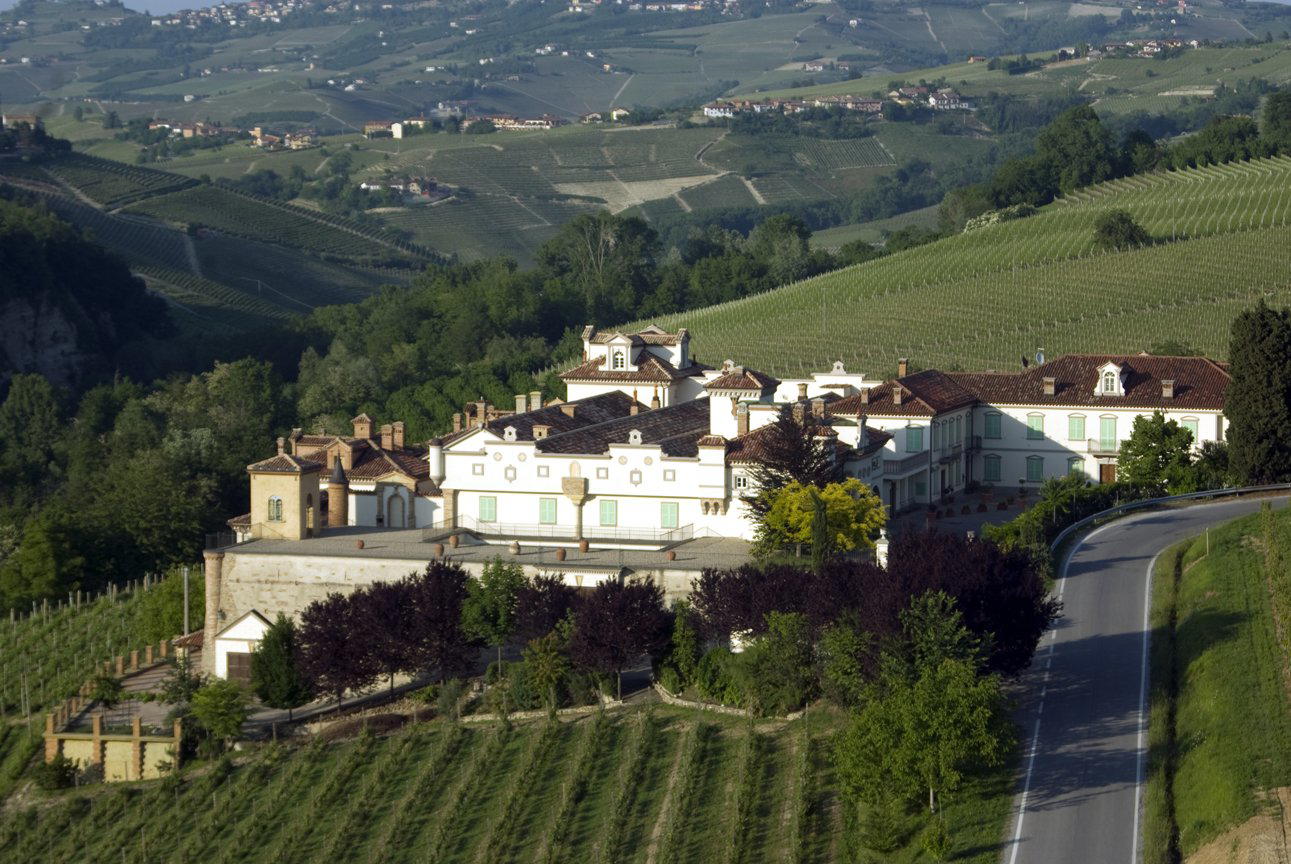
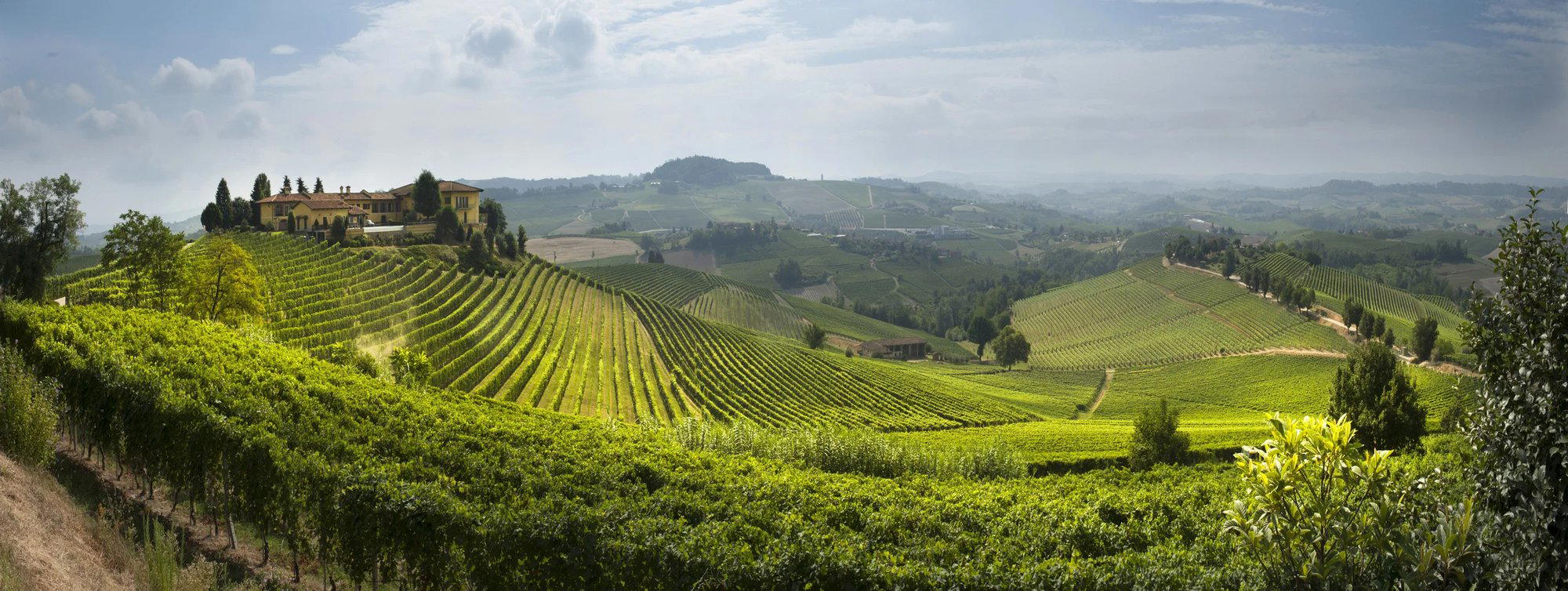
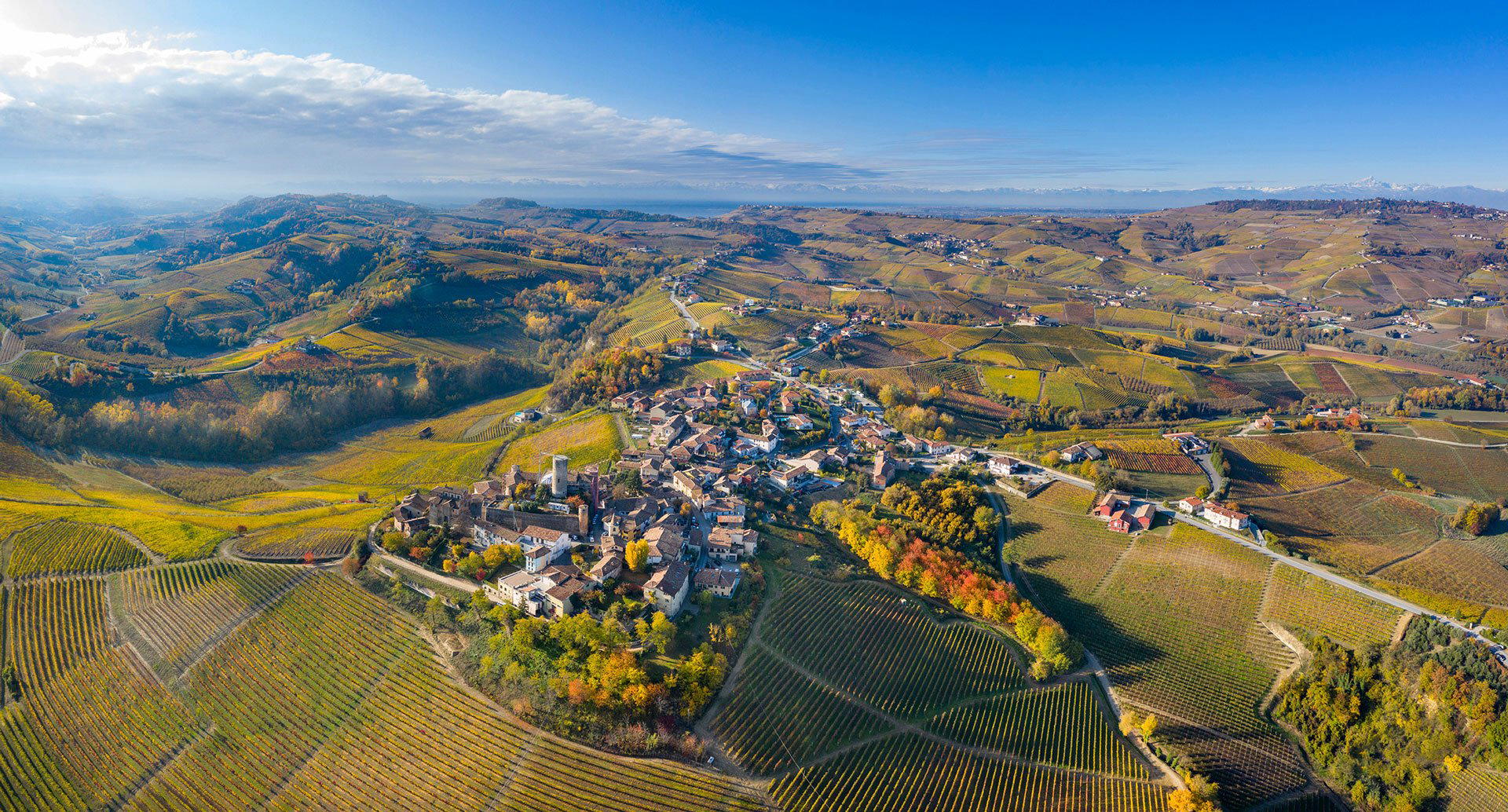
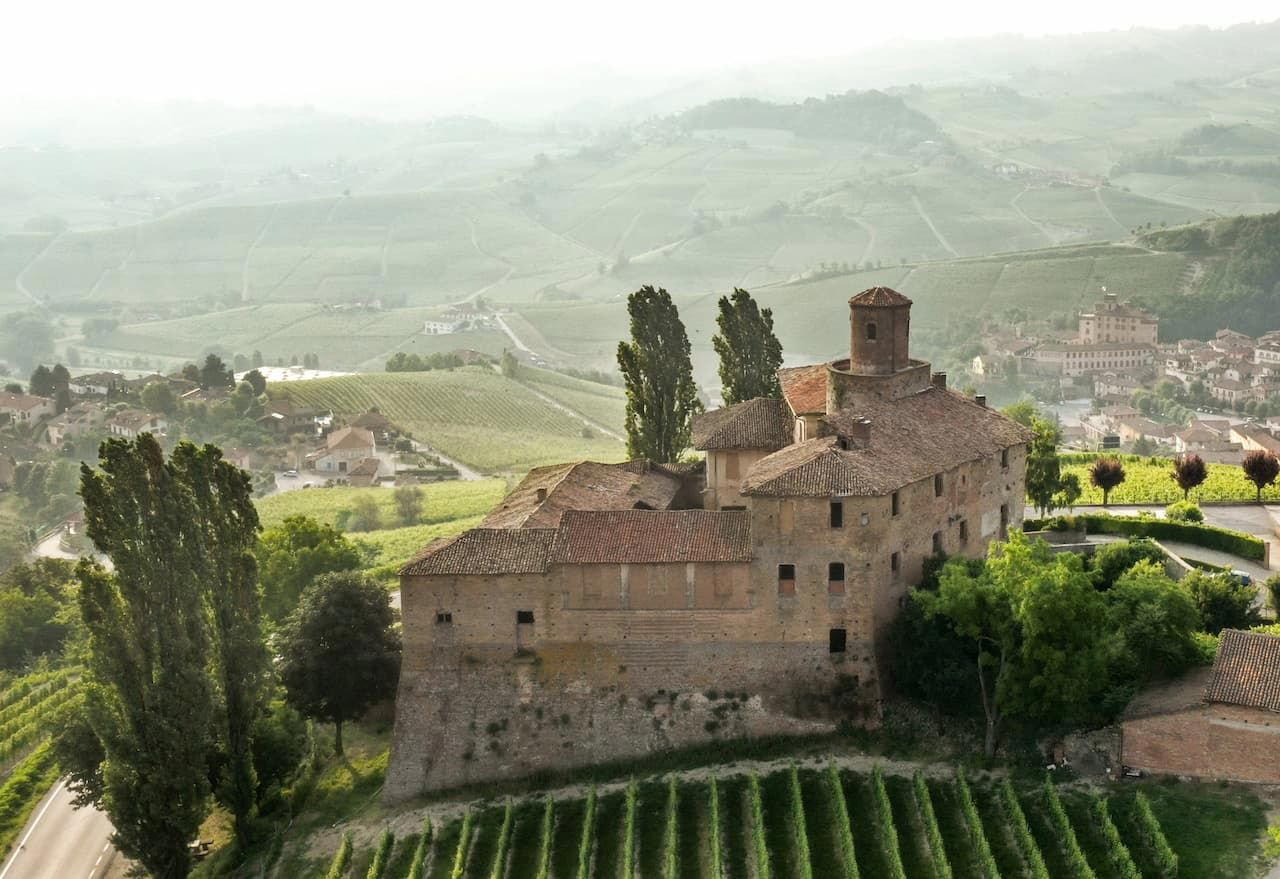
The hills around Monforte d'Alba have a way of narrowing your focus. Vineyards press close to the road, stone farmhouses appear at the end of unmarked tracks, and the geography itself seems to enforce a kind of deliberate slowness. Borgo Sant'Anna sits in that register: a country address on the edge of the village, its setting more working rural than polished resort, which is largely the point. This is Langhe fine dining as it tends to work at its most considered — rooted in place, but not imprisoned by it.
Piedmontese cuisine carries specific obligations. Tajarin with butter and sage, vitello tonnato, brasato al Barolo, finanziera: the region's kitchen has a canon that local diners know intimately and visitors arrive expecting. The more interesting restaurants in the Langhe don't abandon that canon so much as work inside it with enough fluency to bend it. Borgo Sant'Anna operates in that space. Chef Pasquale Laera spent years absorbing Piedmontese codes before they became second nature — a process that matters here, where the gap between sincere engagement and tourist-facing pastiche is something the local dining public notices immediately.
A Southern Sensibility Inside a Northern Kitchen
The regional identity question at Borgo Sant'Anna is genuinely interesting. Laera trained in Puglia before relocating to Piedmont, and that provenance does something specific to his approach: it produces a kitchen unusually attentive to vegetables in a region where meat and truffles tend to dominate the conversation. In the Langhe, where white truffle margins and Fassona beef command most of the editorial oxygen, a serious vegetable program is a meaningful statement of priorities.
Puglia's vegetable culture runs deep. The south's cucina povera tradition built whole meal structures around what the land gave cheaply and seasonally, cicoria, fave, lampascioni, friarielli, and that instinct for coaxing maximum flavor from produce carries a different kind of discipline than the butter-and-reduction school. At Borgo Sant'Anna, that background surfaces in the sourcing logic: vegetables come from a kitchen garden on the property and from a network of trusted local suppliers, a dual-track approach that prioritises flavor over visual consistency. This is not unusual among serious Italian kitchens, but the emphasis placed on it here is notable in a Langhe context.
The result sits in an interesting peer position. The Langhe has its share of traditional Piedmontese addresses, Il Giardino "Da Felicin" and Le Case della Saracca operate in the classic regional mode, and it has its more experimental end, with FRE pushing a creative, Michelin-starred format at a higher price point. Borgo Sant'Anna occupies the middle ground with a specific accent: modern Italian technique applied to Piedmontese ingredients, inflected by a southern Italian's eye for the vegetable kingdom. For a broader sense of what the village offers, the full Monforte d'Alba restaurants guide maps the complete picture, including Gennaro Di Pace and Repubblica di Perno.
The Menu Structure and What It Signals
Borgo Sant'Anna offers both tasting menus and an à la carte selection, which places it among a minority of Michelin-starred Italian restaurants still willing to let guests eat without committing to a full sequence. That flexibility is worth noting: in the post-pandemic Italian dining scene, the full-table tasting menu format has consolidated at many starred addresses, making à la carte availability at this level less common than it once was.
The game menu is a seasonal fixture, and in the Langhe context it lands precisely. Autumn in Piedmont is defined by a specific convergence: white truffle season runs from October through December, Barolo and Barbaresco harvests bring the cellar traffic, and the hunting season fills local menus with hare, boar, woodcock, and guinea fowl. A dedicated game tasting menu in this window is not a novelty program, it is a direct reading of the region's seasonal logic, where a kitchen's relationship with the land shows most clearly.
The broader menu philosophy aligns with what the OAD rankings recognise. Borgo Sant'Anna appeared in the Opinionated About Dining Leading New Restaurants in Europe as Highly Recommended in 2023, rose to #254 in the European rankings in 2024, and sits at #390 in the 2025 list. OAD's methodology draws heavily on frequent-diner and industry peer evaluation, which tends to weight kitchen consistency and ingredient integrity over spectacle. That trajectory, strong entry, sustained ranking, suggests a kitchen that has maintained its standards rather than peaking at launch.
Among comparable Italian restaurants that have drawn similar critical attention for their regional-identity work, kitchens like Contrada Bricconi in Oltressenda Alta offer a useful reference point: farm-rooted, deeply seasonal, operating with a certain deliberate distance from urban fine-dining conventions. Borgo Sant'Anna shares some of that DNA, though its Langhe setting and wine-country proximity give it a different context and audience.
The Anima Room
A separate dining room called Anima operates as a single table for eight guests, reserved for both experimentation and private hospitality. This format has become a recognisable tier within European fine dining: not a chef's table in the conventional sense (which often means counter seats facing a kitchen), but a fully private dining room where the meal can deviate from the main menu in content and pacing. At eight covers, it sits at the smaller end of this format, roughly comparable to the private dining arrangements that restaurants like Osteria Francescana in Modena and Le Calandre in Rubano have developed for guests who want something outside the standard sequence.
For a group with a specific occasion or an interest in a more exploratory menu format, the Anima room functions as the address's premium tier, a way to access a more dedicated version of the kitchen's range. The practical implication is that this format likely requires advance booking and direct coordination with the restaurant well ahead of any visit.
Planning a Visit
Borgo Sant'Anna closes on Mondays. Tuesday through Saturday, service runs at lunch (12:30 to 1:30) and dinner (7:30 to 9:30). Sunday offers lunch only. The service windows are narrow by the standards of more tourist-oriented restaurants in the area, which reflects a kitchen operating at a considered pace rather than continuous cover. The lunch slot in particular, a single hour, suggests that bookings fill against a tight capacity, and that arriving without a reservation is not a viable strategy for either meal period.
The restaurant sits at Località S. Anna, 84, on the edge of Monforte d'Alba, accessible by car from Alba in under twenty minutes. The Langhe has no significant public transport infrastructure, so a hire car is the practical baseline for any itinerary that extends beyond the town centre. Visitors planning a wider stay will find the Monforte d'Alba hotels guide useful for positioning, alongside the wineries guide for cellar visits that make sense geographically alongside a meal here. For a full picture of what the area offers beyond the table, the bars guide and experiences guide map the rest of the day.
Price sits at the €€€ tier, which in the Langhe places Borgo Sant'Anna above the casual trattoria end of the market but below the very best of the region's dining bracket. For context within the broader Italian fine-dining conversation, starred addresses like Enrico Bartolini in Milan, Enoteca Pinchiorri in Florence, Dal Pescatore in Runate, and Atelier Moessmer Norbert Niederkofler in Brunico operate at the higher end of the national price range; Borgo Sant'Anna's positioning is more accessible than that tier while carrying comparable critical recognition. And for those coming from further afield with European fine dining on the itinerary, Le Bernardin in New York City offers a useful international reference point for what sustained critical recognition at this level looks like across decades.
Frequently asked questions
What does dinner at Borgo Sant'Anna typically cost?
Pricing at Borgo Sant'Anna is listed as €€€.
What are the opening hours for Borgo Sant'Anna?
Hours at Borgo Sant'Anna: Monday closed Tuesday 12:30 PM-1:30 PM 7:30 PM-9:30 PM Wednesday 12:30 PM-1:30 PM 7:30 PM-9:30 PM Thursday 12:30 PM-1:30 PM 7:30 PM-9:30 PM Friday 12:30 PM-1:30 PM 7:30 PM-9:30 PM Saturday 12:30 PM-1:30 PM 7:30 PM-9:30 PM Sunday 12:30 PM-1:30 PM.
Is Borgo Sant'Anna chef-led?
The chef associated with Borgo Sant'Anna is Pasquale Laera.
In Context: Similar Options
| Venue | Cuisine | Price | Awards | Notes |
|---|---|---|---|---|
| Borgo Sant'AnnaThis venue — the venue you are viewing | Modern Italian Fine Dining (Puglia-Piedmont Fusion) | $100–150 | 1 Michelin Star | Not listed |
| Trattoria della Posta | Traditional Piedmontese Cuisine | $50–100 | Michelin Plate · Star Wine List | Piemontese, Piedmontese |
| FRE | Modern Piedmontese Fine Dining | $150–200 | 1 Michelin Star | Creative |
| Le Case della Saracca | Traditional Piedmontese Italian | Not listed | Michelin Plate · Falstaff Restaurant - Listed | Piedmontese |
| Gennaro Di Pace | Modern Italian Mediterranean-Piedmontese | Not listed | Michelin Plate | Italian |
| Il Giardino "Da Felicin" | Traditional Piedmontese Regional Italian | $50–100 | Michelin Plate | Piedmontese |
Recognition history
Dated appearances from independent guides and award organizations, with the underlying list record or original source where available.
Michelin 1 Star
Michelin
Opinionated About Dining Top Restaurants in Europe Ranked #390
Opinionated About Dining
Full recognition history (6 entries)
Michelin 1 Star
Michelin
Michelin 1 Star
Michelin
Opinionated About Dining Top Restaurants in Europe Ranked #254
Opinionated About Dining
Opinionated About Dining Top New Restaurants in Europe Highly Recommended
Opinionated About Dining
Continue exploring
More in Monforte d'Alba
Restaurants in Monforte d'Alba
Browse all →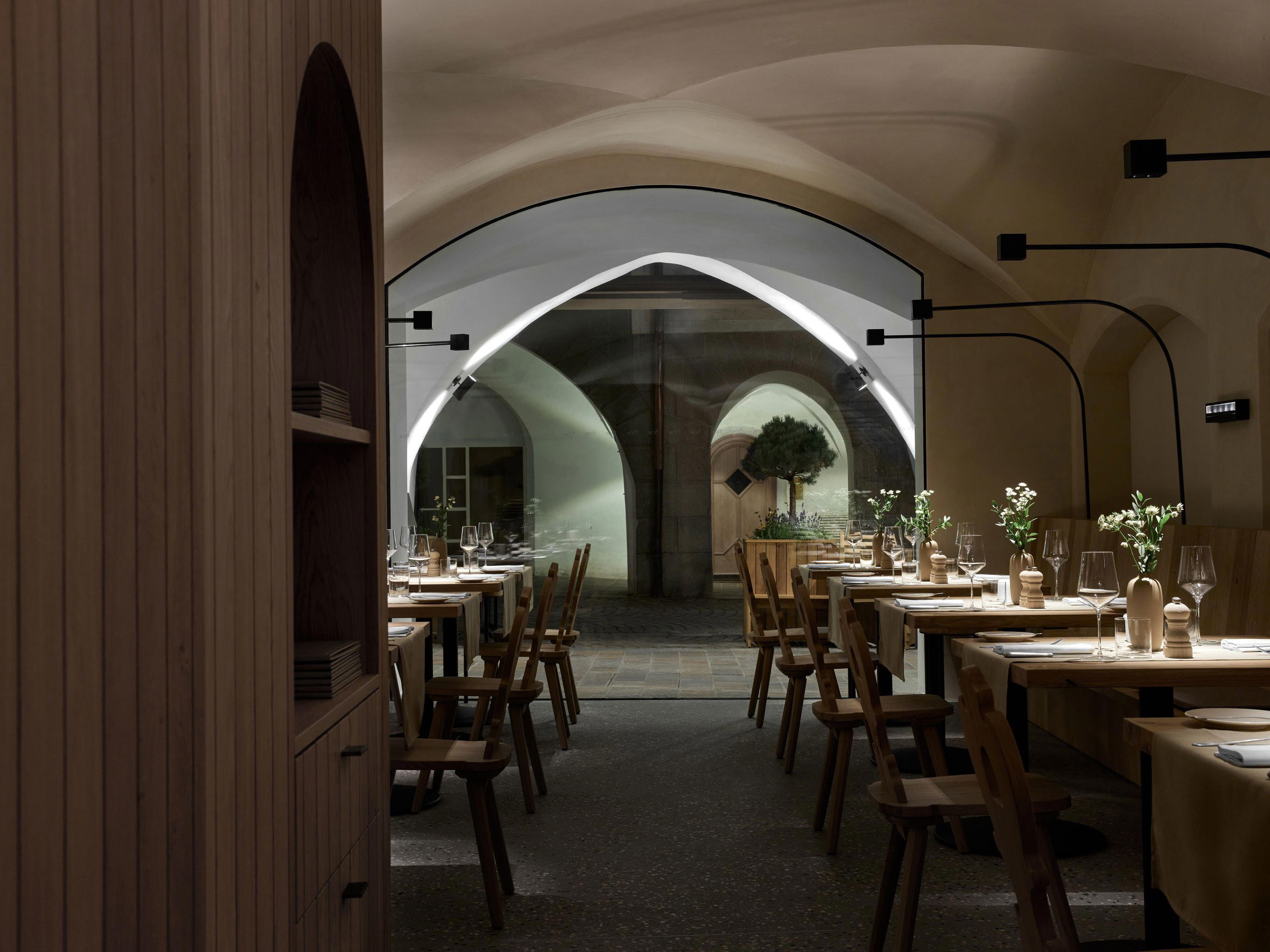
Bars in Monforte d'Alba
Browse all →
Hotels in Monforte d'Alba
Browse all →
Details
- Elegant
- Rustic
- Scenic
- Cozy
- Sophisticated
- Date Night
- Special Occasion
- Panoramic View
- Open Kitchen
- Historic Building
- Extensive Wine List
- Sommelier Led
- Local Sourcing
- Vineyard
- Mountain
- Tasting Menu
- A La Carte
- Vegetarian Friendly
- Vegan Options
Current opening hours
- Monday
- Closed
- Tuesday
- 12:30–1:30 PM, 7:30–9:30 PM
- Wednesday
- 12:30–1:30 PM, 7:30–9:30 PM
- Thursday
- 12:30–1:30 PM, 7:30–9:30 PM
- Friday
- 12:30–1:30 PM, 7:30–9:30 PM
- Saturday
- 12:30–1:30 PM, 7:30–9:30 PM
- Sunday
- 12:30–1:30 PM
Hours can change for holidays and private events. Last verified .
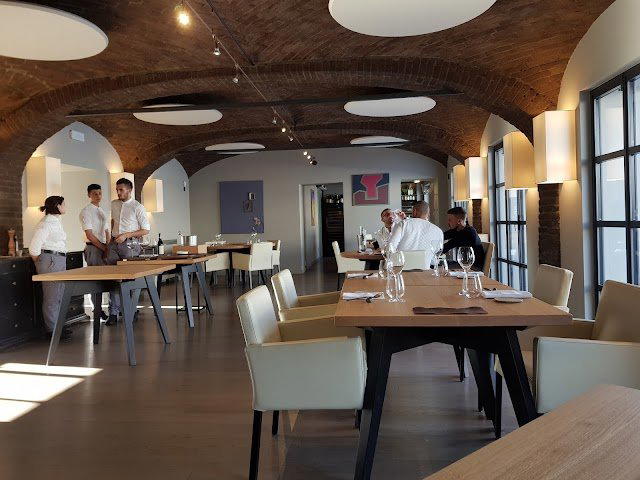
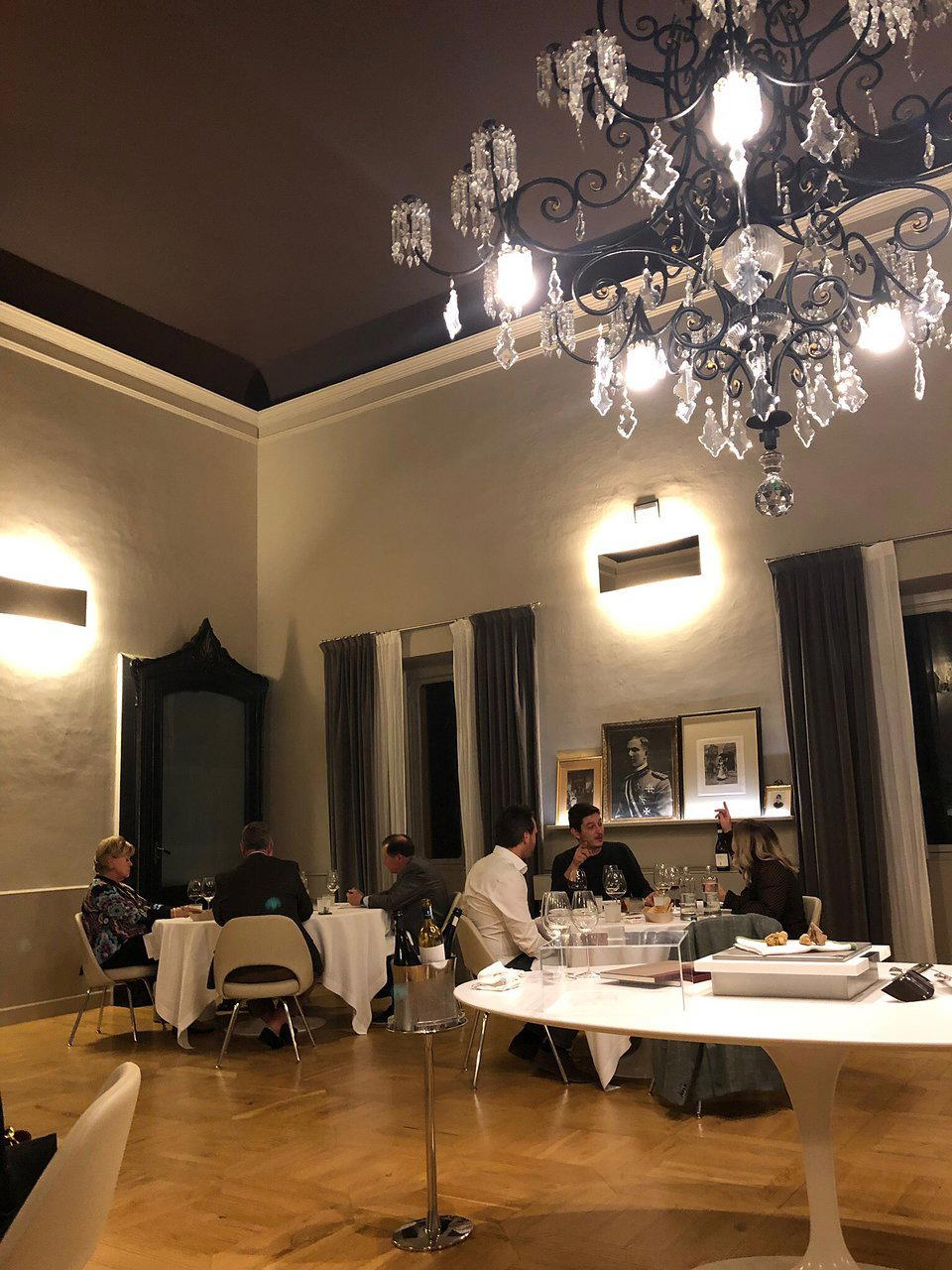
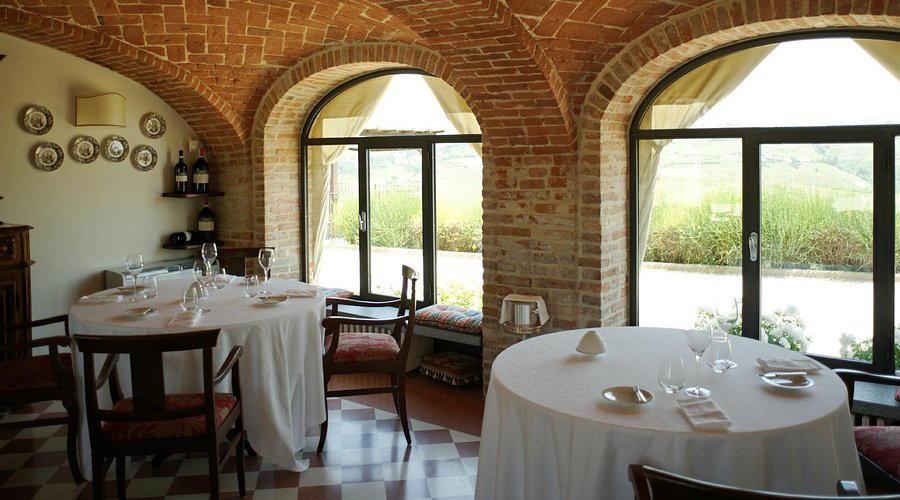
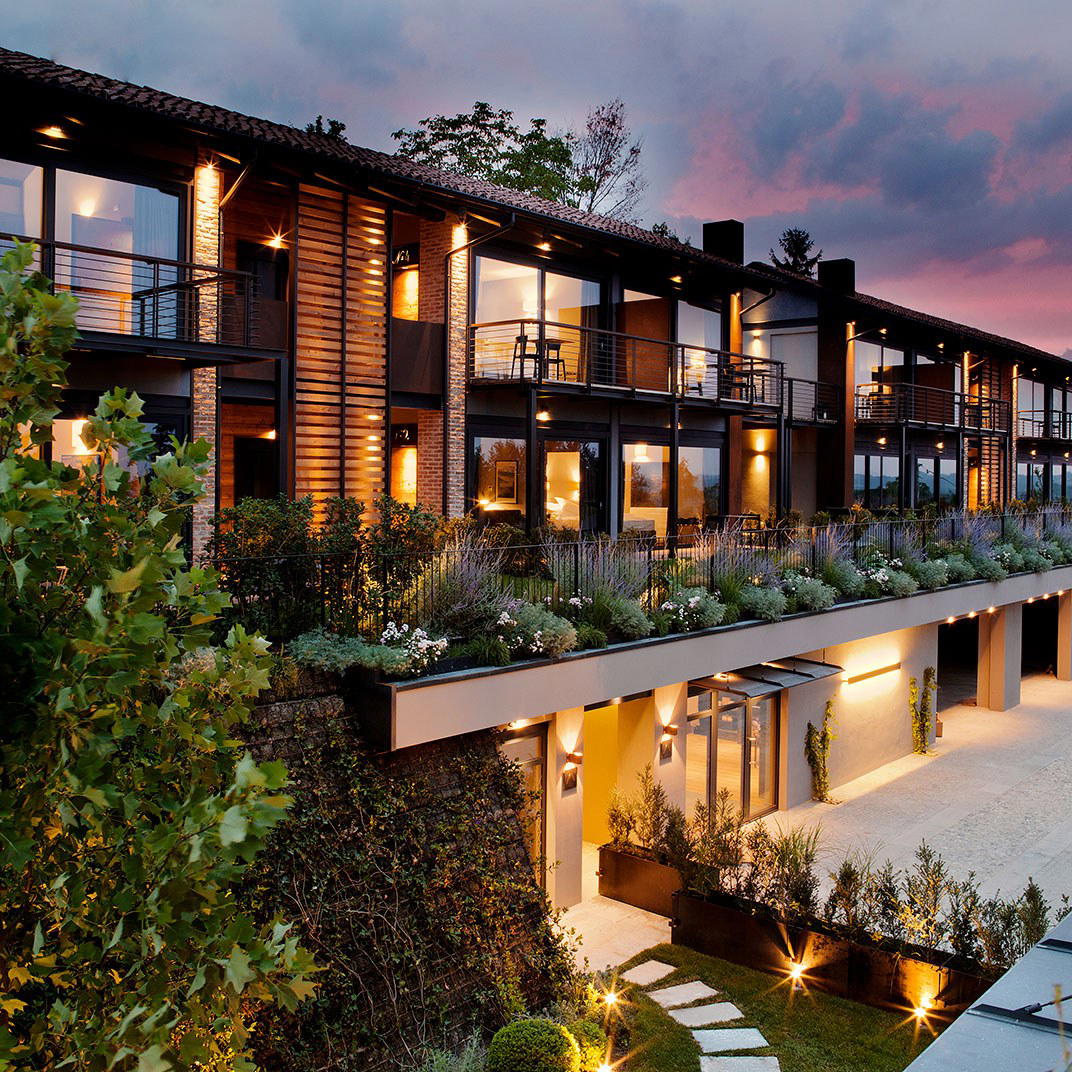
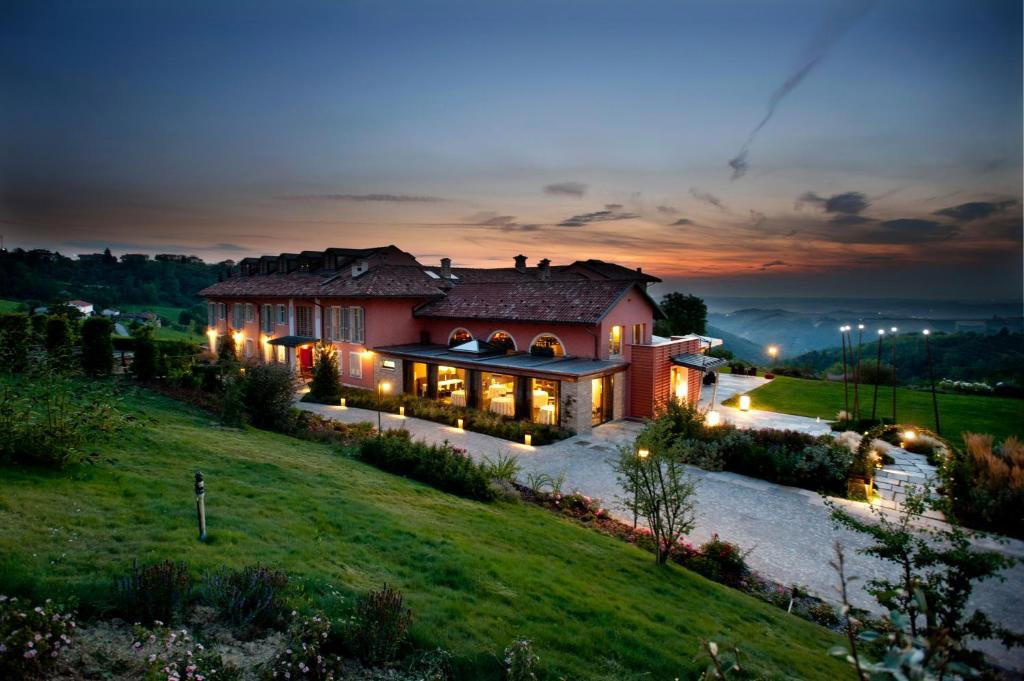
Cozy and elegant atmosphere with modern glass rooms offering far-reaching hill views, open kitchen, and warm, attentive service.