Hotel Würzburger Hof occupies a central address on Barbarossaplatz in Würzburg, placing guests within reach of the Residenz palace, the old Main bridge, and the city's Franconian wine quarter. The hotel sits in a category of established city-centre properties that trade on location and architectural presence rather than resort amenities, making it a practical base for visitors focused on the region's wine culture and Baroque heritage.

Pearl is the En Primeur Club membership app — saves, bookings, and concierge access live there. Same editors, same standards.
- Address
- Barbarossapl. 2, 97070 Würzburg, Germany
- Phone
- +49 931 53814
- Website
- hotel-wuerzburgerhof.de
- Directions
- Get directions
A Baroque City and Its Hotel Addresses
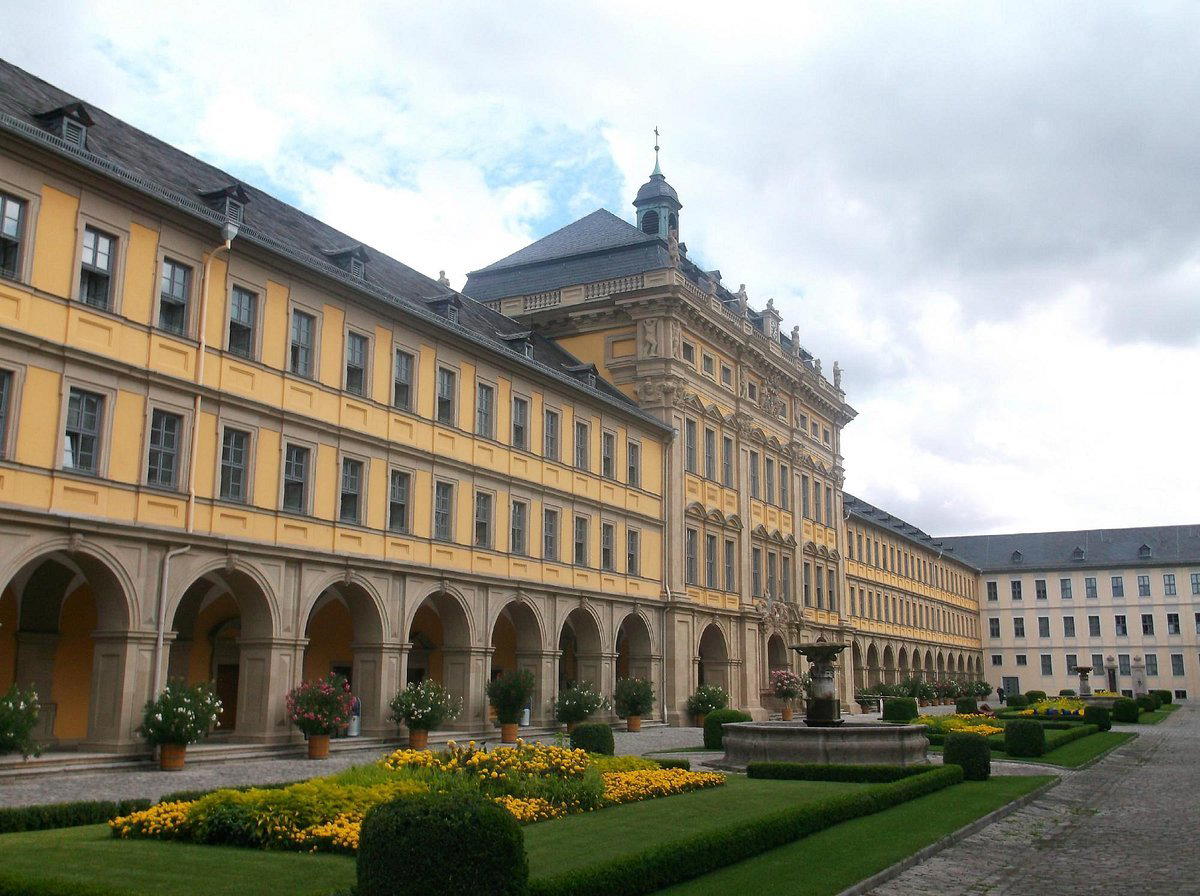
Würzburg rewards the kind of traveller who reads architecture the way others read menus. The Residenz, a UNESCO World Heritage palace completed in 1744 under Balthasar Neumann, sets the visual register for the entire city: heavy symmetry, pale stone, and a civic confidence that has survived considerable modern interruption. Hotel Würzburger Hof at Barbarossaplatz 2 sits inside that urban fabric, occupying a central square address that positions it as a departure point rather than a destination in itself. In a city where the distances between the cathedral, the old Main bridge, and the Marienberg fortress are all walkable, a central address carries genuine weight.
Würzburg's hotel stock broadly divides between purpose-built business properties on the city's fringes and older, centrally located houses with more architectural character and less predictable infrastructure. Hotel Würzburger Hof belongs to the latter category. In Germany, this tier of city-centre hotel has a distinct tradition: properties that were once grand addresses in the late imperial or Weimar period, whose physical envelopes now carry more heritage than their amenity lists might suggest. Comparable positioning appears across German cities — the Bülow Palais in Dresden and the Excelsior Hotel Ernst in Cologne both occupy this space where architectural context is as commercially relevant as thread count or spa square footage.
The Square, the Stone, and the Street-Level Experience
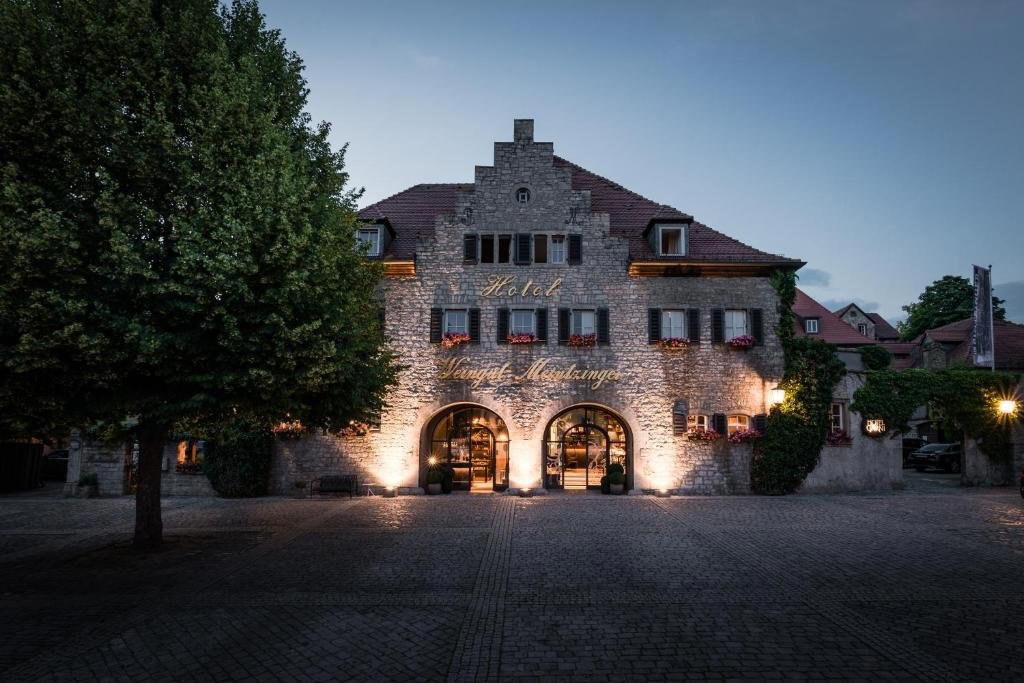
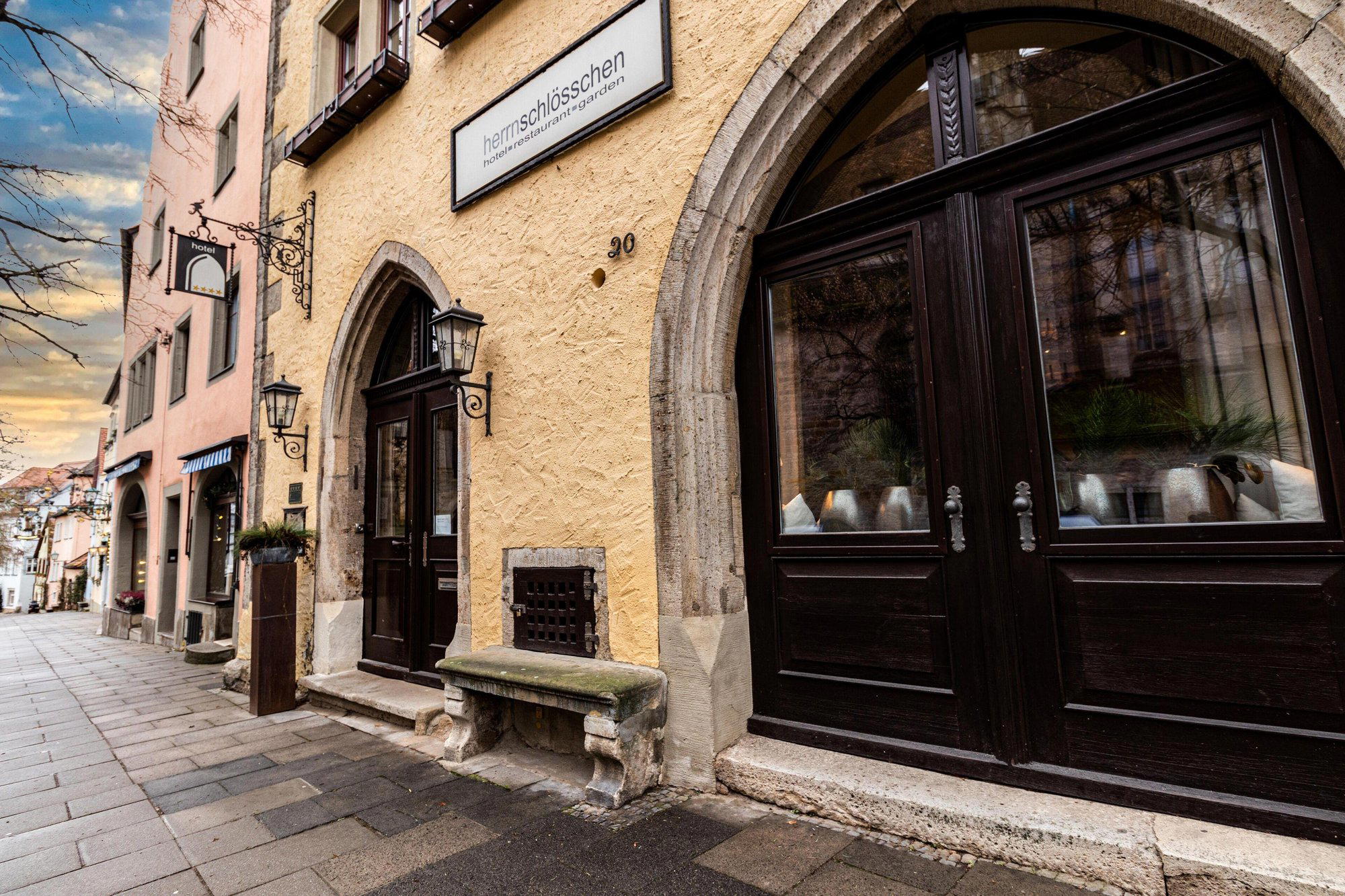
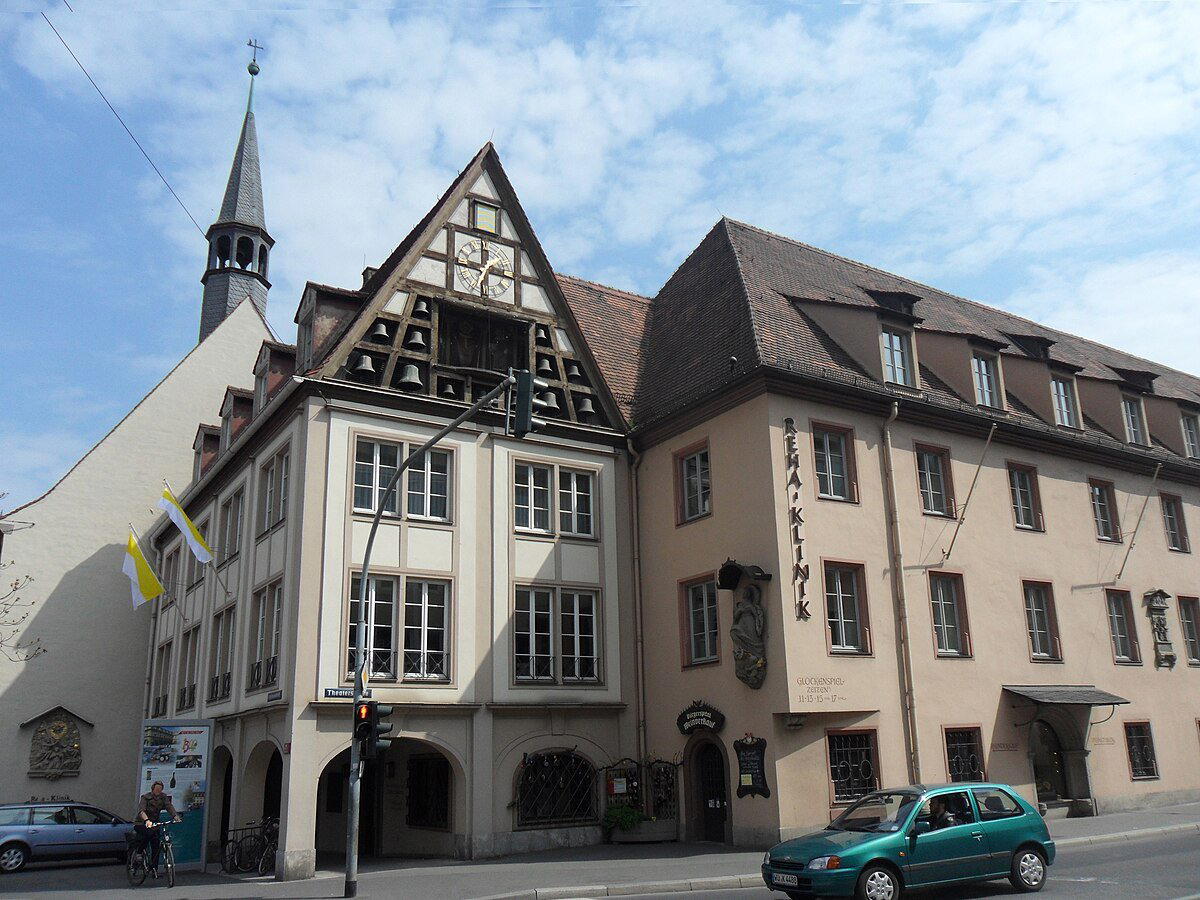
Barbarossaplatz is not a tourist piazza in the Venetian sense. It functions as a civic node — trams, cyclists, the low hum of a working mid-size German city, and the hotel's address on it carries a different kind of energy than a property set back from a pedestrian-only zone. Approaching from the street, the building reads as part of the city rather than apart from it. That integration is a feature of the older European urban hotel type: no porte-cochère buffer, no theatrical lobby reveal, just a facade that holds its place in the streetscape and an entrance that deposits you directly into the city's rhythm.
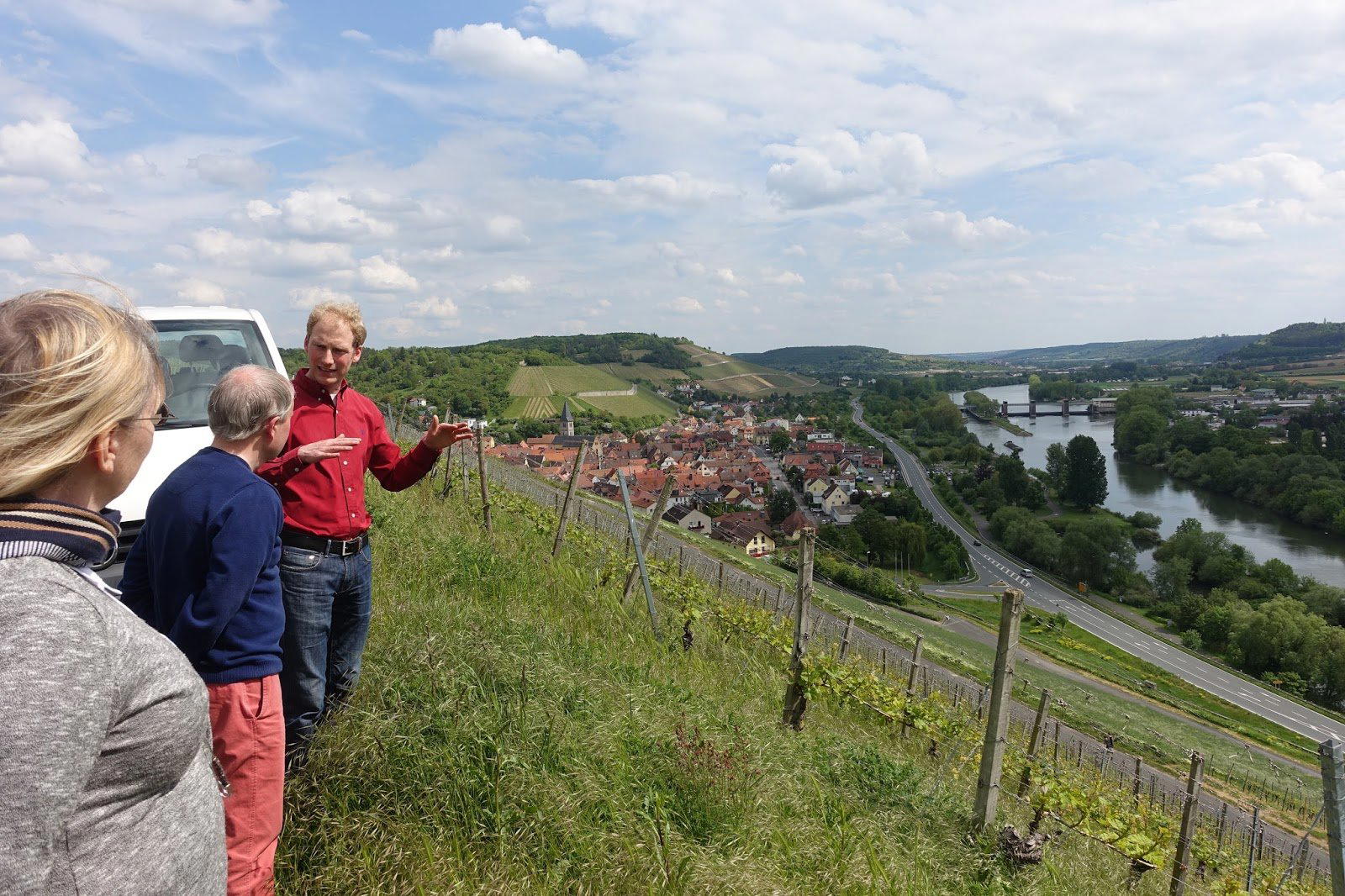
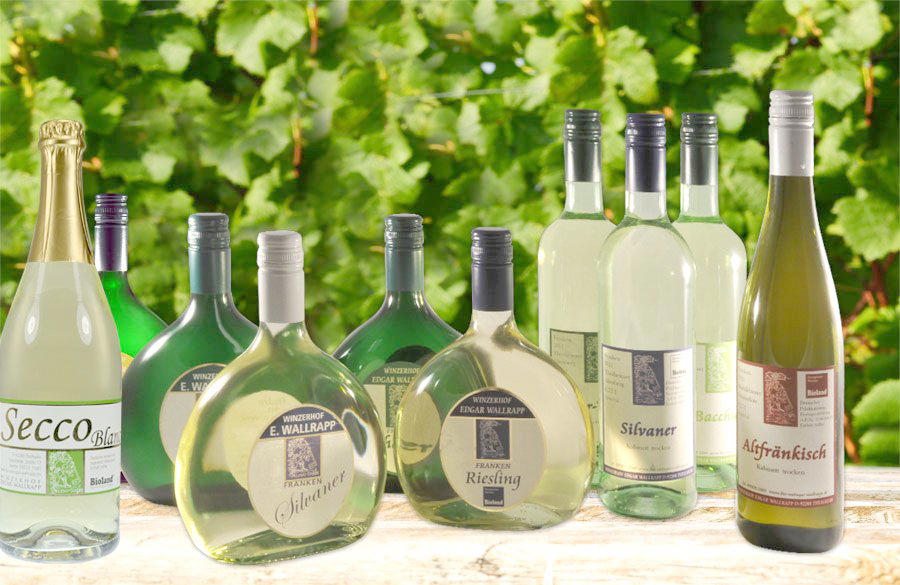
For guests whose interest is Würzburg's Franconian wine culture, the location is particularly functional. The Stein vineyard slopes, source of some of Germany's most age-worthy Silvaner and Riesling, are visible from the west bank of the Main, and the city's wine bars and cooperative cellars cluster in the old town within easy reach of Barbarossaplatz. Würzburg's wine scene operates at a different register from the Mosel or Rheingau; this is Franconian country, where the bocksbeutel bottle shape signals a regional identity that predates modern wine marketing by several centuries. A base in the centre makes the most of that geography. Guests with a serious interest in German wine who want to extend their itinerary into vineyard-adjacent accommodation might look at Hotel Ketschauer Hof in Deidesheim, which sits directly in the Palatinate wine country.
City-Centre Hotels in Germany: What the Category Delivers
The case for a central Würzburg address over a resort or spa property elsewhere in Franconia depends entirely on what the trip is for. If the programme centres on the Residenz frescoes, the Dom St. Kilian, the Röntgen memorial, or the Franconian wine estates that open their doors to visitors in the autumn, proximity wins over amenity. Germany's most decorated spa and wellness properties are mostly in different landscapes: Schloss Elmau in Elmau operates in an Alpine retreat format, Hotel Bareiss in Baiersbronn anchors the Black Forest fine-dining circuit, and Das Kranzbach in Kranzbach positions itself around nature-led wellness. None of those formats maps onto what a city-centre Würzburg property can offer, which is density of access: cathedral, wine cellars, Baroque palace, and the bridge statue walk, all within a fifteen-minute radius on foot.
The Hamburg and Munich benchmarks for German grand-hotel architecture, the Fairmont Hotel Vier Jahreszeiten in Hamburg and the Mandarin Oriental Munich, illustrate how that tier can combine central placement with formal hotel infrastructure at a different scale. Würzburg, as a city of roughly 130,000 residents and a significant student population, operates at a register where those comparisons are instructive as category references rather than direct competitors. The city's hotel market is sized to its audience: wine-focused leisure visitors, conference attendees connected to the university, and travellers using Würzburg as a staging post on the Romantic Road or between Frankfurt and Nuremberg.
Würzburg as a Base: Practical Orientation
Würzburg Hauptbahnhof is one of Germany's better-connected mid-size rail nodes. ICE services link it to Frankfurt in roughly one hour and to Munich in under two, which makes it viable as either a standalone destination or a two-night extension on a longer German itinerary. For travellers building a Franconian wine and architecture circuit, the sequence of Würzburg, Bamberg, and Nuremberg covers three distinct urban characters across manageable distances. Those interested in lakeside or mountain alternatives further into Bavaria might consider the Althoff Seehotel Überfahrt in Rottach-Egern or the Kempinski Hotel Berchtesgaden as contrasting overnight options on a longer southern Germany loop.
Würzburg's eating and drinking scene clusters tightly around the old town and the wine estates. The Juliusspital and Bürgerspital wine estates both operate public restaurants where Franconian cooking, carp, Schäufele pork shoulder, spelt bread, appears alongside estate-grown wines at prices well below what comparable quality costs in Frankfurt or Munich. For those planning beyond Germany, the EP Club's full Würzburg restaurants guide maps the city's dining options in detail. Travellers extending into international territory who want reference points for Central European architectural hotel stays might look at Aman Venice as an illustration of how palatial architecture functions at the highest hotel tier, or the Hotel de Rome in Berlin as a comparable German example of heritage building conversion.
Planning Your Stay
Würzburg's peak visitor window runs from late April through October, when the vineyard walks are accessible and the Residenz gardens open fully. The Mozartfest, held annually in June, draws a specific audience and compresses central hotel availability noticeably. Autumn, particularly September and October during harvest season, brings wine estate events that make the Franconian wine trail especially active. Winter visits are quieter and allow closer access to the Residenz interiors without crowds, though the city's outdoor character is considerably reduced. Guests considering design-led alternatives elsewhere in northern Germany might reference Weissenhaus Private Nature Luxury Resort or BUDERSAND Hotel in Hörnum for the contrast in format and season.
In Context: Similar Options
| Venue | Price | Awards |
|---|---|---|
| Hotel Würzburger HofThis venue — the venue you are viewing | $100–200 | Not listed |
| Fairmont Hotel Vier Jahreszeiten | $300–500 | 3 Michelin Keys · La Liste Top Hotels |
| Kempinski Hotel Berchtesgaden | $500–750 | 2 Michelin Keys |
| Kempinski Hotel Taschenbergpalais | $300–500 | 2 Michelin Keys · Virtuoso Luxury Hotel Partner |
| Mandarin Oriental Munich | Not listed | 2 Michelin Keys · La Liste Top Hotels |
| Rocco Forte Charles Hotel | $300–500 | 2 Michelin Keys · La Liste Top Hotels |

Details
- Classic
- Elegant
- Romantic
- Charming
- Romantic Getaway
- Family Vacation
- Weekend Escape
- Historic Building
- Garden
- Terrace
- Golf Course
- Wi Fi
- Bar
- Restaurant
- Golf Course
- Room Service
- Concierge
- Street Scene
- Garden
- Elevator
- Accessible Restroom
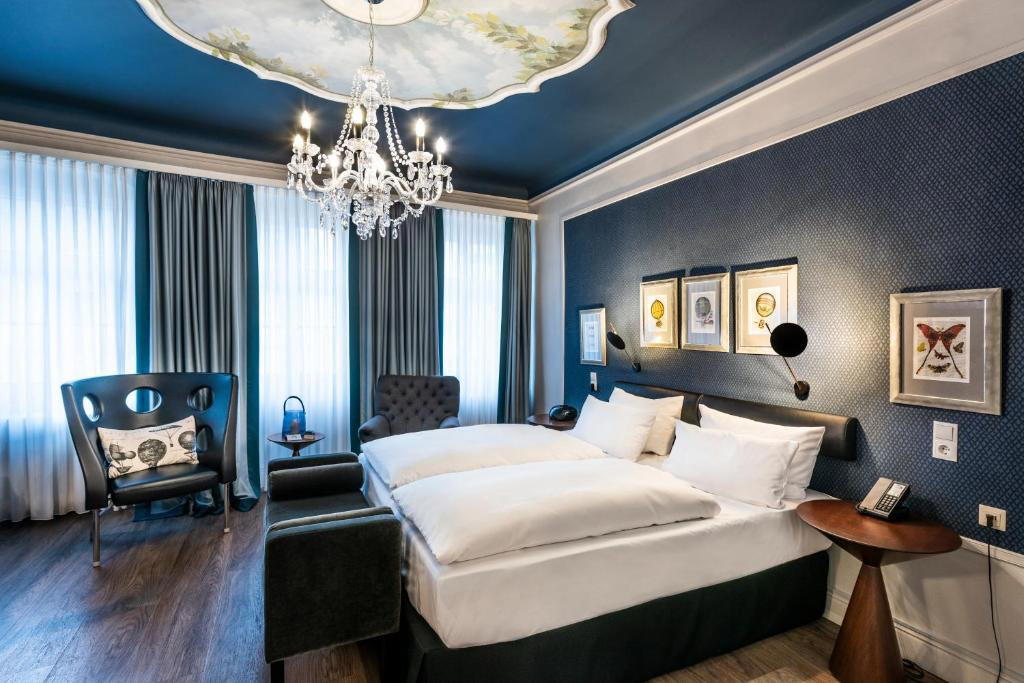
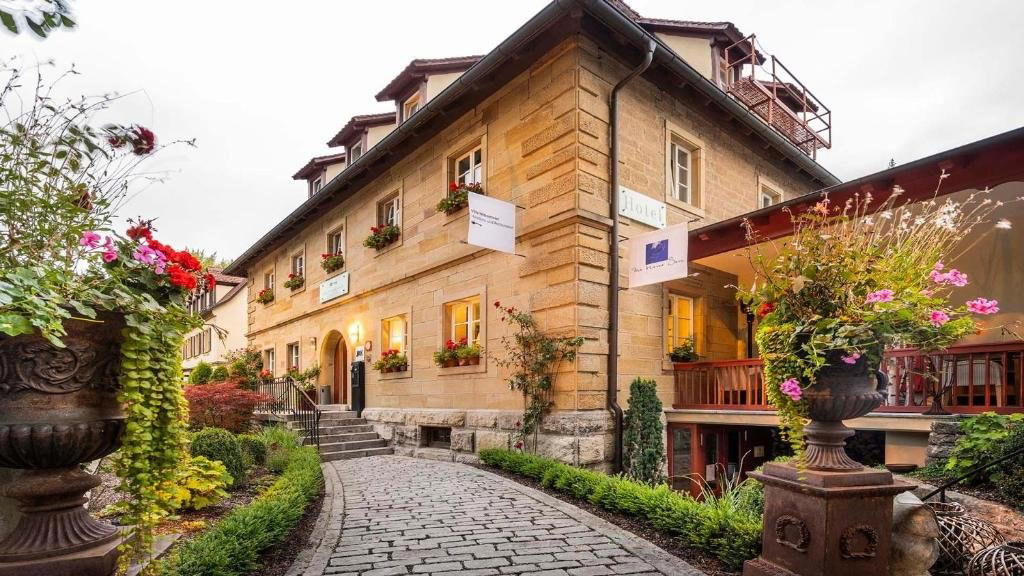
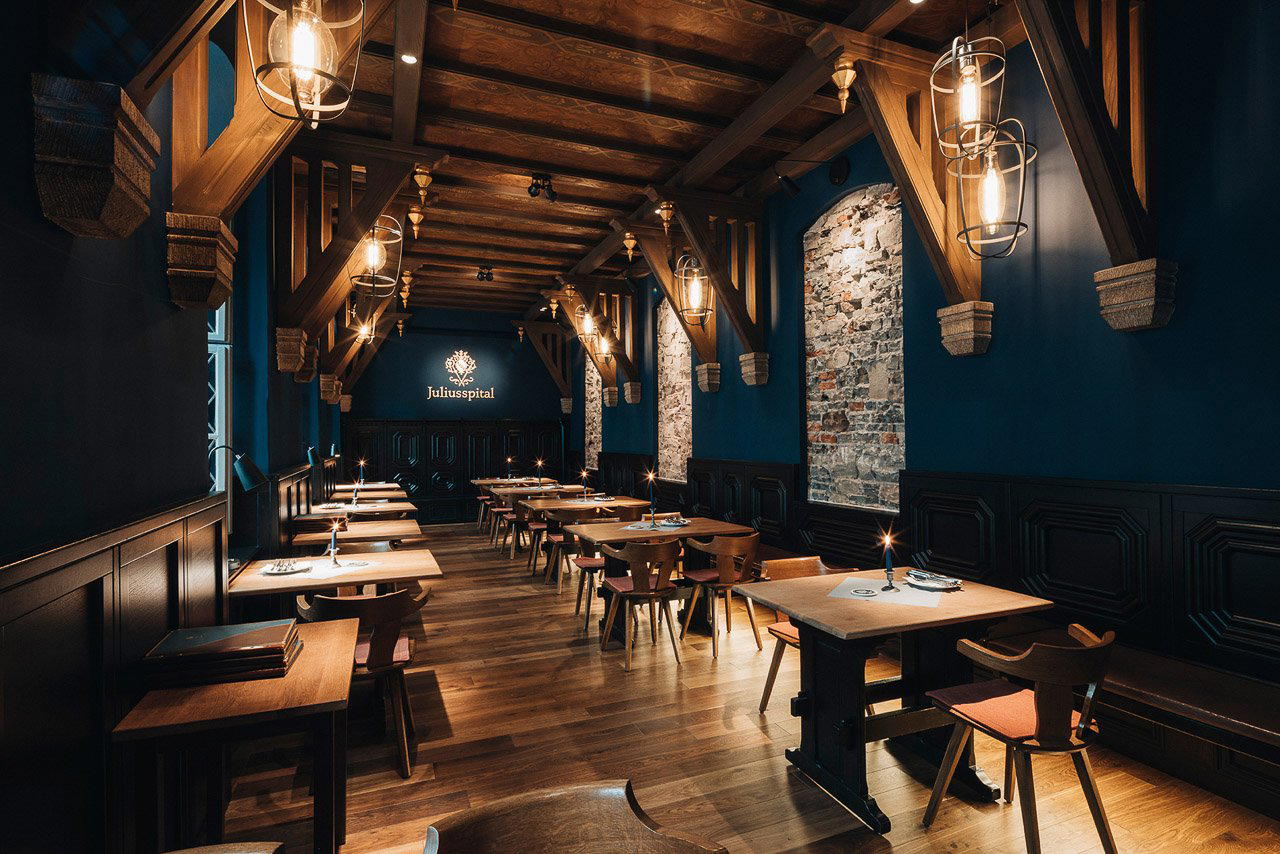
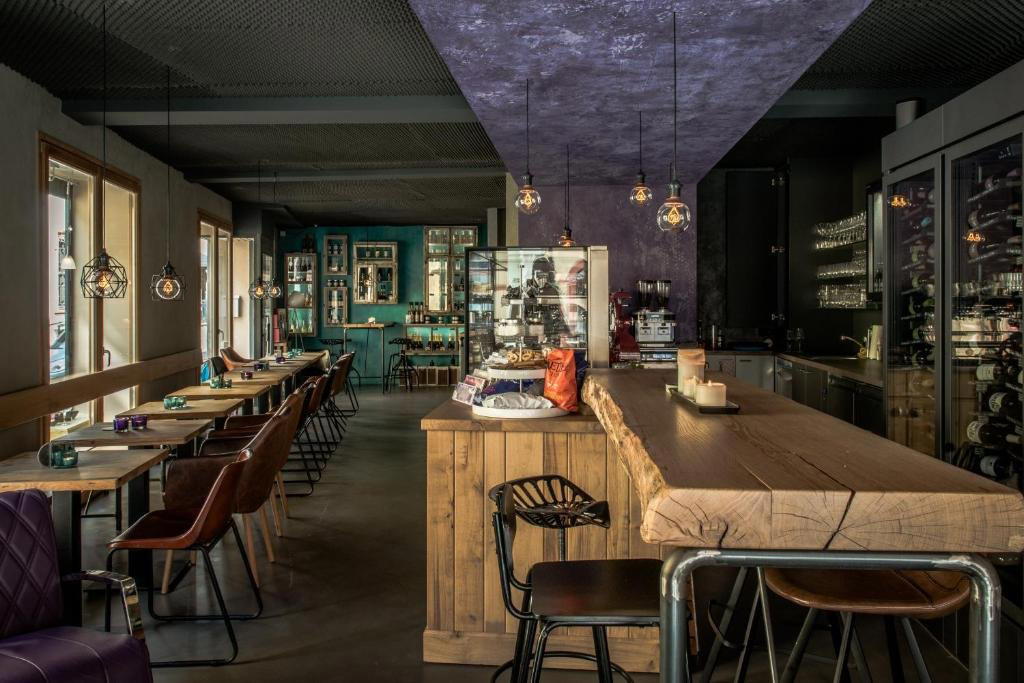
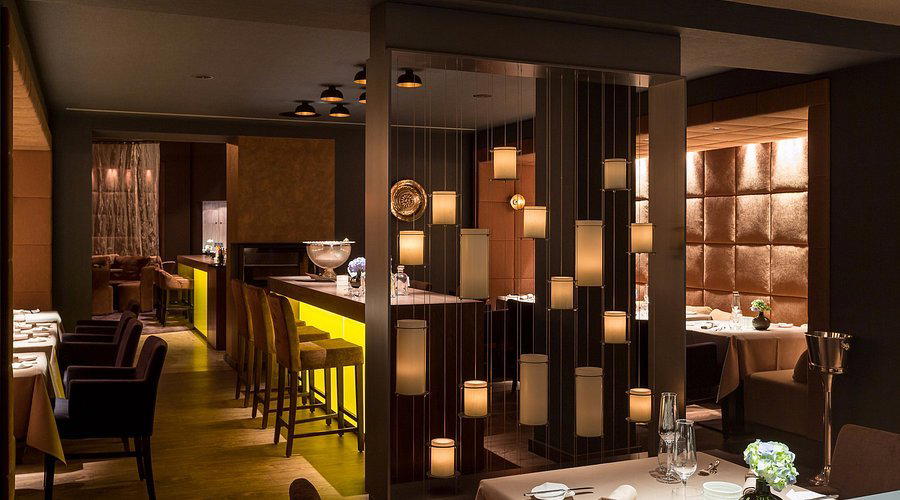
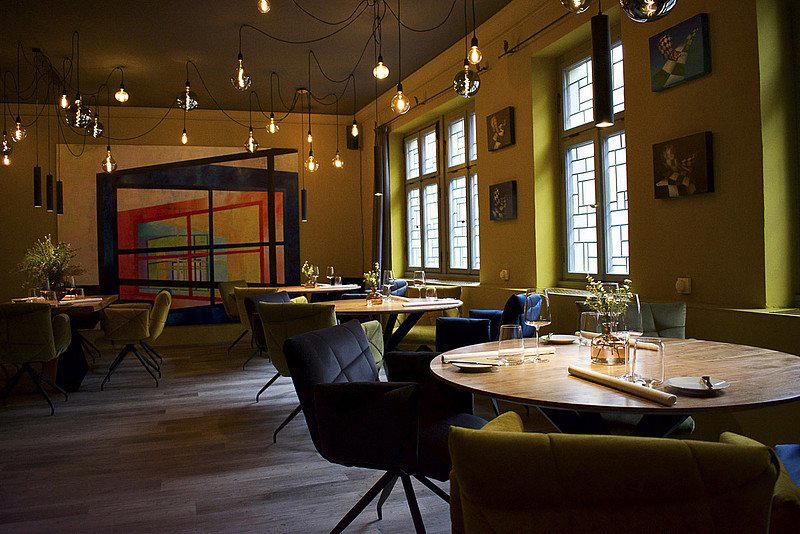
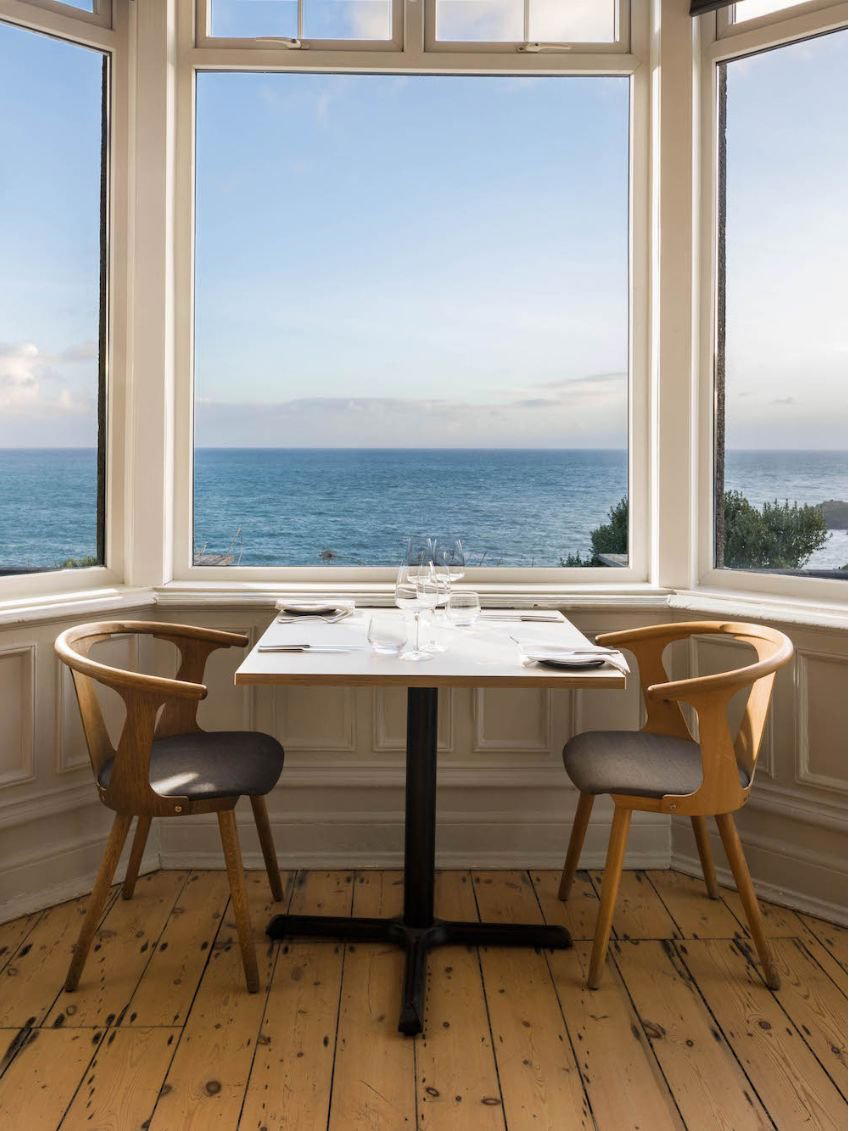
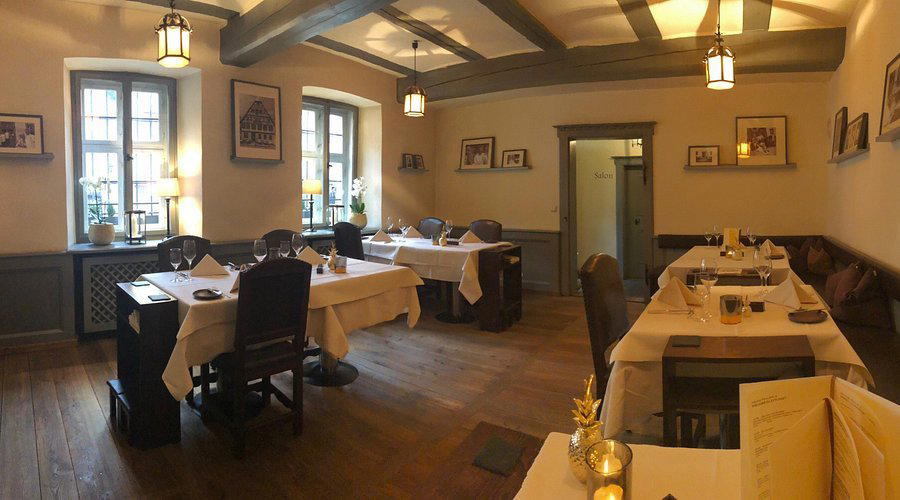
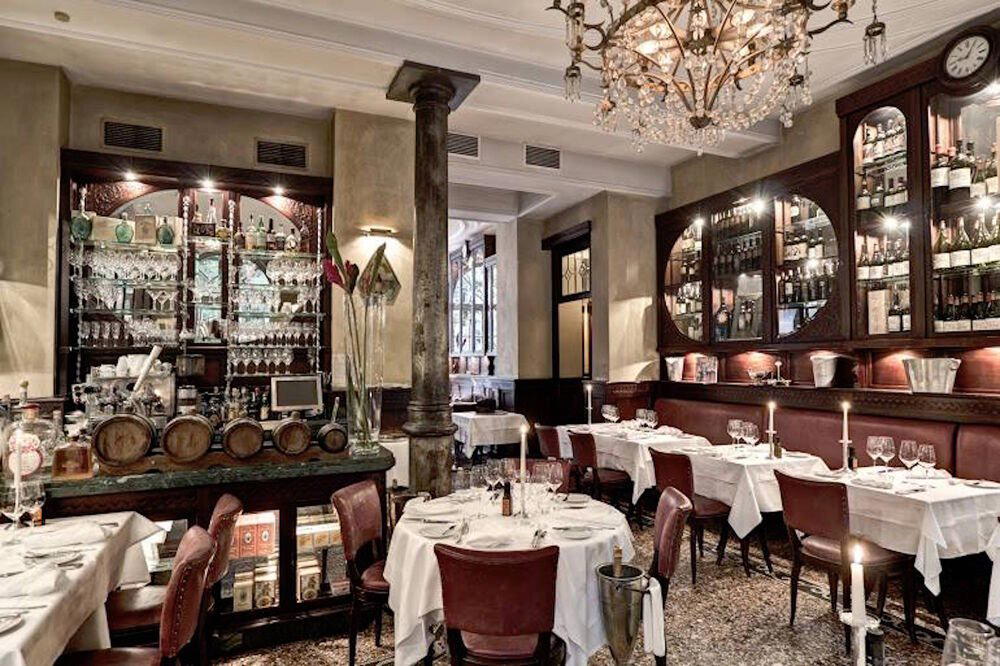
Grand period building with large airy communal areas featuring period stucco details, antique furniture, chandeliers, marble and wood accents creating an intimate, sophisticated atmosphere.