Hotel / Weingut Meintzinger

A hotel-winery hybrid on the banks of the Main river in the Bavarian village of Frickenhausen, Meintzinger occupies a historic stone building with 40 rooms that pair antique structure with contemporary design. At around $108 per night, it offers wine tastings, a stylish spa, and an all-day dining room with access to a public wine fridge, a format rare at this price point in Franconia.
Pearl is the En Primeur Club membership app — saves, bookings, and concierge access live there. Same editors, same standards.
- Address
- Babenbergpl. 4, 97252 Frickenhausen am Main
- Phone
- +49 9331 87110
- Website
- weingut-meintzinger.de
- Directions
- Get directions
 Saves & bookings on Pearl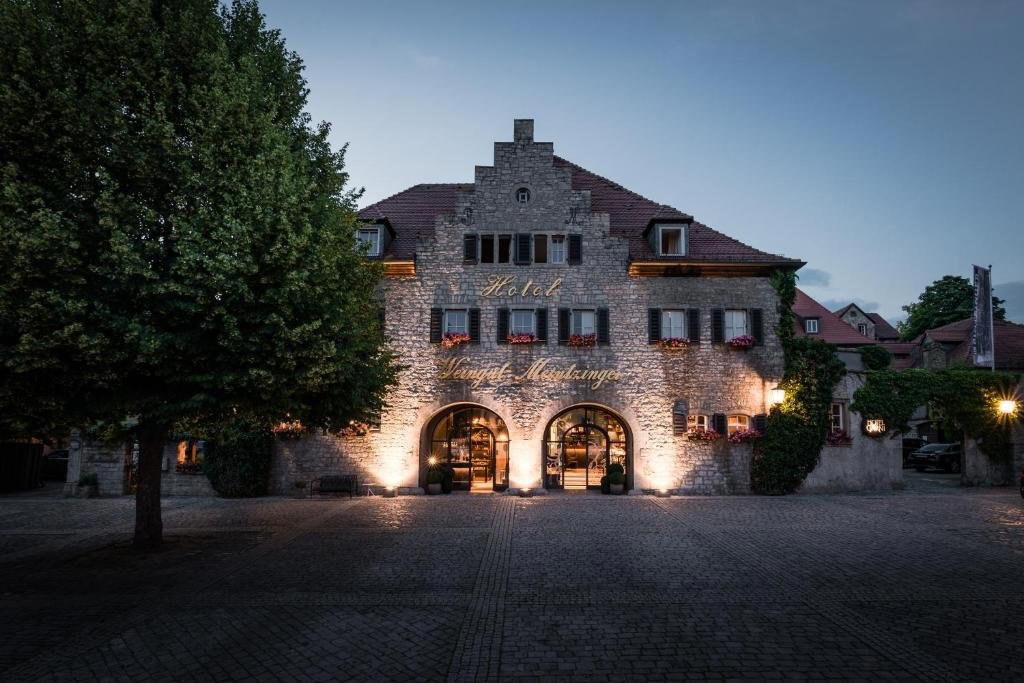
Stone Walls, Bold Color, and the Franken Wine Belt
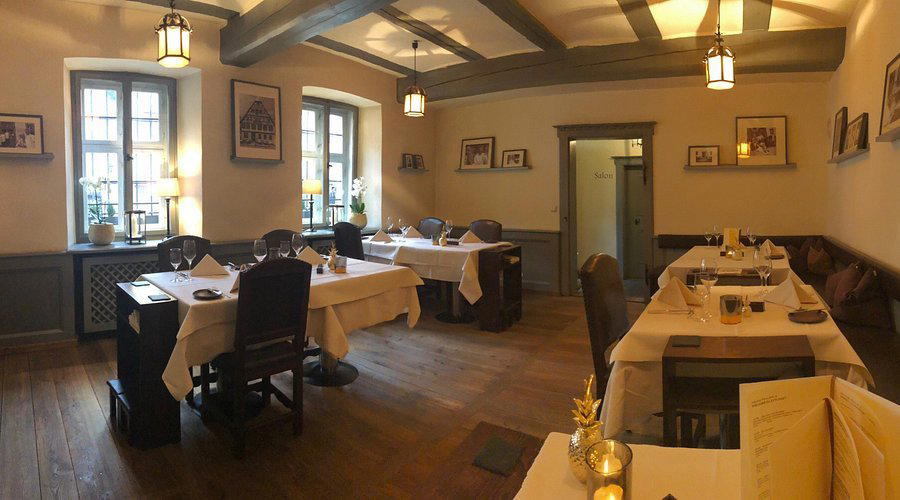
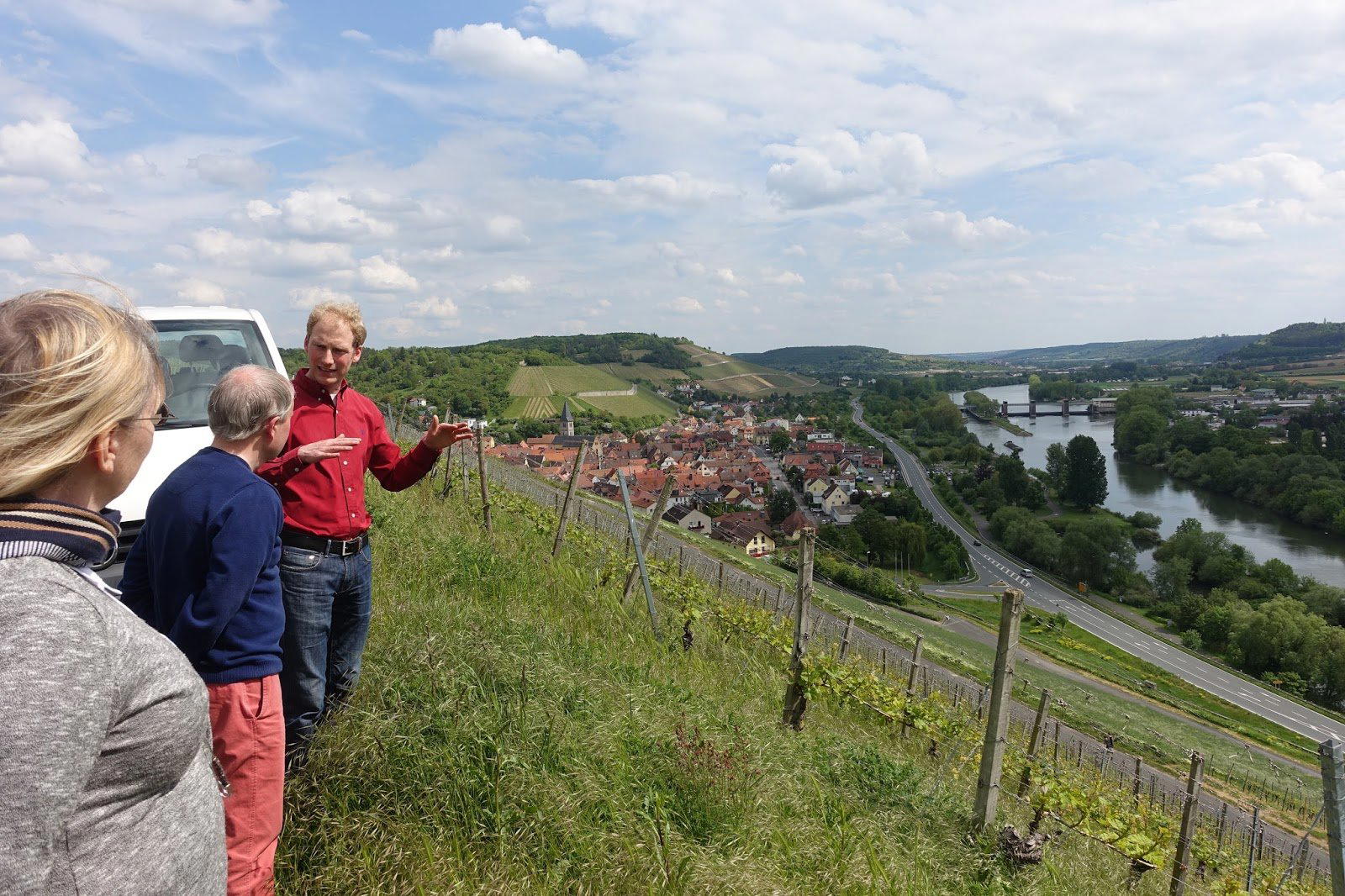
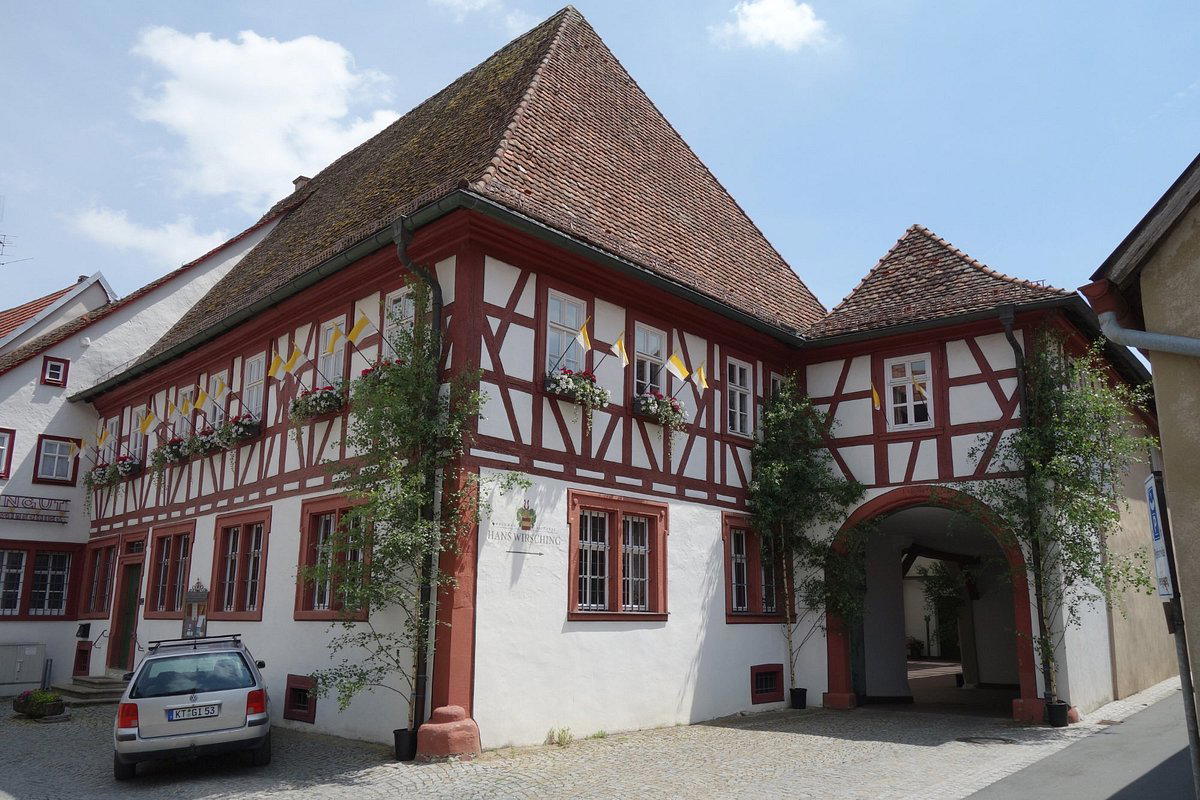
The Franconian wine villages strung along the Main river between Würzburg and Kitzingen occupy a distinct niche in German hospitality: agricultural in character, historically dense, and largely bypassed by the international hotel groups that colonize Bavaria's alpine south. In that context, Frickenhausen am Main is not a compromise, it is a deliberate destination, and Hotel / Weingut Meintzinger is the clearest expression of what that means. The property sits at Babenbergpl. 4, 97252 Frickenhausen am Main, the stone facade presenting the kind of compressed, load-bearing permanence that rural Franconian architecture does well. Approaching it, the weight of the building reads before anything else: thick walls, deep-set windows, a street presence that belongs to a different century.
What makes this format interesting across the wider German boutique-hotel scene is the dual-function model. A handful of wine estates in Germany operate guesthouses, but the combination of a full-service spa, 40 rooms, and an all-day dining room with a public-access wine fridge is a more developed proposition than the typical Winzerhof annexe. Meintzinger operates in a different register: smaller in scope, rooted in place, and priced at roughly $108 per night in a way that positions it as the kind of serious independent that competes on character rather than facilities count.
The Design Case: Antique Structure, Contemporary Interior
The interior argument at Meintzinger is worth examining carefully, because it represents a design approach that splits from both the heritage-preservation school and the industrial-minimalist renovation trend that has defined so much German boutique hospitality over the past decade. The rooms within the stone building mix antique structural elements with modern colors and a graphic sensibility that reads as intentional rather than decorative. This is not the whitewashed-beam aesthetic of rural guesthouses trying to appear contemporary, nor is it the stripped-concrete approach of urban design hotels transplanted to a village setting.
The use of bold color in a building of this age is the more deliberate choice. Heavy stone construction tends to absorb and flatten interior light, and the conventional response is to use pale, neutral palettes that push brightness back into the space. Committing instead to strong graphic color means accepting that the rooms will read differently across seasons and times of day, a decision that reflects confidence in the overall composition. The spa follows the same logic: described as stylish rather than merely functional, it treats the wellness offering as an extension of the design program rather than an amenity bolted on for completeness.
For travelers who make design-led properties a priority, the German hotel market offers reference points at various scales. Bülow Palais in Dresden applies historic-building renovation at urban scale, while Hotel de Rome in Berlin shows what a fully resourced heritage conversion looks like. Meintzinger's ambition is more compressed but the editorial logic is similar: the building's history becomes a frame rather than a costume.
The Wine Dimension
Franconia (Franken) is one of Germany's more distinctive wine regions, producing primarily Silvaner and Müller-Thurgau alongside Riesling, in a continental climate that pushes toward fuller, earthier expressions than the Mosel or Rheingau. The region's wines are bottled in the Bocksbeutel, the flat-sided flask that remains legally protected for Franconian production. Staying at a working Weingut places guests inside that production context in a way that a regional wine list at a conventional hotel cannot replicate.
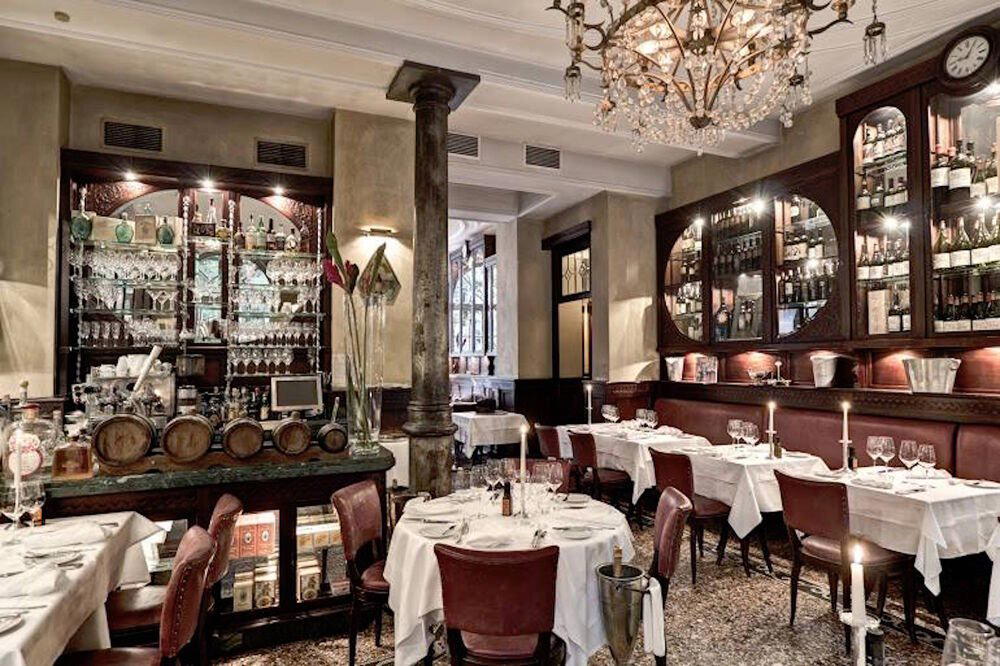
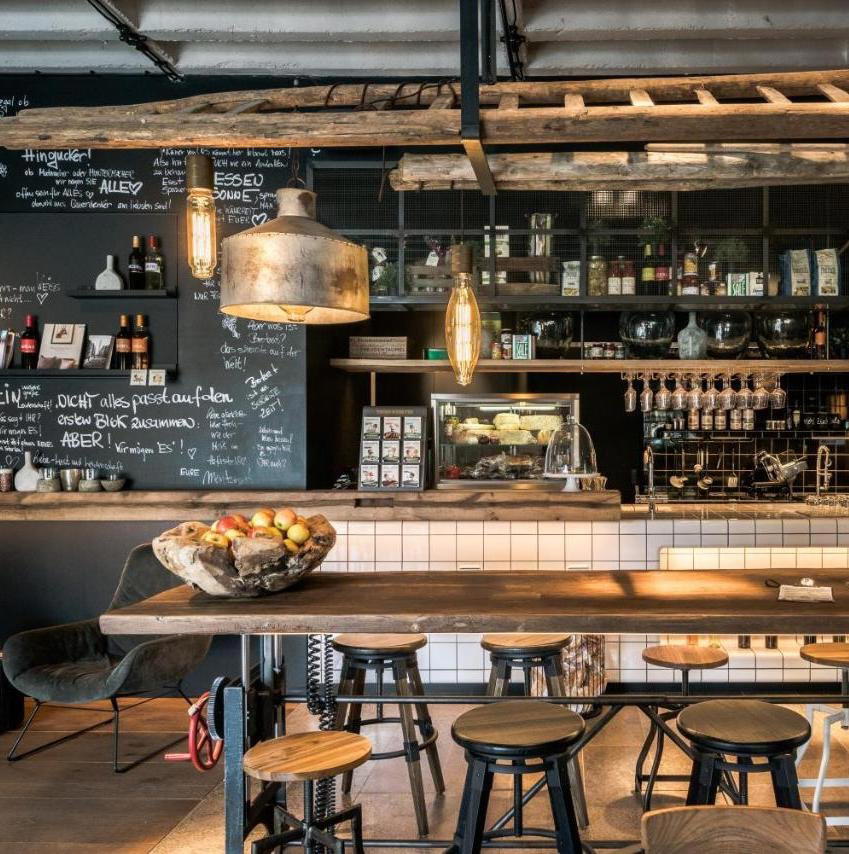
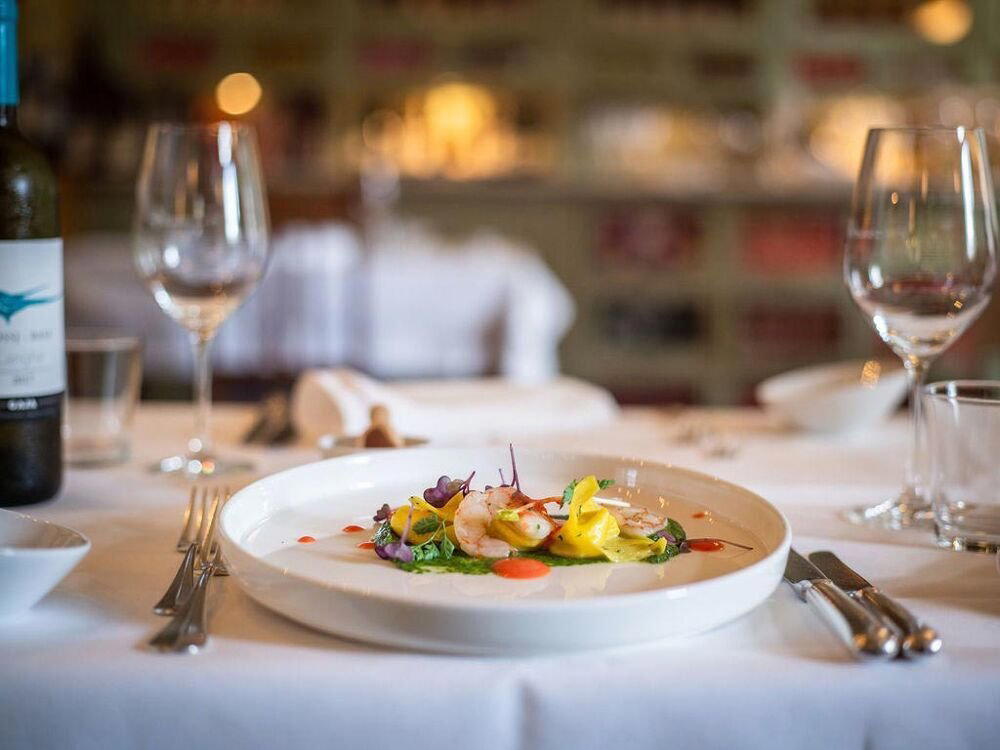
At Meintzinger, wine tastings are available on-site, and the dining room maintains a public wine fridge accessible throughout the day, a format that inverts the typical hotel bar logic. Rather than a curated cocktail program or a wine list activated at dinner service, the fridge functions as a self-directed cellar access point, which suits the pace of a wine-village stay. Breakfast is served in the same dining room, described as substantial, and the room remains open for light food through the day. This positions the dining operation as the social spine of the property rather than a conventional hotel restaurant operating on fixed-service windows. Meintzinger's approach is deliberately less segmented.
Placing Frickenhausen in the Regional Stay Calculus
Frickenhausen am Main sits within easy reach of Würzburg, which anchors the northern end of the Franconian wine route and provides the broader cultural infrastructure, the Residence palace, the Marienberg fortress, the densely stocked wine bars of the Altstadt, that gives a village stay its wider context. Travelers arriving by rail reach Würzburg Hauptbahnhof, and the wine villages along the Main are accessible from there by regional train or car. The village itself is small; the hotel's position at the Babenbergplatz places it centrally within what Frickenhausen offers.
The broader German wine-hotel circuit for travelers considering multiple stops might include Ketschauer Hof in the Pfalz as a contrasting regional model, while those extending into alpine territory will find the scale and amenity set shifts considerably at properties like Schloss Elmau, Hotel Bareiss in Baiersbronn, or Kempinski Hotel Berchtesgaden. Meintzinger's $108 price point is not positioning itself against those properties, it is making a different argument entirely: that the right combination of historic fabric, design commitment, and production wine access constitutes a complete stay without requiring a high room-rate to justify the experience.
Other independently minded German properties worth cross-referencing for travelers building a broader itinerary include Luisenhöhe in Horben, Das Kranzbach in Kranzbach, Der Öschberghof in Donaueschingen, and Weissenhaus on the Baltic coast, each operating a similarly distinctive sense of place at varying price tiers.
Planning Your Stay
Franconian harvest season (typically September through October) draws visitors to the wine villages, and weekend occupancy during warmer months follows the regional touring pattern. Arriving midweek outside peak harvest gives the stay a quieter register. Booking directly through the property is the standard approach for independent hotels of this type; advance reservations are recommended. Those arriving from further afield and wanting reference points for how Meintzinger sits within the wider international independent hotel category might also consider how properties like Villa Contessa in Bad Saarow or Landhaus Stricker on Sylt occupy equivalent niches in their respective regions.
Side-by-Side Snapshot
Comparable venues nearby, for context on price, style, and recognition.
| Venue | Cuisine | Price | Awards | Notes |
|---|---|---|---|---|
| Hotel / Weingut MeintzingerThis venue — the venue you are viewing | Historic winery converted into a boutique hotel | $$$ | Michelin 1 Key | Not listed |
| Villa Mittermeier | Contemporary boutique hotel blending historical architecture with 21st-century design and modern amenities. | $$$ | Michelin 1 Key | Würzburger Tor |
| Hanusel Hof | Modern Alpine on historic farmstead | $$$ | Michelin 1 Key | Hellengerst |
| Hotel Exquisit | Modern alpine luxury with cozy, elegant retreats | $$$ | Michelin 1 Key | southern outskirts |
| Werdenfelserei | Modern Bavarian chalet with sustainable solid wood construction | $$$ | Michelin 1 Key | Garmisch-Partenkirchen |
| Boutique-Hotel Friesinger | Family-owned bijou hotel well-suited for exploring Lake Constance | $$$ | Michelin 1 Key | Kressbronn am Bodensee |
Recognition history
Dated appearances from independent guides and award organizations, with the underlying list record or original source where available.
Michelin 1 Key
Michelin
Continue exploring
More in Frickenhausen
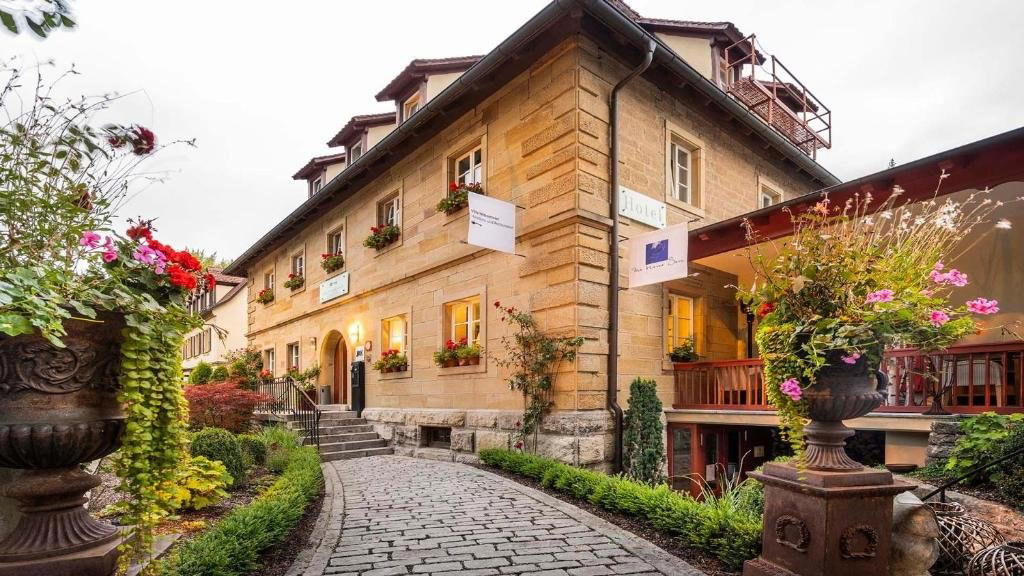
Hotels in Frickenhausen
Browse all →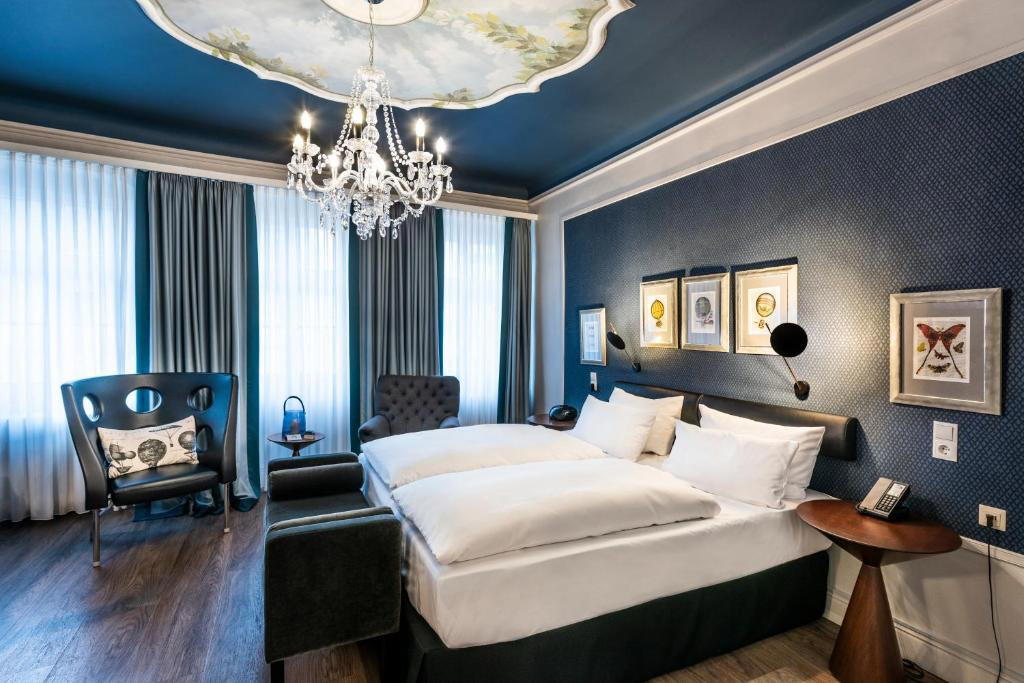
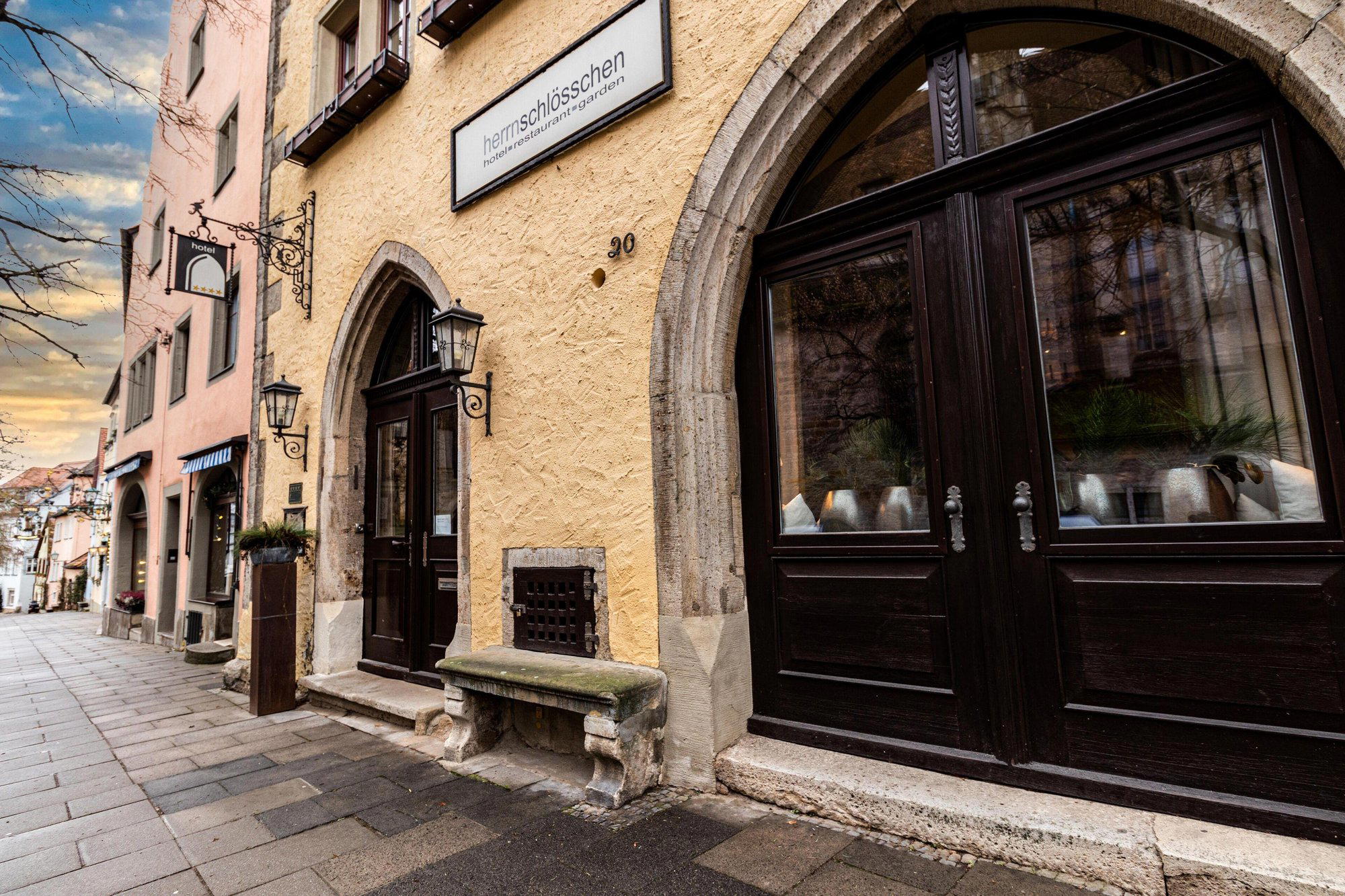
Restaurants in Frickenhausen
Browse all →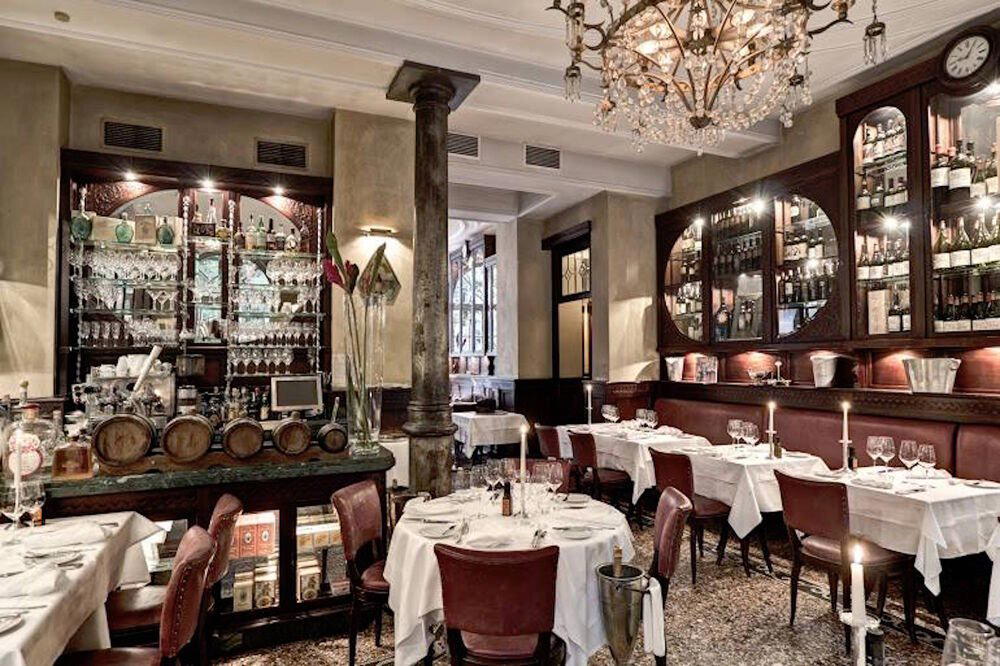
At a Glance
- Cozy
- Rustic
- Elegant
- Scenic
- Modern
- Romantic Getaway
- Weekend Escape
- Terrace
- Historic Building
- Wi Fi
- Spa
- Sauna
- Restaurant
- Garden
- Wi Fi
- Spa
- Sauna
- Restaurant
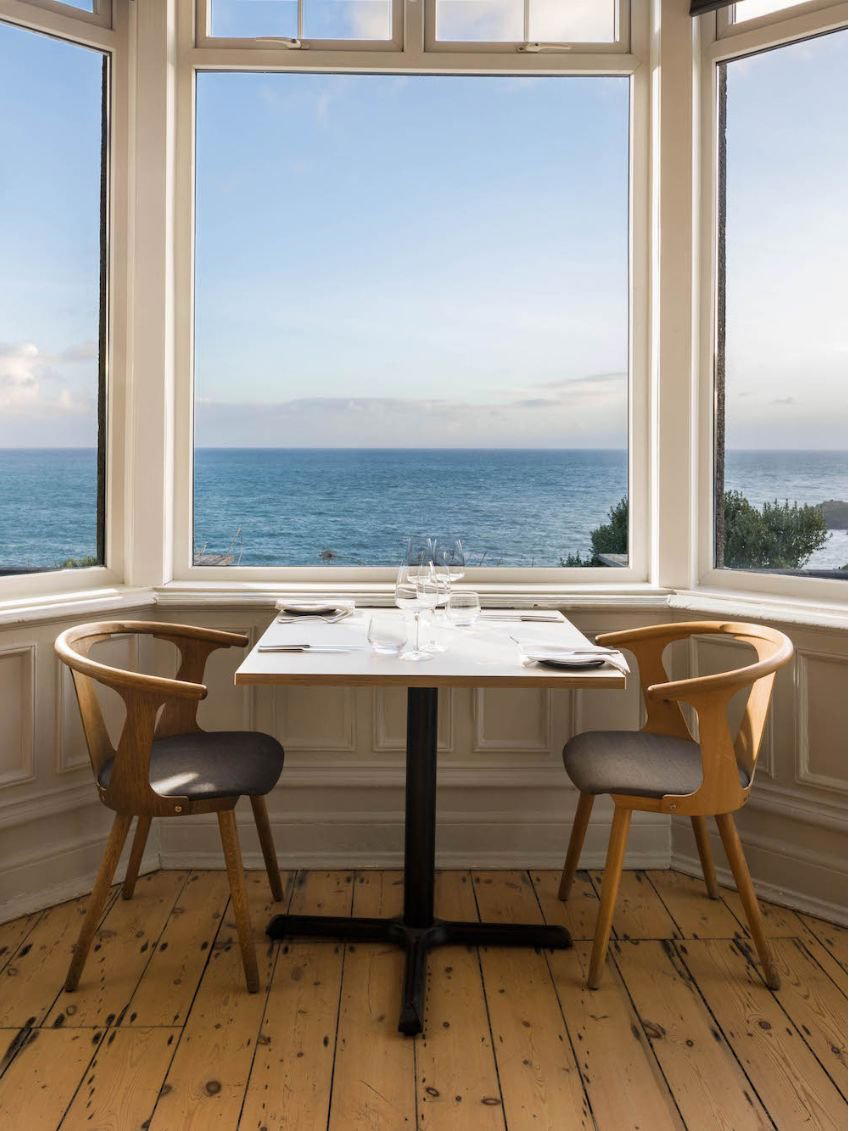
Cozy and homely atmosphere with tasteful modern-traditional decor, comfortable lounges, terraces, and a relaxing wellness oasis.