herrnschlösschen
A medieval patrician house on Rothenburg ob der Tauber's most architecturally storied street, Herrnschlösschen occupies a building whose timber-frame bones and vaulted interiors have outlasted centuries of European history. For travellers who want to sleep inside the town's fabric rather than beside it, the address on Herrngasse 20 is the more considered choice among the old town's accommodation options.
Pearl is the En Primeur Club membership app — saves, bookings, and concierge access live there. Same editors, same standards.
- Address
- Herrngasse 20, 91541 Rothenburg ob der Tauber, Germany
- Phone
- +49 9861 873890
- Website
- hotel-rothenburg.de
- Directions
- Get directions
 Saves & bookings on Pearl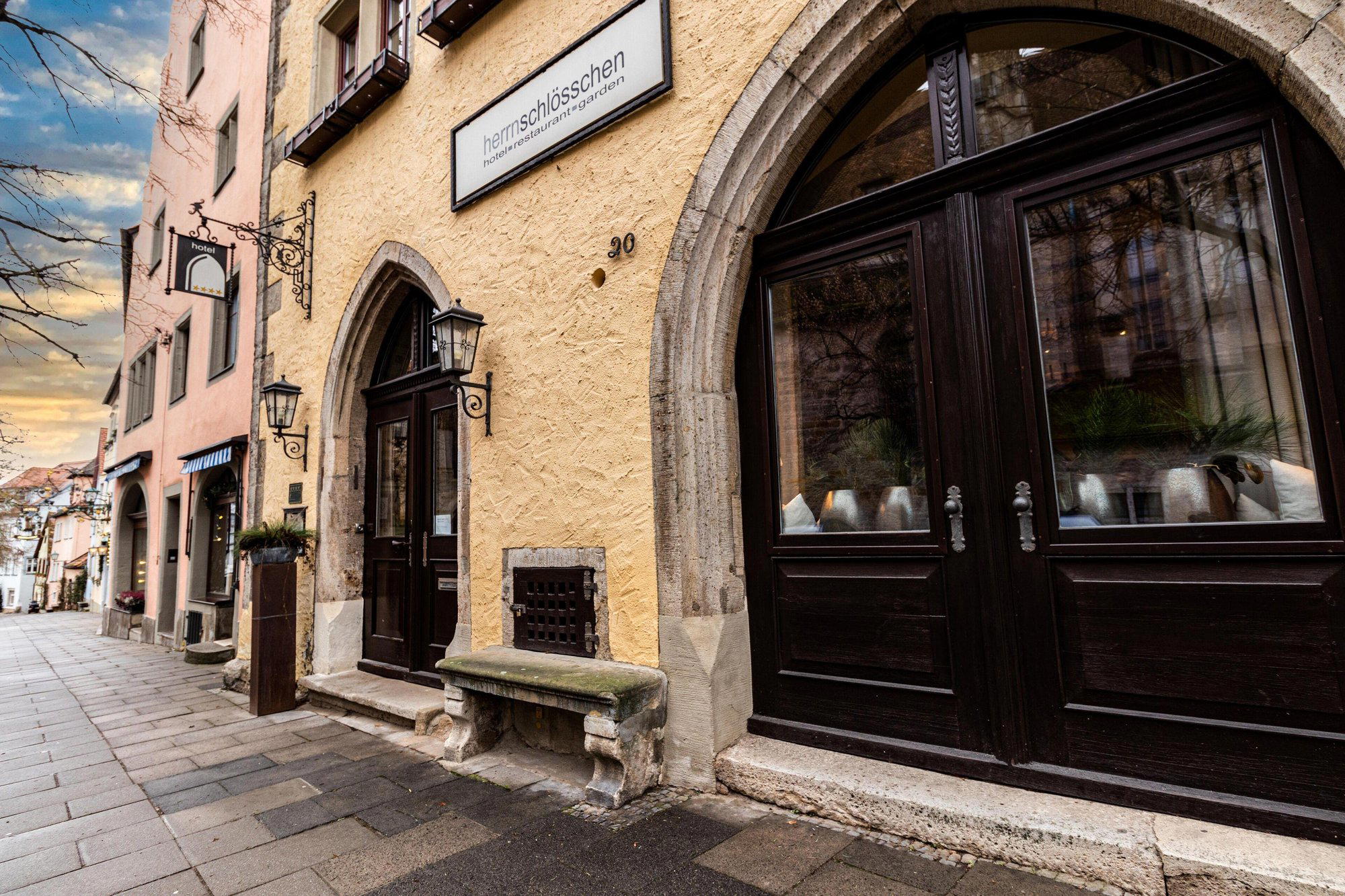
A Street That Earns Its Name
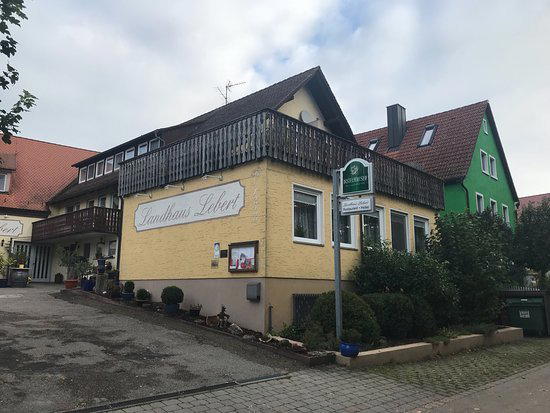
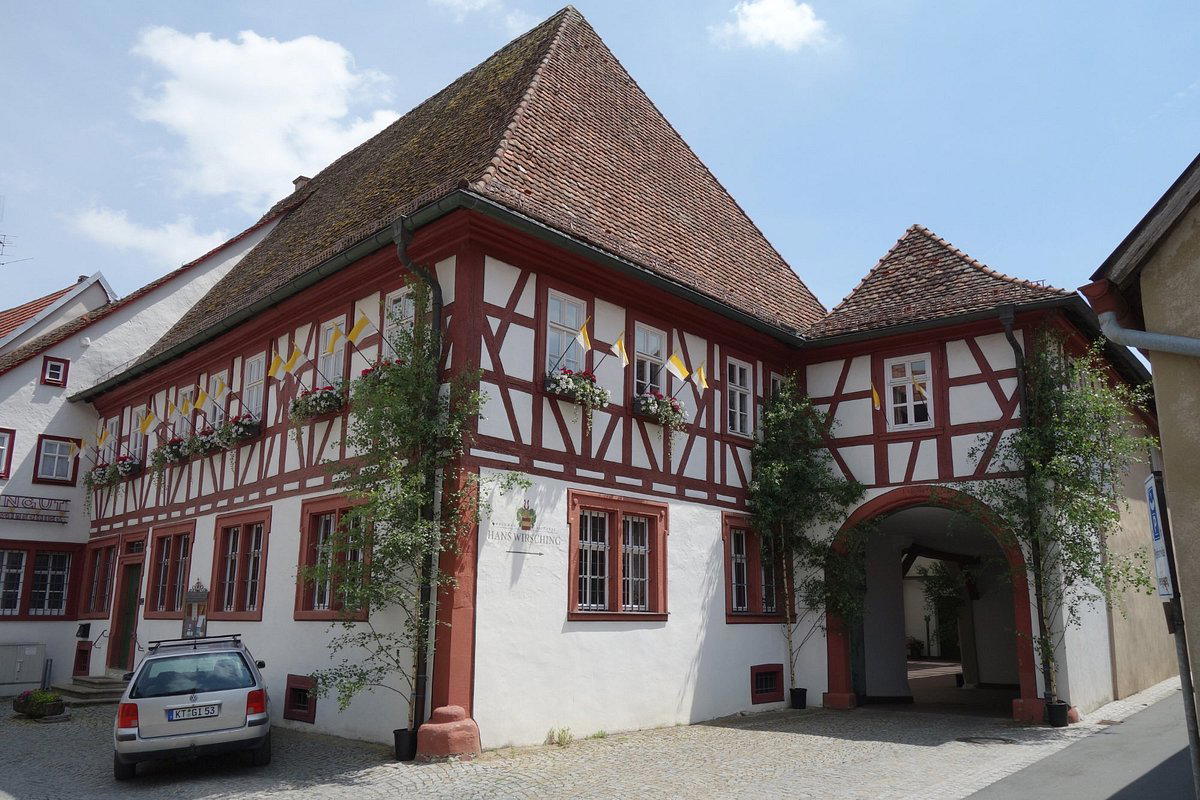
Herrngasse, literally "Lords' Lane", runs through the oldest and most architecturally dense quarter of Rothenburg ob der Tauber, among the stronger-preserved medieval walled towns in Central Europe. The houses lining this street were built by the merchant patricians who funded Rothenburg's 14th- and 15th-century prosperity, and the construction logic from that era is still readable in the facades: deep eaves, half-timbered upper storeys projecting over stone-vaulted ground floors, and proportions calibrated for storage and display rather than domestic modesty. Herrnschlösschen sits at number 20 on this street, and the building itself, whose name translates roughly as "the little lord's castle", belongs to that original patrician typology.
Rothenburg draws millions of visitors annually, most of them funnelled through the Marktplatz and along the main tourist circuit. Herrngasse sits just off that circuit, close enough to the central square for easy access but on a street where the pedestrian density drops and the architectural register shifts from souvenir-shop frontages to serious old-town fabric. That positioning, more than any single amenity, is what makes an address here worth considering.
The Architecture as Primary Experience
In medieval German towns, the distinction between a great house and a minor castle was often one of defensive detail rather than scale. Herrnschlösschen belongs to the category of patrician great houses that borrowed the visual language of fortification, thick walls, narrow windows at ground level, a massing that reads as defensive, while functioning primarily as merchant residences and storehouses. That architectural vocabulary is what the building still communicates from the street, and it is the first thing a guest encounters before any interior consideration.
What defines this class of structure, and what makes it materially different from purpose-built hotels constructed in the 19th or 20th centuries, is the layering of building periods visible in the fabric. Medieval towns like Rothenburg accumulated modifications across centuries, a Renaissance doorway inserted into a Gothic wall, Baroque plasterwork applied over earlier timber structure, and a building of this age carries that accumulation as a form of documentary record. Guests who pay attention to physical detail will find that kind of reading available here in a way that a purpose-built hotel, however carefully decorated, cannot replicate.
For comparison, some of Germany's most respected historic hotel properties, among them Bülow Palais in Dresden and Excelsior Hotel Ernst in Cologne, have made the historic building fabric a central part of their proposition, investing in the preservation of period interiors as a differentiator within the luxury tier. Herrnschlösschen operates at a smaller, more intimate scale than either of those properties, and the old-town context of Rothenburg gives it a different character: more village-scale, more enclosed, with the medieval street plan itself acting as an extension of the guest experience.
Rothenburg as a Setting
That is not a small thing. Most German historic centres were substantially rebuilt after 1945; Rothenburg, which survived the war with its old town largely intact after a negotiated ceasefire in April 1945, is an exception.
The trade-off is volume. Summer and Christmas season bring visitor numbers that are substantial relative to the town's permanent population of around 11,000. December in particular, when the Christmas market on the Marktplatz draws large crowds, compresses the old town's narrow streets. Guests at a Herrngasse address sit one block from the market but separated from the worst of the pedestrian flow by the street's character and scale. That positioning is worth more in peak season than it might appear on a map. For those planning visits to similarly preservation-focused historic properties across Germany, Hotel Ketschauer Hof in Deidesheim and LA MAISON in Saarlouis represent comparable commitments to historic building stock in smaller German towns.
Placing Herrnschlösschen in the German Boutique Hotel Context
Germany's premium boutique hotel tier has expanded considerably over the past two decades, with properties like Althoff Seehotel Überfahrt in Rottach-Egern, Schloss Elmau in Elmau, and Das Kranzbach in Kranzbach establishing a benchmark for design-led or heritage-led stays in regional German settings. That peer group tends to share certain characteristics: limited room counts, a strong sense of place derived from either natural setting or historic building, and a positioning that sits outside the international chain model.
Herrnschlösschen belongs to the historic-building end of that spectrum rather than the design-led or spa-resort end. Its comparable set within Rothenburg is small by definition: the old town has limited accommodation stock of serious architectural character. Beyond the town, properties like Villa Contessa in Bad Saarow and Landhaus Stricker in Sylt share a similar logic of placing the building itself at the centre of the experience. For guests whose priority is architectural and historic context over amenity breadth, that positioning represents a clear choice. For those whose priorities run more toward spa facilities, resort scale, or urban dining programs, properties like Fairmont Hotel Vier Jahreszeiten in Hamburg or Mandarin Oriental Munich serve a different set of needs from a different structural position.
Planning a Stay
Rothenburg ob der Tauber is accessible by rail from Nuremberg via Steinach, with journey times of around an hour from Nuremberg's main station. The town is walkable in its entirety from any accommodation within the walls; Herrngasse 20 places guests within easy reach of the Marktplatz, the Rathaus, and the town walls' walkable parapet. Visitors to our full Rothenburg ob der Tauber restaurants guide will find additional context on dining options within the old town. Given the volume-driven character of peak summer and December periods, shoulder-season visits in April, May, or October offer one direct engagement with the town's architectural fabric without the compression of peak-season crowds. Direct booking via the property's own channels is worth pursuing for a building of this character, where room selection and specific requirements benefit from direct communication rather than platform intermediaries.
Comparable Spots, Quickly
Comparable venues nearby, for context on price, style, and recognition.
| Venue | Cuisine | Price | Awards | Notes |
|---|---|---|---|---|
| herrnschlösschenThis venue — the venue you are viewing | Historic boutique manor with modern comforts in a medieval setting | $$$ | 4-Star | Not listed |
| AMERON Hamburg Speicherstadt | Mid-century modern in historic warehouse building | $$$ | 4-Star | Speicherstadt |
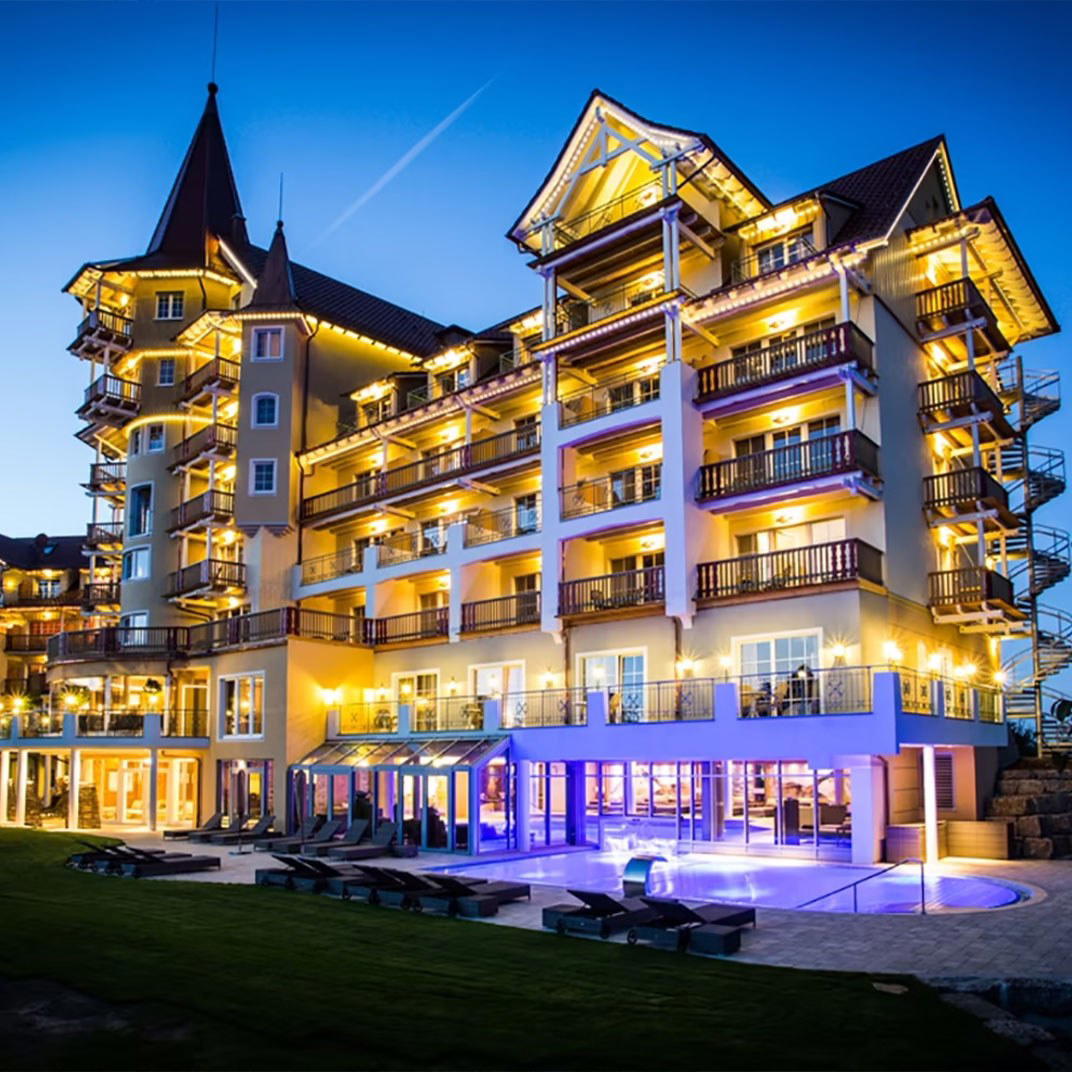
| Waldhaus Ohlenbach | Family-run wellness hotel in country house style on mountain hillside | $$$ | 4-Star | Ohlenbach |
| SYTE Mannheim | Boutique design hotel in a historic sandstone building | $$$ | 4-Star | Schwetzingerstadt |
| me and all hotel düsseldorf | Japanese-inspired boutique urban hotel | $$$ | 4-Star | Little Tokyo |
| LAGO hotel & restaurant am see | Stylish modern 4-star design hotel surrounded by park and lake. | $$$ | 4-Star | Friedrichsau |
Continue exploring
More in Rothenburg Upon Tauber
Hotels in Rothenburg Upon Tauber
Browse all →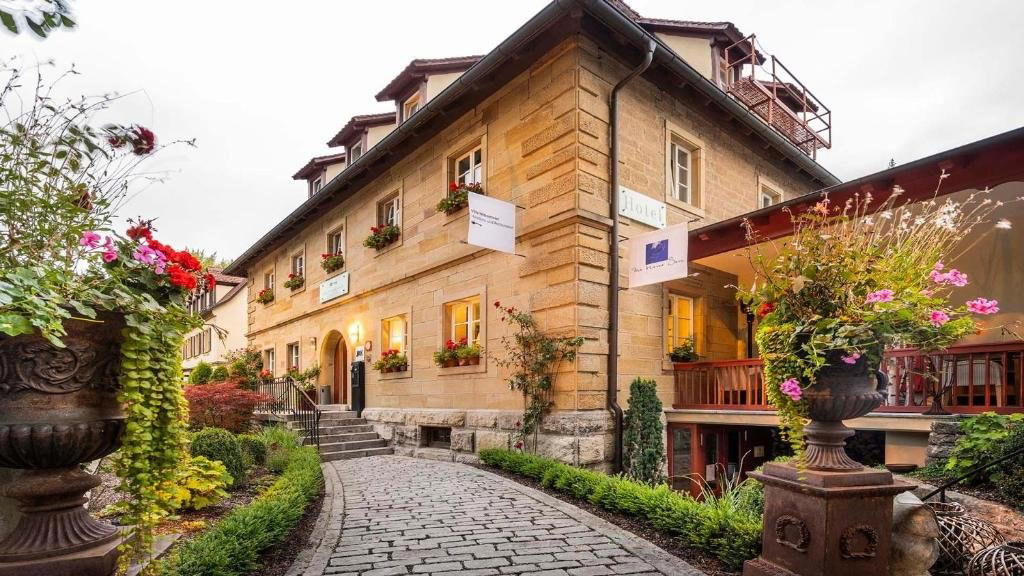
Bars in Rothenburg Upon Tauber
Browse all →
Restaurants in Rothenburg Upon Tauber
Browse all →
At a Glance
- Romantic
- Cozy
- Elegant
- Intimate
- Scenic
- Romantic Getaway
- Anniversary
- Weekend Escape
- Historic Building
- Garden
- Wi Fi
- Spa
- Sauna
- Restaurant
- Garden
- Bicycle Rental
- Concierge
- Garden
- Wi Fi
- Spa
- Sauna
- Restaurant
- Garden
- Bicycle Rental
- Concierge
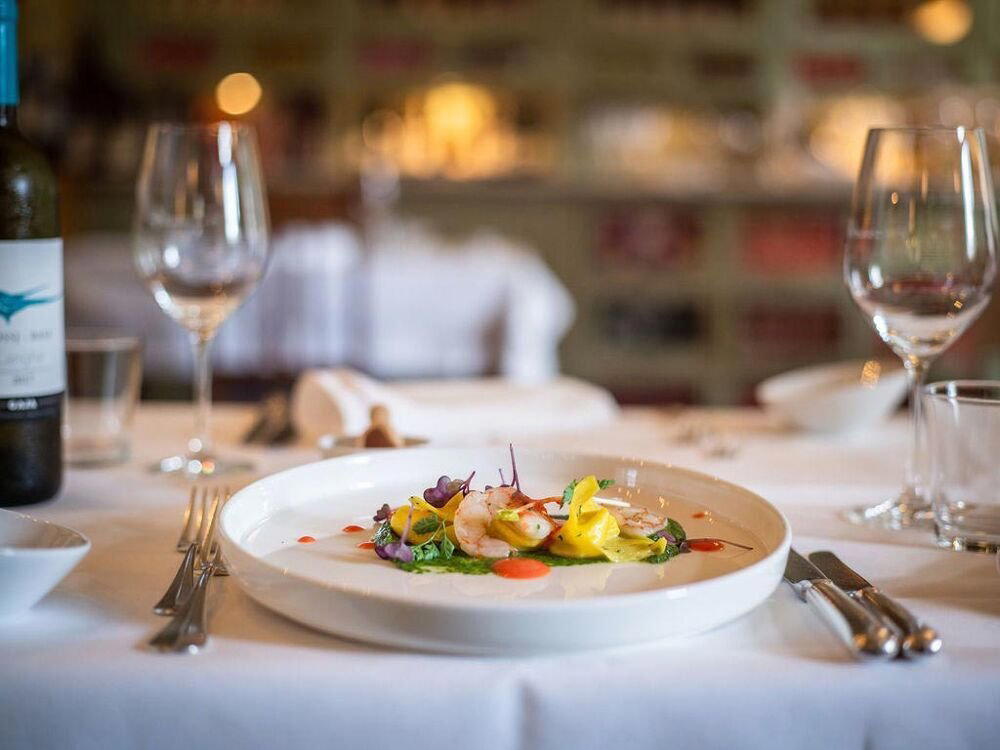
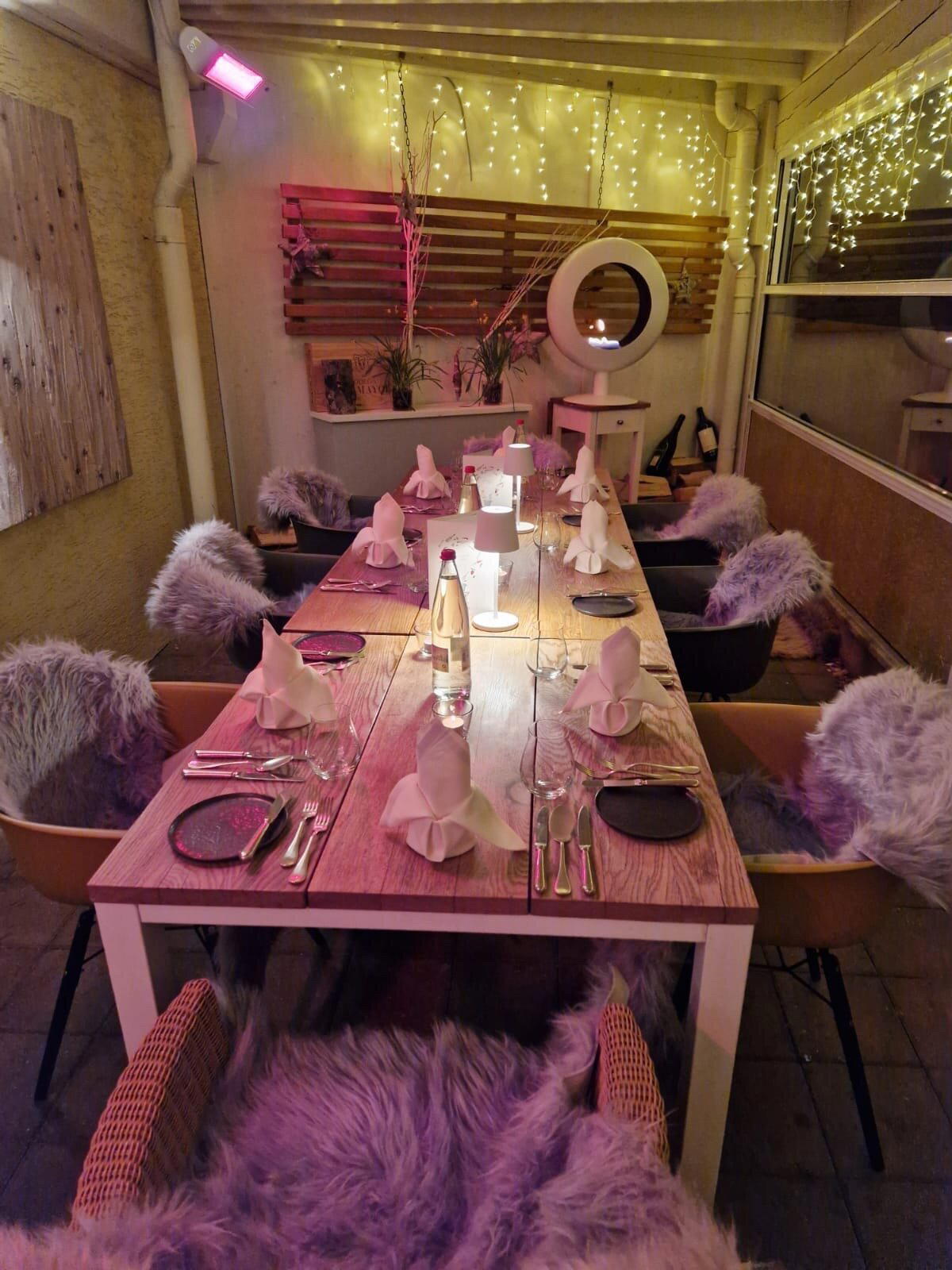
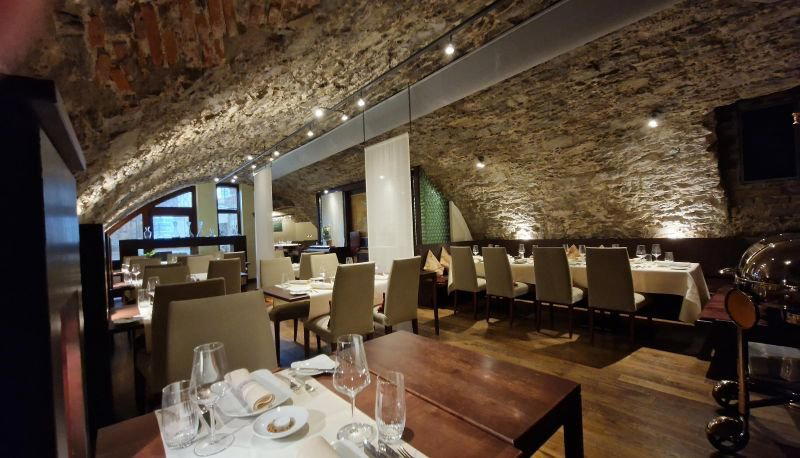
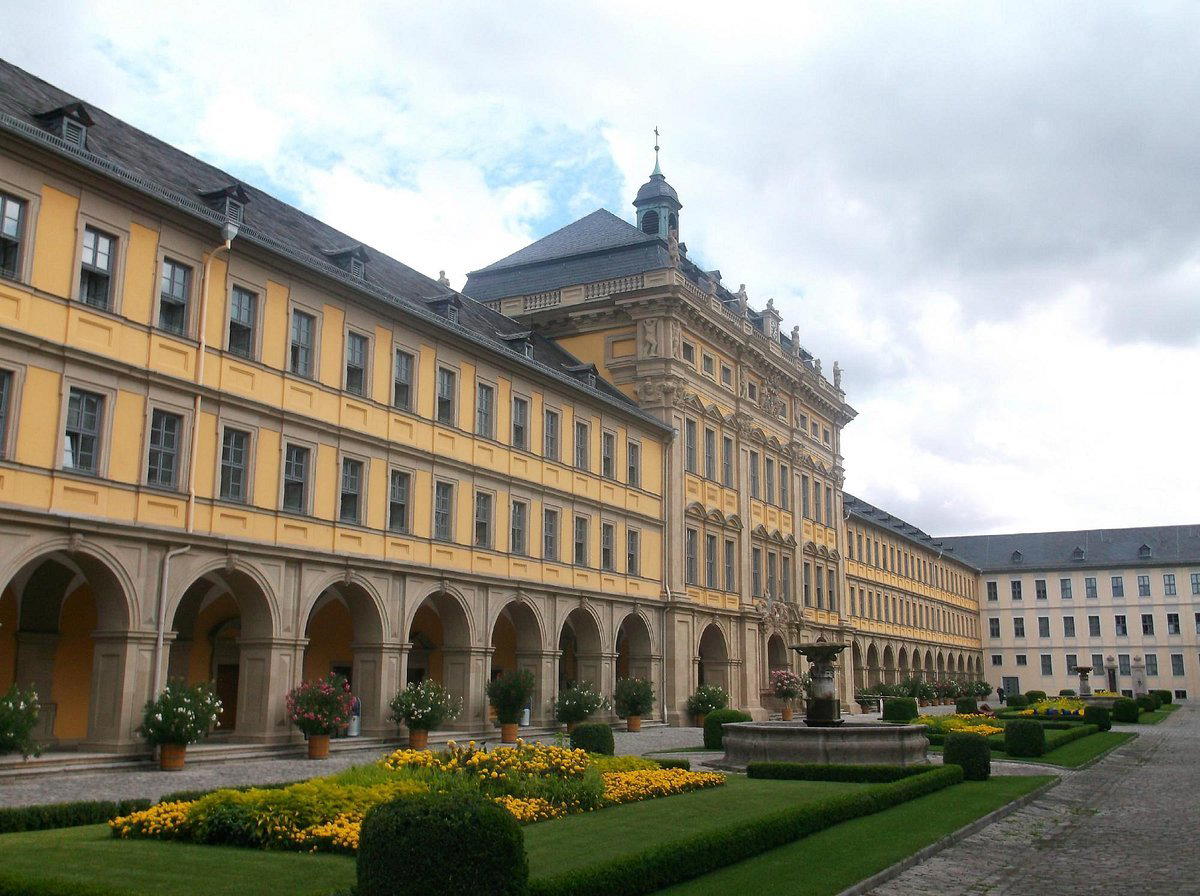
Intimate and serene atmosphere with understated contemporary and French country-style decor, lofty ceilings with exposed timbers, soft saffron-yellow tones, and a charming baroque garden for al fresco dining.