
Falstaff Winery - 4 Stars
Weingut Rainer Sauer is a Franconian estate based in Volkach. Located on Bocksbeutelstraße in the heart of one of Germany's most concentrated wine-growing communes, the estate represents the smaller-production, precision-focused tier of Franken viticulture that has drawn serious collectors to Escherndorf for decades.

Pearl is the En Primeur Club membership app, where members save venues, book tables and use the concierge.
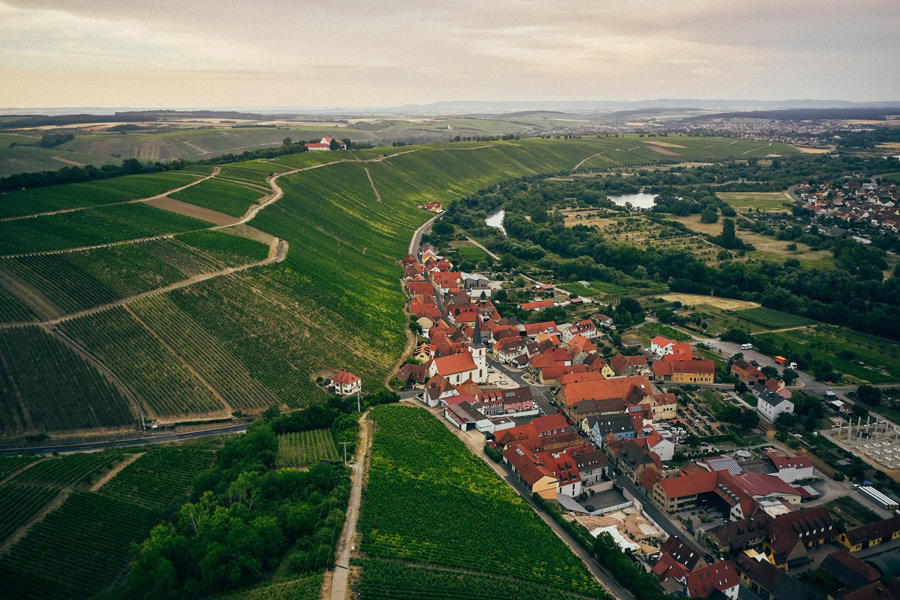
Franken's Quiet Concentration: What Escherndorf Produces
Franken is one of Germany's more misunderstood wine regions, frequently reduced to the bulbous bocksbeutel bottle and broad assumptions about dry, earthbound Silvaner. The reality, particularly around Escherndorf and the Volkach meander of the Main river, is considerably more precise. The region's leading estates operate at a scale and philosophical consistency that aligns them more closely with Burgundy's smaller domaines than with the branded, high-volume German wine trade. Weingut Rainer Sauer, addressed at Bocksbeutelstraße 15 in Volkach and.
The Escherndorf address matters more than it might initially appear. The Escherndorfer Lump, the steep, south-facing shell-limestone site that dominates the commune, is among a small number of Franken vineyard names that command genuine attention from collectors outside Germany. Shell limestone, or Muschelkalk, imparts a mineral tension and saline finish to Silvaner that distinguishes it sharply from the rounder, loamier expressions grown on sandstone soils further north. Estates working this site are, in effect, making a geological argument with every vintage, and serious drinkers who follow Franken understand the difference.
The Winemaking Approach in Context
Across Germany's quality wine regions, the past two decades have produced a notable divergence in approach. On one side, estates have moved toward extended skin contact, low-intervention cellaring, and a willingness to let vintages speak for themselves with minimal correction. On the other, a parallel group has maintained classical winemaking discipline, fermentation temperature control, careful use of large oak or stainless steel, bottling decisions made on taste rather than calendar, and argued that the vineyard's character, not cellar theatrics, is the primary text.
For context on the range of approaches operating across German viticulture, estates such as Weingut Clemens Busch in Pünderich have built reputations on a biodynamic framework, while Weingut Battenfeld-Spanier in Hohen-Sülzen has become a reference point for Rheinhessen precision. In the Palatinate, Weingut A. Christmann in Neustadt an der Weinstraße and Weingut Dr. Bürklin-Wolf in Wachenheim an der Weinstraße represent estate-grown Riesling at the premium tier.
Escherndorf Within the Franken Hierarchy
Franken's leading addresses are spread across a relatively compact geography, but they are not uniform in character. Würzburg's historic institutions, including Weingut Bürgerspital zum Heiligen Geist, operate on a different scale entirely, combining charitable heritage with substantial vineyard holdings that span multiple soil types. Escherndorf, by contrast, is a village whose wine identity is concentrated almost entirely in the Lump site and the handful of estates that work it seriously. The closest direct peer for Weingut Rainer Sauer within the commune is Weingut Horst Sauer, which has built an international profile on the same shell-limestone terroir and represents the benchmark against which other Escherndorf producers are frequently measured.
The Riesling and Silvaner coming out of this village have a structural precision that sets them apart from Franken's broader production, and the estates working the Lump, regardless of production philosophy, are making wines that reward cellaring in a way that most German dry whites do not.
The Broader German Fine Wine Conversation
Germany's fine wine category has gained considerable traction internationally over the past decade, driven largely by Mosel Riesling but increasingly acknowledging the contributions of Franken, the Pfalz, and the Nahe. Estates such as Weingut Fritz Haag in Brauneberg and Weingut Grans-Fassian in Leiwen have been part of that Mosel narrative for years, while Rheingau estates like Weingut Georg Breuer in Rüdesheim am Rhein and institutions like Kloster Eberbach in Eltville carry the weight of centuries of viticultural history. Franken's position within that conversation is still developing in terms of international market awareness, which means that serious estates in Escherndorf remain underexposed relative to their actual quality tier, a condition that benefits collectors who are paying attention.
The Pfalz similarly offers quality benchmarks at the estate level: Weingut Bassermann-Jordan in Deidesheim is one of the historic names that shaped the region's reputation for structured, ageworthy whites. Weingut Allendorf in Oestrich-Winkel represents a different model, larger in scale, Rheingau-rooted. These reference points illustrate the range of production models operating within German fine wine, and situate Weingut Rainer Sauer's Franken approach within a wider field of regional competition.
Planning a Visit to Escherndorf
Volkach and Escherndorf are accessible by road from Würzburg in under thirty minutes, and the area around the Main river loop is one of the most concentrated wine-tasting destinations in Franken. Visitors approaching the region from further afield typically use Würzburg as a base, given its rail connections to Frankfurt and Munich. Bocksbeutelstraße, the address of the estate, takes its name from the bocksbeutel bottle itself, which signals how embedded the winemaking tradition is in the physical fabric of the commune. The vine-growing season in Franken runs roughly April through October, with harvest typically occurring in September and early October depending on the vintage. Those interested in tasting current releases or reserve wines from the estate should contact the estate directly to confirm visiting hours and tasting room availability, as these arrangements vary by season. For a fuller orientation to what the broader area offers in terms of producers and culinary options, our full Escherndorf restaurants guide covers the local scene in depth.
Frequently Asked Questions
- What kind of setting is Weingut Rainer Sauer? The estate operates from Volkach in the Escherndorf commune of Franken, Germany, a small-scale wine village built around shell-limestone viticulture.
- What's the must-try wine at Weingut Rainer Sauer? The wine region here is Franken, and any serious tasting should prioritise the Lump-designated releases if available.
- What's the main draw of Weingut Rainer Sauer? The Escherndorf location also makes it a natural pairing with a visit to the wider Volkach wine route.
Pricing, Compared
Comparable venues nearby, for context on price, style, and recognition.
| Venue | Cuisine | Price | Awards | Notes |
|---|---|---|---|---|
| Weingut Rainer SauerThis venue (the venue you are viewing) | Escherndorf, Silvaner, Müller-Thurgau | Not listed | Falstaff Winery - 4 Stars | Not listed |
| Weingut Horst Sauer | Escherndorf, Silvaner, Riesling | $50–100 | Falstaff Winery - 5 Stars | Not listed |
| Bethel Heights Vineyard | Eola-Amity Hills, Pinot Noir, Chardonnay | Not listed | Not listed | Not listed |
| Weingut Karl Haidle | Kernen-Stetten, Riesling, Lemberger | $20–30 | Falstaff Winery - 5 Stars | Not listed |
| Weingut Dautel | Bönnigheim, Riesling, Spätburgunder | $20–30 | Falstaff Winery - 5 Stars | Not listed |
| Domdechant Werner’sches Weingut | Not listed | $20–30 | Falstaff Winery - 3 Stars | Hochheim am Main, Riesling, Spätburgunder |
Recognition history
Dated appearances from independent guides and award organizations, with the underlying list record or original source where available.
Falstaff Winery - 4 Stars
Falstaff
Continue exploring
More in Volkach
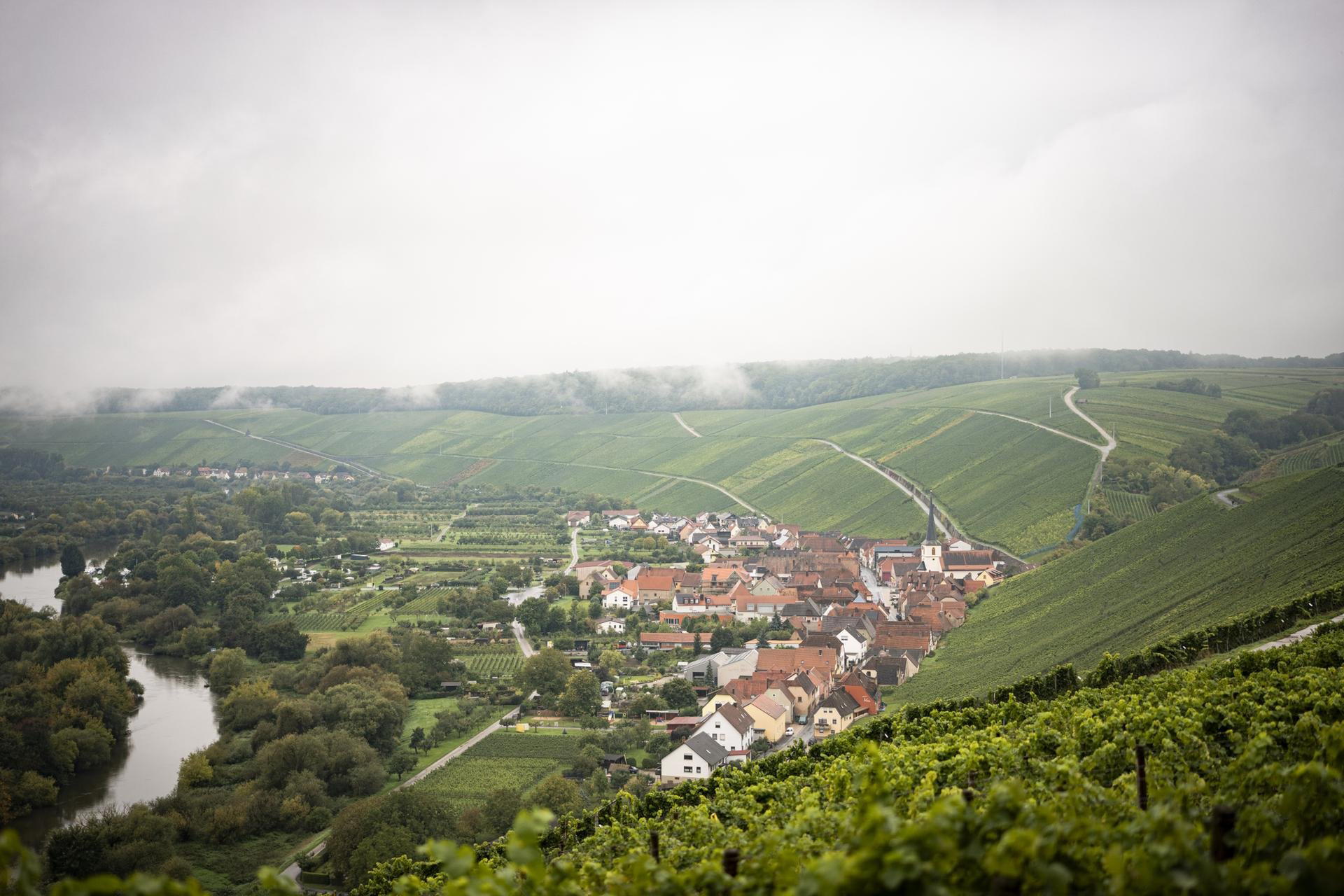
Wineries in Volkach
All wineries in Volkach →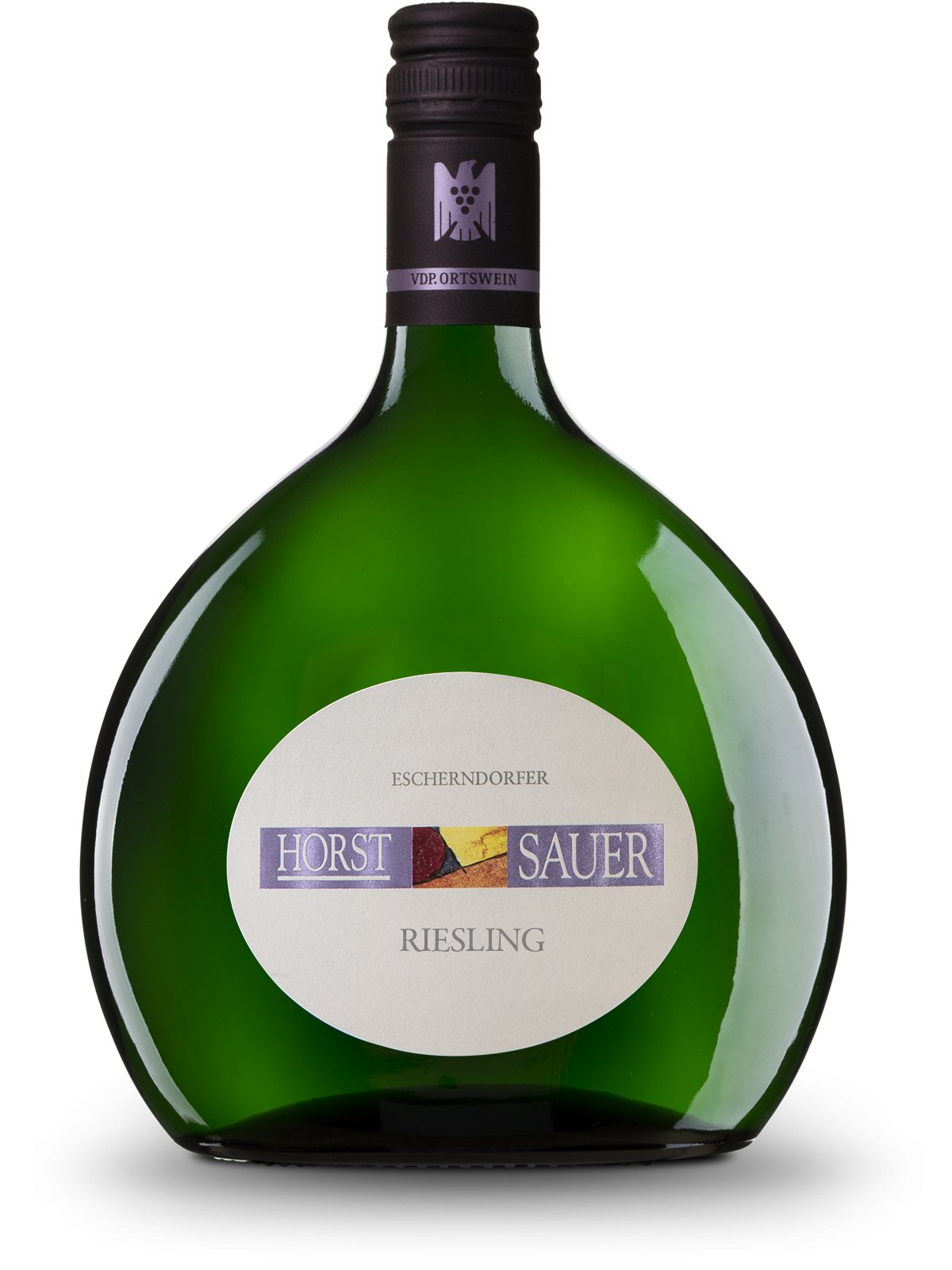

Bars in Volkach
Browse all →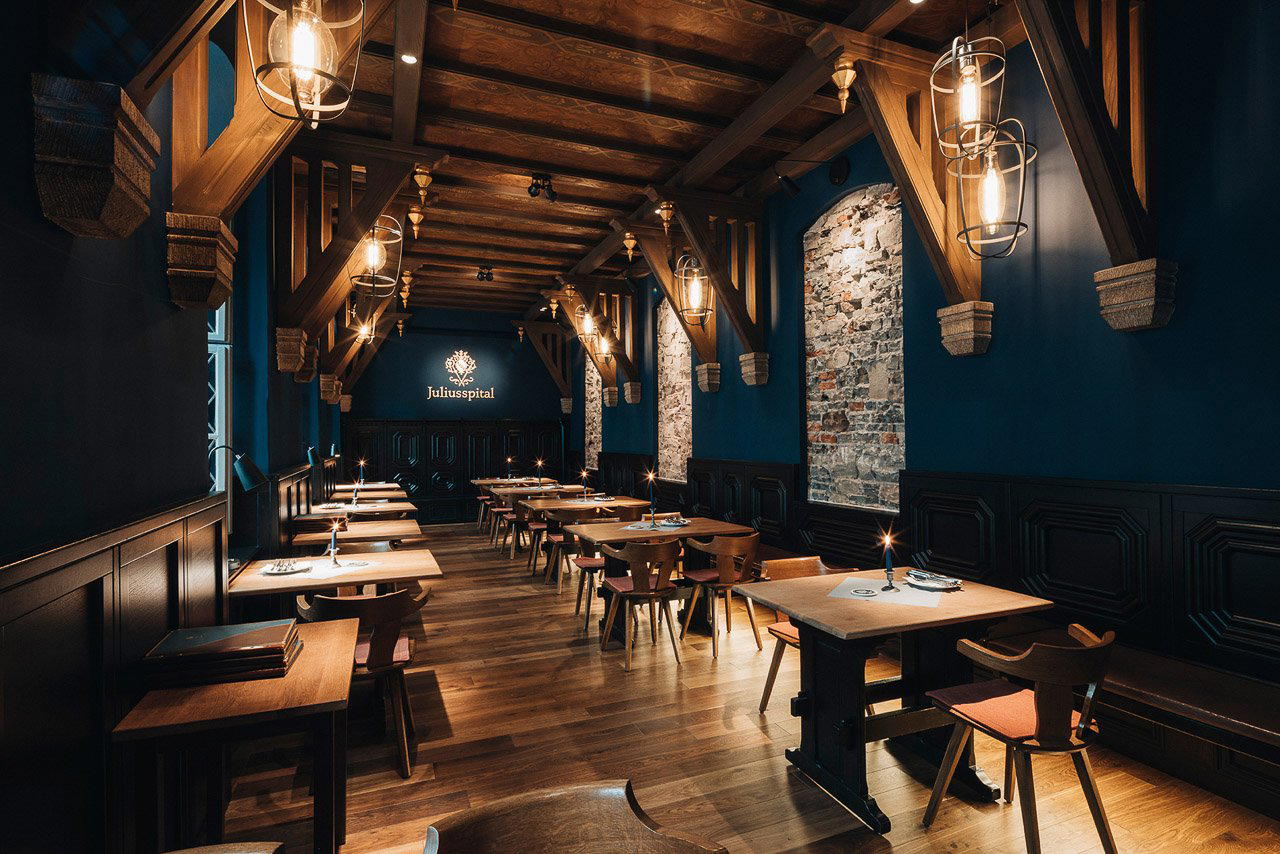
Details
- Rustic
- Scenic
- Classic
- Intimate
- Wine Education
- Solo Exploration
- Vineyard Tour
- Estate Grounds
- Sustainable
- Vineyard
- Silvaner
- Müller Thurgau
- Riesling
- Kerner
- Pinot Blanc
- Pinot Noir
- Domina
- Blauer Portugieser
- Still White
- Cave Tasting
- German
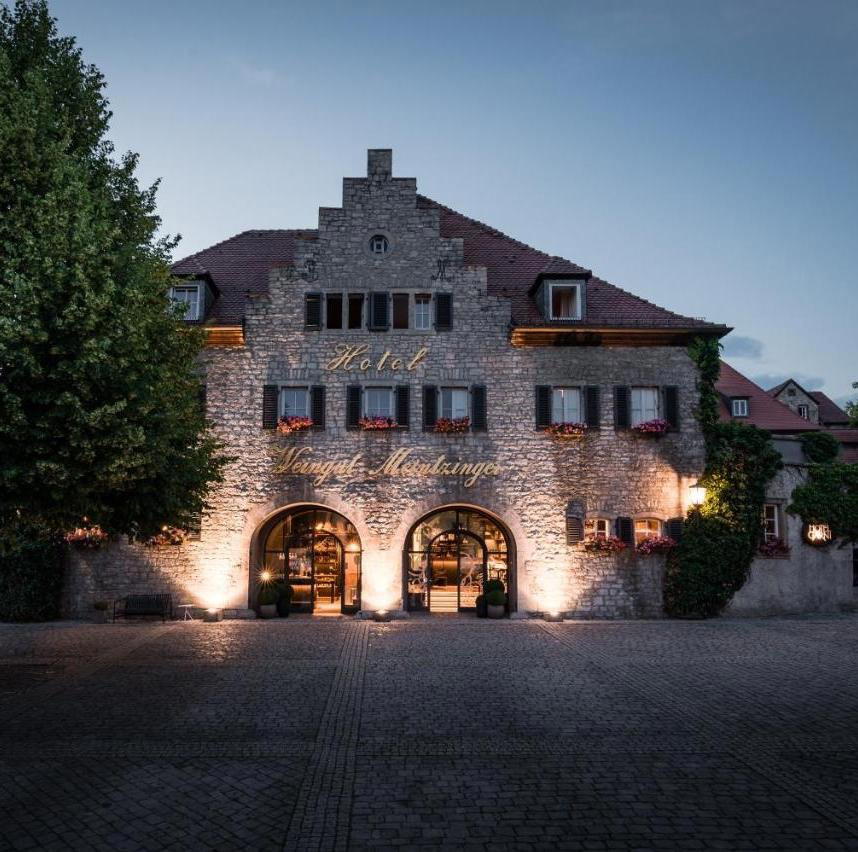
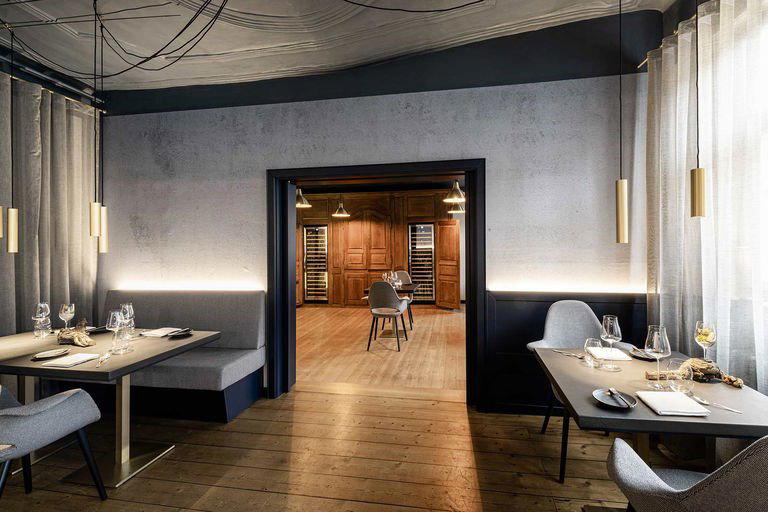
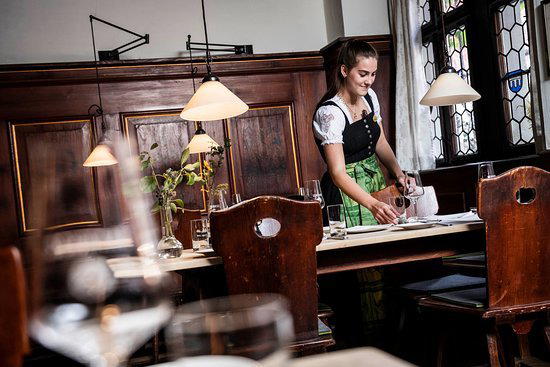
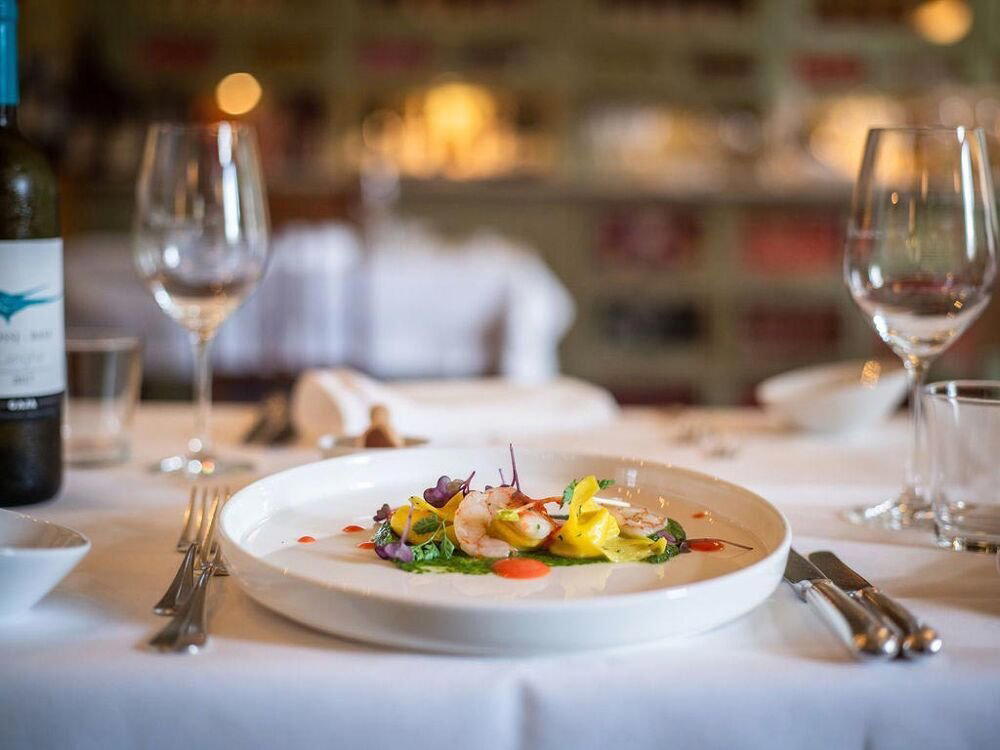
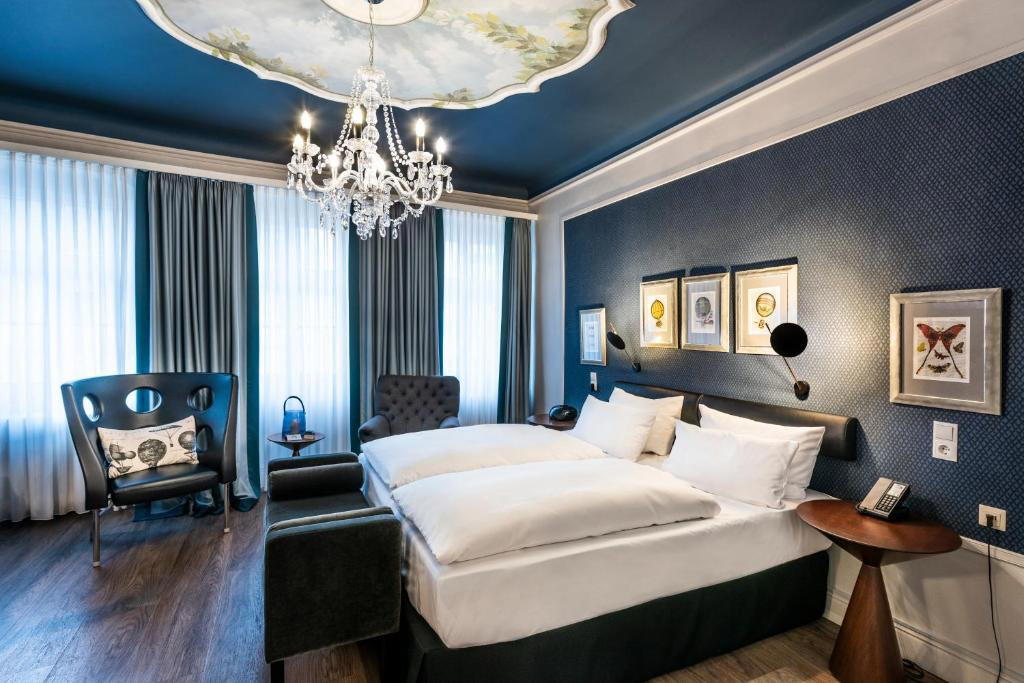
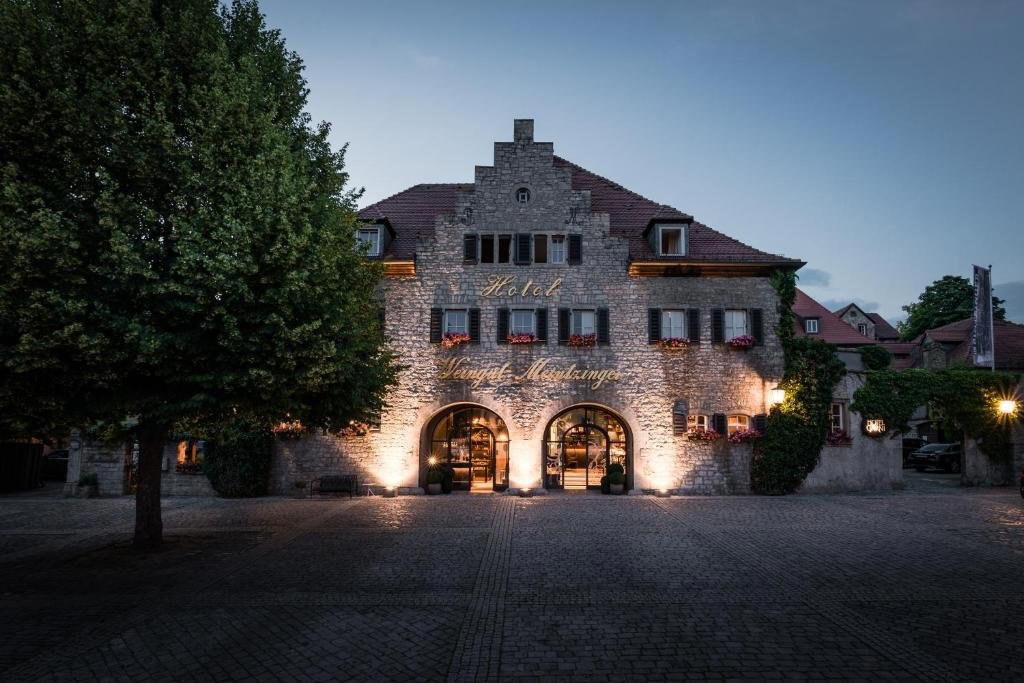
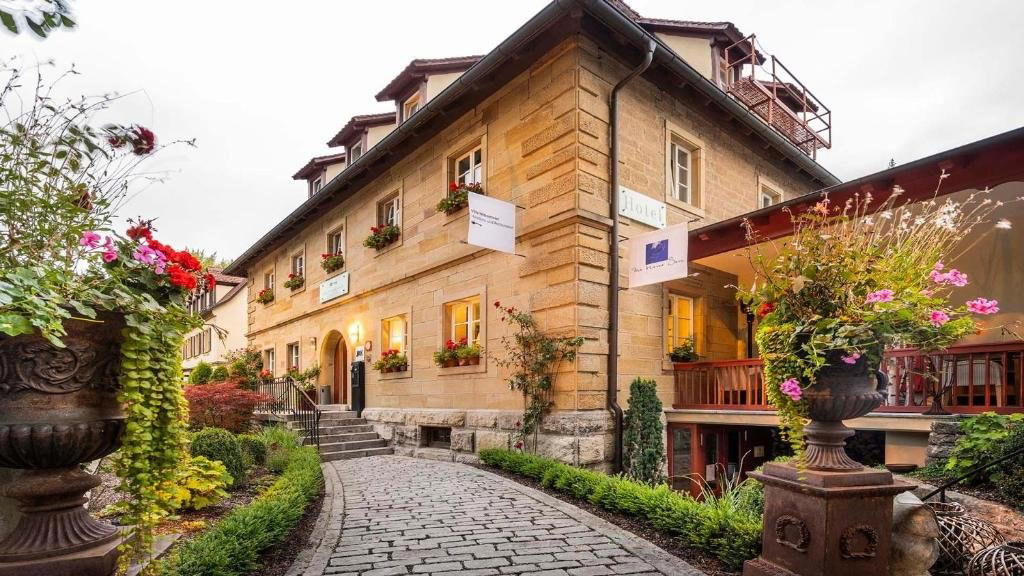
Clear, modest, and honest atmosphere in an authentically renovated winery surrounded by steep, sun-drenched vineyard slopes.