
1 Michelin Star
Our verdict
KUNO 1408 holds a Michelin star for the second consecutive year (2024 and 2025), placing it firmly within Würzburg's small tier of destination-grade creative restaurants. Book well ahead; tables at this level in Franconian cities move faster than the population size suggests.

Pearl is the En Primeur Club membership app, where members save venues, book tables and use the concierge.
Würzburg's Fine Dining Position
Franconia is wine country before it is restaurant country. The region's reputation rests on its Silvaner and Müller-Thurgau, on the sandstone cellars beneath the Marienberg fortress, and on a food culture that has historically kept its ambitions local and seasonal rather than reaching for international fine dining codes. That makes the emergence of a Michelin-starred creative kitchen in Würzburg's old town a more significant development than the single star might imply at first reading. Cities of Würzburg's size, roughly 130,000 residents, rarely sustain the kitchen talent and the dining-out habits that keep a destination restaurant viable year after year. KUNO 1408, which retained its Michelin star in both 2024 and 2025, is evidence that the city has crossed that threshold.
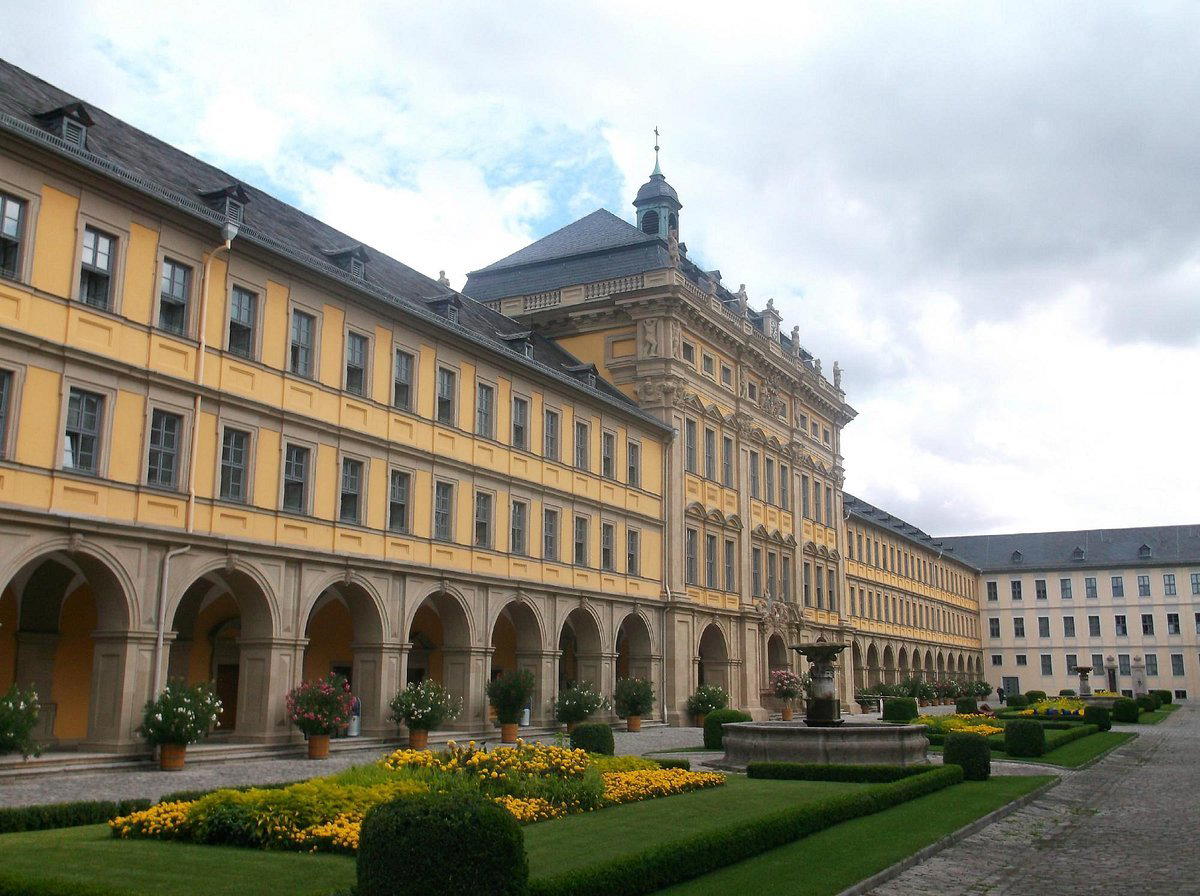
The address, Neubaustraße 7, sits within a short walk of the Residenz and the university quarter, an area that draws both academic visitors and the kind of heritage tourism that fills hotel beds but does not automatically fill €€€€ restaurant tables. The kitchen is producing food that gives people a reason to come back.
The Sourcing Logic Behind Creative Cooking in Franconia
Germany's creative fine dining tier has developed a broadly consistent sourcing vocabulary over the past decade: local farms named on the menu, regional forage seasons treated as calendar events, and a preference for produce that carries provenance detail rather than generic supplier categories. At the €€€€ level, this approach has moved from differentiator to baseline expectation. What separates the kitchens that execute it with conviction from those that deploy it as marketing language is the degree to which sourcing actually shapes the menu's structure, rather than decorating it.
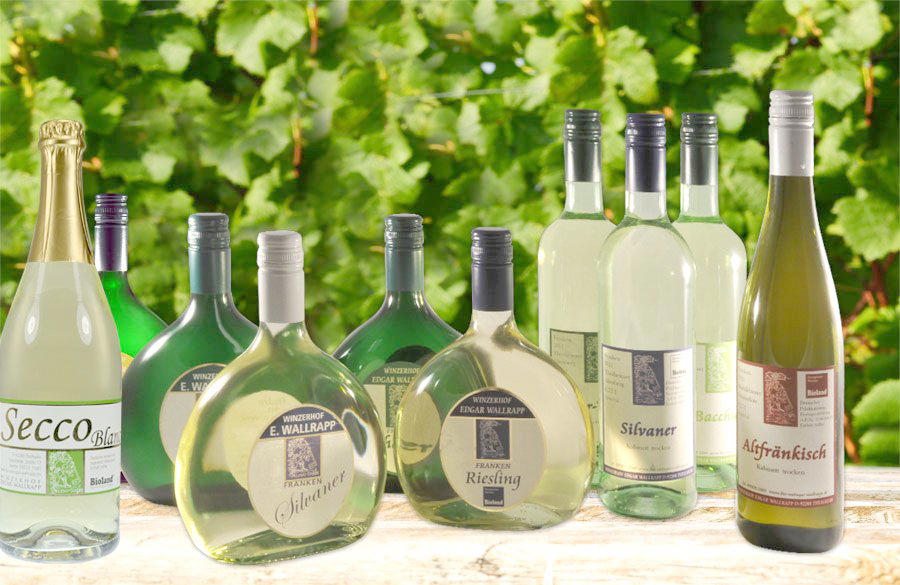
Franconia offers a specific set of ingredients worth understanding before arriving. The region produces carp, asparagus from the sandy soils around Schwabach and Frankenwald, wild herbs from the Steigerwald and Spessart forests, and a wine culture that intersects directly with the food. Silvaner in particular, Franconia's anchor variety, has an earthy, textural quality that pairs differently from the more aromatic German whites, and a kitchen serious about regional sourcing will use that relationship deliberately. Chef Jane Gleize operates within this Franconian context, and the creative menu format at KUNO 1408 provides the structure to treat those ingredients as the subject of the cooking rather than its backdrop.
In the broader German creative fine dining circuit, this approach has precedents at different scales. Arpège in Paris remains the reference point for vegetable-led fine dining that treats sourcing as the organising principle of an entire menu. Alléno Paris au Pavillon Ledoyen takes a different route, applying extraction and concentration techniques to French classical produce. Within Germany, Aqua in Wolfsburg operates at three Michelin stars with a creative menu that layers international reference points over German produce discipline. JAN in Munich and ES:SENZ in Grassau represent the southern German strand of ingredient-led creativity. KUNO 1408 occupies the one-star position in that hierarchy, which in practical terms means a menu built around craft and conviction rather than the multi-element showmanship that typically characterises two- and three-star creative cooking.
Reading the Menu Structure
Creative as a Michelin cuisine classification covers a wide operational range. At one end sit kitchens where the label means theatrical multi-course tasting menus with elaborate technique on every plate. At the other are restaurants where creativity is expressed through unexpected ingredient combinations or seasonal reinterpretation of classical structures. The distinction matters for managing expectations before you book.
Germany's one-star creative tier has tended toward the latter: focused menus where the technique serves the ingredient rather than demonstrating itself. Venues like Schanz in Piesport and Restaurant Haerlin in Hamburg illustrate how different the creative label can look in practice even within the same country and price band.
For a specific sense of where the cooking lands, CODA Dessert Dining in Berlin represents perhaps the most extreme interpretation of creative fine dining in Germany, where the entire menu is built around dessert logic applied to savoury courses. KUNO 1408 occupies more conventional creative territory, with Franconian produce as its organising material.
Würzburg's Broader Dining Context
Within Würzburg itself, KUNO 1408 sits at the top of the creative dining tier. MiZAR and Aifach Reisers represent the city's other serious dining options, with the latter taking a specifically seasonal approach to Franconian ingredients. The three restaurants together make Würzburg a more credible dining destination than its size would ordinarily support, and arriving with time to eat at more than one of them is a reasonable strategy for any visit focused on food.
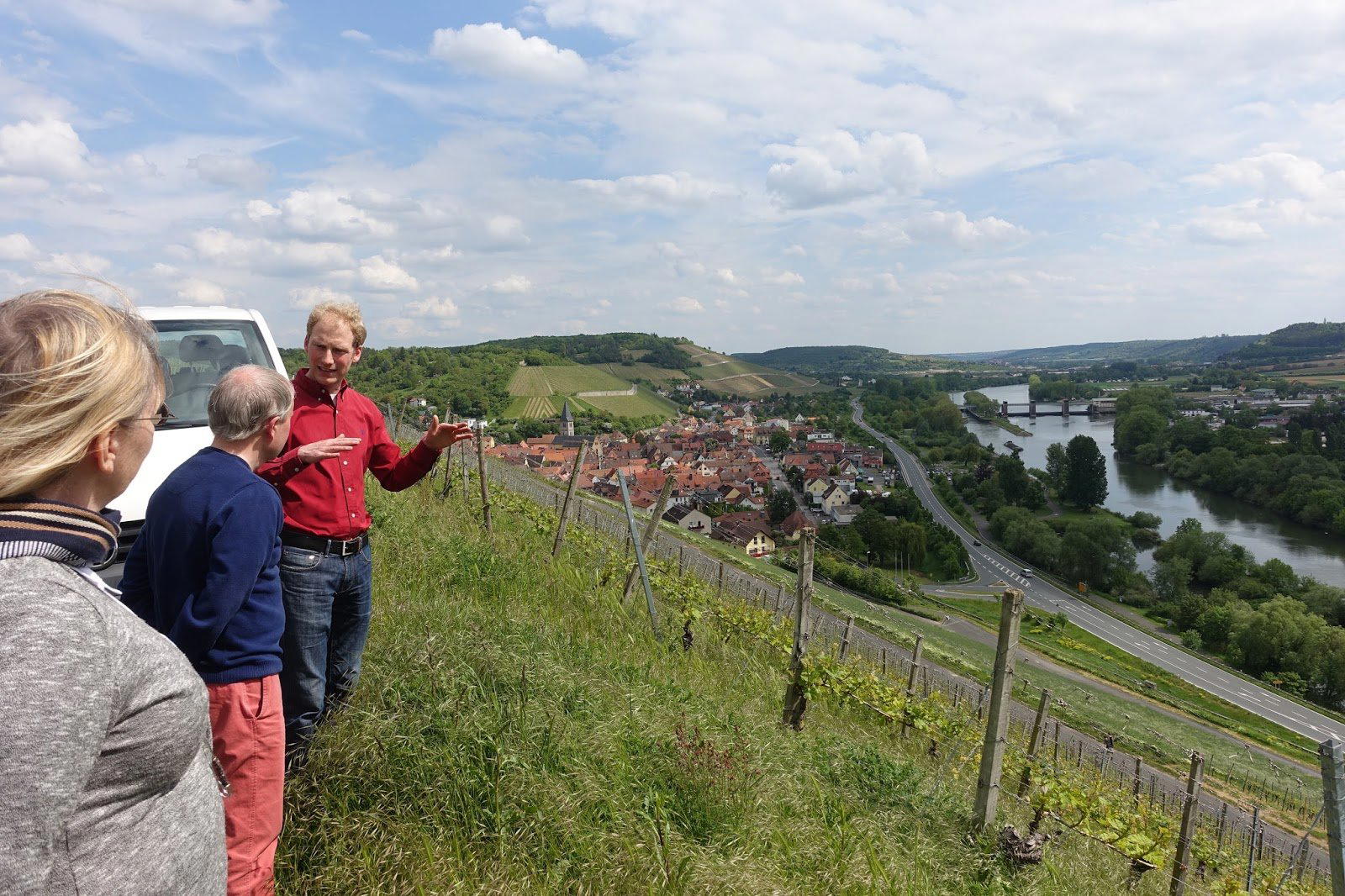
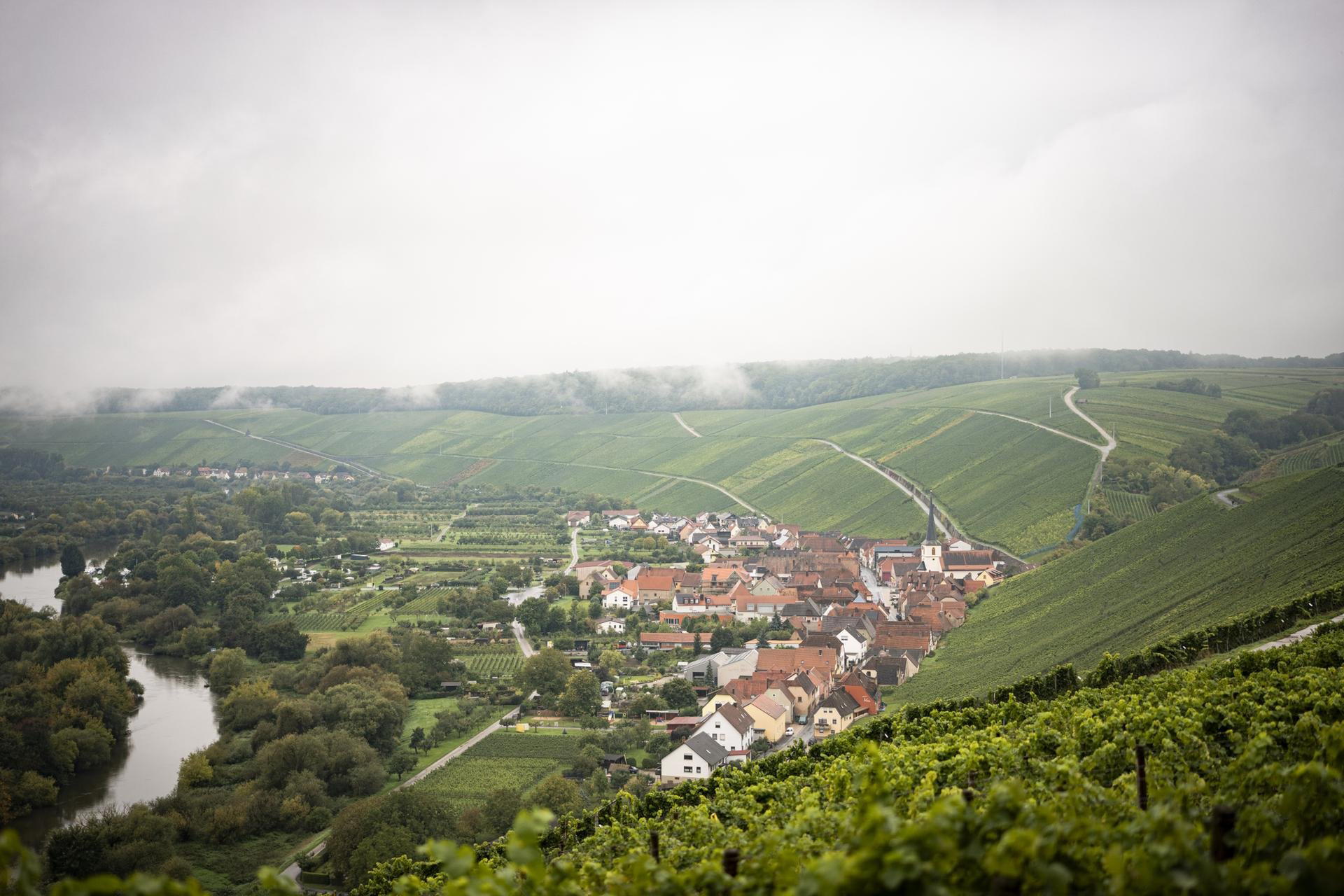
The city's wine culture reinforces this. Würzburg sits within the Franken wine region, one of Germany's most geographically concentrated appellations, and the cellar culture here is genuine rather than tourist-facing. A meal at KUNO 1408 fits logically into a broader day that includes a visit to one of the major wine estates in the surrounding Mainviereck or Maindreieck sub-regions. For a complete guide to the city's food, drink, and hospitality, see our full Würzburg restaurants guide, our full Würzburg wineries guide, our full Würzburg bars guide, our full Würzburg hotels guide, and our full Würzburg experiences guide.
At €€€€, KUNO 1408 prices against the upper tier of German fine dining rather than against local competition. That price point is standard for one-star creative kitchens in Germany: Victor's Fine Dining by Christian Bau in Perl and Vendôme in Bergisch Gladbach occupy higher award tiers at comparable or greater spend. Schwarzwaldstube in Baiersbronn holds three stars with a French classical orientation that places it in a different register entirely from KUNO 1408's creative approach. Calibrating the value proposition for KUNO 1408 means measuring it against what a one-star creative menu costs elsewhere in Germany, not against the broader Würzburg dining market.
The location in a mid-sized Franconian city also affects the competitive calculus. A two-Michelin-star restaurant requires a catchment area and international visitor flow that Würzburg's tourism base does not automatically supply. Operating at the one-star level allows a kitchen to remain ambitious without outpacing its market, and the two consecutive years of star retention suggest that balance is working.
Planning a Visit
KUNO 1408 is at Neubaustraße 7, in the historic centre of Würzburg, within walking distance of the main rail station and the Residenz UNESCO site. Würzburg is approximately two hours from Frankfurt by regional train, making it accessible as a day or overnight visit from the Rhine-Main corridor. Travellers combining KUNO 1408 with estate visits in the Franken wine region should plan for late spring through autumn, when both the produce calendar and the vineyard visits align most naturally.
What Regulars Order at KUNO 1408
In that context, the question of what regulars order is partly reframed: returning guests are typically choosing when to come, at what season, and whether to take a full or shorter menu sequence, rather than selecting individual dishes. The kitchen's Franconian sourcing base means that visits in asparagus season, in early autumn when the forest harvest peaks, or during carp season will each yield a materially different menu. For guests who have been before, timing the return around a specific seasonal window is the most substantive ordering decision available.
Frequently asked questions
Does KUNO 1408 have a Michelin star or similar recognition?
KUNO 1408 has received recognition including: Michelin 1 Star (2025); Michelin 1 Star (2024).
Who runs the kitchen at KUNO 1408?
The chef associated with KUNO 1408 is Jane Gleize.
What do regulars order at KUNO 1408?
KUNO 1408's Michelin classification as a creative kitchen points toward a kitchen-led tasting menu format rather than à la carte selection. Under chef Jane Gleize, the menu structure follows the kitchen's seasonal direction, meaning repeat visitors tend to follow the full tasting progression rather than ordering individual dishes. The €€€€ price range places it alongside other single-star German tasting menus where the set format is standard. For current menu details, contacting the restaurant directly or checking for updates at the time of booking is the reliable approach.
How much does it cost to eat at KUNO 1408?
Pricing at KUNO 1408 is listed as €€€€.
Budget and Context
| Venue | Cuisine | Price | Awards | Notes |
|---|---|---|---|---|
| KUNO 1408This venue (the venue you are viewing) | Modern Franconian Fine Dining | $150–200 | 1 Michelin Star | Not listed |
| Schwarzwaldstube | Modern French Fine Dining | $150–200 | 3 Michelin Stars · World's 50 Best #47 | French, Classic French |
| Aqua | Not listed | Not listed | Michelin 3 Star | Contemporary German, Italian/Japanese, Creative |
| CODA Dessert Dining | Dessert-Inspired Fine Dining | $200–300 | 2 Michelin Stars · World's 50 Best #79 | Creative |
| Tantris | Modern French, French Contemporary | Not listed | Michelin 2 Star | Not listed |
| Vendôme | Modern German Haute Cuisine | $200–300 | 2 Michelin Stars · World's 50 Best #47 | Modern European, Creative |
Recognition history
Dated appearances from independent guides and award organizations, with the underlying list record or original source where available.
Michelin 1 Star
Michelin
Full recognition history (3 entries)
Michelin 1 Star
Michelin
Michelin 1 Star
Michelin
Continue exploring
More in Würzburg
Restaurants in Würzburg
All restaurants in Würzburg →
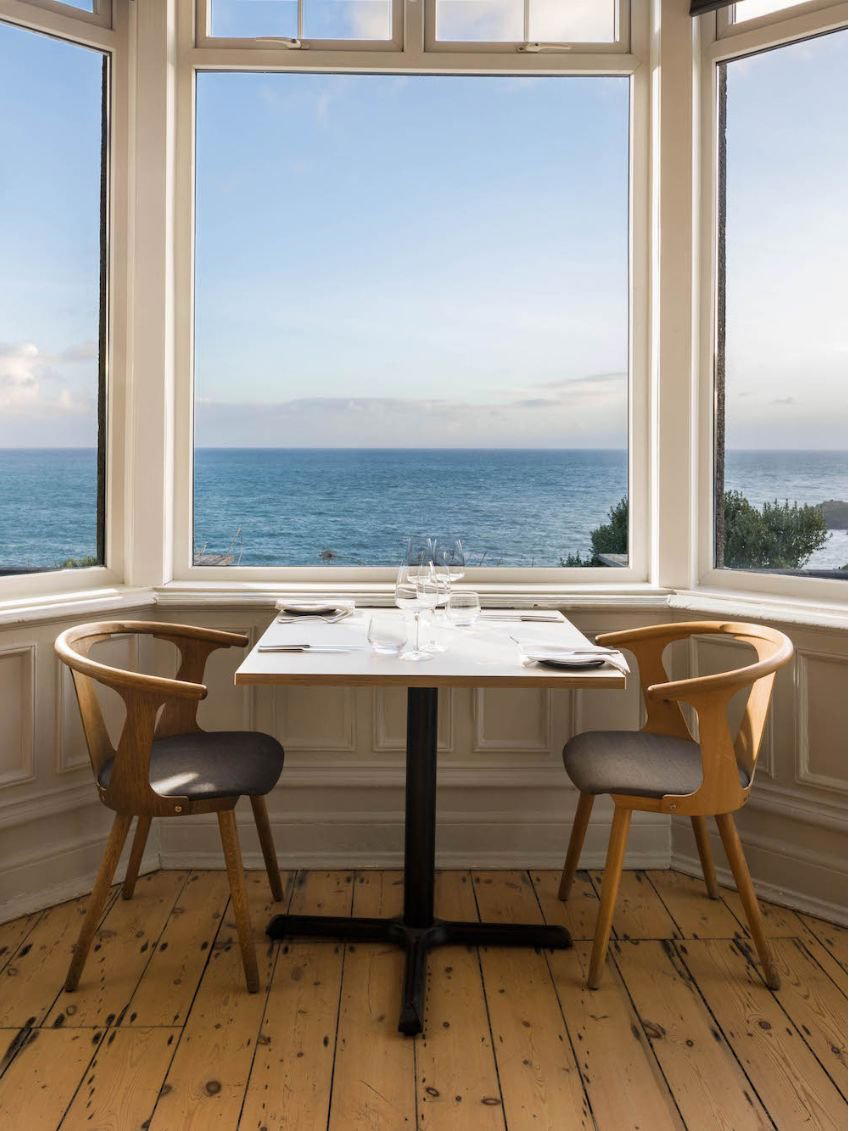
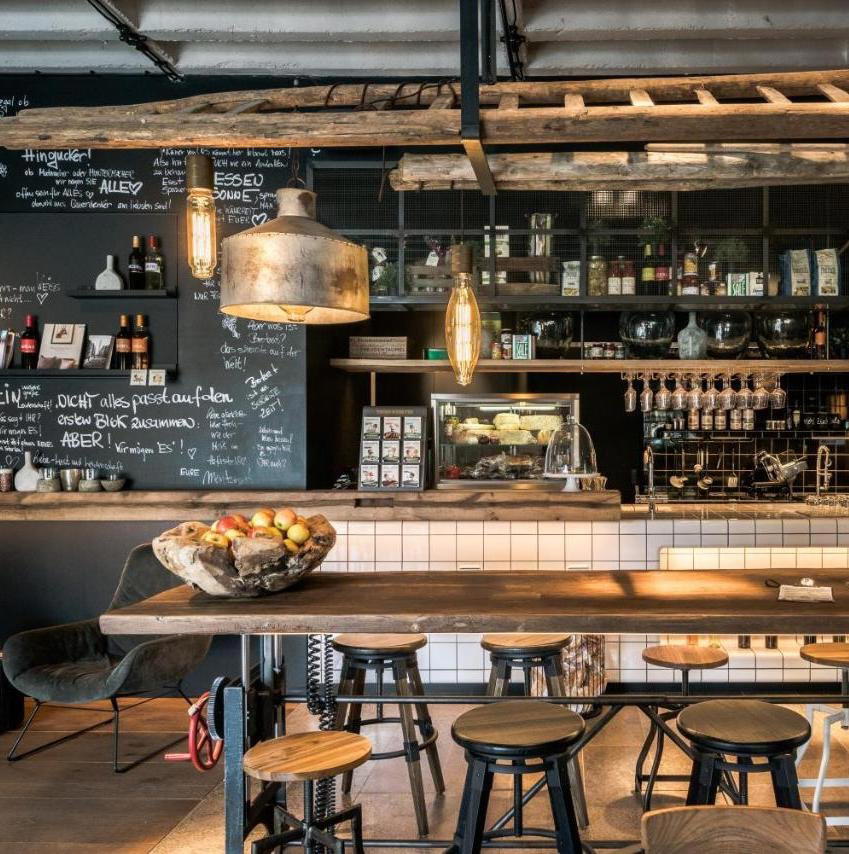
Bars in Würzburg
All bars in Würzburg →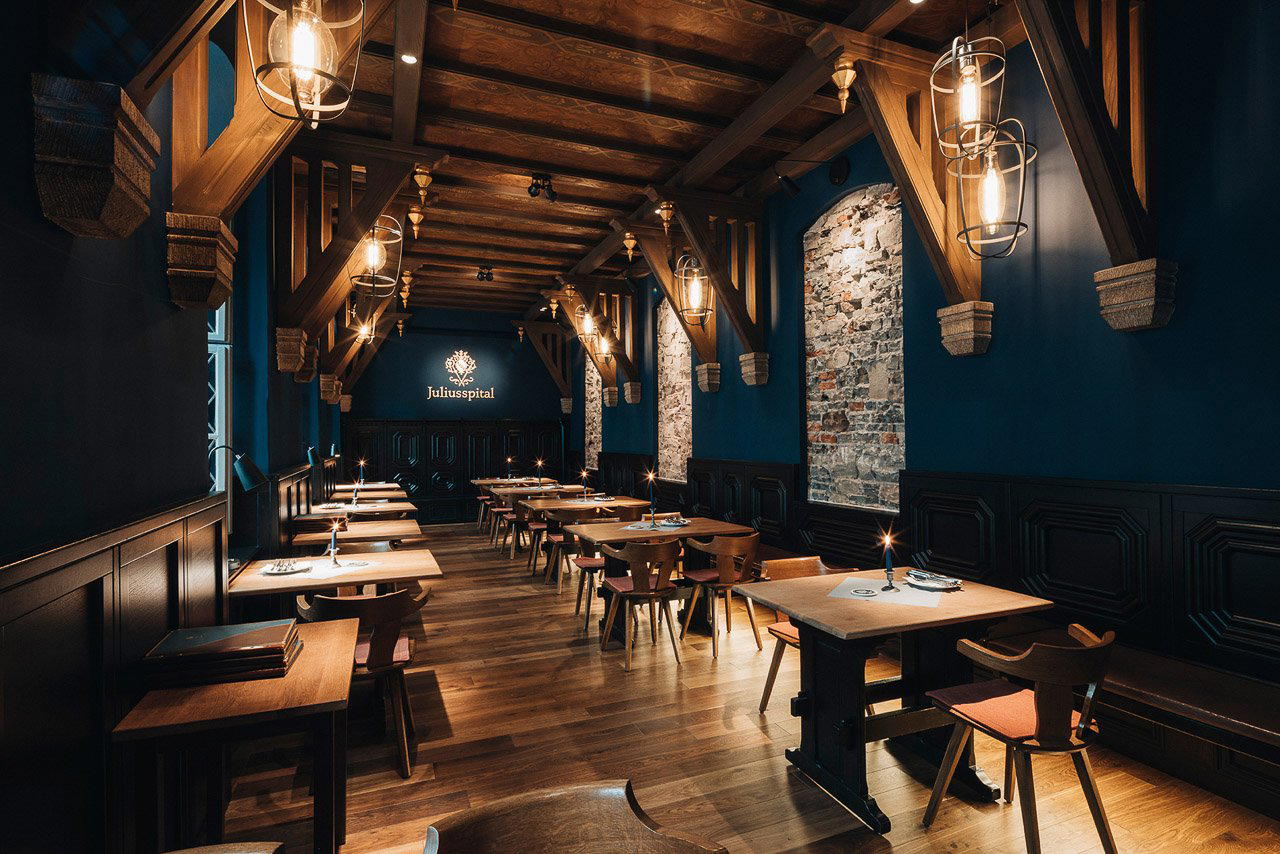
Hotels in Würzburg
All hotels in Würzburg →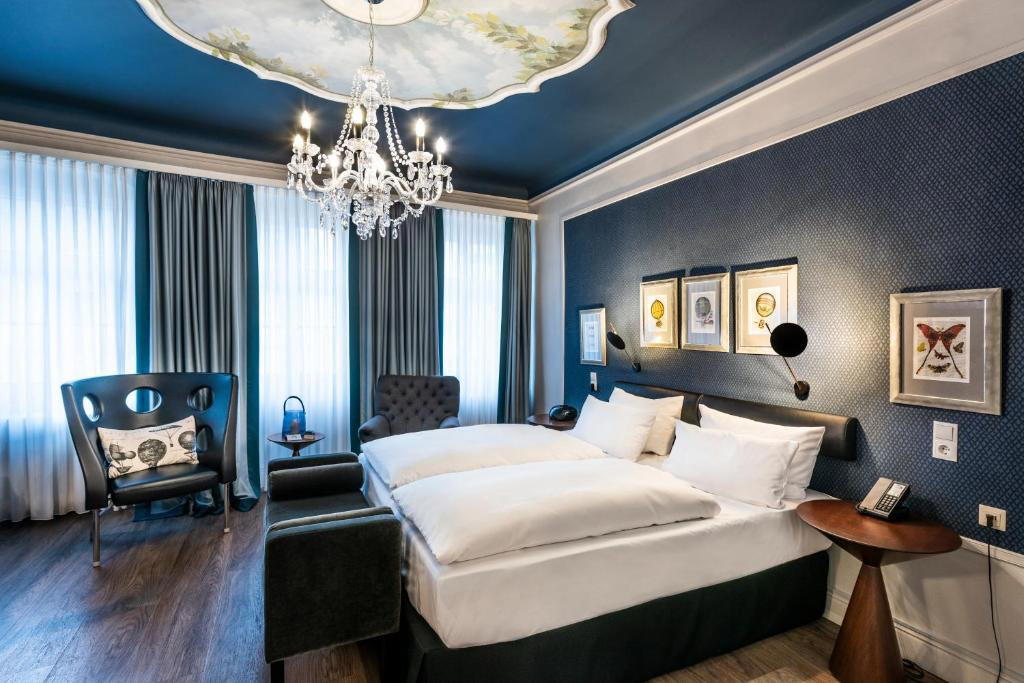
Details
- Elegant
- Modern
- Sophisticated
- Intimate
- Date Night
- Special Occasion
- Business Dinner
- Hotel Restaurant
- Extensive Wine List
- Local Sourcing
- Tasting Menu
- Set Menu
- Vegetarian Friendly
- Gluten Free Options
Current opening hours
- Monday
- Closed
- Tuesday
- Closed
- Wednesday
- 6–10 PM
- Thursday
- 6–10 PM
- Friday
- 6–10 PM
- Saturday
- 6–10 PM
- Sunday
- Closed
Hours can change for holidays and private events. Hours as of .
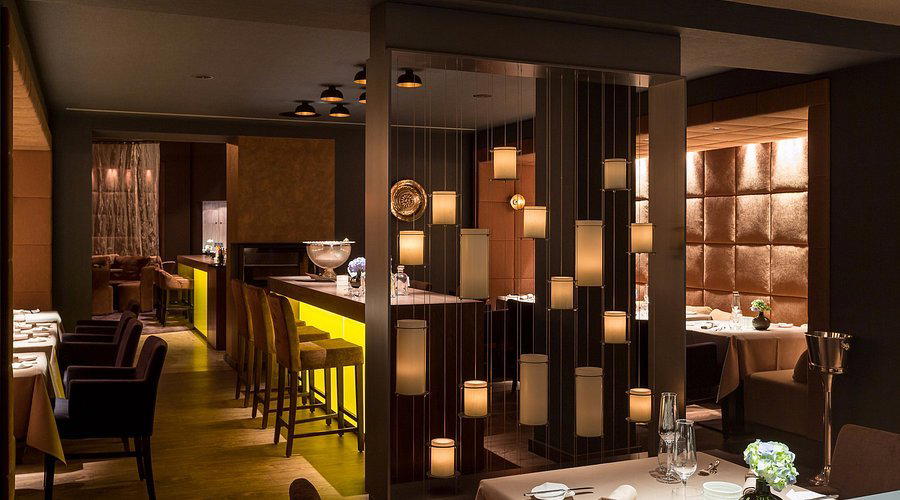
Modern elegant interior with warm earthy tones, chic armchairs, and designer lamps creating a sophisticated and relaxed atmosphere.