

Michelin Selected · Small Luxury Hotels of the World Member
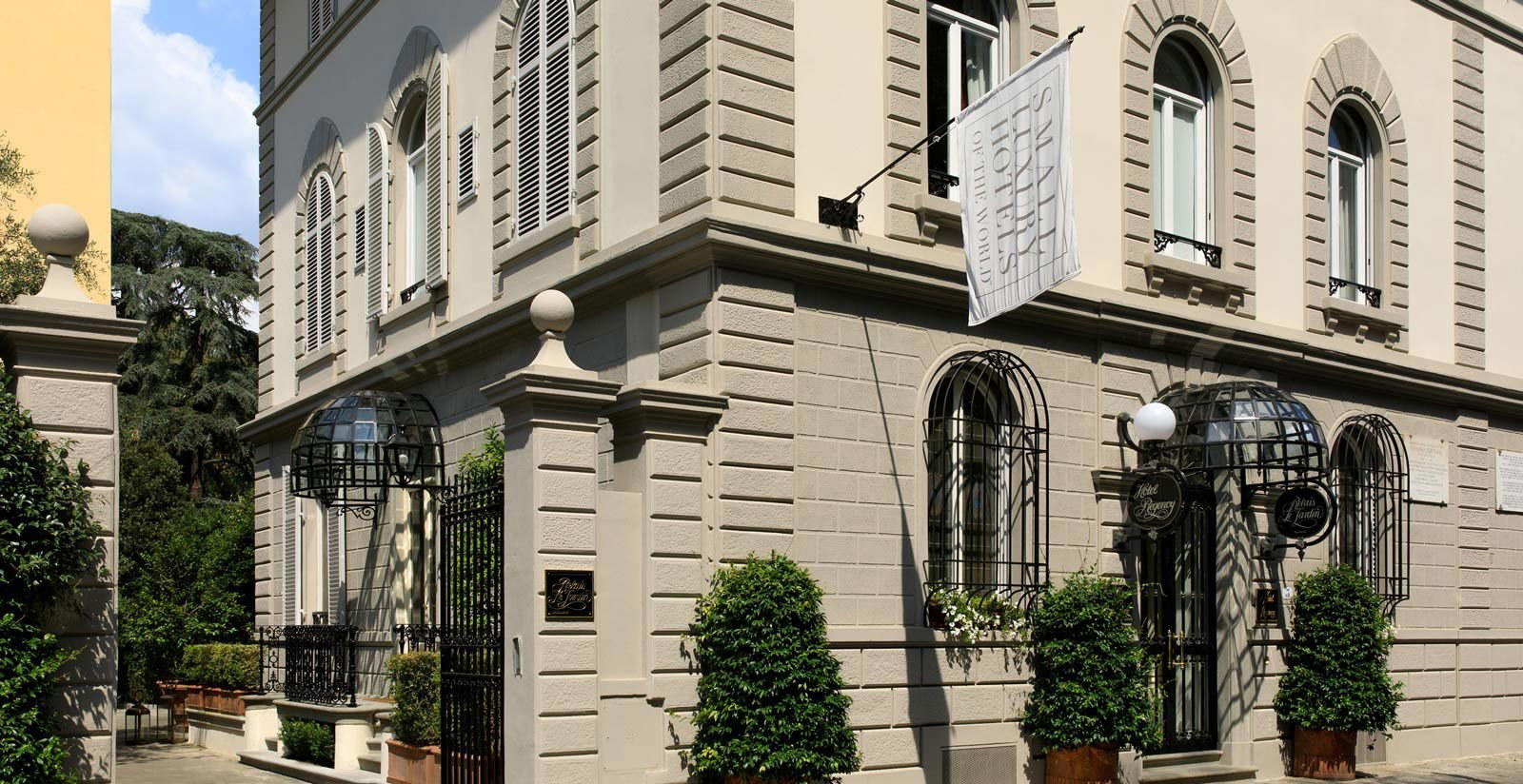
A 19th-century villa on Piazza Massimo d'Azeglio, Hotel Regency occupies one of Florence's more residential corners, removed from the centro storico crowds yet within easy reach of the Duomo and Sant'Ambrogio. Its history of hosting prominent Florentine figures gives it a particular civic weight that larger international-branded properties in the city do not replicate. A considered choice for travellers who want proximity to the monuments without the noise of them.

Pearl is the En Primeur Club membership app, where members save venues, book tables and use the concierge.
A Piazza That Sets Its Own Pace
Florence's hotel geography divides broadly between two poles: the cluster of international addresses around Piazza della Repubblica and the Arno, and a smaller set of historic villas that occupy the city's quieter residential quadrants. Hotel Regency belongs firmly to the second category. It sits on Piazza Massimo d'Azeglio in the Cure neighbourhood, a wide, tree-lined square that feels closer to a 19th-century Viennese park than to the foot-traffic of central Florence. Arriving here after the compressed streets of the centro storico is a recalibration, the pace slows, the scale opens, and the city's domestic character reasserts itself. For the traveller whose itinerary includes Sant'Ambrogio market, the Synagogue, or the less-visited eastern quadrant of the city, the address is genuinely practical as well as atmospheric.
Within Florence's premium hotel tier, this positioning is meaningful. Properties like the Four Seasons Hotel Firenze and the Palazzo Portinari Salviati Residenza D'Epoca operate on a grander scale, larger grounds, more extensive F&B programming, broader event infrastructure. Hotel Regency sits in a different competitive set: smaller, historically continuous, and defined less by amenity breadth than by the character of its building and its square. The Villa Cora, south of the Arno in its own gardens, offers a comparable logic of residential grandeur at a remove from the tourist core. The comparison is instructive, both properties trade on architecture and history rather than on international brand infrastructure.
What the Building Carries
The villa dates to the 19th century, and the historical record indicates it hosted a number of Florence's most prominent civic and cultural figures during that period. This is not incidental decoration. In a city where every palazzo has a claim to historical significance, sustained use by recognisable Florentine figures across multiple generations is a more credible credential than a single architectural moment. The building's continuity as a hospitality address since that period places it in a small group of Florentine properties, alongside the Brunelleschi Hotel and Hotel Lungarno, that have operated across multiple eras rather than being converted recently from other uses.
Across Italy, this pattern of long-operating historic properties recurs in cities where the built fabric is dense enough to support it. Aman Venice occupies a 16th-century palazzo on the Grand Canal; Castello di Reschio in Umbria similarly derives its identity from a centuries-long relationship with a single estate. Hotel Regency is a Florentine expression of the same logic: the building is the offer, and the service wraps around it rather than overriding it.
The Stay as Progression
Thinking about a stay at Hotel Regency as a sequence rather than a single transaction changes how the property reads. The arrival on the piazza is the first act, the visual shift from the city's compressed medieval fabric to an open, green-edged square. The villa's facade and the immediate quiet of the address set an expectation that the interior either sustains or breaks. Historic Florentine properties of this type tend to work in a consistent register: salons furnished with period pieces, a dining room that retains architectural formality, rooms that vary considerably in proportion depending on their position in the original floor plan.
The progression continues outward. Piazza Massimo d'Azeglio is walkable to the Duomo in under twenty minutes, and the Sant'Ambrogio neighbourhood, one of the city's more functional and less tourist-facing food markets, is a shorter distance still. For a stay structured around the city's museum circuit, the Accademia and Palazzo Medici Riccardi are in range on foot. The eastern approach to the city centre, passing through streets that carry more everyday Florentine commerce, gives the hotel's position an advantage that Arno-side addresses do not offer: a more legible sense of how Florence actually organises itself. Properties like Hotel Calimala and Ad Astra sit deeper in the historic centre, where access to monuments is immediate but the residential texture of the city is largely absent.
For travellers extending their Italian itinerary beyond Florence, Hotel Regency's address makes it a logical first or last stop. The drive south to Rosewood Castiglion Del Bosco in Montalcino covers under two hours; Villa La Massa is a short transfer along the Arno. Those moving toward the coast might continue to Il Pellicano in Porto Ercole, while an itinerary that loops through Emilia-Romagna could include a stop at Casa Maria Luigia in Modena. Hotel Regency, as a city property with a long operating history and a residential feel, functions well as a base from which these longer routes depart.
Planning a Stay
The hotel's address at Piazza Massimo d'Azeglio, 3 places it roughly equidistant between Santa Maria Novella station and the Campo di Marte station, both accessible by taxi in under ten minutes, with Campo di Marte the closer option for arrivals from the east. Florence's ZTL restricted traffic zone covers most of the historic centre, so guests arriving by car should confirm the hotel's access and parking arrangements directly. The piazza itself is outside the most congested tourist corridors, which makes drop-off and departure considerably simpler than at properties on or near Piazza della Repubblica. Booking timelines for quality Florentine hotels during spring (April to June) and autumn (September to October) peak periods typically run two to three months ahead; the shoulder months of November and early March offer more flexibility and often more atmospheric conditions for exploring the city on foot.
For broader comparison across Florence's premium hotel range, the EP Club Florence guide covers the full set, from the Four Seasons Hotel Firenze to smaller independent addresses. Travellers considering this style of historic Italian property elsewhere in the peninsula might also look at Borgo Egnazia in Puglia, Borgo Santandrea on the Amalfi Coast, or Bulgari Hotel Roma for a more contemporary interpretation of the same premise in the capital.
Budget and Context
Comparable venues nearby, for context on price, style, and recognition.
| Venue | Price | Awards | Notes |
|---|---|---|---|
| Hotel RegencyThis venue (the venue you are viewing) | $300–500 | Michelin Selected · Small Luxury Hotels of the World Member | Not listed |
| Hotel Milu | $100–200 | Michelin Selected | Santo Spirito, Contemporary boutique hotel blending 14th-century Florentine architecture with modern minimalist design and curated art installations. |
| Velona's Jungle Luxury Suites | Not listed | 1 Michelin Key | San Jacopino, Luxurious jungle-themed boutique B&B in a historic building with Art Deco architecture. |
| La Gemma | Not listed | Michelin Selected · Mr & Mrs Smith Seal of Approval | Santo Spirito, 19th-century palazzo with modern Italian hospitality |
| Gallery Hotel Art | $300–500 | Michelin Selected · Mr & Mrs Smith Seal of Approval | Santo Spirito, Contemporary design boutique hotel owned by Salvatore Ferragamo, blending high couture sensibility with modern hospitality efficiency. |
| Leone Blu Suites | $300–500 | Michelin Selected | Santo Spirito, Boutique luxury palazzo hotel emphasizing heritage and exclusivity with contemporary design integration. |
Recognition history
Dated appearances from independent guides and award organizations, with the underlying list record or original source where available.
Michelin Selected
Michelin
Small Luxury Hotels of the World Member
Small Luxury Hotels of the World
Continue exploring
More in Florence
Hotels in Florence
All hotels in Florence →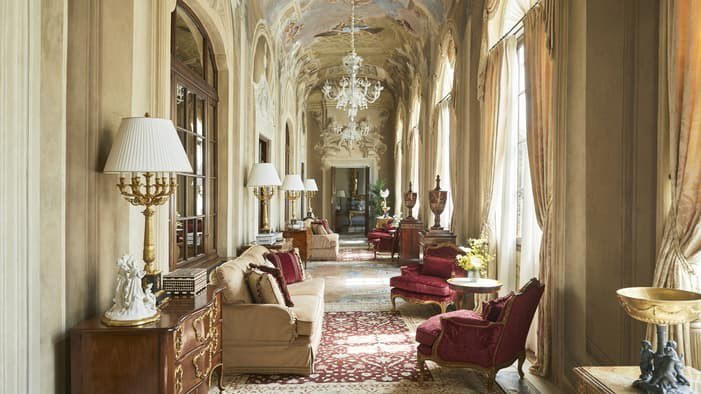
Bars in Florence
All bars in Florence →
Restaurants in Florence
All restaurants in Florence →

Details
- Elegant
- Quiet
- Classic
- Romantic
- Sophisticated
- Romantic Getaway
- Anniversary
- Honeymoon
- Garden
- Terrace
- Historic Building
- Wi Fi
- Room Service
- Concierge
- Garden
- Elevator
- Laundry Service
- Valet Parking
- Airport Transfer
- Garden
- Street Scene
- Elevator
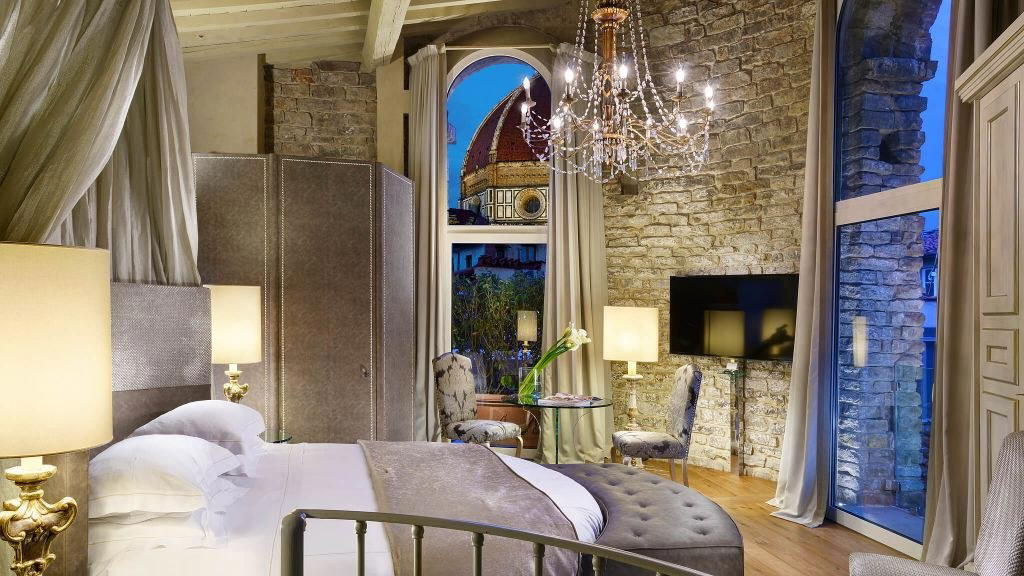
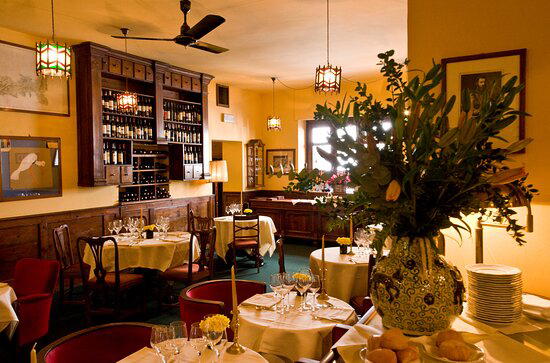
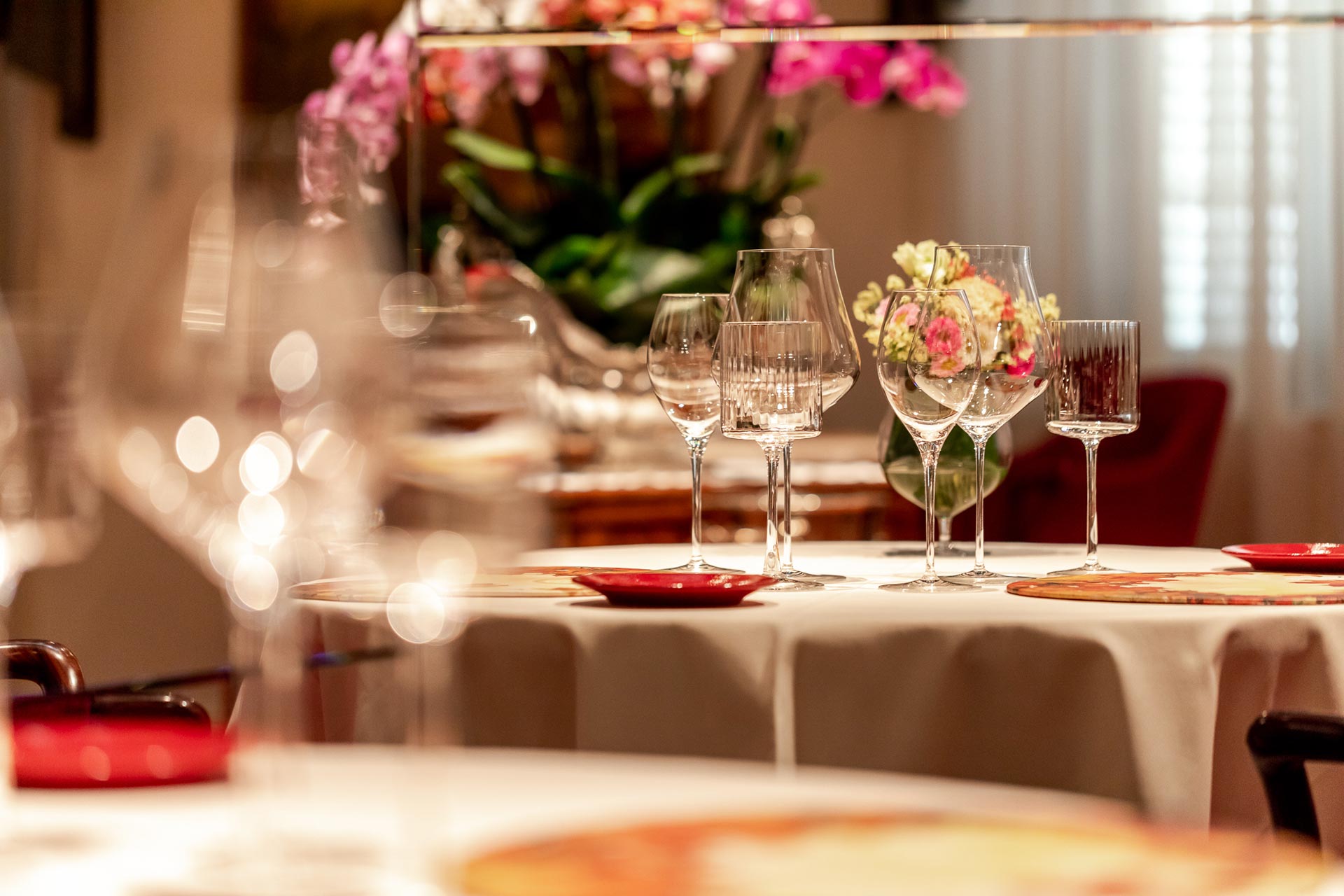
Calming and refined atmosphere with tasteful curation, modern indirect lighting, and a quiet environment enhanced by the garden views.