Trastevere sits on Borgo Pio, one of Rome's oldest inhabited streets, threading together centuries of neighbourhood life within the city's most storied riverside quarter. The district has long attracted artists, pilgrims, and long-term expatriates drawn by its medieval street pattern and relative remove from the centro storico's tourist circuits. For visitors to Rome seeking texture over convenience, Trastevere remains the city's most consistently characterful base.
Pearl is the En Primeur Club membership app — saves, bookings, and concierge access live there. Same editors, same standards.
- Address
- Borgo Pio, 42, 00193 Roma RM, Italy
- Directions
- Get directions
 Saves & bookings on Pearl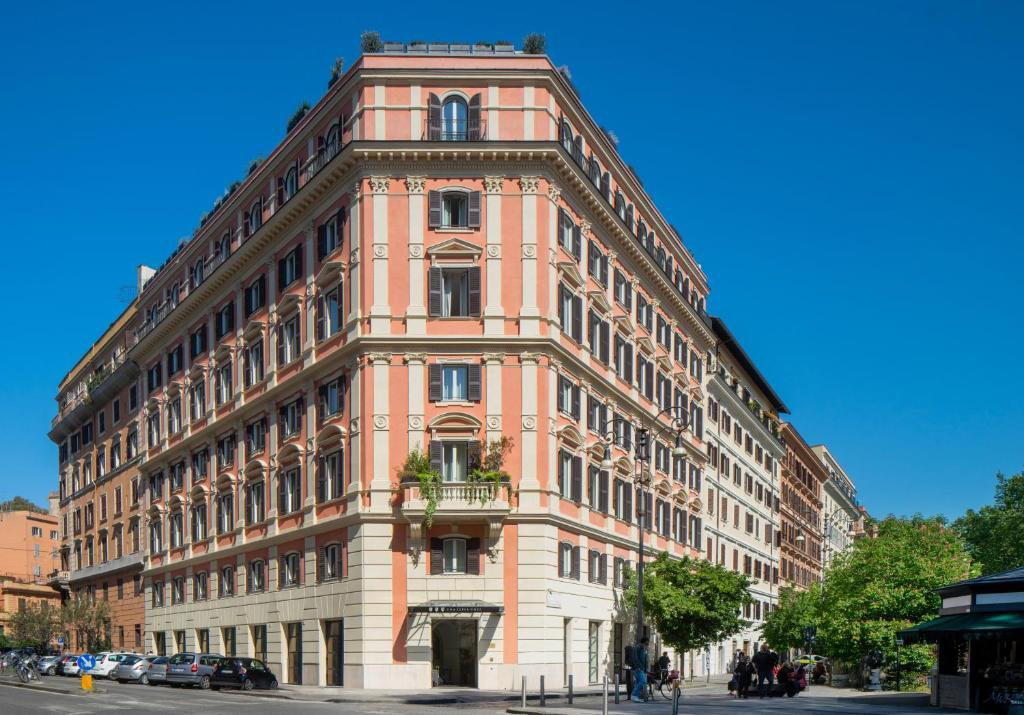
A Street That Predates the City It Serves
Borgo Pio does not announce itself. The street runs parallel to the colonnade of St Peter's, cut off from the Vatican's ceremonial axis by a wall that has divided this sliver of Rome from its neighbours for centuries. Walking its length in the early morning, before the day-trippers arrive from the other side of the Tiber, gives a different reading of Rome than almost any other approach to the city: the scale is medieval, the stone underfoot worn smooth, the buildings pressing close enough that the sky narrows to a strip above. Trastevere, at Borgo Pio 42, is a 4-star hotel in Rome.
The district of Trastevere itself occupies the west bank of the Tiber, and its name means precisely that: across the Tiber. Administratively, Borgo Pio falls within the Rione Borgo, immediately north of Trastevere proper, but the two neighbourhoods share a common civic identity shaped by centuries of proximity to the Vatican and a residential population that has historically been less mobile than those of other Roman rioni. Medieval guilds, the households of Vatican employees, and successive waves of working-class families have all left a physical imprint that tourist development has compressed but not erased.
The Heritage of Borgo Pio
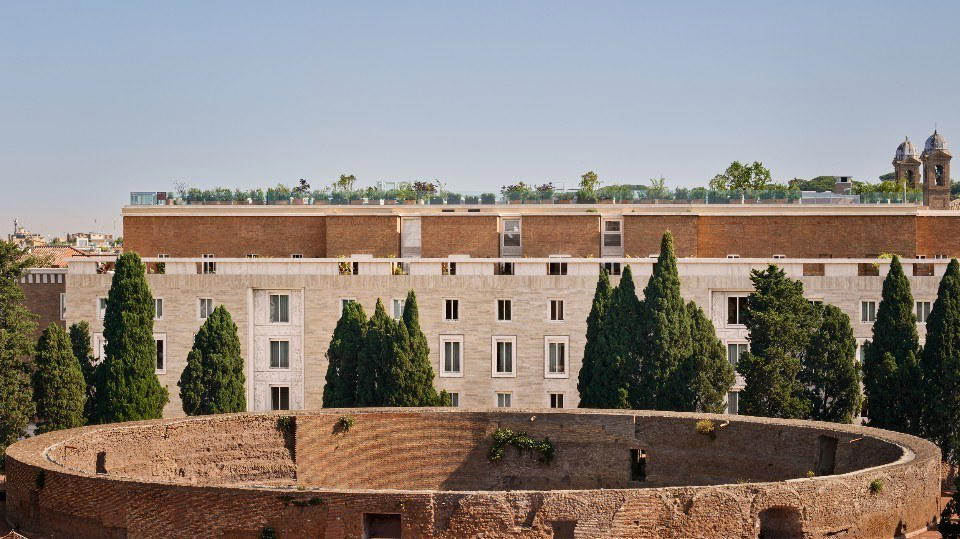
Borgo Pio takes its name from Pope Pius IV, who commissioned the street in the sixteenth century as part of a broader urban reorganisation of the area around Castel Sant'Angelo. The borgate, the dense residential blocks that line either side, date from this period, though many facades conceal structures older still. The Passetto di Borgo, the refined corridor that allowed popes to move between the Vatican and Castel Sant'Angelo in times of siege, runs directly above the street's roofline. That physical layer of papal history is not incidental decoration; it structured the daily life of everyone who lived and worked on the street below for several hundred years.
This is the kind of historical density that Rome's more celebrated neighbourhoods, places like the centro storico around the Pantheon, can no longer offer at street level. Gentrification has been slower and less systematic in Borgo than in some other central rioni, partly because the street's orientation toward the Vatican made it a service neighbourhood rather than a residential showpiece. The result is an address that carries genuine historical weight without the museification that accompanies higher-profile Roman locations. Properties here are positioned inside a neighbourhood argument about authenticity rather than simply within proximity to a monument.
Rome's Neighbourhood Structure and Where Trastevere Sits
Rome's premium property and hospitality offer has traditionally concentrated in a handful of zones: the area around the Spanish Steps, the stretch between Via Veneto and the Villa Borghese, and increasingly the Monti and Prati districts. Trastevere and Borgo have functioned as the more lived-in counterpart to those districts, drawing visitors who want the experience of a neighbourhood that still operates as one rather than the adjacency to a landmark that defines places like Via Condotti.
For those looking at where Rome's hotel offer has evolved in recent years, the contrast is instructive. Properties like Bulgari Hotel Roma, Hotel Vilòn, JK Place Roma, Hassler Roma, and Hotel Eden occupy the upper tier of Rome's formal luxury market, with positions near or on the established luxury axes of the city. Properties in Borgo and Trastevere tend to attract a different type of visitor: one who prioritises neighbourhood texture over brand adjacency and is comfortable with a slightly longer walk to the city's main commercial corridors. Hotel Locarno, Maalot Roma, and Portrait Roma each represent different points on Rome's mid-to-upper hospitality spectrum, and the choice between them encodes a preference about what kind of Roman experience the visitor is actually after.
The Italian Context: Placing Rome in the Wider Picture
Rome is a different argument for Italy than Venice or Florence or the Amalfi coast, and the choice of neighbourhood within Rome sharpens that argument further. Visitors who want to understand what Italy's hospitality offer looks like at its widest range might compare Aman Venice in Venice or Four Seasons Hotel Firenze in Florence with what Rome's less formal zones provide. The scale is different, as are the terms on which the city presents itself to guests.
Know Before You Go
Where It Fits
Comparable venues nearby, for context on price, style, and recognition.
| Venue | Cuisine | Price | Awards | Notes |
|---|---|---|---|---|
| TrastevereThis venue — the venue you are viewing | Historic convent transformed into elegant boutique hotel | $$$ | 4-Star | Not listed |
| Hotel Viminale | Refined historic hotel blending timeless elegance with contemporary design. | $$$ | 4-Star | Monti |
| Hotel Pulitzer Roma | Contemporary design hotel with classic Italian influences positioned as ideal for business travelers and families. | $$$ | 4-Star | Ostiense |
| Hotel San Anselmo | Restored fin de siècle villa with eclectic baroque-contemporary fusion | $$$ | 4-Star | Ripa |
| Leon's Place | Restored 19th-century palazzo with neo-gothic Venetian influences | $$$ | 4-Star | Castro Pretorio |
| Room Mate Filippo | contemporary boutique with classic Roman influences | $$$ | 4-Star | Colonna |
Continue exploring
More in Rome
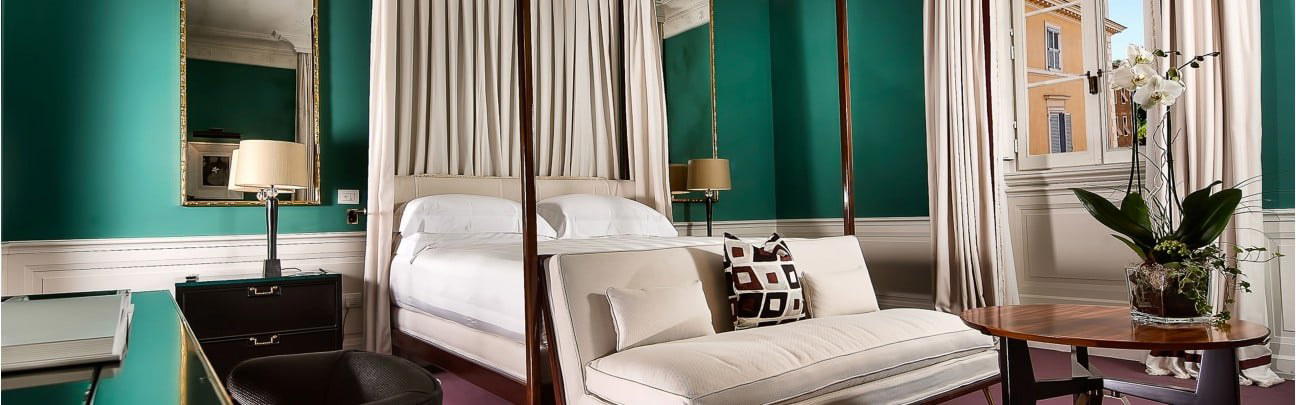
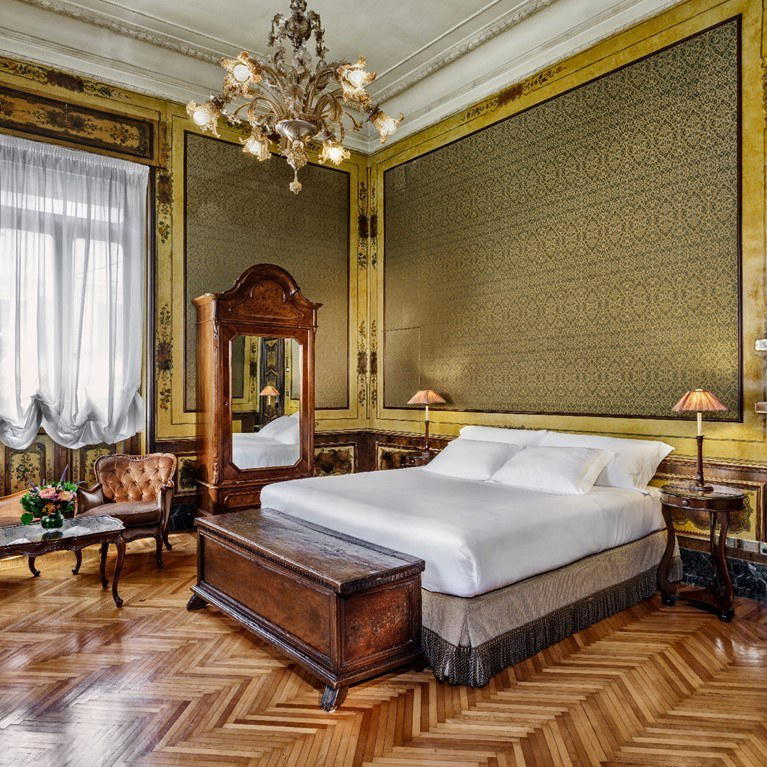
Hotels in Rome
Browse all →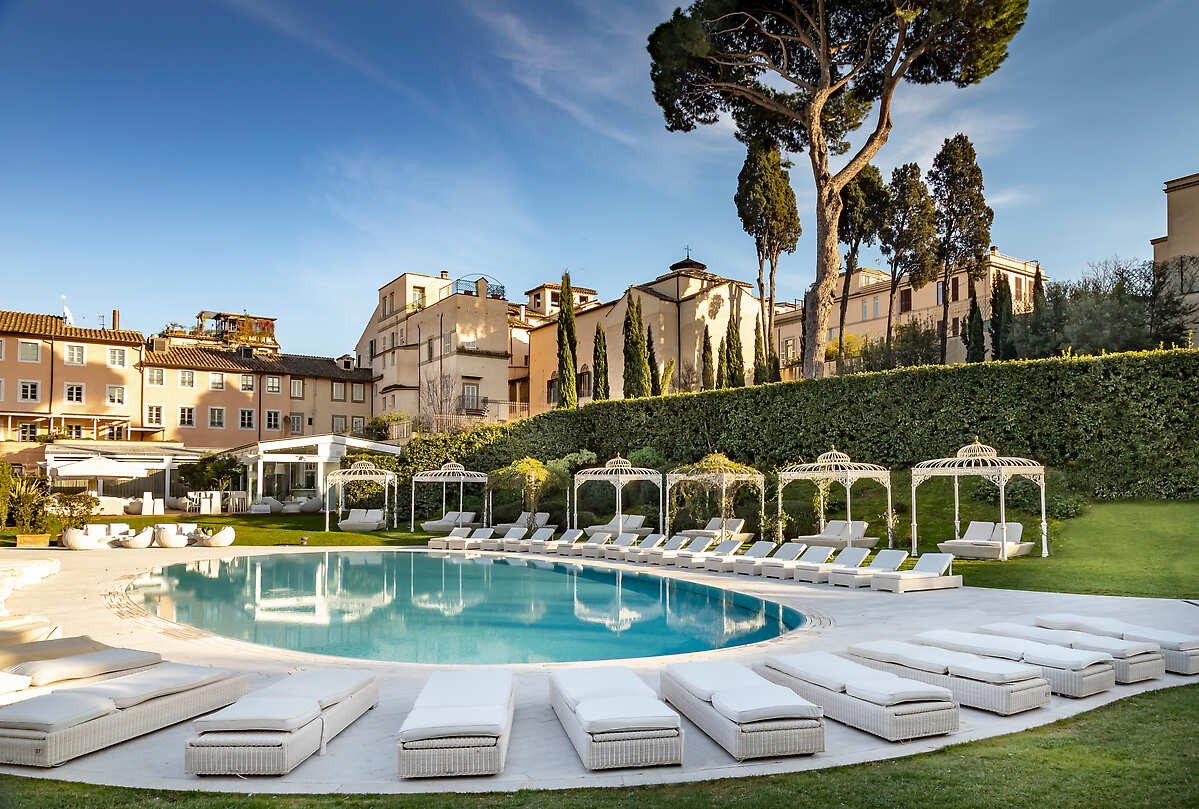
Bars in Rome
Browse all →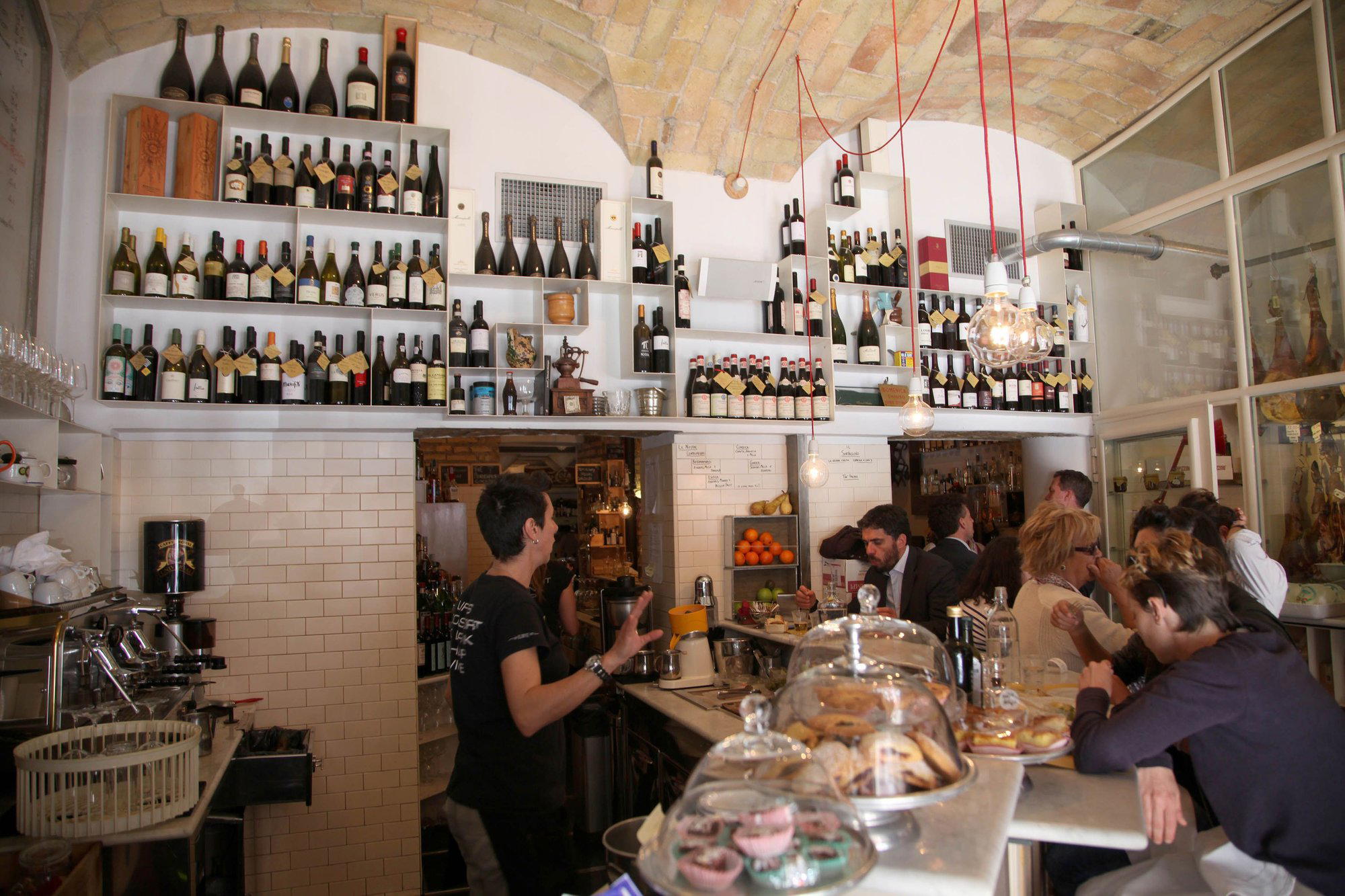
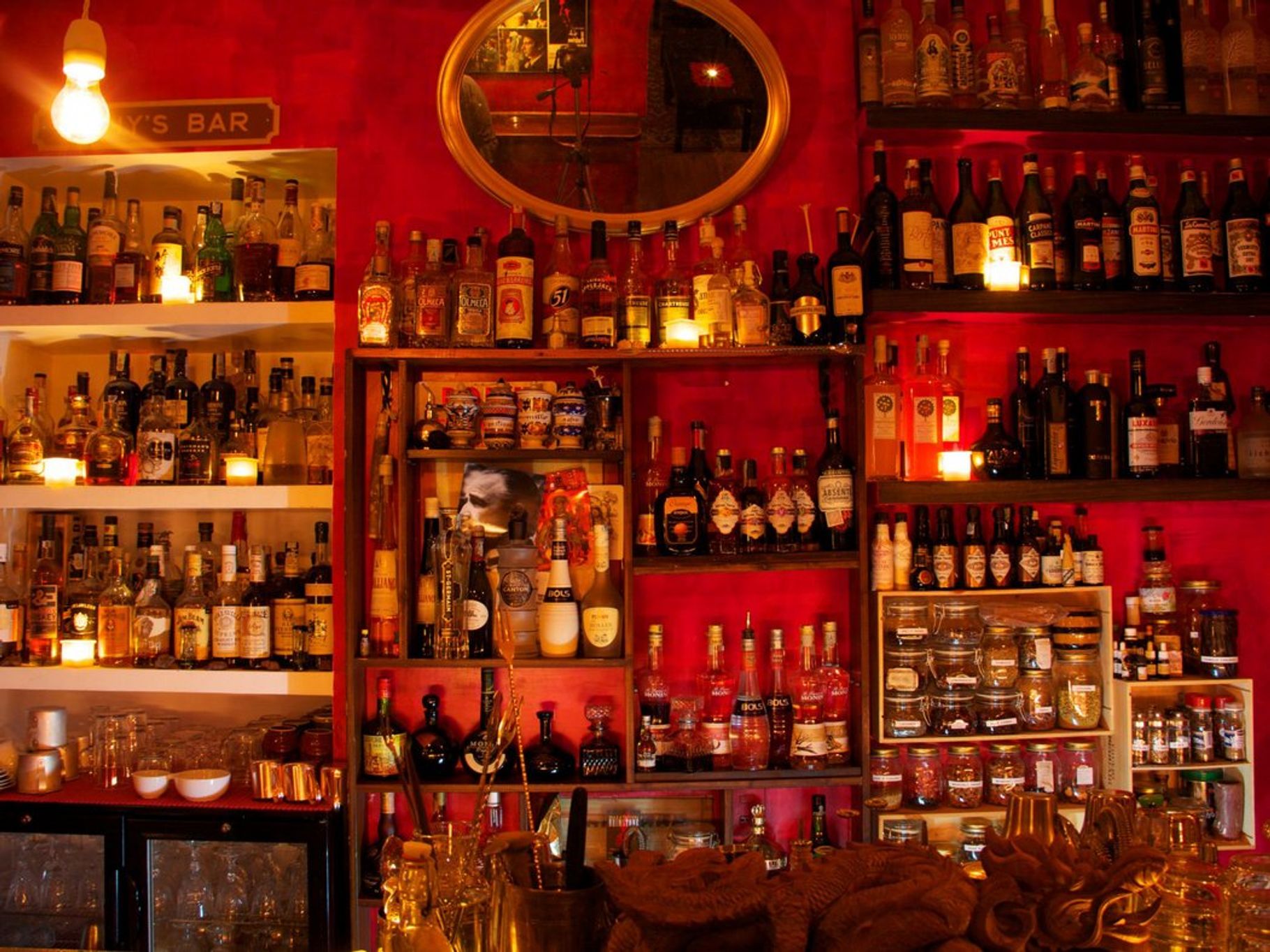
Restaurants in Rome
Browse all →

At a Glance
- Romantic
- Cozy
- Elegant
- Historic
- Intimate
- Romantic Getaway
- Weekend Escape
- Historic Building
- Terrace
- Garden
- Wi Fi
- Spa
- Garden
- Street Scene
- Garden
- Skyline
- Wi Fi
- Spa
- Garden
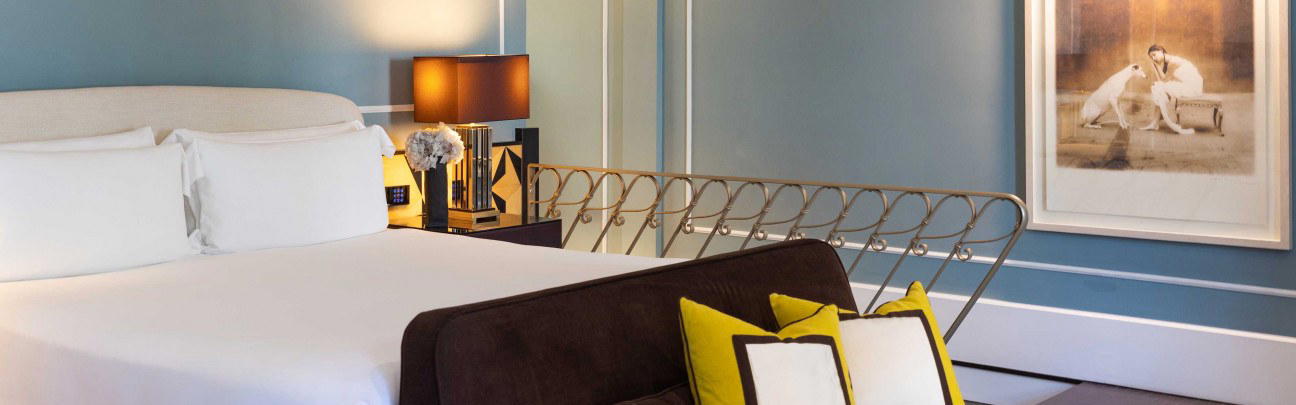
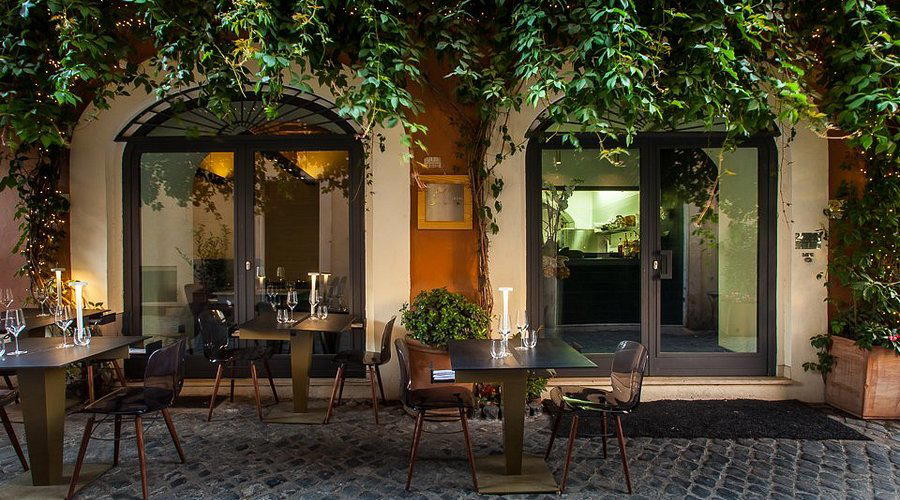
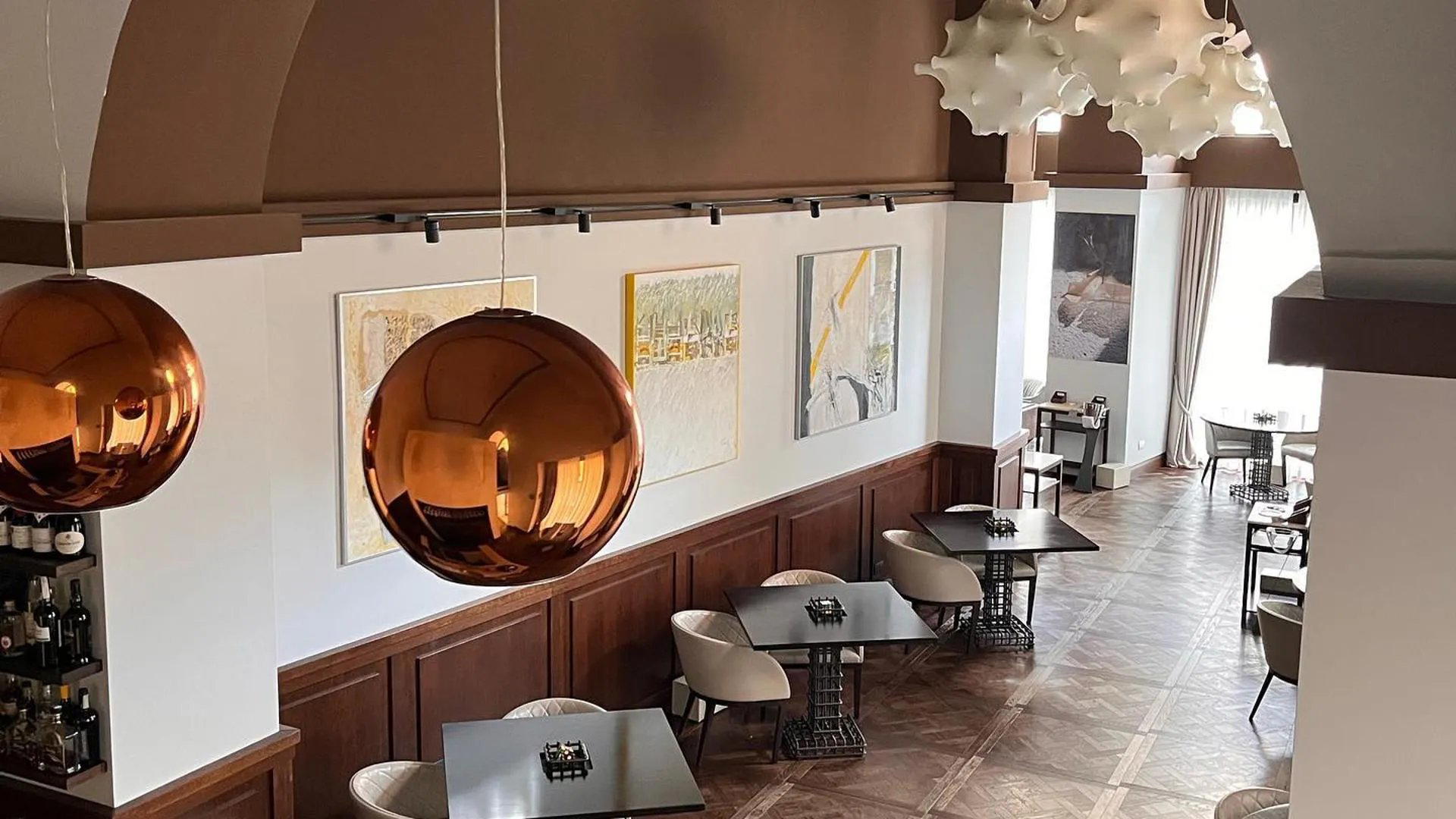
Tranquil monastic serenity with elegant rooms, high ceilings, and garden views amidst lively neighborhood charm.