
Michelin Selected
Casa Montani occupies a position on Piazzale Flaminio that places it steps from the Villa Borghese gardens and the northern edge of Rome's historic centre. Within the city's boutique hotel tier, it sits in the low-key, residential-feeling cohort that prioritises intimacy over spectacle. Travellers choosing between scale and character tend to settle here when the neighbourhood itself is the draw.

Pearl is the En Primeur Club membership app, where members save venues, book tables and use the concierge.
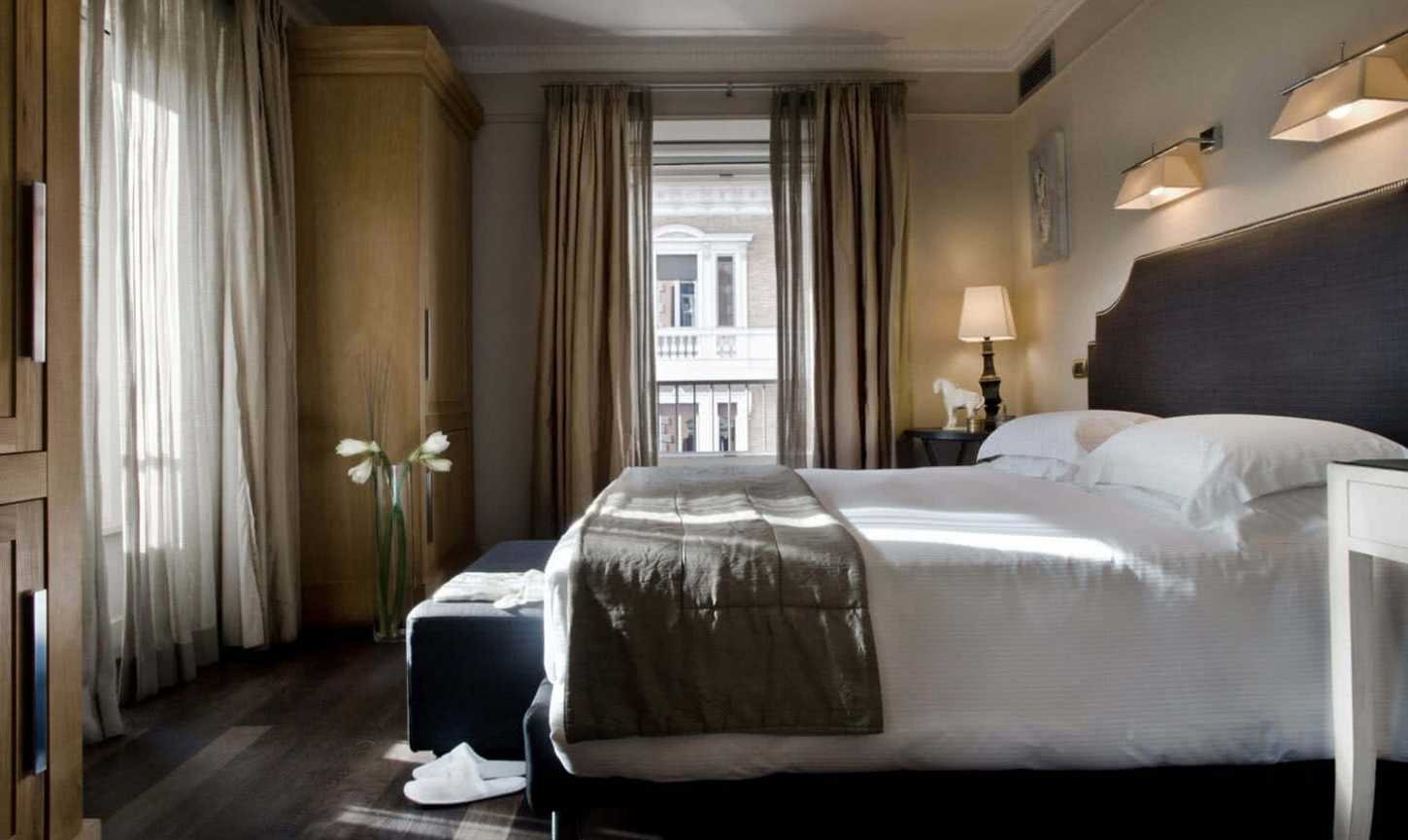
Where the City Ends and the Garden Begins
Piazzale Flaminio is one of Rome's better-calibrated entry points: wide enough to feel civic, but positioned at the hinge between the noise of the centro storico and the measured calm of the Villa Borghese pinewoods. Arriving at Casa Montani, you are standing at that hinge. The Porta del Popolo is a few minutes on foot; the Galleria Borghese is reachable without a taxi. That geography is not incidental to understanding the property. Rome's premium boutique hotel tier increasingly divides between properties that place themselves at the seismic centre of tourist circulation and those that use a slightly removed address as a deliberate design choice. Casa Montani belongs to the latter group, and the neighbourhood explains much of what it offers.
The address at Piazzale Flaminio 9 also puts guests on the northern boundary of the Prati and Flaminio districts, two neighbourhoods that have attracted a different kind of Rome visitor over the past decade: those arriving for the MAXXI contemporary arts museum, the Auditorium Parco della Musica, and the restaurant and bar strip along Via Flaminia rather than the Colosseum circuit. That shift in what draws people to Rome's non-ancient quarters is part of the broader repositioning of the city's hospitality offer, and it gives properties in this location a different competitive argument to make.
The Architecture of Restraint
The design register that Rome's intimate boutique hotels now occupy sits between two poles: historicist grandeur, which properties like Hassler Roma and Hotel Eden deploy with considerable investment, and a quieter residential aesthetic that treats the city's accumulated visual weight as reason enough not to add more decoration. Casa Montani reads as the latter. The building itself, a Roman palazzo structure characteristic of the late nineteenth-century Flaminio urbanisation, provides the architectural bones. Within that frame, the interiors work through edited accumulation rather than spectacle: period furniture, considered art placement, and the kind of material palette that reads as a private apartment rather than a designed experience.
That domestic register is not unique to Casa Montani in Rome's current boutique tier. Properties like Hotel Vilòn and Portrait Roma have refined a similar language, translating the Roman apartment fantasy into hospitality format with varying degrees of service formality. What distinguishes properties in this cohort from the palazzo-conversion hotels with grand public rooms, such as Bulgari Hotel Roma, is the prioritisation of the private space over the shared one. The room is the point, not the lobby.
At this scale of operation, the ratio of staff to guests tends to be higher than the room count alone suggests, which affects how requests are handled and how quickly the property learns a guest's preferences across a multi-night stay. The intimacy that smaller Roman properties advertise is, in practice, a function of that ratio as much as any design decision.
Placed Within Rome's Boutique Tier
Rome's premium boutique category has grown considerably since 2010, with new entries across the centro storico and Prati districts. The competitive set Casa Montani sits inside includes Maalot Roma, Hotel Locarno, and JK Place Roma, each of which has staked a different position within the broad residential-aesthetic category. Hotel Locarno has the Art Nouveau credential and the decades-long editorial history. JK Place Roma operates at the upper price ceiling of the cohort with a Florentine design sensibility imported from the original JK Place Capri property. Casa Montani, positioned at Piazzale Flaminio, has the neighbourhood argument: a location that suits a specific Rome itinerary rather than the default one.
Across Italy, this type of property has found its most refined expression in settings where the building and its surroundings do much of the work. Passalacqua in Moltrasio and Castello di Reschio in Lisciano Niccone demonstrate how much a strong architectural premise can carry a property's identity. In Rome, the equivalent logic applies at the palazzo scale: the structural inheritance of a nineteenth-century Roman building provides a frame that demands a lighter editorial hand, not a heavier one. Casa Montani appears to follow that premise.
Planning a Stay
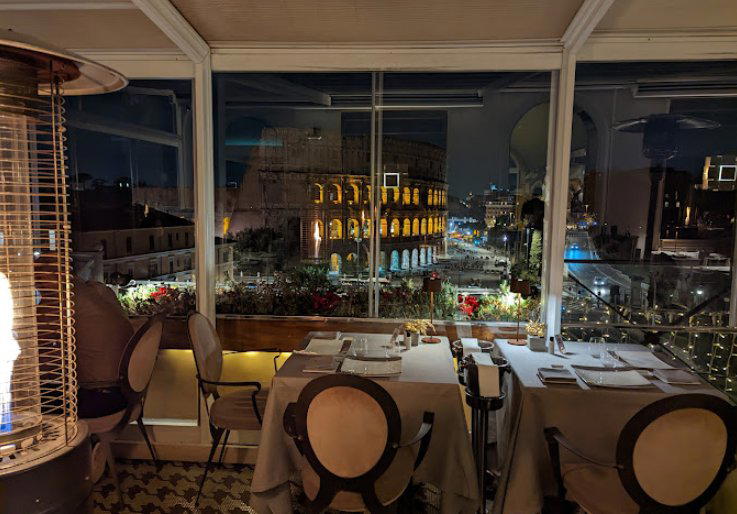
The Piazzale Flaminio address is directly served by the Flaminio Metro A stop, placing the Spanish Steps and Barberini within four to five stops. The Villa Borghese gardens are walkable from the door, and the gallery requires advance booking regardless of where you are staying in Rome. For the MAXXI, the walk north along Via Guido Reni takes around fifteen minutes. Guests using this location as a base for day trips to the Castelli Romani or Tivoli will find car hire or taxi pickup from the piazzale direct. Rome's peak visitor periods run from late March through June and again from September through October, with August unusually quiet in the neighbourhood even as the city's tourist sites remain busy. For wider context on dining and drinking options near the Flaminio area and across the city, see our full Rome restaurants guide.
Travellers building an Italian itinerary around this stay might consider continuing to Four Seasons Hotel Firenze in Florence or Aman Venice in Venice for a comparable level of architectural seriousness at a different scale. Those drawn to the rural estate format should look at Rosewood Castiglion Del Bosco in Montalcino or Borgo Egnazia in Savelletri di Fasano for a southern extension. On the Amalfi Coast, Borgo Santandrea and Il San Pietro di Positano in Positano follow a similar residential-scale logic in a dramatically different landscape. Il Pellicano in Porto Ercole and Casa Maria Luigia in Modena round out an itinerary that moves between city and country without sacrificing the boutique-scale consistency.
Fast Comparison
A quick snapshot of similar venues for side-by-side context.
| Venue | Price | Awards |
|---|---|---|
| Casa MontaniThis venue (the venue you are viewing) | $200–300 | Michelin Selected |
| Bulgari Hotel Roma | Not listed | 3 Michelin Keys · World's 50 Best #32 |
| Rocco Forte Hotel De La Ville | Not listed | 2 Michelin Keys · Forbes 5-Star |
| Rocco Forte Hotel de Russie | Not listed | 2 Michelin Keys · La Liste Top Hotels |
| Singer Palace Hotel | Not listed | 1 Michelin Key · Virtuoso Luxury Hotel Partner |
| Six Senses Rome | Not listed | 1 Michelin Key · Virtuoso Luxury Hotel Partner |
Recognition history
Dated appearances from independent guides and award organizations, with the underlying list record or original source where available.
Michelin Selected
Michelin
Continue exploring
More in Rome
Hotels in Rome
All hotels in Rome →
Bars in Rome
All bars in Rome →
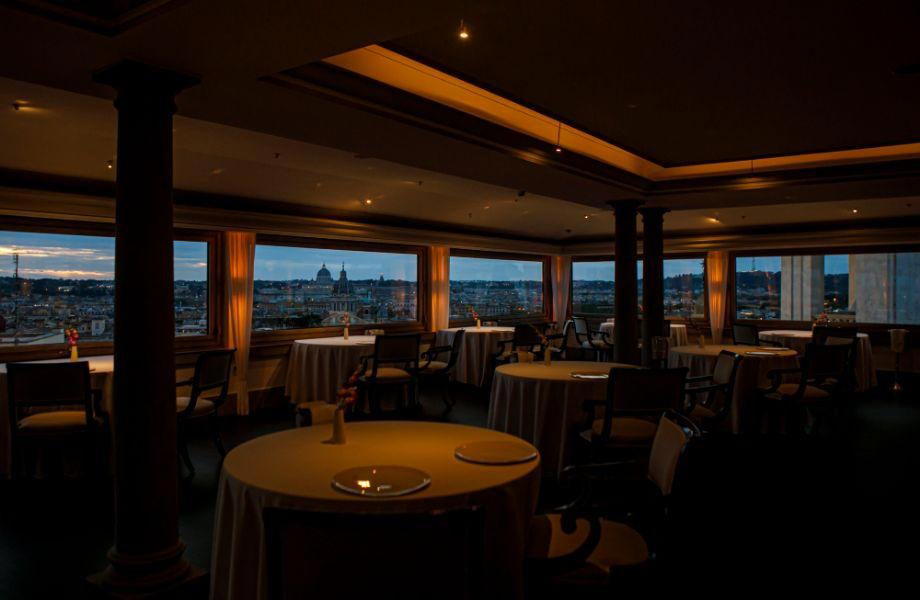
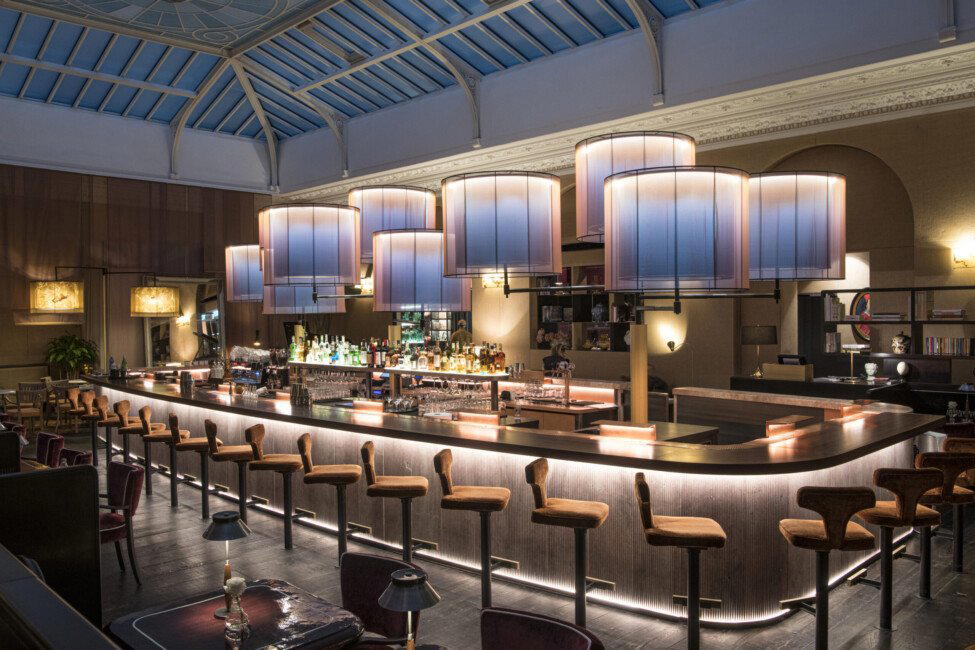
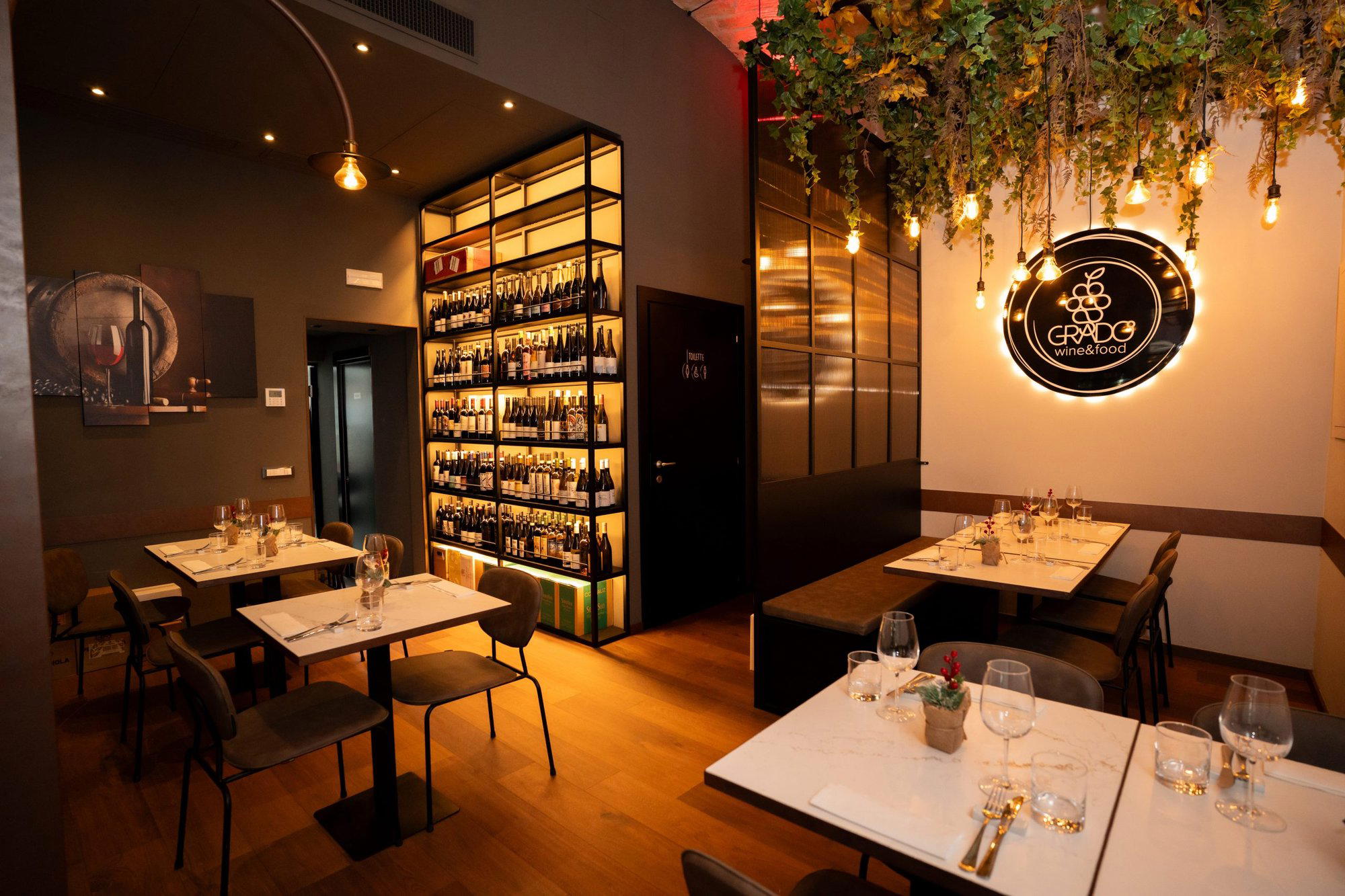
Restaurants in Rome
All restaurants in Rome →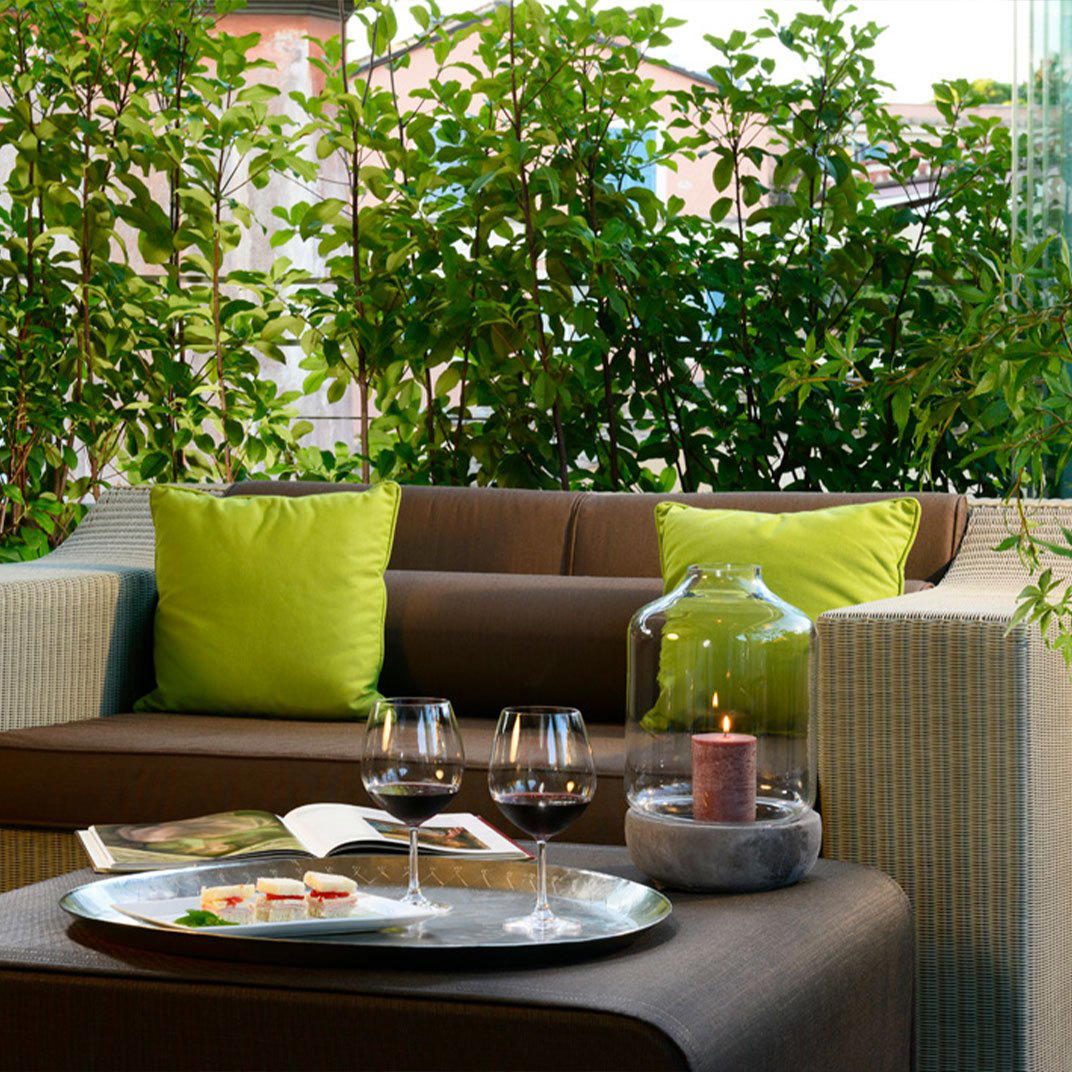

Details
- Elegant
- Intimate
- Sophisticated
- Cozy
- Romantic Getaway
- Anniversary
- Weekend Escape
- Historic Building
- Terrace
- Wi Fi
- Room Service
- Concierge
- Air Conditioning
- Street Scene
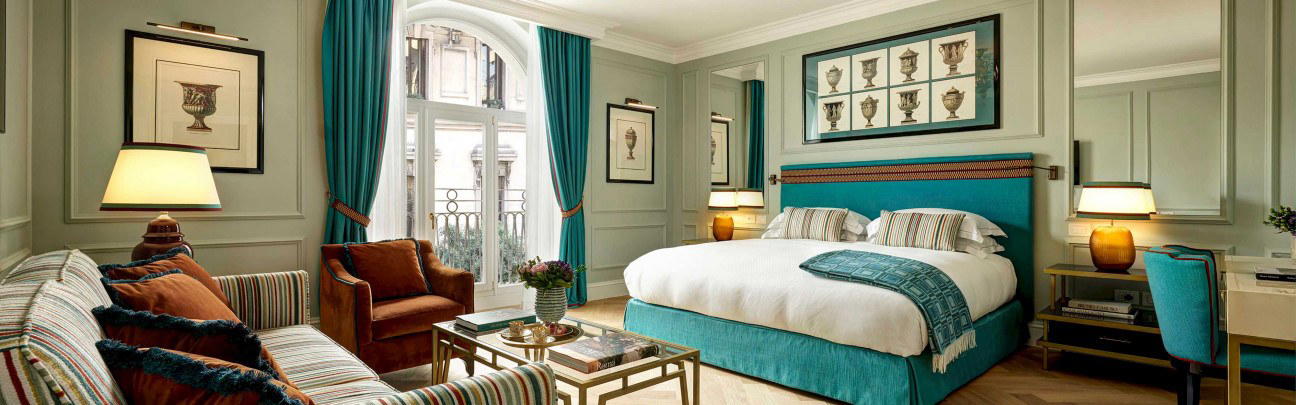
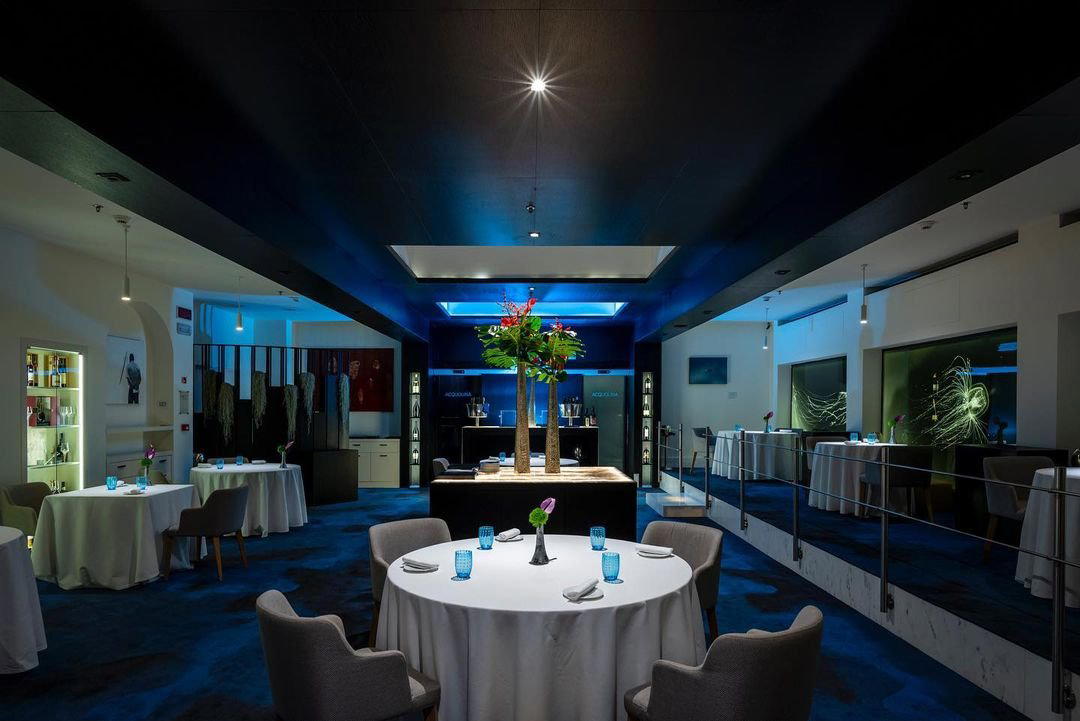
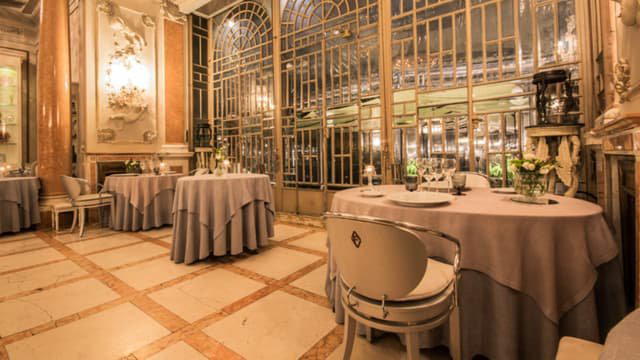
Cozy and elegant with soft neutral tones, silk fabrics, modern artwork, hardwood floors, plush marble bathrooms, and a stylish black-and-white lobby fireplace area.