
Star Wine List
The Lido's defining address since 1908, Hotel Excelsior Venice Lido Resort occupies a Moorish-inspired palazzo on Venice's only beachfront stretch. A perennial fixture during the Venice Film Festival, it holds a Star Wine List recognition for 2026 and sits at the intersection of cinematic heritage and lagoon-adjacent seclusion that no property within the historic centre can replicate.

Pearl is the En Primeur Club membership app, where members save venues, book tables and use the concierge.
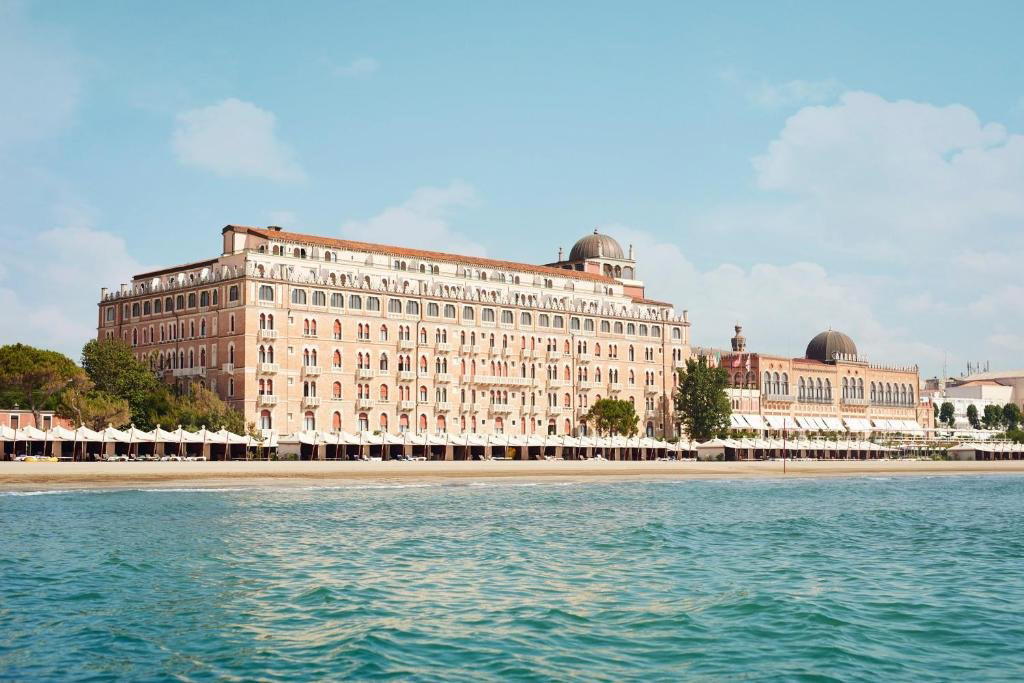
A Barrier Island in a Different Register
Venice's historic centre rewards those who want to wake up inside a painting, the Grand Canal outside the window, water taxis at the door, centuries of stone pressing in from every direction. The Lido operates on a different logic entirely. This narrow barrier island, separated from the main city by a short vaporetto crossing, has its own streets wide enough for bicycles, its own Adriatic shoreline, and a resort tradition that stretches back to the Belle Époque. Within that tradition, the Excelsior has held the dominant position for more than a century, and understanding what the hotel is requires understanding what the Lido has always been: a deliberate escape from the intensity of Venice proper, rather than a continuation of it.
Properties on the Grand Canal, including Aman Venice, Hotel Gritti Palace, and Cipriani, A Belmond Hotel, Venice, compete on historic palazzi credentials, water frontage, and proximity to San Marco. The Excelsior competes on none of those terms. Its advantage is the one thing every other luxury property in the Venetian cluster cannot offer: direct access to a beach. That structural distinction has defined its guest mix for generations and continues to attract a clientele more interested in lounging by the Adriatic than navigating the city's calli.
The Architecture of Theatrical Arrival
The building itself was completed in 1908, and its Moorish-Byzantine vocabulary was a deliberate statement even then. The architects drew from the same decorative well as Venice's own Doge's Palace, but pushed the ornamentation into something more expressly theatrical: horseshoe arches, decorative battlements, and a scale calibrated for spectacle rather than intimacy. Arriving along the Lungomare Marconi by water taxi, the facade reads as a stage set before it reads as a hotel, which has always been part of its appeal to the film industry crowd that descends each September.
That relationship with the Venice International Film Festival is not incidental. The Lido hosts the festival, and the Excelsior has been its most visible hotel address since the event's early decades. The association means that the property carries a specific cultural weight that design-led boutique openings in the centro storico do not. Newer Venice additions such as Ca' di Dio, Il Palazzo Experimental, and Nolinski Venezia have strong design narratives; the Excelsior has a documented history that is harder to manufacture.
Interiors Built for Scale and Ceremony
The interior spatial logic follows from the architectural ambition outside. Grand hotels of this era were designed for processional movement: wide corridors, high ceilings, public rooms that could accommodate the full theatre of arrival and departure. The Moorish detailing extends inward, with ornamental arches and decorative tile work that anchor the visual identity in something specific rather than generic luxury-hotel neutral. That specificity is rarer than it sounds in this tier. Many properties in the Italian luxury bracket have been renovated toward a kind of refined sameness; the Excelsior's historic bones resist that drift.
The beach club and sea-facing terraces are where the hotel's spatial logic reaches its most coherent expression. The Adriatic-facing position, combined with the scale of the property, creates outdoor social spaces with a resort breadth that the compressed footprints of Venice's centro storico cannot accommodate. Properties like Corte di Gabriela and Londra Palace Venezia offer carefully considered intimacy; the Excelsior's proposition is the opposite, an expansive resort scale that is its own competitive differentiator.
The Wine Program as a Separate Credential
Star Wine List recognition for 2026 places the hotel inside a specific tier of wine-program seriousness. The award, which evaluates depth and quality of selection rather than price point alone, signals that the beverage operation has been given genuine curatorial attention rather than treated as a revenue afterthought. For a property of this scale and heritage, that kind of external validation matters: it indicates that the dining and drinking infrastructure has kept pace with what guests now expect from comparable Italian luxury addresses. Italian properties across the country that have earned similar recognition include Rosewood Castiglion Del Bosco in Montalcino and Borgo Egnazia in Savelletri di Fasano, both of which treat their wine programs as primary features rather than ancillary services.
Positioning Within the Broader Italian Luxury Market
The Italian luxury hotel market has fragmented over the past decade into several distinct sub-categories: design-led independents, historic palazzo conversions, converted rural estates, and legacy resort properties with established reputations. The Excelsior belongs to the last group, sharing that territory with addresses such as Il Pellicano in Porto Ercole and Il San Pietro di Positano in Positano, properties where longevity and location specificity are the primary credentials. Against design-first newcomers, these legacy resorts offer something different: a track record, a cultural association, and a physical setting that cannot be replicated by building a new hotel in a different zip code.
Elsewhere in Italy, properties in the converted-estate category, including Castello di Reschio in Lisciano Niccone and Casa Maria Luigia in Modena, compete on intimacy and culinary credentials. Properties like Four Seasons Hotel Firenze compete on palazzo grandeur. Borgo Santandrea on the Amalfi Coast competes on cliffside drama. The Excelsior competes on a combination the others cannot replicate: a Venetian address, a genuine beach, and a century of cinematic association compressed into a single Moorish facade on the Lungomare Marconi.
Planning Your Stay
The vaporetto crossing from Venice's main terminals to the Lido takes roughly fifteen to twenty minutes on the direct lines, making the separation from the city functional rather than prohibitive. Guests treating the hotel as a base for daytime city exploration and evening retreat will find that rhythm manageable; those wanting to be within walking distance of the Rialto or San Marco will find the daily crossing a genuine consideration worth factoring into the choice. September visitors should book considerably in advance, as Film Festival demand compresses availability across the Lido's entire accommodation supply. The Excelsior sits at the premium end of that compressed market, alongside the broad range of Italian luxury alternatives covered in our full Venice restaurants and hotels guide. Travellers building wider Italian itineraries may also find relevant context in properties across different Italian cities, from Portrait Milano to Bulgari Hotel Roma and Passalacqua in Moltrasio on Lake Como, and JK Place Capri for island comparison. For travellers considering international alternatives, Aman New York, The Fifth Avenue Hotel, and Amangiri in Canyon Point represent comparable calibres of considered positioning. Also worth referencing for Umbrian or central Italian contrast: Corte della Maestà in Civita di Bagnoregio.
Comparison Snapshot
Comparable venues nearby, for context on price, style, and recognition.
| Venue | Cuisine | Price | Awards | Notes |
|---|---|---|---|---|
| Hotel Excelsior Venice Lido ResortThis venue (the venue you are viewing) | Well-known Moorish-inspired beach resort with Venetian glamour and spacious accommodations. | $300–500 | Star Wine List | Not listed |
| Hotel Gabrielli Venezia | Refined five-star Venetian palazzo hotel combining historic architecture with contemporary Starhotels Collezione luxury in a prime lagoonfront location. | $500–750 | Leading Hotels of World Member | Castello / Riva degli Schiavoni (near St. Mark’s Square) |
| Violino D'Oro | Family-run luxury palazzo celebrating Venetian heritage and Italian craftsmanship | $500–750 | 1 Michelin Key · Mr & Mrs Smith Seal of Approval | San Marco |
| Ca' Sagredo Hotel | Luxury Venetian palazzo hotel combining 15th-century architectural heritage with contemporary five-star hospitality and bespoke service. | $200–300 | La Liste Top Hotels · Forbes Recommended | Santa Croce |
| Airelles Venezia, Palladio | Restored historic Venetian palazzo with French luxury hospitality brand positioning, blending classical Italian architecture with contemporary French design sensibilities. | $1,000–1,500 | 3 Michelin Keys · Michelin Guide New Hotels New Hotel | Giudecca |
| Baglioni Hotel Luna | Historic Venetian palace with lush, classic styling. | $300–500 | Virtuoso Luxury Hotel Partner · Forbes Recommended | San Marco |
Recognition history
Dated appearances from independent guides and award organizations, with the underlying list record or original source where available.
Star Wine List
Star Wine List
Continue exploring
More in Venice
Hotels in Venice
All hotels in Venice →
Bars in Venice
All bars in Venice →

Details
- Elegant
- Sophisticated
- Classic
- Scenic
- Ornate
- Romantic Getaway
- Honeymoon
- Destination Wedding
- Weekend Escape
- Beachfront
- Panoramic View
- Terrace
- Wi Fi
- Pool
- Fitness Center
- Room Service
- Concierge
- Beach Access
- Waterfront
- Garden
- Wheelchair Accessible
- Elevator
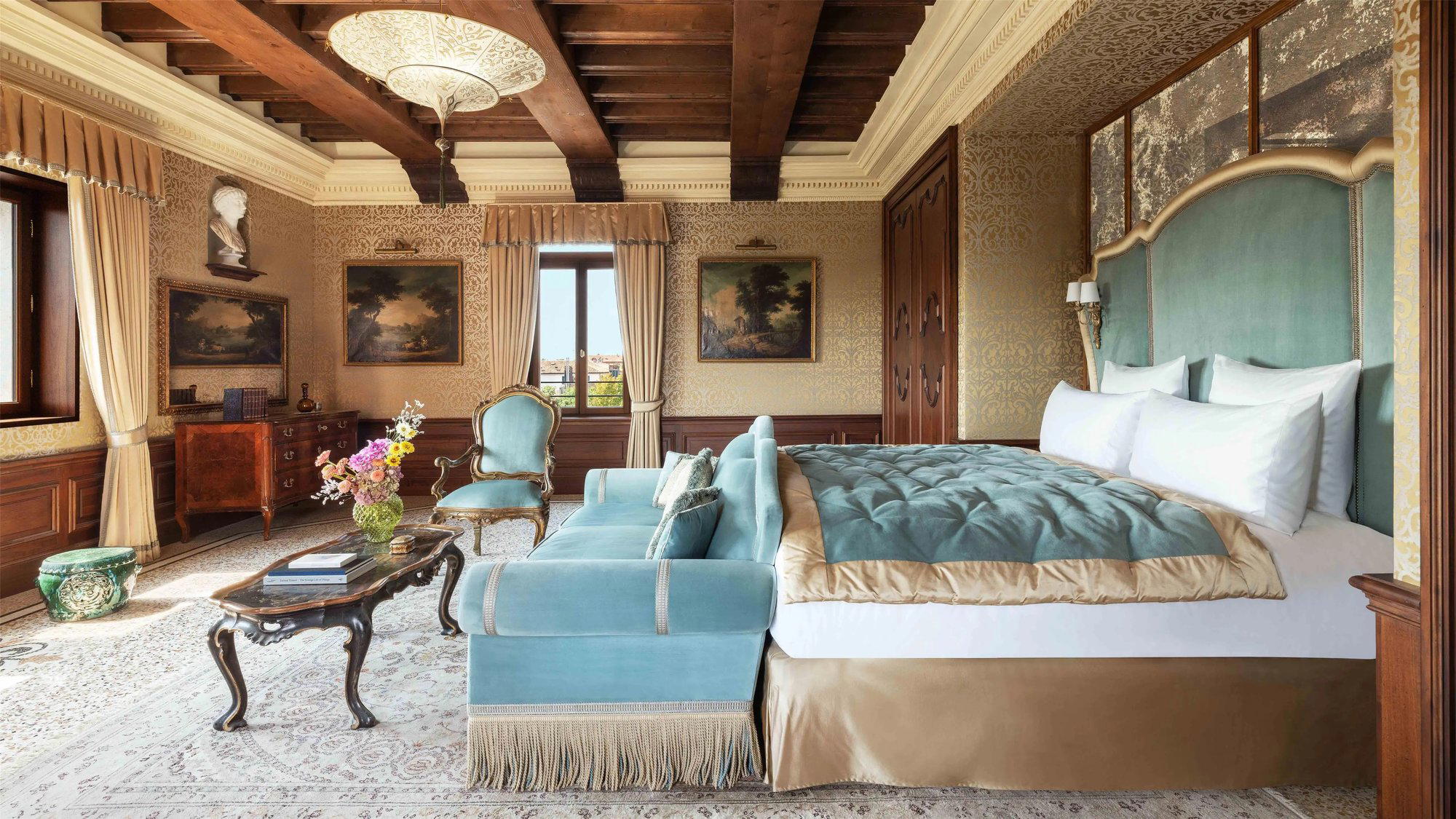
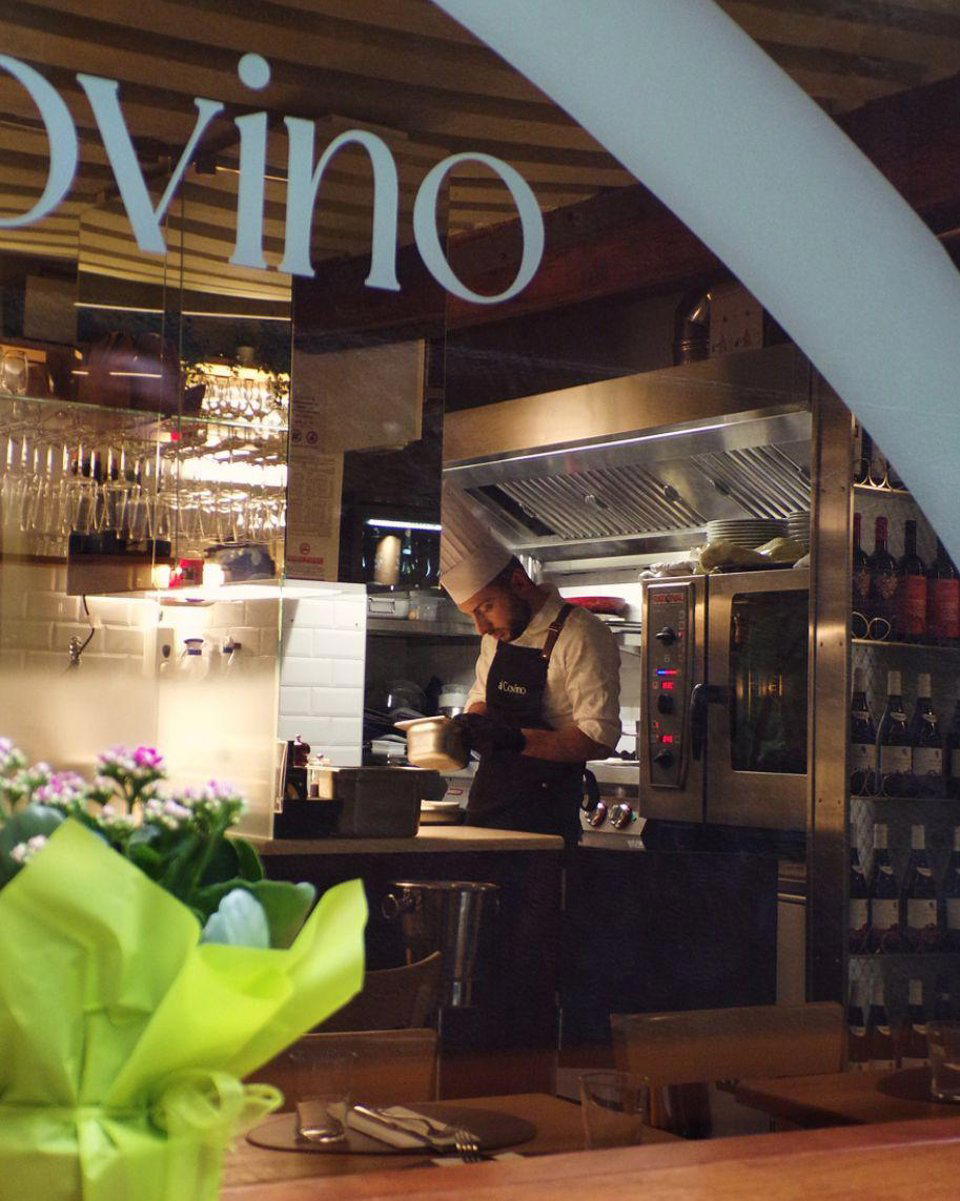
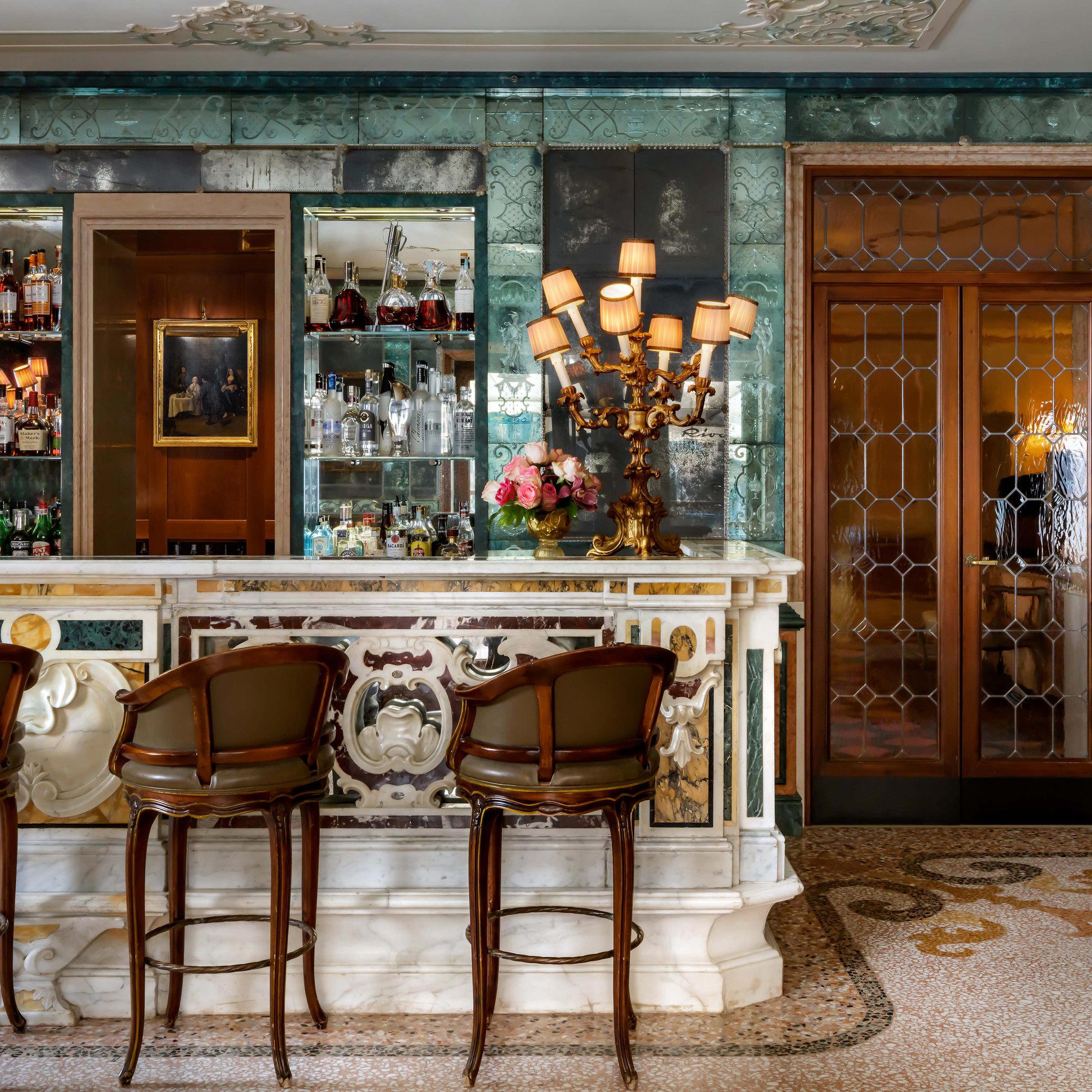
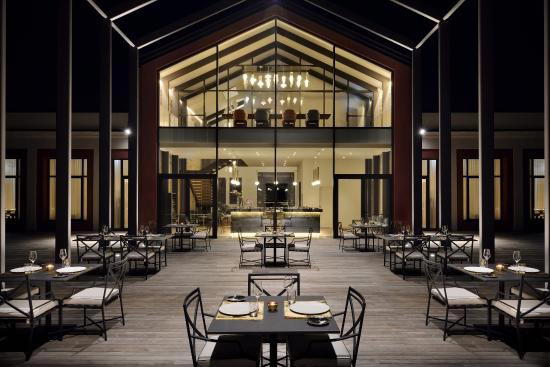
Elegant halls with majestic chandeliers, candlelit tables, wooden beams, and sea views create an enchanting, sophisticated atmosphere praised for luxury and polished service.