
On the Giudecca waterfront, Airelles Venezia, Palladio occupies a position where the lagoon does most of the talking. Recognised by Star Wine List 2026, the property sits within a comparable set of Venice's most considered hotel dining rooms, where the wine program carries as much editorial weight as the kitchen. A natural base for travellers who treat the cellar as seriously as the canal view.
Pearl is the En Primeur Club membership app — saves, bookings, and concierge access live there. Same editors, same standards.
- Address
- Fondamenta Zitelle, 33, 30133 Venezia VE, Italy
- Website
- airelles.com
- Directions
- Get directions
 Saves & bookings on Pearl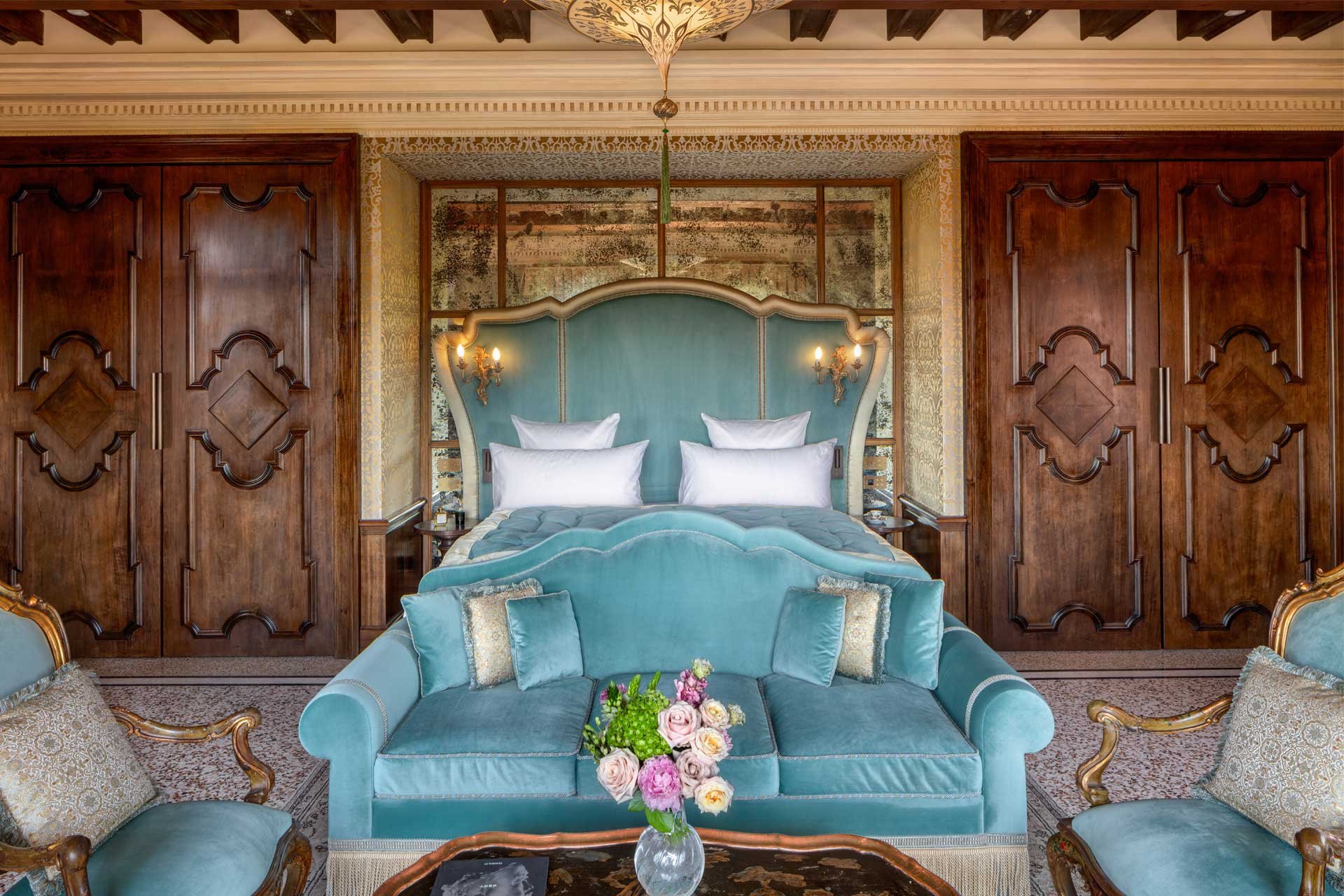
The Giudecca Approach
Venice rewards those who cross water to reach a meal. The Giudecca island sits a short vaporetto ride from the Zattere, and that deliberate separation shapes the character of every property along its fondamenta. Arriving at Fondamenta Zitelle, the lagoon opens on both sides, San Marco visible to the north, the open water south. The approach is not incidental to the experience at Airelles Venezia, Palladio; it shapes the first impression. Hotels that sit on the Giudecca occupy a different tempo than those compressed into the sestieri of the main island, and that tempo carries through into how guests eat and drink.
Wine as the Organising Principle
Star Wine List recognition in 2026 places Airelles Venezia, Palladio inside a specific tier of hotel dining in Italy: properties where the wine program is a structured commitment of its own. Star Wine List selects on the basis of list depth, producer diversity, and the coherence of a cellar's point of view. Being listed signals that the program satisfies criteria that most hotel restaurants in Venice do not meet.
That distinction matters in a city where wine lists have historically leaned on Veneto defaults: Soave, Valpolicella, Amarone by the expected producers, offered at margins calibrated to a captive tourist audience. The properties that break from that pattern tend to do so by committing to a sommelier-led program that extends into less familiar Italian regions and, in some cases, into French and international depth. Star Wine List recognition is a signal that Palladio has made that commitment with enough rigour to earn external validation.
For context, the broader Italian luxury hotel wine scene has split. Properties like Rosewood Castiglion Del Bosco in Montalcino build their programs around estate production and regional identity, anchored in place. Others, particularly urban or lagoon-facing properties, draw from a wider net, using the sommelier's role as curator rather than grower. Airelles Venezia, Palladio, operating in a city without an agricultural hinterland, belongs to the latter model by necessity, which means the quality of the sourcing judgment becomes the differentiating factor.
Sourcing in a City Built on Water
Venice imposes constraints on ingredient sourcing that no other major Italian city faces. There are no loading docks, no delivery vans, no cold-chain logistics running down a street. Every ingredient that reaches a kitchen on the Giudecca arrives by boat, transferred at the Tronchetto or the Rialto market and transported across the lagoon. That physical reality raises the cost and complexity of sourcing, and it concentrates serious kitchens around two supply relationships that reward long commitment: the Rialto fish market, which remains among the more concentrated sources of Adriatic seafood in Italy, and direct relationships with producers on the terraferma and in the Veneto countryside.
The Adriatic supplies ingredients that are specific to the lagoon ecosystem: moleche (soft-shell crabs harvested twice yearly during molting season), schie (the small grey shrimp particular to the Venice lagoon), and canoce (mantis shrimp) that don't travel well and rarely appear outside the region. Kitchens that use these ingredients with precision are working within a sourcing logic that is inseparable from geography. Vegetables arrive from Sant'Erasmo, the lagoon island that supplies Venetian kitchens with artichokes, asparagus, and herbs grown in soil that has been farmed continuously for centuries. This is a supply chain that shapes what is physically possible on a menu, season by season.
Properties that invest in these sourcing relationships are operating at a different cost structure than those that rely on pan-Italian wholesale supply. The tradeoff is a menu that changes with the lagoon's seasonal rhythms rather than with a corporate menu cycle. For the guest, that means a dining room where what appears on the table depends on what the market produced that morning.
Where Palladio Sits Among Venice's Hotel Dining Rooms
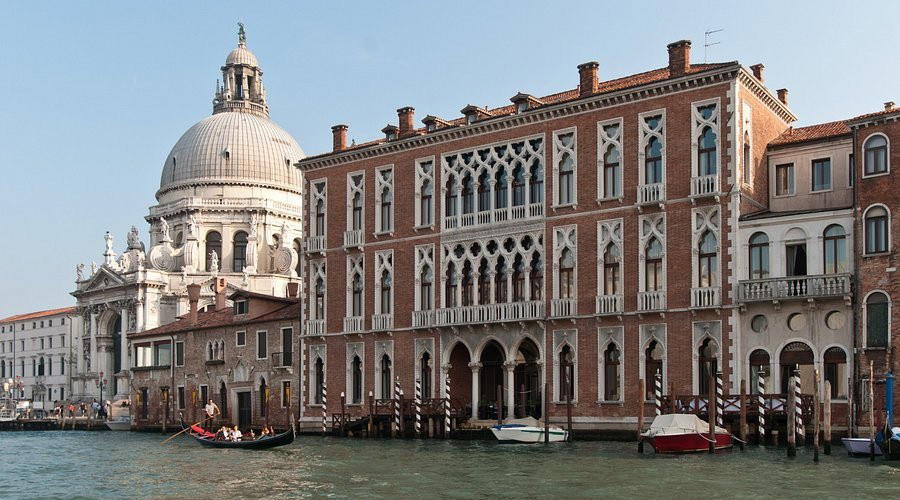
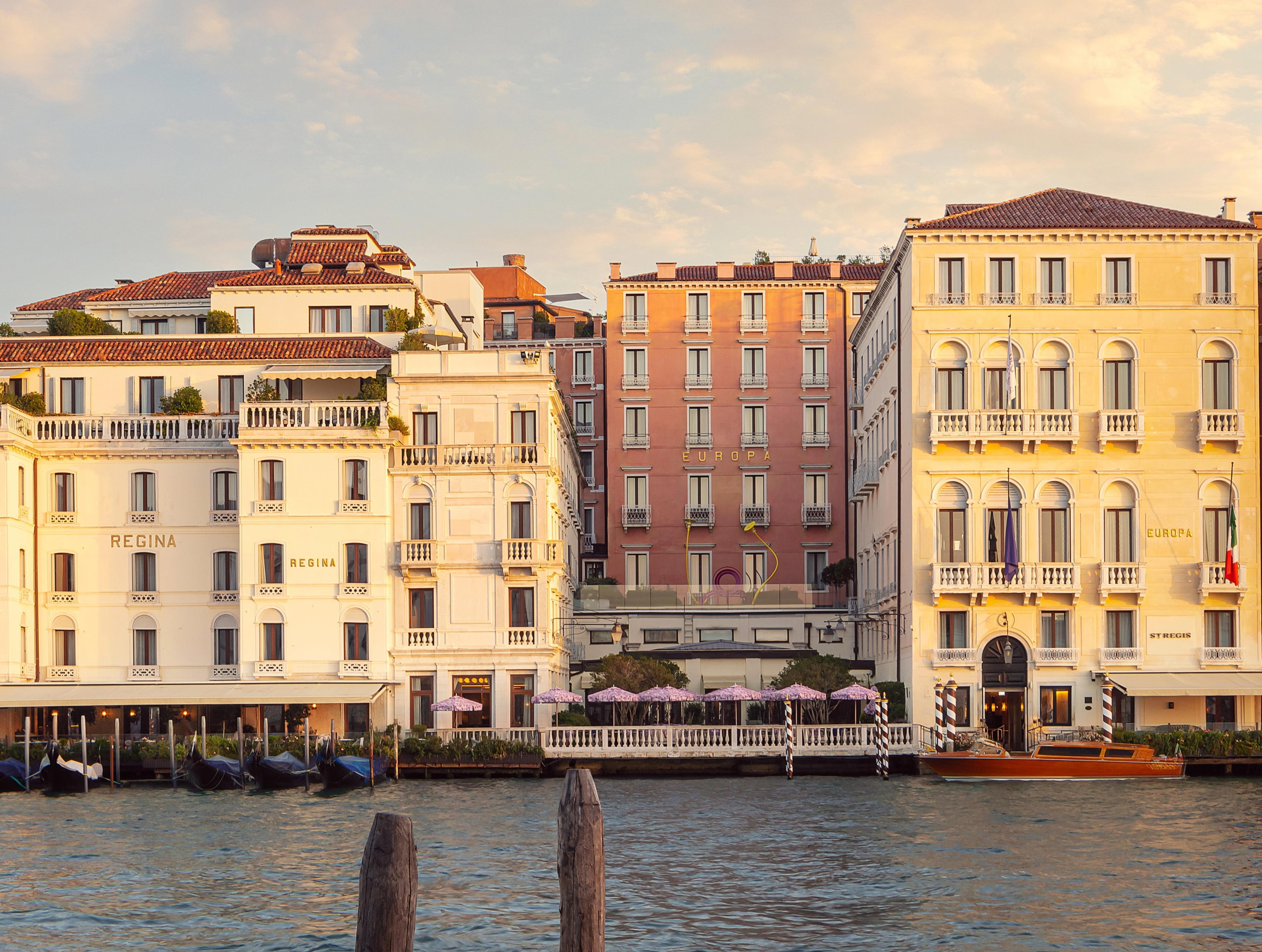
Venice's upper tier of hotel dining is anchored by a handful of properties with strong institutional histories. Cipriani, A Belmond Hotel, Venice occupies a position defined as much by its mid-twentieth-century cultural history as by its current kitchen. Hotel Gritti Palace draws on Grand Canal frontage and a deeply traditional Venetian dining identity. Aman Venice occupies a palazzo on the Grand Canal with a more restrained, design-led hospitality posture. Each has a distinct peer position.
Airelles Venezia, Palladio on the Giudecca represents a different proposition: a French luxury group operating in a Venetian context, with Star Wine List recognition as its dining credential. French luxury groups entering Italian markets tend to invest heavily in wine program infrastructure, partly because wine fluency is a brand expectation, and partly because a serious cellar is one of the faster ways to establish credibility with a well-traveled European guest who may be comparing the property to experiences in Paris, Lyon, or Bordeaux.
Alongside the Cipriani and Gritti, smaller or newer properties are also shaping the Venetian conversation. Ca' di Dio, Nolinski Venezia, and Il Palazzo Experimental each occupy distinct positions in the market, from design-forward independents to bar-centric hospitality concepts.
Planning a Stay
The property sits at Fondamenta Zitelle, 33, on the Giudecca. Access from the main island is direct via vaporetto Line 2 or the dedicated water taxi services that most guests at this tier of property use. The Giudecca location means the property is quieter than anything fronting the Grand Canal or the Riva degli Schiavoni, which is either a feature or a limitation depending on what a guest expects from Venice. For those who want the city's energy at the door, alternatives like Londra Palace Venezia or Corte di Gabriela trade in different proximity dynamics.
Booking through the Airelles group channels is the standard route for this property tier, where room allocation and dining reservations are typically linked. Venice hotel dining rooms at this level do not function as walk-in restaurants, dining access tends to be structured around the stay, so coordinating both elements at the point of reservation is the practical approach. Travelers comparing Airelles Venezia against other Italian properties in the Airelles portfolio, or against similar French-operated Italian hotels, will find reference points in places like Four Seasons Hotel Firenze in Florence or, for a study in how Italian luxury can operate at a smaller scale, Passalacqua in Moltrasio and Casa Maria Luigia in Modena.
Borgo Santandrea on the Amalfi Coast, JK Place Capri, and Il San Pietro di Positano each represent how Italian waterfront luxury operates in different geographic registers. Aman New York or The Fifth Avenue Hotel in New York City have positioned wine and dining programs as primary differentiators in competitive urban markets.
Cuisine and Awards Snapshot
Comparable venues nearby, for context on price, style, and recognition.
| Venue | Cuisine | Price | Awards | Notes |
|---|---|---|---|---|
| Airelles Venezia, PalladioThis venue — the venue you are viewing | Restored historic Venetian palazzo with French luxury hospitality brand positioning, blending classical Italian architecture with contemporary French design sensibilities. | $$$$ | 5-Star | Not listed |
| Bauer Palazzo | Neo-Gothic palazzo blended with Art Deco modernism | $$$$ | 5-Star | San Marco |
| Ai Reali di Venezia | Renovated aristocratic Venetian palace with refined elegance. | $$$$ | 4-Star | San Marco |
| Nani Mocenigo Palace | Venetian Gothic palace hotel blending historic authenticity with luxury | $$$$ | 5-Star | Dorsoduro |
| Sina Centurion Palace | Historic Venetian palazzo with contemporary interiors | $$$$ | 5-Star | San Marco |
| Violino D'Oro | Family-run luxury palazzo celebrating Venetian heritage and Italian craftsmanship | $$$$ | 5-Star | San Marco |
Recognition history
Dated appearances from independent guides and award organizations, with the underlying list record or original source where available.
Star Wine List
Star Wine List
Continue exploring
More in Venice
Hotels in Venice
Browse all →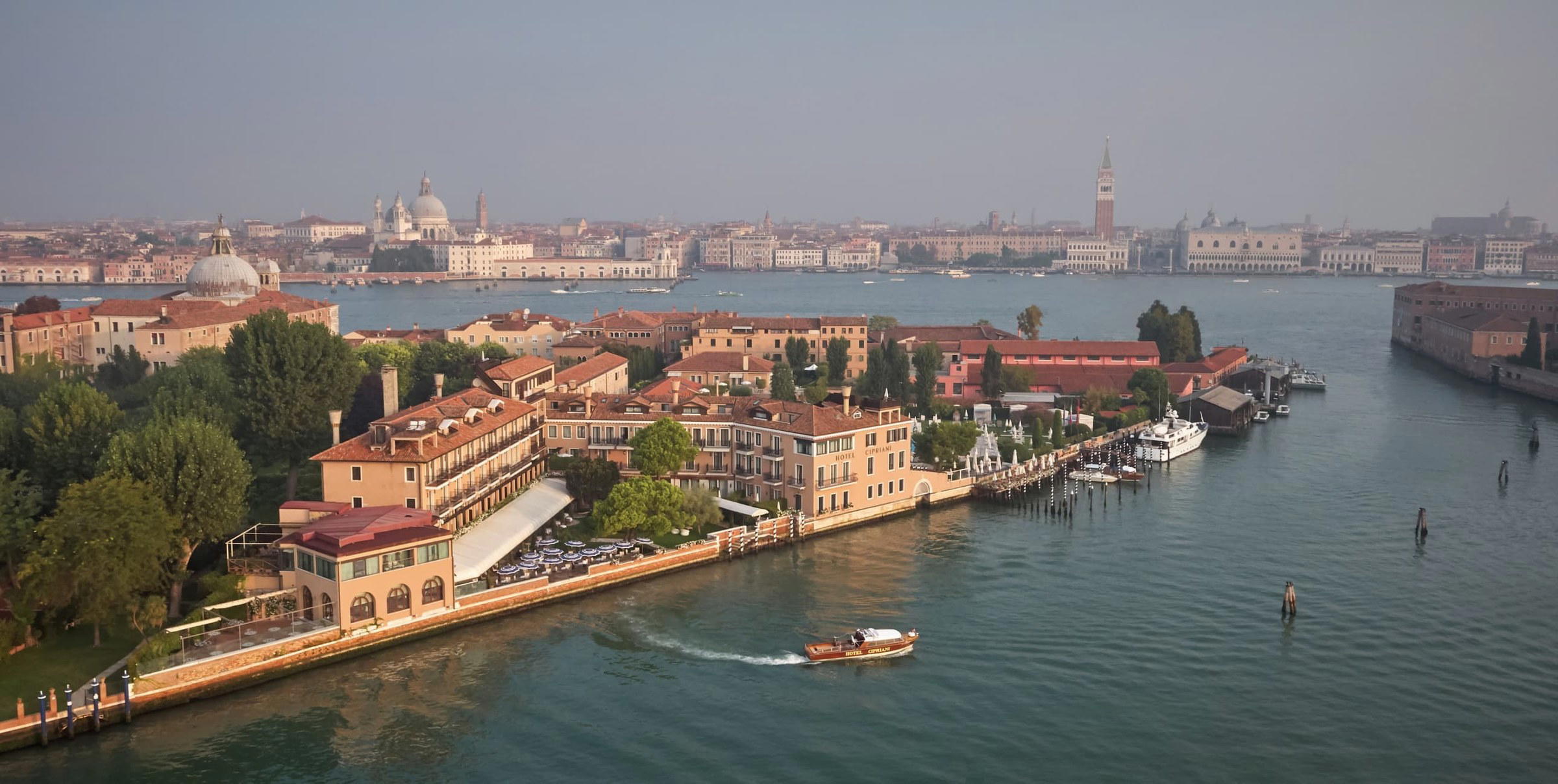
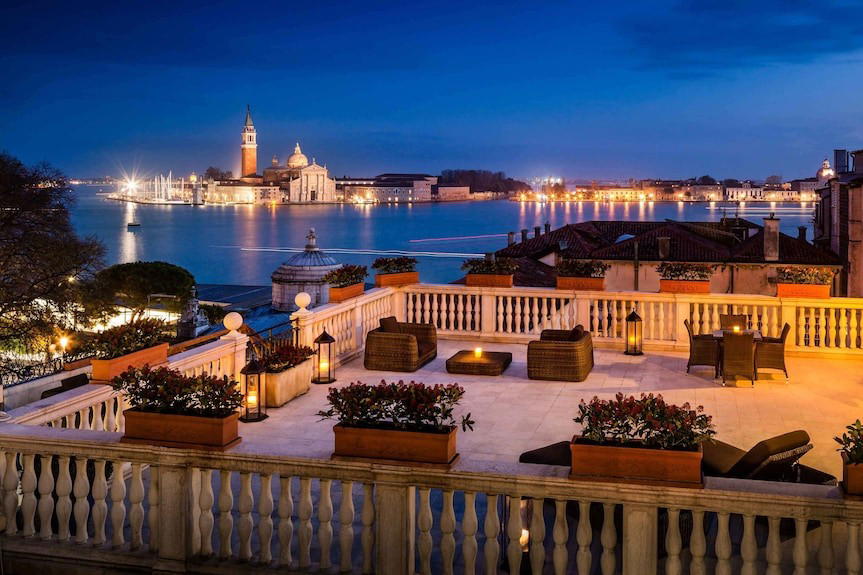
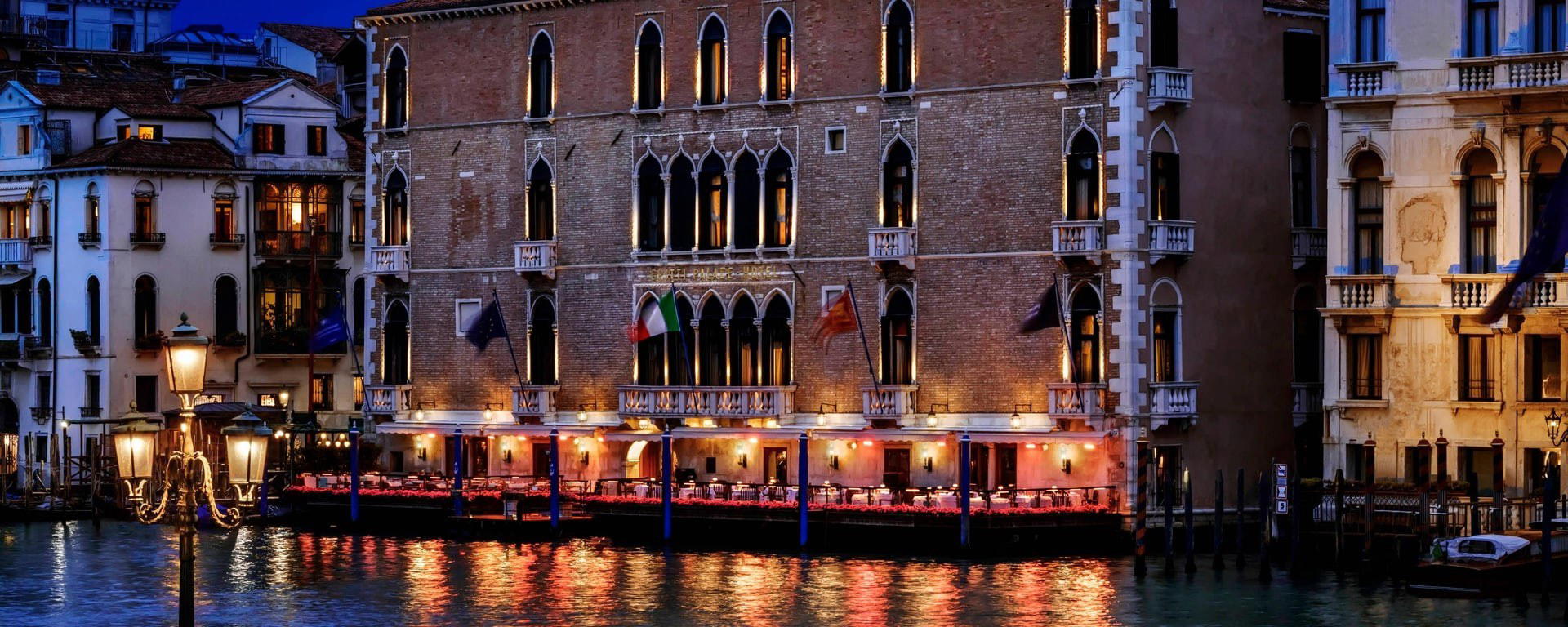
Bars in Venice
Browse all →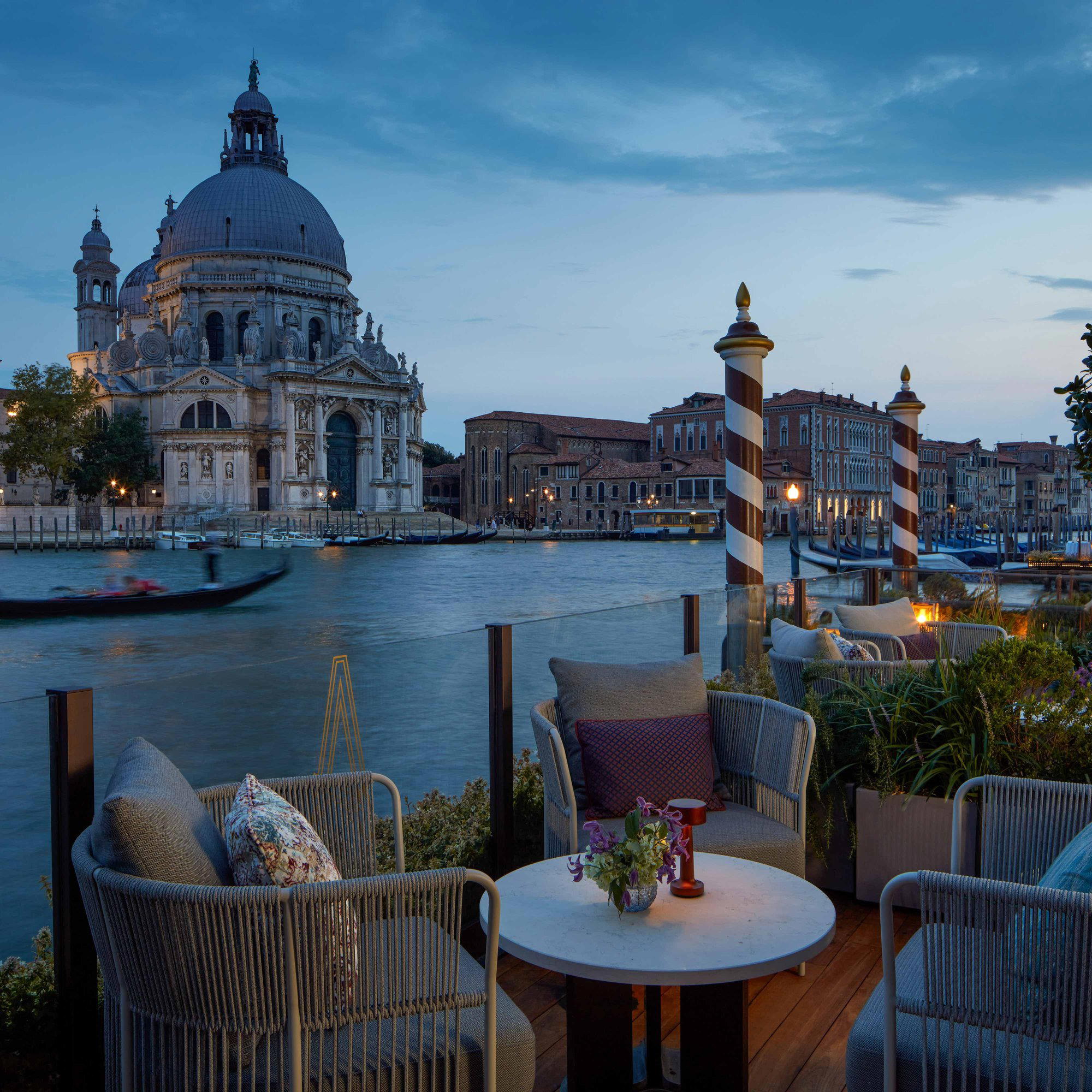
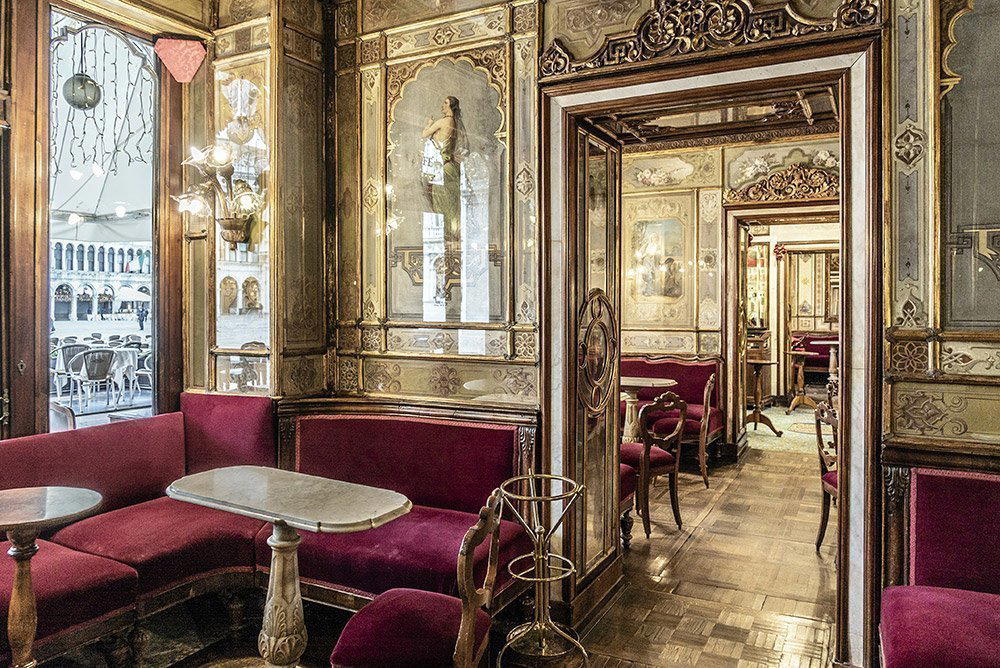
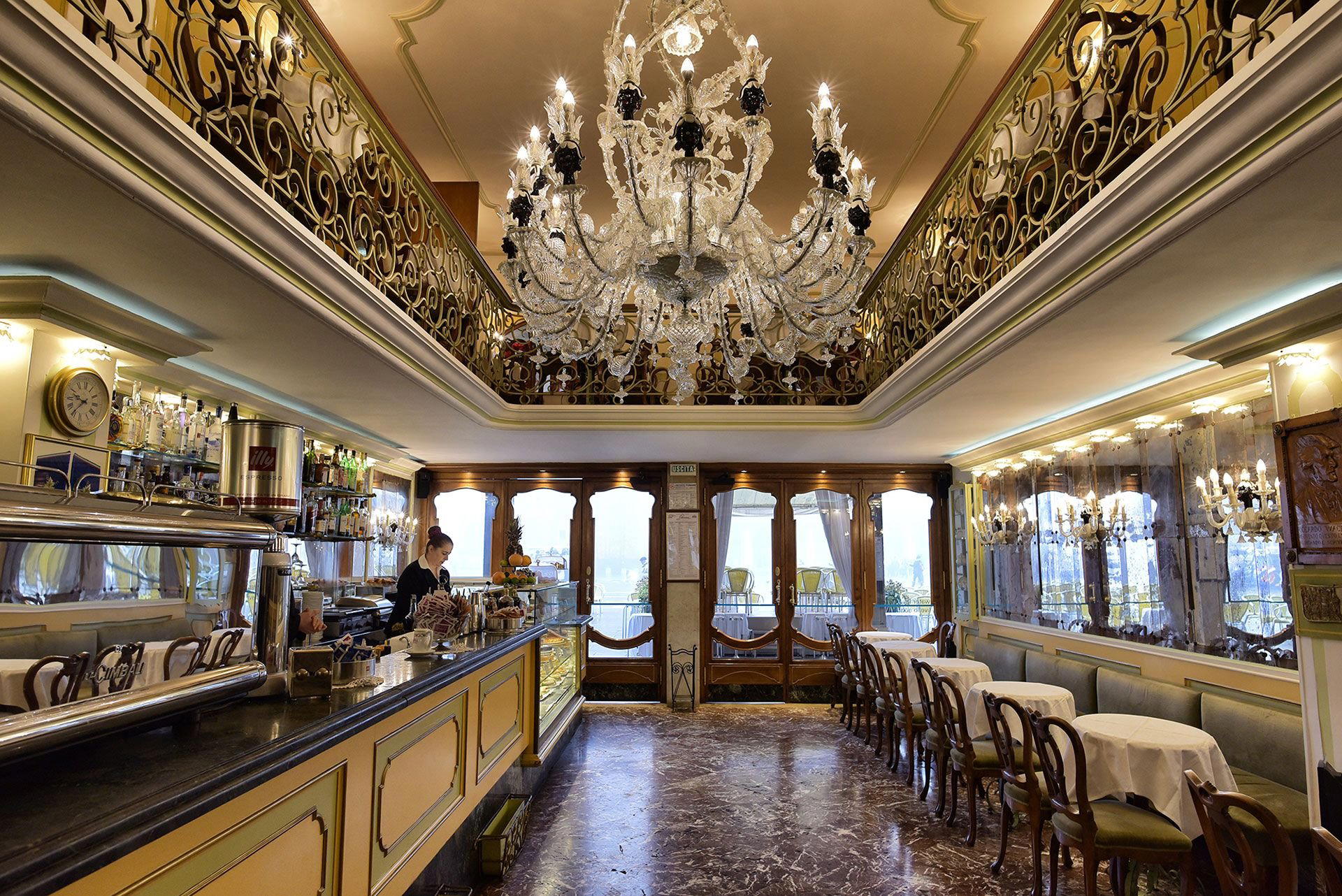
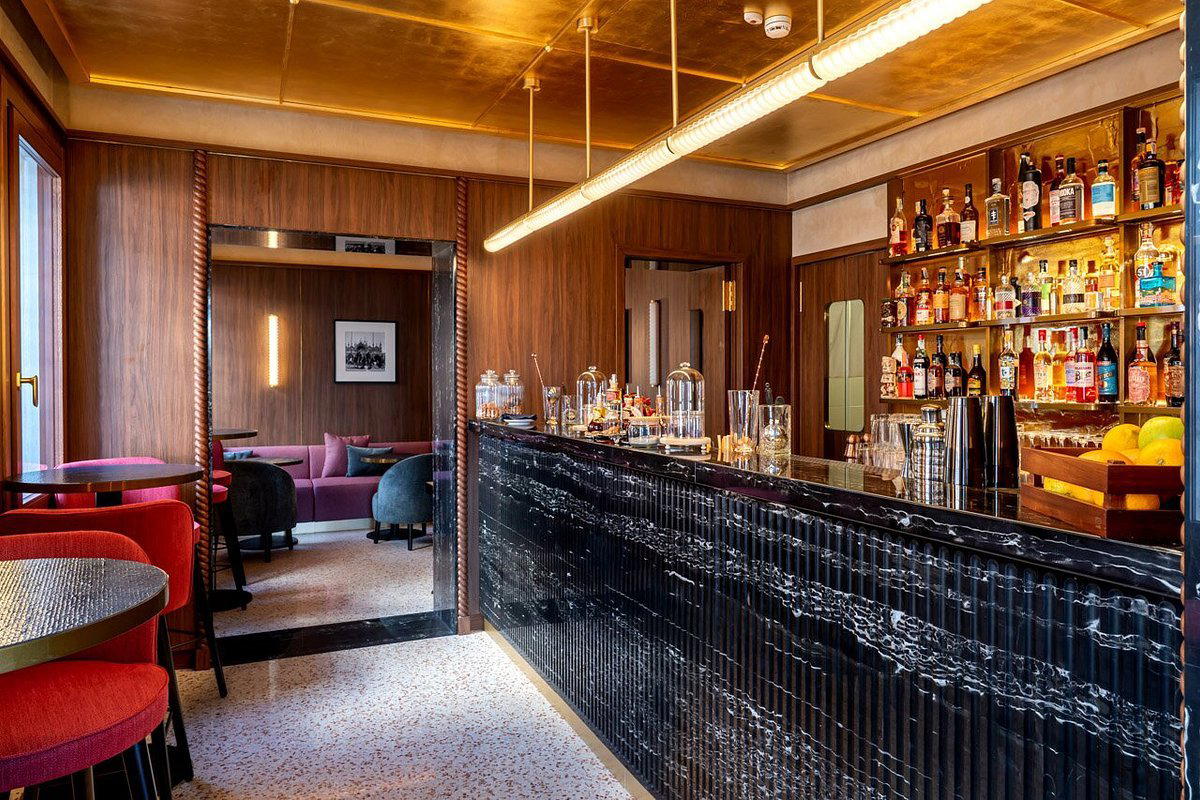
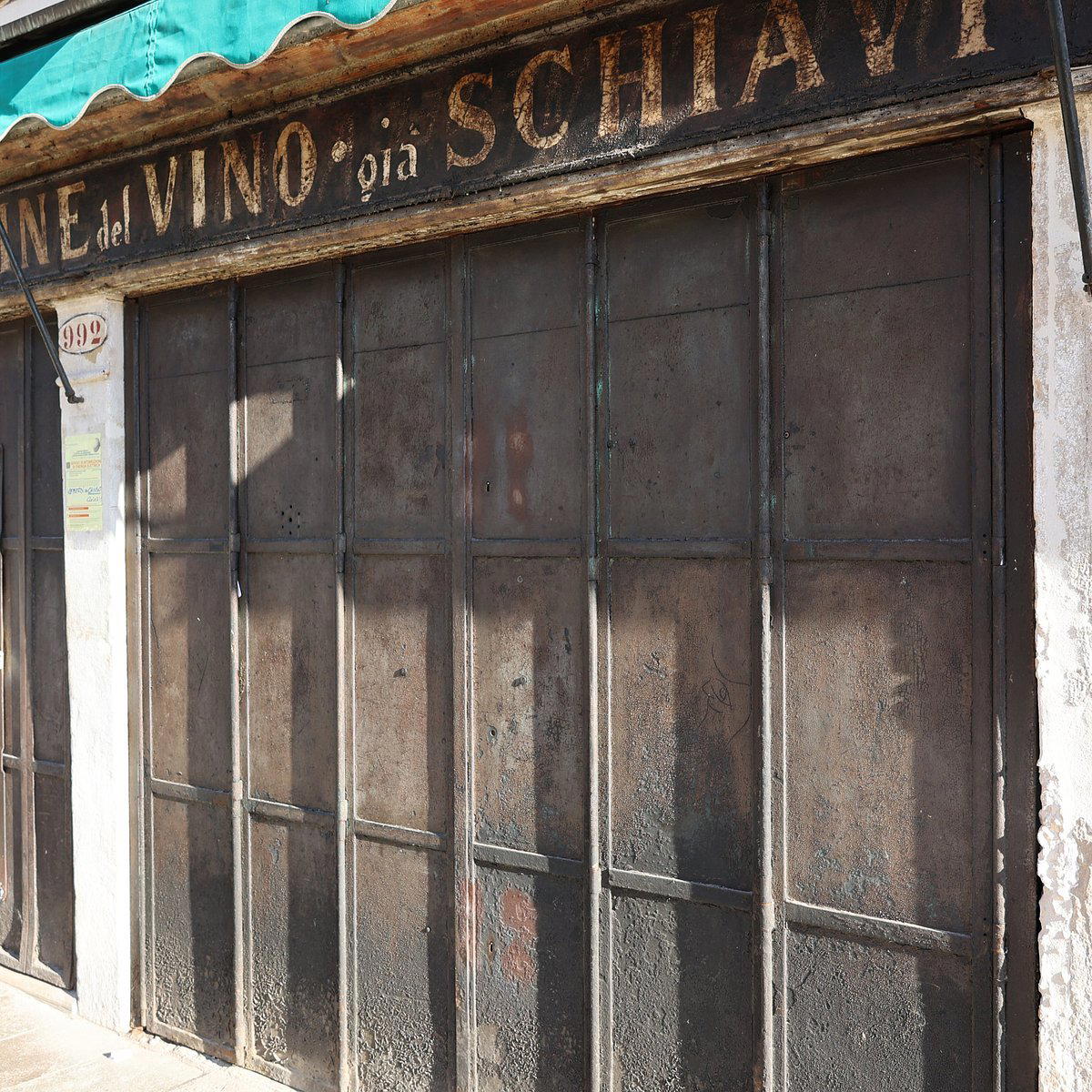
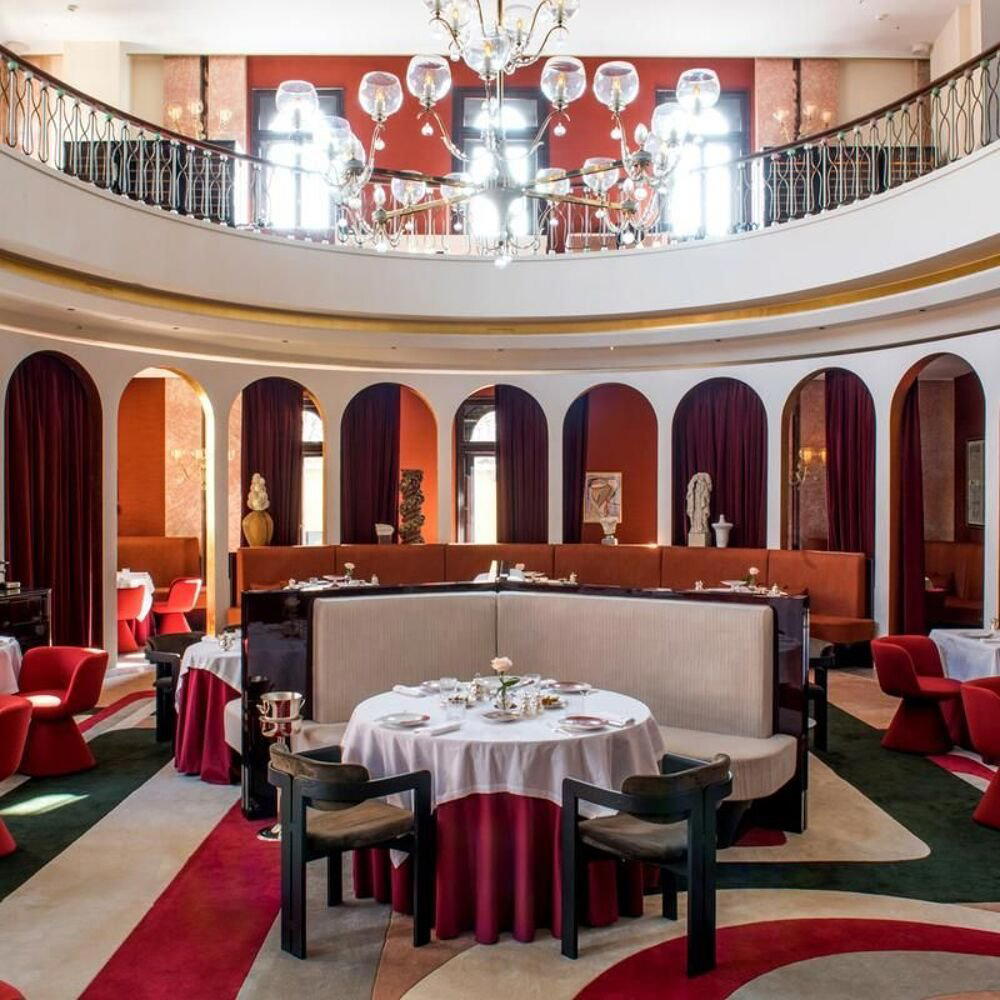
Restaurants in Venice
Browse all →
At a Glance
- Romantic
- Elegant
- Sophisticated
- Well Known
- Scenic
- Honeymoon
- Romantic Getaway
- Anniversary
- Celebration
- Destination Wedding
- Waterfront
- Historic Building
- Garden
- Panoramic View
- Private Dining
- Destination Spa
- Pool
- Spa
- Fitness Center
- Room Service
- Concierge
- Kids Club
- Restaurant
- Bar
- Waterfront
- Garden
- Pool
- Spa
- Fitness Center
- Room Service
- Concierge
- Kids Club
- Restaurant
- Bar
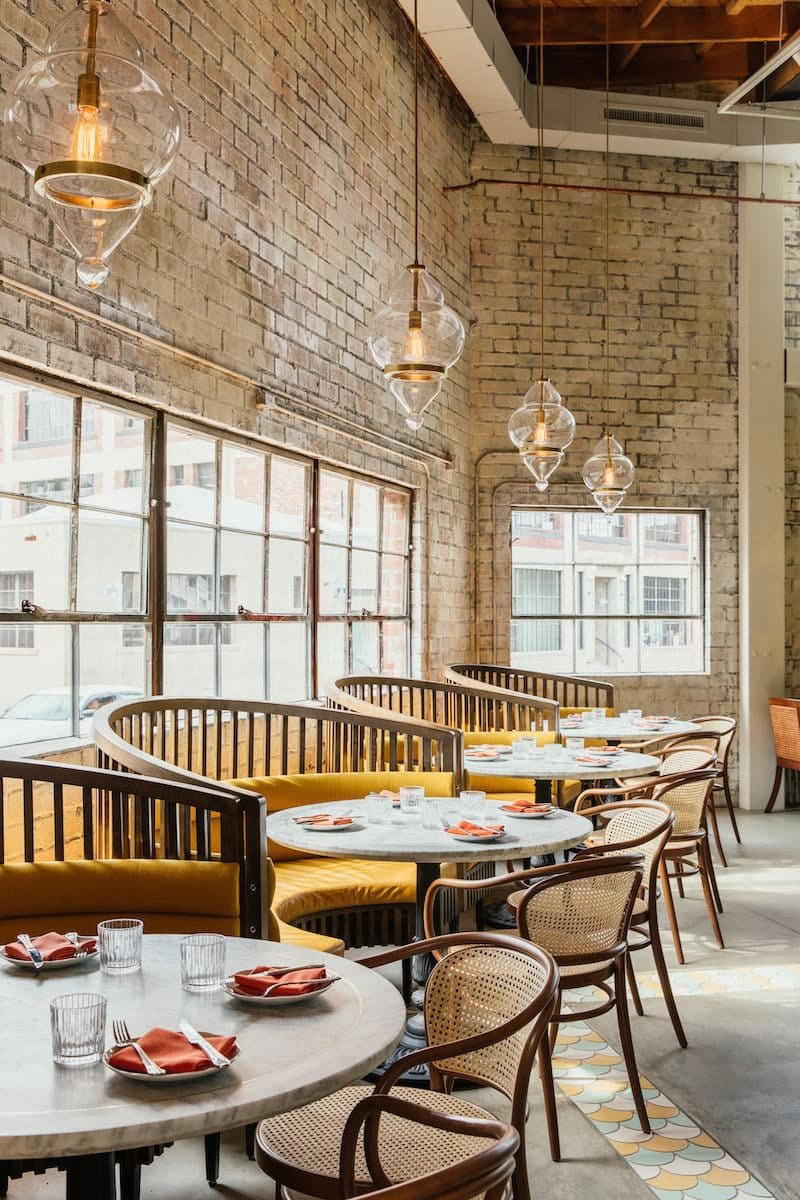
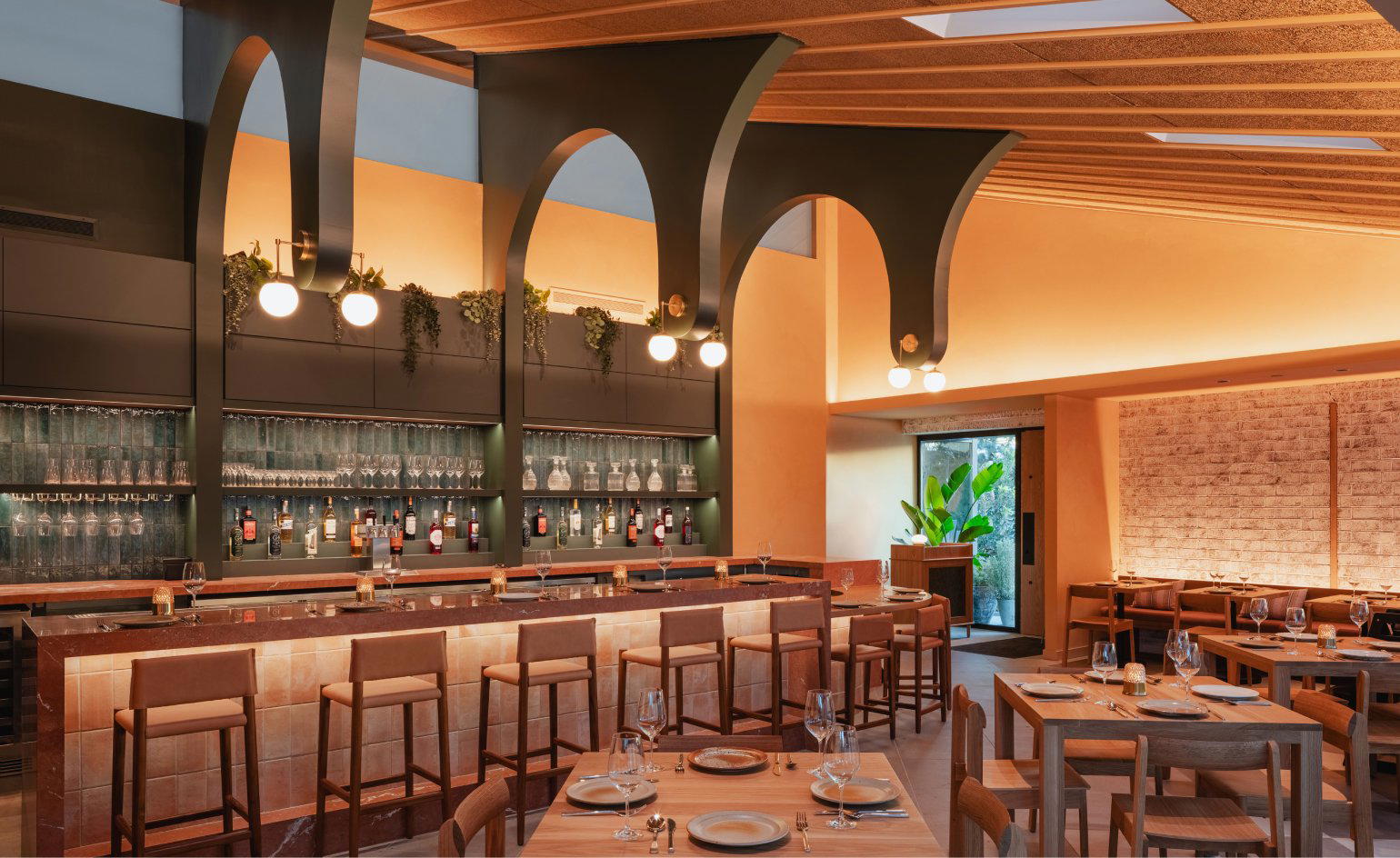
Elegant and refined with French linens, Italian marble, custom Fortuny chandeliers, Murano glassware, and warm ambers and soft neutrals throughout, creating a timeless yet sophisticated atmosphere.