Hotel Gabrielli Venezia belongs to Venice’s architecture-led hotel conversation, where arrival sequence, canal frontage, and building character shape the stay as much as service category. With no published database details on rating, awards, room count, or pricing, it is a property to assess through location fit and design expectations rather than trophy signals.

Pearl is the En Primeur Club membership app — saves, bookings, and concierge access live there. Same editors, same standards.
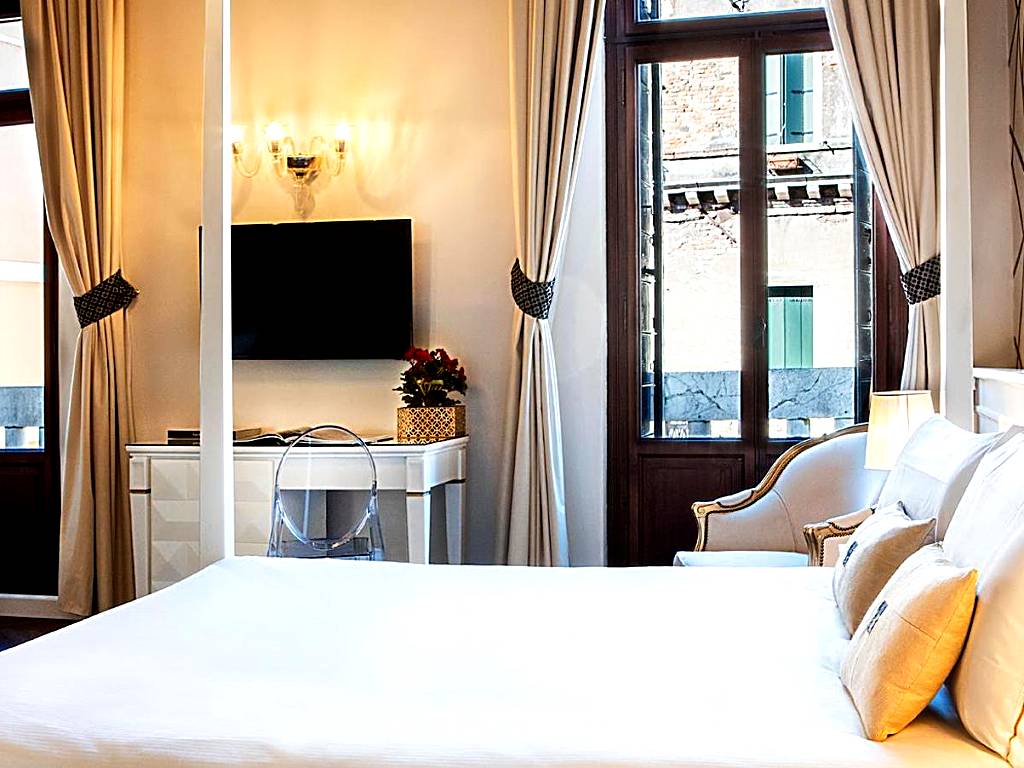
Arrival, architecture, and the Venice hotel question
Venice is a city where a hotel’s first argument is often architectural. Before service style, restaurant programming, or room category enters the conversation, the approach matters: stone underfoot, water traffic at the edge of sight, the compression of a calle opening into a wider view. In that context, Hotel Gabrielli Venezia is less useful as a standalone name than as part of a long Venetian tradition: hotels that ask travelers to choose between palazzo theatre, lagoon-facing calm, and smaller design-led addresses embedded in the city’s tighter fabric.
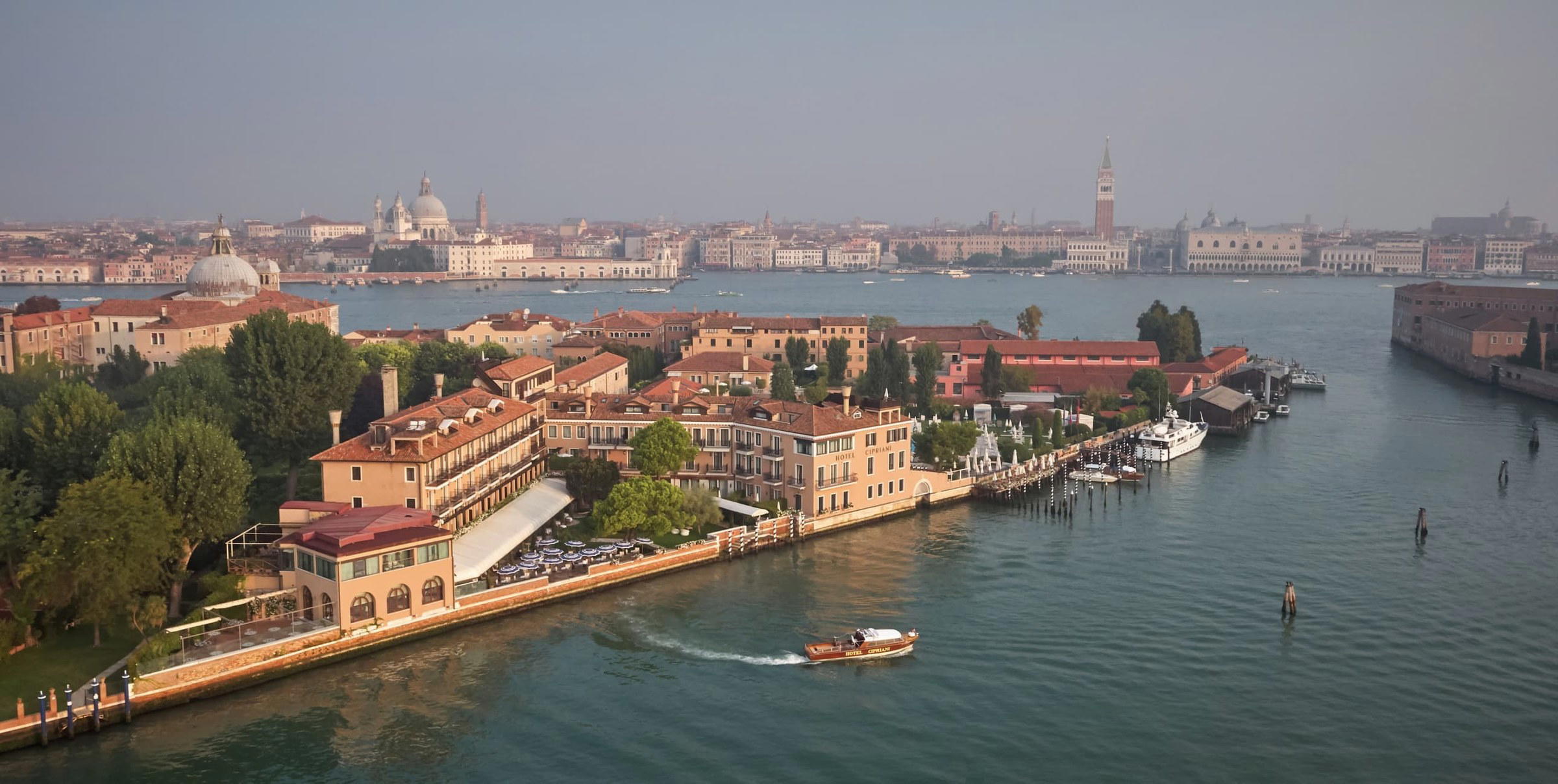
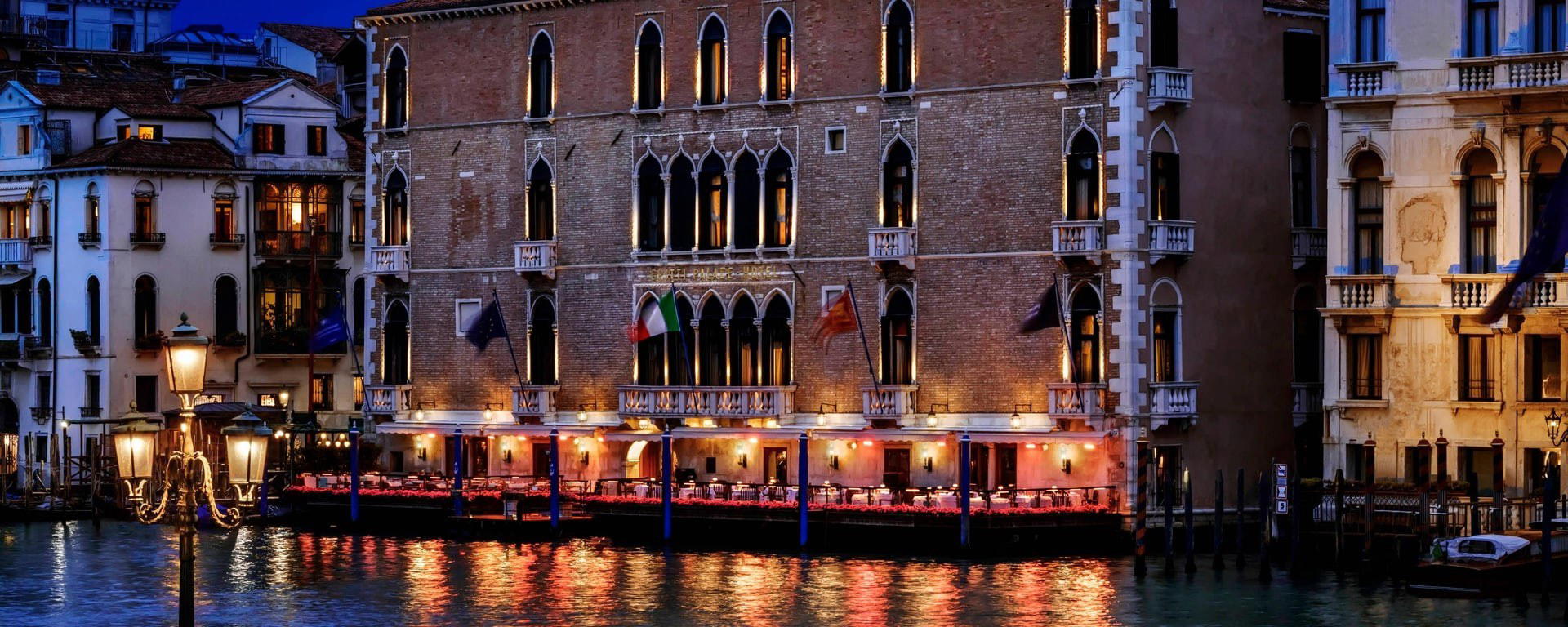
The current luxury hotel scene in Venice is split into distinct camps. Grand Canal palaces such as Aman Venice and Hotel Gritti Palace trade on ceremonial arrival and art-historical weight. Resort-style privacy sits across the water at Cipriani, A Belmond Hotel, Venice. A newer design current runs through addresses such as Ca’ di Dio, Il Palazzo Experimental, and Nolinski Venezia, where contemporary interiors, adaptive reuse, and neighbourhood positioning carry more weight than inherited grandeur. Hotel Gabrielli Venezia belongs in the part of that discussion where the building, the approach, and the city-facing mood need to be read together.
How Venice hotels compete through physical space
In many cities, hotel hierarchy can be read through star rating, suite inventory, spa scale, or restaurant acclaim. Venice complicates that logic. A smaller address can feel more compelling than a larger one if it handles movement, silence, and views with discipline. A heavily decorated palace can impress on arrival yet feel less persuasive after a day of bridge crossings and crowds. The city rewards hotels that understand transition: from water to threshold, from public routes to enclosed rooms, from historical architecture to contemporary use.
That is why architecture and design are not secondary subjects here. The Venetian hotel room is often a negotiation with age, protected fabric, irregular plans, thick walls, and the demands of modern comfort. The stronger properties do not erase those constraints. They make them legible without turning every corridor into a costume drama. In this comparable set, the practical question is not only whether a hotel looks grand, but whether its design helps the traveler live well in a city that can be physically demanding.
For comparison, Corte di Gabriela sits in the smaller, intimate category; Londra Palace Venezia occupies a more classic city-hotel lane; and the large-name palace hotels shape expectations around ceremony and heritage. Hotel Gabrielli Venezia should be judged against that spread rather than against a generic international luxury template. Venice punishes hotels that try to be everywhere.
The design lens: what to look for
For travelers comparing Venice hotels, named awards and ratings can clarify market position; without them, the sharper test is whether the property’s physical setting suits the itinerary.
Architecture-led hotel stays in Venice tend to succeed on three points. First, the public spaces need to handle arrival with composure, since guests often reach hotels after water transfers, crowded vaporetto stops, or a sequence of bridges. Second, rooms need acoustic and spatial logic; romance fades quickly when circulation, luggage, and bathroom layouts are poorly resolved. Third, the hotel needs a clear relationship to its quarter. A property that reads as a sealed international bubble can feel oddly detached in a city whose pleasure lies in shifting scale street by street.
Hotel Gabrielli Venezia is therefore worth considering for travelers who care about the Venice hotel as an urban base, not only as a service machine. The name places the property inside a city where architecture is never background, and where the quality of a stay depends on how gracefully a building mediates the outside world. That is a more demanding standard than a checklist of amenities.
Venice context: palace grandeur versus quieter urban stays
The city’s high-end hotel market has become more stratified. At one end are addresses that sell arrival as spectacle: private boat landings, historic salons, grand staircases, and rooms that place the guest inside an image of Venice exported for more than a century. At another end are properties that work through restraint, neighbourhood scale, and design editing. Neither model is inherently stronger. The better choice depends on the trip.
First-time visitors often benefit from a hotel that makes Venice visually immediate. Repeat travelers may care more about a quieter route home after dinner, a less trafficked morning walk, or proximity to a particular district. Food-focused itineraries should be planned alongside Our full Venice restaurants guide, because the city’s stronger dining moments are often scattered across sestieri rather than concentrated in a single hotel corridor. Drinkers should check Our full Venice bars guide, while travelers building a broader cultural program can use Our full Venice experiences guide. Wine-led planning is less obvious in Venice than in mainland regions, but Our full Venice wineries guide gives the category its own frame.
For hotels specifically, Our full Venice hotels guide is the more useful comparison tool. The point is not to rank every property by size or polish, but to match the building type to the traveler’s tolerance for crowds, transfers, formality, and architectural drama.
Who should consider this address
Hotel Gabrielli Venezia makes sense for travelers who want their hotel choice to feel rooted in Venice’s built environment rather than detached from it. That includes architecture-minded guests, couples who prefer an urban base over resort removal, and repeat visitors who have already experienced the city’s palace-hotel circuit and want a different balance of atmosphere and function.
This distinction matters in Venice because misaligned hotel choices are common. A traveler seeking poolside separation from the city may be happier looking across the lagoon to a resort format. A traveler seeking grand-dame formality may find stronger signals at the established palace addresses. A traveler who wants the building to be part of the daily rhythm should focus on arrival route, surrounding streets, room outlook, and how the property’s design handles old fabric. Those are the points to verify before committing.
How it compares within Italy's design-hotel circuit
Venice does not exist in isolation. Italy’s hotel scene now stretches from restored estates to urban palazzi, coastal cliff properties, and deeply personal countryside houses. Castello di Reschio in Lisciano Niccone represents the estate-restoration model, where land, architecture, and long-term craft define the experience. Casa Maria Luigia in Modena connects hospitality to the cultural gravity of Emilia-Romagna. Four Seasons Hotel Firenze in Florence shows how historic scale can be adapted to a city-resort format, while Portrait Milano in Milan sits in a more metropolitan, fashion-adjacent register.
Coastal Italy adds another set of expectations. Borgo Santandrea in Amalfi Coast, JK Place Capri in Capri, and Il San Pietro di Positano in Positano place views, terraces, and vertical geography at the center of the stay. Savoia Excelsior Palace Trieste – Starhotels Collezione in Trieste belongs to a port-city tradition with a different Austro-Adriatic tone, while Corte della Maestà in Civita di Bagnoregio shows how small-scale hospitality can draw power from place rather than scale. Against that national field, Venice hotels are judged by how convincingly they resolve density, heritage, and water-bound logistics.
Internationally, the comparison broadens again. The Fifth Avenue Hotel in New York City, Hôtel de Paris Monte-Carlo in Monte Carlo, and Badrutt's Palace Hotel in St. Moritz each belong to cities or resorts with strong hotel mythologies. Venice’s equivalent mythology is inseparable from architecture, water, and the choreography of arrival.
Planning notes for a stay
That means planning should begin with verification through official channels or a trusted travel advisor before flights and transfers are locked. In Venice, that step has added importance because arrival logistics can change the tone of the first day: water taxi, vaporetto, luggage route, bridge count, and check-in timing all affect how the hotel feels in practice.
Seasonality also matters. Spring and autumn usually bring heavy demand around cultural calendars and major travel periods, while summer adds heat and day-visitor pressure. Winter can be quieter, though acqua alta risk and reduced daylight alter how guests use the city. Without venue-specific booking rules in the record, the conservative approach is to confirm room category, cancellation terms, transfer guidance, and breakfast arrangements directly before payment. In Venice, vague assumptions can be costly.
Comparable Venues Nearby
Comparable venues nearby, for context on price, style, and recognition.
| Venue | Cuisine | Price | Notes |
|---|---|---|---|
| Hotel Gabrielli VeneziaThis venue — the venue you are viewing | Refined five-star Venetian palazzo hotel combining historic architecture with contemporary Starhotels Collezione luxury in a prime lagoonfront location. | $$$$ | Not listed |
| Airelles Venezia, Palladio | Restored historic Venetian palazzo with French luxury hospitality brand positioning, blending classical Italian architecture with contemporary French design sensibilities. | $$$$ | Giudecca |
| Locanda Cipriani | Historic 13th-century inn transformed into family-run locanda with simple, tranquil rooms. | $$$$ | Torcello |
| Hilton Molino Stucky Venice | Historic flour mill restored into luxury hotel | $$$$ | Dorsoduro |
| JW Marriott Venice Resort & Spa | Contemporary luxury resort blending modern Italian design with Venetian heritage, positioned as an exclusive island escape with sophisticated amenities. | $$$$ | Isola delle Rose |
| Nani Mocenigo Palace | Venetian Gothic palace hotel blending historic authenticity with luxury | $$$$ | Dorsoduro |
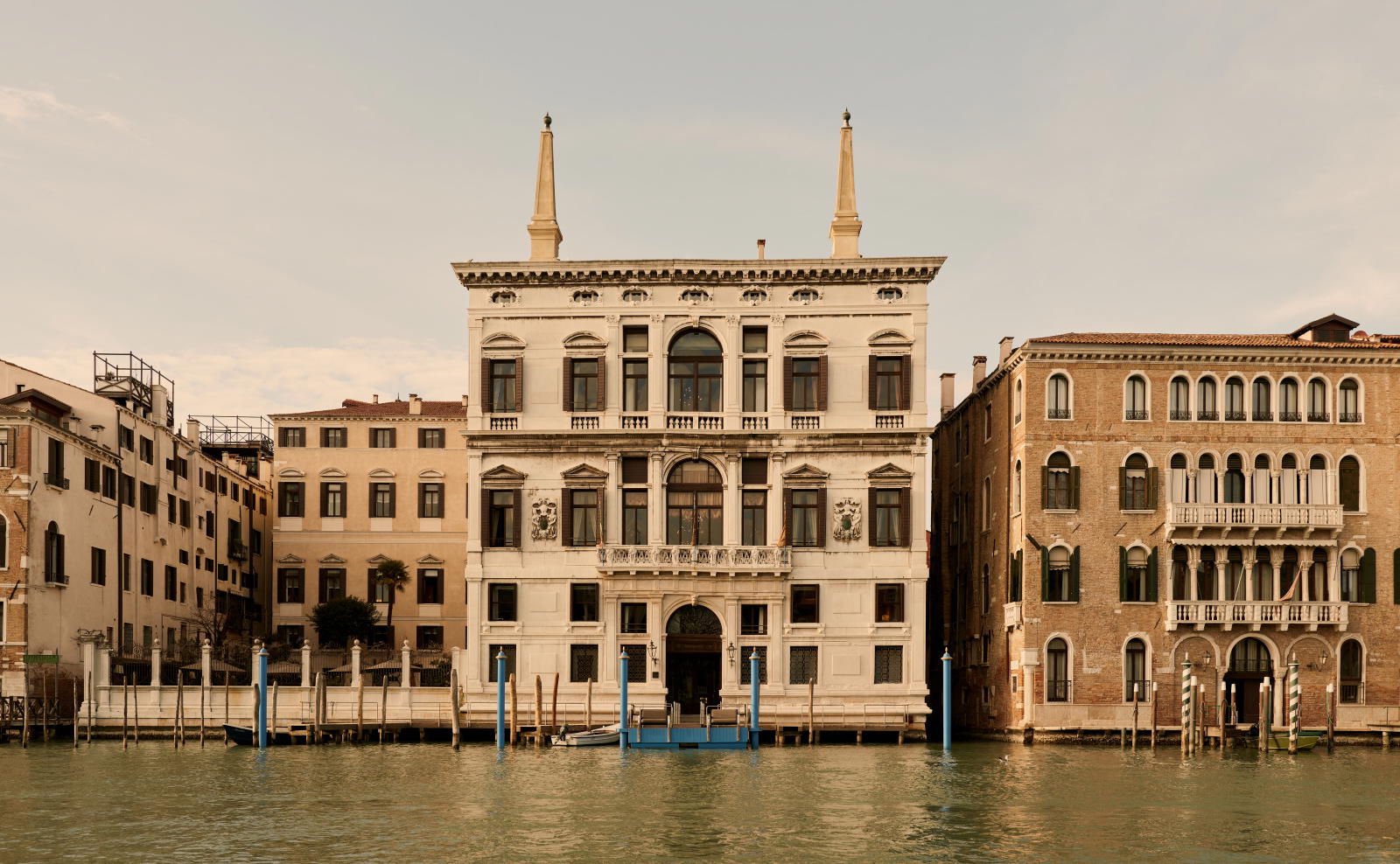

At a Glance
- Elegant
- Classic
- Scenic
- Romantic
- Sophisticated
- Romantic Getaway
- Honeymoon
- Anniversary
- Weekend Escape
- Family Vacation
- Celebration
- Waterfront
- Terrace
- Historic Building
- Panoramic View
- Garden
- Wi Fi
- Spa
- Fitness Center
- Room Service
- Concierge
- Business Center
- Waterfront
- Garden
- Street Scene
- Wi Fi
- Spa
- Fitness Center
- Room Service
- Concierge
- Business Center
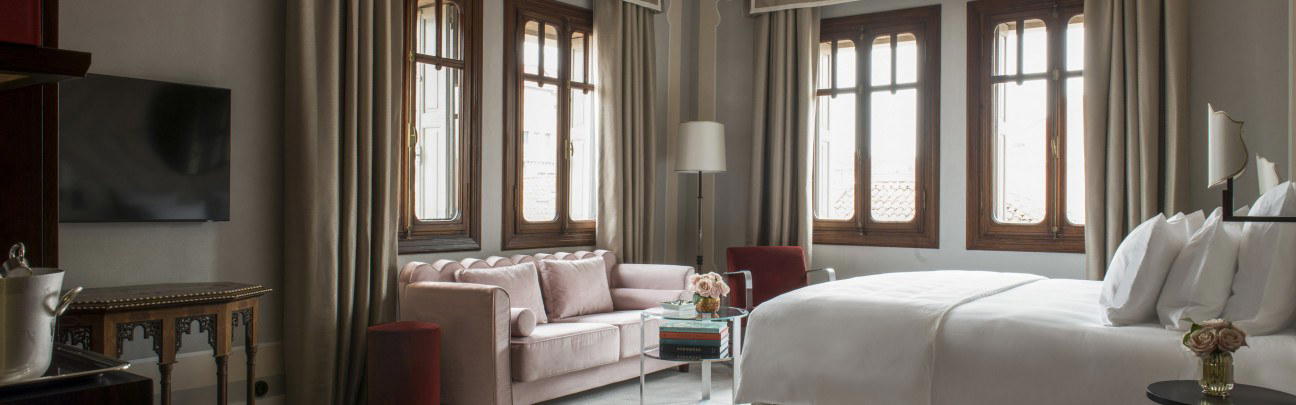
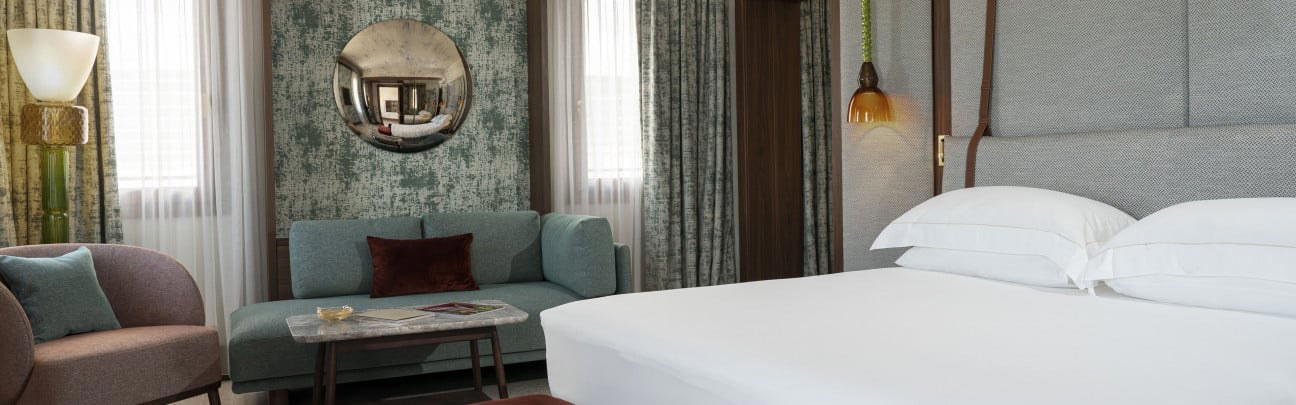
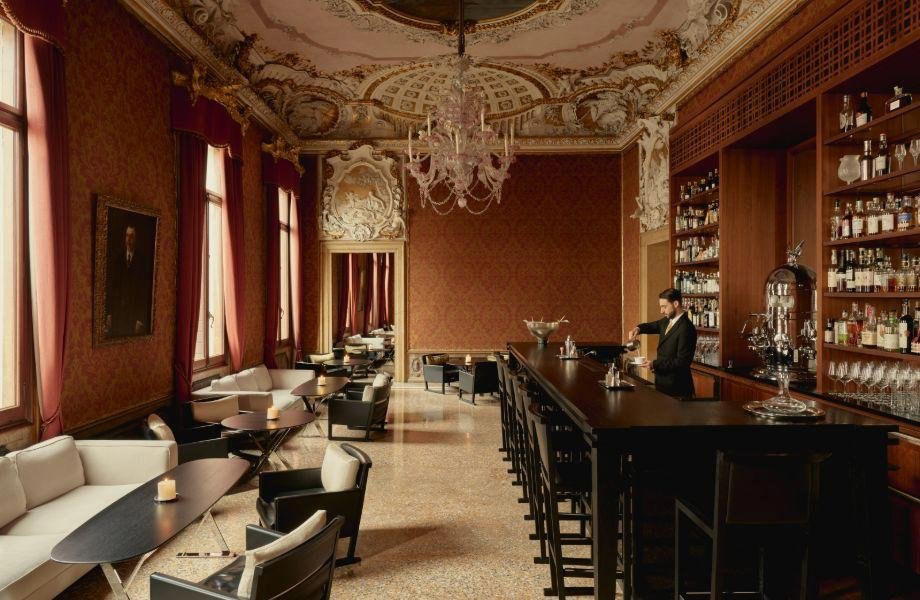
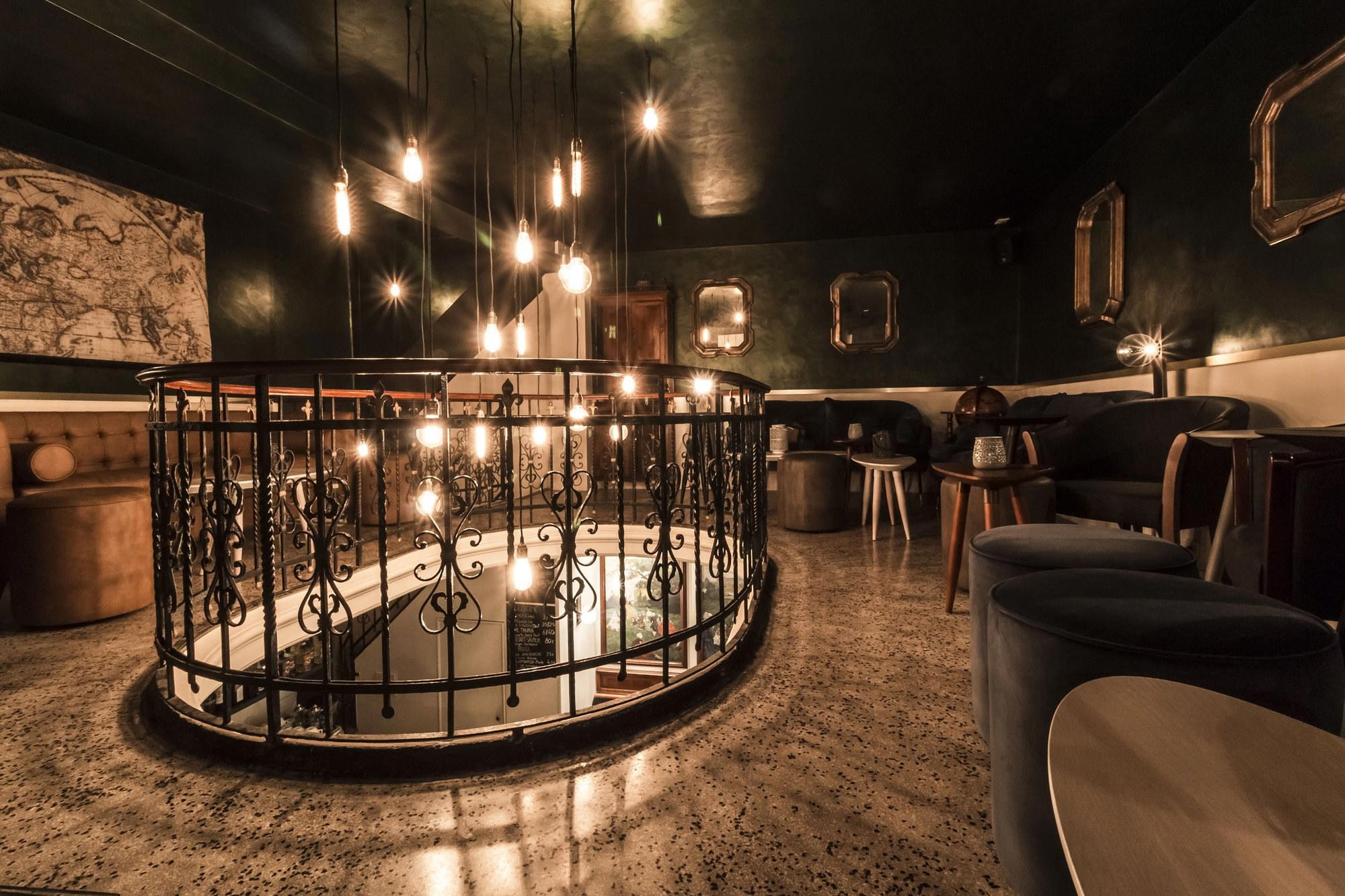
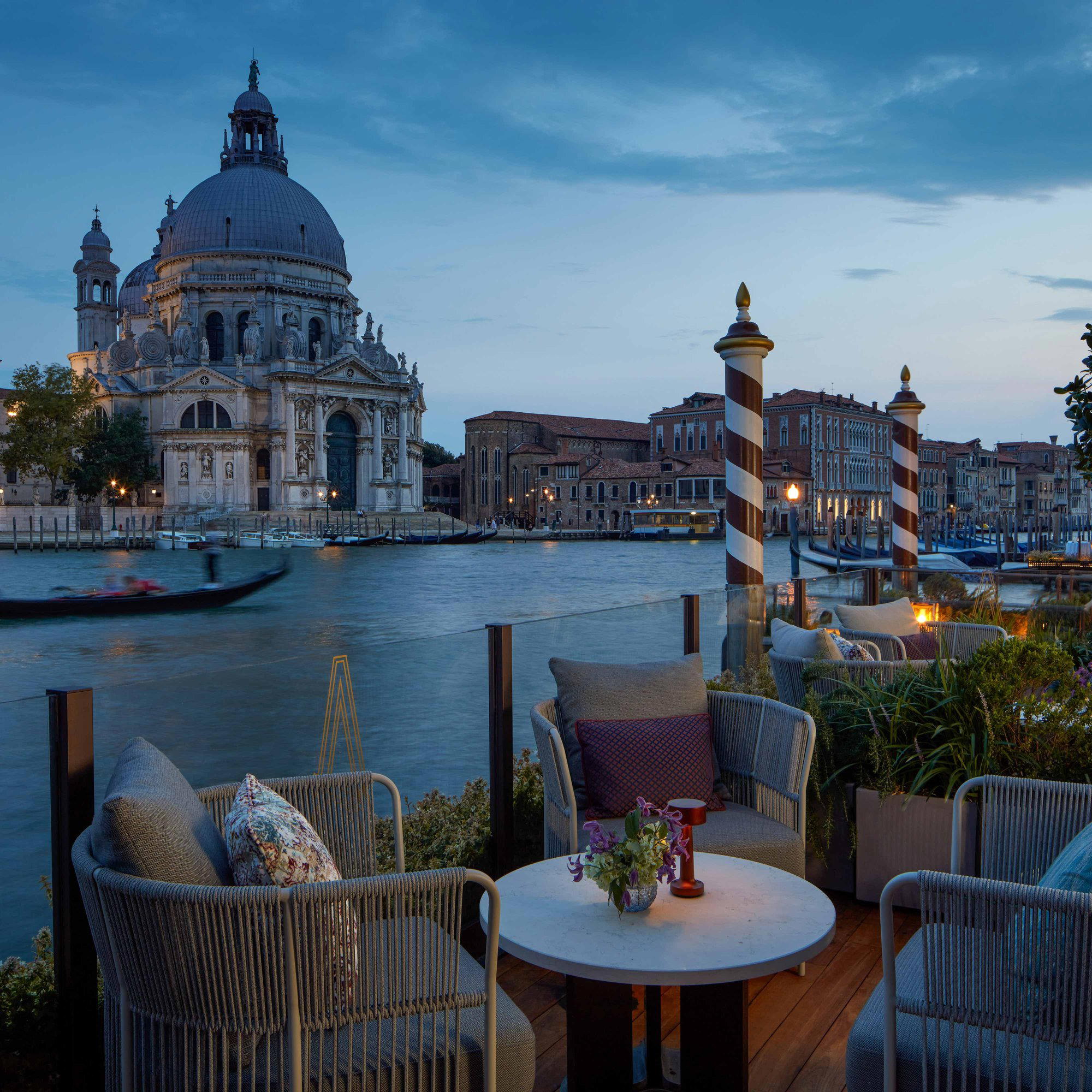
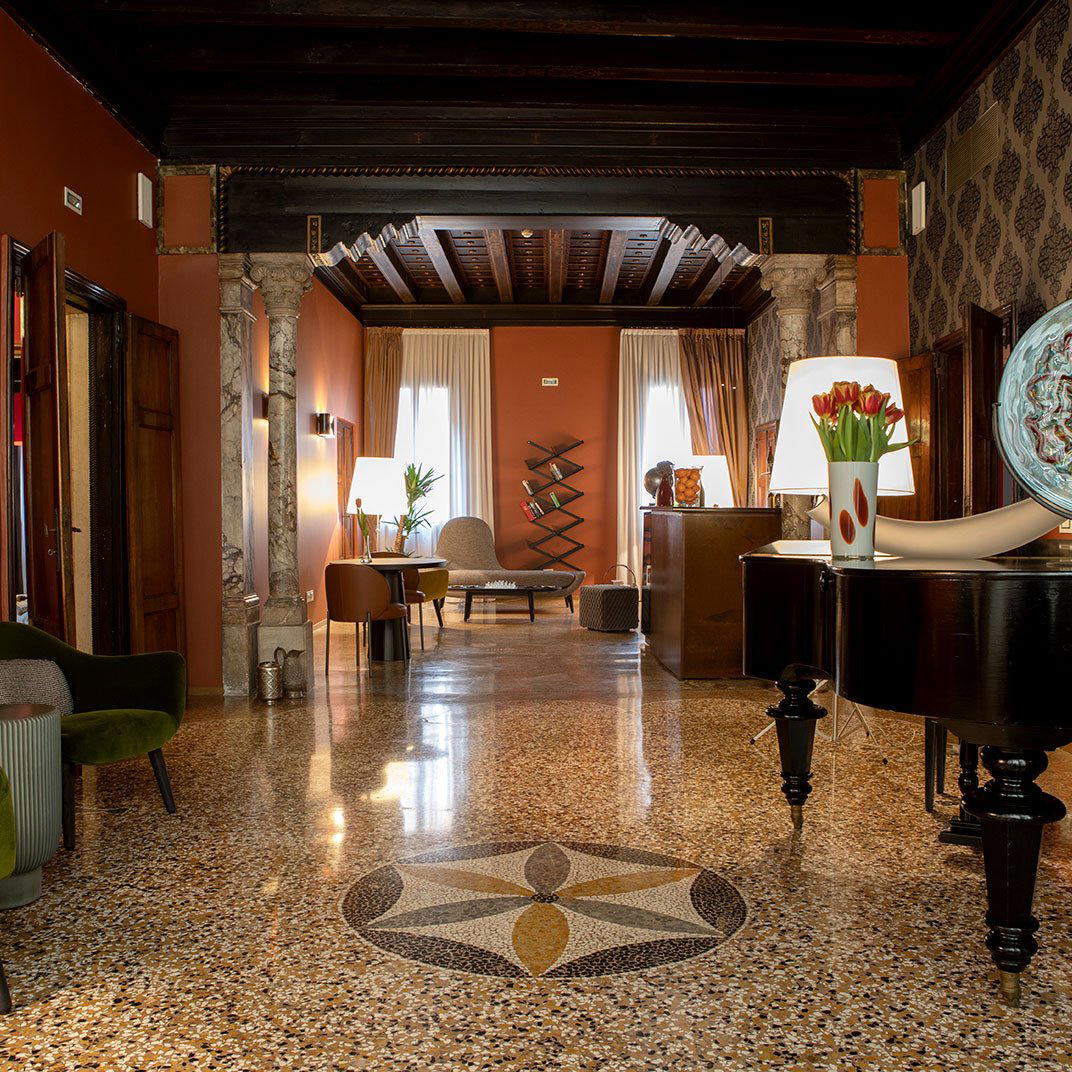
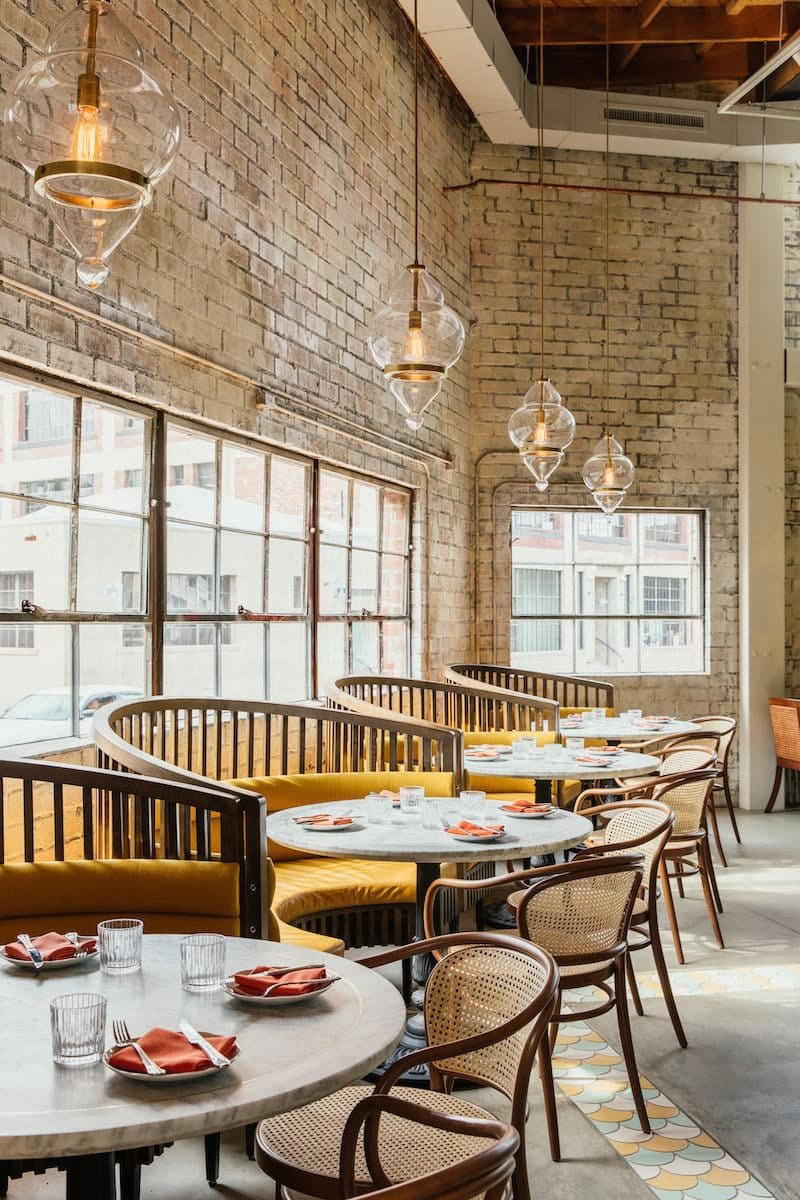
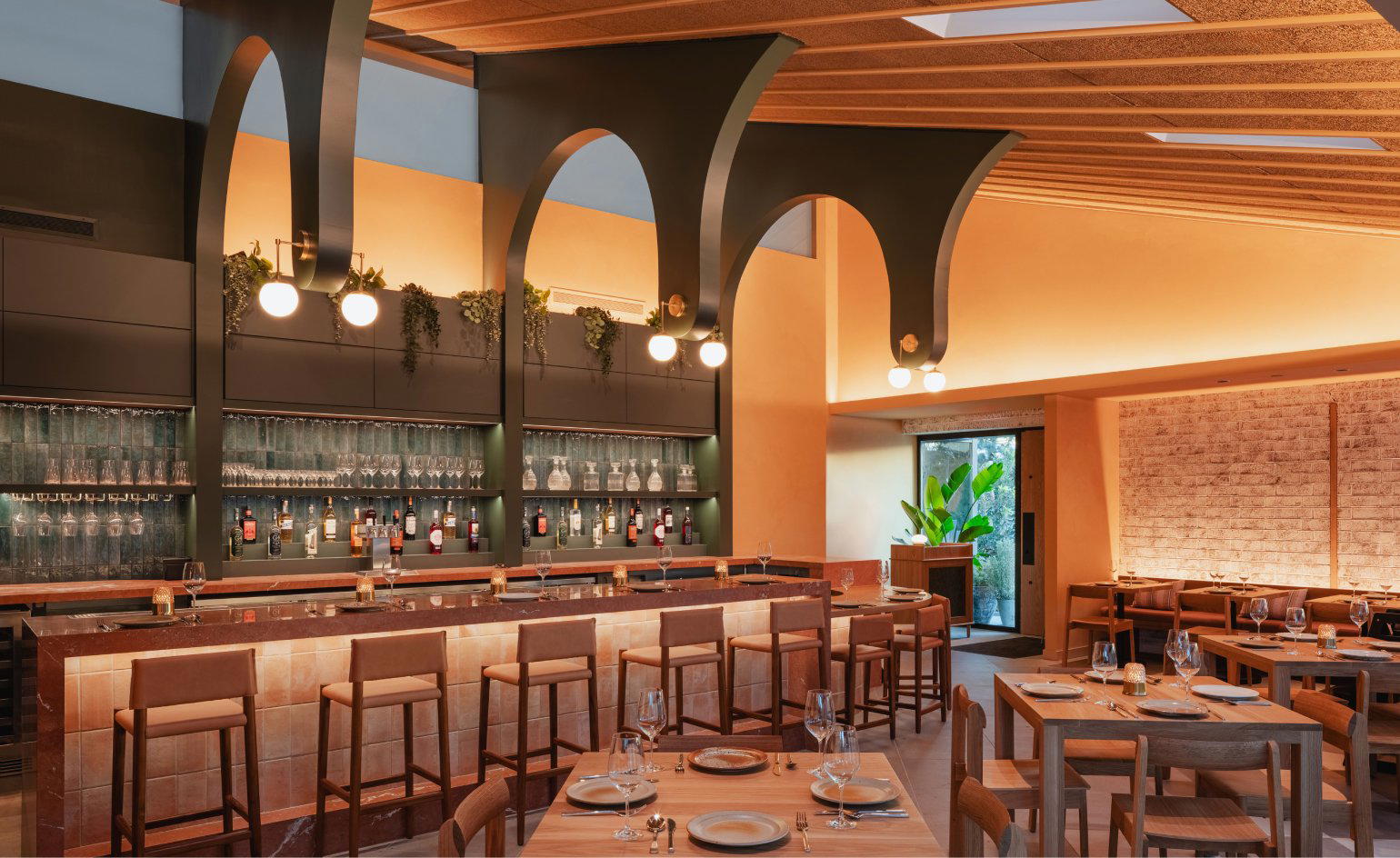
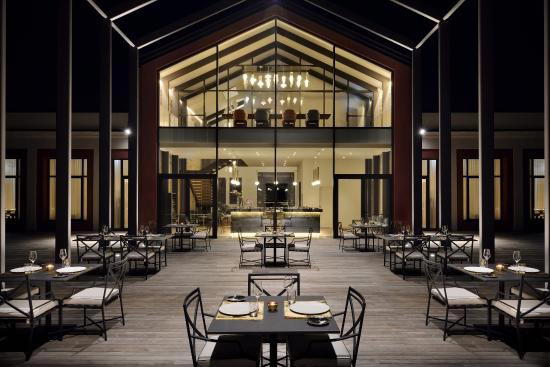
Refined and quietly luxurious, with classic Venetian decor, warm colors and wood floors in the rooms, soft lighting, and a serene atmosphere enhanced by a private garden, lagoon-facing restaurant, and a rooftop terrace with sweeping views over the water.