

1 Michelin Star · Falstaff Restaurant - 94 Falstaff Points
Our verdict
On Isola delle Rose, a private island in the Venetian lagoon accessible only by boat, Agli Amici Dopolavoro serves two tasting menus built entirely from what the island and its surrounding waters produce. The LagunAmare menu draws on lagoon fish; the Giardino delle Rose is vegetarian, rooted in the restaurant's own kitchen garden. Both hold Michelin Plate recognition for 2024 and 2025.

Pearl is the En Primeur Club membership app, where members save venues, book tables and use the concierge.
An Island That Feeds Itself
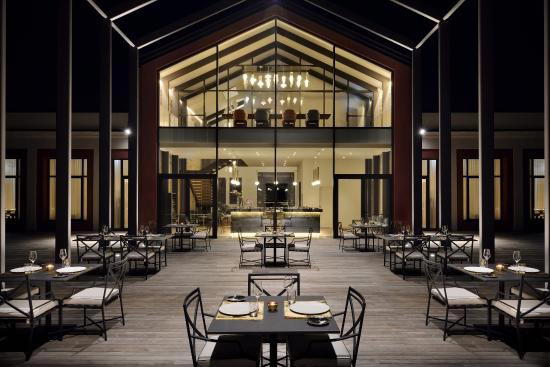
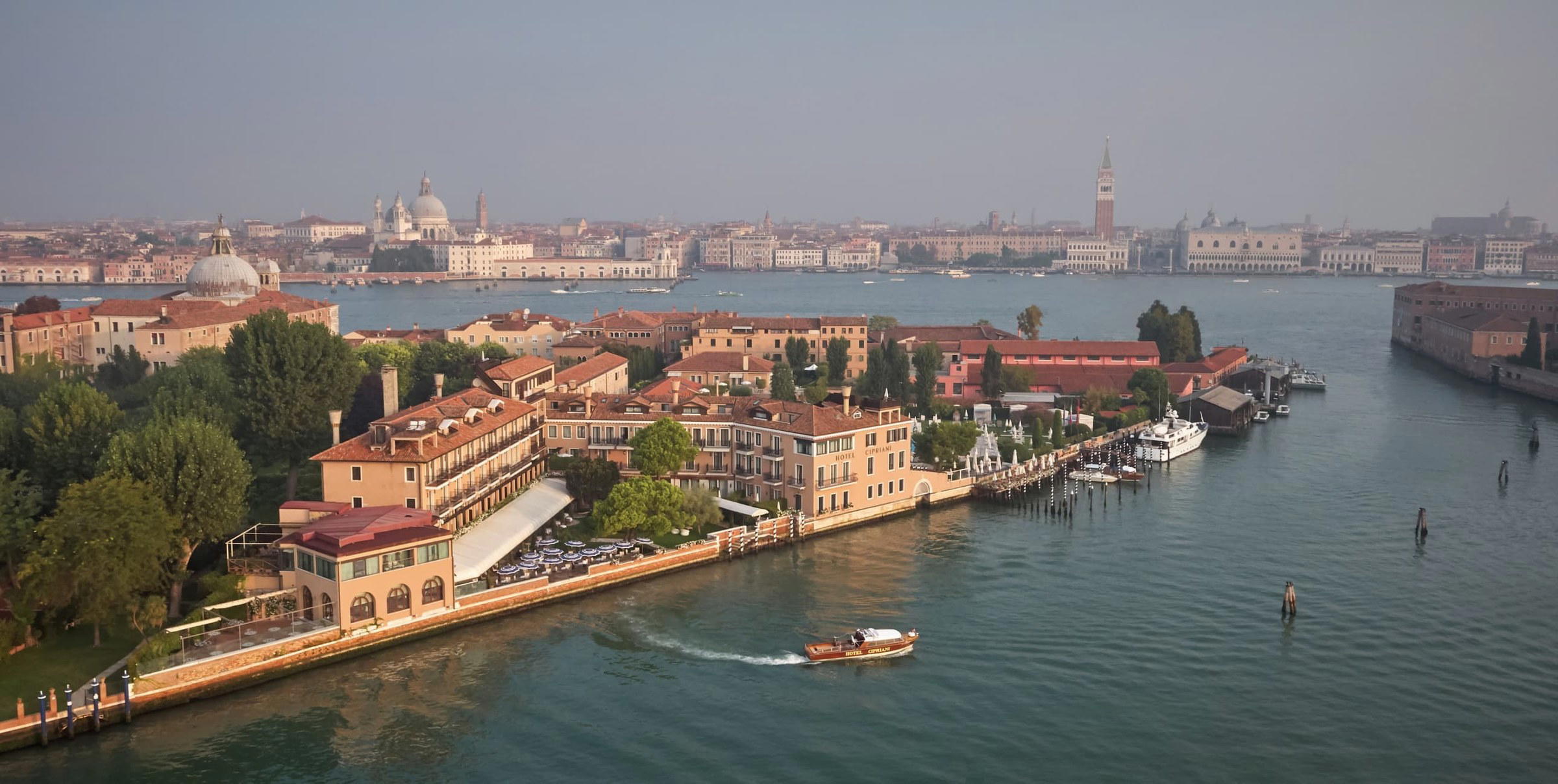
The approach by boat across the Venetian lagoon is not theatre for its own sake. Isola delle Rose sits apart from the main city in a way that makes a practical argument about food: when your kitchen is on a private island with its own olive grove and kitchen garden, the supply chain compresses to almost nothing. The produce doesn't travel. The fish comes from the same water you crossed to get here. That logic shapes everything at Agli Amici Dopolavoro, and it places the restaurant inside a specific tradition of ingredient-driven Italian cooking that has found particular traction in the northeastern lagoon environment over the past decade.
Across northern Italy, the most considered creative restaurants have moved steadily toward sourcing frameworks rather than technique frameworks, letting the origin of ingredients carry as much weight as what the kitchen does to them. You see this at places like Atelier Moessmer Norbert Niederkofler in Brunico, where Alpine provenance structures every menu decision, and in the garden-to-table architecture of Arpège in Paris, where Passard's vegetable garden anchors the kitchen's identity. Agli Amici Dopolavoro operates on a comparable premise, but the Venetian lagoon introduces ingredients and a biodiversity that no Alpine or Parisian context can replicate: molluscs, small reef fish, lagoonal herbs, and the particular mineral character of produce grown in brackish-influenced soil.
Two Menus, One Island
The kitchen offers two tasting menus, and the distinction between them is genuinely structural rather than cosmetic. The LagunAmare menu draws exclusively on fish and seafood from the lagoon, following the logic that what the surrounding water produces is sufficient to build a full, serious menu. The Giardino delle Rose takes the vegetarian route, sourced almost entirely from the restaurant's own garden on the island. These aren't parallel offerings that happen to share a kitchen, they represent two separate relationships with the local environment, one aquatic, one terrestrial.
This dual-menu format is uncommon even within Italy's more progressive creative restaurants. At Le Calandre in Rubano or Osteria Francescana in Modena, a single tasting format dominates, with vegetarian variants offered as alternatives rather than equal parallel menus. Here, the two menus carry equivalent weight and equivalent culinary investment, which signals something about the kitchen's confidence in local vegetable production as a standalone creative statement, not merely an accommodation for non-meat eaters.
The oversight comes from chef Emanuele Scarello, with the resident kitchen led by Lorenzo Lai. Scarello's involvement connects Agli Amici Dopolavoro to a wider professional lineage, while Lai's role at this specific site gives the island restaurant its own distinct focus. In the context of Venice's creative dining scene, this mentorship structure is less unusual than it might appear elsewhere, Glam Restaurant by Enrico Bartolini operates on a similar model, with Bartolini's broader reputation anchoring a Venice property run by a committed resident team.
Where It Sits in Venice's Dining Tier
Venice's premium restaurant tier has contracted in some respects and sharpened in others over the past several years. The city's most recognised tables, including Local and Ristorante Quadri, both carry Michelin star recognition at the €€€€ price point. Agli Amici Dopolavoro holds Michelin Plate recognition for both 2024 and 2025, placing it one tier below starred status but firmly within the guide's quality endorsement framework, and at the same price band. The Plate designation, often misread as a consolation, in Michelin's own language denotes a kitchen producing good cooking, it is a substantive assessment, not a near-miss notation.
Within the Venice creative scene, the restaurant operates in a different register from the more accessible Venetian trattoria circuit. The lagoon fish specialists at €€€, places like Osteria alle Testiere, Al Covo, and Corte Sconta, share a sourcing philosophy but deliver it in a less formal, lower-cost format. Agli Amici Dopolavoro brings the same ingredient integrity to a more structured tasting-menu context, which shifts both the experience and the price expectation. For diners navigating the city's full dining range, see our full Venice restaurants guide.
Among Italy's broader creative dining circuit, the island restaurant invites comparison with kitchens that have built their reputation on territorial specificity: Dal Pescatore in Runate, Enoteca Pinchiorri in Florence, or further afield in the genre of garden-anchored creativity exemplified by Alléno Paris au Pavillon Ledoyen. Agli Amici Dopolavoro is operating on a smaller, more contained canvas, but the underlying argument, that a defined geography can sustain a complete creative menu, is consistent across that peer group.
The Garden, the Grove, the Terrace
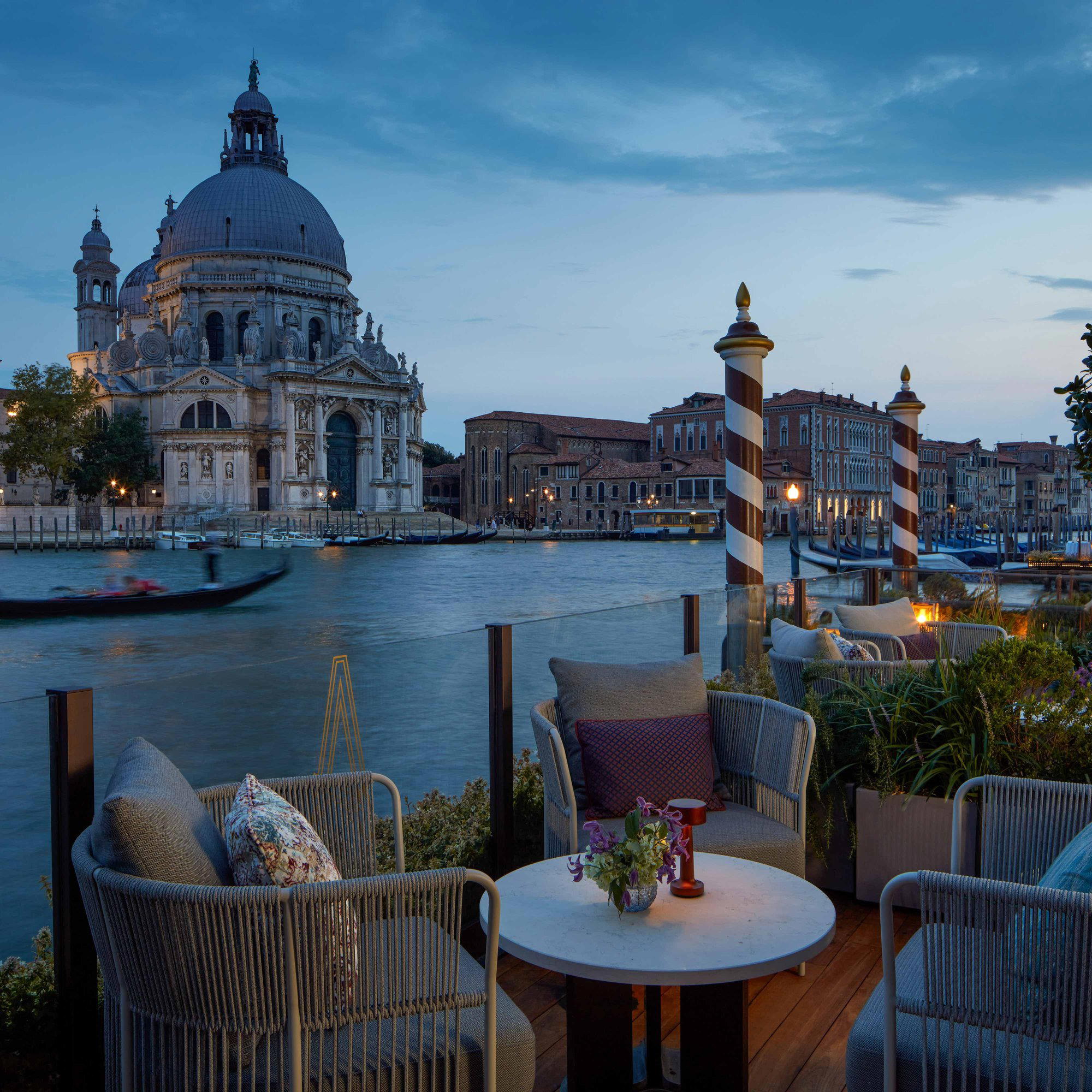
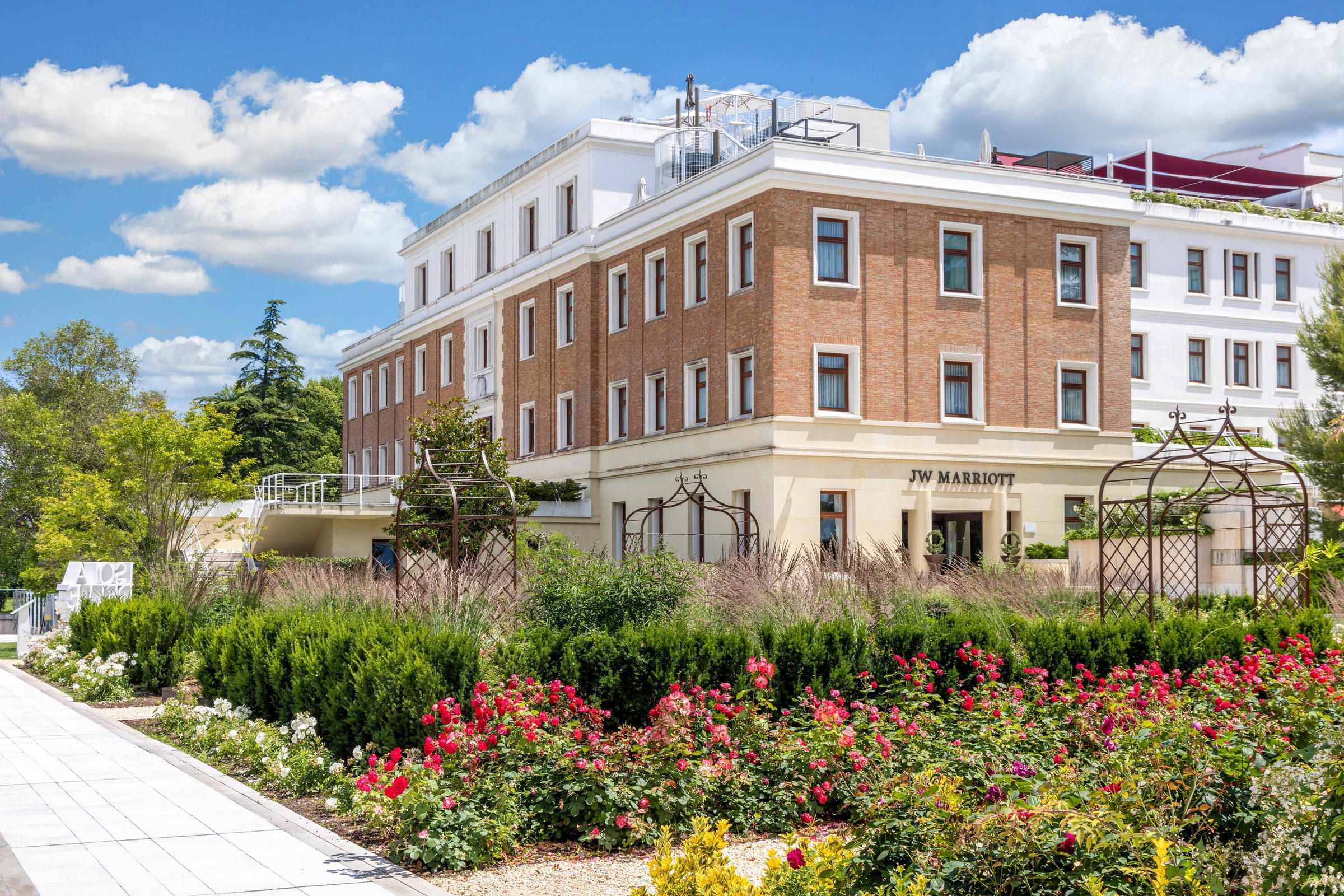
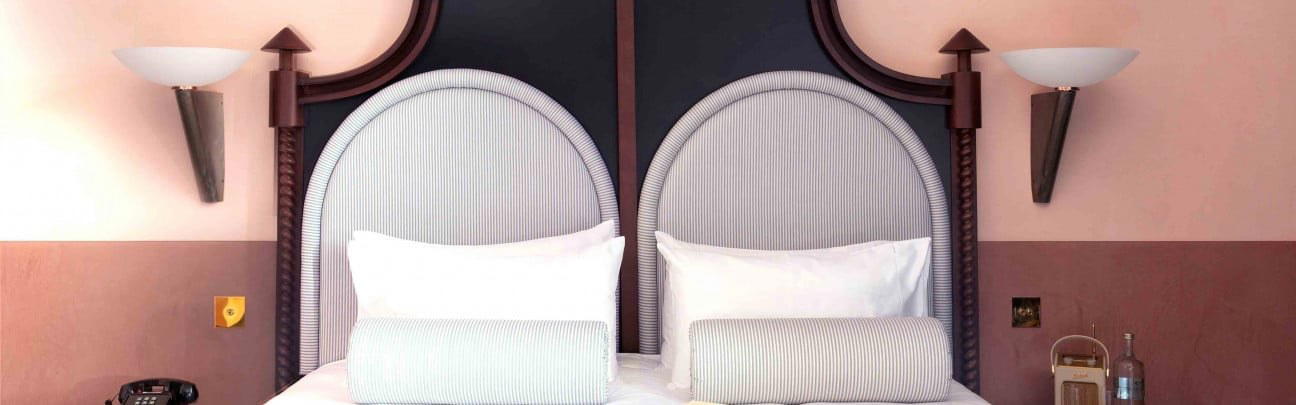
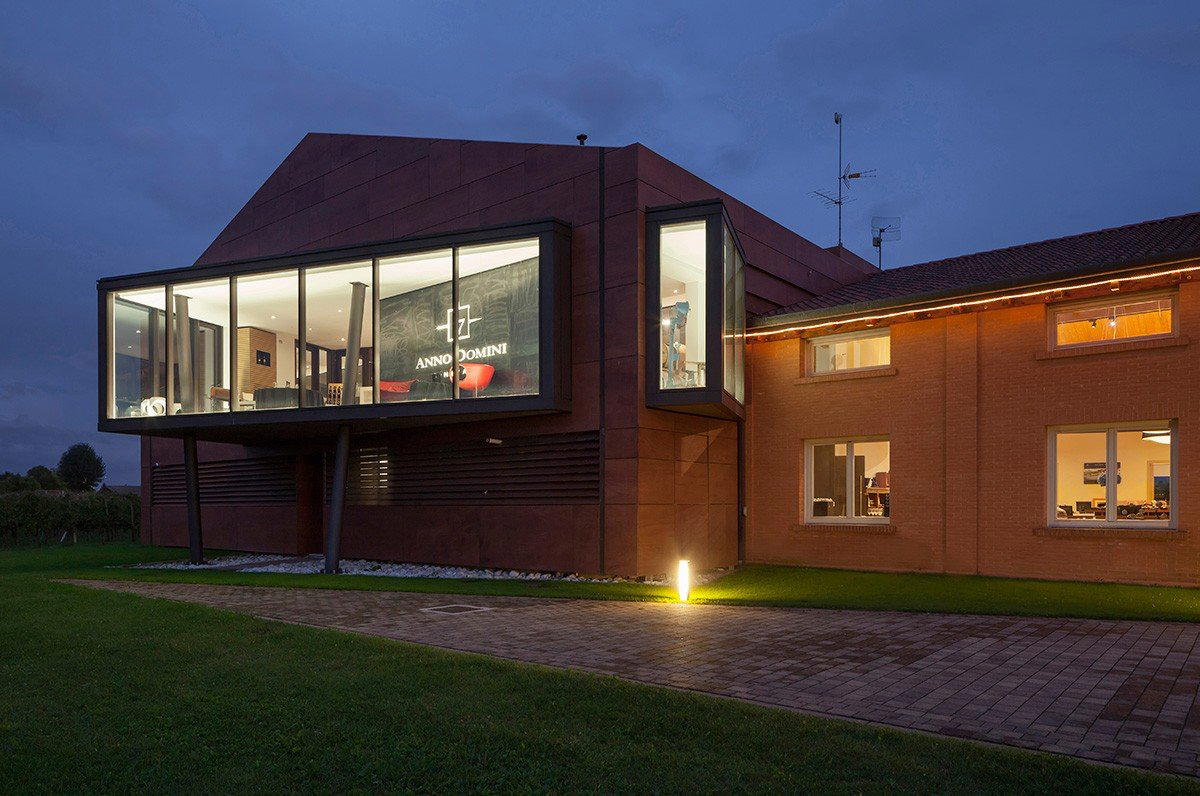
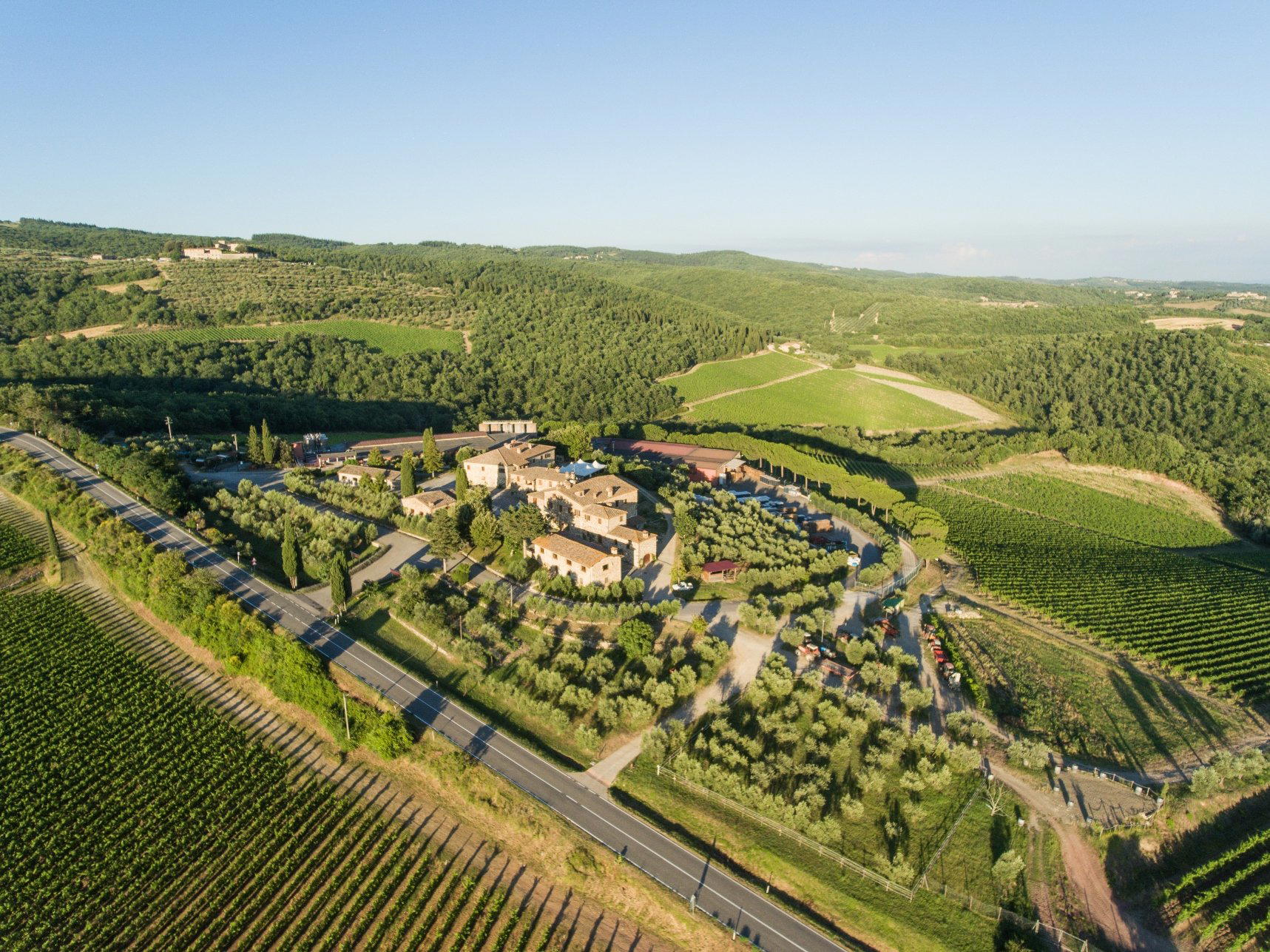
The physical setting functions as both atmosphere and supply chain. A small garden and olive grove sit between the entrance and the restaurant proper, making the sourcing logic visible to anyone arriving on foot across the island. On summer evenings, an aperitif on the outdoor terrace is the recommended way to open the meal, using the lagoon light and air as context before moving inside. This sequencing, aperitif outdoors, menu indoors, is an embedded part of how the restaurant is intended to be experienced, and in a city where most restaurants compete on interior design or canal views, a private island terrace over open water represents a genuinely different kind of setting.
For visitors planning around Venice's broader scene, the island's accessibility by boat means timing requires more advance consideration than a canal-side walk-in. The restaurant is not reachable on foot, and the private island format means capacity is inherently limited. Reservations should be treated as essential rather than optional. The price point at €€€€ is consistent with Venice's leading creative tier, and the tasting menu format means the meal will occupy a full evening.
For context on where to stay, drink, or find other experiences during a Venice visit, see our Venice hotels guide, our Venice bars guide, our Venice wineries guide, and our Venice experiences guide. For restaurants sharing the creative contemporary approach in the city, Zanze XVI and Oro Restaurant offer points of comparison, while Enrico Bartolini in Milan provides useful context for understanding the mentorship lineage behind the Venice operation.
Frequently asked questions
What part of town is Agli Amici Dopolavoro in?
Agli Amici Dopolavoro is located at Agli Amici Dopolavoro, Via Los Angeles, 06081 Angeli PG, Italy, Venice.
Has Agli Amici Dopolavoro won any awards?
Agli Amici Dopolavoro has received recognition including: You cross a small garden-cum-olive grove to get to this romantic and elegant restaurant situated on the enchanting Isola delle Rose, a private island accessible only by boat. Overseen by chef Emanuele Scarello, the resident chef here is the….
What dish is Agli Amici Dopolavoro famous for?
The kitchen does not centre on a single signature dish. Instead, it builds two tasting menus around source ingredients: the LagunAmare menu draws exclusively from the Venetian lagoon's fish and seafood, while the Giardino delle Rose menu relies on vegetables grown in the restaurant's own island garden. Both carry Michelin Plate recognition for 2024 and 2025.
What does dinner at Agli Amici Dopolavoro typically cost?
Pricing at Agli Amici Dopolavoro is listed as €€€€.
Can I walk in to Agli Amici Dopolavoro?
No. The restaurant sits on Isola delle Rose, a private island in the Venetian lagoon accessible only by boat. Arriving without a prior arrangement is not practical given the format, and tasting-menu kitchens at this price tier (€€€€) run on fixed covers. Booking in advance is the only realistic approach.
What's Agli Amici Dopolavoro best at?
The kitchen's clearest strength is the structural coherence between setting and menu: the island grows its own vegetables, sources from the surrounding lagoon, and serves both as the basis for distinct tasting menus rather than as decorative backstory. That self-contained supply logic, on a private island with a terrace aperitif option in summer, sets it apart from Venice's mainland creative dining tier.
| Venue | Cuisine | Price | Awards | Notes |
|---|---|---|---|---|
| Agli Amici DopolavoroThis venue (the venue you are viewing) | Modern Italian Fine Dining | $150–200 | 1 Michelin Star · Falstaff Restaurant - 94 Falstaff Points | Not listed |
| Local | Modern Italian Fine Dining | $50–100 | 1 Michelin Star · Falstaff Restaurant - 93 Falstaff Points | Modern Italian, Contemporary |
| Ristorante Quadri | Modern Venetian Fine Dining | $200–300 | 1 Michelin Star · La Liste Top Restaurants | Modern Cuisine |
| Osteria alle Testiere | Traditional Venetian Seafood | $50–100 | Michelin Plate · World's 50 Best #24 | Venetian |
| Al Covo | Authentic Venetian Seafood | $100–150 | Michelin Plate | Not listed |
| Corte Sconta | Traditional Venetian Seafood | $100–150 | Michelin Plate · Star Wine List | Not listed |
Recognition history
Dated appearances from independent guides and award organizations, with the underlying list record or original source where available.
Michelin 1 Star
Michelin
Falstaff Restaurant - 94 Falstaff Points
Falstaff
Full recognition history (4 entries)
Michelin Plate
Michelin
Michelin Plate
Michelin
Continue exploring
More in Venice
Restaurants in Venice
All restaurants in Venice →
Bars in Venice
All bars in Venice →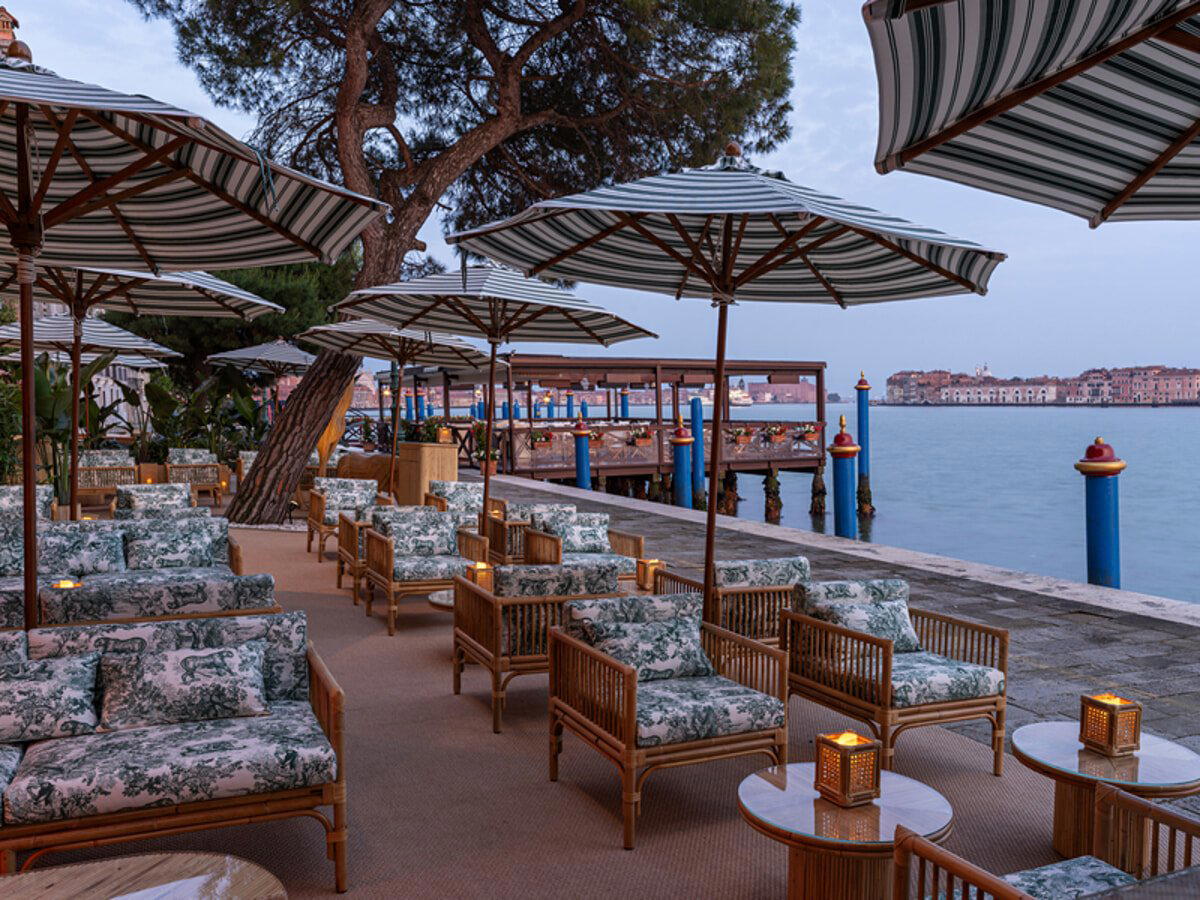

Agli Amici Dopolavoro
The wine
- Wine program
- Deep wine list
- Extensive wine list
- Sommelier-led
Details
- Romantic
- Elegant
- Intimate
- Scenic
- Sophisticated
- Date Night
- Special Occasion
- Celebration
- Garden
- Private Dining
- Historic Building
- Hotel Restaurant
- Extensive Wine List
- Sommelier Led
- Local Sourcing
- Farm To Table
- Waterfront
- Garden
- Tasting Menu
- Wine Pairings
- Vegetarian Friendly
- Vegan Options
- Gluten Free Options
Elegant and romantic atmosphere with refined lighting, lush garden views, and a sophisticated setting evoking gentle luxury.