Hilton Turin Centre belongs to the practical, city-centre side of Torino hospitality: a name-led hotel choice for travellers who want predictable standards in a city better known for palazzi, arcades, cafés and discreet residential grandeur. With no public database detail on star rating, room categories or awards, the sensible reading is comparative rather than decorative: judge it against Torino’s business-hotel set, not Italy’s resort palaces.

Pearl is the En Primeur Club membership app — saves, bookings, and concierge access live there. Same editors, same standards.
- Address
- Via dell'Arcivescovado, 18, 10121 Torino TO, Italy
- Phone
- +39 011 043550
- Website
- hilton.com
- Directions
- Get directions
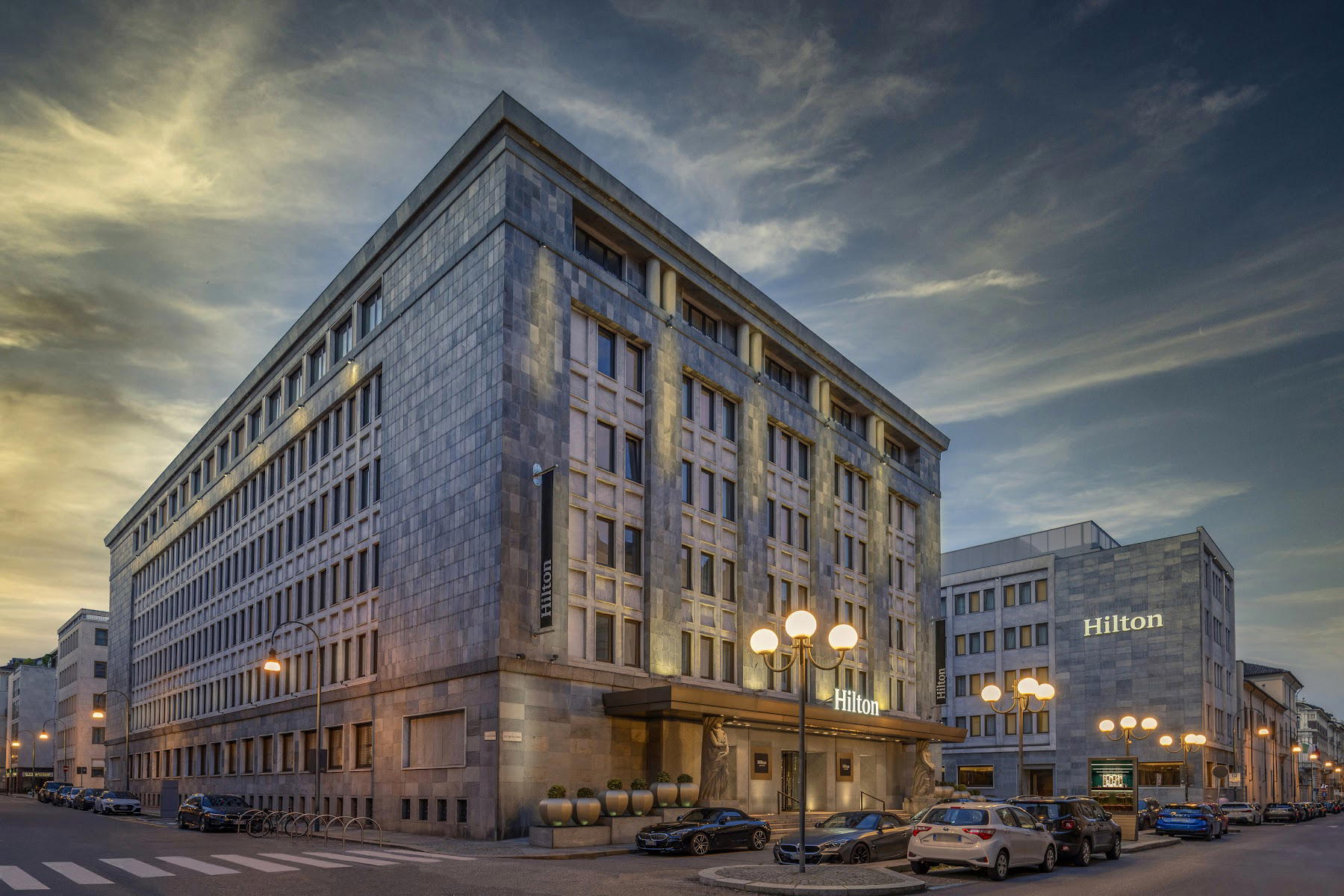
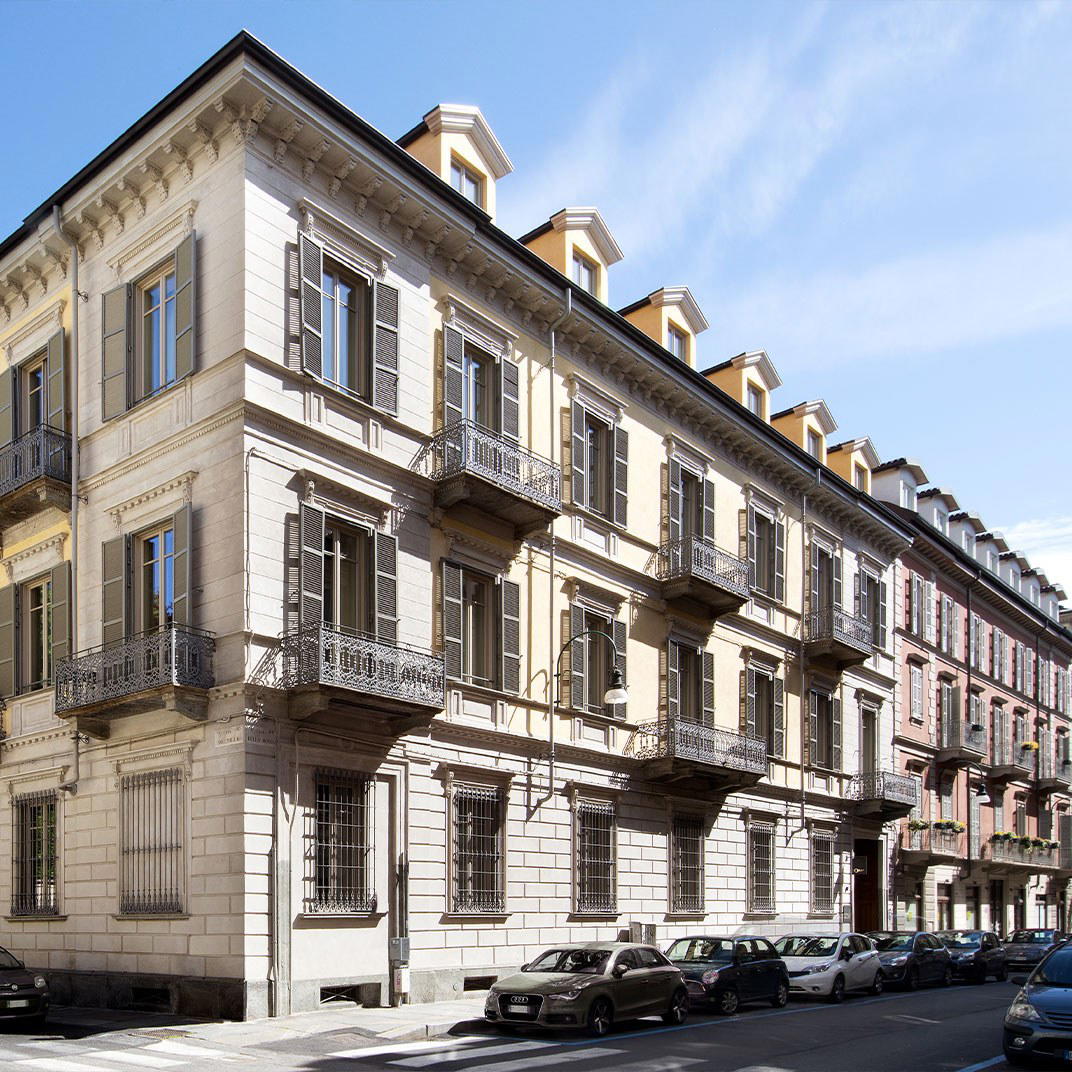
Torino hospitality, read through buildings rather than slogans
Approaching a central hotel in Torino is rarely about theatrical arrival. The city sets a different tempo: long arcades, measured façades, stone pavements, café windows, tramlines and the civic discipline of a former royal capital. That matters when reading Hilton Turin Centre. It belongs first to a Torino question: what does a traveller need from a city-centre base in a place where the architecture outside the lobby often carries more cultural weight than the hotel interior itself?
Torino’s hotel scene is more restrained than Rome, Venice or the Amalfi Coast. It does not sell itself through seaside terraces or grand-dame mythology at every turn. Its stronger identity sits in urban order: Baroque planning, Savoy-era formality, 19th-century commercial streets, rational apartment blocks, covered shopping passages and a café culture that rewards lingering rather than spectacle. In that context, a Hilton-branded central property reads as an international-standard anchor within a city whose hospitality often divides between independent historic addresses, business hotels, design-conscious conversions and smaller guesthouses. The point is not romance. The point is reliability, location logic and whether the building gives enough calm after a day spent in museums, arcades and restaurants.
That makes the design question sharper. In cities where hotel architecture competes with the destination, interiors become the headline. In Torino, the better test is whether the hotel respects the city’s rhythm: quieter public areas, efficient circulation, rooms that work for business travellers and weekend cultural visitors, and a lobby that does not try to outshine the urban fabric. The editorially honest position is to place it in the branded urban-hotel category and assess the decision around traveller priorities rather than invented atmosphere.
The city-centre hotel category in Torino
Torino is a serious city for architecture. Piazza San Carlo, Via Roma, the Egyptian Museum area, the Po-side districts and the broad avenues around the railway stations create a spatial order that is unusually legible for a large Italian city. Hotels here perform different jobs from the resort properties that dominate many Italian wish lists. They need to solve access, sleep quality, meeting schedules, museum timing, aperitivo plans and onward rail movement. A central hotel with an international flag can be useful precisely because it reduces variables in a city where the visitor’s attention should be on the streets, cafés and dining rooms.
That is the useful comparison set for Hilton Turin Centre. It is not competing editorially with Aman Venice in Venice, where palace architecture is central to the stay, or Four Seasons Hotel Firenze in Florence, where garden, art and institutional polish define the experience. Nor is it in the countryside-resort conversation shaped by Rosewood Castiglion Del Bosco in Montalcino, Castello di Reschio in Lisciano Niccone or Borgo Egnazia in Savelletri di Fasano. Torino asks for a more urban calculation: how much hotel character is necessary when the city itself supplies the architectural narrative?
That distinction matters for travellers comparing Italian hotels by brand prestige alone. A lagoon palazzo, a Tuscan estate, a cliffside resort and a Piedmont city hotel should not be judged by the same emotional scale. Passalacqua in Moltrasio, Il Sereno in Torno and Il Pellicano in Porto Ercole are destination stays where architecture, view and leisure programming carry the argument. A central Torino hotel is more instrumental. Its value lies in whether it lets the city function cleanly around the guest.
Design as urban discipline, not theatre
That absence is useful information. It prevents the usual hotel-writing drift into unsupported claims about materials, mood and intention. The safer architectural reading is external: Torino itself supplies the design framework, and Hilton Turin Centre should be approached as part of the city’s practical hospitality grid rather than as a documented design landmark.
Torino’s urban character rewards order. The city’s arcades create covered movement across central streets; its squares tend toward symmetry; its grand cafés preserve ritual without needing loud staging. A hotel in this context benefits from restraint. Travellers do not need a lobby that performs Milanese fashion energy or Amalfi theatricality. They need spatial clarity: a reception sequence that is easy after arrival, rooms suited to work and recovery, public areas that can absorb business traffic, and access to the city’s cultural core without turning every transfer into a negotiation. Those are design values, even when they are not the language of glossy architecture monographs.
For a more expressive Italian design comparison, Portrait Milano in Milan makes sense as a counterpoint: Milan hotels often sit inside a sharper fashion, retail and private-courtyard conversation. Bulgari Hotel Roma in Rome operates in a capital-city register where brand, archaeology and high-spec interiors meet. Savoia Excelsior Palace Trieste – Starhotels Collezione in Trieste belongs to a port-city grand-hotel lineage. Torino is quieter. Its appeal is less dependent on a single hotel set piece and more on the cumulative effect of streets, museums, chocolate shops, vermouth history and Piedmontese dining.
Who the hotel makes sense for
Hilton Turin Centre makes the strongest editorial sense for travellers who want Torino to be the protagonist. That includes business guests combining meetings with evening restaurants, design-minded travellers who prefer a predictable base while spending days in the city, and visitors using Torino as a cultured alternative to Italy’s heavier tourism circuits. The responsible advice is to compare rates against other central Torino hotels for the same dates, then decide whether brand familiarity, loyalty-program utility and location convenience justify the tariff.
That does not make the hotel weak; it simply means the trust signal is category-based rather than accolade-based. Hilton is a major international hospitality brand, and in this case that brand familiarity is the primary verifiable credential. Readers looking for award-led hotel theatre elsewhere in Italy may be better served by properties such as Casa Maria Luigia in Modena, JK Place Capri in Capri, Borgo Santandrea in Amalfi Coast or Il San Pietro di Positano in Positano. Torino’s proposition is different: less resort choreography, more civic texture.
This is also where dining context matters. The city’s food identity sits outside the room key: agnolotti del plin, vitello tonnato, tajarin, bollito misto, gianduja, vermouth and the aperitivo tradition all carry more local meaning than an unverified hotel menu could. For planning beyond the hotel, use Our full Torino restaurants guide, Our full Torino bars guide, Our full Torino wineries guide and Our full Torino experiences guide alongside Our full Torino hotels guide.
How it compares with Italy's more theatrical stays
Italy’s luxury-hotel conversation often overweights drama: palazzi on canals, terraces above the sea, restored villages, lakefront villas, mountain castles. Those properties deserve their attention, but they create an expectation that every Italian hotel must be a destination in itself. Hilton Turin Centre sits outside that expectation. Its editorial value is tied to urban function and Torino access, not to a documented estate, beach club, private chapel, vineyard or historic villa narrative.
That contrast is useful. Corte della Maestà in Civita di Bagnoregio is bound to a small-town setting with a strong sense of place. Castel Fragsburg in Merano belongs to an Alpine and South Tyrolean conversation. Badrutt's Palace Hotel in St. Moritz and Hôtel de Paris Monte-Carlo in Monte Carlo represent European grand-hotel theatre on a different stage. The Fifth Avenue Hotel in New York City belongs to another urban tradition entirely, where maximal interiors and neighbourhood mythology can carry the stay. Torino, by contrast, rewards a lower-volume reading of luxury: good placement, efficient service, calm rooms and immediate access to culture.
That does not mean the hotel should be chosen automatically. It means it should be chosen for the right reason. If the trip is built around hotel-as-destination leisure, Italy has stronger candidates. If the trip is built around Torino itself, a central branded base can be a rational choice. The reader decision turns on itinerary shape: museums and cafés by day, Piedmontese restaurants by night, business obligations around the edges. In that pattern, a hotel does not need to dominate the trip. It needs to stay out of the way while performing consistently.
Planning the stay
Check the current location details, room types, cancellation terms, breakfast inclusion and any wellness or parking information through official channels or a trusted booking platform. In Torino, rail access and neighbourhood fit matter: travellers arriving by train should compare transfer convenience, while culture-focused visitors should map the hotel against the Egyptian Museum, Piazza San Carlo, Via Roma, the Po riverfront and dinner reservations. The smarter move is to build the stay around walking patterns rather than a generic city-centre label.
Seasonality also changes the decision. Torino can feel especially rewarding in cooler months, when cafés, arcades, chocolate shops and Piedmontese dining suit the weather. Spring and autumn are natural city-break periods; summer can be quieter in certain business districts as local rhythms shift. Since no verified hotel-specific seasonal programming is available, avoid assuming special packages, terrace openings or holiday events. Treat the hotel as a base, then let the city provide the calendar through exhibitions, restaurant availability and day trips into Piedmont wine country.
In Context
Comparable venues nearby, for context on price, style, and recognition.
| Venue | Price | Awards | Notes |
|---|---|---|---|
| Hilton Turin CentreThis venue — the venue you are viewing | $200–300 | Not listed | Not listed |
| Castello di Casole, A Belmond Hotel, Tuscany | Not listed | 5-Star | Casole d'Elsa, Restored 10th-century castle estate blending historic Tuscan charm with contemporary luxury |
| Villa Tolomei Hotel & Resort | $200–300 | Michelin Selected | Olivuzzo, Restored Renaissance villa in 17-hectare park with vineyards and olive groves |
| Castiglion del Bosco, A Rosewood Hotel | $1,000–1,500 | 3 Michelin Keys · World's 50 Best #62 | Montalcino, Restored 800-year-old Tuscan borgo and farmhouses harmoniously integrated with the UNESCO Val d'Orcia landscape. |
| Weinegg Wellviva Resort | $300–500 | Michelin Selected | Cornaiano/Girlan, Luxury wellness resort set in vineyards with Mediterranean charm. |
| Palazzo Ducale Venturi | $300–500 | Michelin Selected | Minervino di Lecce, Luxury heritage palazzo with contemporary amenities, positioned as an aristocratic retreat blending five centuries of history with modern wellness services. |
Continue exploring
More in Turin
Hotels in Turin
Browse all →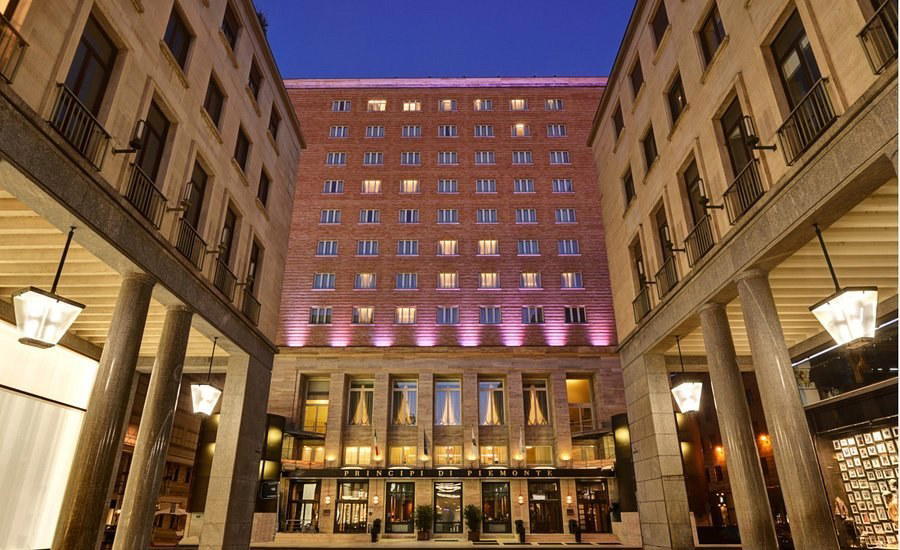
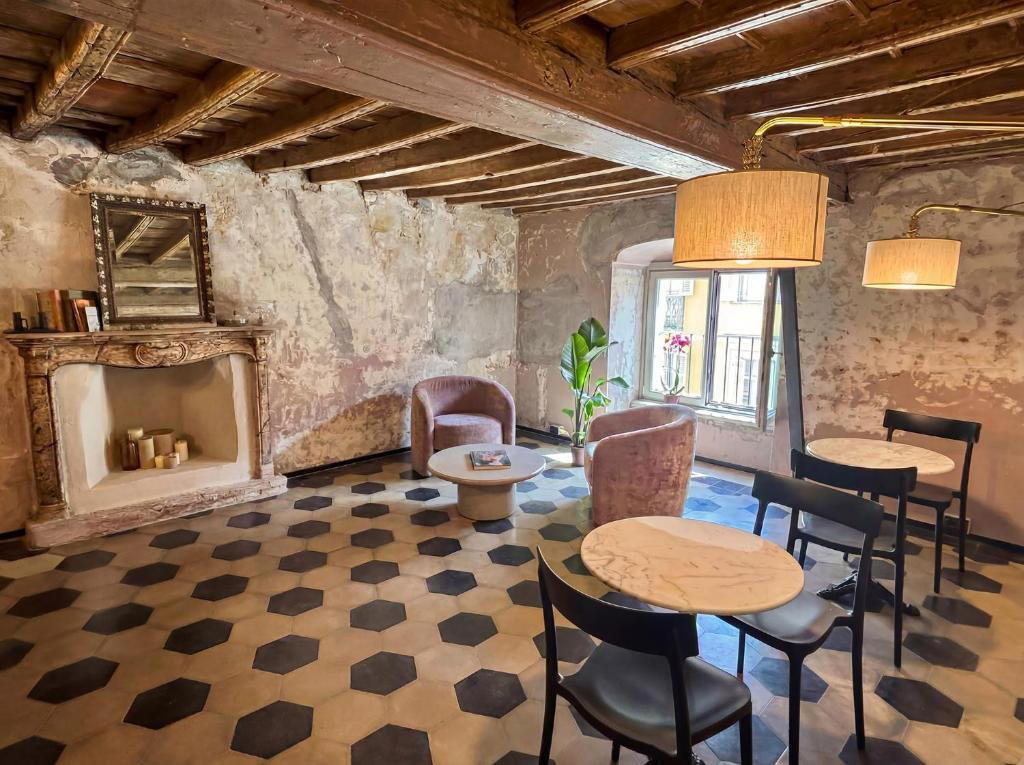
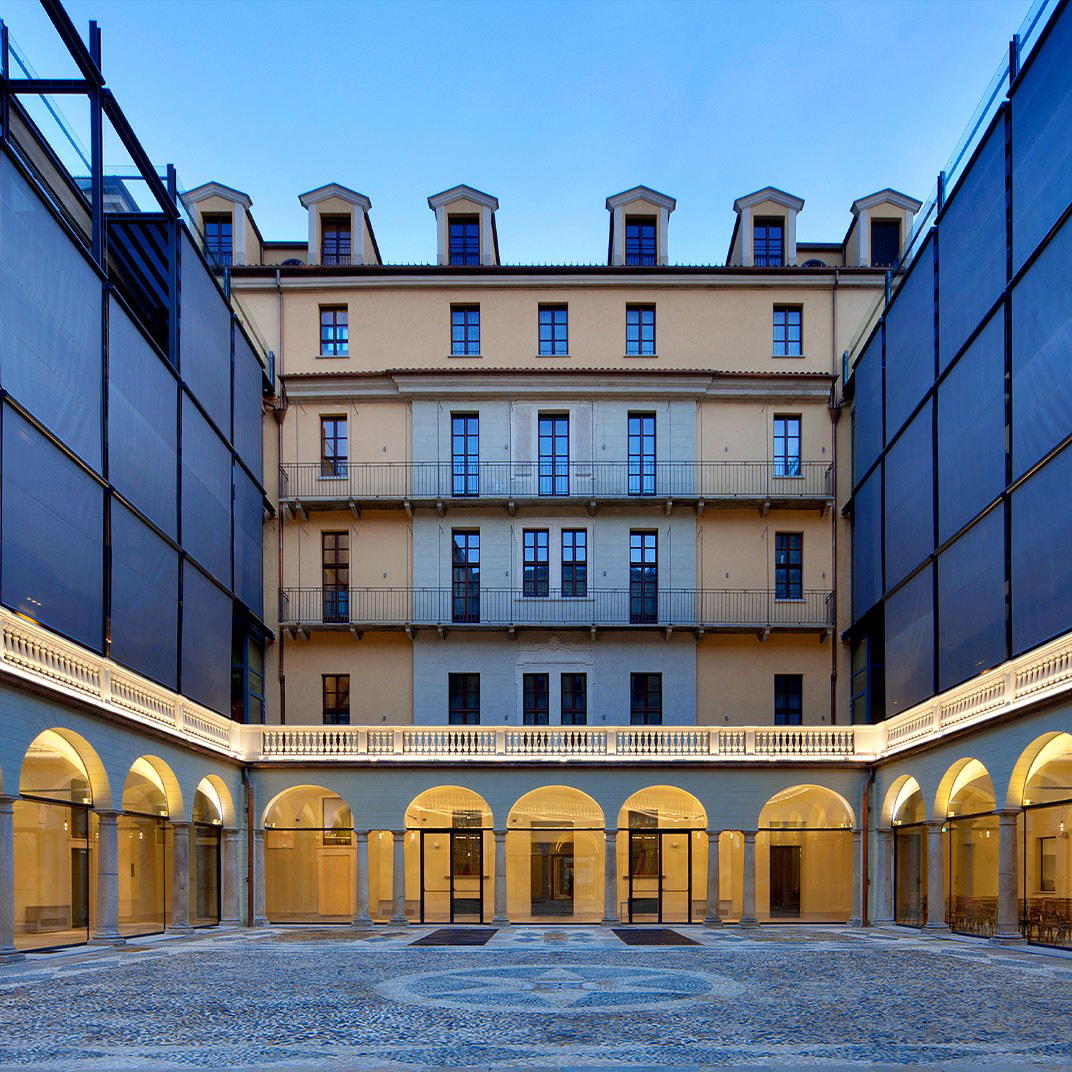
Bars in Turin
Browse all →
Restaurants in Turin
Browse all →
Details
- Elegant
- Modern
- Sophisticated
- Well Known
- Business Trip
- Family Vacation
- Weekend Escape
- Group Retreat
- Destination Wedding
- Wellness Retreat
- Historic Building
- Garden
- Terrace
- Panoramic View
- Design Destination
- Wi Fi
- Pool
- Spa
- Fitness Center
- Room Service
- Concierge
- Business Center
- Valet Parking
- Garden
- Street Scene
- Wheelchair Accessible
- Accessible Parking
- Elevator
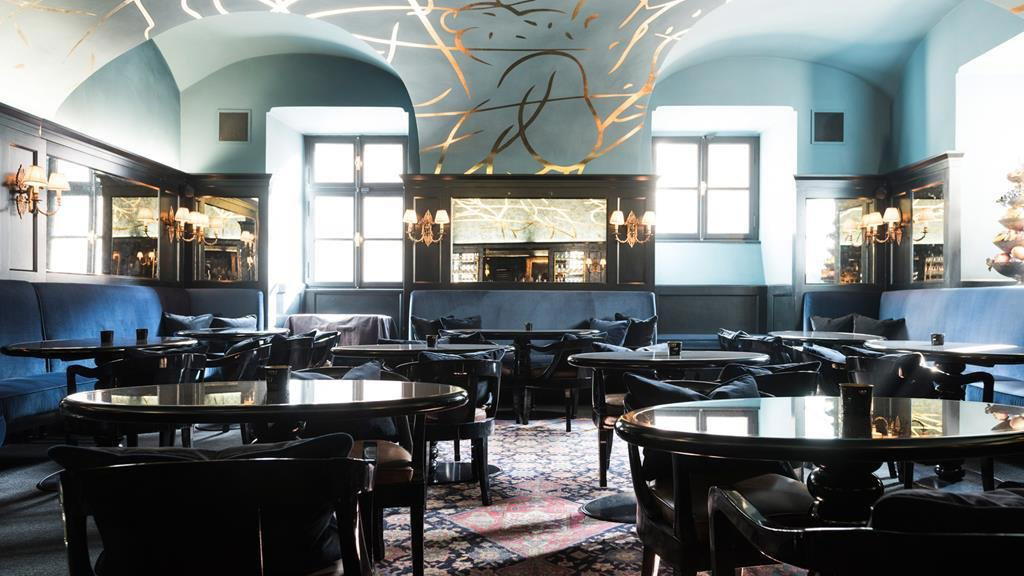
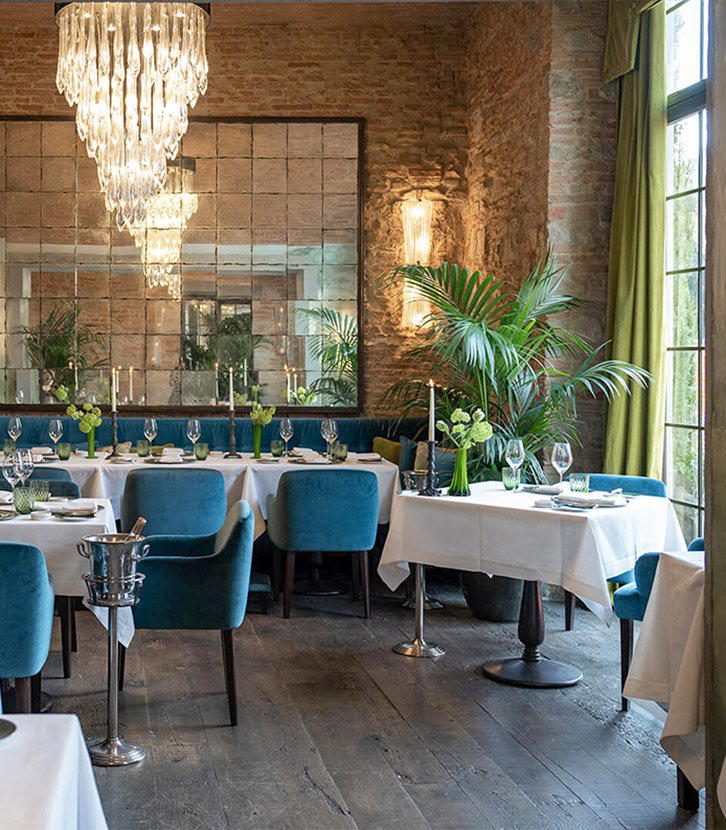
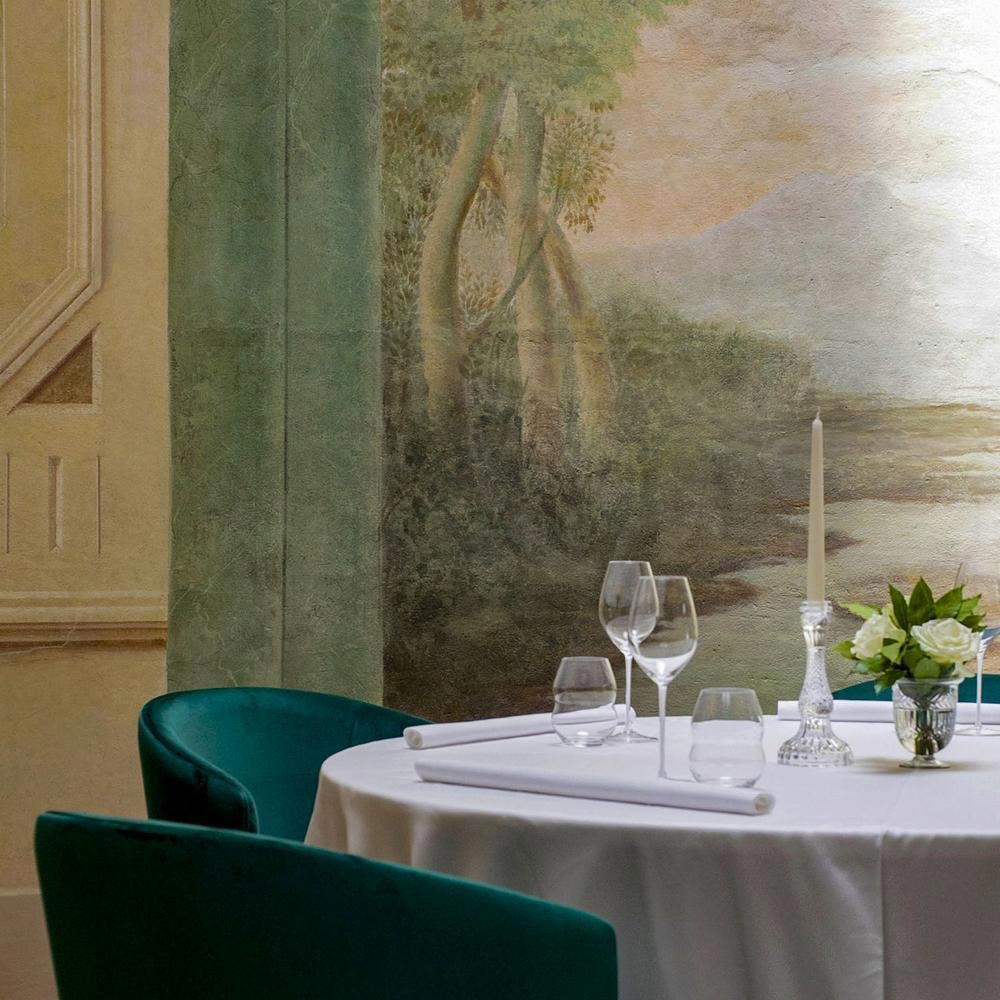
Refined and contemporary with grand marble and stone, sleek minimalist lines, and a calm upscale atmosphere suited to both business and leisure stays.