On a quiet street in central Turin, Banco Vini e Alimenti occupies the kind of address that rewards those already familiar with the city's wine bar tradition. The format sits between a serious enoteca and a food-forward counter, where Piedmontese producers and cured provisions anchor the offering. It belongs to a category Turin does quietly well: places where the glass drives the meal, not the other way around.

Pearl is the En Primeur Club membership app, where members save venues, book tables and use the concierge.
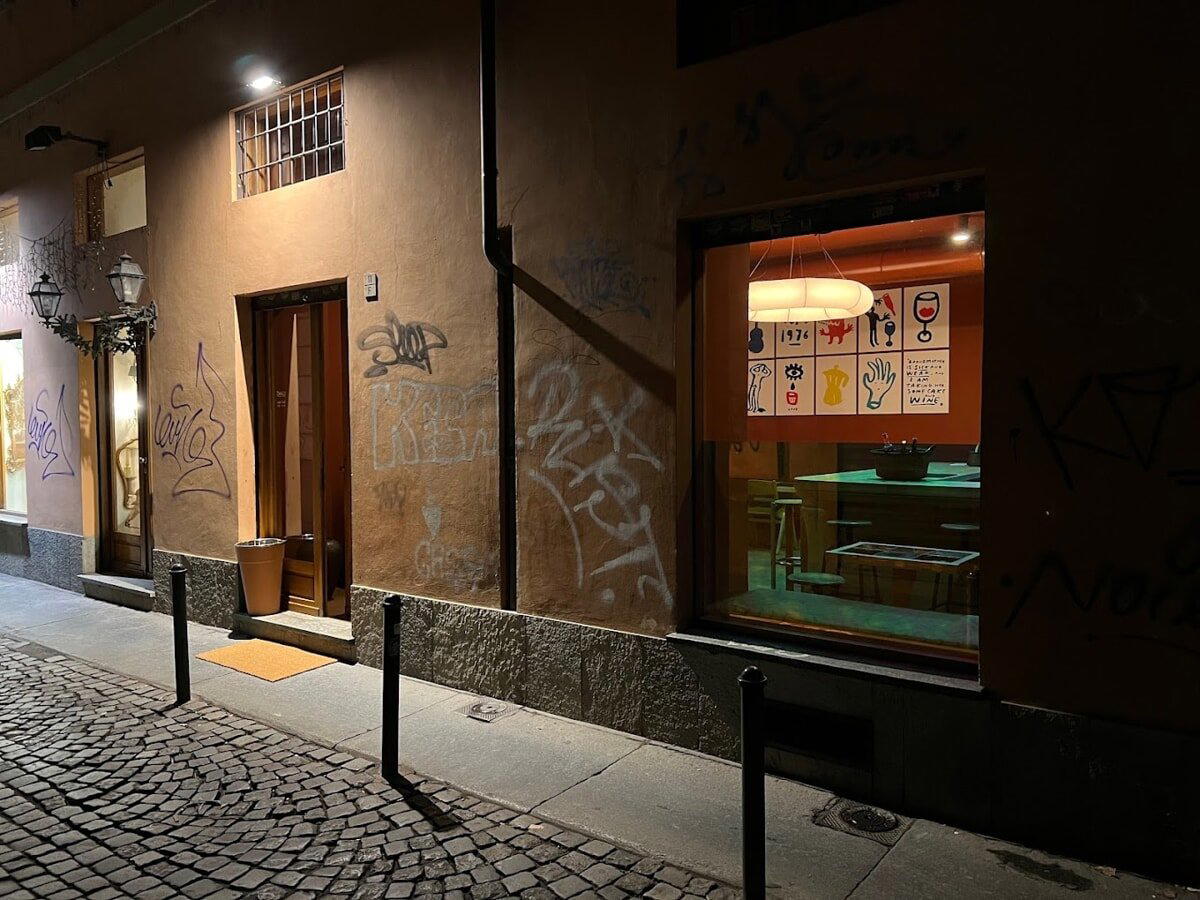
The Room Before the Pour
Turin's wine bar culture operates on a different register from Milan or Florence. The city's enoteca tradition is older, less performative, and more closely tied to the agricultural identity of the surrounding Piedmont region. Walk into a serious Turin wine bar mid-evening and you'll find a rhythm that resembles a dining room more than a bar: food arrives alongside wine, the pacing is deliberate, and the conversation tends to run long. Banco Vini e Alimenti, on Via Giovanni Botero in the centro storico, fits squarely into that tradition.
The address itself signals the format. Via Botero sits close enough to Piazza Carignano and the Egyptian Museum to catch foot traffic from visitors, but the room itself doesn't perform for them. This is the kind of place where the counter matters as much as the table, where the physical act of choosing a glass and watching it poured is part of what you came for.
How the Meal Moves
The dining ritual at places like Banco Vini e Alimenti is governed by the wine list, not the kitchen menu. In Piedmontese wine bar culture, this is standard: you arrive, you select a glass or a bottle from a list that leans heavily on regional producers, and the food order follows from that decision rather than preceding it. It's the inverse of how most restaurant meals are structured, and it changes the pacing of the table considerably.
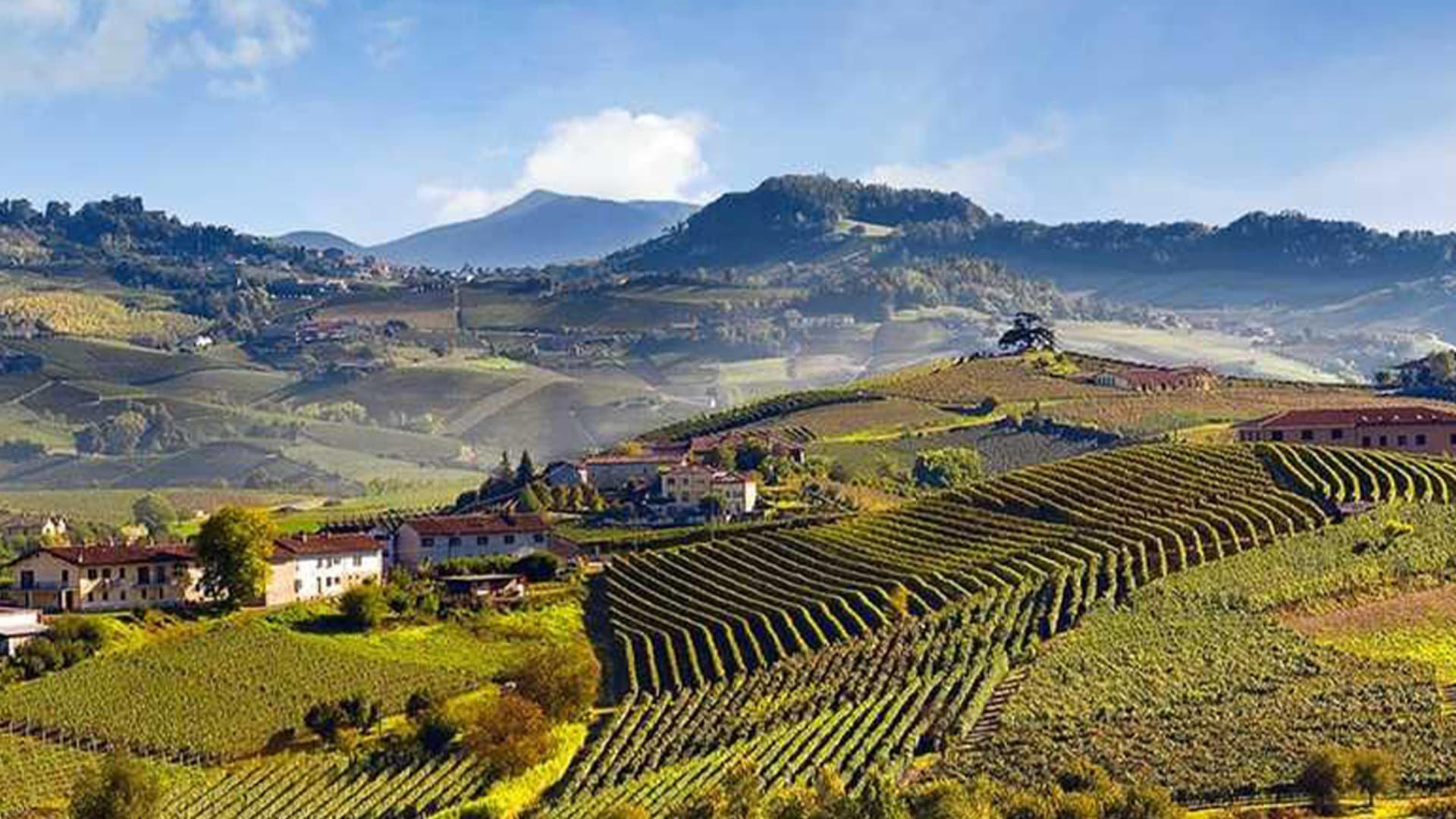
Piedmont's wine identity is among the most specific in Italy. Nebbiolo runs through Barolo and Barbaresco at the serious end; Barbera d'Asti and Dolcetto fill the mid-tier with more immediacy; and lighter, less-discussed varieties like Grignolino and Freisa occupy the margins. An address that takes its list from this region has considerable material to work with, and the food offering at a venue formatted this way typically follows the same logic: preserved meats, aged cheeses, and preparations that keep the focus on what's in the glass.
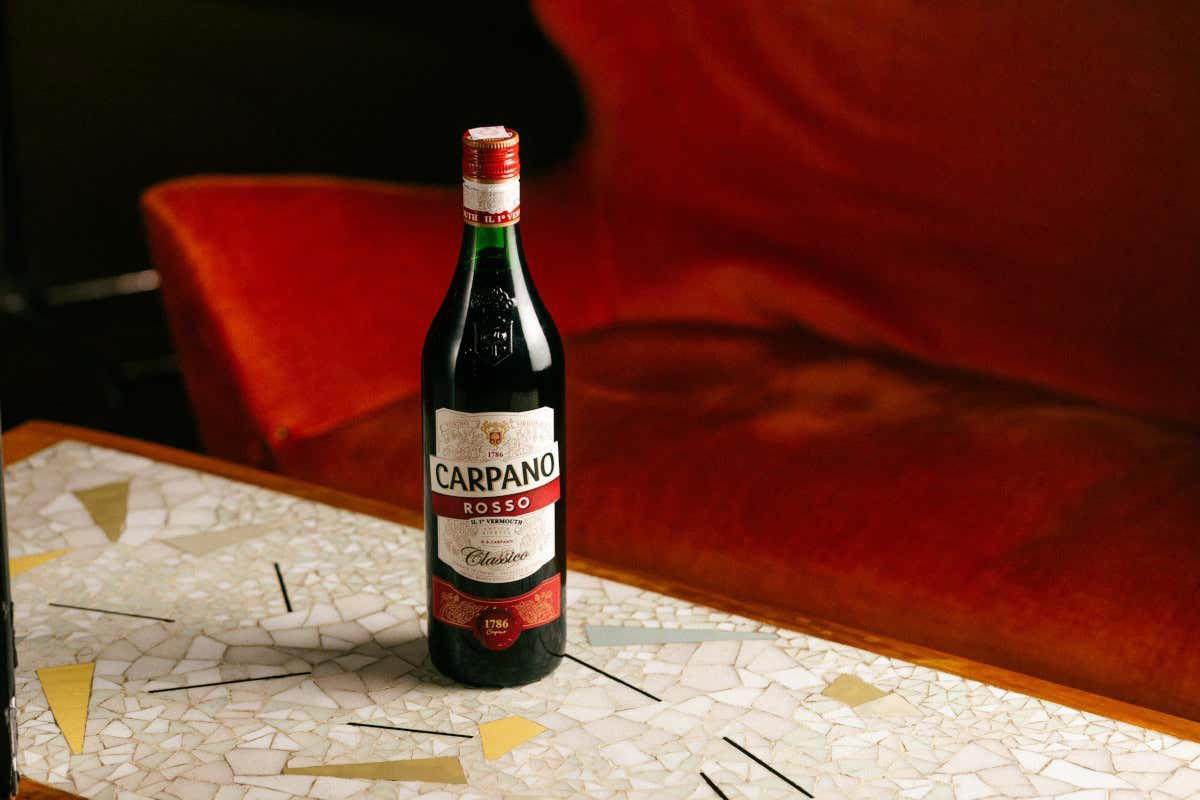
Turin's version of the aperitivo also differs from its southern Italian counterparts. The city claims a legitimate historical connection to vermouth production, Martini & Rossi and Carpano both originated here, and that tradition influences how pre-dinner drinking is structured across the city's serious wine bars. The hour before a meal in Turin carries a different weight than it does elsewhere in Italy, and venues that respect that tradition tend to treat the opening glass as seriously as the bottle that follows.
Where It Sits in the Turin Scene
Turin's drinking and eating culture divides roughly into three tiers: the historic caffè establishments along Via Po and Piazza San Carlo that have operated for over a century, the newer specialty coffee and cocktail addresses like Bistrot Torrefazione Samambaia Torino and Dora In Poi Srl, and the enoteca-format wine bars that occupy the middle ground between dining and drinking. Banco Vini e Alimenti belongs to the third category.
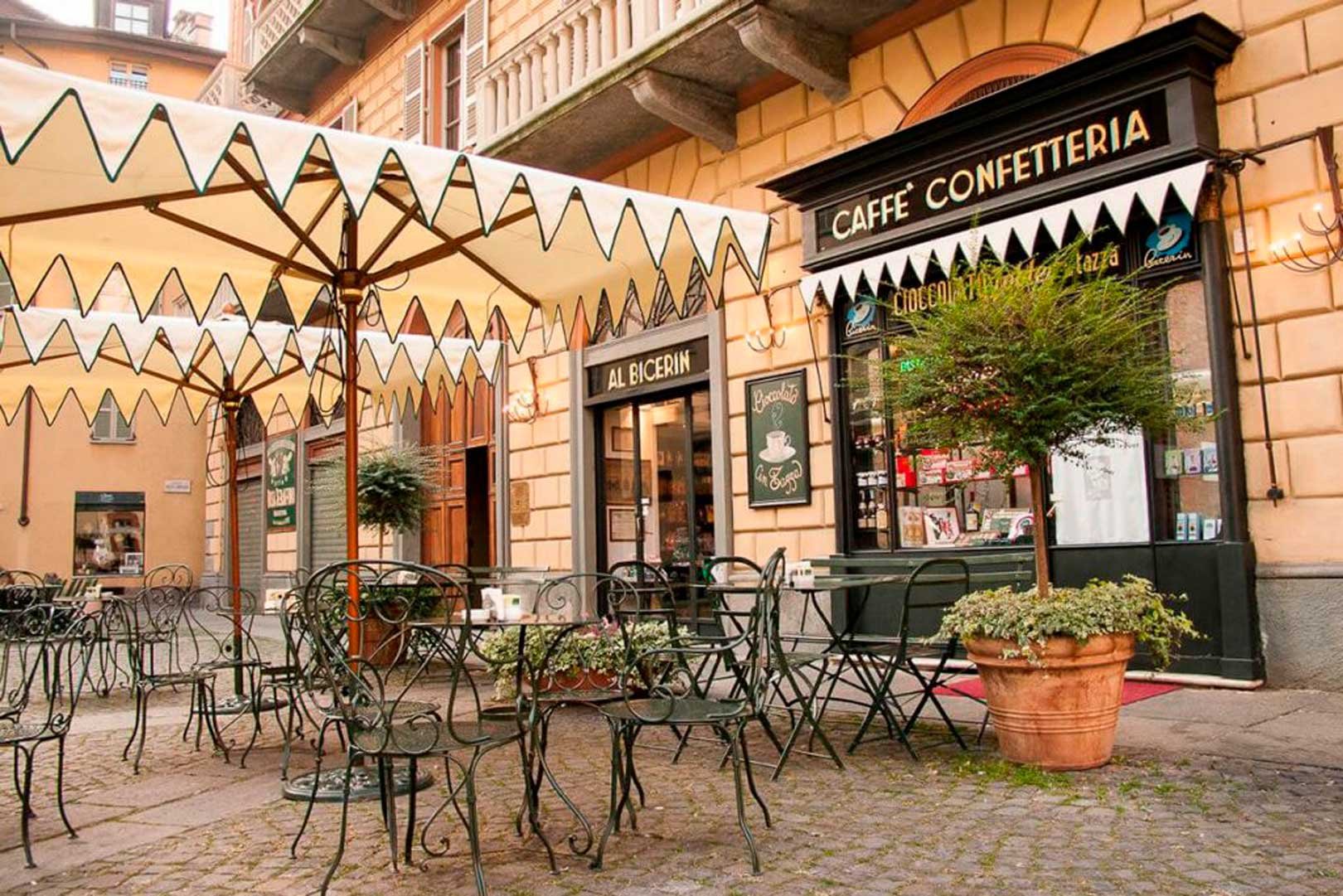
That middle tier is where Turin's wine culture is most concentrated. The comparison set here isn't a cocktail bar or a full-service restaurant but other wine-led addresses that take food seriously enough to be considered for dinner without being restaurants in any conventional sense. Caffè Platti and Caffè Al Bicerin represent an older, more ceremonial tier of Turin hospitality, Bicerin has been serving its eponymous layered drink since 1763. Banco Vini e Alimenti operates in a more contemporary, less ceremonial register, closer to the current European enoteca model where the list is updated with intent and the food is chosen to amplify rather than compete with the wine.
Across Italy more broadly, this format has found distinct expressions in different cities. Al Covino in Venice runs a similarly restrained, wine-first counter operation that has built a following without marketing or spectacle. The format rewards a certain kind of guest: one who comes with curiosity about what's on the list rather than a specific dish in mind.
The Piedmont Advantage
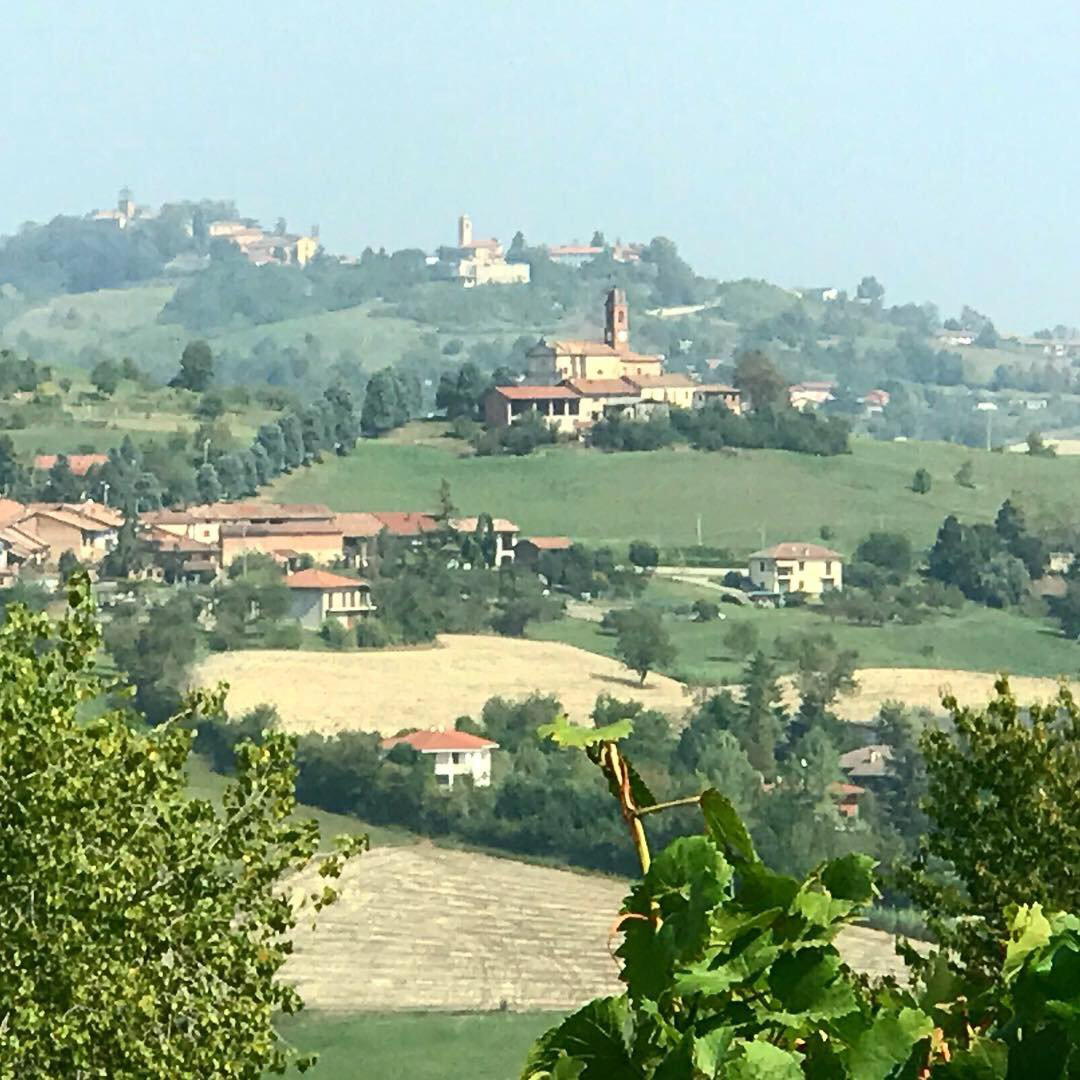
The structural advantage for any wine bar operating in or near Turin is direct: the Piedmont wine region is, by depth and variety, one of the most rewarding in Italy for someone willing to move beyond the flagship appellations. Barolo and Barbaresco draw international attention, but the region's real interest lies in its range. Langhe Nebbiolo offers access to the same grape at a fraction of the price. Roero, across the Tanaro river from Barolo, produces whites from Arneis that remain undersold internationally. Alta Langa is establishing a credible sparkling wine identity. A wine bar with a genuinely curious list built from this region has more interesting material to work with than most addresses in Tuscany or the Veneto at the same price point.
This regional depth is part of what separates a Turin enoteca from, say, a wine bar in a city without direct geographic ties to production. The proximity to Langhe, Monferrato, and Roero isn't decorative, it affects what's on the list, what's available at good price-to-quality ratios, and what producers can be accessed that wouldn't be reachable elsewhere.
Planning the Visit
Via Giovanni Botero is walkable from Turin's main central addresses, sitting between the Quadrilatero Romano neighbourhood and the cultural institutions around Piazza Carignano. The area is dense with alternative evening options, which makes it a reasonable starting point for an evening rather than a destination requiring specific planning. Given the wine bar format, the most productive approach is to arrive without a fixed agenda: treat the list as the primary event and let food decisions follow from there.
For those building a broader evening in Turin, the city's serious drinking options span well beyond wine. Bistrot Torrefazione Samambaia Torino handles specialty coffee during the day and shifts register by evening. Those arriving from or passing through other Italian cities can use Banco Vini e Alimenti as a reference point for how the enoteca format differs from the cocktail-forward operations that dominate in Milan, where addresses like 1930 operate with an entirely different set of priorities. Rome's Drink Kong, Florence's Gucci Giardino, and Naples' L'Antiquario all represent cities where cocktail culture has overtaken wine bar culture as the primary evening format. Turin remains an exception to that pattern, and Banco Vini e Alimenti is a working example of why.
For those benchmarking against wine-first formats internationally, Lost & Found in Nicosia and Bar Leather Apron in Honolulu represent the category in different geographic and cultural contexts. The through-line across all of them is the same: the glass precedes the plate, and the experience is calibrated to guests who know the difference. See our full Turin restaurants guide for the broader picture of how the city's dining and drinking scene fits together.
Cuisine Context
A quick peer reference to anchor this venue in its category.
| Venue | Price | Awards |
|---|---|---|
| Banco Vini e AlimentiThis venue (the venue you are viewing) | $20–30 | Not listed |
| La Drogheria | $10–20 | Top 500 Bars Best Bars #401 |
| Luogo Divino | Not listed | Star Wine List · Falstaff Wine Bar - Listed |
| Piano 35 Lounge Bar | $30–50 | Top 500 Bars Best Bars #464 |
| Orso Laboratorio del Caffè | $1–10 | Not listed |
Continue exploring
More in Turin
Bars in Turin
All bars in Turin →
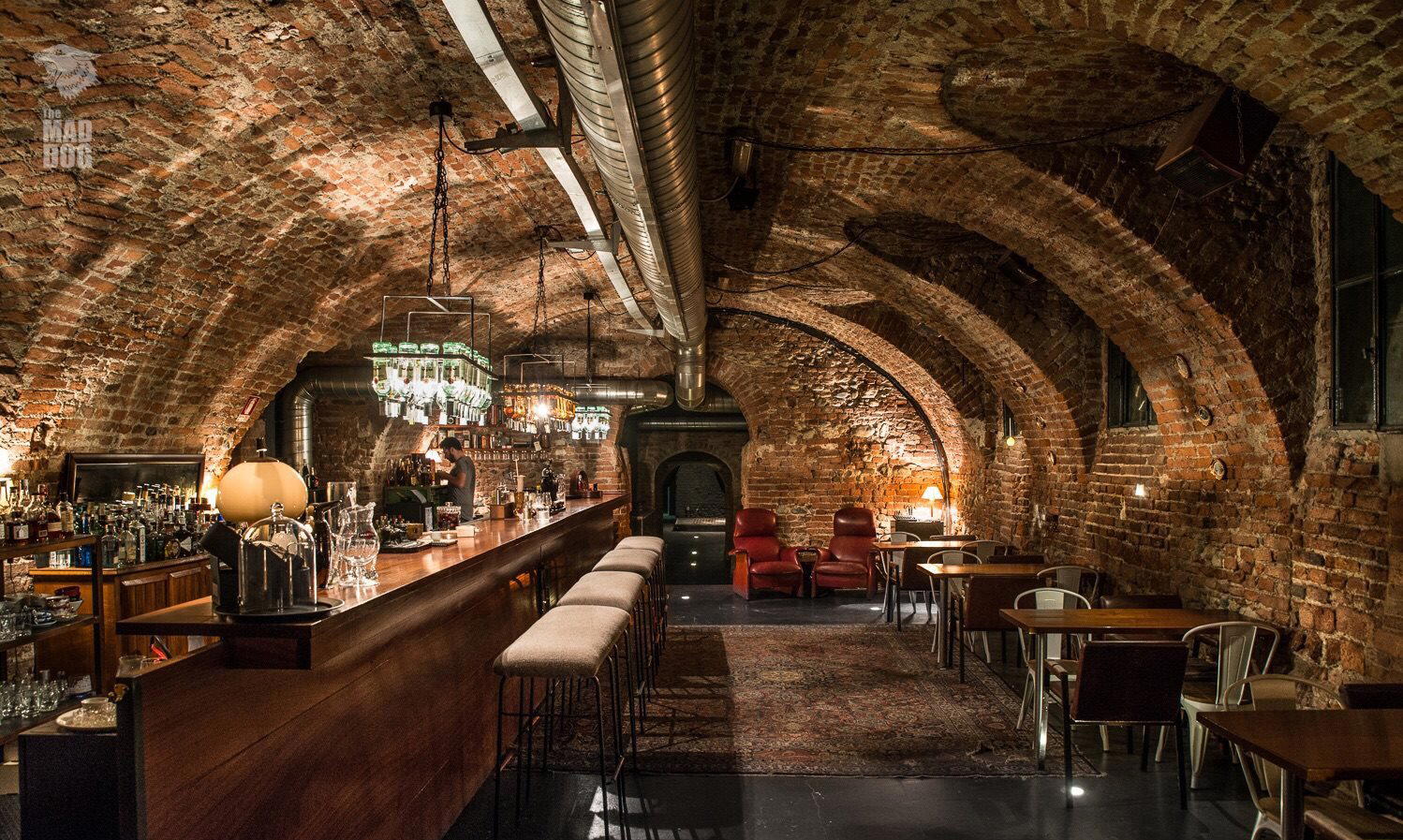
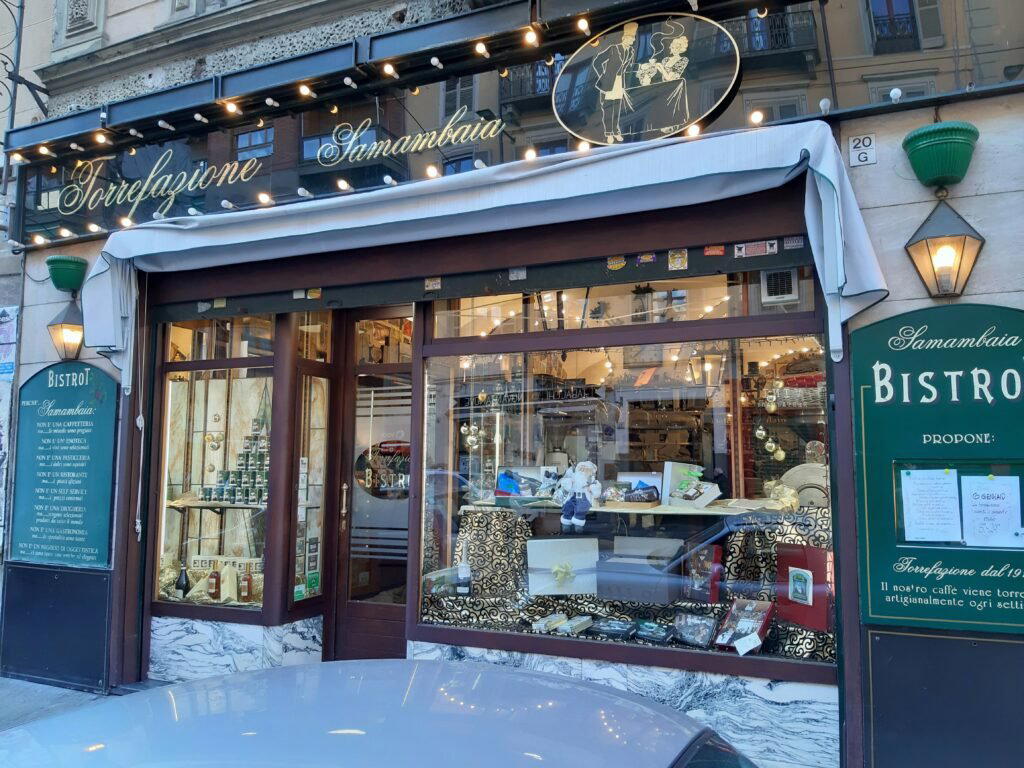
Restaurants in Turin
All restaurants in Turin →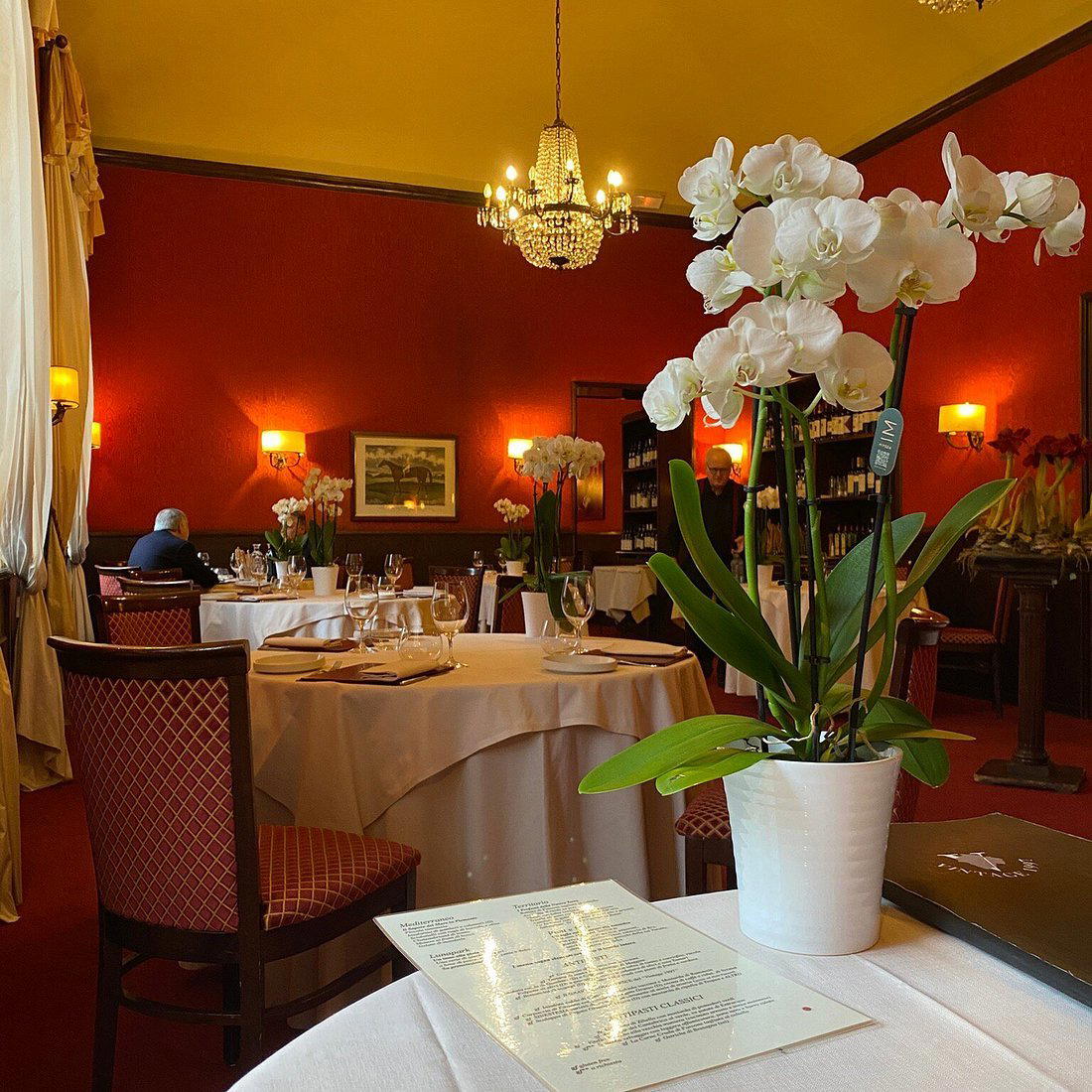
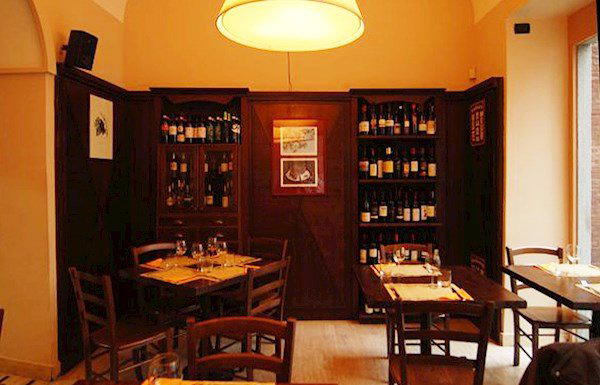
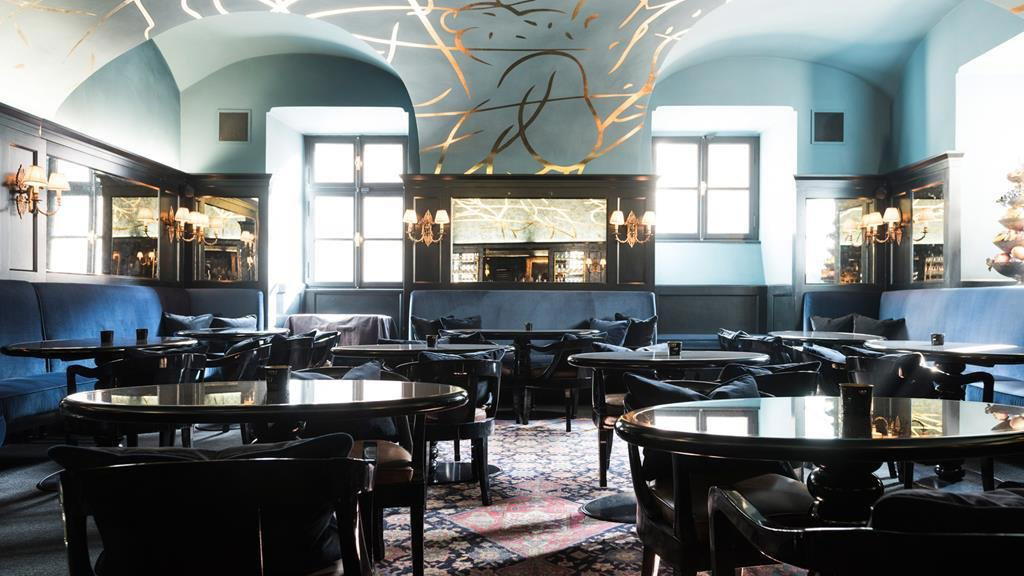
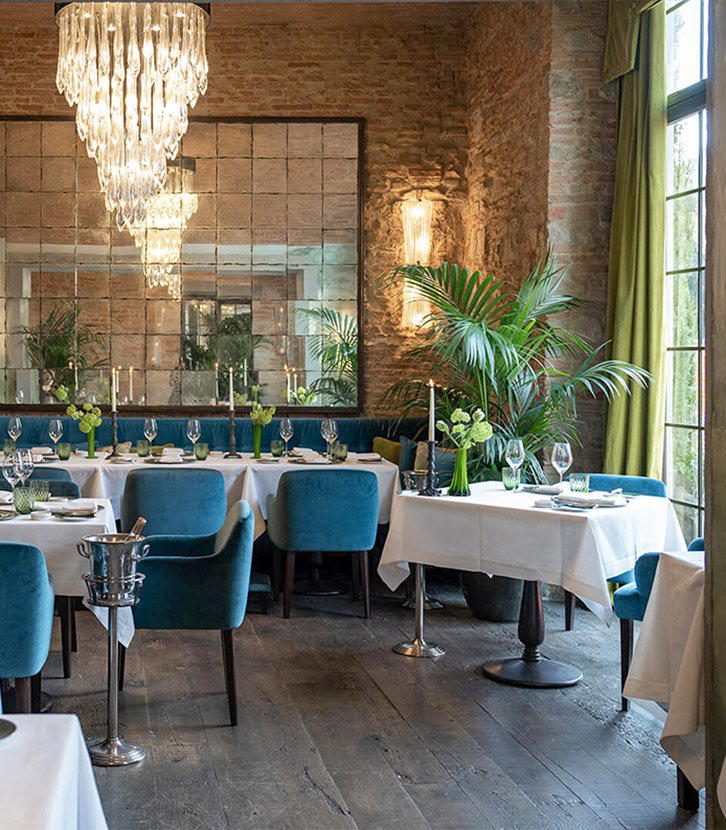
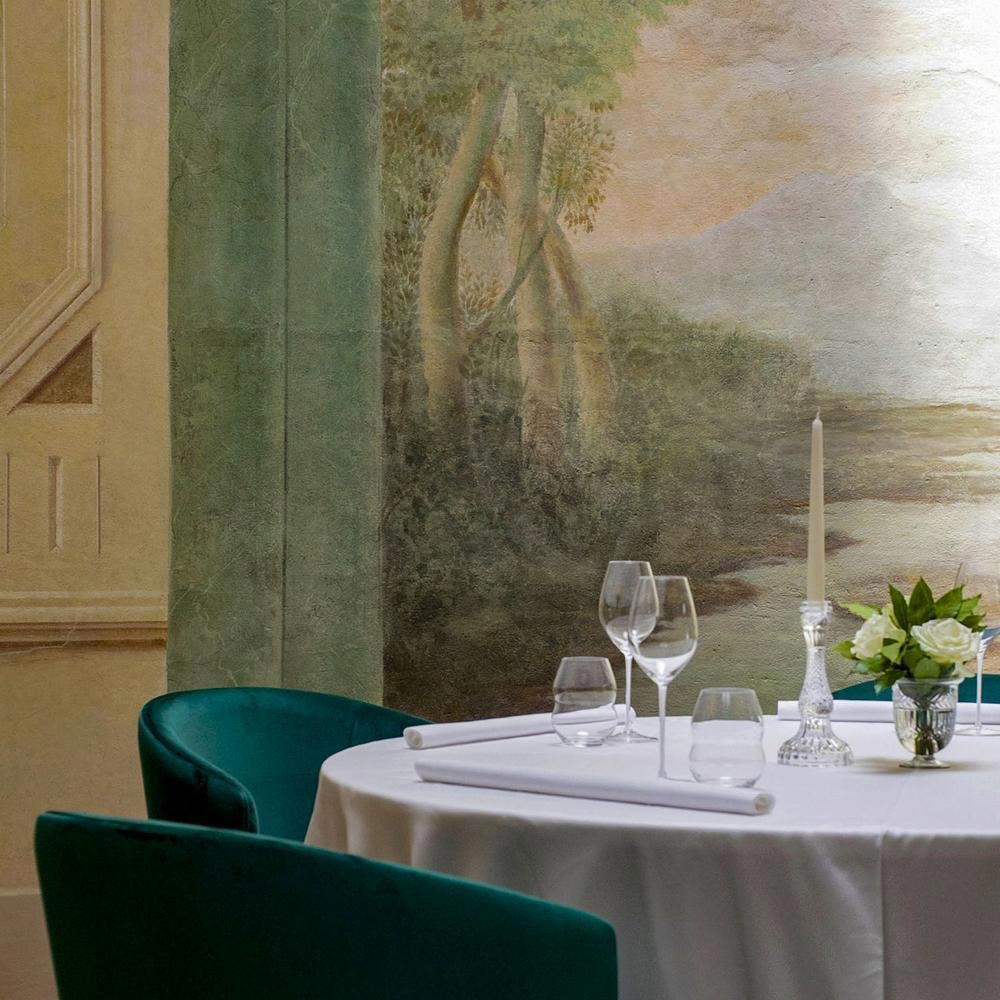
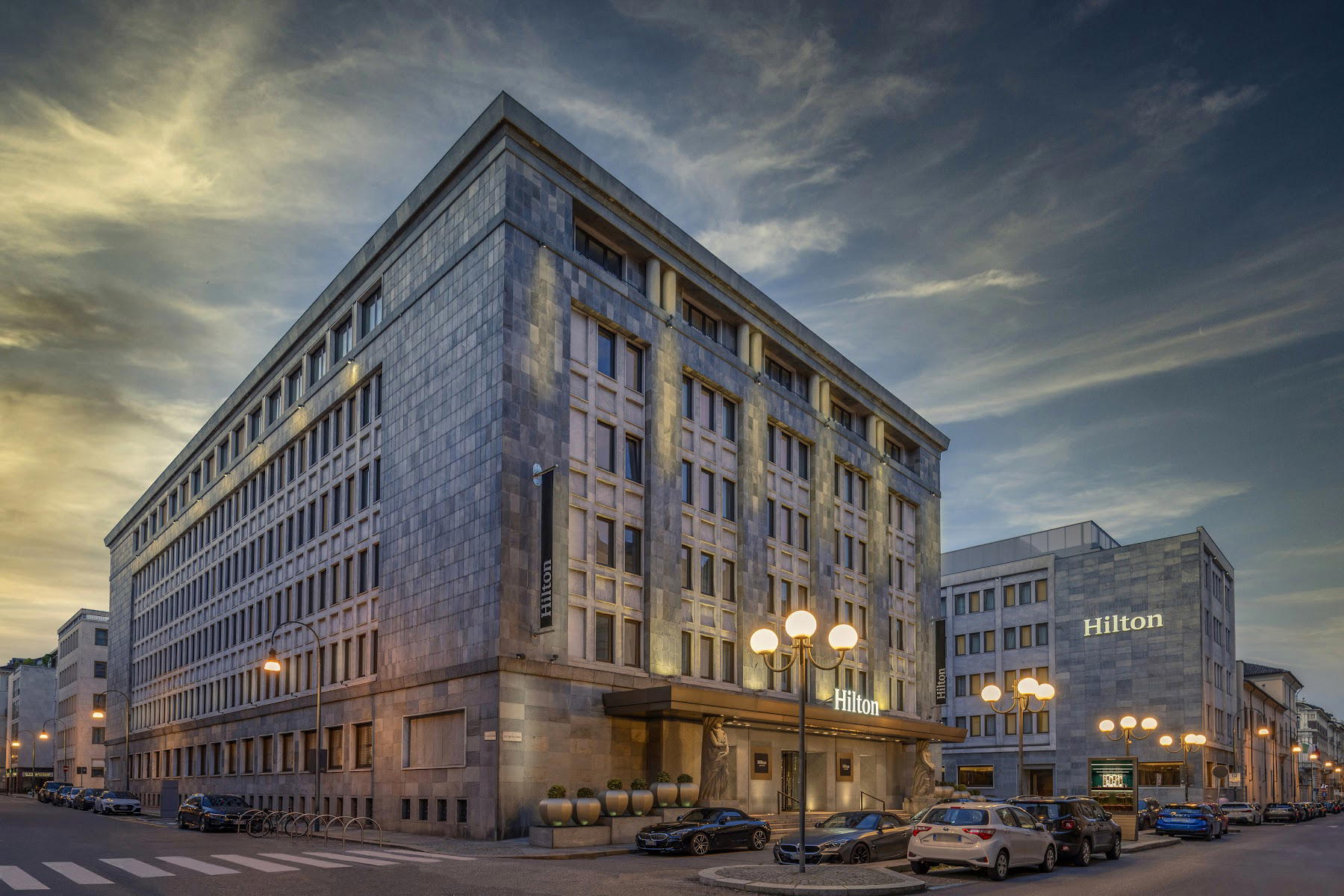
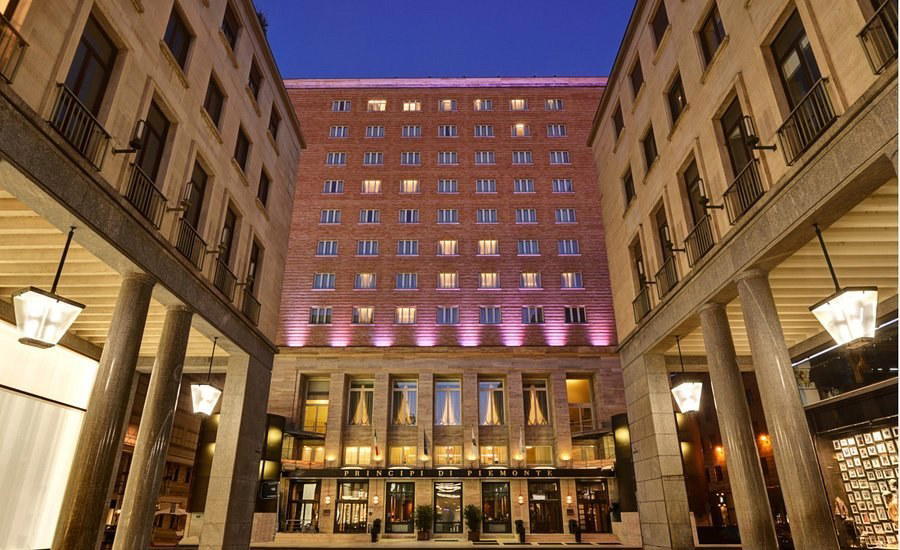
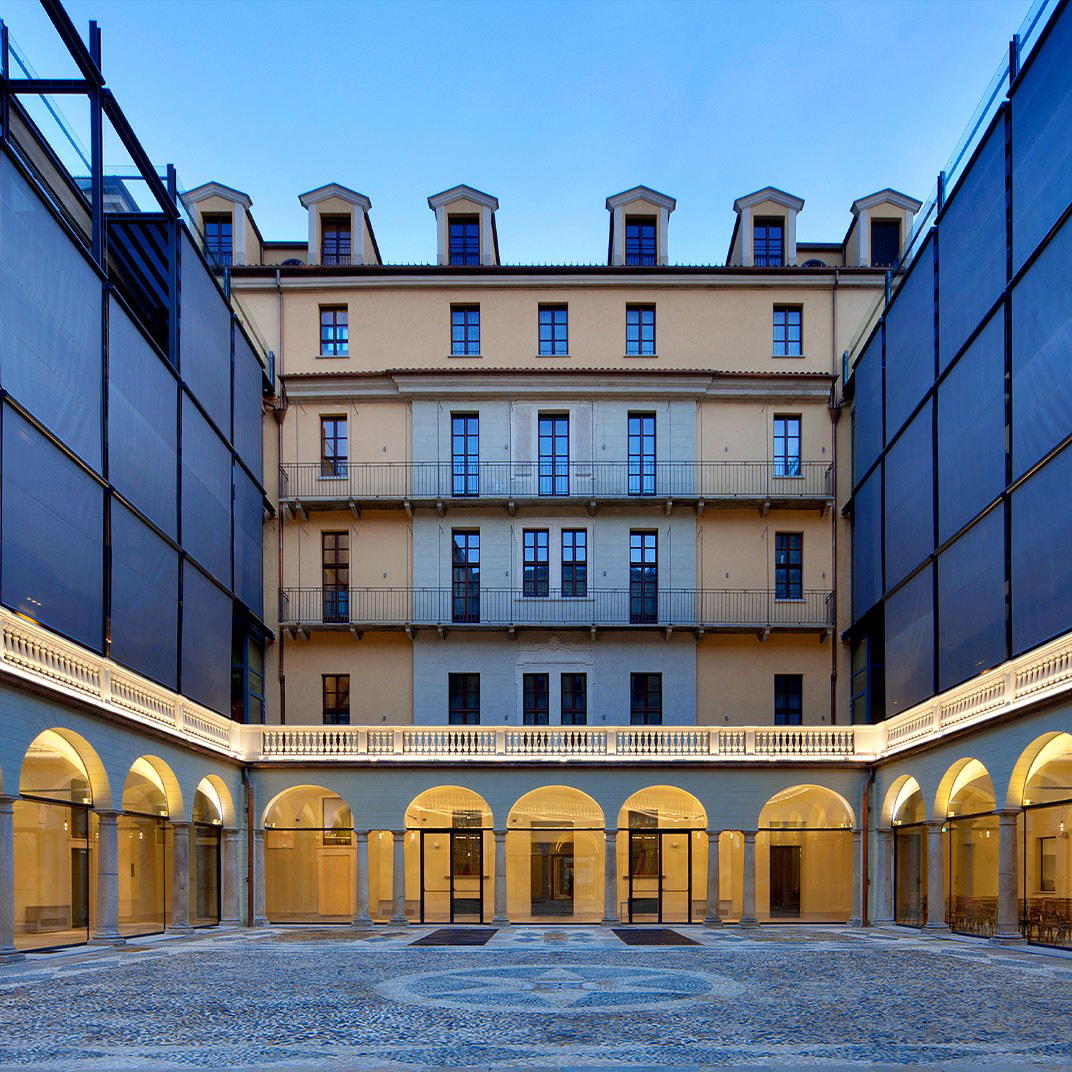
Banco Vini e Alimenti
The wine
- Wine program
- Deep wine list
- Natural wine
- Classic cocktails
- Craft beer
Signature drinks: Negroni.
Details
- Cozy
- Relaxed
- Warm
- After Work
- Casual Hangout
- Group Outing
- Standalone
- Seated Bar
- Standing Room
- Natural Wine
- Conventional Wine
- Craft Beer
- Classic Cocktails
Current opening hours
- Monday
- 6 PM–2 AM
- Tuesday
- Closed
- Wednesday
- 6 PM–2 AM
- Thursday
- 6 PM–2 AM
- Friday
- 6 PM–2 AM
- Saturday
- 6 PM–2 AM
- Sunday
- 6 PM–12 AM
Hours can change for holidays and private events. Hours as of .
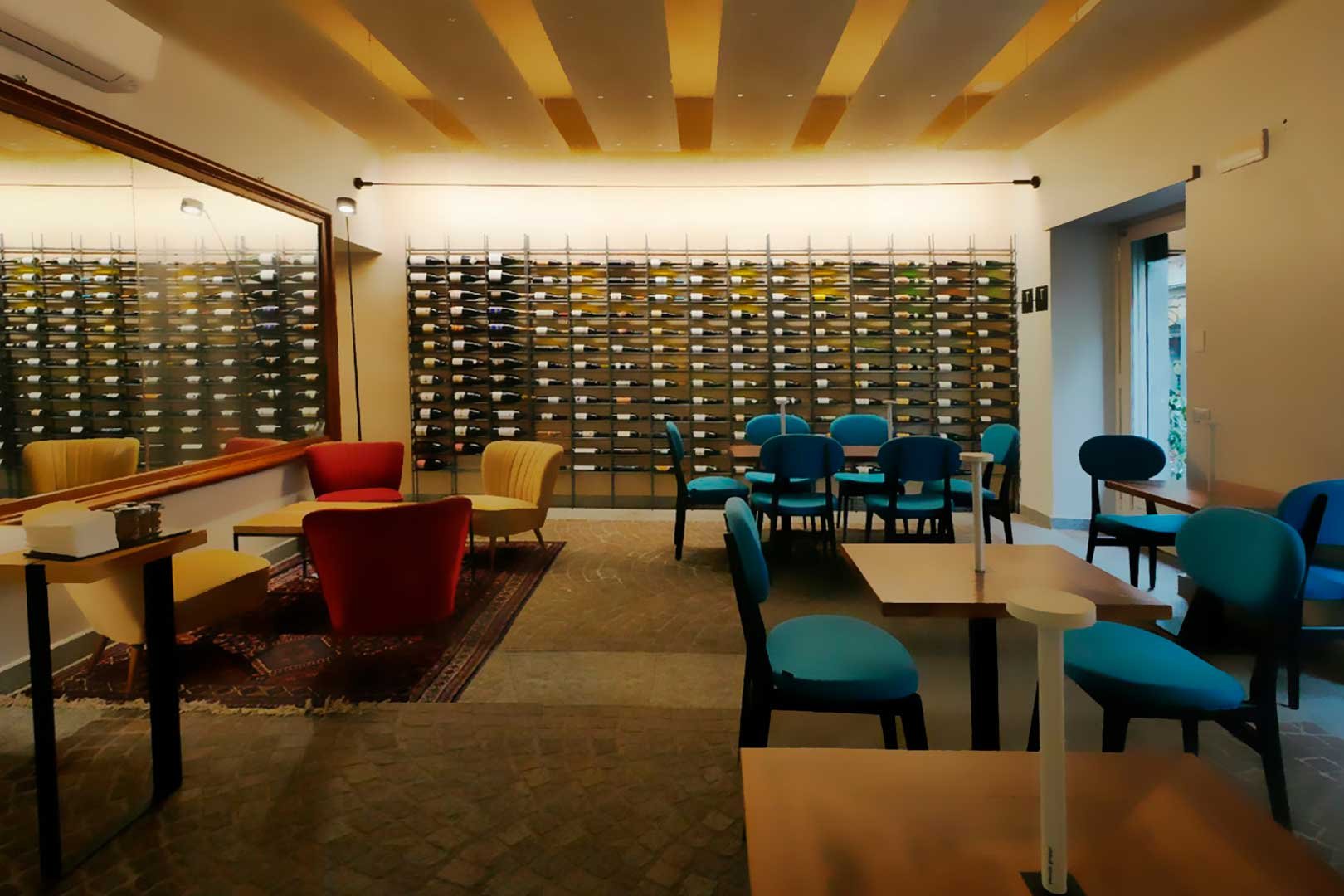
Warm, unpretentious, and relaxing atmosphere with an informal format that encourages lingering and exploration of wines.