Palazzo Ducale Venturi

Michelin Selected
A Michelin Selected palazzo in the deep Salento interior, Palazzo Ducale Venturi occupies a restored noble residence in Minervino di Lecce, a village that sits well off the standard Puglia itinerary. The property belongs to the smaller tier of design-led historic conversions that have emerged across southern Italy over the past decade, placing craft and spatial authenticity above resort scale.

Pearl is the En Primeur Club membership app, where members save venues, book tables and use the concierge.
Stone, Silence, and the Salento Interior
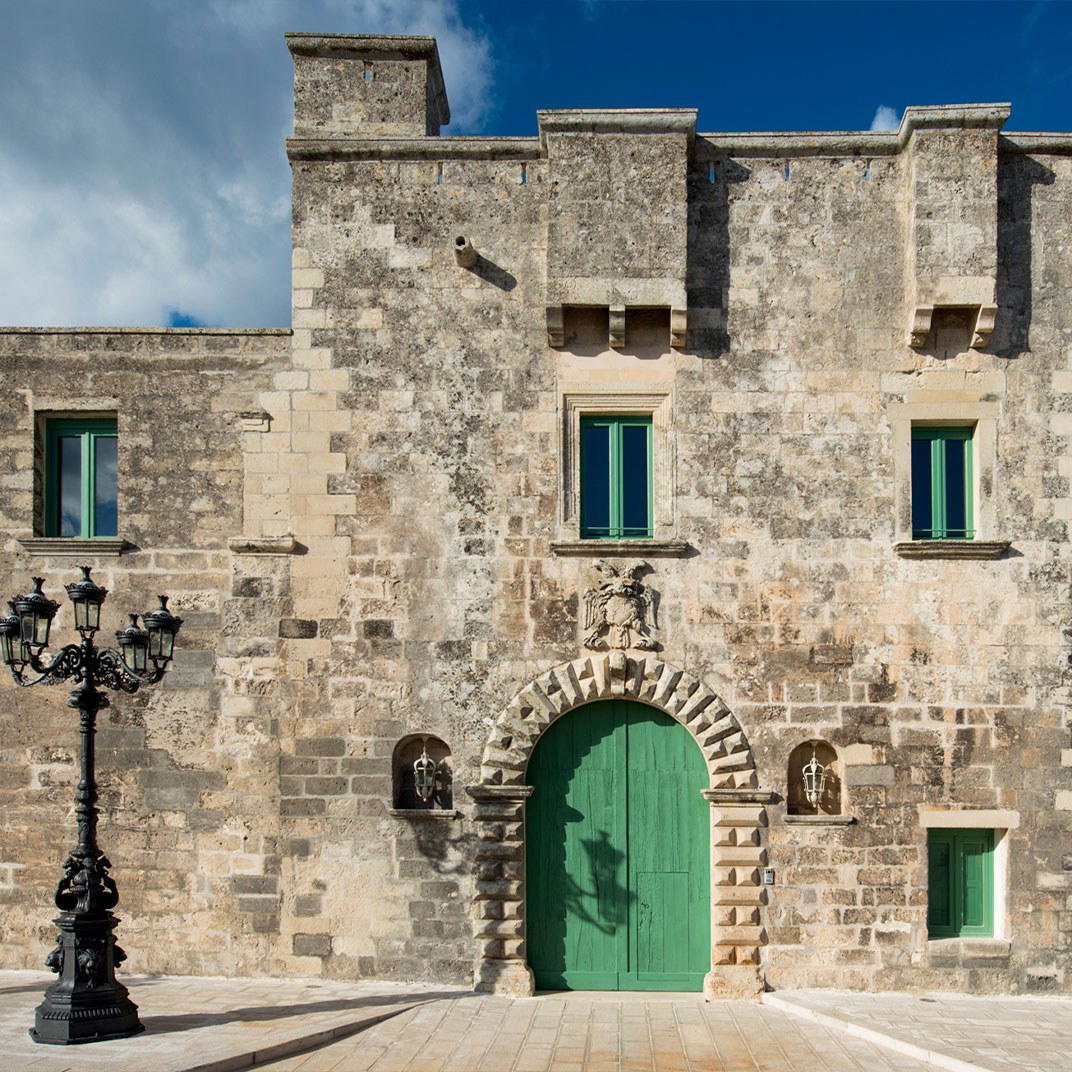
The standard Puglia narrative runs coast to coast: Alberobello trulli, Ostuni whitewash, the sea at Otranto. Minervino di Lecce sits inland from that circuit, in the lower Salento peninsula where the land flattens into olive groves and dry-stone walls, and where the village pace has not adjusted to accommodate high-season tourism. Arriving at Via Podgora 60, the approach is through narrow streets built for mule carts, not hire cars, and the palazzo facade reads as an unremarkable part of the village fabric until you are standing in front of it. That understatement is not accidental: it is characteristic of the Salento noble house typology, where wealth was expressed inward, through courtyards and vaulted interiors, rather than outward through theatrical frontage.
Palazzo Ducale Venturi belongs to a recognisable category of southern Italian hospitality that has expanded significantly since the early 2010s: the historic palazzo conversion, where a single aristocratic residence is adapted into a small hotel without dissolving the spatial logic of the original structure. This model sits apart from the agriturismo format and equally apart from the large resort compounds that dominate coastal Puglia, such as Borgo Egnazia in Savelletri di Fasano. The conversion approach prioritises retention of original materials, room count tends to stay low, and the physical experience of the building itself carries editorial weight that a purpose-built property cannot replicate.
What a Palazzo Conversion Actually Delivers
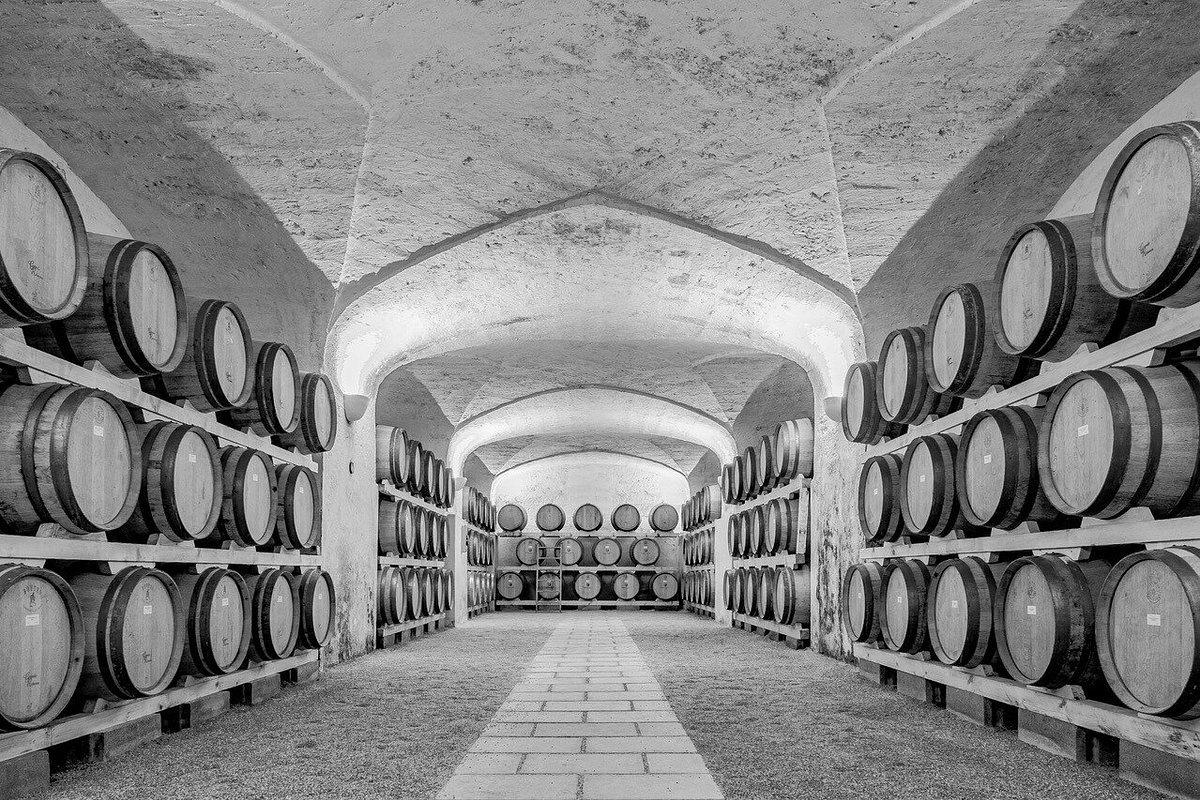
Salento building culture produced a specific interior vocabulary: barrel-vaulted ceilings in pietra leccese, the warm golden limestone quarried locally and used for everything from street paving to cathedral facades; floor tiles in terracotta or hand-painted maiolica; internal courtyard gardens that act as thermal regulators in summer. The noble palazzo format stacked these elements across multiple floors, with the piano nobile carrying the formal reception rooms and the ground level organised around storage, stabling, and service. A competent conversion respects that hierarchy rather than flattening it into uniform hotel rooms.
The Michelin Selected designation, which Palazzo Ducale Venturi holds in the 2025 guide, functions here as a signal of baseline hospitality standards rather than a gastronomic ranking. Michelin's hotel selection programme evaluates properties across character, comfort, and quality of service, and its inclusion of a small inland Salento palazzo is a marker of editorial credibility within a category where self-promotion is easy and independent verification is not. For the traveller, it narrows the field from dozens of palazzo-branded properties across Puglia to a shortlist that has been reviewed against consistent external criteria.
This matters in the Salento specifically because the term "palazzo" is applied loosely across the accommodation market. The distinction lies in whether the conversion preserved the original spatial grammar: load-bearing walls in their original position, vaulted ceilings intact, proportions maintained. Properties that deliver on these points offer a fundamentally different experience of the building from those that inserted standard hotel infrastructure behind a historic facade. Guests accustomed to the spatial consistency of large luxury brands, such as Four Seasons Hotel Firenze in Florence or Bulgari Hotel Roma in Rome, will find the palazzo format operates on different logic: variability in room size and configuration is a function of the original architecture, not a quality signal.
The Village Context: Minervino di Lecce
Minervino di Lecce is a comune of fewer than four thousand residents in the province of Lecce, positioned roughly equidistant between the Adriatic and Ionian coasts of the peninsula. Its historic centre is compact, built in the local limestone, and oriented around a central piazza and a Baroque-inflected parish church. The surrounding terrain is agricultural: olives, vines, and the occasional masseria that has been operating for centuries before the hospitality sector discovered the format.
Staying in a village of this scale produces a different rhythm from coastal resort stays. Dinner options are determined by what the village supports, not by a hotel kitchen that imports produce from elsewhere. Movement between sites requires a car. The absence of organised resort programming is the point, not a gap to be filled. For visitors approaching southern Italy through the lens of slow travel and architectural tourism rather than beach access, the interior Salento offers a version of Puglia that the coast has largely outgrown. See our full Minervino di Lecce restaurants guide for a broader picture of what the area supports.
The comparison with coastal Puglia properties is instructive. At the coast, the competitive set runs from large-format wellness resorts to cliff-side boutique hotels like Borgo Santandrea on the Amalfi Coast and the island logic of JK Place Capri. The interior Salento operates without the natural drama of sea views and trades instead on density of material culture, quality of light in limestone spaces, and access to an agricultural landscape that has not been rearranged for tourism.
Planning Your Stay
Minervino di Lecce is most accessibly reached via Lecce, which is served by Brindisi airport and sits approximately thirty kilometres to the northwest of the village. The property address is Via Podgora 60, and given the absence of published booking or contact details in aggregated databases, direct outreach via the Michelin hotel directory or Tablet Hotels, where the property appears under the external reference michelin:hotel:15351, is the practical route to current availability and rates. The Michelin Selected status was current as of the 2025 guide cycle, which provides a baseline for evaluating the property against independently verified hospitality standards.
The Salento interior is at its most navigable from late April through June and again in September and October, when temperatures are manageable and the village operates at its own pace rather than under summer pressure. August brings heat and a domestic tourist volume that changes the character of even small villages in Puglia. For those building an extended southern Italian itinerary, the Salento pairs logically with the Itria Valley further north, and the contrast between the two subregions, one drier and flatter, one marked by trulli and undulating terrain, is itself a reason to allocate time to both rather than treating Puglia as a single destination.
For broader reference on Italian property conversions operating in comparable niches, Rosewood Castiglion Del Bosco in Montalcino, Casa Maria Luigia in Modena, and Borgo San Felice Resort in Castelnuovo Berardenga each illustrate how historic estate conversions position across different Italian regions and price bands. At the more formal end of the palazzo typology, Aman Venice and Passalacqua in Moltrasio demonstrate what the format delivers when the original building carries a higher tier of historical significance. Palazzo Ducale Venturi operates in a quieter register, in a village that has not been packaged for international tourism, which is precisely the condition that makes it worth the detour.
Quick Comparison
Comparable venues nearby, for context on price, style, and recognition.
| Venue | Cuisine | Price | Awards | Notes |
|---|---|---|---|---|
| Palazzo Ducale VenturiThis venue (the venue you are viewing) | Luxury heritage palazzo with contemporary amenities, positioned as an aristocratic retreat blending five centuries of history with modern wellness services. | $300–500 | Michelin Selected | Not listed |
| Porta Rossa Hotel Firenze, Colbert Collection | Historic luxury hotel in a restored landmark building | $750–1,000 | Not listed | Centro Storico |
| My Arbor - Dolomites | Sustainable family-run treehouse hotel polished in the forest | $200–300 | Michelin Selected · Mr & Mrs Smith Seal of Approval | Plose |
| Radisson Collection Hotel, Roma Antica | Contemporary luxury palazzo conversion blending rationalist architecture with modern design, emphasizing timeless elegance through tactile materiality and designer furnishings. | $300–500 | Michelin Selected | Roma Antica |
| Furnirussi Tenuta | Countryside luxury resort | $100–200 | Michelin Selected | Serrano |
| Sunny Valley Mountain Lodge | Exclusive alpine luxury retreat with contemporary design rooted in traditional mountain architecture and local craftsmanship. | $2,500+ | 1 Michelin Key | Valle dell'Alpe, Santa Caterina Valfurva |
Recognition history
Dated appearances from independent guides and award organizations, with the underlying list record or original source where available.
Michelin Selected
Michelin
Continue exploring
More in Minervino di Lecce
Hotels in Minervino di Lecce
All hotels in Minervino di Lecce →
Bars in Minervino di Lecce
Browse all →

Details
- Romantic
- Elegant
- Classic
- Sophisticated
- Quiet
- Romantic Getaway
- Wellness Retreat
- Anniversary
- Family Vacation
- Celebration
- Historic Building
- Garden
- Terrace
- Private Dining
- Destination Spa
- Waterfront
- Spa
- Pool
- Fitness Center
- Restaurant
- Room Service
- Concierge
- Beach Access
- Bicycle Rental
- Garden
- Wheelchair Accessible
- Elevator
- Accessible Restroom
- Step Free Entrance
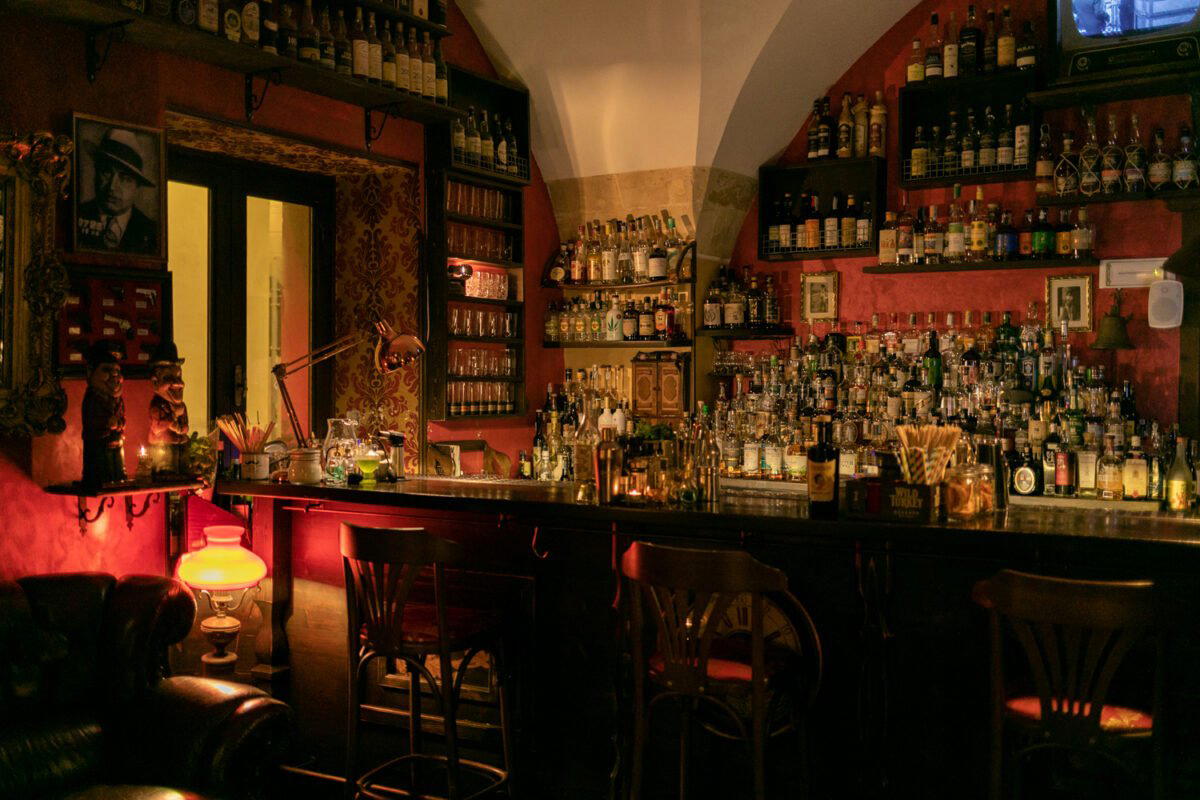
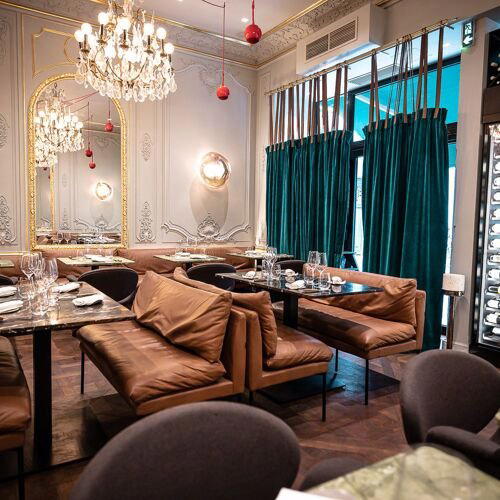
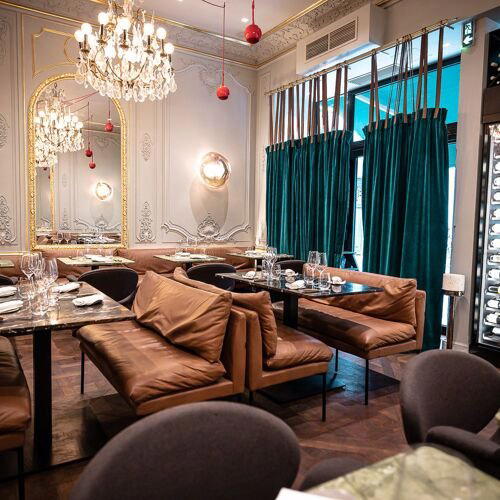
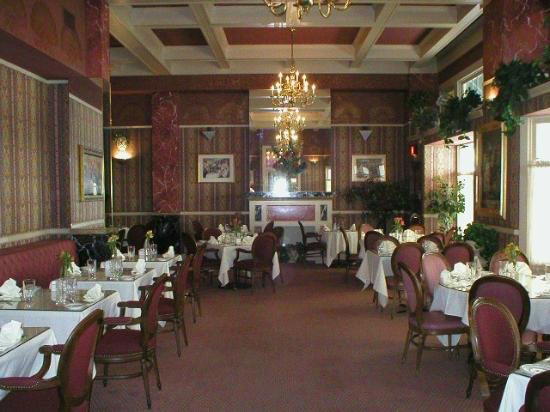
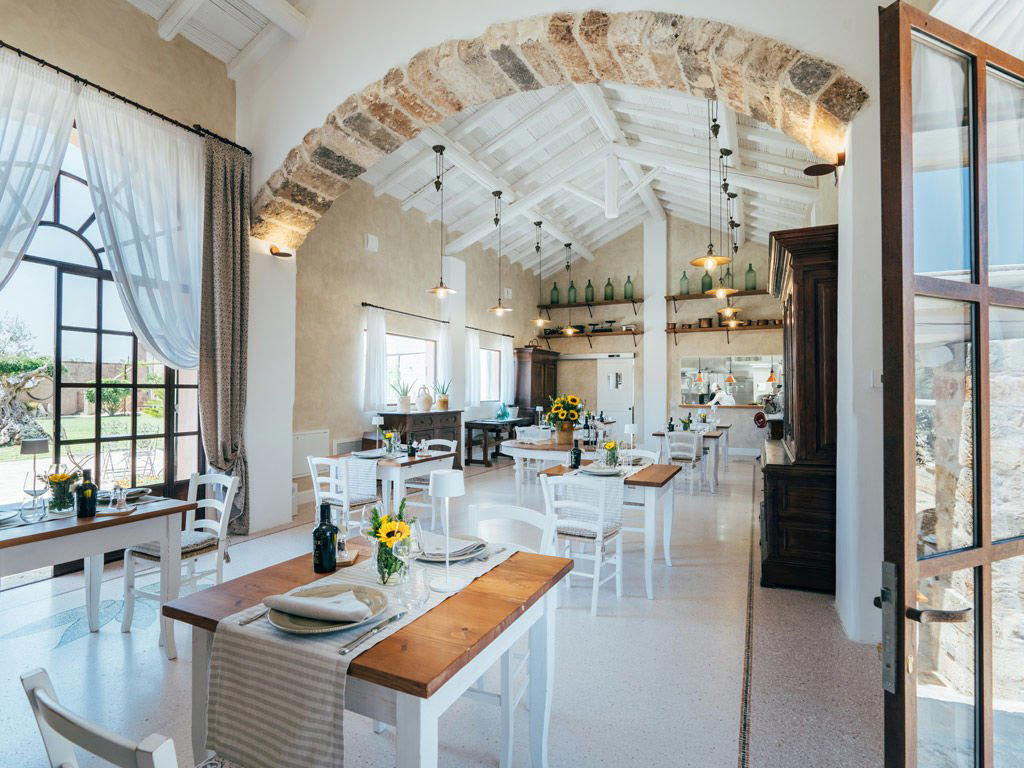
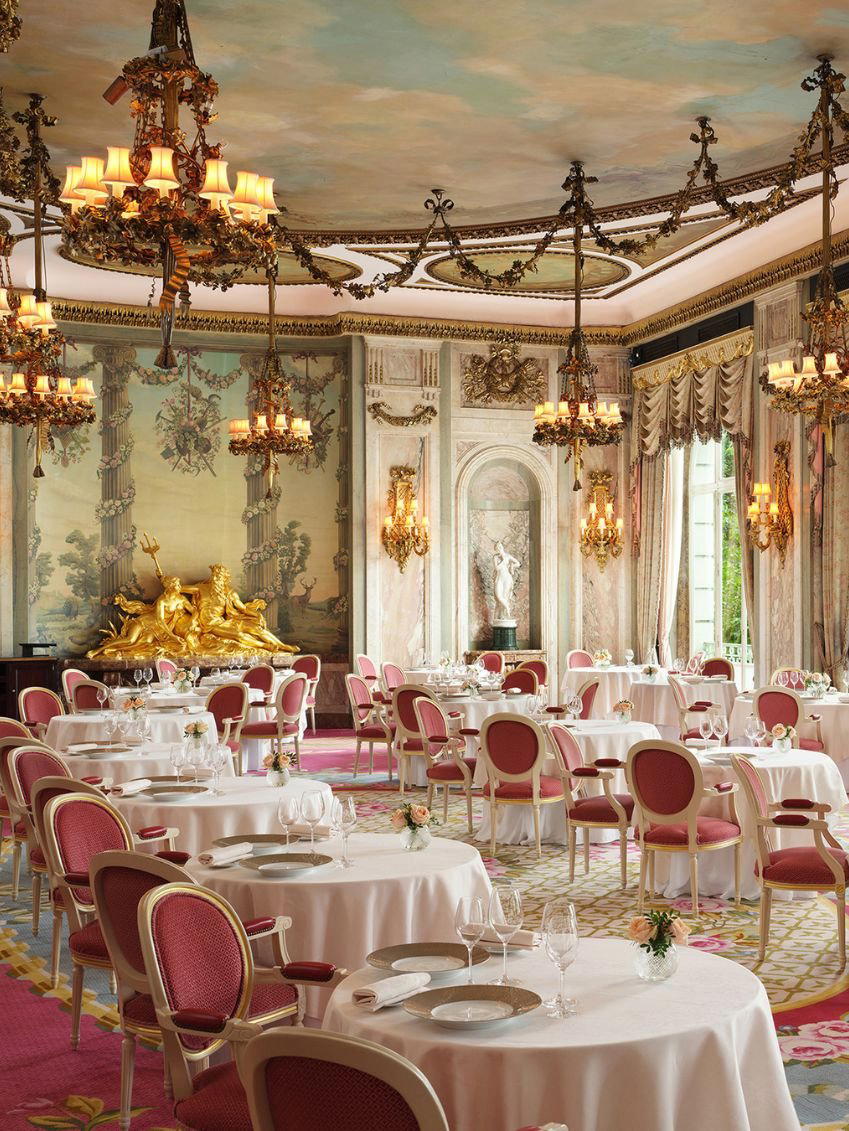
Timeless and refined, with soft lighting from frescoed stone vaults and arched ceilings, creating an atmosphere of aristocratic grandeur enhanced by peaceful gardens and citrus groves.