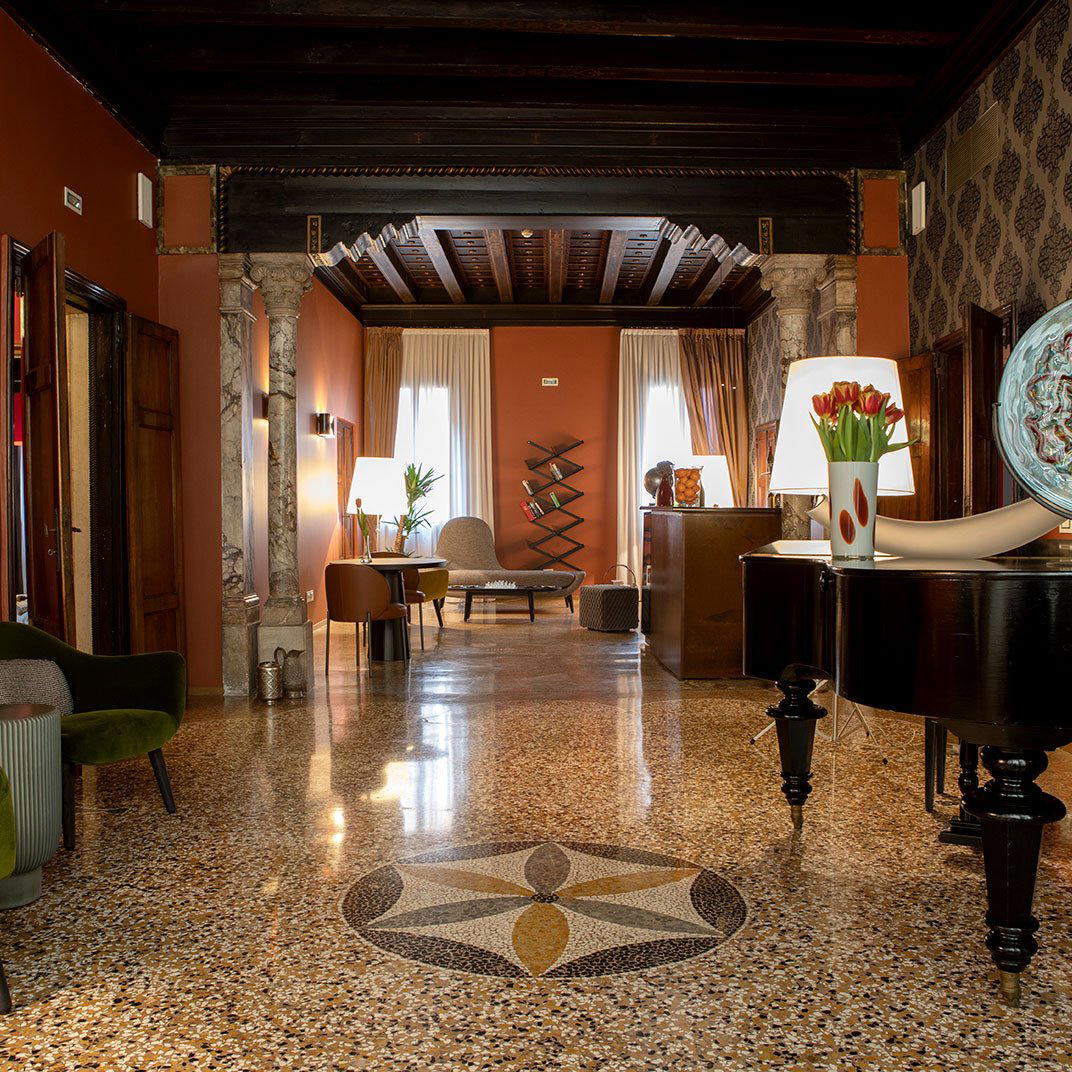
Occupying a deconsecrated church complex on Campo dei Gesuiti in the Cannaregio district, Combo Venezia is one of the more architecturally loaded hospitality addresses in the city. The property converts centuries of ecclesiastical history into a hostel-hotel hybrid that draws a younger, design-aware crowd seeking Venice without the white-glove formality of the Grand Canal palace tier.

Pearl is the En Primeur Club membership app, where members save venues, book tables and use the concierge.
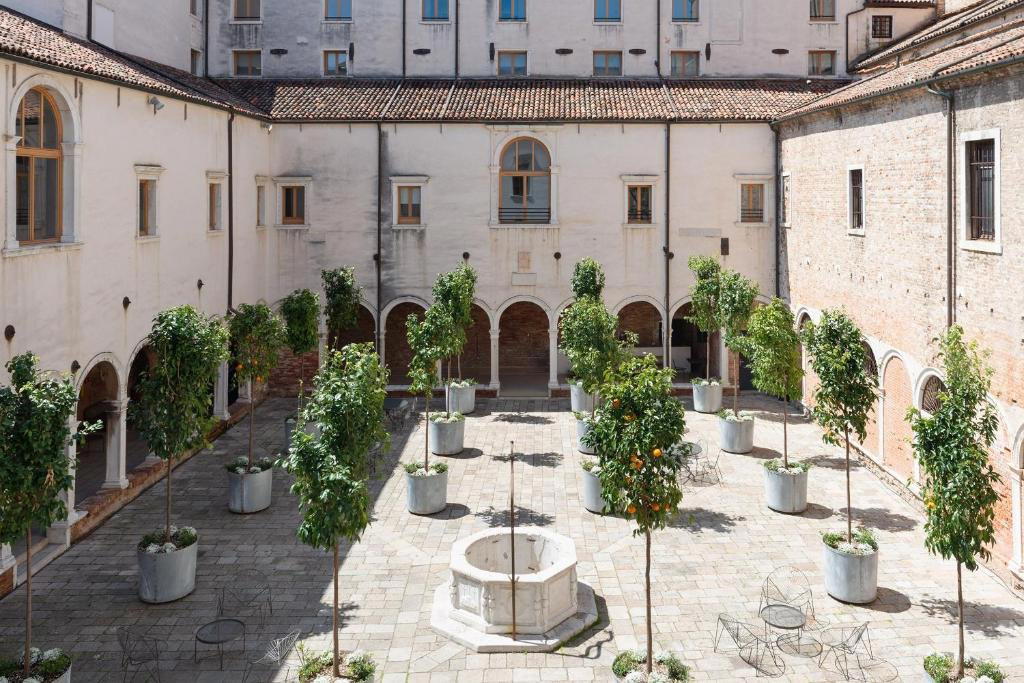
Where the Cannaregio Ends and the Lagoon Thinking Begins
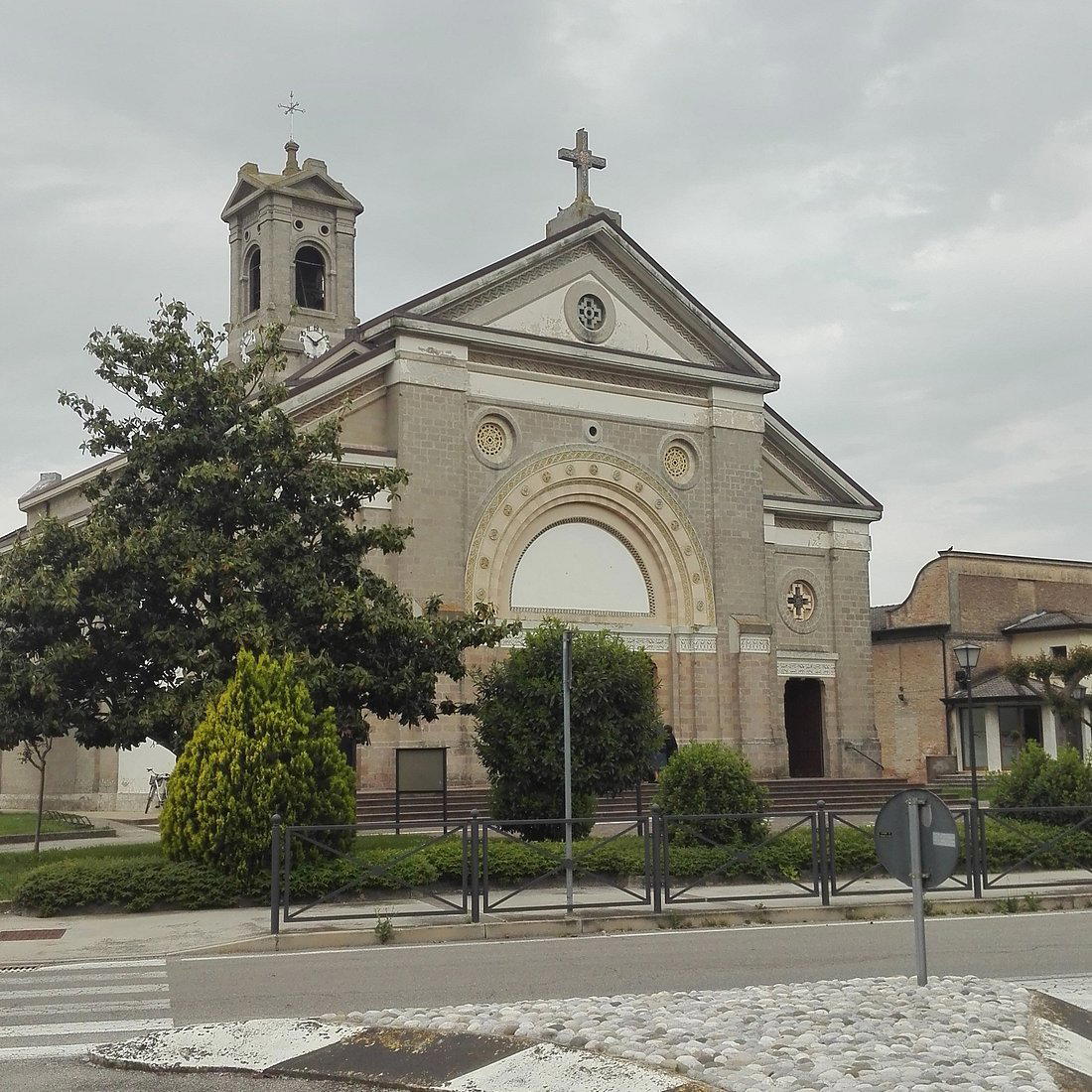
Campo dei Gesuiti sits at the quieter northern edge of Cannaregio, the sestiere that Venetians have historically inhabited more than tourists have colonized. The square itself is anchored by the Gesuiti church, whose baroque marble interior is one of the district's more arresting architectural surprises. The address for Combo Venezia, at 4878, places it within that same campo, meaning the building's bones predate any contemporary hospitality concept layered onto them by several centuries. In Venice, that is not unusual. What is less common is the decision to run a design-conscious, socially oriented property in this register of the city rather than clustering closer to San Marco or the Rialto, where tourist density and accommodation prices both peak.
Cannaregio's character rewards guests willing to walk its calli without a specific destination. The Fondamente Nove, a short walk from the campo, offers direct vaporetto access to Murano, Burano, and the cemetery island of San Michele. The Ghetto Ebraico, the world's first designated Jewish ghetto, is minutes away on foot. These are not ornamental facts, they situate Combo within a part of Venice that operates on a slower register than the San Marco corridor and appeals to a different kind of visitor entirely. For those comparing it to the Grand Canal palace tier, Aman Venice, Cipriani, A Belmond Hotel, Venice, and Hotel Gritti Palace are the reference points, all of them working with historic buildings, but in a markedly different price and formality register.
A Consecrated Past in a Secular Present
The heritage angle at Combo Venezia is not incidental. The Campo dei Gesuiti complex carries the architectural memory of the Crociferi, a religious order that operated charitable and religious functions on this site for centuries before the Jesuits consolidated the area's institutional identity in the early modern period. Repurposing ecclesiastical or conventual buildings for hospitality has become a recognizable pattern in Italian cities, it accounts for some of the country's most spatially arresting hotels and hostels, from converted monasteries in Tuscany to former seminaries in Rome. The challenge in each case is how much of the original spatial logic to preserve versus how much to domesticate for contemporary use. High ceilings, stone floors, cloistered layouts, and oversized windows are the inheritances that tend to survive; whatever austerity once governed the use of those spaces does not.
The broader pattern of historically loaded properties attracting design-forward hospitality operators is visible across Italy. Castello di Reschio in Lisciano Niccone works with a fortified medieval complex in Umbria; Casa Maria Luigia in Modena positions itself inside a restored countryside estate. Combo's approach in Venice belongs to the same general movement, adapted to a hostel-hotel hybrid format rather than an ultra-luxury tier. That distinction matters: the property is designed to be social and accessible, not to replicate the white-glove formality of the Grand Canal addresses.
The Hostel-Hotel Hybrid Format in Venice's Accommodation Market
Venice's accommodation market compresses between two poles more sharply than most Italian cities. At the upper end, multi-starred properties with lagoon-facing suites price against a global luxury traveler who may spend less than 48 hours in the city. At the budget end, guesthouses and B&Bs; operate in cramped converted apartments with inconsistent quality. The hostel-hotel hybrid format, which Combo has developed across several European cities, occupies a deliberately carved middle ground: private rooms alongside dormitory beds, common spaces designed for interaction rather than retreating to one's room, and food and beverage programming that treats the ground floor as a genuine destination rather than an afterthought.
In Venice specifically, that middle ground has historically been underserved. Properties like Ca' di Dio, Corte di Gabriela, Il Palazzo Experimental, and Nolinski Venezia offer design-conscious options at mid-to-upper price points, but none operates with the explicit social-and-shared-space logic that Combo's format implies. The Londra Palace Venezia sits in its own distinct historical register altogether. Combo addresses a traveler who values design and location but is not the target audience for a lagoon-view suite priced at multiple hundreds of euros per night.
Food, Drink, and the Ground-Floor Proposition
Across Combo properties in other cities, the food and beverage programming has tended to anchor the communal identity of the space. Venice is a city where eating and drinking well outside of tourist-trap perimeters requires some navigation. The cicheti tradition, small plates of cured fish, fried bites, and marinated vegetables consumed standing at bars along the Fondamente, is the city's most characterful food culture, and it clusters in neighborhoods like Cannaregio more naturally than in the San Marco corridor. A property positioned in that district with a functional bar and kitchen has access to a genuinely local food culture that the Grand Canal palaces, for all their culinary credentials, cannot quite replicate by circumstance.
Visitors should verify directly before arrival, particularly given Venice's seasonal volatility: high season crowds between April and October create conditions quite different from the quieter winter months, when the city empties and some venues adjust their programming accordingly.
Planning Your Visit
Campo dei Gesuiti is accessible from the Santa Lucia train station in under 20 minutes on foot, or via vaporetto on the northern Fondamente Nove line. That positioning makes Combo a practical base for day trips to the outer lagoon islands and the less-visited northern reaches of the city. Guests traveling from elsewhere in Italy may use connections through Venice Santa Lucia or Marco Polo Airport, the latter roughly 12 kilometers from the city center, served by water taxi and airport bus. For Italy context, Borgo Santandrea in Amalfi Coast, Four Seasons Hotel Firenze in Florence, and Portrait Milano in Milan represent the kind of properties many EP Club readers pair with Venice on extended Italian itineraries. For the southern peninsula, Borgo Egnazia in Savelletri di Fasano, Il San Pietro di Positano in Positano, and JK Place Capri in Capri complete a different kind of circuit. See our full Venice restaurants guide for broader context on eating and drinking across the city's six sestieri.
Venice's accommodation market tightens considerably during the Biennale cycles and Carnival season, making earlier planning advisable for those periods.
Comparable Options
| Venue | Cuisine | Price | Awards |
|---|---|---|---|
| Combo, VeneziaThis venue (the venue you are viewing) | This venue | $100–200 | Not listed |
| Aman Venice | Not listed | $1,000–1,500 | 3 Michelin Keys · World's 50 Best #79 |
| Cipriani, A Belmond Hotel, Venice | Not listed | $750–1,000 | 3 Michelin Keys · World's 50 Best #72 |
| JW Marriott Venice Resort & Spa | Not listed | $500–750 | Michelin Selected · Forbes Recommended |
| The St. Regis Venice | Not listed | Not listed | Michelin Guide New Hotels New Hotel · Michelin Selected |
| Hotel Gritti Palace | Not listed | $750–1,000 | 2 Michelin Keys · La Liste Top Hotels |
Continue exploring
More in Venice
Hotels in Venice
All hotels in Venice →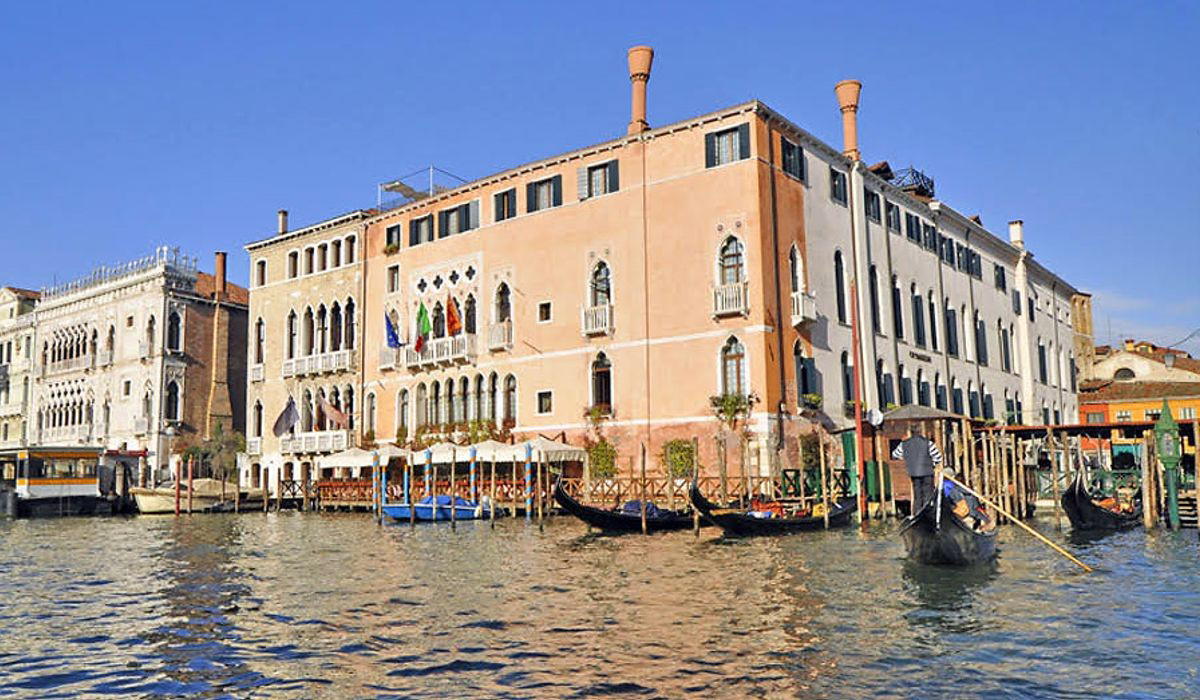
Bars in Venice
All bars in Venice →

Details
- Modern
- Lively
- Cozy
- Trendy
- Weekend Escape
- Historic Building
- Terrace
- Wi Fi
- Restaurant
- Air Conditioning
- Wheelchair Accessible
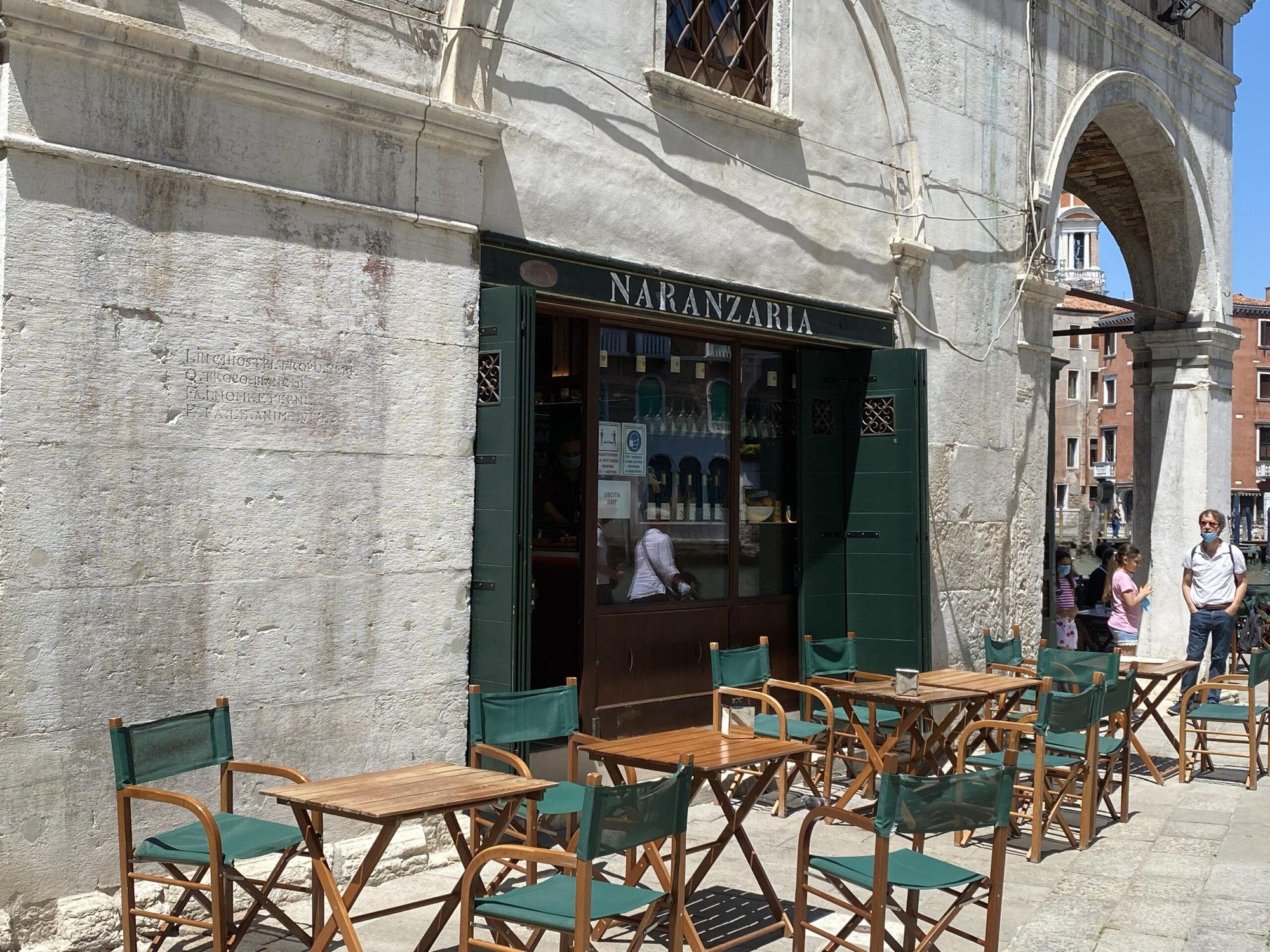
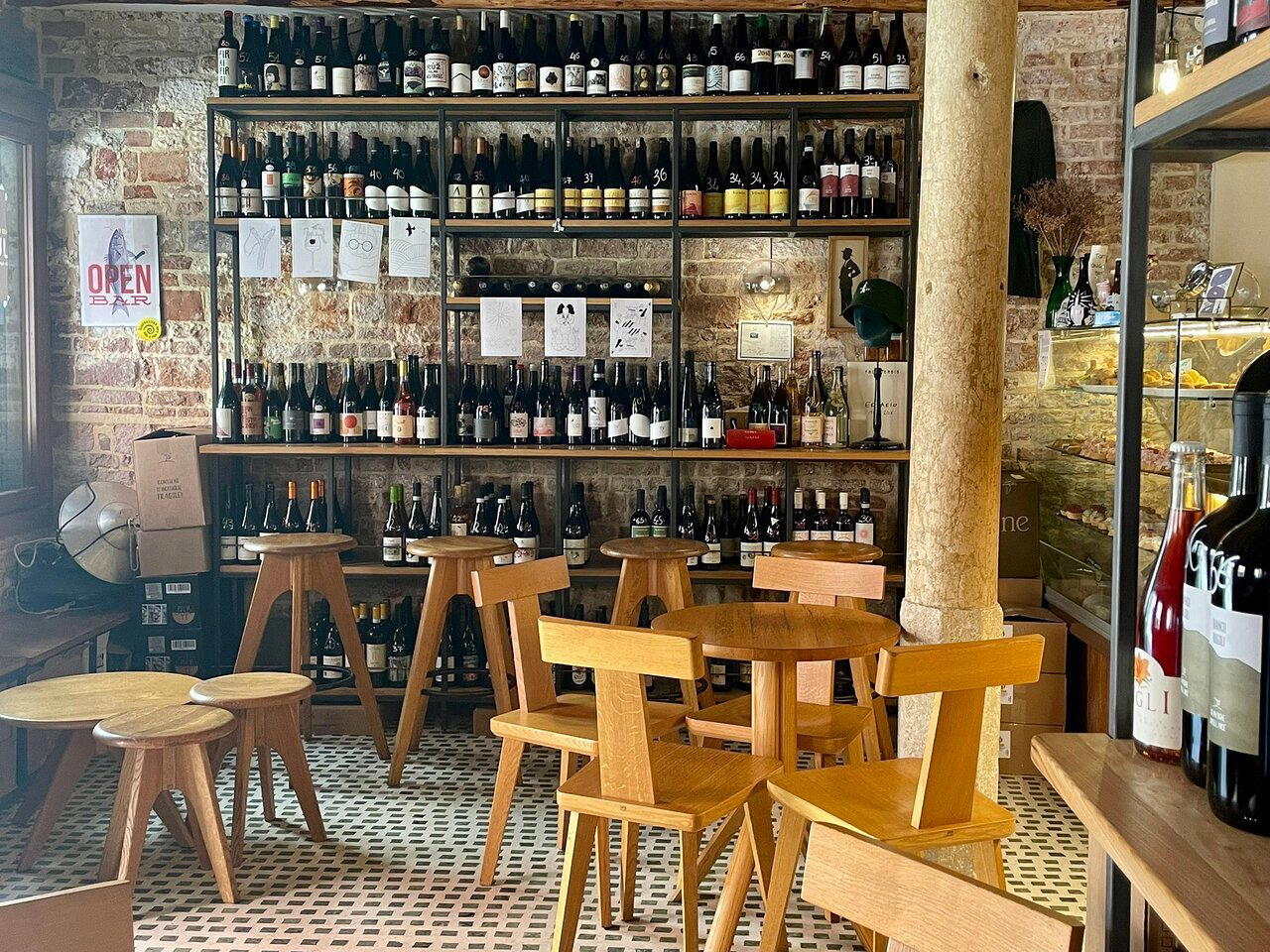
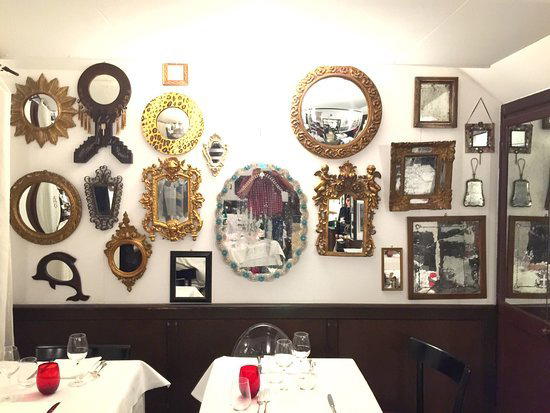
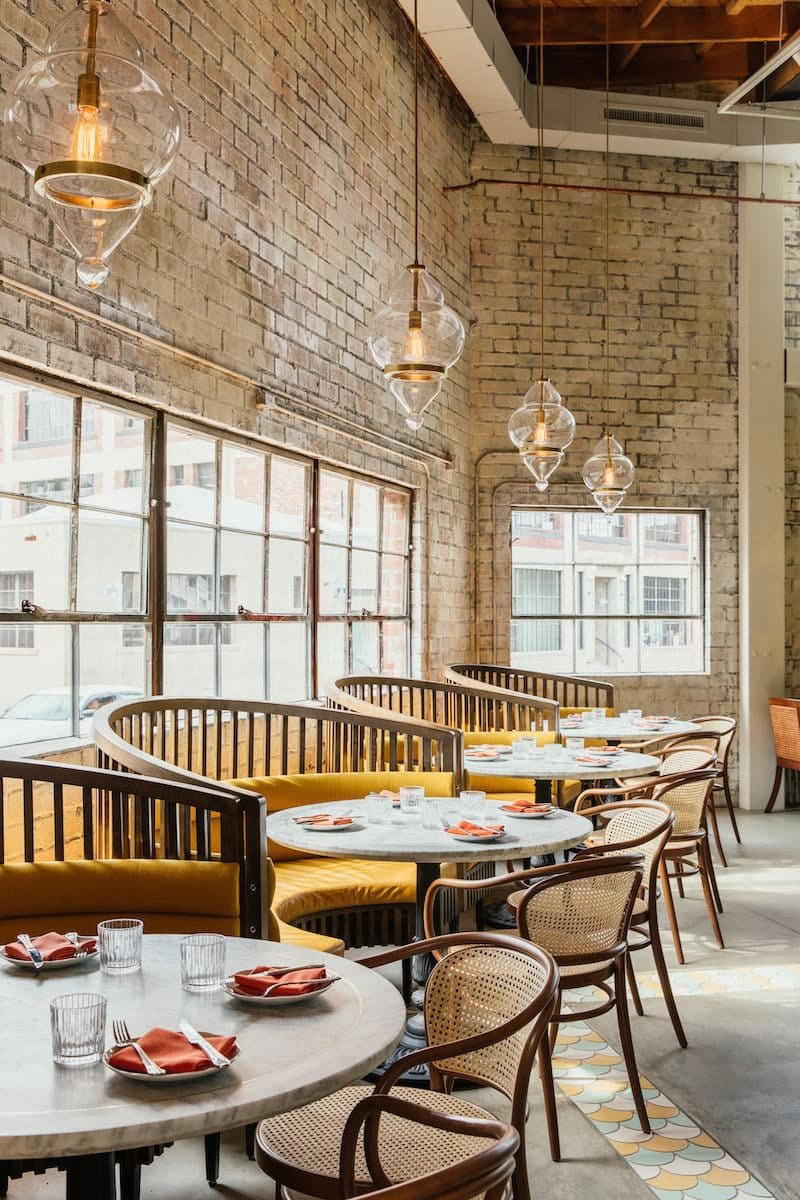
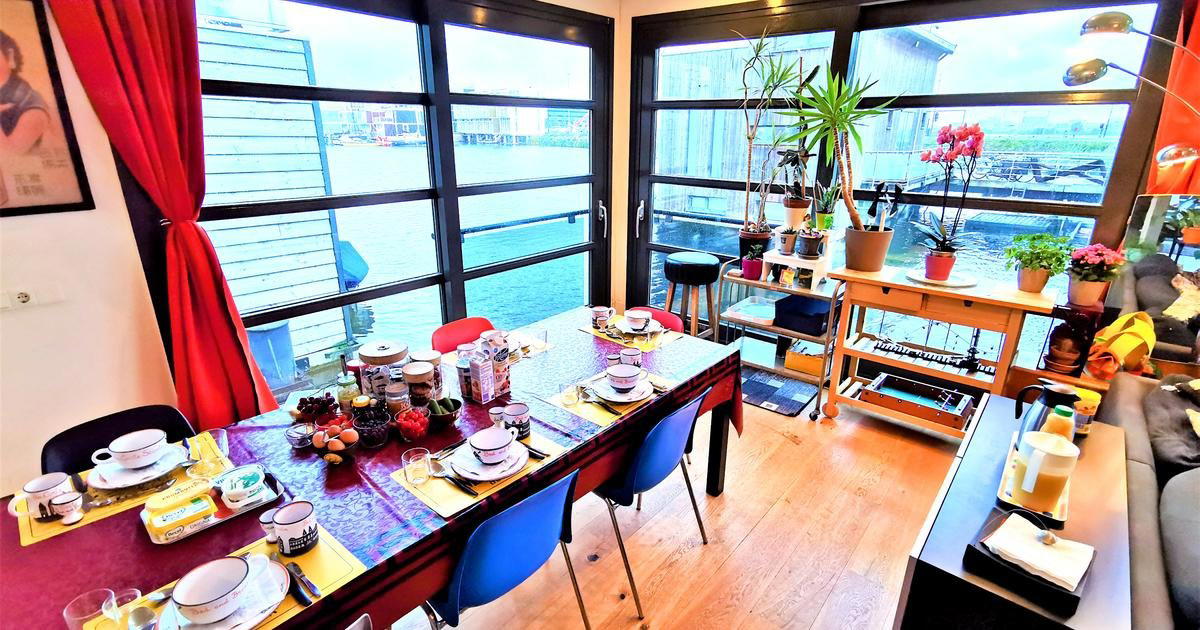
Relaxed atmosphere with soft lighting in the courtyard and restaurant, minimalist style with whitewashed brick walls and communal spaces fostering connection.