Casa Howard Firenze occupies a historic palazzo on Via della Scala, positioning itself in Florence's growing tier of intimate residenze d'epoca that trade grand-hotel scale for character-led rooms and neighbourhood rootedness. The property sits within walking distance of Santa Maria Novella, placing guests inside the city's medieval grid rather than outside it. For travellers who find large luxury hotels impersonal, this is a considered alternative.
Pearl is the En Primeur Club membership app — saves, bookings, and concierge access live there. Same editors, same standards.
- Address
- Via della Scala, 18, 50123 Firenze FI, Italy
- Phone
- +39 055 709 4605
- Website
- casahoward.com
- Directions
- Get directions
 Saves & bookings on Pearl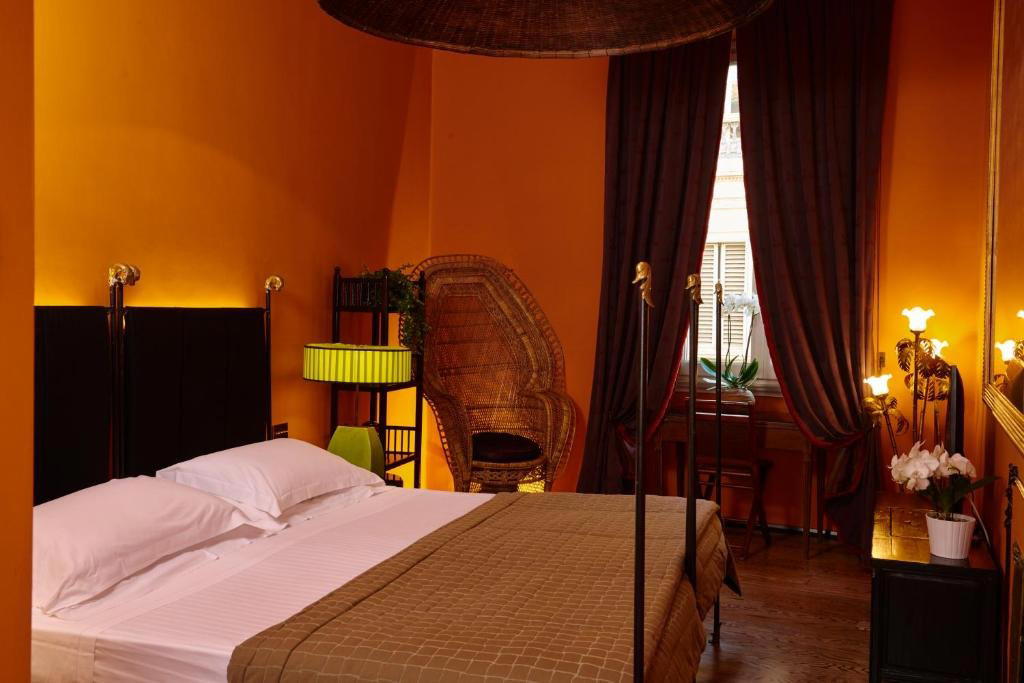
A House, Not a Hotel: How Via della Scala Frames Florence Differently
The stretch of Via della Scala running southwest from the historic center toward Santa Maria Novella has long been a transitional quarter in Florence, less trafficked by the monument-hopping majority, more inhabited by the city's working rhythm. It is in this register that Casa Howard Firenze operates as a Residenza d'Epoca, a hotel in Florence with 13 rooms at Via della Scala, 18, 50123 Firenze FI, Italy. The category sits between a private palazzo and a boutique hotel, and that ambiguity is architectural in origin: these are domestic spaces converted with varying degrees of restraint. How much original fabric survives, and how carefully new interventions have been absorbed, determines the quality of the experience more than thread counts or turn-down services.
The Physical Grammar of the Property
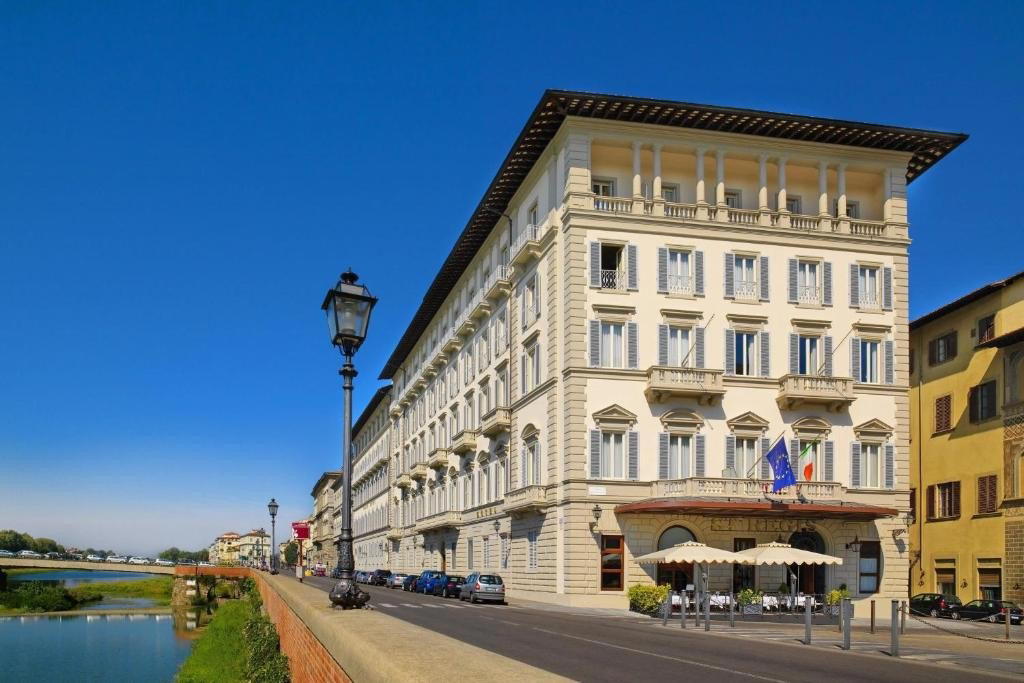
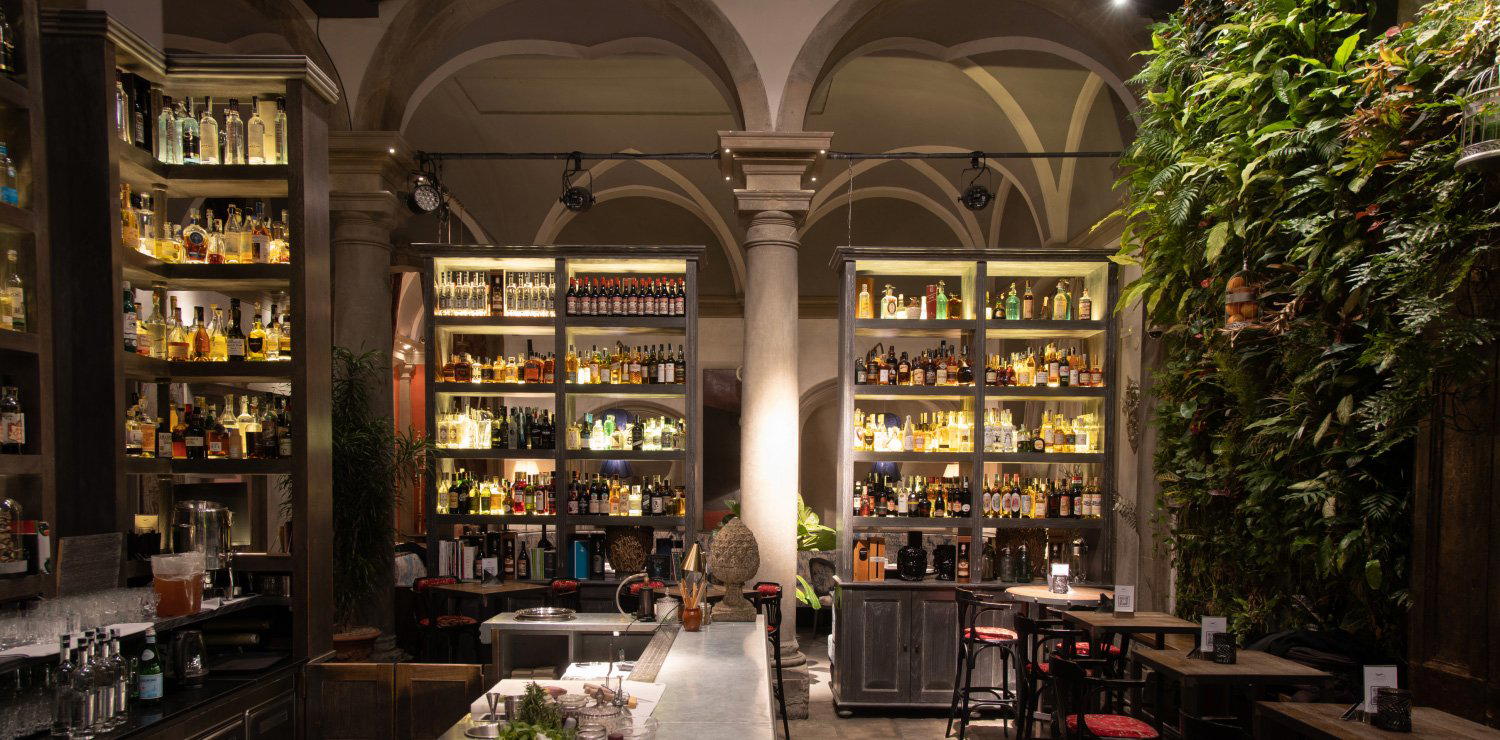
On Via della Scala, the building's street presence sets an expectation: a Florentine urban facade in the tradition of the city's residential palazzi, with a threshold that reads as a private entrance rather than a hotel lobby. This is not incidental. The Residenza d'Epoca format, at its most coherent, refuses the hotel lobby as an organizing principle. There is no cavernous check-in hall, no luggage-carousel zone, no atrium scaled to signal volume. Instead, the spatial logic is domestic in sequence: an entrance, a reception that functions more like a salotto, corridors and stairs that follow the original floor plan rather than a hospitality consultant's efficiency diagram.
This matters because Florence's architectural legacy is inseparable from its domestic interior tradition. The city produced not only cathedral engineering but an interior culture, the piano nobile as social theater, the camera as a curated accumulation of textile, painting, and object. Properties that engage with this tradition architecturally, rather than decoratively, offer a reading of the city that the large-format luxury hotels cannot. The Four Seasons Hotel Firenze occupies a significant palazzo with genuine frescoed saloni, but its scale and operational requirements produce a different experience category. The Palazzo Portinari Salviati Residenza D'Epoca operates in the same formal classification as Casa Howard, though with a larger footprint and a more intensive restoration investment. These are not competitors in the conventional sense; they serve different versions of the desire to sleep inside Florentine history rather than adjacent to it.
Room Character and the Logic of Distinctness
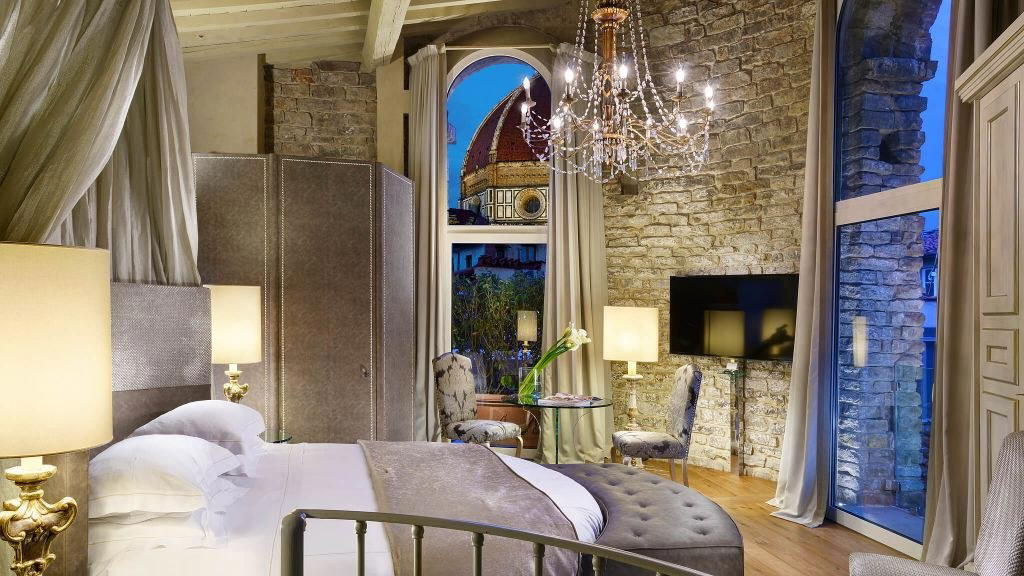
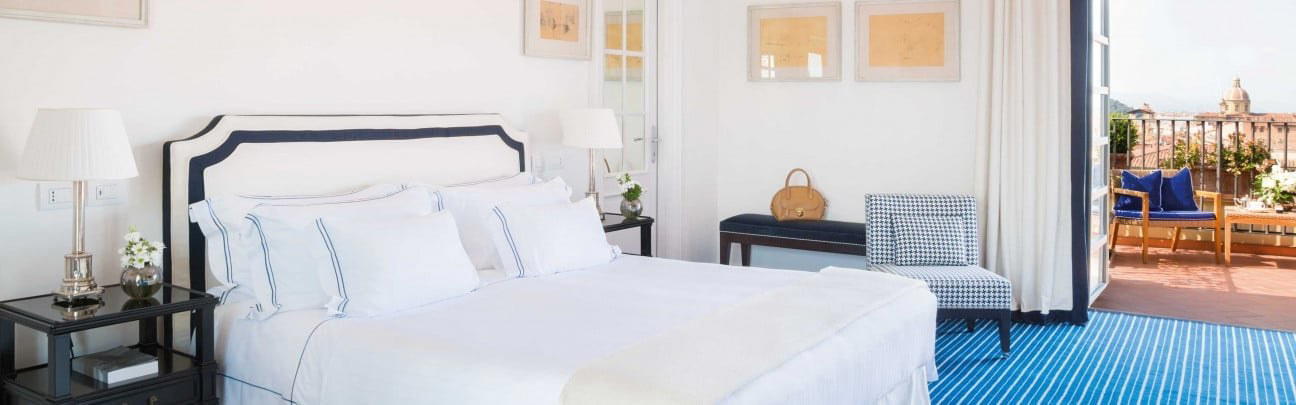
A defining feature of the Residenza d'Epoca format is that individual rooms are not expected to be identical. In a conventional hotel, room-to-room consistency signals quality control. In a converted domestic palazzo, variation is a product of the original architecture: different orientations, ceiling heights, floor plans, and inherited decorative programs. Casa Howard treats this variation as a feature rather than an inconvenience to be ironed out. Each room carries a distinct character shaped by the space it occupies rather than by a uniform design template applied across a floor plate.
For guests accustomed to international hotel standards, this requires a calibration in expectation. You are not selecting from a menu of room types that differ by square footage and view alone. You are selecting a particular spatial experience, which is why advance research into specific room character matters more here than at a standardized property. The trade-off is that when the room is right for the guest, the experience of being inside it, inside that particular ceiling, with that particular light from that particular window over Via della Scala, produces something that standardized luxury cannot replicate by design.
Within Florence's accommodation spectrum, this positions Casa Howard in a niche comparable set alongside properties like the Hotel Calimala and the Brunelleschi Hotel, though each of those operates with a different spatial premise. The Hotel Lungarno offers a contrasting case: a more modernist interior sensibility with a commanding Arno position. The Ad Astra represents another format entirely. The city's accommodation offer is sufficiently varied that the choice between them is essentially a choice about which version of Florence you want as your operating context.
The Neighbourhood as Part of the Stay
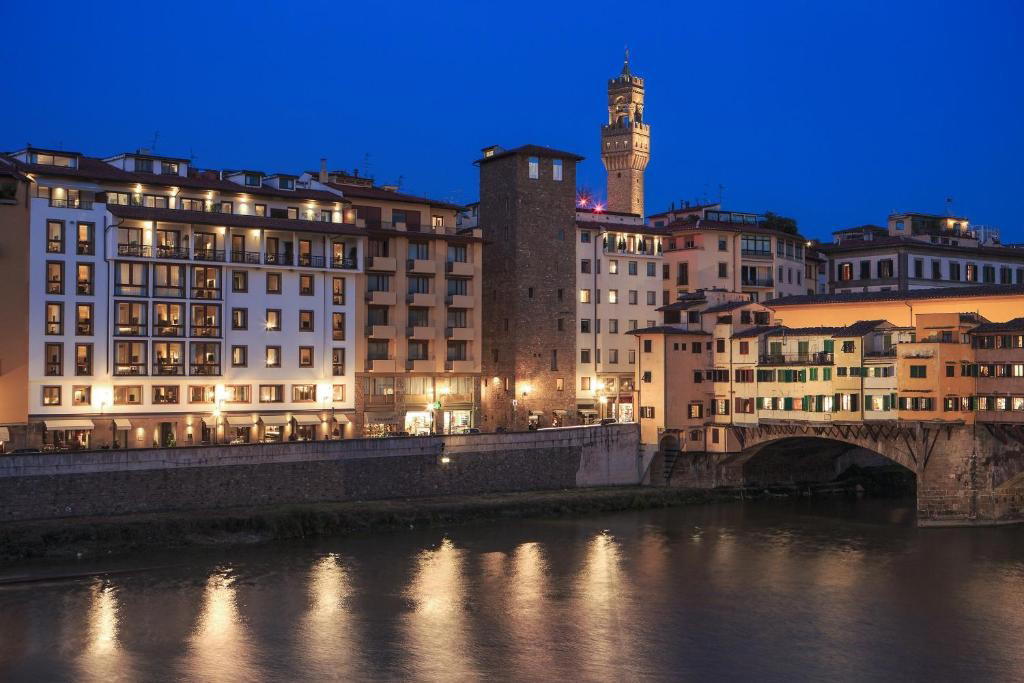
Via della Scala's location places guests within ten minutes' walk of Santa Maria Novella, one of the great Gothic-Renaissance church interiors in Italy, and within reasonable walking distance of the Oltrarno across the Ponte alla Carraia. The neighborhood functions as a residential buffer zone between the tourist-dense historic core and the quieter western districts. This is not a drawback. Florence's most concentrated tourist pressure is along the Duomo-to-Uffizi corridor, and staying slightly west of that axis means the street outside your door operates at a different tempo. Morning coffee at a bar on Via della Scala does not involve queuing past tour groups; it involves standing at a counter with local residents, which remains a reliable way to read any Italian city accurately.
The logistical case for the location is also sound: Santa Maria Novella train station is a short walk, which matters for guests arriving from Rome, Bologna, or connecting through to other Tuscan destinations. For those routing through Italy on a longer trip, properties like Aman Venice in Venice or Casa Maria Luigia in Modena connect naturally by high-speed rail from Firenze Santa Maria Novella. Further afield, Il San Pietro di Positano on the Amalfi Coast, Borgo Egnazia in Puglia, or Rosewood Castiglion Del Bosco in Montalcino round out a considered Italian itinerary of which Florence is one chapter. For the full picture of what the city offers across categories, see our full Florence restaurants and hotels guide.
Planning the Stay
Casa Howard Firenze operates on a smaller scale than the city's large-format hotels, which means availability moves faster, particularly in spring (late March through May) and autumn (September through November), the two peak seasons when Florence's visitor density is highest and the light inside its stone interiors is at its most legible. Guests should book early for those windows, and confirm specific room character at the time of reservation rather than leaving it to check-in. The property's address on Via della Scala, 18, 50123 Firenze FI, Italy, places it a short walk from the main station.
Comparable properties for guests weighing options include the Villa Cora and Villa La Massa for those who prefer villa-format stays outside the city core, or the Castello di Reschio in Umbria for a rural counterpoint to the Florentine urban experience. Those for whom design-led intimate properties are the consistent preference across destinations will also find relevant comparisons in Passalacqua on Lake Como, Portrait Milano, and further afield, JK Place Capri.
How It Stacks Up
Comparable venues nearby, for context on price, style, and recognition.
| Venue | Cuisine | Price | Notes |
|---|---|---|---|
| Casa Howard Firenze - Residenza d'EpocaThis venue — the venue you are viewing | Renaissance palazzo restored as an exclusive boutique residenza d'epoca with familial intimacy. | $$$$ | Not listed |
| The Hoxton, Florence | Renaissance palazzo meets postmodern architecture | $$$ | Piazza della Libertà |
| Casa G Firenze | Restored historic palazzo offering home-away-from-home intimacy with smart hospitality. | $$$ | Santo Spirito |
| Villa Bardini | Historic 17th-century villa with monumental gardens on a hillside overlooking Florence. | $$$$ | San Niccolo |
| SoprArno Suites | Restored 16th-century palazzo offering a residential-style boutique guesthouse experience. | $$$ | Santo Spirito |
| Ruby Bea Hotel | Lean luxury blending historic elegance with modern comfort in a 19th-century building. | $$$ | San Lorenzo |
Continue exploring
More in Florence
Hotels in Florence
Browse all →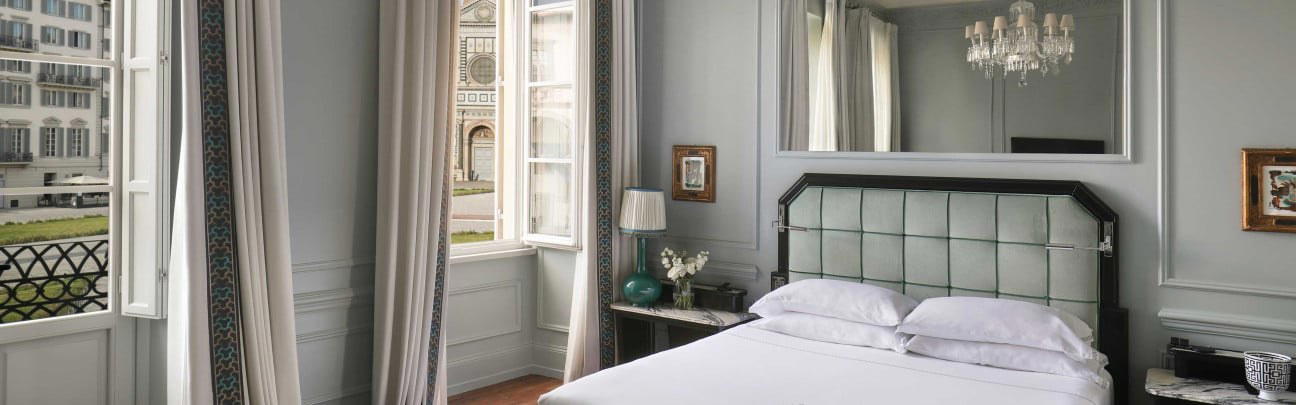
Bars in Florence
Browse all →
Restaurants in Florence
Browse all →
At a Glance
- Elegant
- Cozy
- Romantic
- Intimate
- Sophisticated
- Romantic Getaway
- Anniversary
- Weekend Escape
- Historic Building
- Terrace
- Garden
- Wi Fi
- Concierge
- Room Service
- Breakfast Included
- Street Scene
- Wi Fi
- Concierge
- Room Service
- Breakfast Included
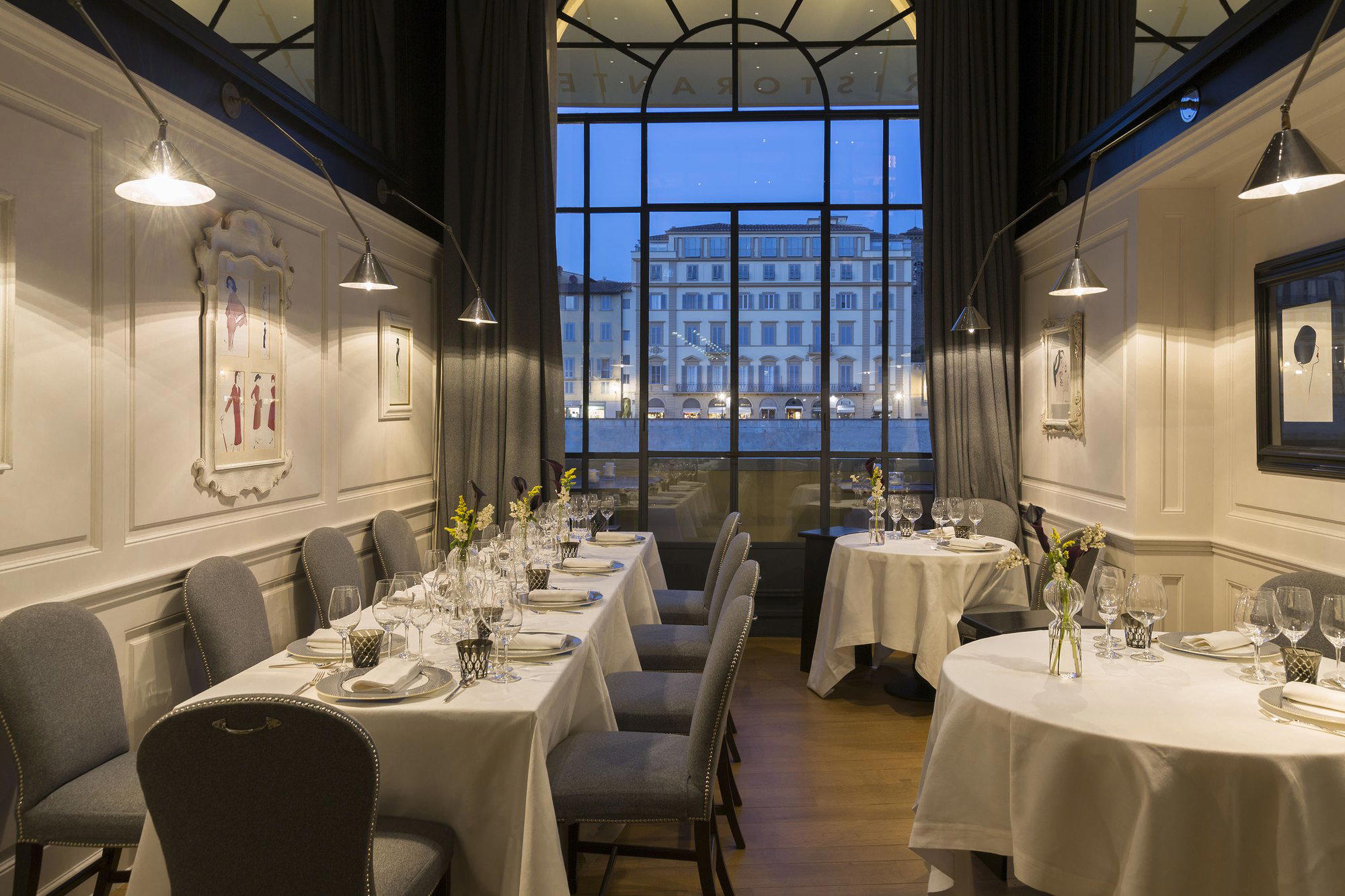
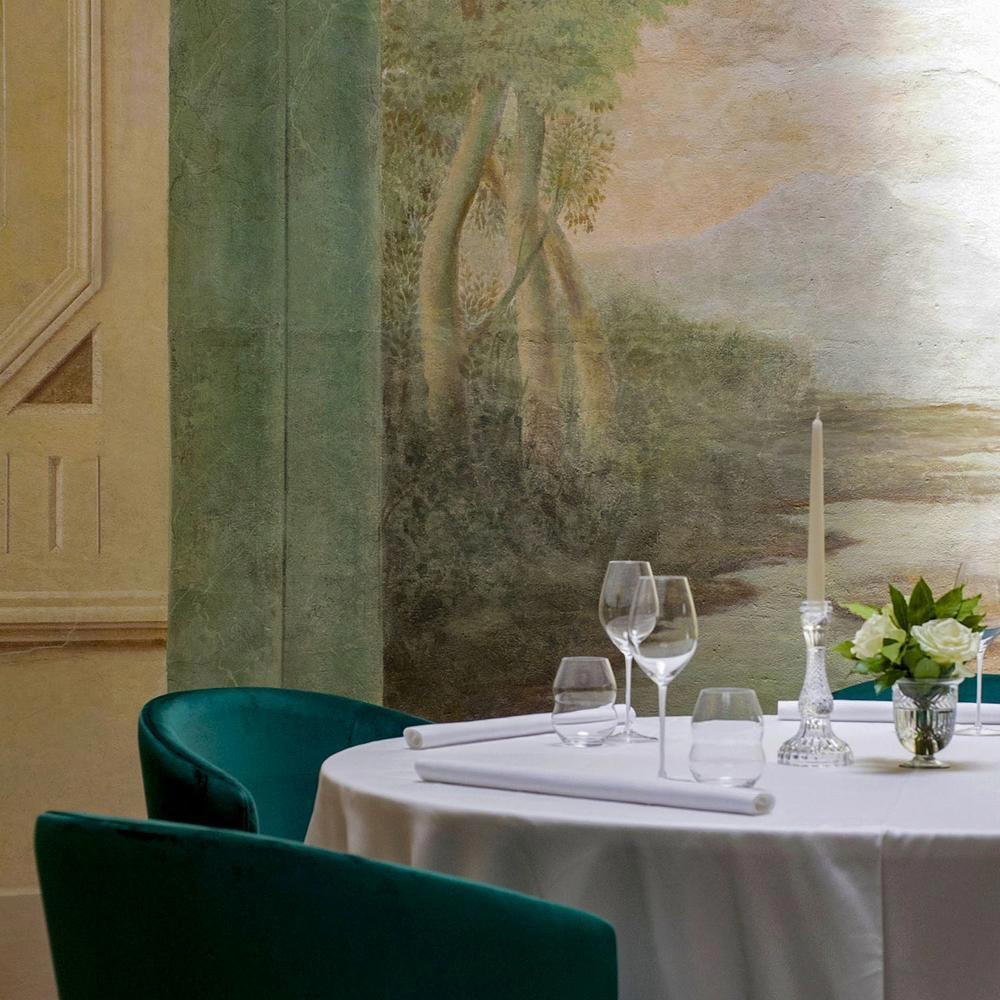
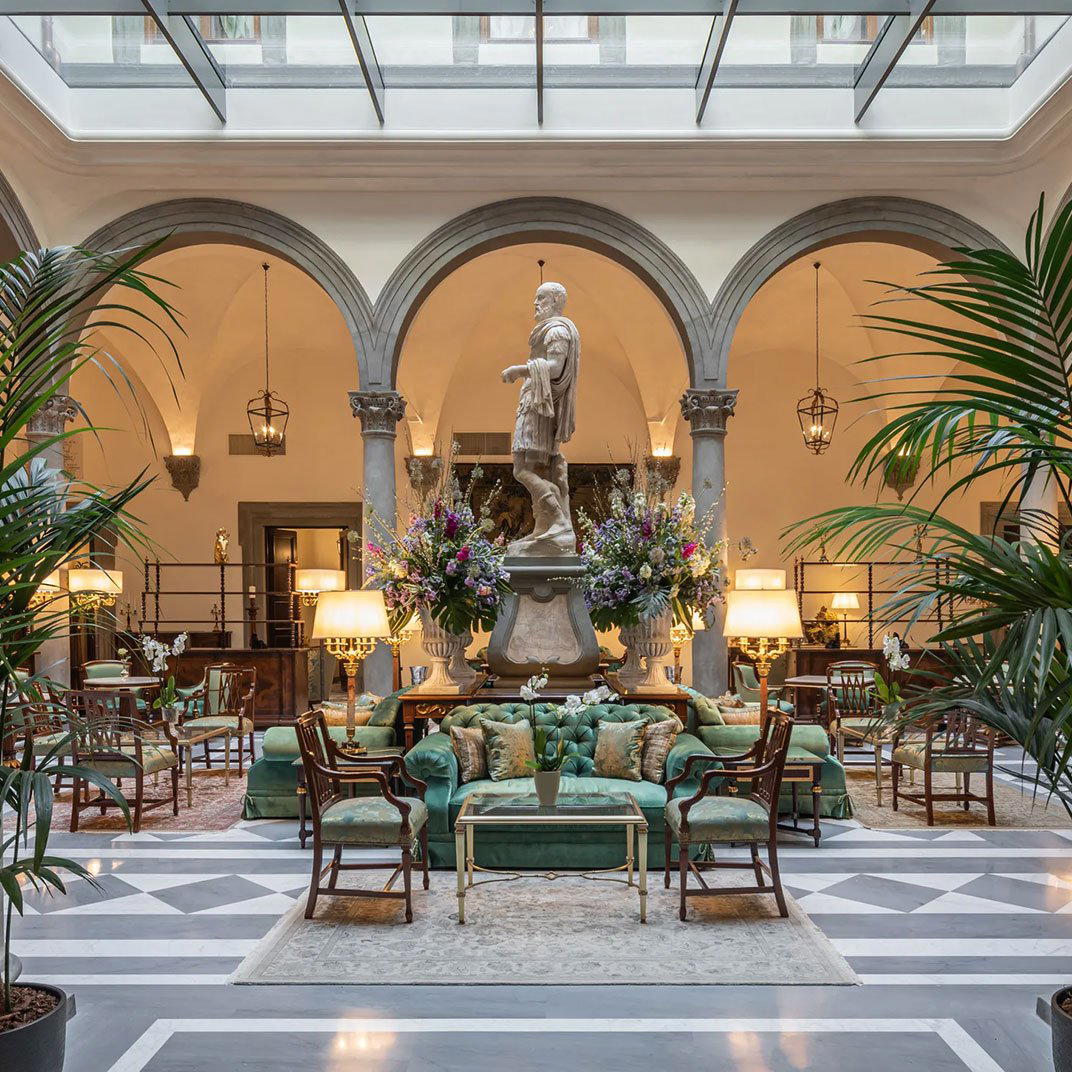
Warm, welcoming atmosphere of a stylish private home with eclectic furnishings, soft lighting, and cozy familial elegance.