C. Jose Guadalupe Posada 116 sits in Toluca's Col. Industrial district, a part of the Estado de México capital that rewards those who look past the city's industrial reputation. With venue details still emerging in public records, this address represents the kind of understated urban spot that defines Toluca's quieter hospitality scene — worth investigating for travellers already making the case for the city.

Pearl is the En Primeur Club membership app — saves, bookings, and concierge access live there. Same editors, same standards.
- Address
- C. Jose Guadalupe Posada 116, Col. Industrial, Los Ángeles, 50020 Toluca de Lerdo, Méx., Mexico
- Directions
- Get directions
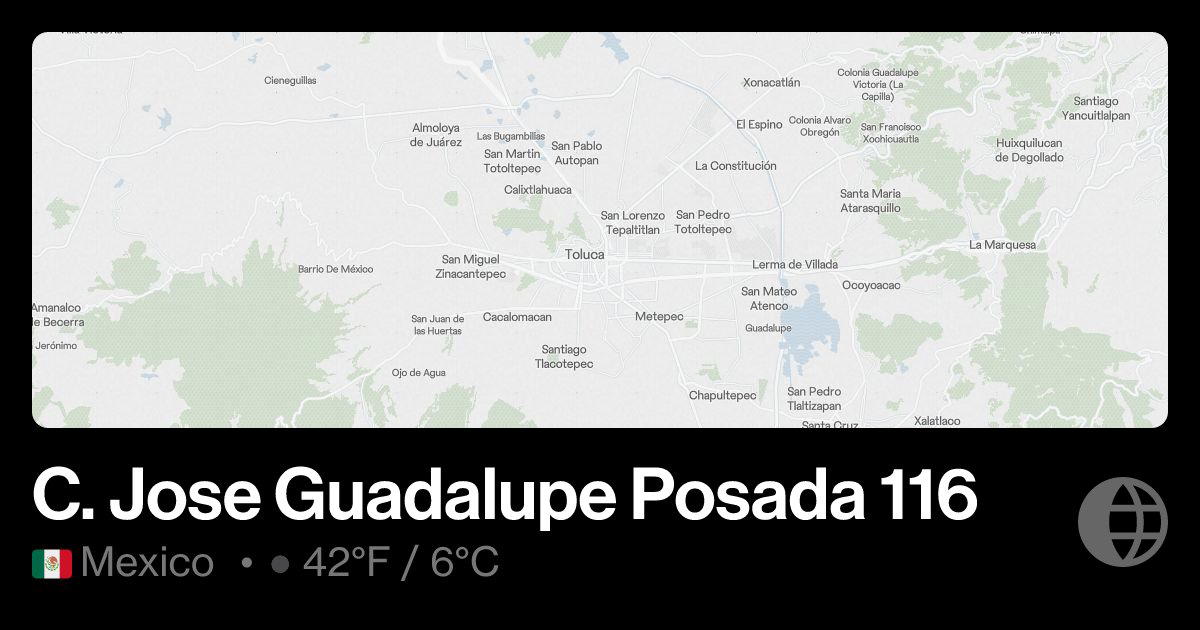
An Address in Toluca's Industrial Fringe
Toluca de Lerdo occupies an awkward position in the Mexican travel imagination. At roughly 2,660 metres above sea level, it is one of the highest major cities in the country, and it sits close enough to Mexico City — under an hour by road on a clear day — to be perpetually overshadowed by it. That proximity has long worked against Toluca's independent identity, routing most travellers through rather than to it. The city's Col. Industrial district, where C. Jose Guadalupe Posada 116 is located, compounds that perception: the name alone signals warehouses and distribution yards rather than destination dining or considered hospitality. Yet industrial-fringe addresses in Mexican cities have a documented track record of housing the most interesting new ventures, precisely because lower-profile locations allow operators to focus on substance over spectacle. Our full Toluca restaurants guide maps more of what is quietly taking shape across the city's less-visited districts.
The Physical Setting: What the Address Implies
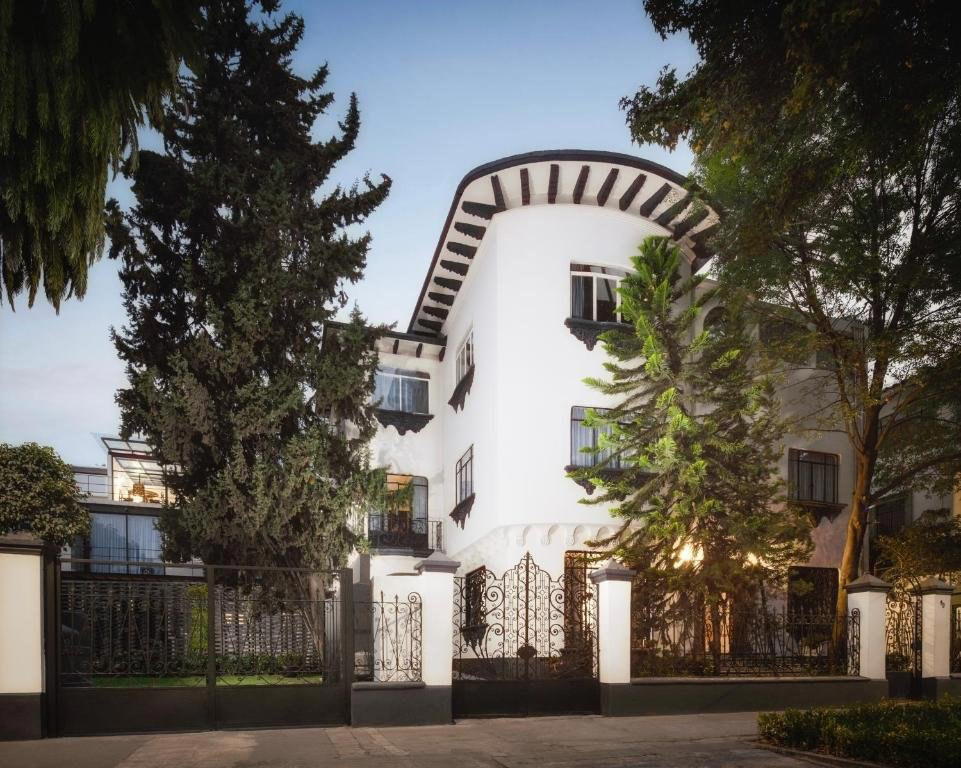
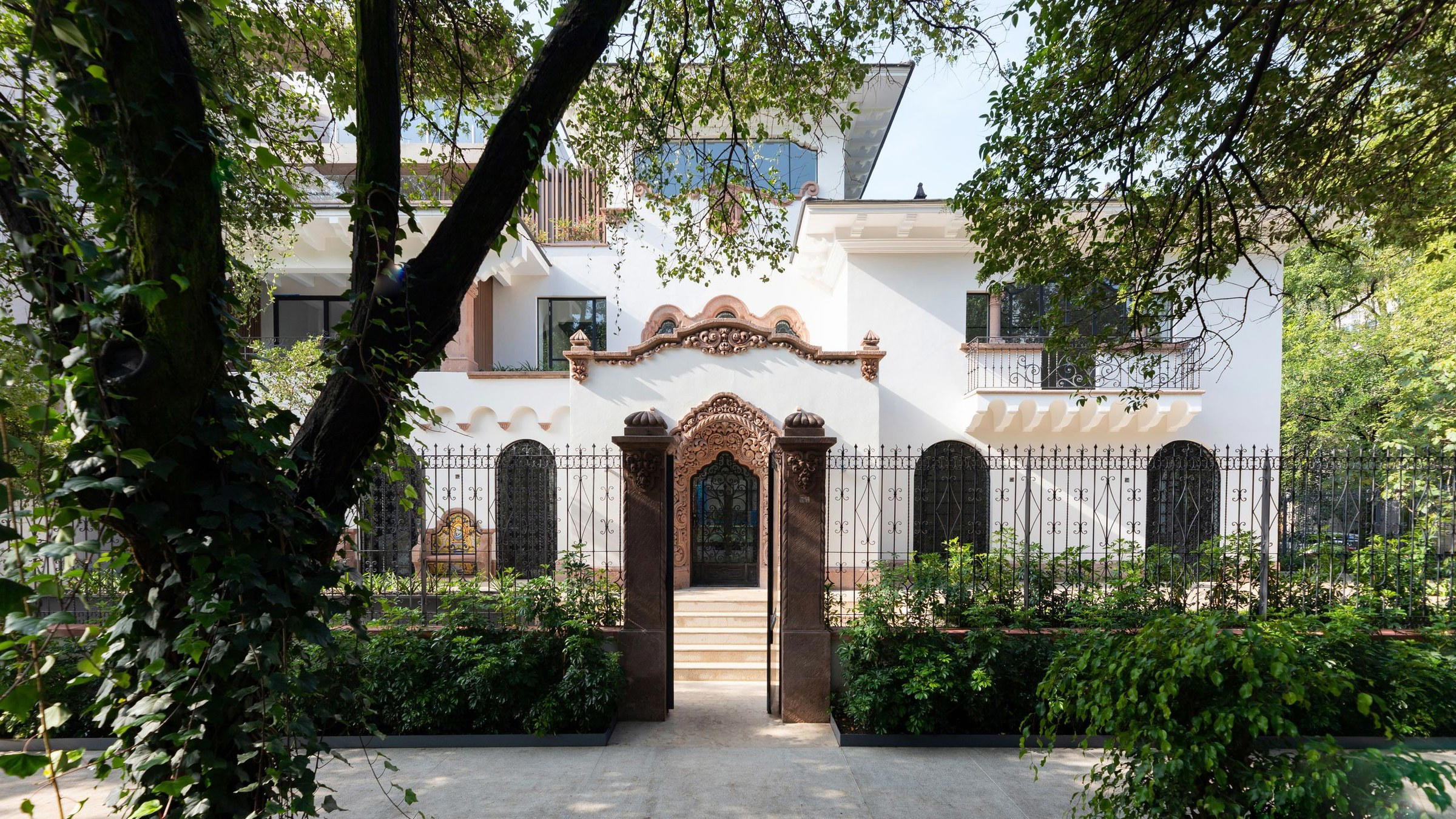
In Mexican urban planning, colonia names carry a great deal of information. Col. Industrial, Los Ángeles, in Toluca de Lerdo is a district shaped more by function than by heritage, the kind of neighbourhood where the built environment tends toward flat-fronted commercial blocks, roll-up shutters, and occasional courtyard structures that reveal more on the inside than they promise from the street. This architectural pattern, common across working districts in mid-size Mexican cities, creates a specific type of spatial experience: exteriors that resist the visitor, interiors that reward them. The street address on Calle Jose Guadalupe Posada, named for the celebrated Mexican printmaker and engraver whose satirical calavera imagery became foundational to Mexican visual culture, adds a layer of cultural specificity that many purely commercial addresses lack.
For comparison, consider how design-led properties across Mexico have used unpromising or transitional neighbourhoods as a canvas. Hotel Demetria in Guadalajara operates in a city context that, like Toluca, rewards visitors willing to move past first-impression assumptions about where quality concentrates. Casa Polanco in Mexico City takes the opposite approach, anchoring itself in one of the capital's most legible luxury corridors. The contrast between those two models, neighbourhood-earned credibility versus address-led positioning, is exactly the kind of choice that defines how a venue reads before a guest walks through the door.
Toluca in the Wider Mexican Travel Context
The Mexican hospitality scene has bifurcated sharply over the past decade. Coastal resort destinations, Los Cabos, the Riviera Maya, the Riviera Nayarit, have attracted the lion's share of international investment, producing properties like One&Only; Mandarina in Riviera Nayarit, Las Ventanas al Paraíso in San José del Cabo, Montage Los Cabos, and Zadun, A Ritz-Carlton Reserve. Inland cities, by contrast, have developed along a different axis: smaller operators, locally anchored formats, and a slower accumulation of credibility through repeat local custom rather than international press cycles.
Toluca sits in that inland category. It is not a heritage tourism city in the way that San Miguel de Allende or Oaxaca City are, and it does not have the resort infrastructure of the coastal corridors. What it has is a dense local economy, a substantial university population, and proximity to the capital that makes it a plausible stop for travellers who have already covered Mexico City's most documented dining and hospitality options. For those visitors, addresses like C. Jose Guadalupe Posada 116 represent a different kind of proposition: the chance to observe Mexican urban hospitality in a register that has not yet been filtered through international editorial attention.
What the Absence of Data Signals
The venue's current public record is sparse. In the Mexican context, that absence is not unusual for venues operating primarily through local word-of-mouth, walk-in traffic, or neighbourhood regulars rather than through digital-first discovery. It does mean that any visit requires more groundwork than a reservation at a profiled restaurant. Travellers planning around this address should treat it as an exploratory stop rather than a confirmed dining or hospitality destination, and confirm current status through local contacts or on-the-ground enquiry before building an itinerary around it.
This is not, in itself, a disadvantage. Some of the most instructive food and hospitality experiences in Mexican cities happen precisely in venues that have not yet been catalogued, where the absence of international-facing infrastructure forces a more direct engagement with local custom, pricing, and rhythm. Whether C. Jose Guadalupe Posada 116 falls into that category or is simply a business address with limited hospitality function is something that a visit will settle more reliably than any database entry.
Planning a Visit to Toluca
Toluca's Adolfo López Mateos International Airport connects the city to several Mexican hubs, and road access from Mexico City via the Autopista México-Toluca is the most common approach for visitors coming from the capital. The Col. Industrial district is not a conventional tourist quarter, so visitors would do well to pair any exploration of this address with a broader circuit of central Toluca, including the historic city centre and the covered market known for regional specialities of the Estado de México. For longer stays in Mexico that extend beyond Toluca, the country's coastal and hacienda properties offer a substantial counterpoint: Maroma in the Riviera Maya, Hotel Esencia in Tulum, Chablé Yucatán near Merida, Xinalani in Quimixto, Cuixmala in La Huerta, and Playa Viva in Juluchuca each represent distinct models of Mexican hospitality that reward comparison. Travellers moving between inland and coastal Mexico can also consider Four Seasons Resort Punta Mita, Las Alamandas in Costalegre, Etéreo in Punta Maroma, Palmaïa in Playa del Carmen, Hotel Punta Caliza in Lazaro Cardenas, and Casa Silencio in San Pablo Villa de Mitla as anchoring points for a more comprehensive Mexican itinerary. For those extending travel internationally, Aman New York, The Fifth Avenue Hotel in New York City, and Aman Venice offer reference points in cities where address and neighbourhood context also shape how a property reads from the street. Cuatrociénegas Municipality rounds out options for travellers drawn to Mexico's less-visited interior.
A Quick Peer Check
| Venue | Price | Awards |
|---|---|---|
| C. Jose Guadalupe Posada 116This venue — the venue you are viewing | Not listed | Not listed |
| One&Only Mandarina | Not listed | 3 Michelin Keys · World's 50 Best #23 |
| Las Ventanas al Paraíso, A Rosewood Resort | $750–1,000 | 2 Michelin Keys · World's 50 Best #25 |
| Montage Los Cabos | $1,000–1,500 | 2 Michelin Keys · World's 50 Best #67 |
| Rosewood Mayakoba | $1,000–1,500 | 2 Michelin Keys · World's 50 Best #95 |
| Zadun, A Ritz-Carlton Reserve | Not listed | 2 Michelin Keys · La Liste Top Hotels |
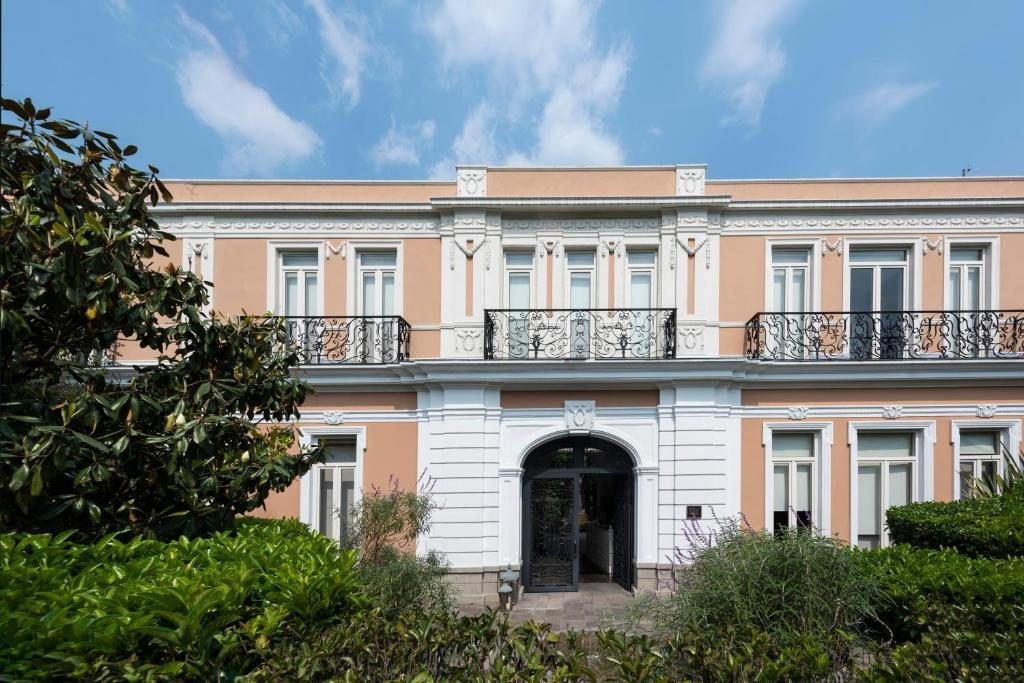
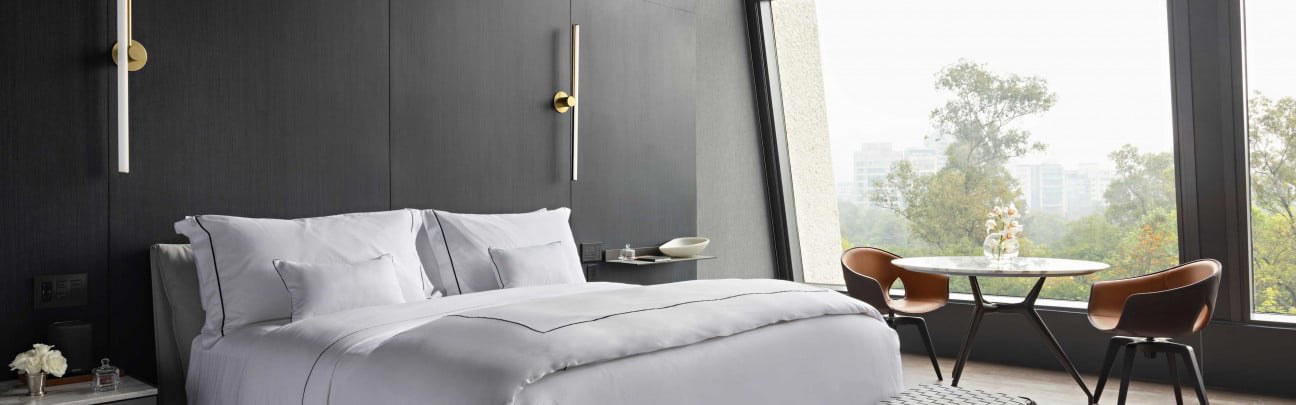
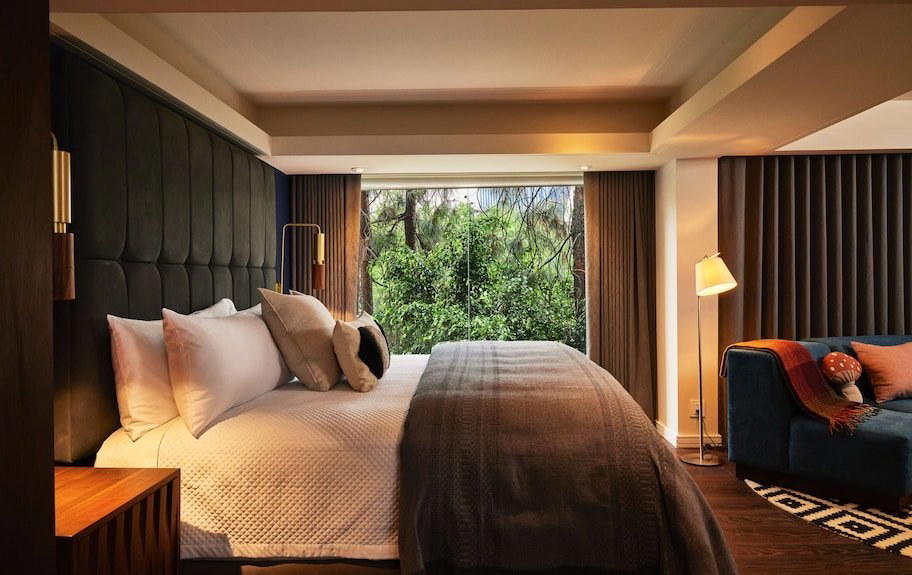
Details
- Modern
- Rustic
- Intimate
- Weekend Escape
- Historic Building
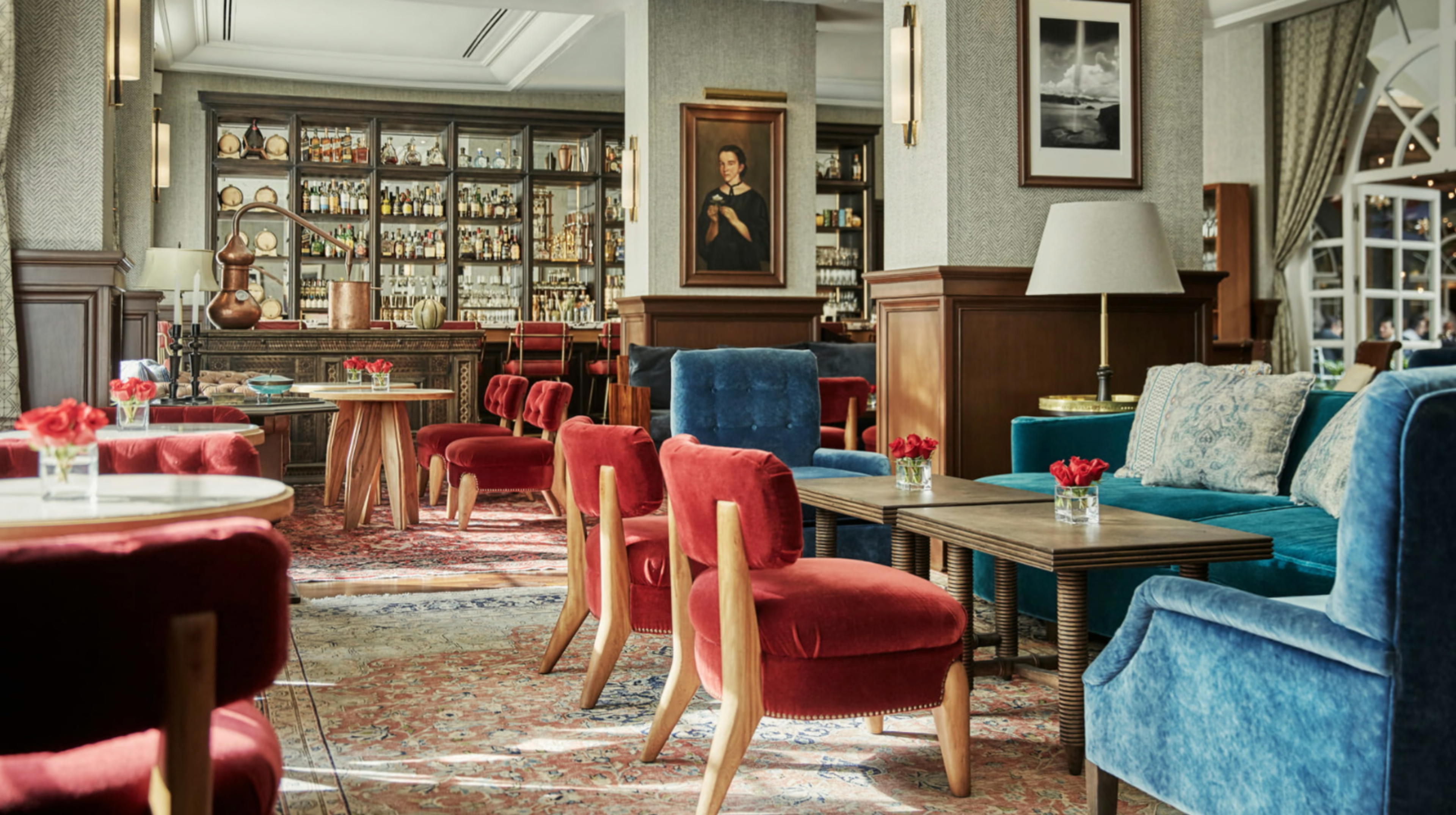
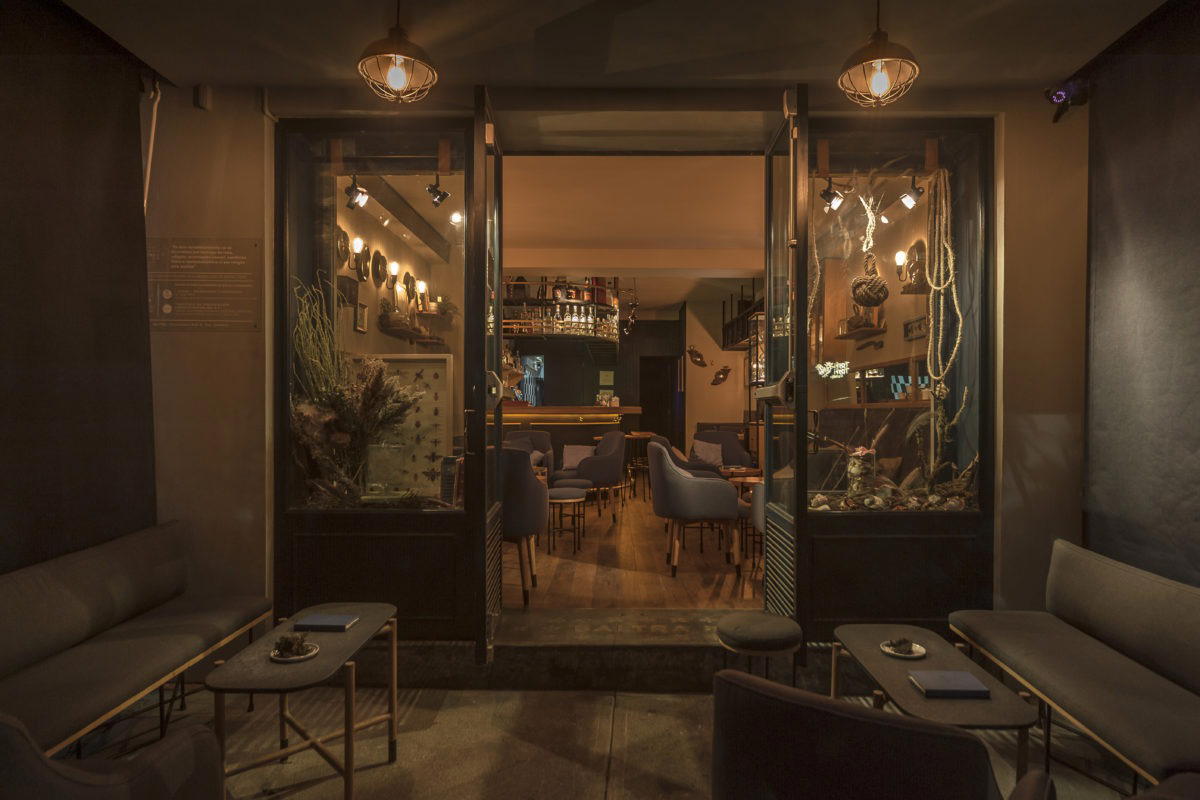
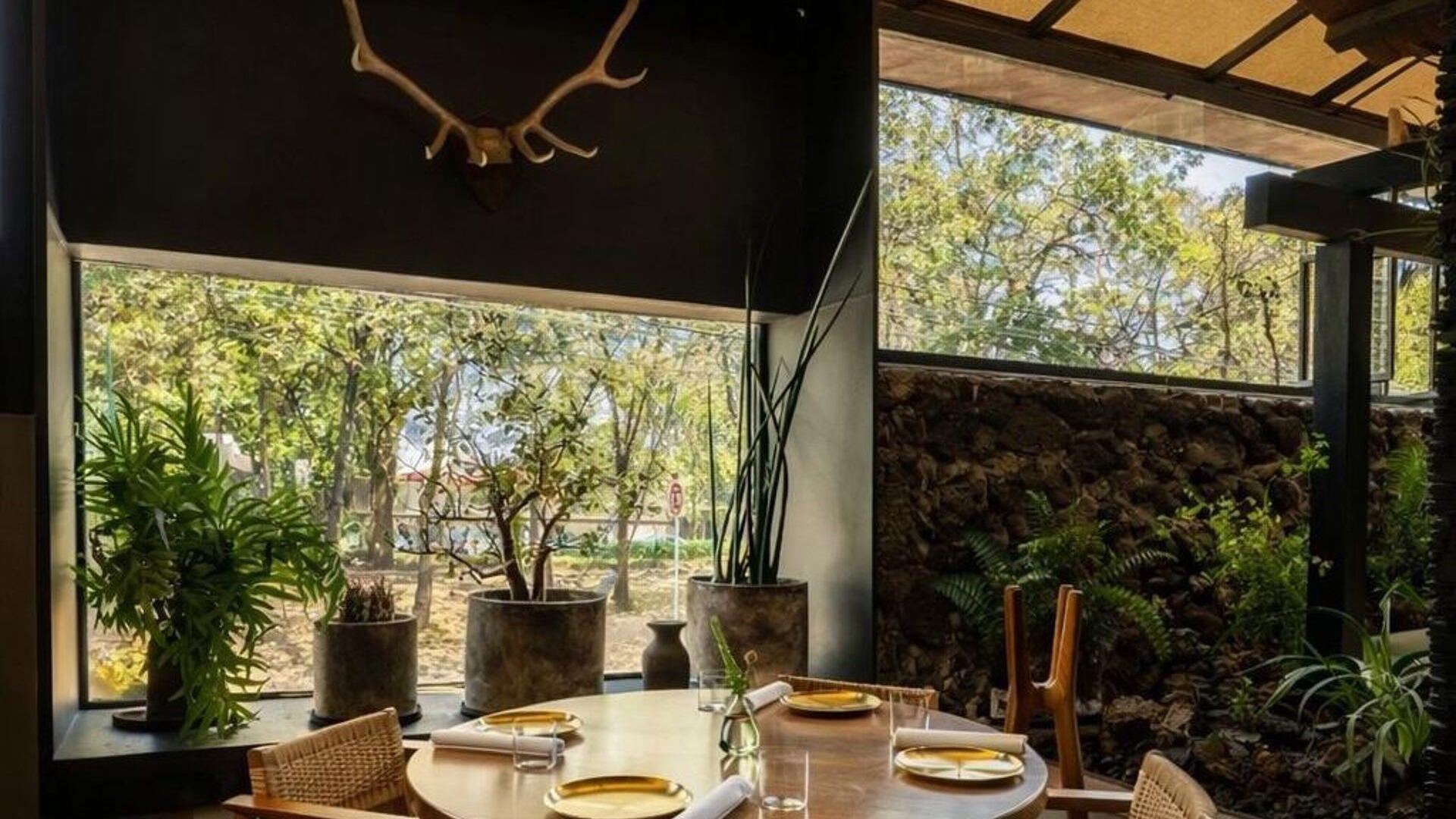
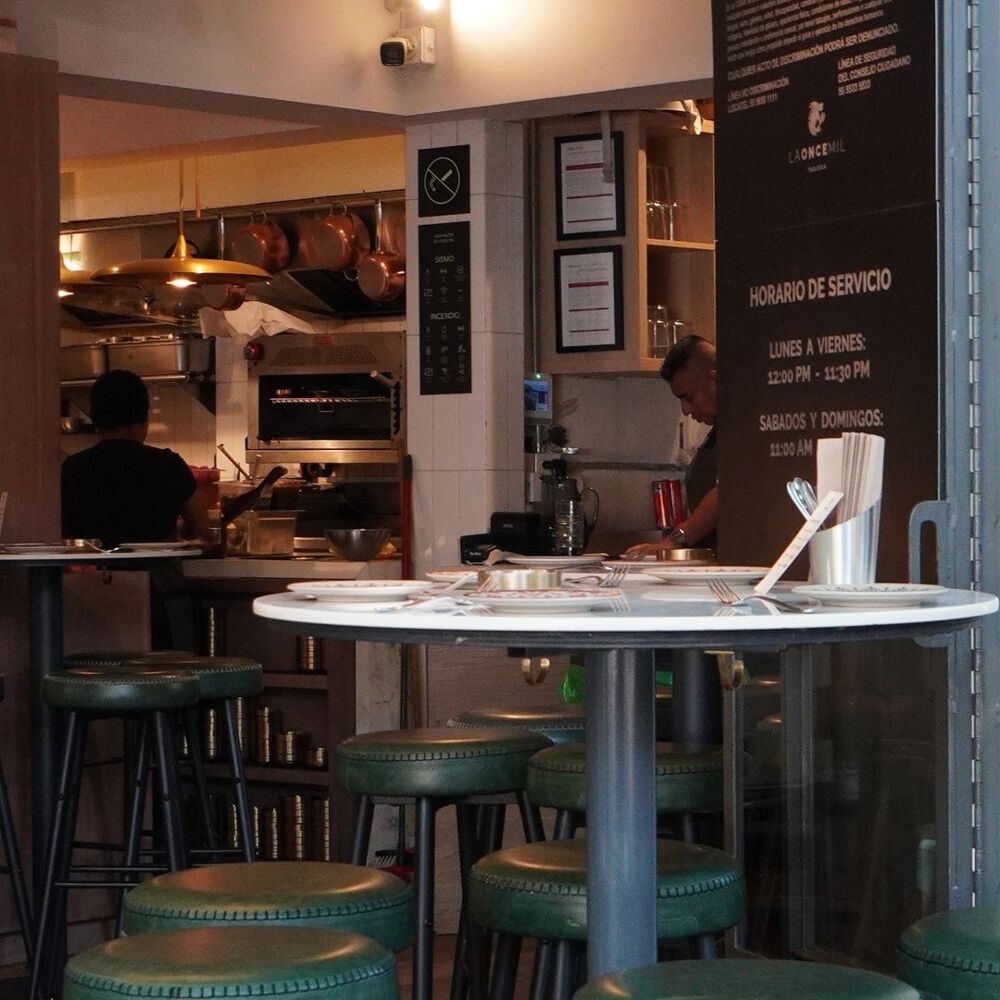
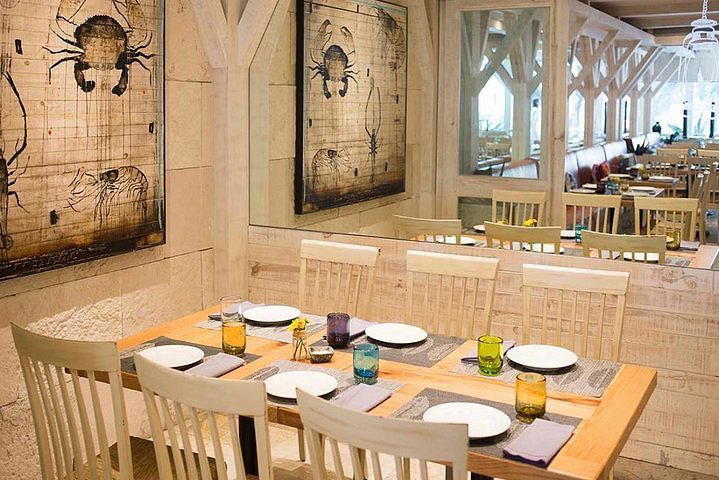
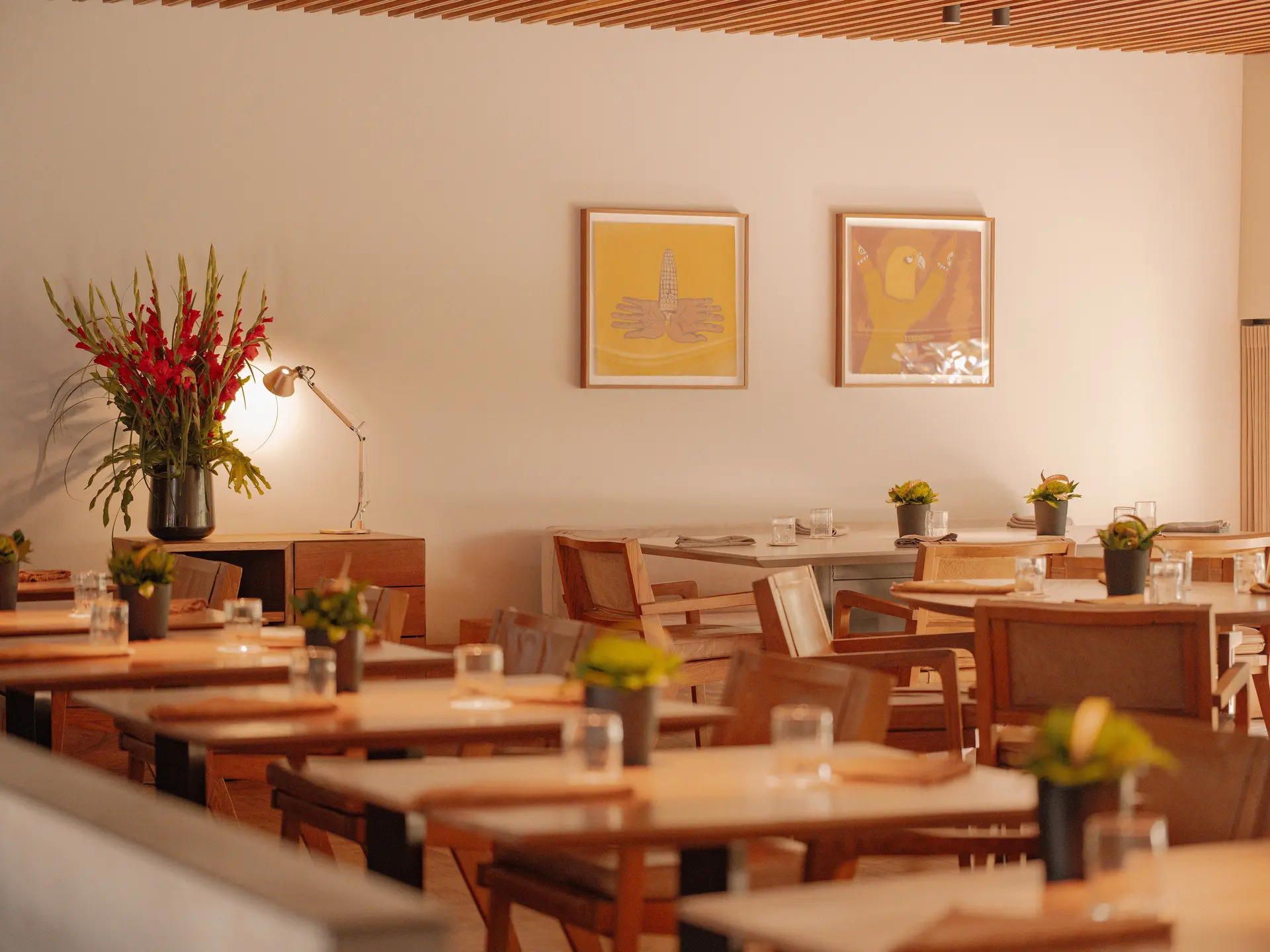
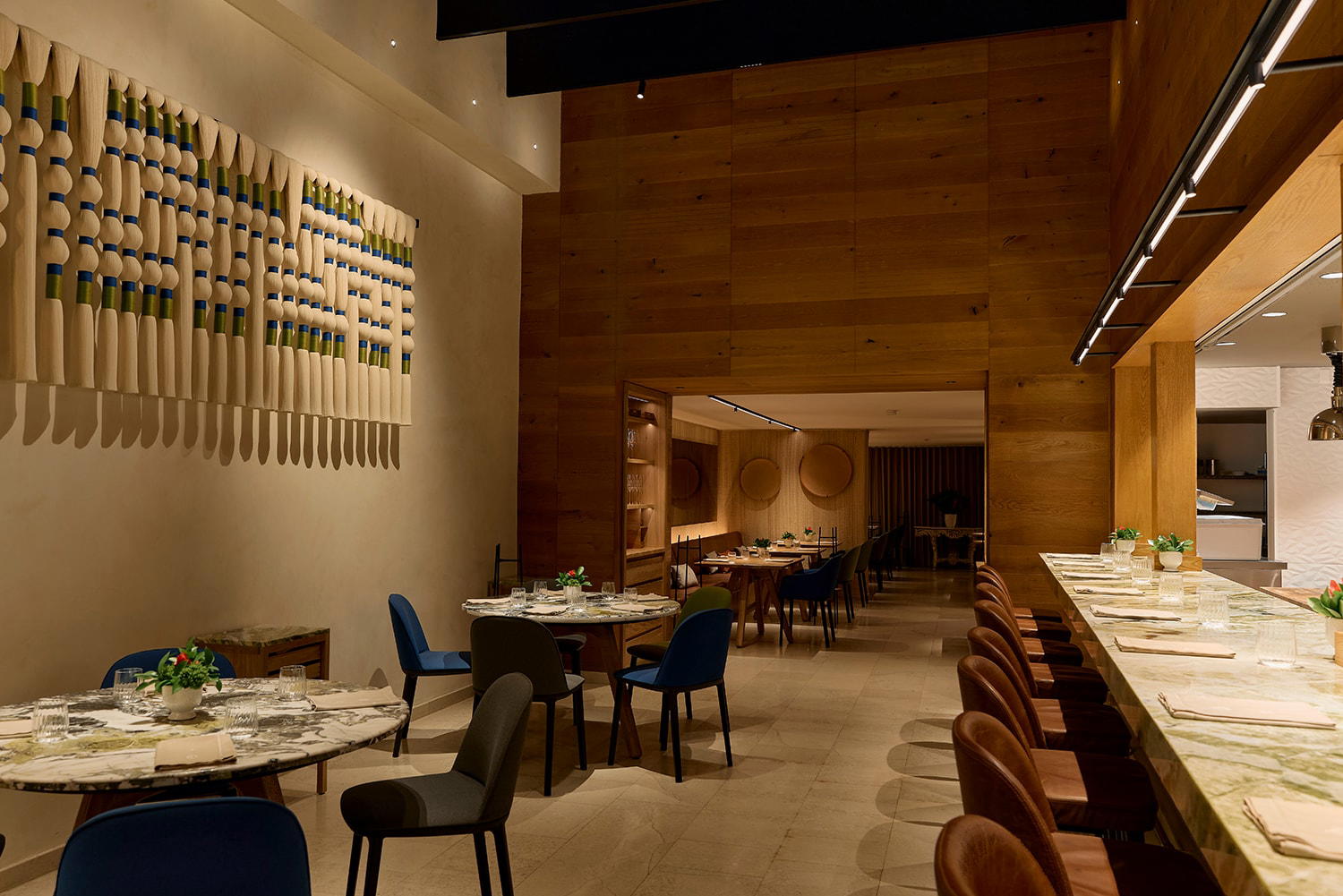
Spare room design with no art or decoration, emphasizing natural Mexican materials for a minimalist atmosphere.