Hacienda Peña Pobre


A 19th-century hacienda listed as an architectural monument, Hacienda Peña Pobre sits at Mexico City's southern edge, steps from the Bosque de Tlalpan urban forest. Its 18 rooms blend period architecture with contemporary boutique-hotel design, and its pace is closer to a country house than an urban hotel. Pricing is available on request.
Pearl is the En Primeur Club membership app — saves, bookings, and concierge access live there. Same editors, same standards.
- Address
- Cam. a Sta. Teresa 480-2, El Bosque, Tlalpan, 14266 Ciudad de México, CDMX
- Phone
- +52 55 6610 7348
- Website
- decuhotels.com
- Directions
- Get directions
 Saves & bookings on Pearl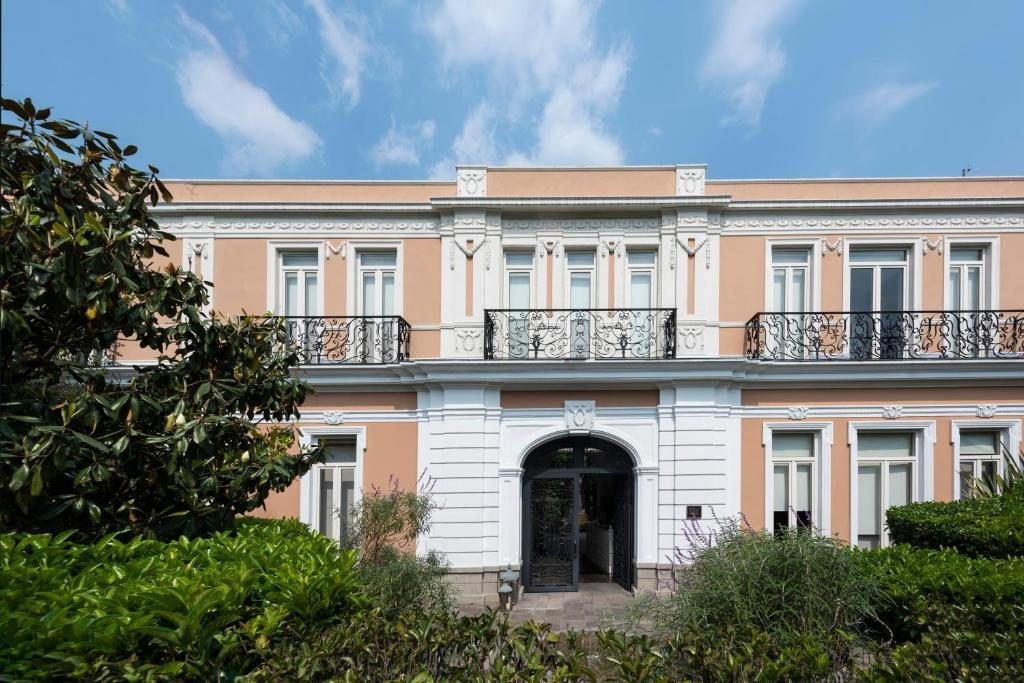
Southern Stillness in a City That Never Stops
Mexico City operates at a pitch that most visitors underestimate until they arrive. The megalopolis absorbs you quickly, and the better-known hotel districts — Polanco, Roma, Condesa — place you squarely inside its acceleration. Boutique properties like Casona Roma Norte or Casa Polanco solve the design question without solving the noise question. Hacienda Peña Pobre takes a different position: it removes itself from the urban centre entirely, placing its 18 rooms on the city's southern fringe, directly adjacent to the Bosque de Tlalpan, one of the largest urban forests in Mexico City. The result is a hotel that functions less like a base for urban exploration and more like a deliberate retreat that still has a city attached to it.
That distinction matters enormously for certain trips. Anniversaries, milestone birthdays, or any occasion where the point is presence rather than programming call for a different kind of hotel than the ones lining Presidente Masaryk. The Bosque de Tlalpan, a protected green space popular with local runners, cyclists, and families on weekends, functions as the property's de facto grounds. You step out and find forest paths rather than pavement. The psychological shift is immediate and the contrast with the city's interior is sharp enough that arriving guests routinely describe the sensation of having left Mexico City altogether, even though the urban grid is still within reach.
Architecture as Occasion
The building itself frames any stay as something out of the ordinary. Hacienda Peña Pobre is a listed architectural monument, a 19th-century hacienda whose structural fabric carries heritage protections. That classification places it in a small category of Mexican city hotels where the building is genuinely historic rather than historicist, where the walls and proportions predate the modern hospitality industry by generations. Properties of this type in Mexico tend to concentrate in cities like Oaxaca, San Miguel de Allende (see Casa de Sierra Nevada, A Belmond Hotel) or the Yucatán (see Chablé Yucatán), where colonial and hacienda stock is dense. Finding that architectural register inside Mexico City, where development pressure has erased much of the 19th-century fabric, makes the hacienda's survival and repurposing more significant than it might appear on a spec sheet.
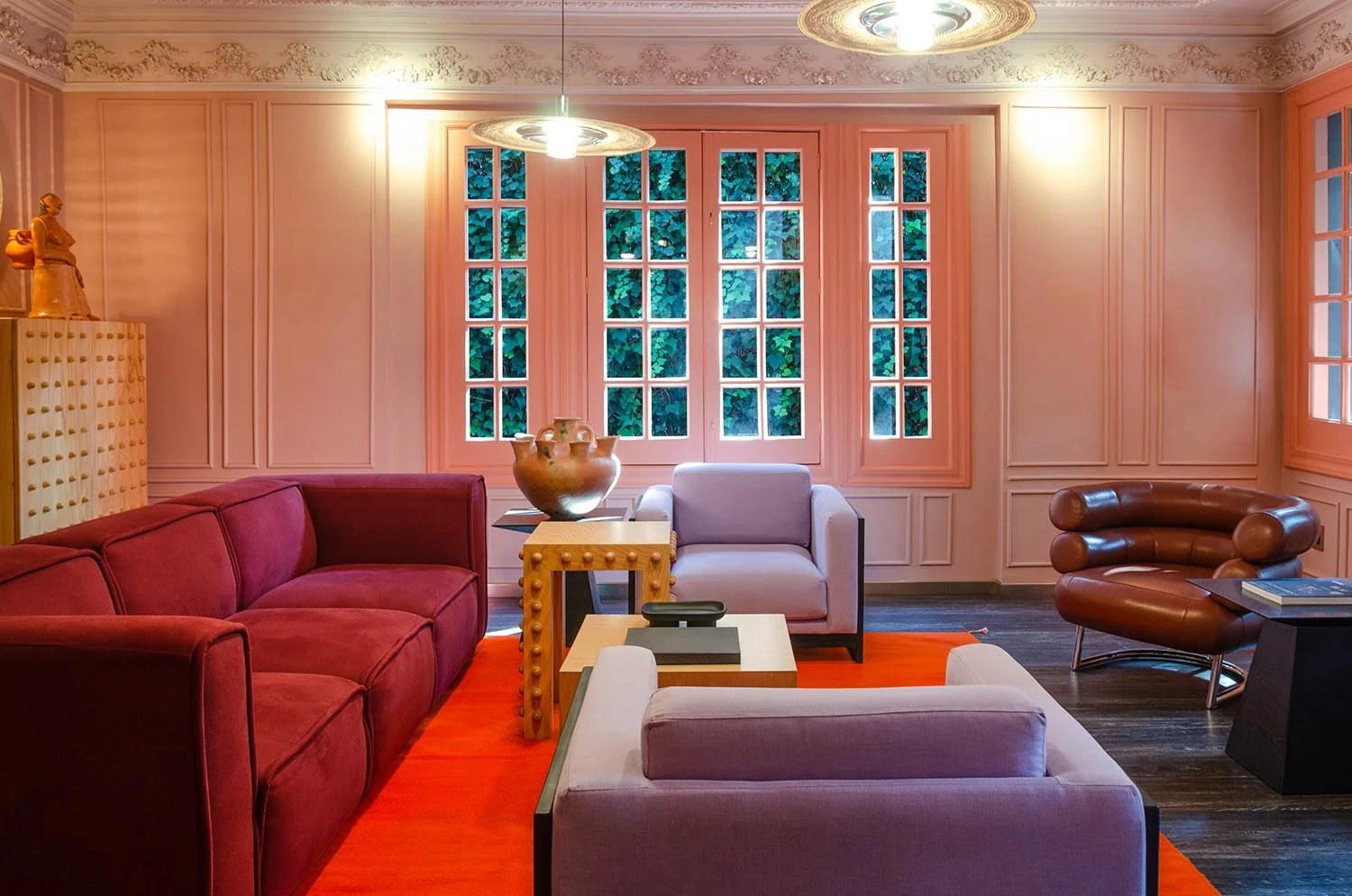
The interior approach layers contemporary boutique-hotel design over the period bones rather than attempting period-correct recreation throughout. Architectural details that carry the building's original character, proportions, materials, spatial flow, are left to do their work, while decoration reads as current rather than costumed. Works by local artists are distributed through the public and private spaces, anchoring the building to the specific cultural moment of its renovation rather than fixing it in amber. The effect reads as editorial rather than nostalgic, which tends to age better.
The Rooms and How They Are Arranged
With 18 keys in total, the property operates at a scale where individual stays register rather than disappear into hotel logistics. Room categories divide into standard rooms, suites with added kitchen and living-room space, and a Duplex configuration that combines one of each orientation. For an occasion-driven stay, a honeymoon, a significant anniversary, a milestone trip, the suite tier adds domestic ease to the experience: the ability to have a private meal in your room, to settle in across more than a single sleeping space, to slow down in a way that a standard room doesn't always permit.
The scale comparison with the city's large luxury hotels is instructive. Properties like the Four Seasons Mexico City or The St. Regis Mexico City operate across hundreds of rooms, with all the staffing depth and service consistency that implies. Hacienda Peña Pobre sits at the opposite end of that spectrum: closer in feel to properties like Casapani or CASA TEO within the city's boutique tier, or to rural-hacienda properties like Hotel Esencia in Tulum in terms of residential atmosphere. The trade-off is explicit: you gain intimacy and a distinctly unhurried pace; you give up the frictionless infrastructure of a large-format luxury hotel.
Public Spaces and the Case for Staying Put
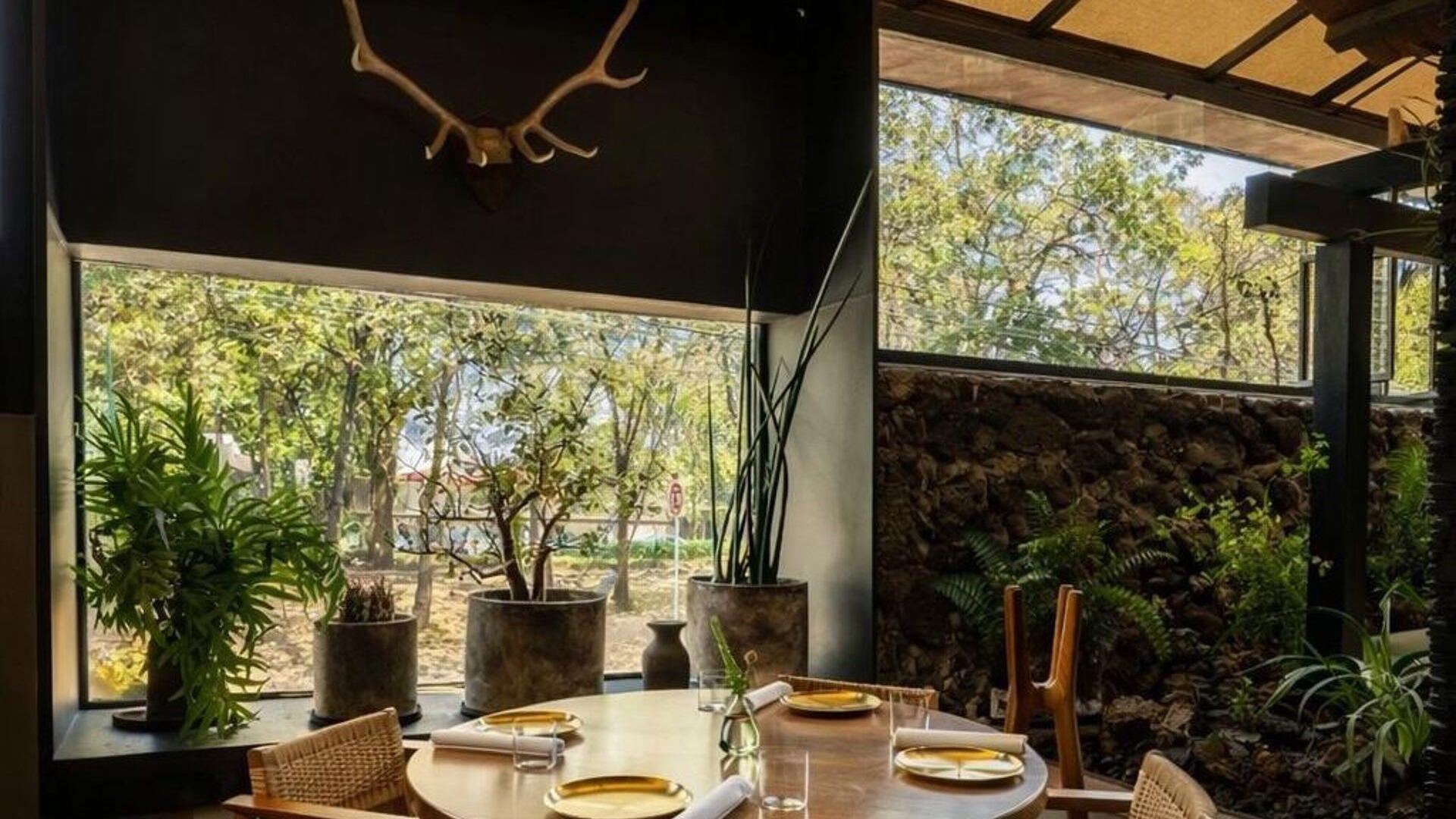
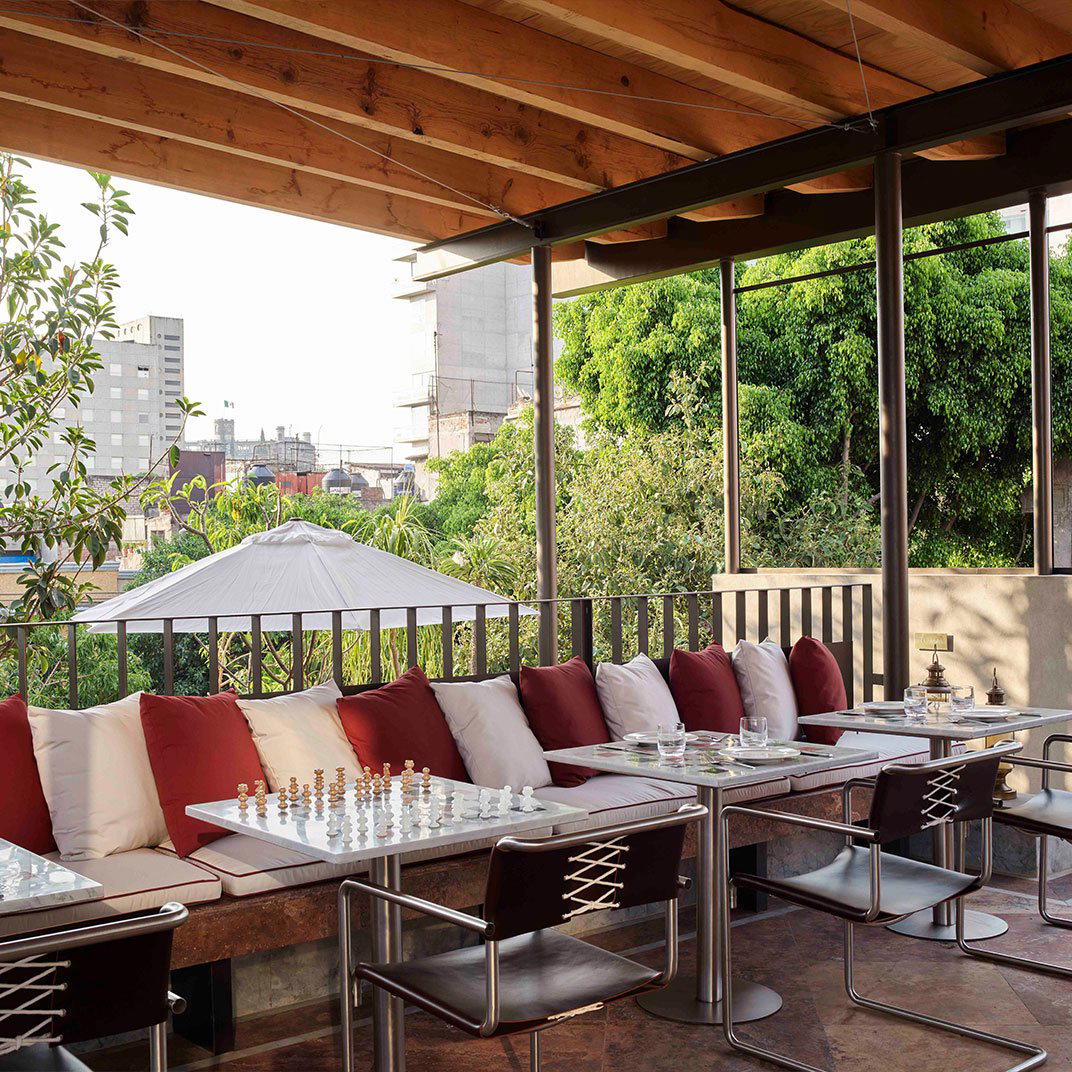
The property's common areas are configured for lingering rather than passing through. The library reads as the intellectual centre of the house, a room that rewards an hour with a book in a way that a lobby bar in a large hotel rarely does. The outdoor patio, framed by orange trees, functions as the social core: a setting for a cocktail and something to eat before or after an evening out. For anything approaching a formal dinner, the hotel directs guests to the surrounding Tlalpan neighbourhood, where the hosts provide recommendations and contextual guidance. That model, hotel as orientating host rather than self-contained resort, suits experienced travellers who want curation rather than containment.
Tlalpan area itself deserves a note. It is not Roma Norte, and it is not Polanco. It is a southern borough with its own colonial centre, its own market culture, and its own restaurant ecosystem, all of which remain largely outside the circuits that most international visitors follow. Staying here means access to a different layer of the city. Properties in the international luxury tier, One&Only; Mandarina, Las Ventanas al Paraíso in Los Cabos, or Montage Los Cabos, curate their surroundings heavily for international tastes. Hacienda Peña Pobre makes no such adjustment. The neighbourhood is what it is, and that authenticity is precisely the point for the traveller who has already done Polanco.
Planning Your Stay
Pricing at Hacienda Peña Pobre is available on request rather than published through standard online channels, which is typical for properties of this scale and positioning. That structure tends to reflect availability-dependent rates and the kind of bespoke communication that a 18-room property can sustain in a way that a large hotel cannot. Guests planning around a specific occasion, an anniversary dinner in Tlalpan, a quiet few days with access to the forest, will find the request model better suited to that kind of trip than a standard booking engine. For comparison, other intimate city properties in Mexico City like Campos Polanco, Alexander, Brick Hotel, or Casa Nuevo León Hotel each offer a different neighbourhood anchor; none offer the combination of listed historic architecture and immediate forest access that defines the Hacienda Peña Pobre proposition. For those travelling beyond Mexico City, Mexico's boutique accommodation scene extends to properties like Casa Silencio in San Pablo Villa de Mitla, Xinalani in Quimixto, and Etéreo, Auberge Resorts Collection near Playa del Carmen. For a full picture of where to eat and drink while based here, see our full Mexico City restaurants guide.
How Hacienda Peña Pobre Mexico City compares with similar nearby venues.
| Venue | Awards |
|---|---|
| Hacienda Peña Pobre | Michelin 1 Key |
Recognition history
Dated appearances from independent guides and award organizations, with the underlying list record or original source where available.
Michelin 1 Key
Michelin
Small Luxury Hotels of the World Member
Small Luxury Hotels of the World
Continue exploring
More in Mexico City
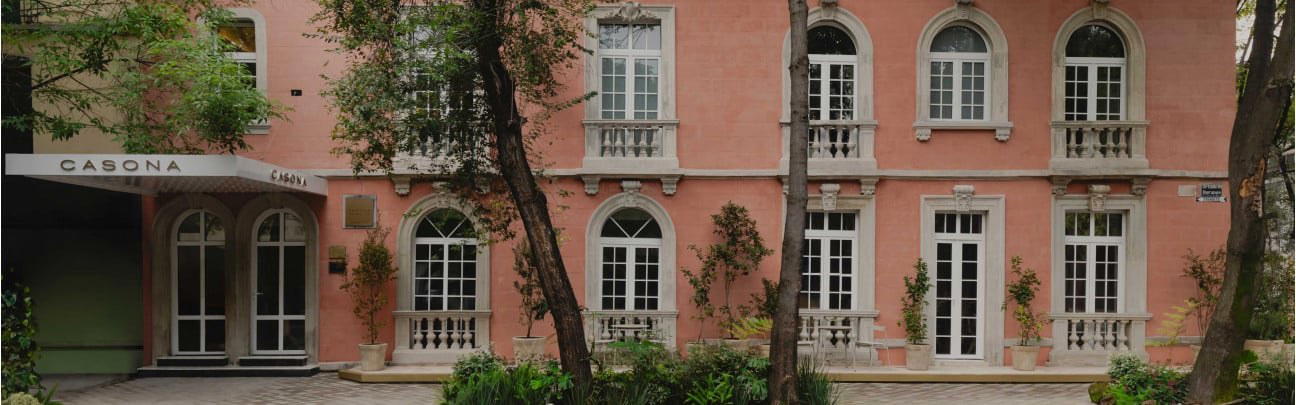
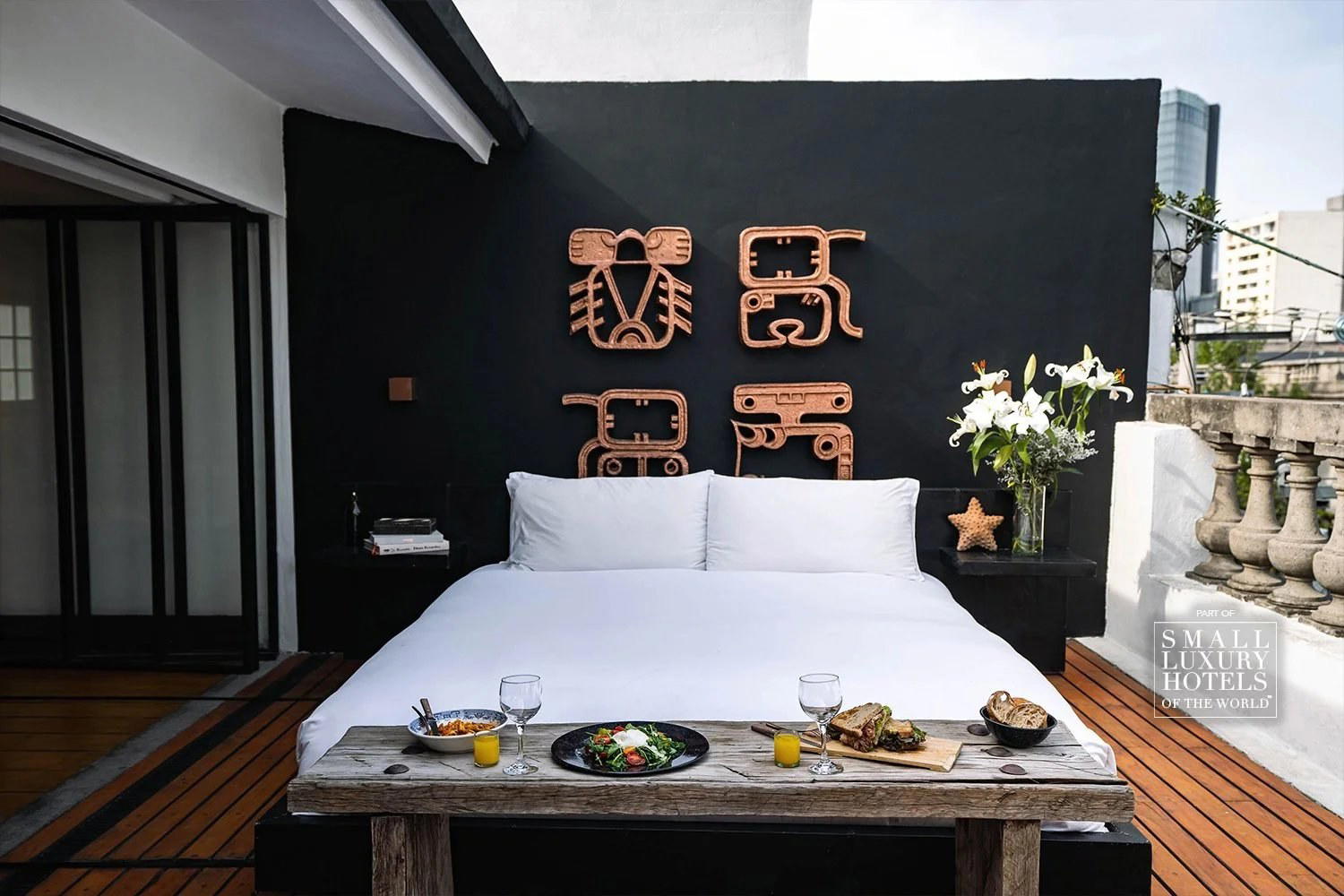
Hotels in Mexico City
Browse all →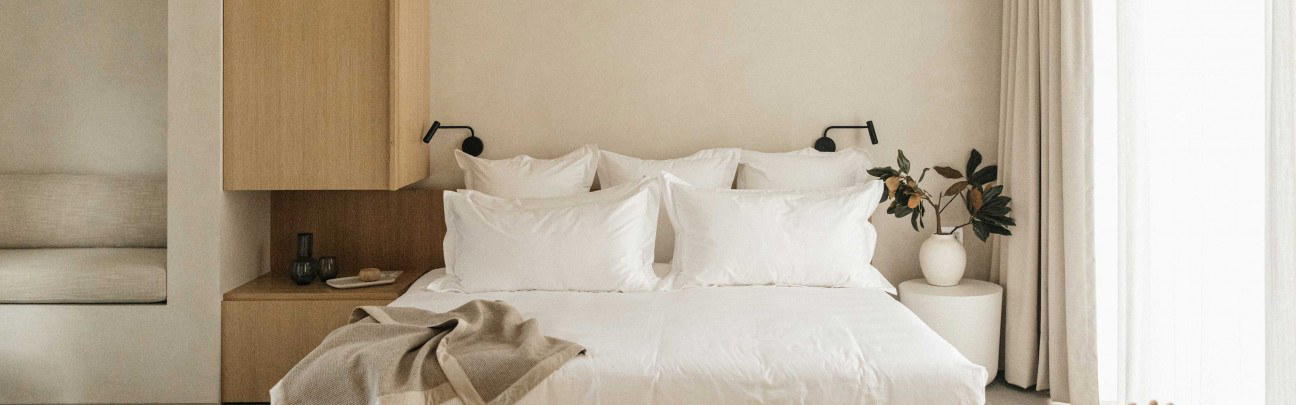
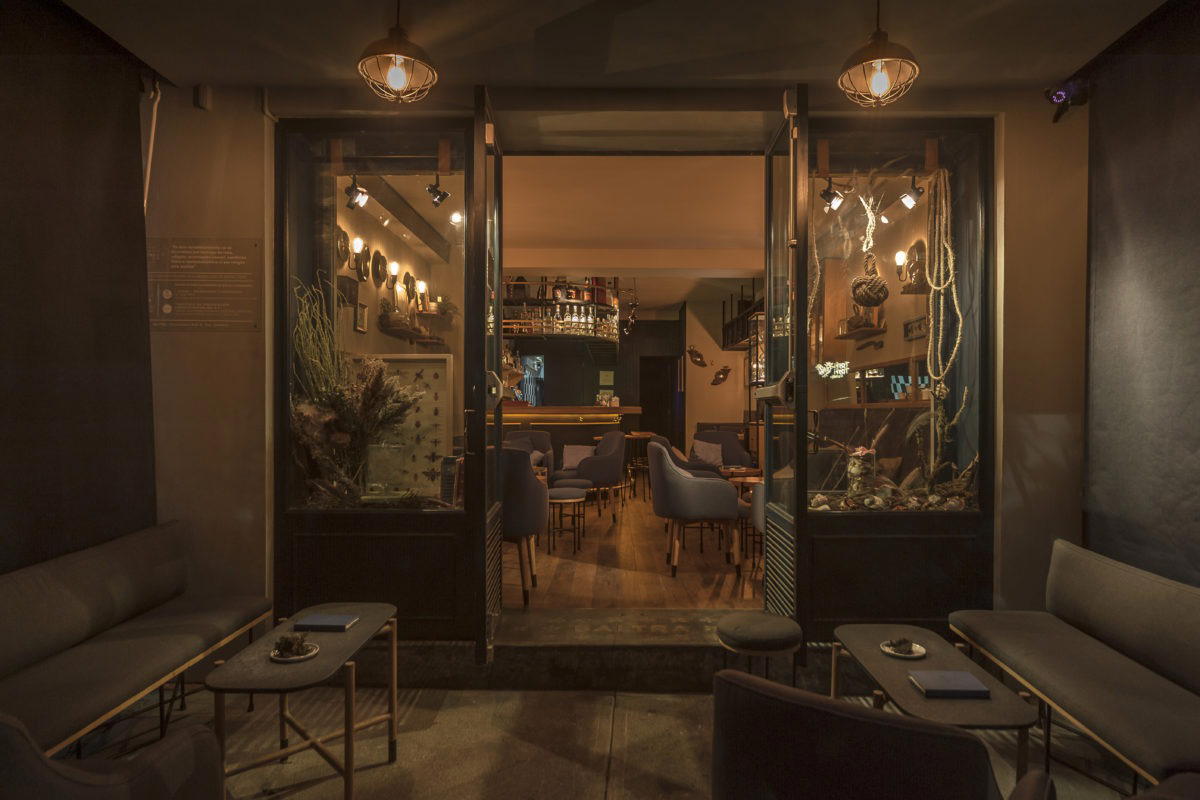
Bars in Mexico City
Browse all →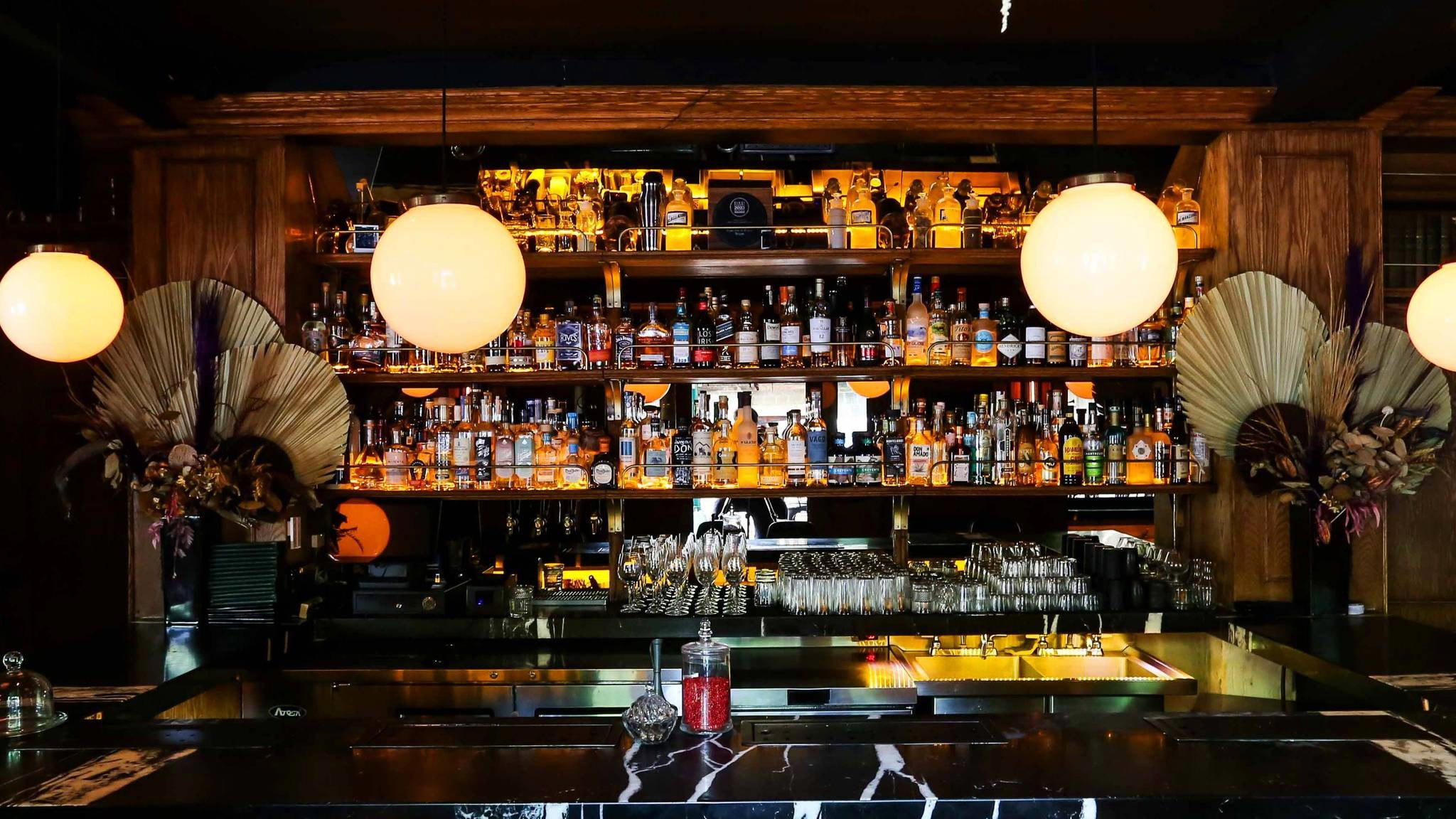
At a Glance
- Romantic
- Quiet
- Classic
- Elegant
- Intimate
- Romantic Getaway
- Weekend Escape
- Family Vacation
- Anniversary
- Historic Building
- Garden
- Terrace
- Design Destination
- Wi Fi
- Fitness Center
- Spa
- Restaurant
- Room Service
- Concierge
- Airport Shuttle
- Laundry Service
- Garden
- Wi Fi
- Fitness Center
- Spa
- Restaurant
- Room Service
- Concierge
- Airport Shuttle
- Laundry Service
Light and airy spaces with ornate ironwork, white-framed windows, and peach walls; guests describe it as peaceful, tranquil, and homey with excellent service creating a welcoming atmosphere.
Know Before You Go
- Getting there
- Cam. a Sta. Teresa 480-2, El Bosque, Tlalpan, 14266 Ciudad de México, CDMX