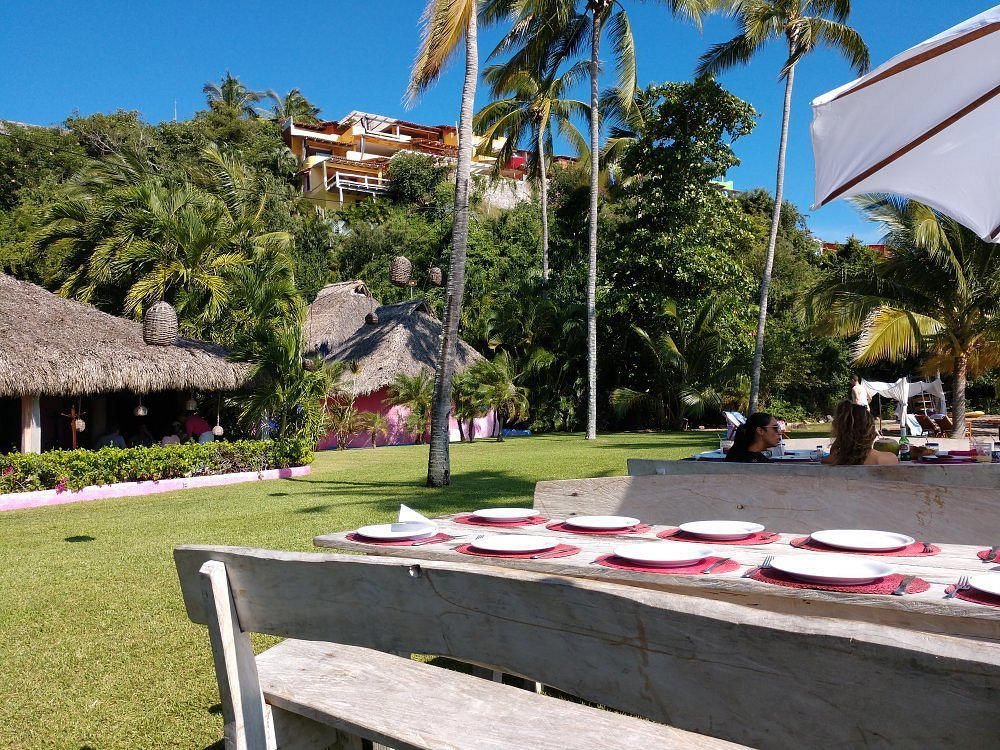
Cuixmala occupies a stretch of Jalisco's Costalegre coast where the Sierra Madre meets the Pacific, operating as a private reserve estate rather than a conventional luxury resort. The architecture draws from a Moorish-influenced design tradition translated through tropical materials, with thatched palapas, ochre domes, and open-air structures that dissolve the boundary between interior and jungle. For Mexico's most isolated category of high-end accommodation, this is the reference point.
Pearl is the En Primeur Club membership app — saves, bookings, and concierge access live there. Same editors, same standards.
- Address
- Carretera Melaque, Puerto Vallarta - Manzanillo Km. 46, 48983 Jal., Mexico
- Phone
- +52 315 351 6050
- Website
- cuixmala.com
- Directions
- Get directions
 Saves & bookings on Pearl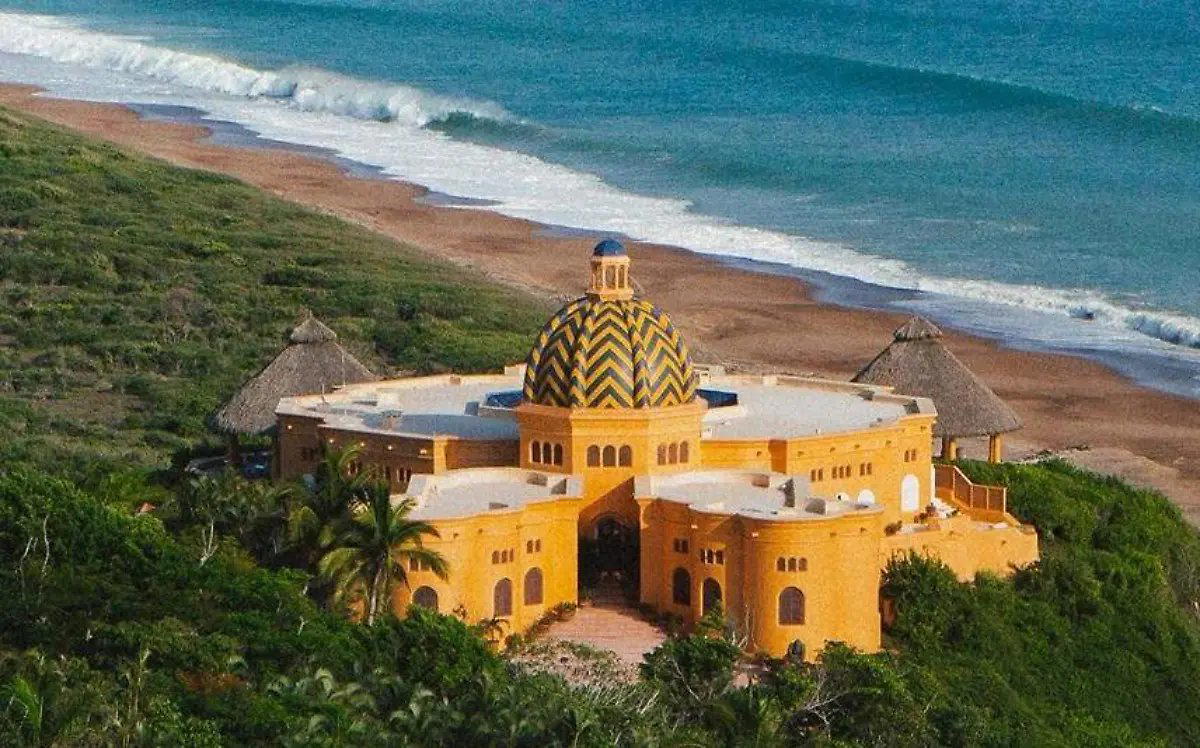
Where the Jalisco Coast Keeps Its Distance
Mexico's luxury accommodation market has bifurcated sharply over the past two decades. On one side sit the high-density resort corridors of Los Cabos, Puerto Vallarta, and the Riviera Maya, where branded towers compete for beach frontage and consistent infrastructure softens the edge of remoteness. On the other side, a smaller and more deliberate tier of properties has claimed the coast between those poles, operating at genuine remove from international airports, room-service culture, and the gravitational pull of the wellness-resort circuit. Cuixmala, positioned along Jalisco's Costalegre at kilometre 46 of the Carretera Melaque-Puerto Vallarta-Manzanillo highway, belongs firmly to this second category. La Huerta is not a destination that arrives at you; reaching it requires intent.
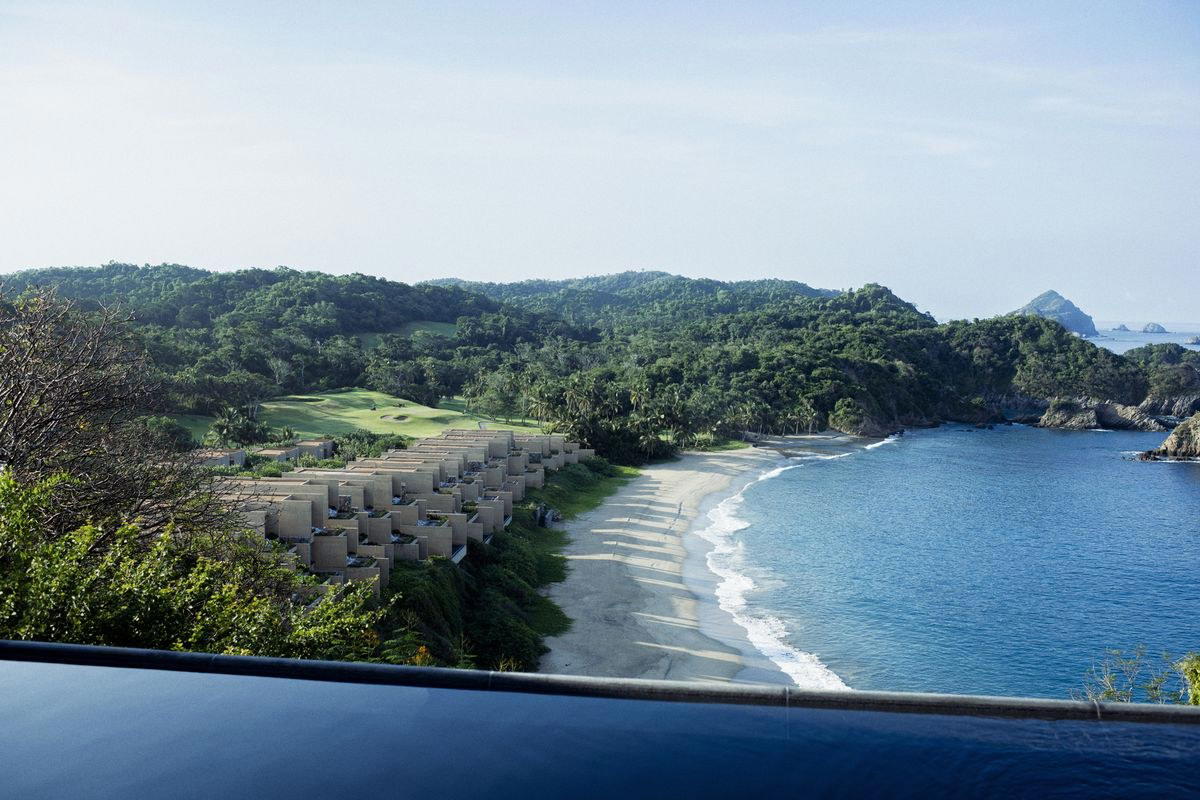
That distance is not incidental. It is the organizing principle around which the entire property functions. The Costalegre, a roughly 200-kilometre stretch of Jalisco coastline designated as a UNESCO Biosphere Reserve, remains one of Mexico's least developed Pacific shores, and Cuixmala's position within it reflects a founding logic of conservation and seclusion that has defined the estate from the outset. Properties in this tier, including Las Alamandas in Costalegre, operate with a self-sufficiency and privacy orientation that distinguishes them from anything in a conventional resort catalogue.
The Architecture of Deliberate Theatricality
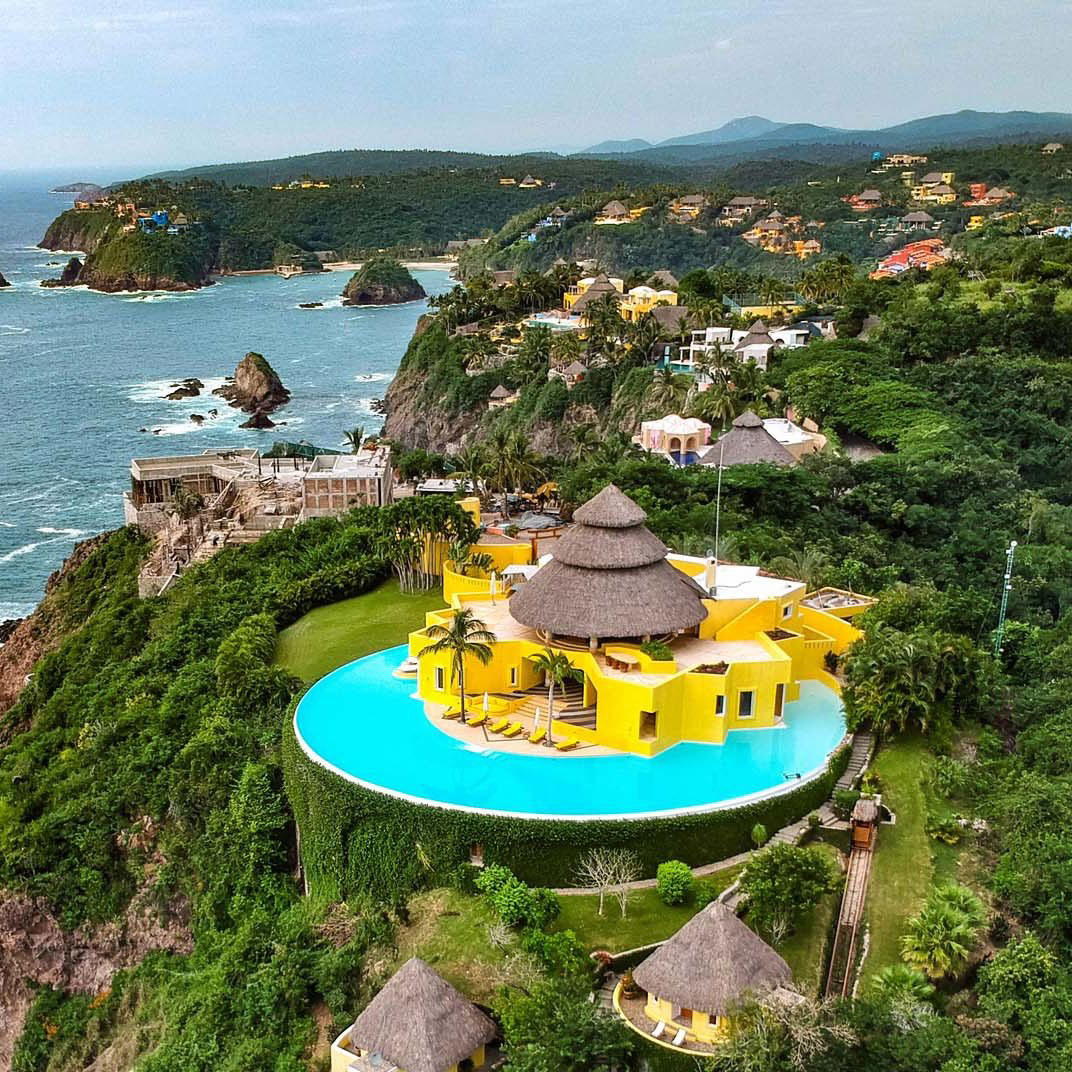
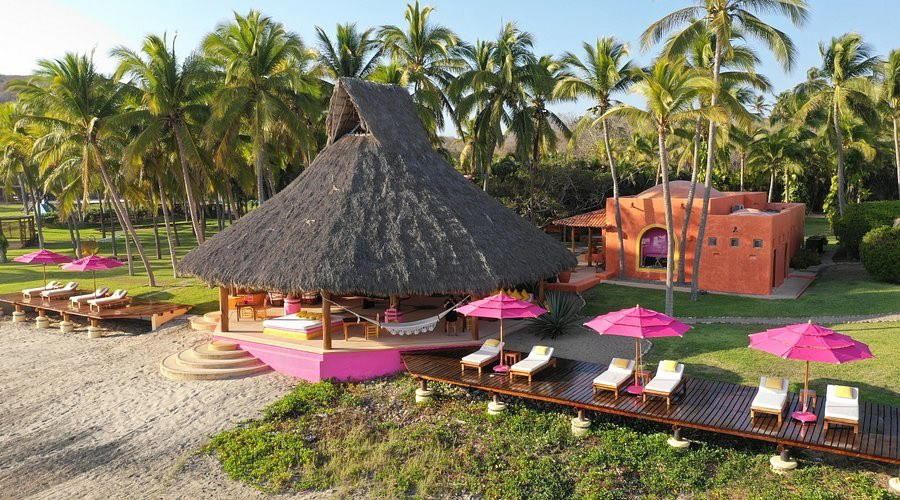
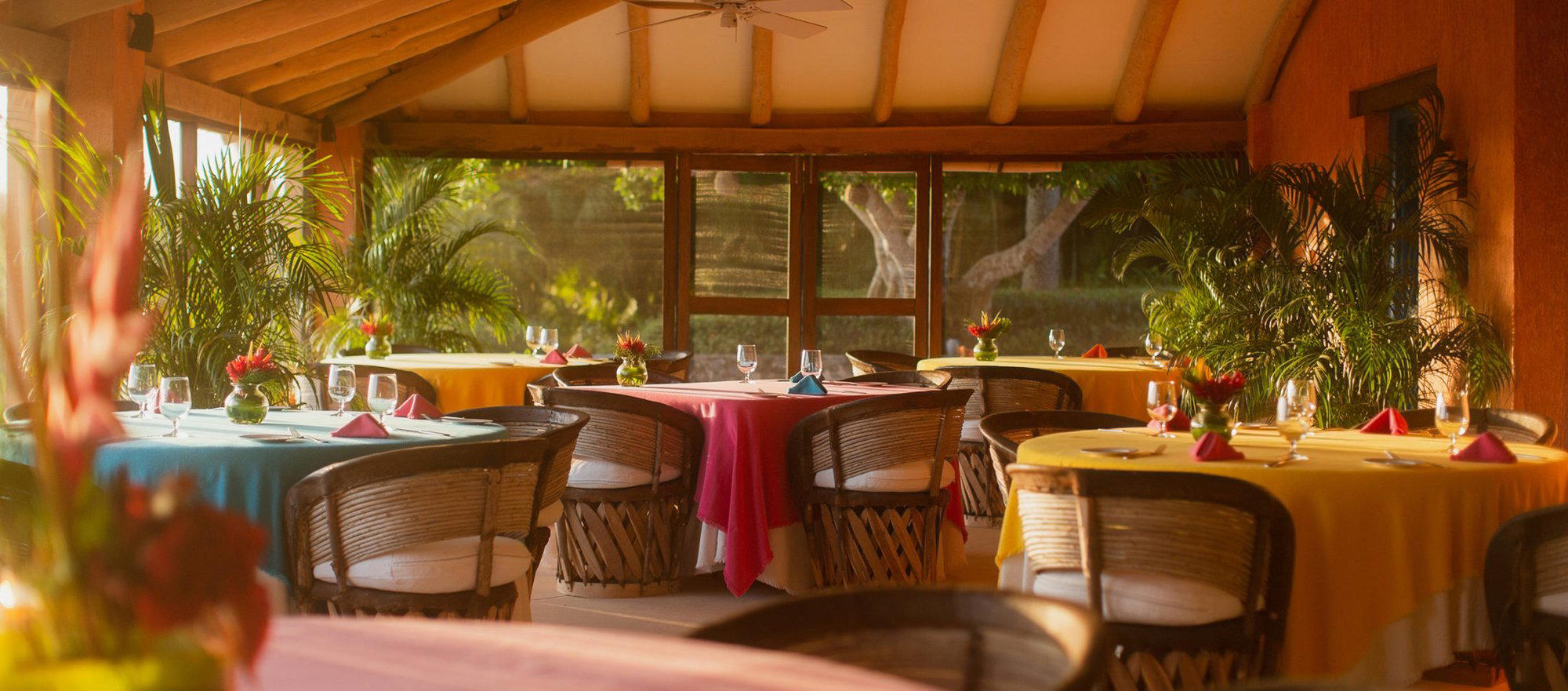
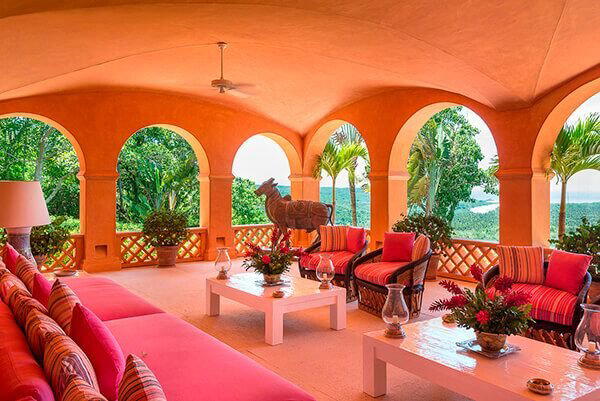
The physical language of Cuixmala is the property's most immediately legible statement. Where much of Mexico's high-end coastal accommodation has converged on an aesthetic of rectilinear minimalism, with concrete planes, infinity-edge pools, and a studied restraint that signals international luxury fluency, Cuixmala moves in a completely different formal direction. The architecture draws from a Moorish-North African vocabulary, filtered through tropical materials and a scale that reads as palatial rather than intimate. Ochre and terracotta domes rise above the jungle canopy. Thatched palapas extend over open-air living spaces. The structures are built to breathe rather than to seal, taking advantage of prevailing coastal breezes in a way that represents a genuine climatic strategy, not a decorative gesture.
This design approach aligns Cuixmala with a tradition of high-concept resort architecture that gained momentum in Mexico during the late twentieth century, when a generation of properties on isolated coastlines built around strong formal identities rather than brand standards. The contrast with contemporaries in more developed corridors is instructive. Properties such as One&Only; Mandarina in Riviera Nayarit or Four Seasons Resort Punta Mita operate within strong brand frameworks that impose a degree of formal consistency. Cuixmala's aesthetic is more singular and less mediated by international hospitality conventions, which gives it a different quality of presence, one that rewards guests who engage with architecture as an experience rather than a backdrop.
The estate's accommodation spreads across villa-format structures rather than a central hotel block, a configuration that reinforces the sense of inhabiting a private compound rather than checking into a resort. Casitas, villas, and the larger Casa Grande configuration each offer different relationships to the surrounding landscape, from tighter palapa-roofed spaces to expansive multi-bedroom arrangements with private pool access. The spatial hierarchy matters here: the larger villas position guests inside the jungle-to-ocean gradient in a way that the smaller units, however well-appointed, cannot fully replicate.
The Reserve Context
Understanding Cuixmala requires placing it inside its biosphere context. The property sits within a private nature reserve that encompasses thousands of hectares of tropical dry forest, wetlands, lagoons, and Pacific beachfront. This is not amenity-speak for a hotel garden. The reserve functions as a working conservation zone, and the presence of wildlife, from jaguars and crocodiles in the lagoons to sea turtle nesting activity on the beaches, is a structural feature of the guest experience rather than an optional excursion. This positions Cuixmala within a conservation-hospitality hybrid category that has grown more formally recognized internationally, though the property's version of it predates the current wave of eco-resort positioning by several decades.
Among Mexico's high-end properties with genuine conservation footprints, the comparison set is narrow. Playa Viva in Juluchuca operates on a similar axis, with an emphasis on regenerative practice along the Guerrero coast. Xinalani in Quimixto occupies a bay accessible only by water, with a similar insistence on ecological setting as a primary feature. These properties share a logic that prioritises place over polish, though Cuixmala operates at a scale and formality that places it in a different price and expectation bracket than most conservation-oriented accommodation in Mexico.
Planning the Stay
Cuixmala is located at kilometre 46 of the Carretera Melaque, in the municipality of La Huerta, Jalisco. The nearest commercial airport is Manzanillo-Costalegre International (ZLO), which receives direct flights from several North American cities and is substantially closer than Guadalajara's Miguel Hidalgo airport, though both are viable depending on routing. The property is typically accessed by road transfer from the airport, and the drive itself passes through the coastal landscape that contextualises the arrival. Guests do not simply arrive; they cross through a version of the environment they are about to inhabit for several days.
The property's remove from urban infrastructure means that on-site facilities carry more weight than at city or corridor-adjacent hotels. Activities, dining, and the estate's own landscape become the primary material of the stay. Advance communication about logistics, excursions, and seasonal conditions is worth more here than at properties where the surrounding city or resort corridor provides a buffer. The dry season, running roughly from November through April, is one reliable window for beach use and outdoor activity; the wet season brings the jungle to a more saturated version of itself, with different wildlife activity and a more dramatic atmospheric quality.
For travellers building a broader Mexico itinerary around high-design, isolated properties, the Costalegre sits between two more trafficked axes. The Riviera Nayarit to the north, anchored by properties including One&Only; Mandarina, and Los Cabos to the south, where Zadun, A Ritz-Carlton Reserve, Las Ventanas al Paraíso, and Montage Los Cabos represent the peninsula's premium tier, offer more logistical ease but a fundamentally different character. The Costalegre requires a separate trip logic.
For further reference across Mexico's design-led property category, Chablé Yucatán in the Yucatan interior and Hotel Esencia in Tulum offer parallel examples of strong architectural identity in isolated settings, as does Maroma in Riviera Maya on the Caribbean coast. Each operates in a different regional register, but the underlying logic, distinctive design, ecological setting, deliberate remove, runs through all of them.
Fast Comparison
Comparable venues nearby, for context on price, style, and recognition.
| Venue | Cuisine | Price | Notes |
|---|---|---|---|
| CuixmalaThis venue — the venue you are viewing | Eco-luxury nature reserve estate | $$$$ | Not listed |
| Kimpton Mas Olas | Modern Mexican boutique resort with sustainability and wellness focus | $$$$ | Todos Santos |
| TAGOO | Back-to-nature luxury eco-friendly boutique | $$$$ | Zona Costera |
| Villa Escondida | Contemporary Mediterranean beachfront villa with locally sourced materials | $$$$ | La Bocana Copalita |
| Lo Sereno Casa de Playa | barefoot luxury modernist beachfront retreat | $$$$ | Troncones |
| The Standard | Boutique hotel redefining hospitality with urban flair. | $$$$ | Tabacalera |
At a Glance
- Scenic
- Elegant
- Rustic
- Ornate
- Romantic Getaway
- Wellness Retreat
- Honeymoon
- Group Retreat
- Beachfront
- Private Villa
- Panoramic View
- Pool
- Spa
- Beach Access
- Restaurant
- Concierge
- Waterfront
- Mountain
- Garden
- Pool
- Spa
- Beach Access
- Restaurant
- Concierge
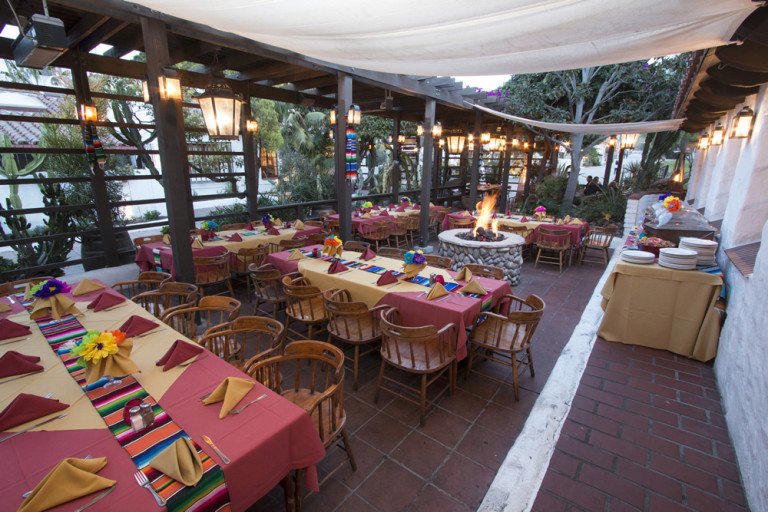
Understated luxury with Moorish-Mexican design, panoramic ocean and nature views, open-air spaces blending indoor-outdoor living amid lush jungle and savannah sounds.